Grinding a Great Dane Nail Thicker Than a Pencil
If you're a Great Dane owner, you know the struggle is real when it comes to those nails. They're not just any nails; they're like industrial-strength talons that can be thicker than a pencil and just as hard to manage. Trying to trim them can feel like an impossible task, often leading to stress for both you and your giant companion. This guide is here to walk you through the world of grinding those formidable Great Dane nails, focusing on how to tackle even the toughest, thickest ones without all the drama.
Why Great Dane Nails Are a Monumental Task
Let's be honest, Great Dane nails are in a league of their own. They're not like the delicate little claws on smaller breeds that you can snip with a pair of drugstore clippers. These are serious nails that demand serious attention, and ignoring them isn't an option if you want your Dane to be comfortable and healthy.
The Anatomy of a Giant Paw
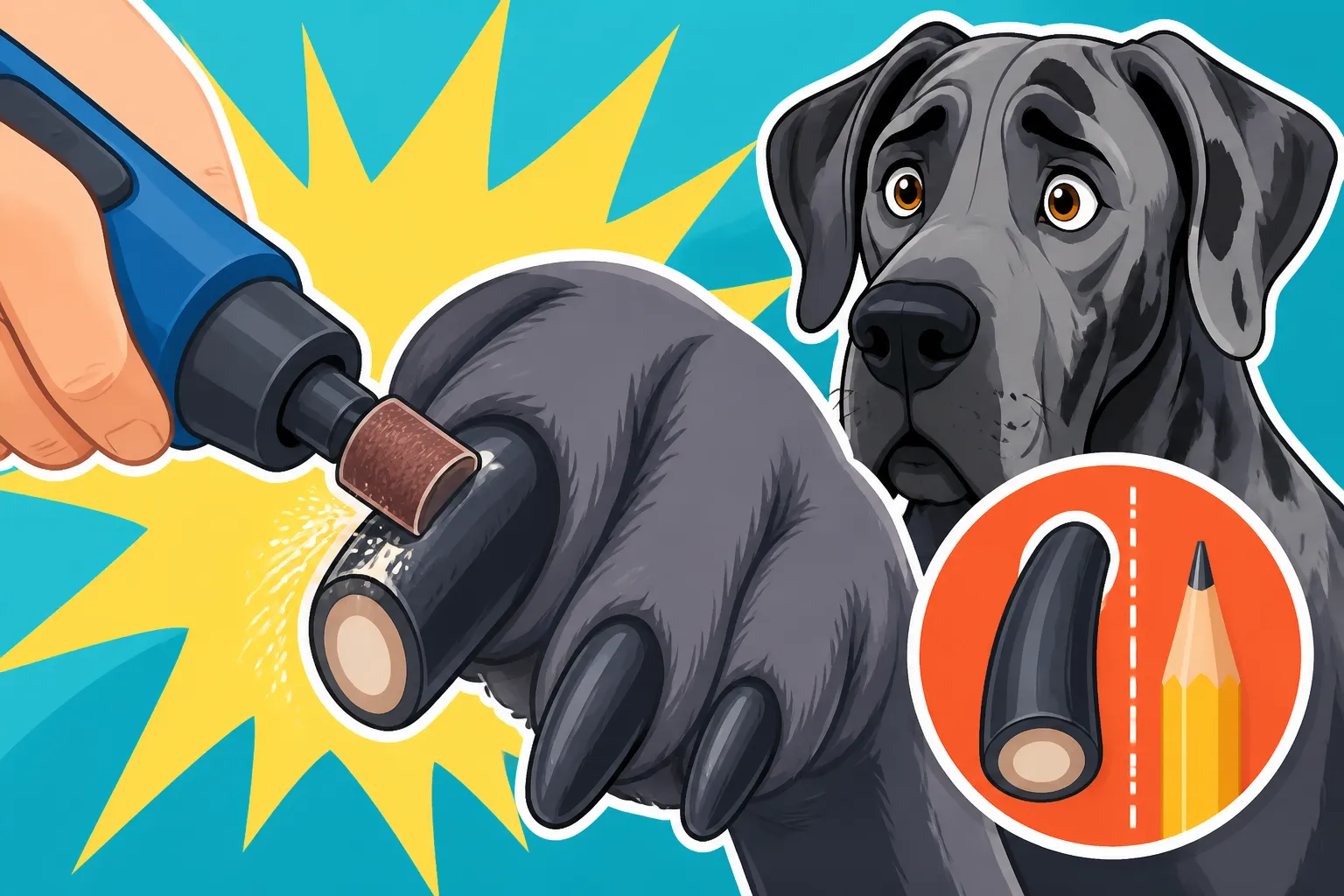
First, it helps to understand what you're up against. Great Danes are massive dogs, and their paws are built to support their impressive stature. This means their nails are naturally thicker, denser, and often much stronger than those of smaller dogs. Inside each nail is a sensitive area called the "quick," which contains blood vessels and nerves. On lighter colored nails, you might be able to see the quick as a pinkish area, but on those thick, dark, black Great Dane nails, it's completely invisible, which adds a huge layer of difficulty and anxiety to the grooming process. Accidentally cutting or grinding into the quick is painful for your dog and can cause bleeding, making future nail care even more of a dreaded event. The sheer volume and density of a Dane's nail makes finding that quick, or even just cutting through the nail without excessive force, a true challenge.
The Downside of Overgrown Nails
Leaving your Great Dane's nails to grow too long isn't just an aesthetic issue; it has serious implications for their health, comfort, and mobility. Imagine trying to walk around all day with shoes that are several sizes too small, constantly pushing your toes back. That's essentially what overgrown nails do to your dog.
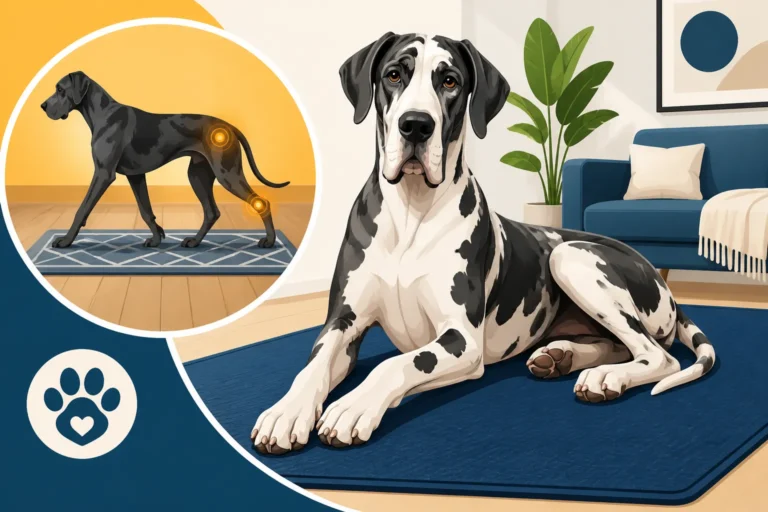
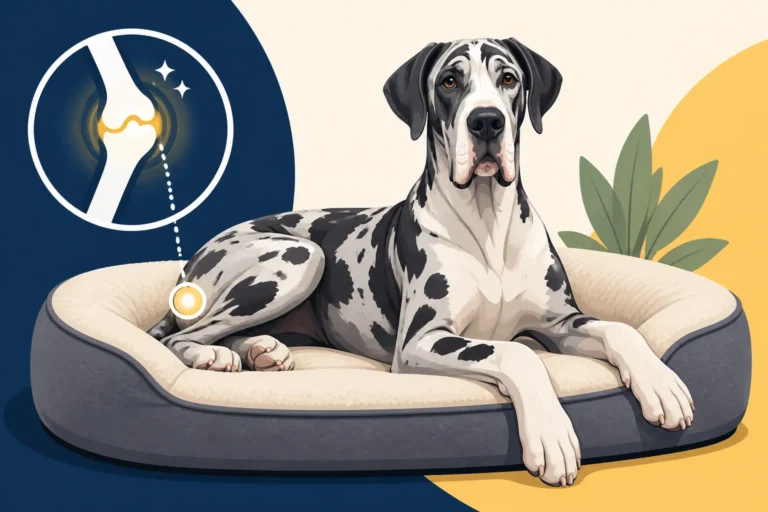
When nails get too long, they push back into the nail bed, putting pressure on the paw joints and bones. This can lead to pain, arthritis, and even deformities over time. Their toes can splay out, affecting their natural gait and balance. You might notice your Dane clicking on hard floors, slipping more often, or even limping slightly. This discomfort can make simple activities like walking, running, or playing less enjoyable, and over time, it can lead to more significant orthopedic problems. Long nails can also snag and tear, leading to painful injuries and potential infections. It's a domino effect that starts with something as seemingly simple as a neglected nail trim. Ultimately, proper nail length is crucial for their overall structural health and comfort, impacting everything from how they stand to how they move. Nail Length and How a Great Dane Stands really highlights this.
Clippers vs. Grinders: Why Grinders Often Win
For most Great Dane owners dealing with those thick, dense nails, traditional clippers often fall short. Here’s why:
- Difficulty: Clippers, especially smaller ones, simply don't have the leverage or strength to easily cut through a truly thick Great Dane nail. You might struggle to even get the blades around the nail, and if you do, it often requires immense force, which can be startling and uncomfortable for your dog.
- Crushing and Splintering: Instead of a clean cut, clippers can sometimes crush or splinter these robust nails, causing pain and leaving jagged edges that can catch on things.
- The Quick Factor: With black nails, clippers are a total gamble. Because you can't see the quick, you're essentially guessing where to cut, which significantly increases the risk of hitting it. This is why many owners dread nail trims and why many Danes develop a strong aversion to them.
- Stress: The loud "snip" sound, the pressure on the nail, and the fear of hitting the quick can turn nail trimming into a battle of wills, leaving both you and your dog stressed and anxious.
This is where grinders become a game-changer. A good quality rotary tool, designed for pet nails, allows you to gradually file down the nail, layer by layer. This slow, controlled process drastically reduces the risk of hitting the quick, as you can see the nail material change as you get closer to it. Grinding also smooths the nail, preventing those sharp edges that can scratch floors or people. While grinders have their own sounds and vibrations that some dogs need to get used to, they generally offer a much less traumatic experience for both you and your giant companion, especially when dealing with those pencil-thick nails.
Selecting the Right Equipment for the Job
Alright, so we've established that a grinder is likely your best bet for those hefty Great Dane nails. But not just any grinder will do. You need something robust enough to handle the job without dying halfway through, and quiet enough not to send your gentle giant running for cover.
Power and Performance: What Your Grinder Needs
When you're shopping for a nail grinder for a Great Dane, think "heavy-duty." You're not looking for something meant for tiny toy breeds. Look for a grinder with a powerful motor and good torque. This means it won't bog down or stop spinning when it encounters a thick, hard nail.
- Corded vs. Cordless: Both have their pros and cons. Corded grinders tend to offer consistent power without worrying about battery life, which can be a huge plus if you have multiple Danes or a particularly challenging nail session. However, the cord can be cumbersome. Cordless grinders offer freedom of movement, which can be beneficial if your Dane prefers to lie in a specific spot or needs to move around a bit during the process. If you go cordless, prioritize models with strong, long-lasting batteries and quick charging capabilities. Many owners find models readily available on platforms like Amazon or Chewy, but always check the specifications for motor strength and battery performance rather than just price.
- Durability: You want a tool that's built to last. Read reviews and look for grinders known for their robust construction. A cheap grinder might seem appealing upfront, but it won't stand up to the demands of Great Dane nails and you'll end up replacing it quickly.
Remember, this is an investment in your dog's health and your sanity. Don't skimp on a tool that's going to get so much use.
Grinding Heads and Accessories
The grinding head itself is crucial. Different materials and grit levels are available, and understanding them will help you achieve the best results.
- Diamond Bits vs. Sanding Bands: Diamond bit grinders are often more durable and provide a very smooth finish. They tend to last a long time, even with dense nails. Sanding bands, on the other hand, are disposable and need to be replaced periodically as they wear down. They come in various grit levels – a coarser grit will remove more material faster, while a finer grit is good for finishing and smoothing. For those super thick nails, starting with a coarser grit might be necessary, but always finish with a finer one to avoid rough edges.
- Replacement Parts: Regardless of the type of head, ensure that replacement grinding heads or sanding bands are readily available. There's nothing worse than having a perfectly good grinder but being unable to use it because you can't find the correct replacement parts. Check if your chosen brand sells these separately, often found on sites like Chewy or your local pet supply store. Having a few extra on hand is always a good idea.
Safety Features and Comfort
This isn't just about efficiency; it's about making the experience as safe and stress-free as possible for your Great Dane.
- Adjustable Speeds: Many grinders come with multiple speed settings. A lower speed is great for initial desensitization, for more precise work around the quick, or if your dog is particularly anxious. Higher speeds will get the job done faster but can generate more heat and vibration.
- Safety Guards: Some grinders include a clear cap or guard that helps contain nail dust and can act as a guide to prevent you from grinding too much at once. While not strictly necessary, they can be a helpful feature, especially for beginners.
- Quiet Operation: While no grinder is completely silent, some are significantly quieter than others. Noise can be a major source of anxiety for dogs, especially a giant breed like a Great Dane. Look for models advertised as "low noise" or "quiet operation." It might not seem like a big deal to you, but to a dog with sensitive hearing, a loud, buzzing tool can be terrifying. A quieter grinder can make all the difference in building a positive association with the process. Think about it – if your Dane already struggles with A Great Dane That Shuts Down When Scolded, a loud, scary tool will only make things worse.
Mastering the Art of Great Dane Nail Grinding
Grinding your Great Dane's nails isn't just about the tool; it's about the technique and, perhaps even more importantly, your dog's comfort and cooperation. For a breed as large and strong as a Great Dane, force is never the answer. Patience and positive reinforcement are your best friends here.
Desensitization and Positive Association
Before you even turn that grinder on, you need to introduce your Great Dane to the tool in a non-threatening way. This process, called desensitization, is absolutely crucial, especially if your dog already has a negative association with nail trims or is generally nervous. Paying to Train a Great Dane Early can make this process smoother.
- Introduce the Grinder (Off): Let your Dane see and sniff the grinder when it's off. Place it near them, let them investigate. Give them praise and high-value treats (like little pieces of cheese or cooked chicken) just for being near it. Do this several times over a few days or even a week. The goal is for them to see the grinder and think, "Oh, good things happen when that's around!"
- Introduce the Vibrations (Off): Once they're comfortable seeing it, turn the grinder on in another room or far away from them, so they can hear the faint sound. Again, pair the sound with treats. Gradually move the grinder closer over several sessions, always rewarding calmness.
- Introduce the Vibrations (On): When they're relaxed with the sound, turn the grinder on near their paw, but don't touch them with it yet. Let them feel the air movement and hear the sound close by. Reward, reward, reward!
- Introduce the Touch (On): Finally, with the grinder on, gently touch the back of their leg or a non-sensitive area for a split second, then immediately remove it and give a treat. Gradually work your way towards touching a nail for a very brief moment. The key is to keep it short, positive, and never force it. If your Dane pulls away or shows signs of stress, go back a step. Remember, you're building trust, not pushing limits. This is also important if you're working on Getting a Great Dane to Lie Down for Nail Trims, as a calm dog is easier to position.
The Grinding Process: Slow and Steady Wins the Race
Once your Great Dane is comfortable with the grinder, you can start the actual process. This should always be a calm, methodical, and short affair.
- Positioning: Find a comfortable position for both of you. Many Great Danes are happy to lie down, while others prefer to stand or lean against you. Having another person to gently hold your Dane and offer treats can be incredibly helpful, especially in the beginning.
- Hold the Paw: Gently grasp your Dane's paw, isolating the nail you want to grind. Hold the toe firmly but not painfully. Make sure any fur around the nail is pushed back and out of the way to prevent it from getting caught in the grinder.
- Short Bursts are Key: Turn on the grinder and touch it to the tip of the nail for only 1-2 seconds. Then pull it away. This prevents the nail from overheating, which can be uncomfortable for your dog. Repeat this short burst technique, rotating the nail slightly to grind all sides.
- Angle Matters: Grind the nail at the same angle it would naturally wear down if your dog were running on rough surfaces – typically at about a 45-degree angle from the bottom, aiming for a smooth, rounded edge. Don't try to get it perfectly short in one go. Slow and steady wins the race.
- Dealing with Black Nails: This is the tricky part. Since you can't see the quick, you'll need to rely on visual cues. As you grind, you'll see whitish nail dust. Keep grinding in short bursts until you start to see a small, dark circle appear in the center of the nail, or the consistency changes to a slightly waxy or spongy texture. This dark circle is the beginning of the quick. Stop immediately when you see this, or just before. You're aiming for the nail to be flush with the paw pad when your Dane is standing. If you accidentally touch the quick and it bleeds, don't panic. Apply styptic powder (available on Amazon or Chewy) or cornstarch with firm pressure to stop the bleeding. Remain calm, as your anxiety will transfer to your dog.
Addressing Anxiety and Fear
Even with careful desensitization, some Great Danes might still show signs of anxiety. It's crucial to acknowledge and manage these feelings.
- Take Breaks: If your Dane starts panting, yawning excessively, licking their lips, or trying to pull away, it's a clear sign they're stressed. Stop immediately. Give them a break, a cuddle, or a chew toy. Resume when they are calm again, or try another day. Pushing through will only worsen their fear.
- Positive Reinforcement is Paramount: Every single successful grind, every moment of calmness, every relaxed paw presented, deserves a reward. Use their favorite treats, enthusiastic praise, or a quick game. You want them to associate nail grinding with good things, even if it's a bit uncomfortable.
- Pheromone Sprays or Calming Aids: For highly anxious dogs, talk to your vet about calming aids like Adaptil pheromone sprays, or even a mild sedative if their fear is extreme and interfering with essential care. This isn't a long-term solution but can help create a window for successful desensitization. Remember, a Great Dane is a massive animal, and if they decide they don't want to cooperate, you'll quickly find that Trimming Nails a Great Dane Will Not Give You becomes a reality. Building a positive foundation from day one is key.
Essential Tips for Ongoing Nail Health and Maintenance
Grinding your Great Dane's nails isn't a one-time event; it's an ongoing commitment to their health and well-being. Establishing a consistent routine and understanding overall paw care will ensure your giant companion stays comfortable and happy for years to come.
Consistency is Key: Establishing a Routine
The biggest mistake many owners make is waiting too long between nail trims. With thick Great Dane nails, infrequent grinding means you'll always be battling overgrown, pencil-thick nails.
- Frequency: Aim to grind your Great Dane's nails every 1-2 weeks. For some dogs with exceptionally fast-growing nails, it might even be weekly. The goal is to keep the nails consistently short, just above the quick, rather than trying to take off a lot of length all at once. Regular, short sessions are far less stressful for both of you than a once-a-month battle. If you stick to a schedule, the quick will gradually recede, allowing you to get the nails even shorter over time.
- Short Sessions: Instead of trying to do all four paws in one go, especially at the beginning, break it up. Grind a couple of nails on one paw, then take a break. Or do one paw a day. Small, manageable sessions are easier for your Great Dane to tolerate and help build a positive routine. Even just working on one nail for a few seconds can be a win if your dog is particularly anxious. Over time, as trust and comfort grow, you'll be able to extend the sessions.
Beyond the Grind: Supporting Paw Health
Nail care is just one part of overall paw health. Don't forget the rest of your Great Dane's feet!
- Paw Pad Checks: Regularly inspect your Dane's paw pads for cuts, cracks, foreign objects (like thorns or pebbles), or signs of irritation. Their large paws take a lot of impact, so keeping the pads healthy is vital.
- Moisturize: If your Dane's paw pads are dry or cracked, consider using a dog-safe paw balm. This can prevent painful splitting.
- Cleanliness: After walks, especially in muddy or snowy conditions, wipe your Dane's paws clean. This prevents irritation from dirt, salt, or chemicals.
- Appropriate Surfaces: While exercise is important for Great Danes, be mindful of the surfaces they walk and play on. Hard, abrasive surfaces can wear nails down naturally but can also be tough on joints. Soft surfaces are easier on joints but won't help keep nails short. A good balance, combined with regular grinding, is ideal. Providing appropriate flooring at home, like rugs on slick surfaces, also helps their traction and comfort. When considering activities like Whether a Great Dane Should Climb Stairs, remember paw and joint health go hand-in-hand.
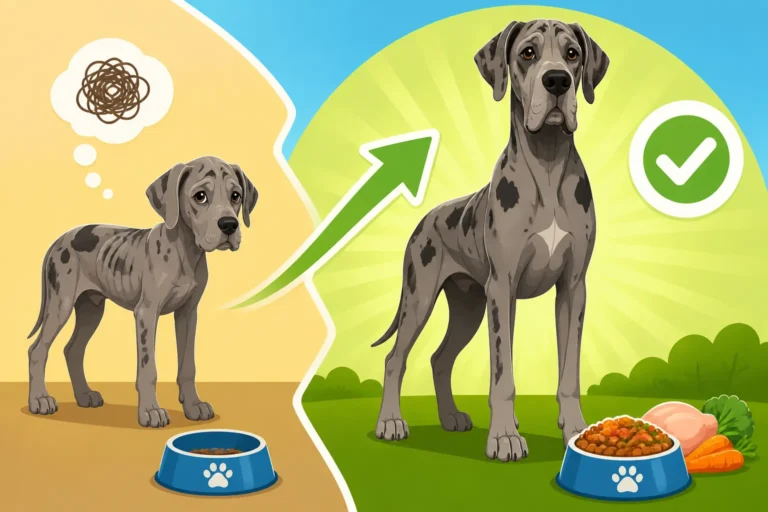
- Diet and Nutrition: Believe it or not, a balanced diet plays a role in nail health. Quality protein, essential fatty acids (like Omega-3s, found in some high-quality dog foods or supplements), and proper nutrition contribute to strong, healthy nails that are less prone to brittleness or splitting. While a brand like Ollie focuses on fresh food delivery, the general principle of good nutrition for overall health, including strong nails, holds true for any diet you choose.
When to Call in the Professionals
While DIY nail grinding can save you money and build a stronger bond with your dog, there are times when seeking professional help is the smartest choice.
- Extreme Fear or Aggression: If your Great Dane becomes overly stressed, aggressive, or genuinely unmanageable during nail care, do not force it. This can damage your relationship and even put you at risk. A professional groomer or veterinary technician has experience and techniques for handling difficult dogs, and they might even have specialized tools or sedatives if necessary.
- Injuries or Infections: If you notice any signs of infection (redness, swelling, pus, foul odor) around the nail or paw, or if your Dane has suffered a nail injury (like a torn or broken nail), it's time for a vet visit. They can properly diagnose and treat the issue.
- Lack of Progress: If, despite consistent effort and positive reinforcement, you're not making headway, or the nails are consistently too long and impacting your Dane's mobility, a professional can help. They can often get the nails back to a manageable length, and then you can try to maintain them with shorter, more frequent sessions. Sometimes, just having a clean slate from a professional can empower you to continue the home care with renewed confidence.
Grinding your Great Dane's nails may seem like a daunting task, but with the right tools, technique, and a boatload of patience, it becomes a routine that supports your dog's health and comfort. Remember, you're not just trimming nails; you're caring for your gentle giant's foundation, one paw at a time.
Disclaimer
This article is for general informational purposes only and does not constitute professional advice. Laws, prices and regulations vary by location and change over time. Consult a qualified professional for guidance on your specific situation.