Keeping a Great Dane Lean for Its Joints
One of the biggest heartbreaks for any Great Dane owner is watching their magnificent companion struggle with mobility or pain, often exacerbated by something as seemingly simple as carrying a few extra pounds. It's so easy for these big dogs to put on weight, especially with their endearing puppy-dog eyes, and then those extra ounces turn into a significant burden on their already stressed joints. This comprehensive guide will walk you through the critical steps and considerations for keeping your Great Dane lean, active, and as comfortable as possible throughout their wonderful, albeit often too short, life.
Understanding the "Lean Machine" Ideal for Great Danes
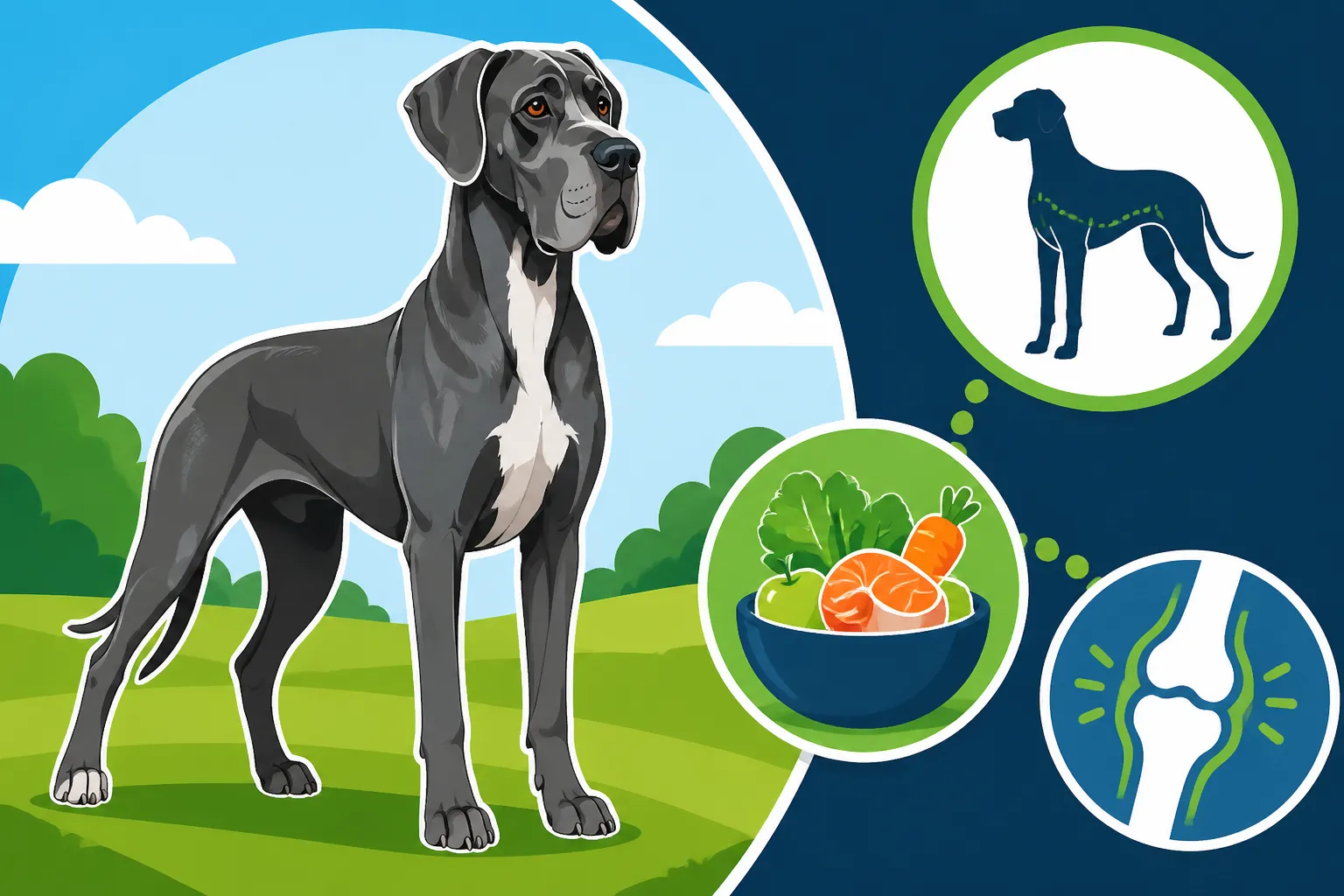
When we talk about a Great Dane being a "lean machine," we're not advocating for an underweight dog, which can have its own serious health implications. Instead, we're aiming for a fit, athletic physique where you can easily feel their ribs without seeing them prominently, and they possess a distinct waist tuck when viewed from above. This ideal body condition isn't just about aesthetics; it's a vital component of their overall health and longevity, directly impacting the strain on their immense skeletal structure.
Why a Lean Physique is Crucial for Great Dane Longevity
Great Danes are renowned for their incredible size, which unfortunately comes with certain predispositions, particularly when it comes to their skeletal and cardiovascular systems. Their rapid growth as puppies and their sheer mass as adults put immense pressure on their joints, ligaments, and bones. Every extra pound on a Great Dane is exponentially more taxing than it would be on a smaller breed. Think of it like a small car carrying a suitcase versus a large truck carrying a whole shipping container – the relative stress is far greater for the larger vehicle, even with seemingly small additions. Keeping them lean helps mitigate the daily wear and tear, reducing the risk of premature Arthritis in a Six-Year-Old Great Dane and other orthopedic issues. It's one of the most proactive things we can do as owners to support their physical well-being.
Moreover, a lean body condition contributes to better cardiovascular health and can potentially influence their overall Why a Great Dane Only Lives Seven to Ten Years. While we can't completely rewrite their genetic blueprint, we can optimize their environment and care to give them the best chance at a full, healthy life. This isn't just about preventing problems; it's about fostering vitality. A lean Dane moves more freely, has more energy for play, and experiences less discomfort, all of which contribute to a higher quality of life.
Growth and Weight Management in Great Dane Puppies
The foundation for a lean adult Great Dane is laid during puppyhood. This is perhaps one of the most critical periods for their long-term joint health. Unlike smaller breeds, Great Dane puppies should not grow rapidly. In fact, controlled, slower growth is absolutely paramount. Feeding a Great Dane puppy too much, or the wrong kind of food with excessive calcium or calories, can lead to serious developmental orthopedic diseases. It's a common misconception that more food equals a bigger, healthier puppy, but for giant breeds, it's quite the opposite. We want them to develop strong, dense bones and cartilage without putting undue stress on their still-forming joints.
Choosing a diet specifically formulated for large or giant breed puppies is essential, as these foods typically have a carefully balanced calcium-to-phosphorus ratio and a lower calorie density to promote steady growth. Even with the right food, portion control is key. Your vet can help you establish a feeding plan, and regular weigh-ins at home or at the clinic are invaluable. Remember the goal: slow and steady wins the race when it comes to a Great Dane puppy's growth. It truly impacts their future mobility and comfort. You'll find more insights on this in articles like Why a Great Dane Puppy Should Grow Slowly and Bone Development Problems in a Great Dane Puppy.
The Real Dangers of Excess Weight on Great Dane Joints
It’s easy to let a few extra pounds creep onto our beloved Danes, especially when they give us those soulful looks at the dinner table. But for a Great Dane, even a small amount of excess weight can lead to a cascade of painful and debilitating health problems that severely impact their quality of life. Their immense frame is already a significant engineering marvel, and adding unnecessary load to it can push it past its limits.
Exacerbating Existing Joint Conditions
Great Danes are unfortunately predisposed to a host of orthopedic issues. Conditions like hip and elbow dysplasia, osteochondritis dissecans (OCD), and even Wobbler's Syndrome can be present or develop, regardless of weight. However, when a Great Dane carries extra weight, these conditions become significantly more painful and progress much faster. Imagine trying to walk with a heavy backpack all day, every day, especially if you already have a knee issue. That's what it's like for an overweight Dane with underlying joint problems. The increased pressure accelerates cartilage degradation, inflames existing lesions, and increases the overall discomfort.
For example, a Great Dane with mild hip dysplasia might manage quite well for years if kept lean and muscular. But add ten or twenty pounds, and suddenly they're limping, struggling to get up, and showing clear signs of pain. The additional strain on their already compromised joints is simply too much. This is why vigilance in weight management is not just a recommendation; it's a critical component of managing and mitigating the impact of these genetic predispositions. It allows us to give them the best chance at comfortable mobility for as long as possible. Many of the discussions around Great Dane Hips, Elbows and Growing Joints often circle back to the critical role weight plays.
Increased Risk of New Orthopedic Problems
Beyond exacerbating pre-existing conditions, excess weight can actually cause new orthopedic issues in an otherwise sound Great Dane. The sheer force of impact on their joints, especially during normal activities like walking, running, or jumping (which should be limited anyway), is magnified with added weight. This constant stress can lead to inflammation, microtraumas, and eventually, degenerative joint disease. Their growth plates and soft tissues are particularly vulnerable during their formative years, and an overweight puppy is at a much higher risk for issues like Growth Disorders in a Great Dane Puppy.
Even simple actions, like standing up from a lying position, become harder and more painful. The cumulative effect of this increased stress over months and years takes a toll, leading to earlier onset of arthritis and a diminished capacity for physical activity. It’s a vicious cycle: pain leads to less movement, which leads to more weight gain, which leads to more pain. Breaking this cycle starts with proactive weight management. It's also worth noting that extra weight can strain their spine, potentially contributing to issues like intervertebral disc disease, although less common in Danes than some other breeds.
Crafting a Diet Plan for a Lean Great Dane
Feeding a Great Dane isn't like feeding a terrier. Their nutritional needs are unique due to their size, growth rate, and metabolic rate. Getting their diet right is the cornerstone of keeping them lean and healthy. It requires careful consideration of calorie intake, food quality, and feeding frequency.
Calculating Your Dane's Calorie Needs
This is where many owners get stumped. There isn't a one-size-fits-all answer for how many calories a Great Dane needs because it depends on their age, activity level, metabolism, and whether they are spayed or neutered. An active two-year-old male Great Dane will need significantly more calories than a seven-year-old spayed female who enjoys short walks. It's often recommended to consult with your veterinarian to determine an appropriate daily caloric intake based on your individual dog's specific needs and current body condition. They can help you perform calculations that take into account these variables.
Generally, adult Great Danes need anywhere from 6 to 10 cups of high-quality kibble per day, but this is a very rough estimate. Some might need more, some less. The best approach is to start with a recommendation from your vet or the food manufacturer's guidelines for their weight and activity level, and then adjust based on your dog's actual response. Remember that the goal is to maintain that lean physique where you can easily feel their ribs. This can change throughout their life, so don't assume that what worked at two years old will work at six. For more details on this, check out The Calorie Load a Great Dane Actually Needs.
Choosing the Right Food Type and Quality
The type and quality of food you choose play a huge role in your Great Dane's health and ability to maintain a healthy weight. Look for high-quality commercial dog foods that list a named meat source (e.g., "chicken meal" or "beef") as the first ingredient. Avoid foods with excessive fillers, artificial colors, or by-products, as these often provide empty calories and less nutritional value. For giant breeds, a diet with moderate protein and fat content is generally recommended, especially during puppyhood, to support slow, steady growth without promoting excess weight.
Some owners opt for fresh food diets or raw feeding, which can be excellent options but require even more careful planning to ensure nutritional completeness, especially at Great Dane volumes. Companies like Ollie provide fresh, pre-portioned meals which can be a good option for some, though the sheer volume a Great Dane requires will be a significant consideration. If you're feeding kibble, you can find a wide variety of high-quality options on platforms like Chewy or Amazon, allowing you to compare ingredients and reviews to find what works best for your Dane. Always consult with your vet before making significant dietary changes, especially if considering a homemade or raw diet, to ensure it meets all their nutritional requirements. There are also foods available with Joint Support Built Into Great Dane Food which might be a good choice.
The Power of Portion Control and Meal Frequency
Once you've determined the right food and caloric intake, strict portion control is non-negotiable. Free-feeding, where food is left out all day, is almost never a good idea for a Great Dane, as it makes it incredibly easy for them to overeat and gain weight. Instead, measure out their daily allowance accurately using a kitchen scale for precision, or at least a consistent measuring cup. Then, divide this daily allowance into two or three smaller meals throughout the day.
Splitting meals has several benefits for Great Danes. Firstly, it helps manage hunger and prevents them from feeling overly ravenous, which can lead to gulping food too quickly. Secondly, and perhaps most crucially for Great Danes, it helps reduce the risk of bloat (gastric dilatation-volvulus), a life-threatening condition they are highly prone to. Smaller, more frequent meals mean less volume in the stomach at any one time. This approach also helps regulate their metabolism and provides a steady stream of energy. It’s a simple change that makes a huge difference, impacting both weight and a critical health risk. For more on this, you might be interested in Meal Habits That Cut a Great Dane's Twist Risk.
Exercise Strategies to Support a Lean Physique
Diet is foundational, but exercise is the other half of the equation for maintaining a lean, healthy Great Dane. It's not just about burning calories; it's about building and maintaining strong muscle mass to support their joints, improving cardiovascular health, and promoting mental well-being. However, exercise for a Great Dane, especially a growing one, needs to be carefully managed to prevent injury.
Appropriate Exercise for Different Life Stages
A Great Dane's exercise needs change dramatically throughout their life. What's appropriate for a rambunctious puppy could be detrimental to their developing joints, and what's suitable for an adult might be too much for a senior.
Puppyhood (up to 18-24 months): During this critical growth phase, forced exercise, like long runs or vigorous fetch sessions, should be strictly avoided. Their growth plates are still open and incredibly vulnerable. Over-exercising a Great Dane puppy can lead to Swollen Painful Joints in a Great Dane Puppy and increase the risk of serious orthopedic issues later in life. Instead, focus on short, frequent walks (5-10 minutes per month of age, twice a day, as a general rule) and plenty of supervised free play in a safe, soft area like a grassy yard. Allow them to self-regulate their activity. Leash training should be gentle and low impact. For more guidance, see Exercise Limits While a Great Dane Is Still Growing.
Adulthood (2-6 years): Once their growth plates have closed, typically around 18-24 months, you can gradually increase their exercise intensity and duration. Adult Great Danes benefit from regular, moderate exercise – think brisk walks (30-60 minutes, twice a day), light jogging (if cleared by your vet, and introduced slowly), and controlled playtime. Swimming can be an excellent low-impact exercise option that builds muscle without stressing joints. The goal is consistent activity that keeps them conditioned without overdoing it. Remember, these are not endurance athletes, but powerful sprinters, so short bursts of activity are often better than long, sustained runs.
Senior Years (6+ years): As your Great Dane enters their senior years, their joints may begin to ache, and their energy levels will naturally decline. Tailor exercise to their comfort level. Shorter, more frequent walks on soft surfaces are ideal. Gentle swimming can still be beneficial. Pay close attention to any signs of pain or stiffness, and adjust accordingly. Maintaining muscle mass is still important, but preventing discomfort takes precedence. Caring for a Great Dane Past Six delves into this further.
Incorporating Low-Impact Activities and Strength Building
While traditional walks are great, incorporating low-impact activities and gentle strength training can be incredibly beneficial for Great Danes, especially for joint health.
Swimming: As mentioned, swimming is fantastic. It allows them to use all their muscles without any impact on their joints. Many local pet facilities offer heated pools for dogs, which can be a godsend, especially for older Danes or those recovering from injury. Even a gentle paddle in a shallow, calm lake or pool can make a big difference. Always supervise them, and consider a doggy life vest for safety, as not all Danes are natural swimmers.
Leash Walking and Hill Work: Consistent leash walking helps maintain muscle tone. If you have access to gentle inclines, walking up and down slight hills can build hindquarter strength, which is crucial for supporting their hips, without being too strenuous. Always ensure they are walking on a leash that provides you control, especially given their size. A strong, well-fitting harness from a retailer like Amazon or Chewy can help distribute pressure and prevent strain on their neck. Remember, The Age a Great Dane Can Start Running is much later than for smaller breeds.
Therapeutic Exercises: For Danes with specific joint issues or those in their senior years, your vet or a certified canine rehabilitation specialist might recommend specific therapeutic exercises. These can include controlled movements to improve range of motion, balance exercises, or even underwater treadmill sessions. These personalized programs are invaluable for building targeted strength and flexibility, supporting their joints, and improving their overall mobility and comfort.
Monitoring and Adjusting for Optimal Weight
It's one thing to set a diet and exercise plan; it's another to consistently monitor its effectiveness and make adjustments as needed. A Great Dane's body condition isn't static; it will change with age, activity level, and even the seasons. Regular assessment is key to lifelong lean health.
The Body Condition Score (BCS) System
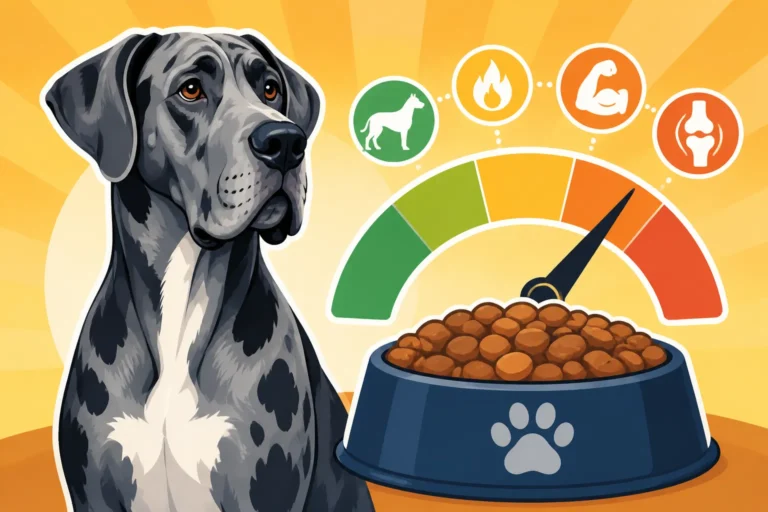
The Body Condition Score (BCS) system is an invaluable tool for objectively assessing your Great Dane's weight. Instead of just looking at the number on the scale, which can be misleading given the wide range of healthy weights for a Great Dane, the BCS focuses on their physical appearance and how much fat you can feel over certain areas. Most vets use a 5-point or 9-point scale. A score of 4 or 5 out of 9 (or 2.5-3 out of 5) is generally considered ideal for a Great Dane – lean, but not skinny.
Here’s a simplified breakdown of what you're looking for:
| BCS Score (5-point) | Appearance/Feel | Great Dane Interpretation |
|---|---|---|
| Great Danes are truly special, but as many of us have found out, their large stature comes with specific needs, especially when it comes to their long-term health and mobility. One common challenge we face as Great Dane owners is navigating their diet to prevent them from becoming overweight, which can put immense stress on their already delicate joints. It's a fine line to walk, ensuring they get enough nutrition without tipping the scales into unhealthy territory. This guide is here to help you understand why keeping your Great Dane lean is so vital and how to achieve it through smart feeding, appropriate exercise, and consistent monitoring, so your gentle giant can enjoy the best possible quality of life. |
The Unique Nutritional Demands of a Great Dane
Great Danes aren't just big dogs; they're giant breeds with a distinct physiological makeup that influences everything from their growth rate to their energy needs. Ignoring these unique demands can inadvertently lead to overfeeding, underfeeding, or providing an unbalanced diet, all of which can severely impact their health, especially their skeletal development and joint integrity.
Understanding Giant Breed Metabolism
Many people assume that because a Great Dane is huge, they must have an incredibly fast metabolism, but that's not always the case, particularly as they mature. While puppies burn a lot of calories for growth, adult giant breeds often have a slower metabolic rate per pound of body weight compared to smaller dogs. This means they don't necessarily need proportionally more food than a smaller dog; in fact, they can gain weight quite easily if their caloric intake isn't carefully matched to their actual energy expenditure. Their immense body mass means that even a small caloric surplus, day after day, can quickly accumulate into excess weight. It's a common frustration: you feel like you're feeding them a reasonable amount, but the weight still creeps on.
Compounding this, their sheer size means that digestive processes take time. They aren't meant to gulp down massive amounts of food in one go. Their deep chests, while magnificent, are also a factor in why bloat is such a concern, making smaller, more frequent meals not just a dietary choice but a preventative health measure. Understanding this slower metabolic processing and the risk of bloat should inform every decision you make about what and how much goes into their bowl.
Protein, Fat, and Calcium Ratios for Optimal Health
When choosing food for your Great Dane, the ratios of macronutrients and certain minerals are incredibly important. It's not just about the calorie count.
Protein: While good quality protein is essential for muscle development and maintenance, excessive protein isn't necessarily better for giant breeds. For puppies, a moderate protein level (around 23-26% on a dry matter basis) is often recommended to support steady, controlled growth without over-stressing their systems. For adults, a similar moderate range works well, ensuring muscle mass without contributing to kidney strain, which can be a concern with very high protein diets in older dogs. The source of the protein is as important as the percentage – look for named meat meals or whole meats.
Fat: Fat is a concentrated source of calories, and while essential for energy, skin and coat health, and nutrient absorption, too much can quickly lead to weight gain. A moderate fat content (around 12-16% for puppies and 12-18% for adults) is typically appropriate for Great Danes, depending on their activity level. It's about finding that sweet spot where they get enough energy without an excess that gets stored as fat.
Calcium and Phosphorus: This is perhaps the most critical mineral balance for growing Great Dane puppies. Too much calcium, or an incorrect calcium-to-phosphorus ratio, can lead to serious Growth Disorders in a Great Dane Puppy and skeletal deformities. Puppy foods formulated for giant breeds are specifically designed to have lower calcium levels and a precise ratio to promote slow, even bone growth. Never supplement a Great Dane puppy's diet with extra calcium unless specifically directed by your veterinarian, as this can do far more harm than good. You can read more about this in Why Calcium Supplements Damage a Great Dane. For adult Danes, these ratios are still important for bone health, but the risk of developmental issues is past.
Identifying and Preventing Weight Gain
It's astonishing how quickly a few extra pounds can accumulate on a Great Dane. Their large size can sometimes mask subtle weight gain until it becomes a more significant problem. Being proactive and knowing what to look for is your best defense.
Visual Cues and Hands-On Assessment
You might think you'd notice if your Dane put on weight, but it can be surprisingly insidious. Their broad chests and deep bodies can hide a thickening waistline. This is where regular visual and hands-on assessments become your superpower as an owner.
Visual Cues: When looking at your Great Dane from above, you should see a distinct waistline, an "hourglass" shape where their body tucks in behind their ribs and before their hips. From the side, their abdomen should tuck up, not hang low or appear slab-sided. Their ribs should not be visibly protruding, but you should be able to make out the curve of their chest and flanks. If their back appears broad and flat, or if you can't see any waist definition, it's a red flag. A saggy belly or "tummy bulge" is another clear indicator that those extra calories are taking their toll.
Hands-On Assessment: This is even more reliable than visual cues for a Great Dane. Gently run your hands along their sides, over their rib cage. You should be able to easily feel their ribs with light pressure, almost like feeling the back of your hand. If you have to press firmly to locate them, or if you feel a thick layer of fat, your Dane is carrying too much weight. Now, move your hands to their spine and the base of their tail. You should be able to feel the bony protrusions under a thin layer of skin and muscle, but they shouldn't be sharply visible. If these areas feel like a soft, padded cushion, your Dane is likely overweight. This hands-on method is crucial because a Great Dane's thick coat or deep chest can easily hide visual signs of weight gain. Learning to do this regularly allows you to catch weight creep early. We often discuss this technique in Reading Ribs on a Great Dane.
The Danger of Sneaky Calories: Treats and Table Scraps
We all love to spoil our Danes, but those extra treats and table scraps add up incredibly quickly. For a giant breed, even a seemingly small morsel from your plate can be the caloric equivalent of a human eating a full candy bar. This is a common, well-intentioned pitfall that derails many weight management plans.
Treats: If you use treats for training or just because you love them (who doesn't?), factor them into your dog's daily calorie allowance. Choose low-calorie, healthy options like small pieces of cooked chicken, carrots, green beans, or commercially available low-calorie dog treats. Consider breaking larger treats into tiny pieces to extend the reward without adding excessive calories. And remember, a treat doesn't always have to be food – a quick game of tug, a favorite toy, or extra praise can be just as rewarding. You can find a good selection of appropriate treats for Great Danes at retailers like Chewy or Amazon.
Table Scraps: This is a huge no-no for Great Danes aiming for a lean physique. Human food is often high in fat, sugar, and sodium, and can contain ingredients that are toxic to dogs (like onions, garlic, grapes, or xylitol). Beyond the health risks, the caloric density is often far too high for their needs, even in small amounts. Imagine giving your Great Dane a bite of your greasy burger; that's easily hundreds of calories they don't need, piled on top of their carefully measured diet. Establishing clear boundaries about no human food from the table is vital from puppyhood and will save you endless battles later. It’s hard to resist those eyes, but their health is worth it.
Tailoring Exercise for Great Dane Joint Health
Exercise is critical for a Great Dane's overall health, muscle tone, and maintaining a healthy weight. However, due to their size and predisposition to joint issues, the type and amount of exercise must be carefully tailored to protect their precious joints, especially during their growth phase. Pushing them too hard or too fast can cause irreversible damage.
Avoiding High-Impact Activities During Growth
This cannot be stressed enough: Great Dane puppies and adolescents should never engage in high-impact activities. Their growth plates, the soft areas at the ends of their long bones responsible for bone lengthening, don't fully close until they are typically between 18 and 24 months of age. Activities that involve repetitive jarring, jumping, or sudden stops and starts can damage these delicate growth plates, leading to Elbow Problems in a Fast-Growing Great Dane or other severe developmental orthopedic diseases.
This means no aggressive fetch sessions with hard landings, no prolonged running on hard surfaces like concrete, no jumping on and off furniture, and definitely no competitive agility or flyball before they are fully mature. While it's tempting to let a playful puppy bounce around like a rubber ball, it's our responsibility to protect their developing skeletal structure. Controlled free play on soft surfaces (like grass), short walks, and gentle swimming are the best forms of exercise for young Danes. Always let them dictate the pace and duration of their play; if they're panting heavily or limping, it's time to stop. Whether a Great Dane Puppy Should Use Stairs is another common question related to impact on growing joints, and generally, it's best to limit them.
Building Muscle Without Stressing Joints
Once your Great Dane is fully mature (past 18-24 months and confirmed by your vet), you can gradually introduce more structured exercise, but always with an emphasis on building muscle mass without excessive joint stress. Strong muscles provide crucial support and stability for their large joints, acting as natural shock absorbers.
Brisk Walking and Hiking: Regular, brisk walks are excellent. Aim for 30-60 minutes, once or twice a day, on varied terrain. Gentle hikes on trails (avoiding very steep or rocky paths that could lead to slips or strains) can also be wonderful for building stamina and muscle. The varied surfaces engage different muscle groups more effectively than flat pavement. Ensure your Dane has a comfortable, well-fitting harness and leash.
Swimming: As mentioned before, swimming is a fantastic low-impact exercise for Great Danes of all ages, but particularly for adults needing to build muscle. The resistance of the water works all muscle groups without any concussive force on their joints. It’s excellent for strengthening their core, hindquarters, and shoulders. If you don't have access to a safe swimming spot, consider canine hydrotherapy centers.
Controlled Play: Short bursts of controlled play, like fetch on soft grass or within a fenced area, can be good for adults, but always be mindful of their body language and potential for overexertion. Avoid aggressive play with other dogs that involves roughhousing or hard impacts. The goal is consistent, moderate activity that maintains their conditioning and lean physique without pushing their limits. Remember that A Great Dane That Cannot Finish a Walk might be showing signs of joint pain or cardiac issues, so always pay close attention to changes in stamina.
Dealing with Special Considerations and Challenges
Maintaining a lean physique in a Great Dane isn't always straightforward. There will be challenges, from age-related changes to specific health issues that impact their weight and mobility. Knowing how to navigate these can make a huge difference.
Managing Weight in Senior Great Danes
As Great Danes age, their metabolism often slows down, and their activity levels naturally decrease. This combination makes them highly prone to weight gain, even if their diet hasn't changed. Yet, keeping a senior Dane lean is even more critical for their comfort and mobility. Arthritis in a Six-Year-Old Great Dane is a common reality, and every extra pound will make it more painful and debilitating.
Dietary Adjustments: You will almost certainly need to reduce their caloric intake as they age. Switch to a high-quality senior dog food, which is typically lower in calories but still provides adequate protein for muscle maintenance and often includes joint-supporting supplements like glucosamine and chondroitin. Continue with measured, smaller meals. Regularly reassess their body condition score, as their needs can change quickly. Your vet can recommend specific senior formulas or supplements.
Modified Exercise: While activity levels decrease, total inactivity is detrimental. Focus on gentle, consistent, low-impact exercise. Short, frequent walks on soft surfaces, slow swimming, and gentle range-of-motion exercises (as recommended by your vet) are ideal. Mobility aids, like supportive harnesses or ramps, can help them navigate stairs or get into cars without straining themselves further. Helping an Old Great Dane Get Up is often a sign that their joints need more support, and a lean body makes this easier.
When Health Issues Impact Weight
Sometimes, weight gain or loss in a Great Dane isn't just about food and exercise; it can be a symptom or consequence of an underlying health issue.
Hypothyroidism: Great Danes are prone to hypothyroidism, a condition where their thyroid gland doesn't produce enough hormones. One common symptom of an underactive thyroid is unexplained weight gain, lethargy, and a dull coat. If your Dane is gaining weight despite a controlled diet and exercise, or seems unusually tired, a thyroid test (often called a The Thyroid Test a Slow Great Dane Needs) is absolutely warranted. This is usually easily managed with daily medication, and once regulated, weight can return to normal.
Pain and Mobility Issues: Chronic pain from arthritis, hip dysplasia, or other joint problems can lead to decreased activity, which in turn causes weight gain. It's a cruel cycle: pain makes them move less, less movement means weight gain, and more weight means more pain. If your Dane is reluctant to move, limping, or showing signs of discomfort, don't just assume it's "old age" or laziness. Get them checked by your vet. Addressing the pain (through medication, physical therapy, or other treatments) can help them become more active, making weight management easier. Conversely, if your Dane is losing weight inexplicably, it can also be a sign of a serious underlying condition, such as certain cancers or other diseases, and warrants immediate veterinary attention. This is why consistent vet check-ups are so important.
The Role of Regular Veterinary Check-ups
Your veterinarian is your most important partner in keeping your Great Dane lean and healthy. Regular check-ups are not just for vaccinations; they're an opportunity to discuss your dog's weight, diet, exercise routine, and any subtle changes you've noticed.
During these visits, your vet will perform a comprehensive physical exam, including a thorough body condition assessment. They can help you accurately gauge your Dane's BCS, discuss appropriate caloric intake, recommend specific food types, and advise on safe exercise routines. They are also essential for catching any underlying health issues, like hypothyroidism or early signs of joint disease, before they become severe. Don't hesitate to bring up any concerns you have about your Dane's weight or mobility. Proactive discussions with your vet are one of the most powerful tools you have to ensure your gentle giant lives a long, comfortable life.
Disclaimer
This article is for general informational purposes only and does not constitute professional advice. Laws, prices and regulations vary by location and change over time. Consult a qualified professional for guidance on your specific situation.