Trimming Nails a Great Dane Will Not Give You
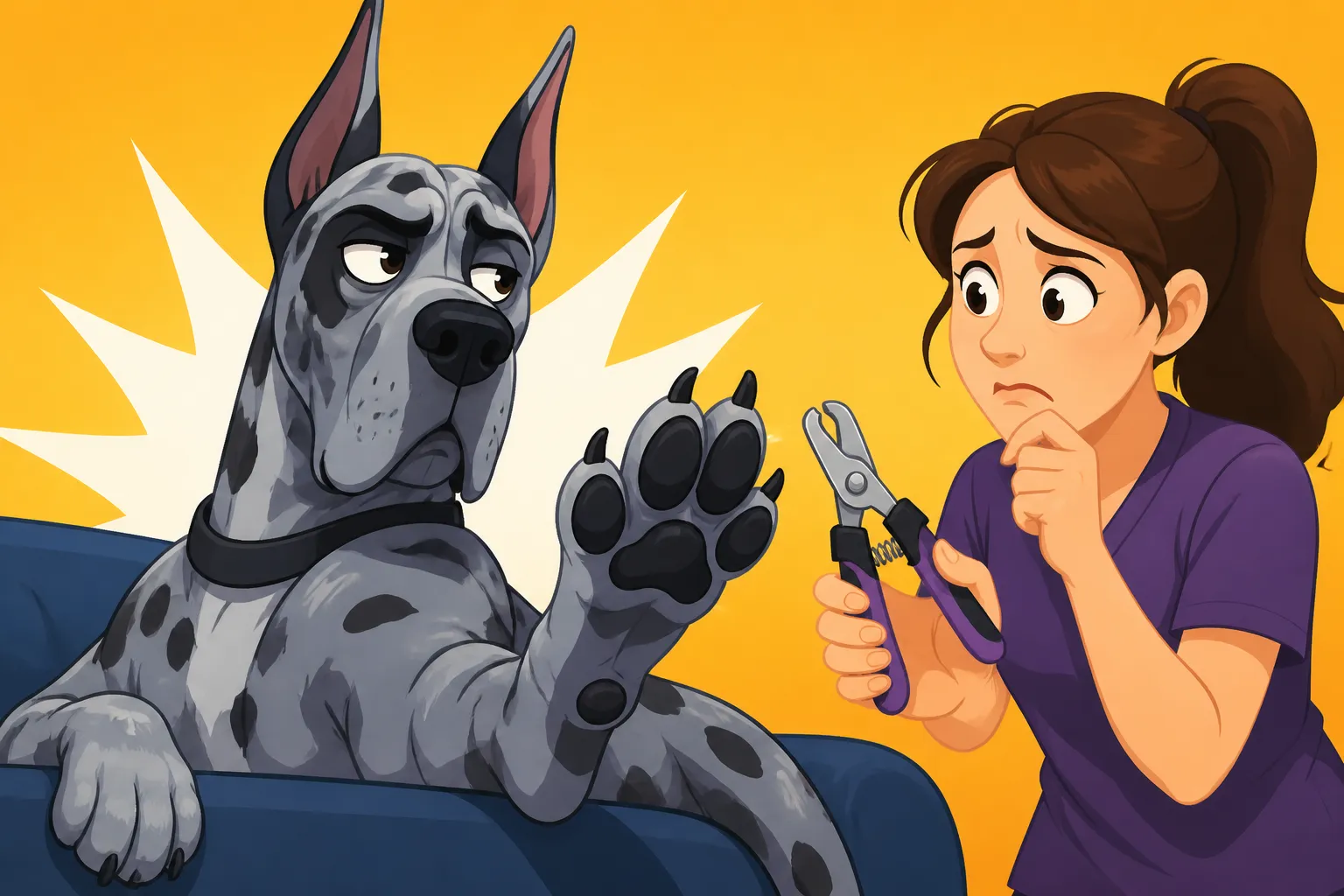
Oh, the sheer dread of Great Dane nail trimming! If you're anything like me, the thought of wrestling a hundred-plus-pound dog who views nail clippers as instruments of torture sends shivers down your spine. It's a common and incredibly frustrating struggle for so many Great Dane owners, but don't worry, you're not alone. This guide is here to walk you through strategies, tools, and a whole lot of empathy to help you tackle those formidable talons, even when your gentle giant absolutely refuses to cooperate.
The Giant Struggle: Why Great Dane Nail Trims Are So Difficult
Let’s be honest, trying to trim the nails of a Great Dane who would rather do anything else is less like a grooming session and more like a full-body workout with a very uncooperative, very large, furry partner. It's not just that they're big; there are specific reasons why this particular task can feel like an Olympic sport.
The Sheer Size and Strength Factor
First and foremost, there's the undeniable physics of the situation. Your Great Dane, even a slender female, can easily outweigh a grown adult. When a dog of that size decides they don't want something to happen, their sheer mass and strength make it incredibly difficult to override their wishes. Imagine trying to hold down a small pony while delicately clipping its hooves – that’s roughly the scale we’re talking about. They have incredible leverage, and a simple shift of weight can send you tumbling. A quick flick of a paw can send clippers flying, or worse, accidentally injure you or your dog. It's not about dominance; it's about a fundamental difference in physical power, and when they resist, it feels like wrestling a velvet-covered brick wall. This physical intimidation can make even the most patient owner hesitant, leading to less frequent trims and a worsening cycle.
The Quick: A Great Dane's Greatest Fear (and Ours!)
Beneath every dog's nail lies a sensitive bundle of nerves and blood vessels called the "quick." If you cut into the quick, it's not just uncomfortable; it's genuinely painful and will bleed quite a bit. For many Great Danes, a past bad experience with a quicking can create a lifelong aversion to nail trims. They remember that sharp sting, the sudden pain, and the fright. This memory becomes etched in their minds, making them anticipate pain every single time the clippers come out. It’s a completely rational fear from their perspective.
Compounding this issue is the fact that many Great Danes, especially those with darker nails, have an incredibly difficult quick to see. You can’t easily tell where the quick ends and the insensitive nail begins, which adds immense pressure and anxiety for us, the trimmers. We're essentially working blind, hoping for the best, and every little flinch from our dog makes us second-guess ourselves. It’s a tightrope walk between getting enough off and causing trauma, and that stress radiates to our dogs.
Learned Helplessness and Negative Associations
Dogs are incredibly good at associating events. If every time the nail clippers appear, it leads to a struggle, discomfort, or pain, your Great Dane quickly learns to associate the clippers with negative feelings. This can lead to what trainers call "learned helplessness" – they might not physically fight you every single time, but they shut down, pull away, or become extremely stiff and anxious, making the process even harder.
This cycle is hard to break. The more they resist, the more challenging it becomes for us. We might get frustrated, become less gentle, or rush the process, inadvertently confirming their worst fears. Before you know it, the mere sight of the clippers or the sound of the Dremel is enough to send your Great Dane scurrying under the nearest (and usually too small) piece of furniture. It’s a vicious circle that requires a complete reset of their perception of nail care. This is why addressing their anxiety and building positive associations is just as crucial as the actual trimming technique. Trying to force a dog of this size is not only nearly impossible but also deeply damaging to your relationship. Why a Great Dane Shuts Down When Scolded describes how sensitive Great Danes can be to negative reinforcement, emphasizing the need for a positive approach.
Building a Better Experience: Desensitization and Positive Reinforcement
Breaking the cycle of dread around nail trims is absolutely essential for a Great Dane. You can’t just muscle through it forever, and frankly, you shouldn't have to. The goal is to make nail care a neutral, or even positive, experience. It takes time, patience, and a lot of high-value treats, but it's worth every bit of effort for a calmer, happier dog and less stress for you.
Starting Early: Foundation for Puppies
If you’re lucky enough to have a Great Dane puppy, you have a golden opportunity to build a fantastic foundation. Don’t wait until they’re 100 pounds and have foot-phobia. From the moment they arrive home, make handling their feet a routine, pleasant experience. Gently touch their paws, wiggle their toes, and press their nail beds every single day. Do this while they're relaxed, maybe during cuddle time or when they're sleepy. Pair every touch with praise and a tiny, delicious treat.
You can even introduce the clippers or grinder without actually using them. Just show them to your puppy, let them sniff, and then give a treat. Tap the clippers against something else (not their nail!) and treat. Gradually, start touching the clippers to their paws without clipping, always followed by a reward. The key is to desensitize them to the tools and the sensation of having their feet manipulated. Think of it as a game, not a chore. This early work is invaluable and will save you immense heartache down the line when they're fully grown. Remember, a well-socialized puppy is a confident adult, and that includes being confident with handling. For more on early handling, check out Teaching a Great Dane to Have Its Feet Handled.
The Adult Dog: Retraining for Trust
For an adult Great Dane who already has a strong negative association with nail trims, you’ll need to employ a systematic desensitization and counter-conditioning program. This isn’t a quick fix, but it's the most effective long-term solution.
- Identify the "Threshold": What's the point where your dog starts to get anxious? Is it seeing the clippers? You picking up their paw? The sound of the grinder? Start before that point.
- Tiny Steps: Break the process down into the smallest possible steps.
- Step 1: Just seeing the clippers/grinder from a distance = treat.
- Step 2: Clippers/grinder closer to them = treat.
- Step 3: Touching the clippers/grinder to their paw, but not a nail = treat.
- Step 4: Touching the tool to one nail, no pressure = treat.
- Step 5: Lightly tapping the grinder, or just snipping off the tiniest, almost invisible bit of nail with clippers = jackpot treat!
- High-Value Rewards: You need treats that are so good, your Great Dane practically forgets their fear. Think cooked chicken, cheese, or specialized dog-safe purées. Brands like Ollie offer fresh, highly palatable dog food that can be perfect for these training sessions, as the intense flavor often distracts and motivates even the pickiest or most anxious dogs. You want them to love these sessions, not just tolerate them.
- Short, Frequent Sessions: Keep sessions very short, just a few minutes, several times a day if possible. End on a positive note before your dog gets anxious. The goal is to build up a long string of successful, positive experiences. Never push past their comfort level, as this will set you back.
- Patience is Key: This isn't a race. It might take weeks or even months to get your Great Dane comfortable again. Celebrate every tiny victory. If you hit a roadblock, go back to an easier step where they were comfortable and build up again. Remember, you're rebuilding trust, and that takes time. Many owners find it helpful to teach their Great Dane to Getting a Great Dane to Lie Down for Nail Trims to create a more stable and relaxed position.
Calm Environments and Comfort Aids
The environment plays a huge role in your Great Dane’s comfort level. Don’t try to trim nails in a chaotic, noisy room. Choose a quiet, familiar space where your dog feels safe and relaxed.
- Timing is Everything: Try to do it after a good walk or playtime when they’re physically tired and mentally settled. A sleepy dog is often a more cooperative dog.
- Calming Aids: Consider using calming pheromone sprays or diffusers in the room where you do nail trims. These can sometimes help take the edge off anxiety for some dogs.
- Distraction Techniques: A lick mat smeared with peanut butter, cream cheese, or frozen purée can be a lifesaver. You can find excellent lick mats on Amazon, designed to keep dogs occupied for extended periods. The act of licking is naturally soothing for dogs, providing a powerful distraction while you work. Some owners even put a dab of peanut butter on their forehead – it might look silly, but if it works for your Dane, who cares!
- Comfortable Positioning: If your dog prefers to lie down, let them. If they're more comfortable standing and leaning against you, work with that. Find what minimizes their perceived threat.
Tools and Techniques for Taming the Talons
Even with the best desensitization, having the right tools and knowing how to use them effectively can make a world of difference. For Great Danes, specialized heavy-duty equipment is often a necessity, and a thoughtful approach to the actual trimming technique is paramount.
Choosing the Right Clippers or Grinder for a Great Dane
For a Great Dane, you absolutely cannot use flimsy clippers. Their nails are thick, strong, and dense, requiring robust tools.
- Scissor-Style Clippers: These are often favored for giant breeds. They look like a pair of scissors with very sharp, sturdy blades. They provide good leverage and can handle thick nails with a clean cut. Look for brands known for heavy-duty pet grooming tools. The key is to ensure they are sharp. Dull clippers crush the nail, which is painful and can cause splitting.
- Guillotine-Style Clippers: While common for smaller dogs, these can be challenging for a Great Dane's thick nails and may not offer sufficient leverage or jaw opening. They tend to crush rather than cut if not perfectly maintained or if the nail is too large.
- Rotary Grinders (Dremel-style): Many Great Dane owners swear by grinders. These tools use a rotating abrasive head to file down the nail.
- Pros: They allow for much more control, letting you take off tiny bits at a time, significantly reducing the risk of quicking. They can also smooth the nail, preventing sharp edges. For dogs with dark nails, a grinder is often safer because you can feather your way up to the quick, seeing the change in the nail's internal structure as you get close.
- Cons: The noise and vibration can be a major hurdle for some dogs, requiring even more desensitization. They also generate heat, so you must work quickly and in short bursts, moving from nail to nail to prevent discomfort.
- When shopping for a grinder, look for one designed for larger breeds with a powerful motor and a variety of grinding bits.
Ultimately, the best tool is the one your Great Dane tolerates most and allows you to use safely and effectively. Some dogs prefer clippers, some prefer grinders. You might even find success using clippers for the bulk and a grinder for the finishing touches and shaping. More details on selecting the right tools can be found in The Clippers a Great Dane Nail Needs.
The Art of the Quick Trim
Regardless of your chosen tool, the technique for a Great Dane needs to be precise and patient.
- Identify the Quick (If Possible): For clear or light-colored nails, the quick appears as a pinkish area inside the nail. With dark nails, it's much harder. As you trim or grind, look for a small, dark dot in the center of the clipped surface – this often indicates you're very close to the quick. Stop immediately if you see this or if your dog reacts.
- Take Tiny, Incremental Snips/Grinds: This is the golden rule. Instead of aiming for one big cut, take off just the very tip. If using clippers, you're aiming to take off a millimeter or two at a time. With a grinder, just touch the nail for a second or two, then move to the next. This allows you to gradually recede the quick over time.
- Angle Matters: Trim the nail straight across, or with a slight angle to match the natural curve of the paw, ensuring the nail doesn't interfere with their gait. Many people aim for the nail to be flush with the paw pad when the dog is standing naturally.
- Have Styptic Powder Ready: Accidents happen. Always have styptic powder (available on Chewy or at your local pet store) within arm's reach. If you quick your dog, apply pressure and the powder immediately. Don’t panic, as your dog will feed off your stress. Clean up the mess, reassure your dog, and end the session on a positive note (maybe just a treat, no more trimming for that session).
- Don't Forget the Dewclaws: These "thumb" nails often get overlooked because they don't touch the ground. However, they can grow long and curl into the paw pad, causing significant pain and infection. Always check and trim Dewclaws on a Great Dane regularly.
- Frequency is Your Friend: Regular, even weekly, short trims are far better than infrequent, stressful marathon sessions. The more often you trim, the more the quick naturally recedes, making future trims easier and less risky. This also directly impacts their comfort and gait, as discussed in Nail Length and How a Great Dane Stands.
Harnessing the Power of Distraction and Helper Hands
Sometimes, even with desensitization, your Great Dane might need a little extra help to get through the process.
- Distraction at Its Best: As mentioned, a lick mat on the floor or stuck to a wall (if your dog is standing) can be incredibly effective. The intense focus on licking a high-value treat often makes them forget what's happening to their feet. You can also try puzzle toys filled with treats or a sturdy chew toy.
- The Calm Helper: Having a second person can be invaluable. One person can calmly distract and reward the Great Dane (constantly feeding treats, rubbing their ears, giving gentle praise), while the other person focuses solely on the nails. The helper's job is to keep the dog's attention positive and away from the feet. This divides the "bad guy" role and helps maintain a positive association with at least one person during the process.
- Creative Restraint (Gentle!): Sometimes, a specific setting can offer natural, gentle restraint. For instance, some Great Danes are calmer in the bathtub (if it's non-slip) or inside the car after a long ride. A "hug" hold, where you gently but firmly cuddle them close to you, can sometimes provide enough physical reassurance and restriction without being frightening. Never use force or physical punishment, as this will only exacerbate their fear and make future sessions impossible. Foot and Pad Care for a Great Dane covers a broader range of topics, but nail care is foundational to overall foot health.
When to Call in the Cavalry: Professional Help
Despite your best efforts, some Great Danes simply won't tolerate at-home nail trims, and that's okay. It’s not a failure on your part, but rather an acknowledgment of your dog's deep-seated anxiety or physical limitations. Knowing when to seek professional help is a sign of a responsible and caring owner.
Vets and Vet Techs: Expertise and Sedation Options
If your Great Dane is genuinely terrified, aggressive, or simply too strong to safely manage at home, your veterinarian or a qualified vet technician is your best resource.
- Safe Handling: Vet professionals are experienced in handling anxious and resistant dogs of all sizes. They have techniques and facilities to safely perform nail trims without causing undue stress or injury. They may use specialized muzzles or gentle restraint methods to ensure safety for everyone involved.
- Sedation: For extreme cases, your vet can discuss mild sedation or anti-anxiety medication. This isn't about "knocking your dog out" for every trim, but rather using oral medications that take the edge off their anxiety, making them more relaxed and amenable to handling. This can be a game-changer for deeply fearful dogs, transforming a traumatic experience into a calm one. It's a compassionate choice when the alternative is severe distress for your dog. Your vet can assess your Great Dane's health and determine appropriate options, keeping in mind potential challenges like Anesthesia Risk in a Great Dane for giant breeds.
- Therapeutic Trims: For neglected nails that have grown too long and possibly curved into the paw pads, a vet can perform a more extensive trim, often under sedation, to reset the nail length and reduce discomfort. This provides a fresh start for you to maintain.
Professional Groomers: Handling the Giants
Not all groomers are equipped or comfortable handling Great Danes, especially those with an aversion to nail trims. However, many professional groomers specialize in large breeds and have the skills, tools, and experience to get the job done.
- Seeking Expertise: Look for groomers who specifically mention experience with giant breeds or Great Danes. Ask about their techniques for anxious dogs and what methods they use for nail trims. A good groomer will prioritize your dog's comfort and safety.
- Building a Relationship: Just like with your vet, finding a groomer who can build a positive relationship with your Great Dane is crucial. Regular visits, even if just for a quick trim, can help your dog get used to the environment and the person.
- Cost Considerations: Professional grooming, especially for a Great Dane due to their size and any behavioral challenges, will naturally come with a higher price tag than doing it yourself. However, the peace of mind and the reduction in stress for both you and your dog can be priceless. It's an investment in your dog's physical health and your shared well-being.
The Long-Term Game: Maintaining Nail Health
No matter who is trimming your Great Dane's nails, consistency is the ultimate key. Long nails are not just unsightly; they can have serious implications for your dog's health and comfort.
- Impact on Joints: When nails are too long, they push back against the nail bed, putting pressure on the toe joints. Over time, this can lead to arthritis, pain, and changes in gait, affecting your Great Dane's overall mobility, especially given their predisposition to joint issues like those described in Great Dane Hips, Elbows and Growing Joints. It’s like us walking with shoes that are too small all the time.
- Slipping and Injuries: Long nails can reduce traction on smooth floors, making your Great Dane more prone to slipping and potentially injuring themselves. They can also snag on carpets or rough terrain, leading to painful tears or fractures.
- Comfort and Quality of Life: Simply put, short nails are comfortable nails. They allow your Great Dane to stand and walk naturally, without discomfort or compensation. Prioritizing nail health is a fundamental part of providing a high quality of life for your beloved giant.
If you’ve struggled with your Great Dane's nail trims, remember, it's a common challenge. With patience, the right tools, consistent positive reinforcement, and knowing when to ask for professional help, you can ensure your Great Dane has healthy, comfortable paws for years to come.
Comparison of Nail Trimming Approaches
| Feature | At-Home Trimming (DIY) | Professional Groomer | Veterinary Clinic |
|---|---|---|---|
| Cost | Low (initial tool purchase) | Moderate (per visit, varies by dog size/behavior) | Higher (vet exam, sedation, specialized care) |
| Convenience | High (on your schedule) | Moderate (requires appointments) | Low (requires appointments, travel) |
| Stress Level for Dog | Varies (can be high if fearful, low with training) | Varies (can be low with skilled groomer, high if fearful) | Can be very low (with sedation), or high if restraint is needed without sedation |
| Control Over Process | High (you choose tools, pace, technique) | Moderate (groomer's discretion) | Low (vet's discretion, medical necessity) |
| Skill Required | Moderate to High (learning technique, quick awareness) | High (professional training) | High (medical training, safe sedation practices) |
| Best For | Dogs comfortable with handling; routine maintenance | Dogs needing regular trims with some resistance; general grooming | Severely fearful/aggressive dogs; overgrown/neglected nails; underlying medical issues |
| Risk of Quicking | Moderate to High (especially with dark nails) | Low to Moderate (professional experience) | Low (can manage with sedation/expertise) |
Disclaimer
This article is for general informational purposes only and does not constitute professional advice. Laws, prices and regulations vary by location and change over time. Consult a qualified professional for guidance on your specific situation.