A Great Dane Losing Condition Over Its Hips
It’s a heart-wrenching moment when you notice your beloved Great Dane, once a picture of robust strength, starting to look a little bony around the hips, or perhaps their powerful hindquarters seem less muscled than they once were. This visible loss of "condition" over their hips isn't just a cosmetic concern; it’s a red flag that something deeper might be going on, and it’s a worry that no giant-breed owner should ignore. This comprehensive guide will walk you through understanding why your Great Dane might be losing condition over their hips, what signs to look for, and the crucial steps you need to take to help them.
Recognizing the Signs: Is It Really "Losing Condition"?
When we talk about a Great Dane "losing condition" over its hips, we're not just discussing a slight dip in weight. We’re often seeing a more specific pattern of muscle atrophy and changes in mobility that point to an underlying issue. It can be incredibly subtle at first, then progress to something more noticeable, leaving you to wonder if it's just normal aging or something more serious.
What "Losing Condition" Looks Like in a Dane's Hips
The hips and hindquarters of a Great Dane are naturally powerful and well-muscled. When condition starts to decline, you'll typically notice a few key indicators. One of the most common is muscle wasting, particularly around the glutes and quadriceps. This makes the hip bones, the points of the pelvis, appear more prominent and angular than usual. You might find yourself running your hand over their back and feeling those sharp points more distinctly, where once there was a smooth curve of muscle.
Another sign is a change in their gait or how they move. A Dane that’s losing condition might start to drag their hind feet, scuff their nails, or seem generally weaker in their back end. They might struggle to get up from a lying position, hesitate before jumping into the car, or find stairs more challenging. Sometimes, it’s not just a lack of muscle, but also a shift in their stance, where they might "camp out" or stand with their rear legs further underneath them to compensate for weakness or discomfort. Observing these shifts, no matter how small, is crucial.
Differentiating from Normal Aging or Weight Loss
It’s easy to dismiss some of these changes, especially if your Great Dane is getting older, as just "part of aging." And yes, senior dogs do naturally lose some muscle mass, a condition called sarcopenia, but a sudden or significant loss of condition over the hips is usually more than that. True sarcopenia tends to be a more generalized, gradual thinning, whereas focal muscle loss over the hips often points to a problem directly affecting those joints or the nerves controlling them.
Similarly, if your Dane has lost a lot of weight overall, their hips will naturally become more prominent. However, if the weight loss is primarily concentrated in the hindquarters, or if you see significant muscle wasting even while the rest of their body maintains a reasonable fat cover, it's less about general weight and more about a specific problem with the hips or spine. Keep a close eye on their overall body condition score – are they thin everywhere, or specifically lacking muscle definition in the back? This distinction is vital for guiding your next steps with your veterinarian. The Age a Great Dane Is Considered Old discusses more about aging in Danes.
Common Causes Behind Hip Wasting in Great Danes
Several factors can contribute to a Great Dane losing condition over its hips, ranging from orthopedic issues inherent to giant breeds to neurological problems affecting nerve function, and even systemic illnesses. Pinpointing the exact cause requires a thorough investigation, but understanding the possibilities can help you prepare for discussions with your vet.
Orthopedic Issues: Hip Dysplasia and Arthritis
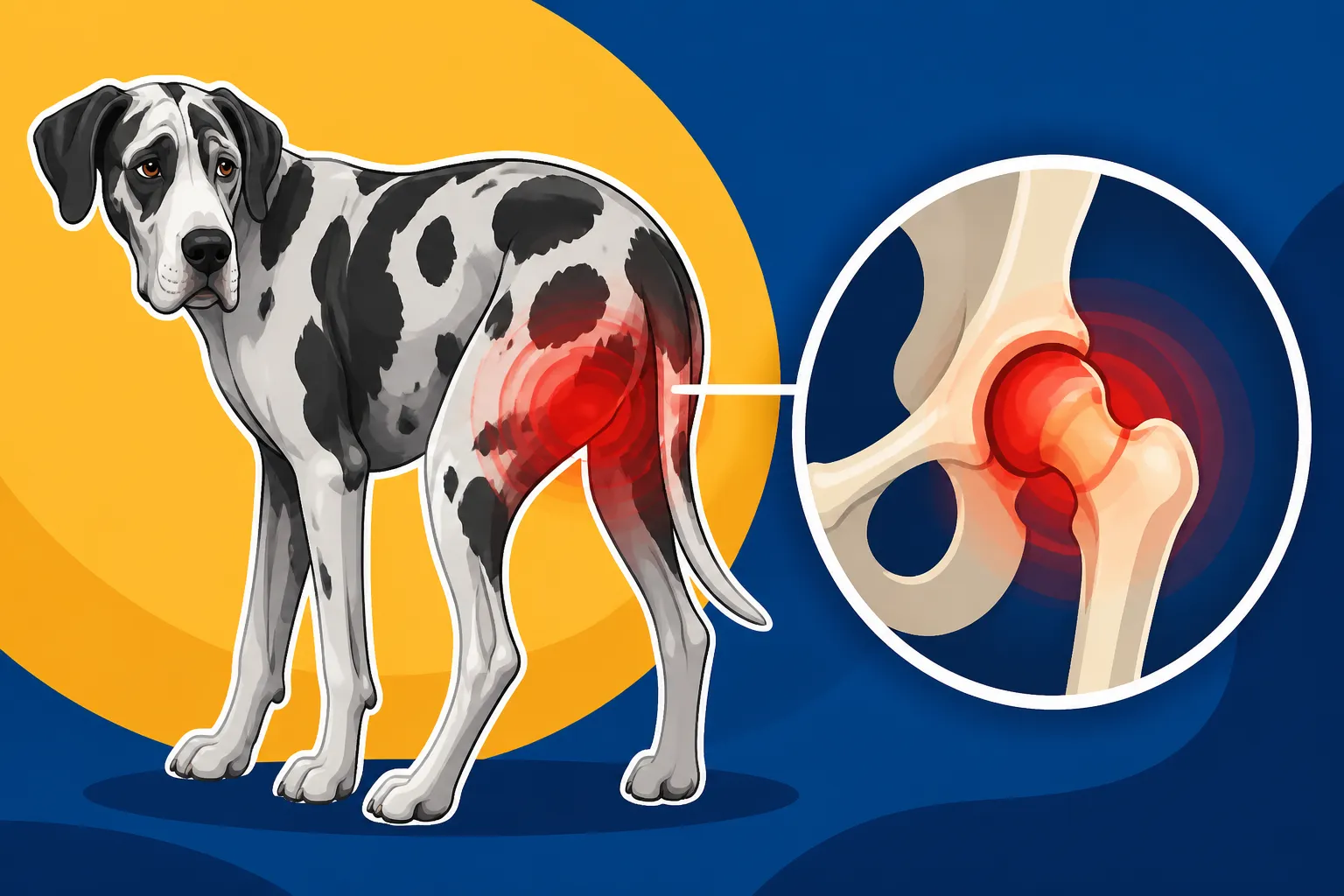
For a breed as large and fast-growing as the Great Dane, orthopedic problems are sadly a common concern. Hip dysplasia, a genetic condition where the hip joint doesn't form correctly, can lead to instability and early onset arthritis. While often diagnosed in younger dogs, it can certainly contribute to a loss of muscle mass over the hips in older Danes as arthritis progresses. The dog may be subconsciously protecting the painful joint, leading to disuse atrophy where the muscles simply aren't being used as much as they should be.
Arthritis, or osteoarthritis, is the inflammation of joints and can affect any Great Dane, especially as they age. This chronic pain can make movement uncomfortable, leading to reduced activity and, subsequently, muscle loss in the affected area. Imagine trying to exercise a sore joint – your dog is doing the same thing. They might shift their weight, take shorter strides, or avoid certain movements, all of which prevent the muscles from staying strong and toned. Great Dane Hips, Elbows and Growing Joints and Arthritis in a Six-Year-Old Great Dane offer deeper insights into these conditions.
Neurological Conditions: Wobbler Syndrome and Spinal Problems
Sometimes, the problem isn't directly with the hips, but rather with the nerves that supply the hind limbs. Conditions affecting the spine, particularly in the neck or lower back, can lead to neurological deficits that manifest as weakness, incoordination, and muscle wasting in the hindquarters. Wobbler Syndrome, or Cervical Spondylomyelopathy, is particularly notorious in Great Danes. This condition involves compression of the spinal cord and nerve roots in the neck, which can disrupt the signals traveling to the legs.
A Dane with Wobbler Syndrome might present with a characteristic "wobbly" gait, stumbling, or scuffing of the hind feet. Over time, this lack of proper nerve function can lead to significant muscle atrophy in the hind legs, making the hips look bonier because the muscles are no longer being stimulated properly. Other spinal issues, like degenerative myelopathy or intervertebral disc disease (though less common for classic disc rupture in Danes compared to other breeds, spinal compression can still occur), can also cause similar signs. If you see your A Great Dane That Stumbles on Its Back Legs, it’s definitely time to investigate neurological causes.
Systemic Illnesses and Nutritional Deficiencies
Beyond specific orthopedic or neurological issues, a Great Dane's loss of condition over its hips could be a symptom of a broader systemic illness or even a nutritional imbalance. Chronic diseases like kidney disease, heart conditions, or cancer can lead to generalized muscle wasting and weakness throughout the body, including the hindquarters. If their body is busy fighting an illness or struggling to process nutrients, maintaining muscle mass can become a secondary priority.
Nutritional deficiencies can also play a role, particularly if a Great Dane is on an inappropriate diet or if they have an underlying condition that affects nutrient absorption. While severe deficiencies are less common with commercially prepared, high-quality giant-breed formulas, it’s still something to consider. Protein is vital for muscle maintenance, and inadequate intake can contribute to muscle loss. Additionally, if your older Dane is An Old Great Dane That Struggles to Chew or digest food, they might not be getting the full benefit of their meals, leading to a gradual decline in overall condition. Always ensure your Dane's diet is appropriate for their age, activity level, and breed-specific needs. Caring for a Great Dane Past Six discusses the specific needs of senior Danes.
Your Role: Observation, Early Intervention, and Management
As a Great Dane owner, you are your dog's first line of defense. Your keen observation skills and proactive approach to their care are invaluable in catching problems early and implementing supportive measures. Don't underestimate the power of simply watching your dog.
What to Document Before the Vet Visit
Before you head to the vet, take some time to become a detective. Documenting your observations systematically can provide your veterinarian with critical clues and help them narrow down potential diagnoses faster. Note when you first noticed the change in your Dane's hips and muscle mass. Has it been gradual or sudden? Is it worsening rapidly or slowly?
Pay close attention to their daily activities:
- Mobility: Do they struggle to get up? Are they slower on walks? Do they refuse stairs or jumping? Do they scuff their paws? Are they dragging their back legs?
- Pain Signals: Any whining, limping, guarding certain areas, or reluctance to be touched?
- Appetite and Thirst: Have these changed? Are they eating less or drinking more?
- Weight: Have you noticed overall weight loss?
- Energy Levels: Are they more lethargic or sleeping more than usual?
- Dietary Changes: Have you recently changed their food or added supplements?
Even taking short videos of your Dane walking, getting up, or going up/down stairs can be incredibly helpful for your vet to see what you're describing, especially since dogs often "perform" perfectly in the clinic setting.
Supporting Your Dane at Home
While you're waiting for a diagnosis or as part of a long-term management plan, there are many things you can do at home to support your Great Dane and make them more comfortable. Providing excellent comfort and minimizing strain can make a huge difference in their quality of life.
Firstly, think about their resting spots. Hard floors can be brutal on stiff joints and bony hips. Invest in high-quality orthopedic dog beds that offer substantial cushioning. Options available on platforms like Amazon or Chewy provide excellent support, often with memory foam or thick, supportive padding that prevents pressure sores and helps alleviate joint discomfort. Many owners find having multiple beds in different rooms useful, so their Dane always has a soft spot to land. Orthopedic Beds a Great Dane Needs goes into more detail.
Consider adding Rugs and Runners for a Great Dane's Joints on slippery hard floors to provide better traction and prevent falls or slips that can exacerbate hip pain or instability. Ramps can also be a game-changer for getting into cars or navigating a few porch steps, reducing the impact and strain on their hindquarters. Gentle, consistent exercise, as advised by your vet, is also important to maintain muscle tone without overdoing it. Avoid strenuous activities like jumping or long, high-impact runs.
Nutritional Adjustments and Supplements
Nutrition plays a crucial role in managing conditions that lead to hip wasting. Discuss with your veterinarian whether dietary changes could benefit your Great Dane. For Danes with joint issues, foods formulated with joint support ingredients like glucosamine, chondroitin, and omega-3 fatty acids can be beneficial. Brands like Ollie often offer customized, fresh food plans that can be tailored to a dog's specific health needs, including joint support. If you're feeding kibble, look for formulas specifically designed for large breeds or senior dogs, which often have these components already integrated.
Supplements, under veterinary guidance, can also be helpful. Fish oil (rich in EPA and DHA omega-3s) is a potent anti-inflammatory that can help reduce joint pain. Glucosamine and chondroitin supplements are thought to support cartilage health. Your vet might also suggest specific protein supplements if muscle wasting is significant, to help rebuild and maintain muscle mass. However, always consult your vet before adding any supplements, as incorrect dosing for a Great Dane’s size or inappropriate combinations can be harmful. Joint Support Built Into Great Dane Food and Whether Joint Supplements Reach a Great Dane's Dose offer further reading on this topic.
Working with Your Veterinarian: Diagnosis and Treatment Paths
When your Great Dane is losing condition over its hips, your veterinarian is your most important partner. A thorough diagnostic workup is essential to understand the underlying cause and formulate an effective treatment plan.
Diagnostic Steps
Your vet will likely start with a comprehensive physical exam, observing your Dane's gait, checking for pain responses in their hips and spine, and assessing muscle mass. Based on these initial findings and your detailed history, they will recommend further diagnostics.
Common diagnostic tests include:
- Radiographs (X-rays): These are fundamental for assessing bone and joint health. X-rays can reveal signs of hip dysplasia, arthritis, spinal abnormalities, or even bone tumors that could be causing pain and muscle loss. X-Rays That Confirm Great Dane Bone Cancer illustrates how critical this imaging is for skeletal issues.
- Blood Work: A complete blood count and chemistry panel can rule out systemic illnesses like kidney disease, liver disease, thyroid issues, or inflammation that might be contributing to generalized weakness or muscle wasting. The Thyroid Test a Slow Great Dane Needs is an example of a specific blood test that can reveal certain systemic issues affecting energy and muscle.
- Advanced Imaging: If orthopedic or neurological issues are suspected but not clearly seen on X-rays, your vet might recommend advanced imaging like an MRI or CT scan. These provide much more detailed views of soft tissues, spinal cord compression, nerve impingement, and subtle joint changes. What Shows Up on a Great Dane Spinal Scan details the insights gained from such imaging. Referral to a specialist, such as a veterinary orthopedist or neurologist, might be suggested at this stage.
Treatment Options
Once a diagnosis is established, your vet will discuss tailored treatment options. These can range widely depending on the underlying cause.
For orthopedic issues like arthritis or hip dysplasia, treatment often involves a multi-modal approach:
- Medication: Non-steroidal anti-inflammatory drugs (NSAIDs) are commonly prescribed to manage pain and inflammation. Other pain medications might be added depending on the severity.
- Joint Injections: In some cases, injections directly into the joint, such as corticosteroids or regenerative medicine therapies (e.g., PRP), might be considered.
- Physical Rehabilitation: Structured exercises, hydrotherapy, and therapeutic massage can strengthen supporting muscles, improve range of motion, and reduce pain.
- Surgery: In severe cases of hip dysplasia or certain types of arthritis, surgical interventions might be an option, such as total hip replacement, though this is a significant undertaking for a giant breed.
For neurological conditions like Wobbler Syndrome or other spinal compressions:
- Conservative Management: This often includes anti-inflammatory medications, muscle relaxants, strict crate rest, and physical therapy to support the spine and strengthen core muscles. Switching from a collar to a harness is often recommended to avoid neck pressure. Steroids and Crate Rest for a Wobbler Dane is a common initial approach.
- Surgery: For severe or progressive neurological deficits, surgical decompression of the spinal cord might be recommended. This is a highly specialized procedure, usually performed by a veterinary neurologist. Surgery Against Management for a Wobbler Dane weighs the options.
For systemic illnesses, treatment focuses on managing the primary disease. This could involve specific medications for heart or kidney disease, chemotherapy or radiation for cancer, or dietary changes to support organ function. Addressing the underlying illness is key to improving overall condition, including muscle mass.
No matter the cause, ongoing management often involves a combination of pain control, supportive care at home, and regular veterinary check-ups to monitor progress and adjust the treatment plan as needed. The goal is always to improve your Great Dane’s comfort and quality of life.
| Cause of Hip Condition Loss | Common Symptoms | Diagnostic Tools | Typical Interventions |
|---|---|---|---|
| Hip Dysplasia/Arthritis | Prominent hip bones, stiff gait, difficulty rising, pain, limping | X-rays, Physical Exam | NSAIDs, pain meds, joint supplements, physical therapy, surgery |
| Wobbler Syndrome | Wobbly gait (especially hind end), scuffed nails, weakness, muscle atrophy | X-rays, MRI/CT, Neurological Exam | Steroids, crate rest, harness, physical therapy, surgery |
| Systemic Illness (e.g., Cancer, Heart/Kidney Disease) | Generalized weakness, weight loss, lethargy, muscle wasting (including hips) | Blood work, Urinalysis, Organ imaging | Treat underlying disease, supportive care, nutritional support |
| Nutritional Deficiency | Poor coat, low energy, muscle loss, overall poor health | Diet review, Blood work | Dietary adjustment (quality food), supplements |
Disclaimer
This article is for general informational purposes only and does not constitute professional advice. Laws, prices and regulations vary by location and change over time. Consult a qualified professional for guidance on your specific situation.