Bone Development Problems in a Great Dane Puppy
Bringing home a Great Dane puppy is an absolute joy, but it can also come with a unique set of worries, especially when you start noticing things that just don't seem quite right with their rapidly growing bodies. It's incredibly disheartening to see your giant baby struggling with lameness or discomfort, and often, these aren't just "growing pains" but actual bone development problems that need prompt attention. This guide is here to shed light on these concerning issues, helping you understand what to look for, how they're managed, and what you can do to support your beloved Dane through these critical developmental stages.
The Unique Challenges of Great Dane Puppy Growth
Great Danes are magnificent animals, but their extraordinary size comes with an accelerated growth rate that places immense stress on their developing skeletal system. Unlike smaller breeds, which might take a year or more to reach their full height and weight more gradually, a Great Dane puppy can gain several pounds and inches every week during its peak growth period. This rapid expansion isn't just about getting bigger; it involves the intricate development of bones, joints, ligaments, and tendons, all of which need to keep pace with each other. When this delicate balance is thrown off, it can lead to a host of painful and debilitating bone development problems.
Think of it like building a skyscraper in record time – every beam, every joint, every connection has to be perfectly aligned and strong enough to support the immense structure. If one part grows too fast or is supplied with the wrong materials, the whole building can suffer. For a Great Dane, this is precisely what happens with their growth plates, which are areas of cartilage at the ends of long bones where new bone is formed. These plates are open and vulnerable until they close, typically between 12 and 18 months of age, and any disruption during this critical window can have lasting consequences. Understanding this fundamental aspect of Why a Great Dane Ages Faster Than Smaller Dogs is crucial for any owner.
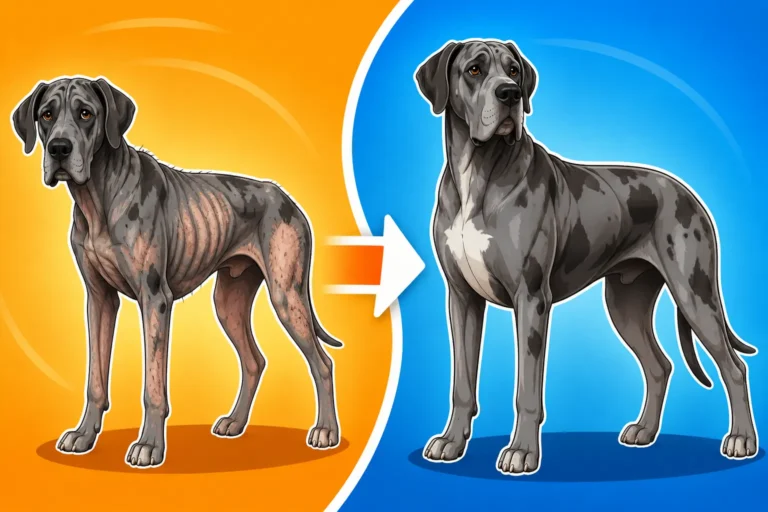
The sheer volume of food a Great Dane puppy consumes also plays a massive role. While it might seem intuitive to feed a growing giant puppy as much as it wants, or to supplement its diet with extra vitamins and minerals, this can actually be incredibly detrimental. Over-nutrition, especially an imbalance of calcium and phosphorus, can accelerate growth beyond what the genetic blueprint allows, leading to structural weaknesses. This is why specialized large-breed puppy food is not just a marketing gimmick; it's a carefully balanced diet designed to encourage slow, steady growth. Trying to make your Dane grow even faster is akin to putting jet fuel in a regular car; it might go faster for a moment, but it’s going to cause serious damage in the long run.
Recognizing Specific Bone and Joint Disorders in Young Danes
When your Great Dane puppy starts limping, showing stiffness, or just generally moving awkwardly, it's easy to dismiss it as "growing pains." While some transient discomfort can be normal, many of these symptoms are indicative of more serious underlying bone development problems that require veterinary intervention. Getting familiar with the signs of these common conditions can make a huge difference in early diagnosis and management, potentially preventing more severe, irreversible damage.
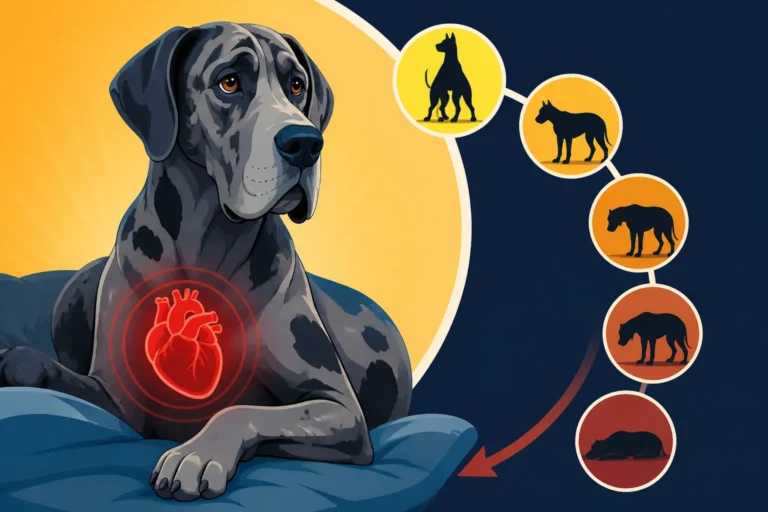
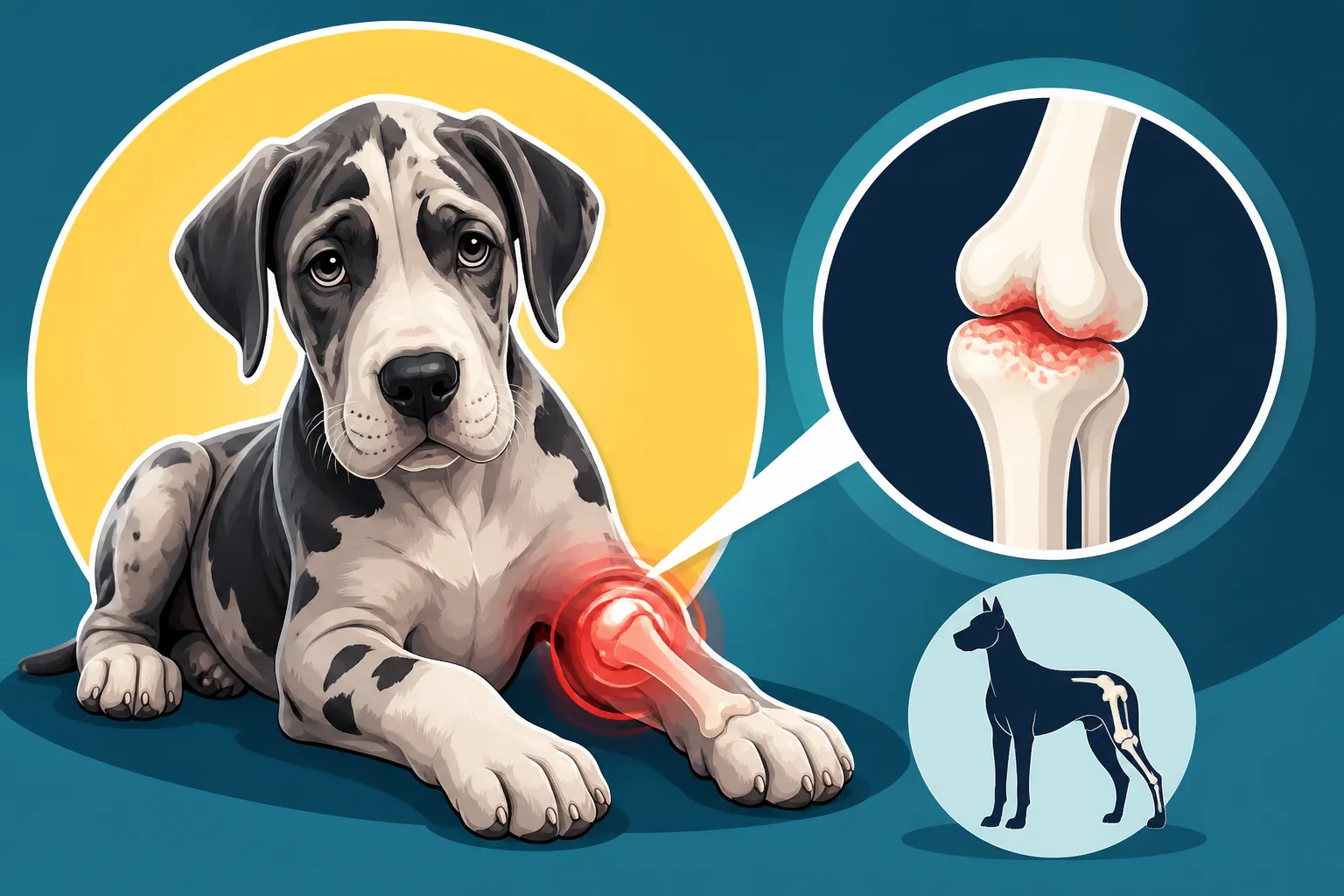
One of the most frequently seen and concerning issues is Hypertrophic Osteodystrophy (HOD). This condition, often dubbed "HOD" for short, is characterized by inflammation and abnormal bone growth near the growth plates, usually affecting the long bones in the legs. You might notice your puppy presenting with swelling and extreme pain around the joints, often the wrists and ankles, accompanied by fever, lethargy, and a reluctance to move. It often comes in waves, with periods of severe lameness followed by slight improvement, only to recur again. This can be truly terrifying for owners, as the puppy can go from playful to paralyzed with pain in a matter of hours. This condition is deeply explored in the guide Hypertrophic Osteodystrophy in a Great Dane.
Another common culprit is Osteochondritis Dissecans (OCD), which involves a disturbance in the normal development of cartilage and bone in the joints, most notably in the shoulders, elbows, hocks, and stifles. Essentially, a flap of cartilage detaches from the underlying bone, causing pain and inflammation. Puppies with OCD might show a consistent lameness that worsens after exercise, a reluctance to bear weight, or a noticeable decrease in their range of motion. Unlike HOD, which can resolve with supportive care, OCD often requires surgical intervention to remove the cartilage flap and encourage proper healing. Recognizing signs like Cartilage Flaps in a Great Dane Shoulder is important.
Then there's Panosteitis, affectionately (or not so affectionately) known as "Pano" or "shifting lameness." This condition involves inflammation of the outer surface or shaft of one or more long bones and is usually self-limiting, resolving on its own by the time the puppy reaches 18-20 months of age. The tell-tale sign is lameness that "shifts" from one leg to another, sometimes seemingly overnight. One day your pup is favoring its left front leg, the next it's the right rear. While less severe than HOD or OCD, it can still be incredibly painful, requiring careful pain management to keep your pup comfortable. If you’ve ever wondered about Shifting Lameness in a Growing Great Dane, this is often the answer. Early signs of conditions like Elbow Problems in a Fast-Growing Great Dane or even Great Dane Hip and Elbow Screening can begin to show during these formative months, highlighting the importance of regular veterinary check-ups.
Navigating Diagnosis, Treatment, and Long-Term Support
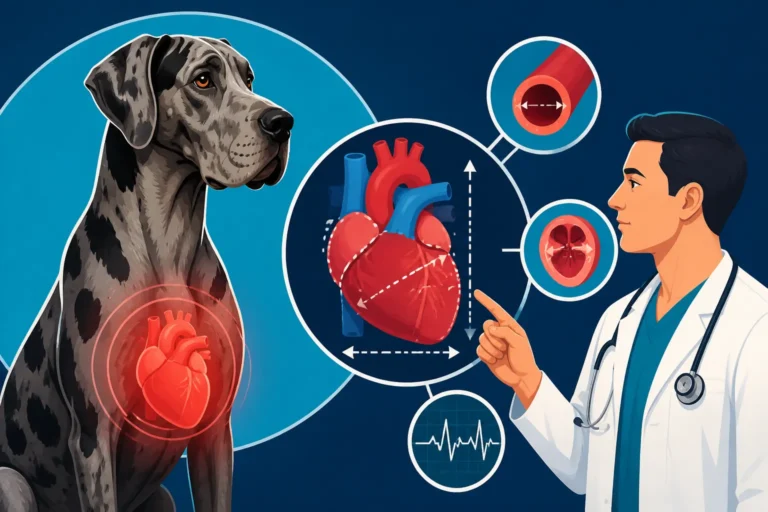
The moment you suspect your Great Dane puppy is experiencing any kind of bone development issue, the first and most crucial step is to get them to the vet. Don't wait. Early diagnosis can significantly impact the effectiveness of treatment and your pup's long-term comfort and mobility. Your veterinarian will typically start with a thorough physical examination, observing your puppy's gait and feeling for any swelling, heat, or pain around the joints. This initial assessment helps narrow down the possibilities.
The definitive diagnosis usually relies on imaging. X-rays are the primary tool, allowing the vet to visualize the bones, growth plates, and joints. For complex cases or to get a clearer picture of cartilage damage, your vet might recommend more advanced imaging techniques like CT scans or MRI, especially if surgery is being considered for conditions like OCD or severe dysplasia. Once a diagnosis is made, your vet will discuss the appropriate treatment plan. For conditions like HOD and Panosteitis, management often revolves around pain relief and supportive care. This could involve anti-inflammatory medications, strict rest, and sometimes even short courses of corticosteroids.
For issues like OCD or severe elbow/hip dysplasia, surgical correction is often the best path to long-term comfort and function. This can be a daunting prospect, both emotionally and financially. Post-surgery, a structured rehabilitation program, including physical therapy, hydrotherapy, and controlled exercise, is vital for a successful recovery. This is where pet insurance can truly be a lifesaver. Policies from providers like Healthy Paws can help significantly offset the substantial costs associated with diagnostics, specialized treatments, medications, and rehabilitation, allowing you to focus on your pup's recovery without the added stress of crushing vet bills. It’s worth exploring How Pet Insurance Is Essential for a Great Dane given the breed's propensity for these types of health challenges.
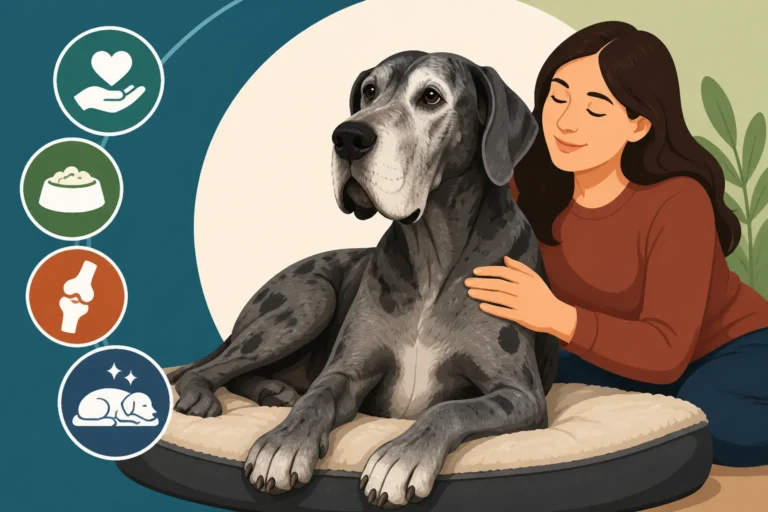
Long-term support doesn't end after treatment. For many of these conditions, continued monitoring, appropriate exercise management, and nutritional support will be part of your Dane's life. This might include joint supplements, weight management to reduce stress on joints, and ensuring soft, supportive bedding to prevent pressure sores or further discomfort. Living with a Great Dane means being prepared for these challenges and committing to providing the best possible care throughout their lives.
Proactive Care: Nutrition, Exercise, and Environment for Healthy Bones
Preventing bone development problems in Great Dane puppies starts the moment you bring them home, and it largely revolves around providing the right foundation for their growth – which often means slower growth. This isn't about underfeeding; it's about intelligent nutrition and controlled physical activity that supports their unique needs.
First and foremost, nutrition is paramount. You absolutely must feed a large-breed specific puppy food for the first 12-18 months of their lives. These diets are carefully formulated with lower calcium and phosphorus levels, as well as a balanced protein-to-fat ratio, to encourage a slower, more controlled growth rate. Avoid "all life stages" foods during this critical puppy phase unless explicitly recommended by a vet who understands giant breed nutrition. Never, ever supplement with extra calcium. While it seems logical to give more calcium for bigger bones, excess calcium actually interferes with proper bone mineralization and can be a significant contributing factor to growth disorders like HOD and OCD. Many owners wonder Whether Extra Calcium Damages a Great Dane and the answer is a resounding yes. It's also vital to monitor your puppy's weight and body condition. A lean puppy is a healthy puppy when it comes to giant breeds. You should be able to easily feel, but not necessarily see, their ribs. If your puppy is looking chunky, it's putting unnecessary strain on its developing joints. The guide Whether a Great Dane Puppy Should Be Kept Lean offers more detailed insights.
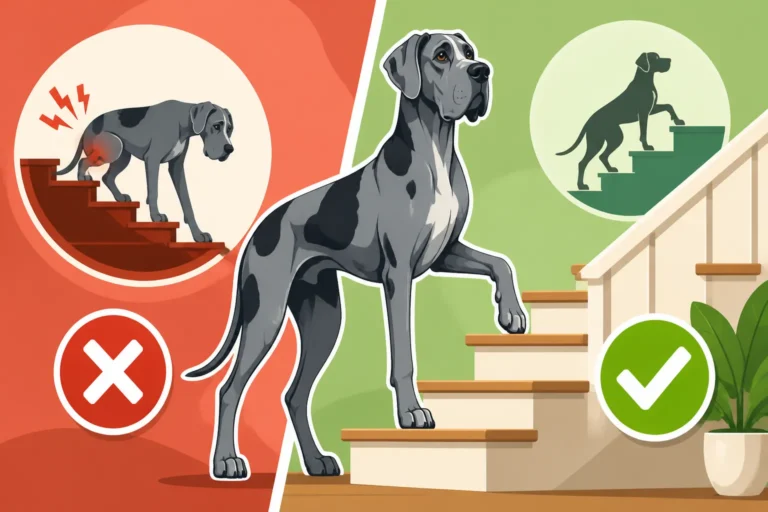
Controlled exercise is another critical component. While it's tempting to let your playful Great Dane puppy run wild, especially in a large yard, excessive or high-impact exercise can seriously damage their vulnerable growth plates. For the first year, avoid activities like forced running, jumping from high places, extended fetch sessions, or long hikes. Short, frequent walks on soft surfaces are ideal. Think of it as allowing them to engage in natural play, but supervising and curtailing anything that seems too strenuous. Free play in a secure, flat yard is good, but don't encourage activities that involve repetitive pounding on hard surfaces. As your puppy grows, a gradual increase in activity is appropriate, but always err on the side of caution. Even something as seemingly benign as Whether a Great Dane Puppy Should Use Stairs needs careful consideration.
Finally, consider their living environment. Provide soft, supportive bedding that cushions their joints when they lie down. Hard floors can be tough on their elbows and hocks, potentially leading to issues like hygromas, though those are different from bone development problems. Ensure they have easy access to food and water without having to jump or stretch excessively. Proper early socialization and training also play a role in preventing physical injury, as a well-trained pup is less likely to engage in risky behaviors that could lead to orthopedic trauma. If you're really delving into Reading a Great Dane Puppy's Health Papers, you’ll see how much emphasis is put on the health of the parents, highlighting the genetic component that underpins some of these developmental issues. Taking all these steps together gives your Great Dane puppy the very best chance at developing strong, healthy bones and joints, setting them up for a long and comfortable life as your cherished companion.
Disclaimer
This article is for general informational purposes only and does not constitute professional advice. Laws, prices and regulations vary by location and change over time. Consult a qualified professional for guidance on your specific situation.