How Many Meals a Great Dane Puppy Eats a Day
Bringing home a Great Dane puppy is an absolute joy, but let's be honest, it also comes with a mountain of questions, especially when it comes to feeding that rapidly growing giant. You're constantly wondering if you're giving them enough, if it's too much, and crucially, how often they should be eating throughout the day to support their immense growth without causing issues. This guide is here to unravel the mystery of Great Dane puppy meal frequency, providing you with practical advice to ensure your gentle giant grows up healthy and strong.
Understanding the Unique Nutritional Needs of a Great Dane Puppy
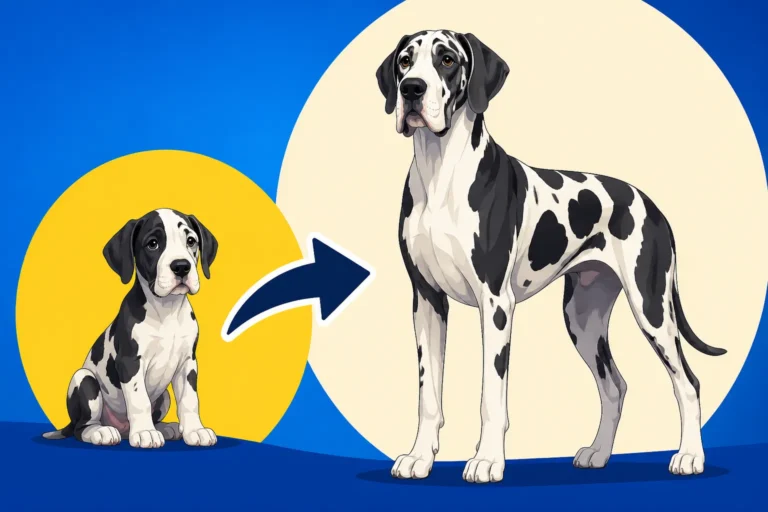
Great Dane puppies aren't just big; they're in a league of their own when it comes to growth. Unlike smaller breeds that reach adult size relatively quickly, a Dane puppy can grow from a tiny bundle of wrinkles to a substantial dog in a surprisingly short amount of time. This rapid development, however, comes with its own set of challenges, and improper feeding can have long-lasting consequences. It's not about making them grow faster, but about ensuring they grow slowly and steadily.
The Dangers of Overfeeding and Rapid Growth
It’s completely natural to want to spoil your adorable Great Dane puppy with all the food they desire, especially when they look at you with those big, hungry eyes. However, resisting that urge is one of the most important things you can do for their long-term health. Overfeeding a Great Dane puppy, particularly with foods high in calories and certain minerals, can lead to excessively rapid growth. This isn't a bragging right; it's a serious risk factor for developmental orthopedic diseases like osteochondrosis dissecans (OCD) and hypertrophic osteodystrophy (HOD). Their bones and joints simply aren't designed to support such a quick increase in size and weight, and problems can literally crop up overnight, causing pain and potential lifelong lameness. Think of it like building a skyscraper too fast – the foundation and framework need time to solidify and mature. Why Fast Growth Wrecks Great Dane Joints goes into more detail about this critical period.
The Role of Consistent Meal Schedules
Beyond what you feed them, how often you feed them plays a vital role. Consistent meal schedules are paramount for Great Dane puppies for a couple of key reasons. Firstly, it helps regulate their metabolism and energy levels, providing a steady supply of nutrients rather than big spikes and drops. This steady intake supports their incredible growth without overwhelming their system. Secondly, and perhaps most crucially for Danes, consistent, smaller meals help to reduce the risk of bloat, or Gastric Dilatation-Volvulus (GDV), even in puppies. While bloat is more commonly associated with adult Danes, starting good feeding habits early is a proactive step. Splitting their daily food allowance into multiple smaller meals means their stomach isn't suddenly distended with a huge volume of food, which is a known trigger for this life-threatening condition. It also helps with digestion, preventing them from bolting their food and taking in too much air.
Recommended Meal Frequency by Age for Great Dane Puppies
Establishing a consistent and appropriate feeding schedule from the moment your Great Dane puppy comes home is fundamental to their healthy development. Their needs will change as they grow, so being prepared to adjust their meal frequency is part of being a responsible Dane owner.
Eight to Twelve Weeks Old: Four Meals a Day
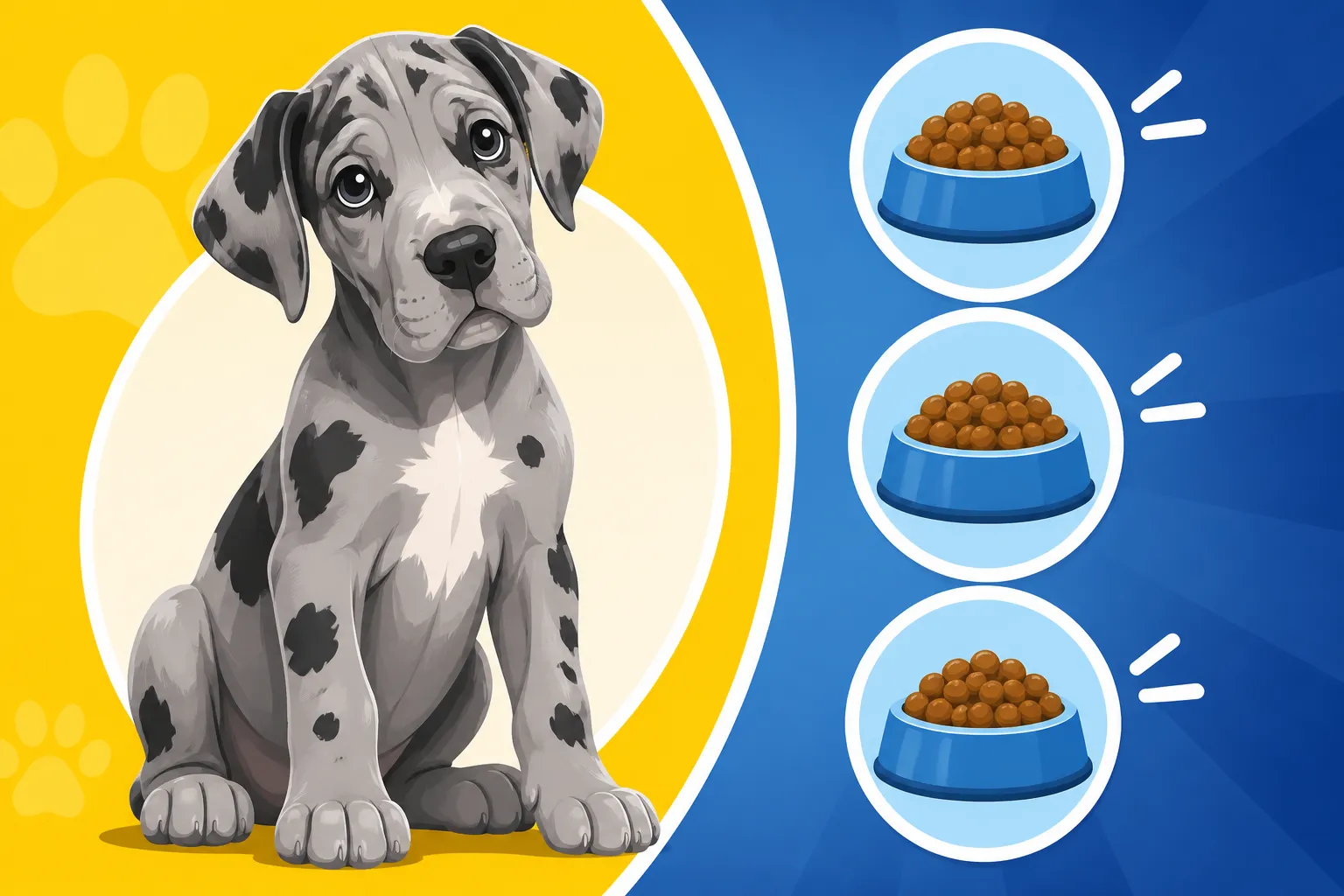
When your Great Dane puppy first arrives, typically around eight to ten weeks of age, they are in a period of intense, albeit delicate, growth. Their tiny stomachs can't handle large quantities of food at once, but their bodies require frequent fuel for development. This is why feeding them four times a day is generally recommended. Imagine their little system as a small, high-efficiency engine that needs constant, small top-ups rather than one big fill-up.
These meals should be spread out evenly throughout the day, perhaps at 7 AM, 12 PM, 5 PM, and 9 PM. This schedule helps maintain stable blood sugar levels, provides a continuous supply of energy for their rapidly dividing cells, and, as mentioned earlier, is a critical early step in preventing bloat. If you're using a slow-feeder bowl, which is a fantastic idea for any Great Dane puppy, you can find a good selection on Chewy or Amazon that are appropriately sized for a growing Dane. This also gives you the perfect opportunity to gauge their appetite and bowel movements throughout the day, catching any issues early.
Three to Six Months Old: Three Meals a Day
As your Great Dane puppy matures, typically from around three months up to six months, their digestive system becomes a bit more robust, and their stomach capacity increases. While they are still growing at an astonishing rate, you can usually transition them to three meals a day. This is a common practice for many large breeds and allows for a slightly larger portion per meal while still ensuring that their stomach isn't overloaded.
A schedule like 7 AM, 1 PM, and 7 PM often works well, aligning with typical family mealtimes. This transition should be gradual, perhaps by slightly increasing the portion size of the remaining three meals as you phase out the fourth. Monitor your puppy closely during this change for any signs of digestive upset, changes in energy, or excessive hunger. Remember, the goal is always steady, healthy growth, not rapid weight gain. For some puppies, especially those on a fresh food diet like Ollie, dividing their daily allotment into three meals might feel like a more manageable routine than four, and their nutritionists can often help with specific portioning advice.
Six to Twelve Months Old: Two Meals a Day
By the time your Great Dane puppy hits six months old, they're not really a tiny pup anymore – they're a very large adolescent dog. While they might still have some height and muscle development ahead, the most rapid phase of growth has typically passed. At this stage, most Great Danes can comfortably transition to two meals a day. This is often the feeding schedule they will maintain for the rest of their adult lives.
Dividing their total daily food into two equal portions, morning and evening (e.g., 8 AM and 6 PM), works well for many Danes. This schedule is beneficial for continued bloat prevention and fits well into most family routines. It's crucial during this phase to continue feeding a high-quality large breed puppy formula until they are at least 12-18 months old, or even longer depending on their development and your vet's advice. Whether Adult Food Slows a Great Dane's Growth is an important read to understand why specialized puppy food is needed for so long. Monitor their body condition closely; you should be able to easily feel their ribs but not see them prominently. If they start looking too thin or too heavy, it's time to consult with your veterinarian about adjusting their total daily intake.
Here's a quick overview of Great Dane puppy feeding frequency:
| Age Range | Recommended Meals Per Day | Example Schedule (approx.) | Key Considerations |
|---|---|---|---|
| 8 to 12 Weeks | 4 | 7 AM, 12 PM, 5 PM, 9 PM | Small stomach, rapid growth, bloat prevention crucial. |
| 3 to 6 Months | 3 | 7 AM, 1 PM, 7 PM | Digestive system maturing, continued steady growth. |
| 6 to 12+ Months | 2 | 8 AM, 6 PM | Adolescent growth, preparing for adult routine. |
| 12 to 18+ Months (Adult) | 2 | Consistent morning & evening | Maintain until fully mature, then adult food. |
Note: Always consult your veterinarian for personalized advice based on your puppy's individual health and growth rate.
Factors Influencing Your Puppy's Meal Schedule
While the general guidelines for meal frequency are a great starting point, remember that every Great Dane puppy is an individual. What works perfectly for one might need slight adjustments for another. There are several factors that can influence the best meal schedule for your particular Dane.
Activity Level and Metabolism
Just like people, dogs have different metabolisms and activity levels. A Great Dane puppy that's a whirlwind of energy, constantly playing, zooming around the yard, and engaging in supervised exercise might burn through calories faster than a more laid-back sibling. Conversely, a puppy that spends more time napping and less time running might not need as much frequent fueling.
It's a delicate balance. You don't want to underfeed an active pup, but you also don't want to overfeed a couch potato. Observe your puppy's energy levels throughout the day. Are they crashing between meals? Are they still begging ravenously right after eating? These could be subtle clues that their schedule or portion sizes need tweaking. Always ensure any exercise is appropriate for their age and growth stage, as Exercise Limits While a Great Dane Is Still Growing is a vital topic for preventing joint damage. An overly energetic pup still needs that slow, controlled growth.
Individual Puppy Growth Rate
Great Danes, even from the same litter, can have slightly different growth curves. Some might be natural "late bloomers" who grow a bit slower, while others seem to shoot up like weeds. While we advocate for Why a Great Dane Puppy Should Grow Slowly, some puppies naturally mature at their own pace. Your veterinarian is your best resource here, as they can assess your puppy's bone structure, weight for age, and overall development during regular check-ups. They might advise a slightly longer period on three meals a day if your puppy is showing signs of needing more consistent energy, or recommend moving to two meals sooner if they are maturing quickly and managing well. The Great Dane Growth Curve Month by Month shows you what to expect, but remember it's just a guideline.
Veterinary Recommendations and Health Concerns
No matter how many blogs you read or how much research you do, your veterinarian's advice is paramount. They know your puppy's individual health history, can perform physical exams, and run any necessary diagnostics to ensure optimal health. If your Great Dane puppy has any underlying health conditions, dietary sensitivities, or is recovering from an illness, their meal schedule and food type may need specific adjustments. For example, a puppy with a sensitive stomach might benefit from even smaller, more frequent meals to ease digestion. Always communicate openly with your vet about your feeding routine and any concerns you have. They might recommend specific brands or formulations, or even suggest using a vet-recommended brand found on sites like Chewy that cater to specific dietary needs.
Best Practices for Feeding Your Great Dane Puppy
Getting the meal frequency right is a huge part of responsible Great Dane puppy ownership, but it's just one piece of the puzzle. How you actually manage mealtime can also make a significant difference to their health, happiness, and even their behavior.
High-Quality Large Breed Puppy Food
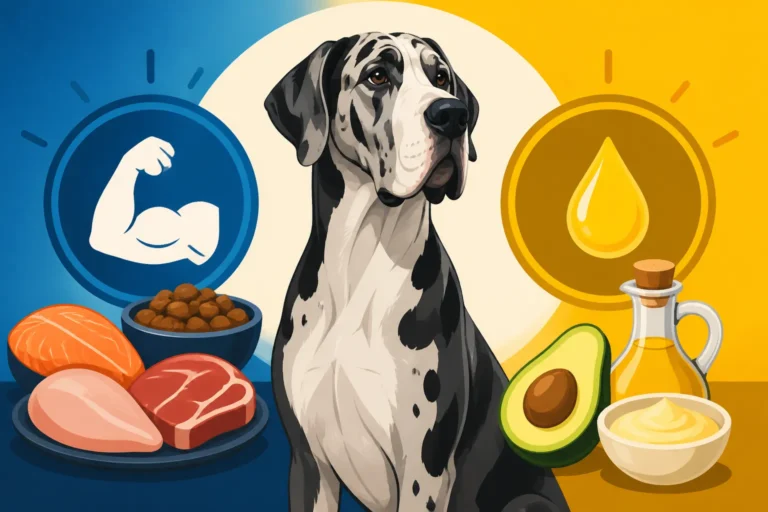
This cannot be stressed enough: choose a high-quality large breed puppy food. These specialized formulas are designed with a specific calcium-to-phosphorus ratio and controlled calorie content to support the slow, steady growth that Great Danes need. Regular puppy food, often formulated for smaller, faster-growing breeds, can have too much calcium and phosphorus, which can be detrimental to a giant breed's developing bones.
Read labels carefully and look for foods that explicitly state they are for "large breed puppies" or "giant breed puppies." Your vet can offer excellent recommendations. Companies like Royal Canin, Purina Pro Plan, and Eukanuba often have excellent large breed puppy formulations. If you're exploring fresh food options, ensure they are specifically formulated and portioned for large breed puppies by a certified veterinary nutritionist, like some custom meal plans offered by services such as Ollie. Buying in bulk from places like Amazon or Chewy can sometimes offer cost savings, which is important when feeding a growing Dane. What to Look For on a Great Dane Puppy Food Bag is essential reading for new owners.
Establishing a Routine and Feeding Area
Dogs thrive on routine, and Great Danes are no exception. Establish a consistent feeding schedule and stick to it as much as possible. This consistency helps regulate their digestive system, provides a sense of security, and can even aid in potty training since what goes in often comes out at predictable times. Designate a quiet, calm feeding area where your puppy won't be disturbed by other pets, children, or household hustle and bustle. This helps prevent resource guarding and encourages them to eat slowly and relaxedly.
Using elevated food bowls is a common practice for Great Danes, though there's ongoing debate about their effect on bloat risk. Some owners find them helpful for comfort as their Danes grow taller. Regardless, ensure the bowls are sturdy, clean, and appropriately sized. Having a dedicated spot for their food and water bowls, perhaps with a mat underneath for slobber and spills, will make mealtime smoother for everyone. Water Intake for a Great Dane is also crucial, so make sure they always have access to fresh, clean water.
Monitoring Food Intake and Body Condition
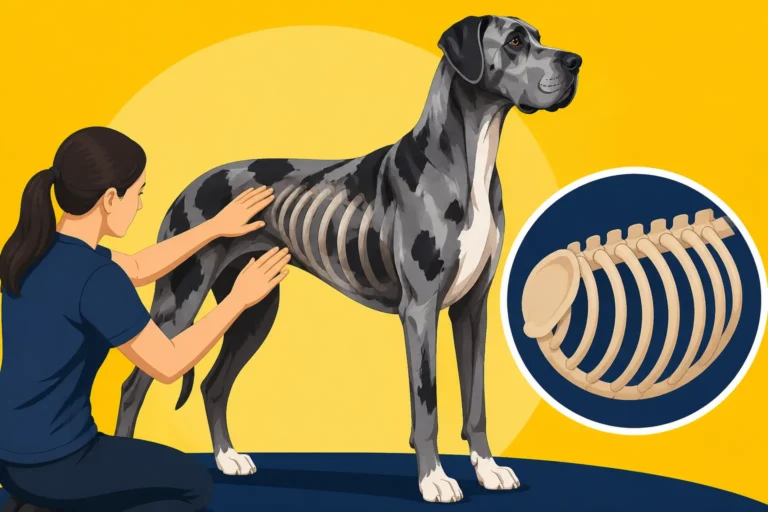
Every meal is an opportunity to check in with your puppy. Are they eating enthusiastically? Are they leaving food behind? Changes in appetite can be an early indicator of a health issue. Even more important is regularly monitoring their body condition. You should be able to easily feel their ribs when you run your hands along their side, without seeing them prominently. Their waist should be visible when viewed from above, and there should be a tuck-up from their chest to their belly when viewed from the side.
Overfeeding leads to excess weight, which puts undue strain on their still-developing joints. Underfeeding, conversely, can lead to nutrient deficiencies and stunted growth. If you're unsure, ask your vet or an experienced Great Dane mentor to show you how to assess your puppy's body condition score. This regular check-in helps you make informed decisions about adjusting their food portions as they grow. Remember, Great Dane puppies can continue to fill out until they are two years old, so this monitoring is a long-term commitment. Reading Ribs on a Great Dane has helpful visual cues.
Troubleshooting Common Puppy Feeding Challenges
Even with the best intentions and the perfect schedule, you might encounter a few bumps in the road when feeding your Great Dane puppy. These challenges are often manageable with a little patience and the right approach.
Dealing with a Puppy Who Eats Too Fast
Great Danes are notorious for eating their meals in what seems like seconds flat, inhaling their food rather than chewing it. This fast eating isn't just a messy habit; it’s a significant risk factor for bloat. When a dog eats too quickly, they swallow a lot of air along with their food, which can contribute to stomach distension.
The solution here is simple but effective: slow down their eating. Invest in a slow-feeder bowl or puzzle feeder. These bowls have ridges or obstacles that force your puppy to work around them to get to their kibble, significantly increasing mealtime duration. Alternatively, you can scatter their food on a clean, flat surface or baking sheet, making them "hunt" for each piece. Some owners even use a large muffin tin, putting a small amount of food in each cup. Another trick is to place a large, heavy, non-chewable object (like a clean, smooth rock or a Kong toy) in the middle of their regular bowl; just make sure it's too big to swallow. Splitting meals into even more frequent, smaller portions can also help. Slowing Down a Great Dane That Bolts Food offers more great ideas.
When Your Puppy Refuses Food
It can be incredibly alarming when a Great Dane puppy, usually a bottomless pit, suddenly turns up their nose at mealtime. While sometimes it might just be pickiness or a growth spurt affecting appetite, a sudden refusal to eat can also signal a health issue.
First, consider recent changes: new food, new environment, stress? Ensure the food is fresh and hasn't gone stale. If they're just being a bit fussy, try adding a little warm water to their kibble to bring out the aroma, or mix in a spoonful of plain, unsweetened pumpkin or low-sodium chicken broth. However, if your puppy skips more than one meal, shows signs of lethargy, vomiting, diarrhea, or appears in pain, it's time to call the vet immediately. Especially with Great Danes, you never want to delay when a puppy isn't acting right. It could be something minor, but it could also be a sign of something serious that needs prompt medical attention.
Adjusting Portions During Growth Spurts and Lulls
Great Dane puppies grow in fits and starts, often with sudden growth spurts followed by periods of more gradual development. Their appetite can fluctuate accordingly. During a growth spurt, your puppy might seem ravenously hungry, while during a lull, they might eat a bit less. This is where regular monitoring of their body condition comes in handy.
Don't automatically increase their food just because they seem hungrier. Instead, check their ribs and overall build. Are they looking a bit too lean? If so, a slight increase in their daily portion might be warranted, spread across their regular meals. If they are looking a bit round, a small decrease is appropriate. Always make gradual changes to their food intake, as sudden shifts can upset their digestive system. Consistency in the number of meals is usually best, even if the volume within those meals changes slightly. Keep a log of their weight and food intake if you're struggling to track it. Your vet can provide precise guidance on calorie needs based on their current weight and ideal growth trajectory.
Disclaimer
This article is for general informational purposes only and does not constitute professional advice. Laws, prices and regulations vary by location and change over time. Consult a qualified professional for guidance on your specific situation.