Water Intake for a Great Dane
One of the most common worries Great Dane owners face, myself included, is making sure our gentle giants are properly hydrated. It’s easy to stress about whether they’re drinking enough, or sometimes, too much, especially when you consider the sheer volume of water they can put away. This comprehensive guide aims to demystify water intake for your Great Dane, covering everything from what's normal to how to encourage healthy drinking habits and ensure water safety.
Understanding Your Great Dane's Hydration Needs
It's not just about filling a massive bowl; it's about understanding the intricate dance between your Great Dane's size, activity, environment, and overall health that dictates their thirst. For such a large breed, hydration isn't just important—it's absolutely critical for their well-being and longevity.
The Basics: How Much Water is "Normal"?
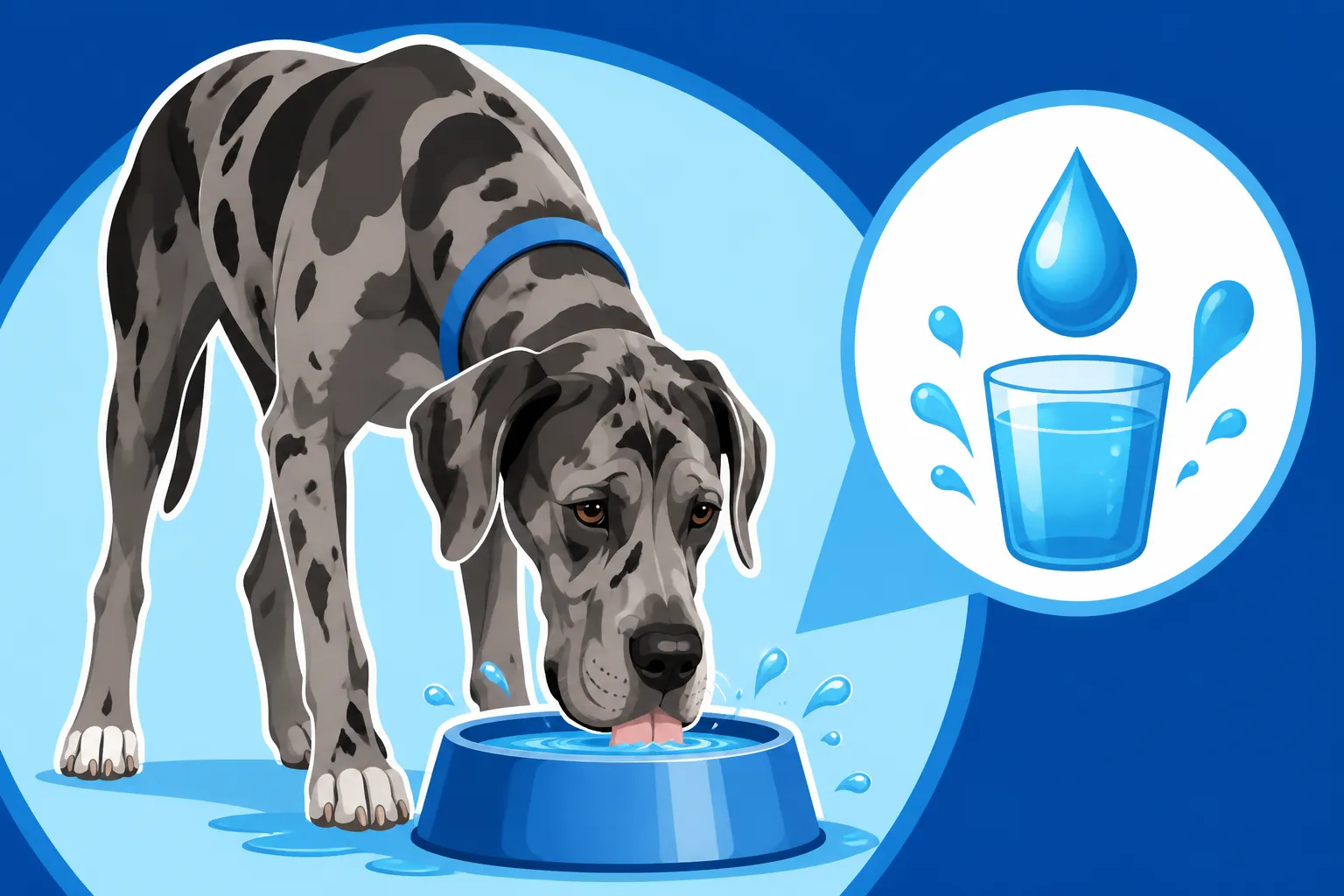
When you have a Great Dane, every calculation seems to multiply. While a general rule for dogs suggests around one ounce of water per pound of body weight per day, for a Great Dane, this can easily translate into gallons. Imagine a 150-pound Dane; that's 150 ounces, or nearly 1.2 gallons of water daily! This isn't a hard and fast rule, of course, but it gives you a sense of the scale we're talking about. The reality is, what’s "normal" is highly individual and fluctuates quite a bit.
Think about a hot summer day in July when your Dane has just had a vigorous play session in the yard versus a lazy winter afternoon spent napping. Their water needs will be drastically different. Dogs on a dry kibble diet will naturally drink more than those fed a high-moisture diet, like a fresh food regimen. Even factors like anxiety or excitement can temporarily increase thirst. It's a constant effort to keep their bowls topped up, and sometimes it feels like a full-time job just running back and forth to the tap! This is why keeping an eye on their general patterns, rather than obsessing over exact measurements, is often more helpful. You'll quickly learn your Dane's baseline for How Much Water a Great Dane Drinks a Day.
Signs of Dehydration in a Great Dane
Missing the subtle signs of dehydration in a Great Dane can be particularly concerning because of their size and the potential for rapid deterioration. They're big dogs, and sometimes their symptoms can seem less dramatic than they are. One of the first things you might notice is a slight dip in their usual boundless energy—they might seem a bit more lethargic than usual or less enthusiastic about their favorite walk. Their gums are a good indicator; healthy gums are moist and pink. If they're tacky, dry, or pale, that's a red flag. Gently lifting their lip and feeling for moisture is a quick check.
Another classic test is the "skin tenting" test. Lightly pinch the skin on their back, just behind the shoulders, and then release it. In a well-hydrated dog, the skin should snap back almost immediately. If it takes a second or two to return to normal, or if it "tents" for longer, your Dane could be dehydrated. Sunken eyes are another sign, although they can be harder to spot in some Danes. Ultimately, dehydration is dangerous for any dog, but for a Great Dane, it can exacerbate existing conditions or lead to new, serious issues faster. Always keep an eye out for these subtle changes, especially if they've been Whether a Great Dane Overheats Easily or had a bout of illness.
Oversaturation: Can a Great Dane Drink Too Much?
While dehydration is a clear danger, it's also possible for a Great Dane to drink too much water, a condition known as polydipsia. This isn't just a sign of a thirsty dog after a long run; it's persistent, excessive thirst that can point to underlying health problems. If your Great Dane is constantly emptying their water bowls and then begging for more, far beyond what seems normal for their activity level or the temperature, it’s definitely worth a closer look.
Conditions like kidney disease, diabetes, or even certain endocrine disorders like Cushing's disease can manifest with increased thirst as a primary symptom. Sometimes, it's behavioral, driven by anxiety or attention-seeking, but it’s always best to rule out medical causes first. A visit to the vet for a thorough check-up, including bloodwork, can provide peace of mind. They'll look at Kidney and Liver Values in an Old Great Dane and other indicators. It's important to differentiate between a genuinely thirsty dog—say, after a long hike—and one whose body is signaling an internal imbalance. Excessive water intake can also dilute electrolytes, leading to other complications.
Practical Strategies for Managing Great Dane Water Intake
Keeping a giant breed properly hydrated requires a bit more thought and strategy than with a smaller dog. Their sheer size means everything from the quantity of water to the type of bowl needs careful consideration. It’s not just about what they drink, but how they drink it, and how accessible it is throughout their day.
Choosing the Right Water Bowls and Stations
One of the first hurdles you’ll face with a Great Dane is simply finding a water bowl big enough to satisfy their thirst without constant refilling. We're talking gallon-capacity, not cup-capacity! Stainless steel bowls are often the top choice because they're durable, easy to clean, and resistant to bacteria. Ceramic bowls are also good, offering weight to prevent tipping, but they can chip or break. Plastic bowls are generally discouraged as they can scratch, harboring bacteria, and some dogs can develop chin acne from the material. You can find robust options for large dogs on sites like Amazon or Chewy, with many brands catering specifically to giant breeds.
Beyond size, consider where you place the bowls. One water bowl just isn't enough for a Great Dane. Imagine having to walk all the way across your house or yard every time you wanted a drink. Your Dane needs multiple water stations. Place one in the kitchen, another in the living area where they spend most of their time, and at least one outside in a shaded spot. For older Danes, having easily accessible water can make a huge difference, especially if they're struggling with mobility as they enter The Great Dane Years That Count as Senior.
Encouraging Your Great Dane to Drink More
Even with giant bowls, some Danes can be particular about their water. If you notice your Dane isn’t drinking as much as you’d like, there are several tricks you can try. Adding a splash of low-sodium chicken or beef broth to their water can make it much more appealing. Some dogs love ice cubes, especially in warm weather; it makes the water colder and provides a fun, crunchy treat.
Another effective method is to incorporate more moisture into their food. If you feed dry kibble, adding some warm water to it before serving not only helps with hydration but can also slow down fast eaters and potentially reduce the risk of bloat—a serious concern for the breed. Meal Habits That Cut a Great Dane's Twist Risk often involve making food softer and easier to digest. Many fresh dog food services, like Ollie, offer meals with higher moisture content, which can naturally boost hydration. Automated Water Fountains for a Great Dane can also entice some dogs to drink more, as the circulating water is often perceived as fresher and more appealing than still water in a bowl. It’s amazing how a simple fountain can turn a reluctant drinker into a regular sipper!
Monitoring and Tracking Water Consumption
Keeping tabs on your Great Dane's water intake might sound tedious, but it's a simple, proactive step in managing their health. You don’t need to be hyper-vigilant every day, but establishing a baseline of what’s normal for your dog helps you quickly identify any significant changes. A sudden decrease could signal illness or pain, while an abrupt increase could point to metabolic issues or conditions like diabetes.
A straightforward way to monitor is to use a measured container to fill your dog’s bowls. For instance, if you know a full bowl holds a gallon, and you fill it twice a day, you have a rough estimate of their daily intake. You can also simply observe how quickly they empty their bowls. If they’re usually drinking two full bowls a day and suddenly only drink half of one, that’s a clear indicator to watch them closely. This vigilance becomes even more critical if your Dane is showing Early Heart Signs in a Great Dane or recovering from an illness. Tracking helps you communicate specific observations to your vet, providing valuable diagnostic clues.
Water Quality and Safety for Your Giant Companion
Beyond quantity, the quality and source of your Great Dane's water are paramount. We want them to drink plenty, but we also need to ensure that what they're drinking is safe and clean, protecting them from potential health hazards lurking in various water sources.
Tap Water vs. Filtered Water
For most Great Danes, good old tap water is perfectly safe. Municipal water systems in many areas are regulated and treated to be potable for humans, which generally means it's fine for our canine companions too. However, concerns can arise regarding chlorine levels, fluoride, or mineral content, especially if you live in an area with particularly "hard" water.
If you're worried about your local tap water, or if your Great Dane shows any sensitivity, filtered water is an excellent option. A simple pitcher filter, a faucet filter, or a whole-house filtration system can remove impurities, chlorine, and improve the taste, making the water more appealing to some dogs. While the cost of filtered water might be higher, many owners feel it's a worthwhile investment for their dog's health, particularly for a breed prone to various health issues. Ultimately, consistency is key – whatever water you choose, make sure it's always available and fresh.
Outdoor Water Sources: Puddles, Ponds, and Pools
Ah, the irresistible allure of a dirty puddle! Great Danes, like many dogs, often find outdoor water sources far more exciting than their clean bowl indoors. But these seemingly harmless sources can pose significant health risks. Puddles, stagnant ponds, and even certain lakes can harbor harmful bacteria like Leptospira (which causes Leptospirosis), parasites like Giardia, and deadly blue-green algae. Even chlorinated swimming pools, while generally safe for swimming, shouldn't be their primary drinking source, as too much chlorine can upset their stomach.
It's a constant battle to redirect your Dane away from these tempting, potentially dangerous options. Teaching a strong "leave it" command is invaluable here. If your Dane enjoys swimming in a pool, make sure they have plenty of fresh, clean water available immediately afterward to discourage them from gulping pool water. If you frequent areas with natural water bodies, it’s worth discussing preventative measures with your vet, such as vaccinations for Leptospirosis, especially if your Great Dane loves to explore.
Cleaning Water Bowls: A Crucial but Often Overlooked Task
This might sound like a simple chore, but for a Great Dane, it’s a big one. Their enormous jowls and enthusiastic drinking style mean their water bowls can become slimy and scummy surprisingly fast. This isn't just gross; it's a breeding ground for bacteria and biofilm, a thin layer of microorganisms that adheres to surfaces. This biofilm can include harmful bacteria like E. coli or Salmonella, which can lead to gastrointestinal upset or more serious infections.
Your Great Dane’s water bowls should be cleaned daily—yes, daily—with hot, soapy water. For stainless steel, a run through the dishwasher is even better. Make sure to rinse thoroughly to remove any soap residue. Don’t just top off the water; dump out the old water, clean the bowl, and then refill. It might seem like a lot of work when you have multiple giant bowls, but it’s a fundamental part of maintaining your Great Dane’s health. Just as you pay attention to How Long a Great Dane Goes Between Washes to keep their coat healthy, you need to be just as diligent with their water bowls. A clean bowl encourages drinking and minimizes health risks, making it well worth the effort.
Disclaimer
This article is for general informational purposes only and does not constitute professional advice. Laws, prices and regulations vary by location and change over time. Consult a qualified professional for guidance on your specific situation.