Reading Ribs on a Great Dane
As a Great Dane owner, you've probably heard it a million times: "He's so skinny!" or "Are you feeding that dog enough?" The truth is, Great Danes often look lean, even when they're perfectly healthy, and understanding how to properly assess their body condition by "reading their ribs" is absolutely crucial to their long-term well-being. This guide will walk you through exactly what to look for, what to feel for, and how to maintain that ideal physique for your gentle giant.
Why Keeping an Eye on Your Great Dane's Ribs is Critical
It's not just about aesthetics when it comes to your Great Dane's weight; it's profoundly linked to their health, comfort, and even how long they get to be by your side. These magnificent dogs are prone to specific health challenges, and maintaining an optimal body condition is one of the best proactive steps you can take.
The Unique Challenges of Giant Breed Body Condition
Great Danes aren't built like your average Labrador or even a German Shepherd. They are incredibly large-boned, deep-chested, and often possess a naturally lean, athletic build, especially when young. This build can be deceiving to the untrained eye. What might look "skinny" on a smaller, stockier breed is often perfectly normal for a Great Dane. Their long legs, deep chests, and relatively narrow waistlines mean their ribs, hip bones, and spine can be more prominent than you'd expect, even when they are at an ideal weight.
The frustration often comes from well-meaning friends or even strangers who comment on your Dane's leanness, making you second-guess yourself. It's easy to worry you're not feeding them enough, leading to the temptation to overfeed. But remember, a Great Dane's growth plate health and joint longevity depend heavily on slow, steady growth and avoiding excess weight at all costs. Overfeeding a growing puppy can lead to serious orthopedic issues down the line. It's a delicate balance, and knowing what your dog should look and feel like is paramount.
Linking Body Condition to Lifespan and Joint Health
The unfortunate reality for Great Danes is their Why a Great Dane Only Lives Seven to Ten Years. Every extra pound they carry places undue stress on their already hardworking joints, heart, and other organs. For a giant breed prone to conditions like hip and elbow dysplasia, as well as various forms of arthritis, maintaining a lean body condition isn't just a recommendation—it's a critical component of preventative care.
Think about it: carrying an additional five, ten, or even fifteen pounds might not seem like much on a 150-pound dog, but it's constant, repetitive stress. Over months and years, this can accelerate the degeneration of cartilage, inflame existing joint issues, and contribute to chronic pain. Studies have consistently shown that keeping dogs lean can extend their healthy lifespan and significantly delay the onset and severity of joint diseases. This means more comfortable years for your beloved Dane, fewer vet visits for pain management, and a better quality of life. It’s a direct link: lean means longer, happier living. You can learn more about managing these concerns in Great Dane Hips, Elbows and Growing Joints.
The Hands-On Guide to Assessing Your Dane's Ribs
Forget the number on the scale for a moment; it's all about what you can see and feel. A Great Dane's ideal body condition is a combination of visual assessment and a tactile (touch) check. This isn't just something your vet does once a year; it's a practice you should get comfortable doing regularly at home.
The Visual Cues: What You See from Above and the Side
First, let's talk about what you should be looking for with your eyes.
From Above:
Stand directly above your Great Dane and look down at their body. You should typically see a distinct "waist" or tuck-in right behind their ribs, before their hips. This isn't a dramatic hourglass figure, but a noticeable indentation. If your Dane looks like a straight line from their shoulders to their tail, or worse, if their sides bulge out, they are likely overweight. Conversely, if the tuck is extremely dramatic and their hip bones are sharply protruding, they might be underweight.
From the Side:
Now, view your Dane from the side. You're looking for an "abdominal tuck" or "tuck-up." This means their belly should slope upwards from their chest to their hind legs, not hang low or be parallel to the ground. A slight tuck is normal and healthy. You should also be able to visually discern their last few ribs, particularly when they are standing or turning. This doesn't mean every rib should be sharply visible like a skeleton, but there should be a hint of them, almost like ripples under the skin, not a smooth, flat side. If you see a prominent chest and then a distinct, athletic arch upwards to the hindquarters, you're generally in a good zone. If the abdomen hangs low, or their side looks like a solid, smooth wall without any suggestion of ribs, it's time to consider a dietary adjustment.
The Touch Test: Feeling for Ribs, Spine, and Hips
While visual cues are a good starting point, the real magic happens when you get your hands on your dog. This tactile assessment provides a more accurate picture, especially for Great Danes whose coat or natural build might obscure some visual signs.
The Rib Test:
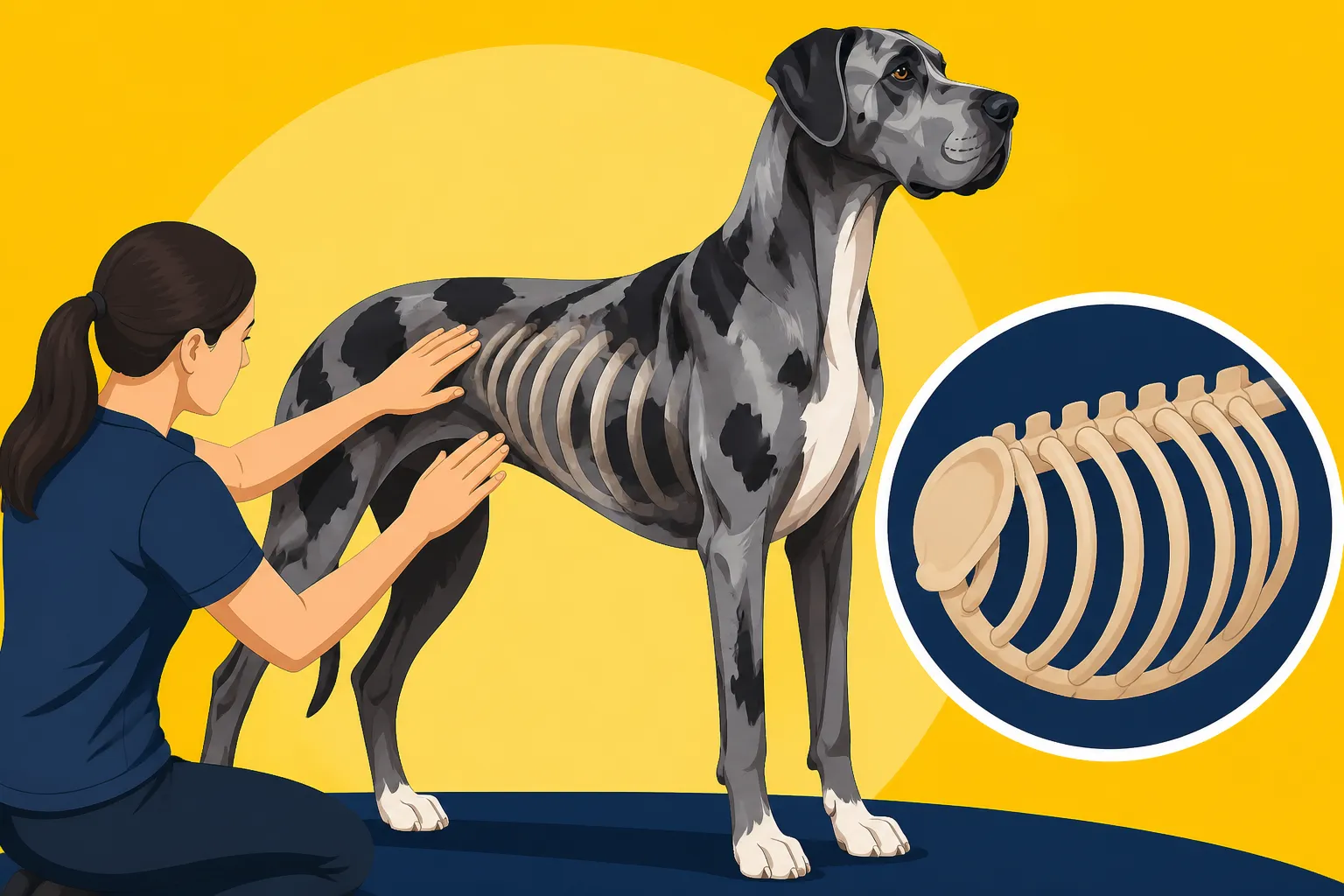
Gently run your open palms along your Dane's sides, over their rib cage. You should be able to easily feel their ribs, much like feeling the knuckles on your hand. There should be a thin layer of fat and muscle covering them, so they shouldn't feel sharp or like they're just under the skin with no cushioning. If you have to press firmly to feel the ribs, or if you can't feel them at all, your dog is likely carrying too much weight. If the ribs feel very distinct, almost sharp, with no discernible fat cover, your Dane might be too thin. This is the most crucial part of "reading ribs."
The Spine and Hip Bone Check:
Next, move your hands along their spine and over their hip bones (the bony protrusions on either side of the base of their tail).
- Spine: You should be able to feel the individual bumps of their vertebrae, but they shouldn't be sharply prominent or poking out. There should be some muscle and fat padding over them. If the spine feels like a sharp ridge, it's a sign of being underweight. If you can barely feel the spine even with firm pressure, they're likely overweight.
- Hip Bones: Similarly, you should be able to feel their hip bones, but they shouldn't jut out dramatically or feel pointy. A slight covering of muscle and fat is ideal. If they are very visible and feel sharp to the touch, your Dane is too thin. If you can't easily locate them or they're well-padded, they're likely overweight.
Practicing this regularly helps you establish a baseline for your individual dog and notice subtle changes early on.
Decoding What Your Great Dane's Ribs are Telling You
Understanding the spectrum of body condition is key. It's not just "fat" or "skinny"; there's a healthy range in between. Getting to know your dog's ideal state and recognizing deviations can prevent major health problems.
The "Just Right" Zone: Ideal Rib Visibility and Feel
So, what does "just right" actually look like and feel like for a Great Dane?
Visually, when standing from the side, you should see a discernible waist tuck-up, with the abdomen rising slightly from the rib cage. From above, a clear waist behind the ribs should be evident. And here's the kicker for Great Danes: you should often see the last few ribs, especially when they move or stretch. This is often where the general public gets it wrong, assuming visible ribs mean an underfed dog. For many Danes, particularly younger, active ones or those with shorter coats, a subtle ripple of the last 2-3 ribs is perfectly normal and healthy.
Tactilely, when you run your hands over their sides, you should be able to easily feel the ribs, individually, without pressing hard. There should be a slight, thin layer of fat and muscle over them, not a thick padding. The spine and hip bones should also be easily palpable, but not sharply protruding or painful to touch. This ideal body condition ensures that their skeletal structure and internal organs are not burdened by excess weight, supporting their longevity and preventing unnecessary strain on their joints. Maintaining this lean state is probably the single most impactful thing you can do for your Dane's physical health, beyond regular vet care.
When Ribs are Too Obvious: Addressing a Lean Appearance
Sometimes, despite your best efforts, your Great Dane might be genuinely too thin. This isn't just about their ribs being visible; it's about them being too visible, often accompanied by other signs.
If your Dane's ribs, spine, and hip bones are sharply defined, easily seen without even looking closely, and feel bony and unprotected when you touch them, they are likely underweight. You might also notice a very pronounced abdominal tuck and a severe hourglass shape from above. Other signs of being too lean can include a dull coat, low energy (though some very thin Danes can still be active due to age or anxiety), and sometimes even loose stools.
Reasons for being underweight can vary. It could be insufficient food intake for their activity level, especially during growth spurts. Young, rapidly growing Great Danes burn an incredible amount of calories. Sometimes it's a sign of underlying health issues like parasites, malabsorption problems, or metabolic diseases. Stress or anxiety can also contribute to weight loss in some dogs. If your Dane is consistently too thin, the first step is always a vet check-up to rule out medical causes. Once health issues are addressed, you might need to adjust their diet, perhaps increasing the quantity of their current food, switching to a higher-calorie formula designed for active or performance dogs, or incorporating calorie-dense toppers like cooked meat or safe oils. Just be sure to do any dietary changes gradually to avoid upsetting their stomach. Feeding a Great Dane Puppy Slowly on Purpose offers more insights into healthy growth.
When Ribs are Hidden: Recognizing and Preventing Overweight Issues
While less common to be visibly obese, Great Danes can absolutely become overweight, and it carries significant health risks for a breed already predisposed to joint and heart problems.
If you can't easily feel your Dane's ribs without pressing firmly, or if you can't feel them at all, they are likely carrying too much weight. Visually, you'll probably notice a lack of a distinct waist tuck, with their body appearing more straight or even bulging outwards from above. Their abdomen might hang lower, and you won't see any hint of ribs from the side. You might also notice fat deposits over their tail base, and their movements might seem less agile, perhaps panting more after mild exercise.
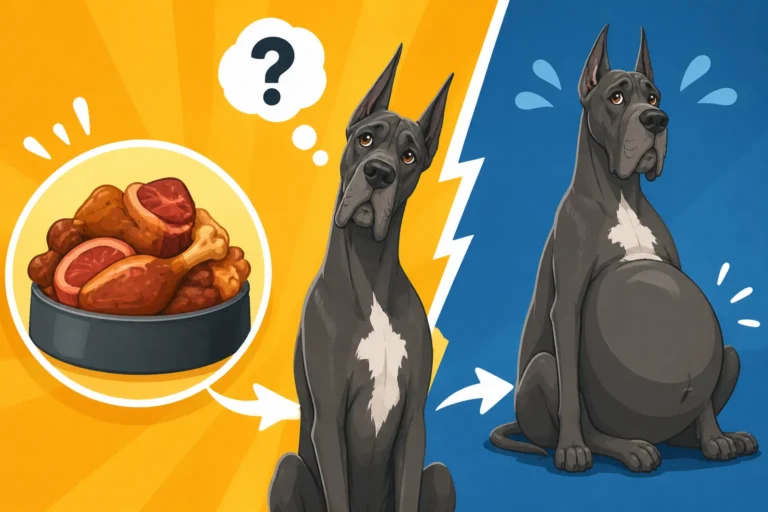
The causes are usually straightforward: too many calories in, not enough calories burned. This could be due to excessive treats, overly large meal portions, or a diet too rich for their activity level. Sometimes it's a result of a sedentary lifestyle, especially for older or injured Danes. The health implications are severe: increased risk of Bloat in a Great Dane and the One in Three Odds (due to a deeper chest), exacerbated joint issues, increased risk of heart disease, diabetes, and a generally reduced quality of life. Tackling this requires commitment. First, consult your vet to rule out medical causes (like an underactive thyroid) and to help you develop a safe weight loss plan. This will likely involve precise portion control, switching to a lower-calorie or "weight management" dog food, and increasing controlled exercise. Keeping a Great Dane Lean for Its Joints is paramount. Be consistent, measure food accurately, and resist those pleading eyes at the dinner table!
Tailoring Nutrition for Optimal Great Dane Body Condition
Feeding a Great Dane correctly is both an art and a science. It's not just about how much food, but what kind of food and how it's delivered to support their unique physiology and maintain that ideal body condition.
Choosing the Right Food and Portions
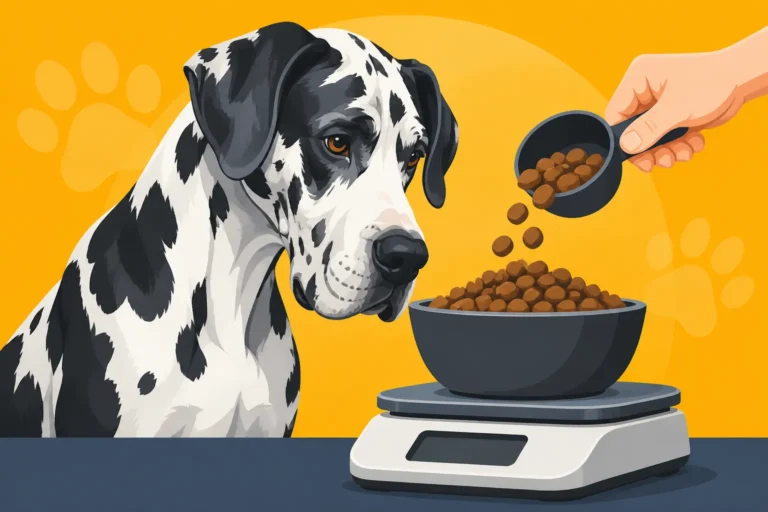
For Great Dane puppies, a large breed specific puppy food is almost always recommended. These formulas are typically designed with a carefully balanced calcium-to-phosphorus ratio and controlled calorie levels to promote slow, steady growth, rather than rapid weight gain that can damage developing joints. You want to avoid foods that are too high in calcium or calories, as this can lead to growth disorders. When looking at labels, check for moderate protein and fat levels, and make sure calcium isn't excessively high. Many Great Dane owners find success with brands that specifically cater to giant breeds. You can often find a wide selection and detailed nutritional information on retailer sites like Chewy, which can help you compare ingredients and nutrient profiles.
For adult Great Danes, the choice of food often depends on their individual metabolism, activity level, and any specific health concerns. A high-quality adult dog food with appropriate protein and fat content is usually suitable. Some owners opt for fresh, human-grade food services like Ollie, which can offer customized meal plans and precise portioning, removing some of the guesswork. Regardless of the brand, The Calorie Load a Great Dane Actually Needs can vary wildly, so monitoring their body condition is key. Don't just follow the bag's recommendations blindly; use your hands and eyes to guide adjustments. If your Dane is looking too lean, increase portions slightly; if they're gaining weight, scale back.
Strategic Feeding to Avoid Weight Extremes
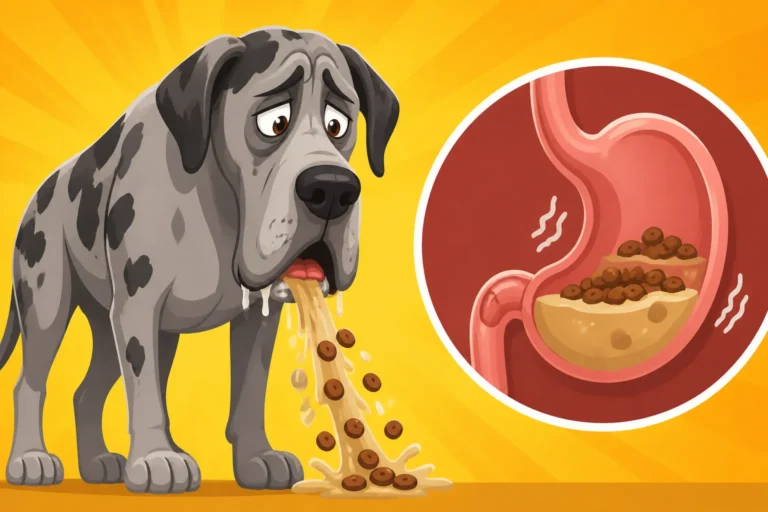
It's not just what you feed, but how and when. For Great Danes, strategic feeding routines are vital, especially to help mitigate the risk of bloat (GDV).
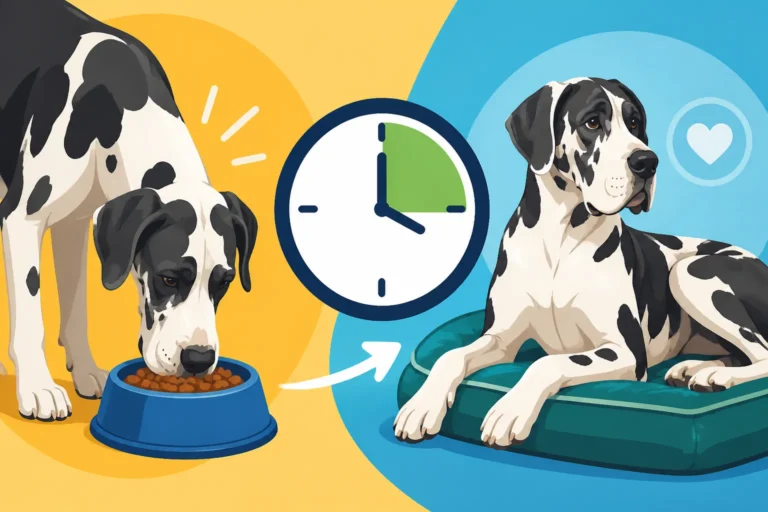
Firstly, divide your Dane's daily food allowance into at least two, preferably three, smaller meals throughout the day. This reduces the amount of food and air ingested at one time, which can contribute to bloat. For instance, instead of two large meals at 8 AM and 6 PM, consider splitting it into 8 AM, 1 PM, and 6 PM. This also helps with consistent energy levels and digestion.
Secondly, create a calm, consistent feeding environment. Some Great Danes can be anxious eaters, gulping down food and air. Ensure they eat in a quiet space, away from other pets if competition makes them eat too fast. Using slow feeder bowls, which you can find readily on Amazon or Chewy, can also significantly slow down enthusiastic eaters, reducing the risk of bloat and aiding digestion.
Finally, and critically, avoid strenuous exercise or excitement at least one hour before and one hour after meals. This "settle down" period is incredibly important for preventing bloat. A full stomach combined with vigorous activity can increase the likelihood of the stomach twisting. Make mealtime a quiet, low-key affair, followed by a relaxing rest. This simple routine can make a huge difference in their overall health and well-being. Meal Habits That Cut a Great Dane's Twist Risk delves deeper into these practices.
Exercise and Lifestyle for Maintaining a Healthy Weight
Diet is half the equation; exercise is the other. But for a Great Dane, "exercise" isn't just about how much, but what kind and when, especially given their unique growth patterns and joint considerations.
Appropriate Activity Levels for Growing and Adult Danes
When it comes to puppies, slow and steady wins the race. Over-exercising a Great Dane puppy can do irreversible damage to their developing joints and bones. Why a Great Dane Puppy Should Not Jog or participate in high-impact activities like jumping or prolonged running until their growth plates have closed, usually around 18-24 months of age. Instead, focus on short, controlled walks on soft surfaces, gentle play sessions, and plenty of mental stimulation. Free play in a secure, flat yard is great, allowing them to self-regulate. Their huge size and rapid growth make them vulnerable to injuries if pushed too hard too soon.
For adult Great Danes, a moderate and consistent exercise routine is best. They aren't typically high-energy dogs that need to run for miles every day, but they do require regular activity to maintain muscle mass, flexibility, and a healthy weight. Aim for two to three moderate walks a day, lasting 20-30 minutes each. Leash walks are excellent for controlled exercise. They also enjoy supervised playtime in a secure area, where they can stretch their long legs. Some Danes enjoy swimming, which is a fantastic low-impact exercise for joint health, but always supervise them closely. Remember, Great Danes are prone to The Heart Muscle Disease Great Danes Are Prone To, so keeping them fit but not over-exerted is vital. Always be mindful of weather conditions; their short coats mean they can get cold quickly in winter and overheat easily in summer.
The Role of Regular Vet Checks and Professional Guidance
No matter how diligent you are at home, regular veterinary check-ups are non-negotiable for Great Danes. Your vet is your most valuable partner in monitoring your dog's health and body condition. During these visits, your vet will perform a thorough physical exam, including a professional assessment of their body condition score, and discuss any changes they observe.
These check-ups are also the perfect opportunity to discuss any concerns you have about your Dane's weight, diet, or exercise routine. If you're struggling to get weight on a lean Dane or take weight off an overweight one, your vet can help identify underlying medical issues, suggest appropriate dietary changes, or recommend a specialized diet. They can also advise on safe and effective exercise plans tailored to your dog's age, health status, and any existing conditions. For instance, they might recommend joint supplements or specific physical therapy exercises if your Dane is prone to orthopedic issues. A good vet will look at the whole picture and help you create a personalized plan to keep your Great Dane in peak condition. Don't underestimate the importance of The Yearly Checkup a Great Dane Needs and the professional eye that can catch subtle changes you might miss.
| Body Condition Score | Appearance (Visual Cues) | Ribs, Spine, Hips (Tactile Cues) | General Health Implications |
|---|---|---|---|
| 1 – Emaciated | Ribs, spine, hip bones, and all bony prominences visible from a distance; no discernible body fat or muscle mass. | Ribs, spine, hips easily visible and sharply protruding with no fat or muscle cover. | Severe malnutrition, underlying disease, critical. |
| 2 – Very Thin | Ribs, spine, and hip bones easily visible; obvious waist tuck; minimal body fat. | Ribs, spine, hips easily palpable and prominent, with very little fat cover. | Underweight, may indicate insufficient calories or illness. |
| 3 – Ideal/Lean | Ribs last few visible, distinct waist tuck from above, abdominal tuck from side. | Ribs easily palpable with a slight fat cover; spine and hips palpable but not protruding. | Optimal health, reduced joint strain, target for Great Danes. |
| 4 – Overweight | Ribs difficult to see; waist tuck barely discernible or absent; slight abdominal sag. | Ribs palpable only with firm pressure; spine and hips palpable with difficulty. | Increased risk of joint issues, heart strain, bloat. |
| 5 – Obese | Ribs not visible; no waist tuck; obvious abdominal distention and fat deposits. | Ribs not palpable under a thick fat layer; spine and hips deeply buried in fat. | Significantly elevated health risks, greatly reduced quality of life. |
Disclaimer
This article is for general informational purposes only and does not constitute professional advice. Laws, prices and regulations vary by location and change over time. Consult a qualified professional for guidance on your specific situation.