The Heart Muscle Disease Great Danes Are Prone To
The moment you welcome a majestic Great Dane into your home, you're not just gaining a pet; you're adopting a true family member. But with their incredible size and gentle nature comes a heartbreaking vulnerability: a predisposition to a serious heart condition known as Dilated Cardiomyopathy, or DCM. Many Great Dane owners find themselves completely blindsided by this silent threat, feeling utterly lost and overwhelmed when faced with its diagnosis. This comprehensive guide is here to shed light on DCM, helping you understand its complexities, recognize the signs, navigate treatment options, and ultimately, care for your beloved Dane as best as possible.
Understanding Dilated Cardiomyopathy DCM in Great Danes
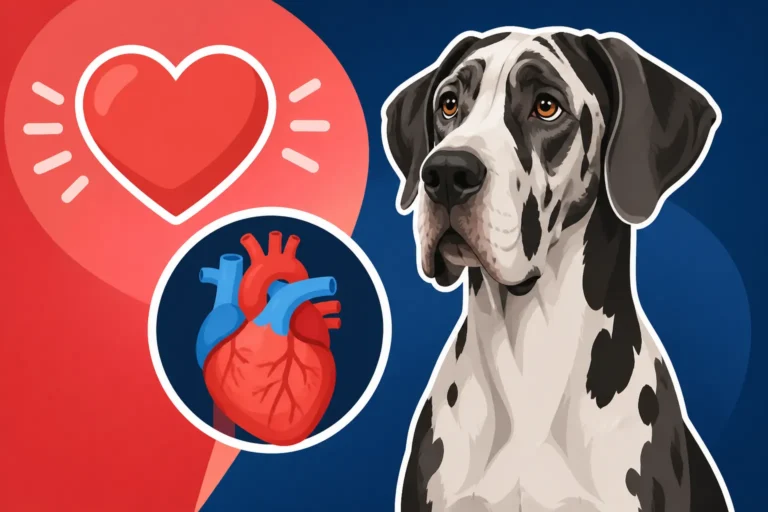
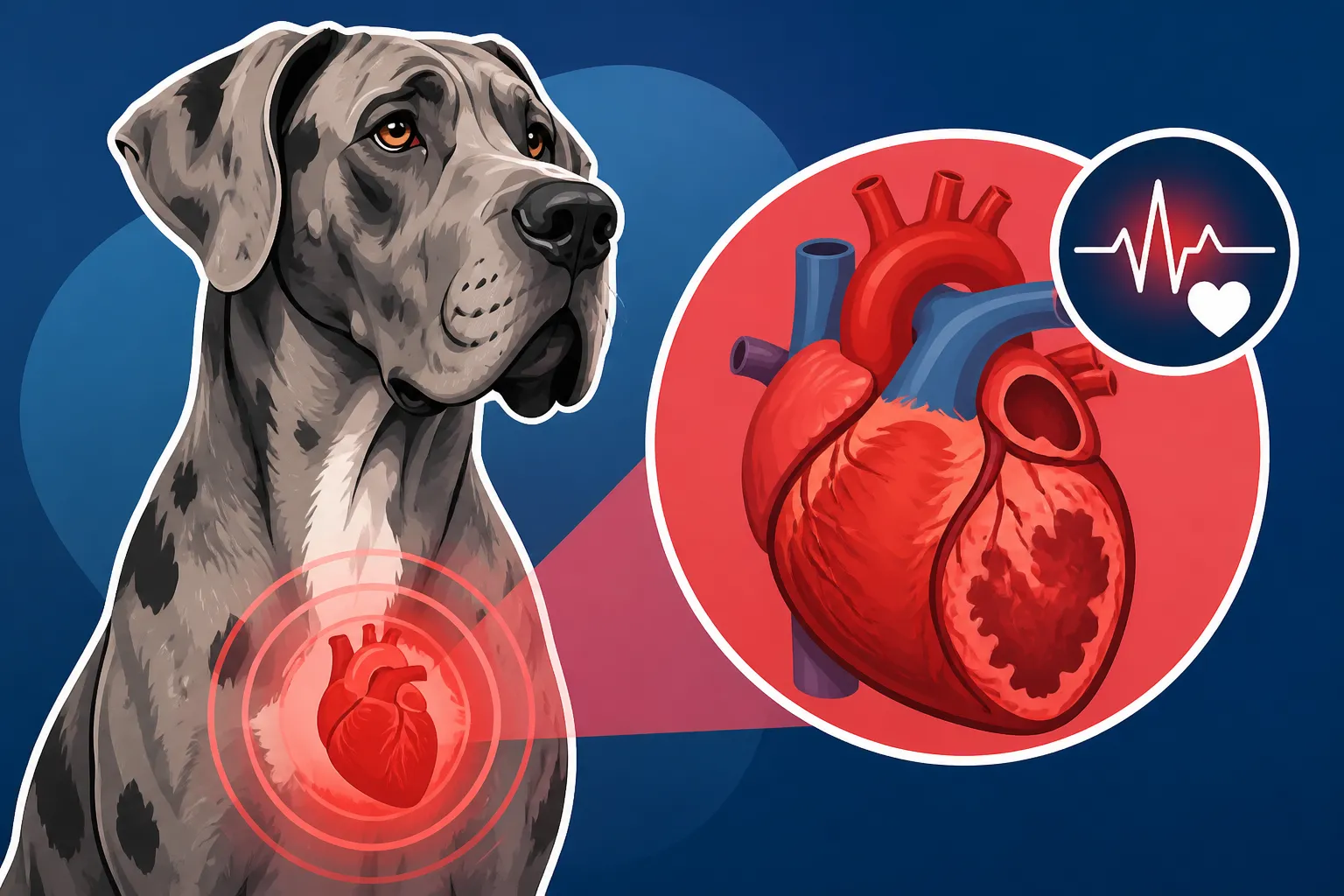
Dilated Cardiomyopathy is a primary disease of the heart muscle, and for Great Danes, it's tragically common. It's a condition where the heart's chambers, particularly the left ventricle, become enlarged and the muscle walls thin. Imagine your dog's heart as a powerful pump; with DCM, that pump becomes less efficient. The weakened heart muscle struggles to contract properly, meaning it can't push blood out to the body with the force it needs. This reduced pumping action leads to a cascade of problems, ultimately resulting in congestive heart failure. It’s a progressive disease, meaning it tends to get worse over time, and sadly, it's a leading cause of death in the breed.
The progression of DCM can vary significantly from one Great Dane to another. Some dogs might show subtle signs for months or even years, while others can experience a rapid onset of severe symptoms. This variability is one of the things that makes DCM so insidious and frightening for owners. It's not always a slow decline; sometimes, it feels like it hits with the force of a freight train. Understanding that DCM directly impacts the heart's ability to circulate blood is key to grasping why so many different symptoms can arise throughout the body.
What Happens to the Heart Muscle
When DCM takes hold, the heart muscle cells themselves undergo changes. They don't just stretch out; they become weaker and less capable of the strong, coordinated contractions needed for effective pumping. Think of a healthy heart as a firm, elastic balloon that snaps back into shape after each squeeze. A heart with DCM is more like an old, over-stretched balloon – it inflates easily but doesn't have the strength to recoil and eject all the blood it's supposed to. This process is called ventricular dilation, and it means less blood reaches vital organs, causing them to suffer from a lack of oxygen and nutrients.
This diminished pumping ability doesn't just affect blood flow out of the heart; it also impacts blood flow into the heart. As the chambers dilate, pressure can build up, particularly in the left atrium and pulmonary veins, leading to fluid accumulation in the lungs. This is the hallmark of congestive heart failure. Additionally, the stretched-out heart muscle can become electrically unstable, leading to dangerous arrhythmias or irregular heartbeats. These arrhythmias can further compromise the heart's function and, in some cases, can even cause sudden collapse or death without prior warning.
Genetic Predisposition in Great Danes
While DCM can affect any breed, Great Danes have a well-documented and strong genetic predisposition. It's not just bad luck; it's unfortunately woven into the breed's genetic fabric. Researchers have identified specific genetic markers that are more prevalent in Great Danes with DCM, though the inheritance pattern can be complex and involve multiple genes. This means that even if a Great Dane doesn't carry all the known markers, they can still develop the disease. It's a cruel twist of fate for a breed celebrated for its noble spirit and devotion.
This genetic component is why responsible breeding practices are absolutely critical. Breeders committed to improving the health of the breed will screen their breeding stock rigorously for cardiac issues, ideally through regular echocardiograms and Holter monitoring. Unfortunately, because the disease can manifest later in life, sometimes a dog has already been bred before symptoms become apparent, making the fight against DCM a continuous challenge for the Great Dane community. This genetic link is a heavy burden on owners and breeders alike, highlighting the importance of understanding the disease beyond just its symptoms.
Why Great Danes Are So Susceptible to DCM
The exact reasons why Great Danes are so particularly prone to DCM are still being extensively studied, but it’s believed to be a combination of genetic factors, rapid growth rates, and perhaps even nutritional influences. Their sheer size and incredible growth from tiny puppies to massive adults put immense stress on their developing systems, including their hearts. It's a lot of tissue to grow and maintain, and for some Danes, their hearts simply aren't up to the task over the long haul. This predisposition is one of the key reasons why their lifespan is often limited, as discussed in Why a Great Dane Only Lives Seven to Ten Years.
It's not just one single gene or one single factor; it's a complex interplay. Think of it like a house of cards: if one card is weak, the whole structure is at risk. For Great Danes, that "weak card" often starts with their genetics, which then can be exacerbated by environmental or nutritional elements. This makes the prevention and early detection journey a multifaceted challenge for owners and veterinarians. It's never a simple answer, which can be frustrating when you're desperate for clarity.
The Role of Genetics and Inheritance
As mentioned, genetics play a huge role, but it's not always a straightforward dominant or recessive gene. Some forms of DCM in Great Danes are thought to be inherited in an autosomal dominant fashion with incomplete penetrance, meaning that not every dog with the gene will necessarily develop the disease, or they might develop it at different ages or with varying severity. This complexity makes breeding decisions incredibly difficult, even for the most conscientious breeders. It's a genetic lottery, and unfortunately, many Great Danes draw the short straw.
For breeders, navigating this genetic landscape means making tough choices. It requires careful pedigree research, extensive health testing of all breeding animals, and sometimes, the heartbreaking decision not to breed an otherwise wonderful dog if there's a strong family history of DCM. Genetic testing is becoming more available, offering some insights into specific markers, but it's not a complete picture yet. Responsible breeders are the true unsung heroes in this battle, working tirelessly to minimize the incidence of this devastating condition. You can learn more about what tests a breeder should perform in The Health Testing a Great Dane Breeder Owes You.
Nutritional Links and Controversies
For a while now, there's been discussion about potential nutritional links to DCM in Great Danes and other susceptible breeds, particularly concerning certain "grain-free" or "boutique" dog foods. The U.S. Food and Drug Administration (FDA) has investigated a possible association between these diets, often rich in legumes like peas and lentils, and cases of DCM. The exact mechanism isn't fully understood, but some theories suggest these ingredients might interfere with taurine metabolism or other essential nutrients the heart needs.
It's a really challenging area for owners because nutrition advice can feel like a minefield. The best approach is to consult with your veterinarian and potentially a board-certified veterinary nutritionist. They can help you evaluate your Great Dane's diet, ensuring it's balanced and appropriate for a large breed with this specific predisposition. It's crucial not to make drastic dietary changes without professional guidance, as sudden shifts could do more harm than good. Until more definitive scientific conclusions are reached, many experts recommend choosing diets from established brands with veterinary nutritionists on staff that adhere to WSAVA guidelines.
Recognizing the Early, Sneaky Signs of DCM
One of the most heartbreaking aspects of DCM is its insidious nature. It often progresses silently for a long time, with no outward signs that anything is wrong. This "occult" phase can last for months or even years. Your majestic Great Dane might seem perfectly healthy, full of life, and happy, all while their heart is slowly losing its battle. This is why regular veterinary check-ups and proactive screening, especially for a breed as susceptible as the Great Dane, are so incredibly important. The early signs, when they do appear, can be subtle and easily dismissed as just "getting older" or "being tired."
It’s easy to miss these early warning signs because Great Danes are often quite stoic and good at masking discomfort. You might notice your Dane just not quite keeping up on walks, or maybe taking longer naps than usual. These are things many owners attribute to normal aging or just a lazy afternoon. But for a Great Dane, especially one entering its middle years, these subtle shifts warrant closer investigation. Waiting until obvious signs of distress appear often means the disease has progressed significantly, making treatment more challenging.
Subtle Behavioral Changes
Before overt physical symptoms manifest, you might start noticing subtle changes in your Great Dane's behavior or energy levels. Perhaps they’re not as enthusiastic about playtime as they once were, or they tire more quickly during walks. A Dane who usually loves a vigorous game of fetch might opt for a shorter, gentler stroll instead. They might seem a little more withdrawn, or less interested in things that previously excited them. These are not dramatic changes, but rather a gradual shift that, in hindsight, can be a major clue.
Another subtle sign might be a decrease in appetite or a slight change in their interaction with the family. They might seem less engaged, or just "off." It's easy to dismiss these things, especially if your Great Dane is usually pretty laid-back. However, paying close attention to these nuances can be the difference in catching DCM earlier. If your Great Dane starts to seem winded after minimal exertion, or takes longer to recover, don't ignore it. These slight shifts in behavior are your early warning system, and they deserve a vet visit.
Physical Indicators to Watch For
As DCM progresses and the heart's pumping ability further declines, more noticeable physical indicators will start to appear. One of the most common early physical signs is a cough, especially a soft, deep cough that might sound like they're trying to clear their throat. This cough often worsens at night or when your dog is lying down, as fluid starts to build up in the lungs due to congestive heart failure. You might also notice a decreased tolerance for exercise; your Dane might simply stop or lay down during a walk they used to handle easily.
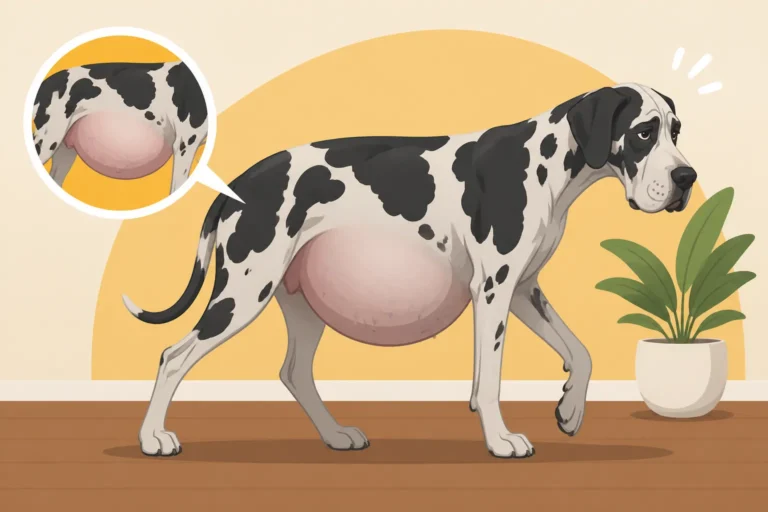
Another critical indicator is changes in breathing. This could manifest as rapid breathing (tachypnea) even at rest, or a noticeable increase in effort to breathe. Their abdomen might appear swollen due to fluid retention, a condition known as ascites. In more advanced stages, you might observe fainting spells (syncope) or weakness, where your Great Dane collapses briefly before recovering. These are all signs that require immediate veterinary attention. These could also be early heart signs in a Great Dane, which is why a prompt visit to the vet is so important.
Here's a quick reference table for common DCM signs:
| Symptom Category | Early/Subtle Signs | Advanced/Urgent Signs |
|---|---|---|
| Behavioral | Reduced exercise tolerance | Lethargy, extreme weakness, disinterest in surroundings |
| Increased sleeping/resting | Fainting or collapsing spells | |
| Mild decrease in appetite | Severe loss of appetite | |
| Respiratory | Soft cough, especially at night or when lying down | Persistent, wet cough |
| Mild shortness of breath after exertion | Rapid or labored breathing (even at rest) | |
| Gums appearing pale or bluish | ||
| Physical | Swollen abdomen (ascites) | |
| Weight loss despite eating | ||
| Restlessness or inability to get comfortable |
Diagnosing DCM: What Your Vet Will Do
When you bring your Great Dane to the vet with concerns about their heart, your veterinarian will start with a thorough physical examination. They’ll listen to your dog’s heart for murmurs or arrhythmias, check their pulse quality, and examine their mucous membranes for proper color. They’ll also feel their abdomen for any signs of fluid accumulation. This initial exam provides crucial clues and helps direct the diagnostic path. If your vet suspects a heart issue, they’ll recommend further, more specialized tests.
It's important to remember that a definitive diagnosis of DCM often requires a combination of tests, not just one. Your regular vet might perform some initial diagnostics, but for a truly comprehensive evaluation and diagnosis, they will likely recommend a consultation with a board-certified veterinary cardiologist. These specialists have advanced training and equipment to get the clearest picture of your Great Dane's heart health. This journey might feel daunting, but it's essential for getting an accurate diagnosis and the best possible care for your dog.
The Importance of an Echocardiogram
The gold standard for diagnosing DCM in Great Danes is an echocardiogram. This is essentially an ultrasound of the heart, providing a real-time, moving image of the heart's chambers, valves, and muscle walls. A specialist can measure the size of the chambers, assess the thickness of the walls, and determine how effectively the heart is contracting and pumping blood. This non-invasive test allows the cardiologist to see the characteristic dilation and thinning of the ventricular walls, confirming the presence and severity of DCM.
During an echocardiogram, your Great Dane will typically lie comfortably on a padded table, often with a small patch of fur clipped on their chest to allow for better probe contact. The procedure is painless and usually doesn't require sedation, though some more anxious Danes might benefit from a mild sedative to ensure they remain still. This test provides invaluable information not just for diagnosis, but also for monitoring the progression of the disease and assessing the effectiveness of treatment. Regular screening, even for seemingly healthy Danes, involves these echocardiograms to catch the disease in its earliest stages, as explored in When a Great Dane Should Have Its First Echo.
Holter Monitoring and Other Tests
While an echocardiogram provides a snapshot of the heart's structure and function at a specific moment, DCM can also cause electrical abnormalities, known as arrhythmias. A Holter monitor is a small, portable ECG device that your Great Dane wears for 24 hours (or sometimes longer) to continuously record their heart rhythm. This is vital because many arrhythmias are intermittent and might not be present during a brief vet visit or even during an echocardiogram. The Holter monitor can detect these irregularities, which can be critical for prognosis and treatment planning.
In addition to an echocardiogram and Holter monitor, your vet or cardiologist might recommend other diagnostic tests. These can include chest X-rays to check for fluid in the lungs (pulmonary edema) or an enlarged heart silhouette. Blood tests, such as a complete blood count and biochemistry panel, can assess overall health, kidney and liver function (which can be affected by heart disease and certain medications), and levels of specific cardiac biomarkers like NT-proBNP, which can indicate cardiac stress. These additional tests help create a comprehensive picture of your Great Dane’s condition and guide treatment decisions. For some, Holter Monitoring for a Great Dane Heart might become a regular part of their health management.
Managing DCM: Treatment Options and Goals
Receiving a DCM diagnosis for your Great Dane is devastating, but it's crucial to understand that it's not an immediate death sentence. While DCM is a serious and progressive disease, there are effective medications and management strategies that can significantly improve your dog's quality of life and, in some cases, extend their life. The goal of treatment isn't to cure the disease, as there is currently no cure, but rather to manage the symptoms, slow the progression of the heart muscle weakening, and prevent or alleviate congestive heart failure.
The treatment plan will be tailored specifically to your Great Dane, taking into account the stage of their disease, the severity of their symptoms, and any other concurrent health issues. It's a journey that requires close collaboration with your veterinary cardiologist and regular monitoring. Be prepared for a commitment to medication, dietary adjustments, and careful observation of your dog's daily well-being. This proactive approach can make a significant difference in how long and how comfortably your Great Dane lives with DCM.
Medications to Support Heart Function
The cornerstone of DCM management involves a combination of medications designed to support heart function and address the symptoms of heart failure. One of the most common medications is Pimobendan, often referred to by its brand name Vetmedin. This drug works in two crucial ways: it helps the heart muscle contract more forcefully, and it dilates blood vessels, reducing the workload on the heart. Pimobendan for a Great Dane is often considered a game-changer in managing DCM.
Other medications frequently prescribed include ACE inhibitors (like enalapril or benazepril), which help relax blood vessels, lower blood pressure, and reduce fluid retention. Diuretics (like furosemide) are essential for removing excess fluid from the body, particularly from the lungs in cases of congestive heart failure, helping your Great Dane breathe more easily. Anti-arrhythmic drugs might be used if your Dane experiences significant irregular heartbeats. Additionally, supplements like taurine and L-carnitine might be prescribed, especially if a nutritional deficiency is suspected or confirmed. Administering these medications correctly and consistently is vital for the best possible outcome.
Dietary and Lifestyle Adjustments
Beyond medication, specific dietary and lifestyle adjustments are crucial for managing DCM in Great Danes. A heart-healthy diet is essential, typically one that is lower in sodium to help control fluid retention, while still providing adequate calories and nutrients to maintain a healthy body condition. Your vet or cardiologist can recommend specific therapeutic diets formulated for cardiac patients. In some cases, supplements like omega-3 fatty acids might be beneficial for their anti-inflammatory properties and general cardiovascular support.
Lifestyle modifications focus on reducing stress on the heart. This usually means restricting strenuous exercise, especially during hot weather. Instead of long, vigorous runs, multiple short, gentle walks throughout the day are often recommended. Avoiding situations that cause extreme excitement or anxiety can also be helpful. It’s about finding a balance where your Great Dane can still enjoy life without overtaxing their compromised heart. Regular weight monitoring is also important, as maintaining a lean body condition reduces the overall burden on the heart. All these considerations contribute to How Much a Great Dane With a Weak Heart Can Do and will be adjusted as the disease progresses.
Living with a Great Dane Diagnosed with DCM
Living with a Great Dane diagnosed with DCM is a profound journey, filled with highs and lows. It requires immense dedication, patience, and a willingness to adjust your routines to accommodate your dog's changing needs. The initial shock of the diagnosis can be overwhelming, but with proper management, many Great Danes can still enjoy a good quality of life for months, and sometimes even years, after diagnosis. It's about cherishing every moment and focusing on comfort and well-being.
Your role as an owner becomes even more critical. You are your Great Dane's primary advocate, caregiver, and observer. Learning to recognize subtle changes in their condition and communicating effectively with your veterinary team will be paramount. This journey often creates an even deeper bond between you and your gentle giant, as you navigate this challenging path together. It’s also an opportunity to truly lean into the special connection you share.
Monitoring Your Dane's Condition at Home
Once your Great Dane has been diagnosed with DCM and treatment has begun, consistent home monitoring becomes a vital part of their care. You'll become an expert in observing your dog for any signs of worsening heart failure or adverse reactions to medication. One of the most important things you can monitor is their resting respiratory rate (RRR). This involves counting the number of breaths your dog takes in one minute while they are completely at rest, ideally asleep. A normal RRR for a dog is typically between 15-30 breaths per minute. A sustained increase above this range can be an early indicator of fluid building up in the lungs and warrants a call to your vet.
Beyond RRR, pay close attention to their energy levels, appetite, and any recurrence or worsening of coughing. Are they suddenly less interested in food? Are their walks getting shorter? Are they having more coughing fits, especially at night? Keeping a log of these observations can be incredibly helpful for your veterinary team to track the disease progression and adjust treatment as needed. You know your Great Dane best, and your keen observations are invaluable. Pet insurance providers like Healthy Paws can be a huge help here, as frequent vet visits and diagnostic tests can add up quickly, ensuring you can afford this level of vigilant care.
When to Seek Emergency Veterinary Care
Despite the best home monitoring and consistent medication, situations can arise where your Great Dane's condition rapidly declines, requiring immediate emergency veterinary care. Knowing when to act swiftly can be life-saving. Any sudden and significant increase in breathing effort, especially if accompanied by open-mouthed breathing, blue or pale gums, or gasping, is a severe emergency. These are classic signs of acute congestive heart failure.
Other urgent indicators include sudden collapse or fainting spells, severe weakness or inability to stand, profound restlessness or agitation that prevents them from getting comfortable, or an unremitting, severe cough that produces foamy or bloody fluid. If you observe any of these critical signs, do not hesitate; contact your emergency veterinarian immediately and head to the clinic. Time is often of the essence in these situations. It's terrifying, but being prepared for these scenarios can make all the difference for your beloved Great Dane.
Preventative Measures and Responsible Breeding
Given the strong genetic component of DCM in Great Danes, preventative measures primarily revolve around responsible breeding practices and early detection through screening. For prospective Great Dane owners, this means doing your homework and choosing a puppy from a breeder who is transparent about their health testing and pedigree history. For current owners, it means committing to regular veterinary check-ups and specialized cardiac screening, even if your dog appears healthy. We can't eliminate the risk entirely, but we can certainly mitigate it.
This proactive approach is an act of love and responsibility towards this magnificent breed. It requires a collective effort from breeders, owners, and veterinarians to continue to learn, share information, and strive for healthier generations of Great Danes. While DCM remains a significant challenge, advancements in veterinary medicine and genetics offer hope for a brighter future.
Cardiac Screening Protocols
For all Great Danes, especially those intended for breeding, rigorous cardiac screening protocols are essential. The primary screening tool is a routine echocardiogram, performed by a board-certified veterinary cardiologist. These screenings should begin around 12-18 months of age and ideally be repeated annually throughout the dog's life, or at least until 5-6 years of age, as DCM often manifests in middle-aged Danes. This allows for the detection of subtle changes in heart structure and function before clinical signs appear.
Another critical screening tool is the 24-hour Holter monitor. This device helps detect arrhythmias that might not be visible during a short vet visit. A Great Dane may have significant, potentially dangerous arrhythmias long before they show any outward signs of heart disease. Regular Holter monitoring, particularly in breeding animals and at-risk individuals, can catch these issues early. By identifying affected dogs before they are bred, or before their disease progresses, we can make informed decisions to protect the health of future generations and provide early intervention for those affected. You can dive deeper into Screening a Great Dane's Heart Each Year to understand the full protocol.
Choosing a Reputable Breeder
When considering bringing a Great Dane into your family, selecting a reputable breeder is arguably the single most important preventative step you can take against DCM. A responsible breeder will be deeply knowledgeable about the breed's health issues, particularly DCM, and will proactively screen their breeding stock. They won't just tell you they screen; they will provide verifiable documentation of cardiac clearances, typically board-certified echocardiograms and Holter monitor results, for both parents.
Look for breeders who are members of breed clubs, like the Great Dane Club of America, and who follow their recommended health testing guidelines. Be wary of breeders who don't screen for DCM, or who make excuses about why they don't. A truly ethical breeder prioritizes the health and longevity of their puppies over profit. They will also be transparent about the health history of their dog's ancestors and littermates. Don’t be afraid to ask tough questions and expect clear, documented answers – it’s an investment in a lifetime of love and potentially, fewer heartbreaking vet bills.
The Emotional Toll and Support for Owners
Caring for a Great Dane with DCM is an emotionally arduous journey. The diagnosis itself can feel like a punch to the gut, leaving you reeling with fear, sadness, and often, guilt. You might question if you did something wrong, or if you missed early signs. It's a natural reaction to want to protect your beloved companion, and the feeling of helplessness when faced with a progressive disease can be truly overwhelming. Many owners feel isolated, grappling with the weight of difficult decisions and the constant worry about their dog's future.
It's vital to acknowledge and validate these feelings. You are not alone in this experience. The bond with a Great Dane is profound, and facing their vulnerability to DCM brings a unique kind of heartache. Allowing yourself to grieve, to feel frustrated, and to seek support is not a sign of weakness; it's a testament to the depth of your love for your dog. Remember that organizations like Healthy Paws offer pet insurance plans that can cover a significant portion of the costs associated with chronic conditions like DCM, easing the financial burden and allowing you to focus on your dog's care without added stress.
Coping with the Diagnosis and Prognosis
Receiving the DCM diagnosis often marks the beginning of a difficult emotional process. Understanding the prognosis, which can vary depending on the stage of the disease and individual response to treatment, is crucial but can also be incredibly challenging to absorb. Your veterinary cardiologist will provide you with the most realistic assessment, but it’s okay to ask for clarification, to express your fears, and to take time to process the information. It’s also perfectly normal to feel a range of emotions, from despair to a fierce determination to fight for every good day.
Coping often involves finding a balance between hope and realism. Celebrate the good days, cherish the moments of joy, and adapt to the new normal. Educating yourself about the disease can help you feel more in control and empowered to make informed decisions. It's also important to have honest conversations with your family and trusted friends about what you're going through, as their understanding and support can be invaluable. Remember, you are doing everything you can, and that is enough.
Finding Support and Resources
You don't have to navigate the DCM journey alone. There are numerous resources and support systems available for Great Dane owners facing this challenge. Online communities, social media groups dedicated to Great Dane health or DCM, can connect you with other owners who understand exactly what you're going through. Sharing experiences, asking questions, and offering mutual support can be incredibly validating and comforting. Just be mindful to always consult your veterinarian regarding specific medical advice.
Veterinary professionals are also a key part of your support network. Don’t hesitate to ask your vet or cardiologist about pet support groups, grief counseling services, or even just for an extra few minutes to talk through your concerns during appointments. Organizations like the Great Dane Club of America often have health committees that can provide information and connect you with resources. Remember, seeking help is a sign of strength, and surrounding yourself with a supportive community can make an immense difference during this difficult time.
Disclaimer
This article is intended for informational purposes only and does not constitute medical advice. Always consult with a qualified veterinarian or veterinary specialist for any health concerns or before making any decisions about your Great Dane's care.