Great Dane Drool and What to Do About It
Ah, the majestic, dignified Great Dane… often followed by a shimmering trail of slobber, a wet nose print on your favorite jeans, or a surprise ceiling shower when they shake their head. If you're a Great Dane owner, you know the reality: these magnificent creatures are prodigious droolers, and managing the inevitable mess is just part of the package. This comprehensive guide will walk you through understanding why your gentle giant is so juicy, practical everyday strategies for keeping the drool at bay, and how to spot when that slobber might be signaling something more serious.
Understanding Why Great Danes Drool So Much
It's easy to feel like your particular Great Dane is an Olympic-level drooler, but the truth is, it's a deeply ingrained characteristic of the breed. Their physical conformation and certain physiological responses make slobber a more prominent feature than in many other dogs. It's not a flaw, but simply how they're built, and once you understand that, it's easier to approach management with acceptance, and a good sense of humor!
The Anatomy of a Great Dane's Mouth
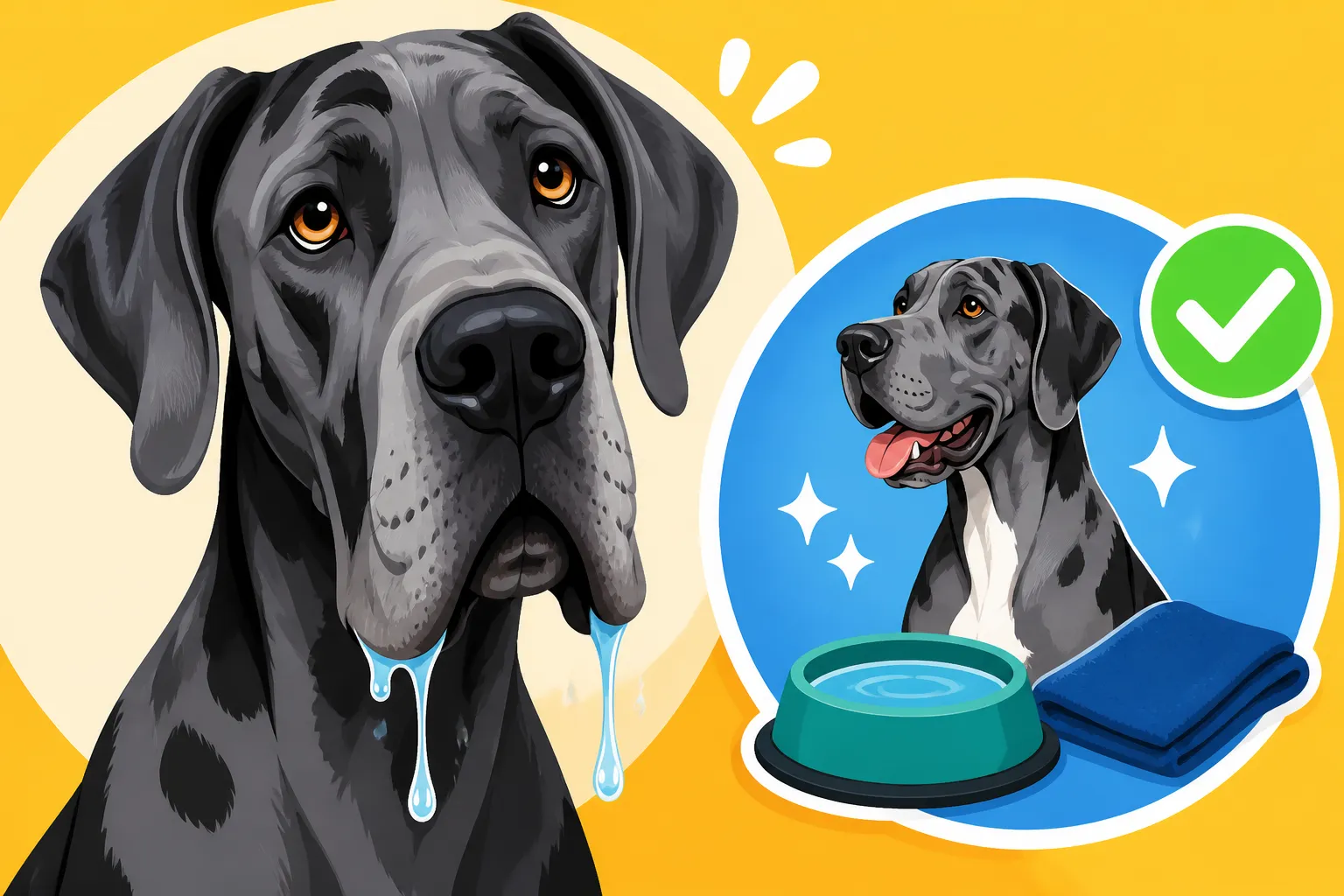
Let's get down to basics: a significant part of why Great Danes drool so much comes down to their magnificent, often floppy, facial structure. Unlike breeds with tight, dry lips like a Labrador or a German Shepherd, Great Danes possess loose jowls and often a prominent flews (the part of the upper lip that hangs over the lower jaw). This loose skin creates natural pouches that act like little reservoirs for saliva.
When a Great Dane drinks, eats, or even just produces saliva normally, gravity does its work. Instead of being neatly contained within a taut mouth, the excess saliva simply pools in these jowls and then, well, drips out. It’s not that they produce more saliva than other dogs in many cases (though some certainly do!), it’s that their mouth just isn’t designed to hold it all in. You might notice this more acutely after they’ve had a big drink of water; the water, mixed with saliva, just doesn’t have anywhere to go but down.
When Drool is More Than Just Normal
While some drooling is completely normal for a Great Dane, there are times when an increase in slobber might signal a problem. It’s crucial for owners to understand the difference between their dog’s baseline drooling and a sudden, significant, or unusual uptick in saliva production. This isn't about the usual post-drink waterfall; it's about a change in pattern or consistency that could indicate discomfort or illness.
If your Great Dane suddenly starts drooling profusely, more than usual, and it's accompanied by other symptoms, it's time to pay close attention. Look out for drool that is thicker, discolored, bloody, or has an unusual odor. Is your dog pawing at their mouth, reluctant to eat, or showing signs of pain? These are red flags. This heightened drooling often goes hand-in-hand with things like dental issues, something stuck in their mouth or throat, nausea, or even heatstroke. Trust your gut; you know your dog's normal.
Drool Triggers: What Sets Off the Floodgates
Beyond the anatomical predispositions, several common triggers can turn a normal level of Great Dane drool into a veritable waterfall. Recognizing these triggers can help you anticipate the mess and be prepared, rather than constantly being caught off guard by a sudden deluge. It’s all about being one step ahead of the slobber!
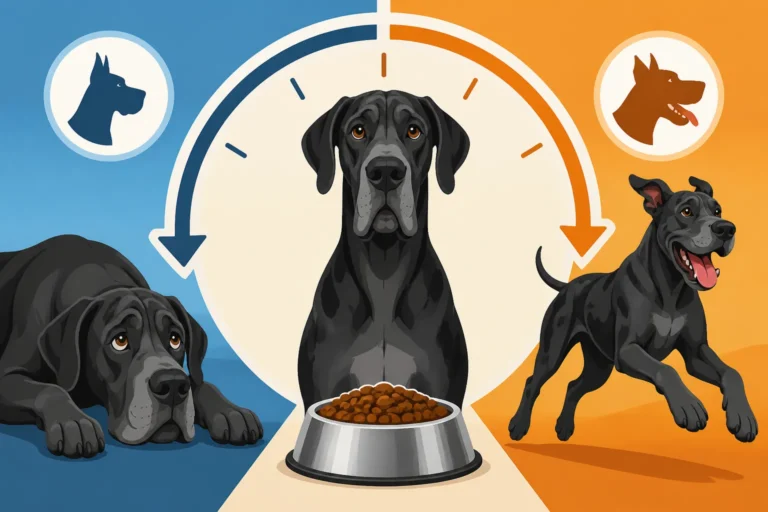
One of the most obvious triggers is food. The mere sight or smell of food can send your Great Dane's salivary glands into overdrive. Anticipation of a meal or a favorite treat often results in strings of drool hanging from their jowls. Similarly, drinking water is almost guaranteed to produce a significant amount of slobber, as water mixes with saliva and overflows from those loose lips. Why a Great Dane Drools Most After Drinking is a very common owner complaint.
Stress or excitement can also be major drool triggers. A trip to the vet, meeting new people, an unfamiliar environment, or even intense playtime can cause your Great Dane to drool more heavily. Some Danes also drool when they are anxious or nauseous, such as during car rides. Understanding these triggers allows you to have a drool rag ready at key moments, mitigating the mess before it starts.
Everyday Strategies for Managing the Slobber Flood
Living with a Great Dane means accepting that drool is a part of life. However, acceptance doesn't mean surrender! There are plenty of practical, everyday strategies you can implement to manage the slobber effectively, keeping your home cleaner and your sanity intact. It's all about being proactive and having the right tools for the job.
The Ever-Present Drool Rag
If you own a Great Dane, you own drool rags. Plural. Many, many drool rags. These aren't just any old rags; they become essential tools, strategically placed throughout your home. Think of them as extensions of your own hands, always at the ready. You'll want a stack by the front door, next to the water bowl, on the coffee table, in the car, and probably one tucked into your pocket at all times.
For effective drool duty, consider materials that are highly absorbent. Microfiber cloths are excellent because they soak up moisture quickly and trap it, rather than just pushing it around. Old towels cut into manageable sizes also work wonders. The key is volume—you can never have too many. We've got a laundry basket specifically for slobber rags, and it gets filled up fast! Having a clean, dry rag constantly within reach can save your clothes, furniture, and walls from countless unexpected drool splatters.
Strategic Water Bowl Placement and Design
The water bowl is often ground zero for Great Dane drool, turning a simple drink into a miniature flood. Strategic placement and the right bowl design can significantly reduce the amount of water and saliva that ends up on your floor and walls. It’s not just about aesthetics; it’s about practical engineering for a large, wet-mouthed dog.
First, consider where you place the water bowl. Avoid high-traffic areas where people might slip or where the inevitable splashes will spread far and wide. Placing it on a non-slip mat or tray designed to catch spills is a game-changer. Some owners even put the water bowl in a tiled mudroom or a utility sink basin. As for design, look for "no-spill" or "splash-proof" bowls. While no bowl is truly slobber-proof with a Great Dane, designs with high sides or internal baffles can definitely help. Some companies, like LickiMat, even offer slow-water bowls that help reduce gulps and, by extension, splashes. Remember, Two Water Bowls in a Great Dane House can also spread out the mess, but ensure both are managed well.
Cleaning Products That Actually Work
When drool isn't just a damp spot but a sticky, sometimes smelly, residue, you need cleaning products that can truly tackle the challenge. Not all cleaners are created equal, especially when dealing with the unique protein-based mess that is dog slobber on various surfaces. Generic sprays might manage, but specialized products can make your life much easier.
For hard floors, a good enzymatic cleaner can break down the proteins in saliva, eliminating both the stickiness and any lingering odors. For carpets and upholstery, spot cleaners specifically formulated for pet stains are invaluable. Products with oxygen boosters can also work wonders on dried-on drool stains, especially if your Dane has been enjoying a long, drooly chew on the rug. Companies like Nature's Miracle or Rocco & Roxie offer excellent enzymatic options available on Chewy or Amazon. Always do a patch test first to ensure colorfastness, especially on delicate fabrics!
Minimizing Drool in Specific Situations
While some drool is unavoidable, there are specific times and activities that predictably lead to more significant slobber production. By understanding these high-drool moments, you can implement targeted strategies to minimize the mess, making these routine occurrences much more manageable. It’s about anticipating the splash.
Post-Drinking Deluge
Ah, the post-drinking deluge – a Great Dane rite of passage. After a hearty drink, your Dane's jowls are often saturated with water and saliva, just waiting for the opportune moment (usually a head shake) to fling it across the room. This isn't just inconvenient; it can be downright startling. The key here is immediate intervention and encouraging good habits.
Keep a dedicated "drinking station" drool rag right next to the water bowl. The moment your Dane finishes drinking, gently wipe their jowls and muzzle. Some owners even train their Danes to "wait" after drinking, holding their head over the water bowl for a few extra seconds while the excess drips back in, or to shake their head only outside. It takes consistency, but it's a small habit that can make a huge difference in keeping your walls and furniture slobber-free. Think of it as preventative maintenance against the flying slobber missiles!
Mealtime Mess Management
Mealtime is another prime opportunity for slobber, whether it's from eager anticipation or the act of eating itself. Bits of kibble, wet food, and copious amounts of saliva can create a rather unappetizing ring around your Dane's dining area. Getting smart about how and where your Great Dane eats can dramatically cut down on the mess.
Many Great Dane owners opt for elevated feeding bowls. While the argument for raised bowls in preventing bloat is complex and debated, they undeniably help keep food and drool from spreading as far, as your dog isn't bending down as much. The Feeding Routine That Lowers Great Dane Bloat Risk is an important topic to research. Place the feeding station on a large, easy-to-clean mat – silicone mats with raised edges are fantastic for containing spills. After your Dane finishes eating, immediately wipe their mouth and the surrounding area. If your dog is a particularly messy eater, sometimes feeding them in a crate or a tiled laundry room can confine the mess to an easily sanitized area. Consider using slower-feeder bowls to reduce the frantic eating that often accompanies extra drool.
Car Rides and Public Outings
Taking your Great Dane out and about, whether it's a short car ride to the vet or a stroll through the park, can present new drooling challenges. Excitement, stress, or motion sickness can all trigger increased slobber, which quickly translates to wet car seats, slobbered-on strangers, or messy public spaces. Preparation is your best friend here.
For car rides, always have a dedicated car drool rag (or two!) readily accessible. Covering your car seats with washable blankets or seat covers is almost a necessity. For dogs prone to car sickness and associated drooling, speak to your vet about anti-nausea medications. When out in public, carry a small, discreet drool rag in your pocket. Before approaching people, especially children, a quick wipe of your Dane's muzzle can prevent an accidental slobber surprise. A friendly warning like, "He's a Great Dane, so he might be a little wet!" also goes a long way.
Home Modifications for a Drool-Friendly Environment
Living with a Great Dane isn't just about managing the drool directly; it's also about creating a home environment that can withstand (and easily clean up) the inevitable slobber. Making a few strategic modifications to your living space can significantly reduce the impact of drool on your furniture, walls, and floors, making daily life much more harmonious for both you and your giant companion.
Furniture Choices and Protection
Your sofa and chairs are prime targets for Great Dane drool, especially if your Dane is a "leaner" or likes to rest their head on your lap. Trying to keep these areas pristine can feel like an endless battle. The key is to choose furniture wisely and protect it proactively.
When selecting new furniture, consider materials that are easy to clean and less likely to absorb odors. Leather or faux leather can be wiped down quickly. Fabrics like microfibers or outdoor-grade fabrics are often more stain-resistant and durable. For existing furniture, investing in high-quality, washable throws or slipcovers is a lifesaver. You can find stylish and durable options on Chewy or Amazon. Designate specific, drool-friendly blankets for your Dane's favorite spots and wash them regularly. This creates a barrier, protecting your furniture while still allowing your dog to enjoy their comfy spaces.
Wall Protection and Cleaning
Have you ever noticed a constellation of tiny, sticky spots on your walls, especially around your Dane's favorite napping or standing spots? That's the unmistakable sign of dried Great Dane drool, often flung during a vigorous head shake. This isn't just unsightly; it can be tough to clean if left for too long. Protecting your walls can save you a lot of elbow grease.
Consider applying a durable, washable paint finish in areas your Great Dane frequents, especially at "Dane height." Semi-gloss or satin finishes are generally easier to wipe clean than matte paints. For areas where drool is particularly concentrated, such as behind the water bowl or next to their bed, clear adhesive wall protectors or splash guards can be installed. These clear films offer a sacrificial layer that can be easily wiped down or even replaced without damaging your paint. For existing drool marks, a damp microfiber cloth with a mild all-purpose cleaner usually does the trick. Remember to address Slobber on Walls at Great Dane Head Height, as those spots can really accumulate!
Flooring Considerations
The type of flooring you have can make a monumental difference in how easily you can manage Great Dane drool. Carpets act like sponges, trapping moisture, stains, and odors, making cleanup a significant chore. Hard flooring, on the other hand, offers a much more practical solution for drool management.
Hard surface flooring like tile, vinyl plank, or sealed hardwood is generally the most drool-friendly. Spills can be quickly wiped up, and dried drool can be easily cleaned without deep saturation. If you have carpets, consider using large, washable area rugs in high-traffic or high-drool zones. Look for rugs made from synthetic fibers that are easy to clean and quick to dry. Placing a large, absorbent mat under the water and food bowls is non-negotiable, acting as the first line of defense against the inevitable splashes and drips.
Great Dane Grooming and Hygiene to Combat Drool
Beyond environmental management, regular grooming and proper hygiene play a crucial role in managing Great Dane drool. Keeping your dog clean, especially around their mouth and jowls, isn't just about aesthetics; it's about preventing skin irritation, odors, and even dental problems that can exacerbate drooling.
Wiping Jowls and Mouth Folds
The loose jowls and facial folds that contribute to a Great Dane's characteristic drooling can also become breeding grounds for bacteria and yeast if not kept clean. Saliva and food particles can get trapped in these folds, leading to unpleasant odors, skin irritation, and even infections like skin fold dermatitis. Regular wiping is essential for your dog's health and comfort.
Make it a daily habit to gently wipe inside and around your Dane's mouth folds with a damp cloth. For dogs with particularly deep folds, a mild, pet-safe wipe or a cotton ball moistened with a veterinarian-approved antiseptic solution can be used. Pay special attention to the corners of their mouth where drool tends to accumulate. This routine not only keeps them cleaner and smelling fresher but also allows you to check for any redness, inflammation, or sores that might be developing. Wiping a Great Dane's Jowls is more than just about cleanliness; it's preventative care.
Dental Care and Its Impact on Drool
Poor dental hygiene can significantly contribute to excessive drooling and is a common underlying cause of increased slobber in dogs. Just like in humans, plaque and tartar buildup can lead to gum inflammation (gingivitis), tooth decay, and painful infections. These issues can make swallowing uncomfortable, stimulate increased saliva production, or cause your dog to hold their mouth in a way that encourages drooling.
Establishing a regular dental care routine for your Great Dane is vital. This includes daily brushing with a dog-specific toothbrush and toothpaste (never human toothpaste!). Dental chews can also help, but always ensure they are appropriately sized for a Great Dane to prevent choking or breakage, you can find great options on Chewy. Regular professional dental cleanings by your veterinarian are also crucial. By keeping your Dane's teeth and gums healthy, you can often reduce drooling that stems from oral discomfort or disease. It's a key part of Keeping a Great Dane's Very Large Mouth Clean.
Regular Bathing and Coat Care
While Great Danes have short coats that might seem low-maintenance, regular bathing plays a role in overall hygiene, especially concerning drool. A clean coat, particularly around the face, neck, and chest, is less likely to hold onto dried slobber residue and its accompanying odors.
Bathing a Great Dane at home can be a production given their size, but it's important. Use a gentle, pH-balanced dog shampoo. Pay extra attention to cleaning the areas around their mouth, jowls, and the front of their chest where drool often drips and dries. A good rinse is crucial to prevent skin irritation from shampoo residue. While a weekly bath might be overkill, a thorough wash every few weeks, or as needed, can help keep their coat fresh and free of sticky, crusty drool buildup. This general cleanliness contributes to a fresher-smelling home and a more comfortable Dane.
Understanding and Addressing Excessive Drooling (When to See the Vet)
While some drooling is a normal, inherent part of owning a Great Dane, there’s a distinct line between typical slobber and excessive drooling that could indicate an underlying health issue. Recognizing this difference is crucial, as a sudden or significant increase in saliva could be a symptom of anything from a minor irritation to a serious medical condition. Always err on the side of caution when in doubt.
Signs That Drooling Is Abnormal
It's one thing for your Great Dane to leave a wet spot after a big drink or to drool with excitement over a treat. It's quite another if the drooling becomes noticeably more profuse, persistent, or changes in character. As an owner, you become attuned to your dog's normal habits, and any deviation should catch your attention.
Abnormal drooling isn't just about volume; it's about quality and accompanying symptoms. Is the drool thicker, foamy, or stringier than usual? Does it have a strange color, like yellow, green, or even contain streaks of blood? A foul odor is another major red flag. Beyond the drool itself, observe your dog's behavior. Are they pawing at their mouth, reluctant to eat or chew, rubbing their face, or making unusual gulping or swallowing motions? Any of these signs, especially when combined with lethargy, vomiting, or changes in appetite, warrant further investigation.
Common Medical Causes of Increased Drool
When your Great Dane's drooling suddenly ramps up, there's often a medical reason behind it. These reasons can range from relatively benign to quite serious, highlighting why a prompt veterinary check-up is so important. Don't try to self-diagnose; let a professional assess the situation.
One of the most common causes is dental disease or oral discomfort. A broken tooth, a painful gum infection, an abscess, or even a foreign object lodged in their mouth (like a splinter or a piece of bone) can all trigger excessive salivation. Gastrointestinal issues, such as nausea, acid reflux, or ingesting something toxic, will also often lead to increased drooling, sometimes accompanied by lip-smacking or attempts to vomit. Heatstroke, especially in warm weather, can also manifest with profuse drooling as the dog tries to cool itself. Less common but more serious causes include certain neurological conditions or even tumors in the mouth or throat.
Preparing for a Vet Visit
If you suspect your Great Dane's drooling is abnormal and warrants a vet visit, a little preparation can make the appointment much more productive. Providing your veterinarian with thorough information will help them narrow down potential causes and get to a diagnosis more quickly.
Before you go, make a note of exactly when the increased drooling started, how it has changed (volume, consistency, color, odor), and what other symptoms you've observed. Did your dog eat anything unusual? Have they had any recent trauma to the mouth or face? Be ready to describe their appetite, water intake, and general demeanor. You might even consider taking a picture or short video of the drooling and any accompanying behaviors, as it can be hard to replicate in the clinic. This detailed account will be invaluable to your vet as they perform their examination and determine the best course of action.
The Emotional Side of Living with a Drooling Giant
Let's be real: living with a Great Dane means living with drool. It's a constant, often surprising, and sometimes frustrating part of the package. But beyond the practical tips and cleaning hacks, there's an emotional aspect to embracing the slobber. It’s about accepting your beloved companion for who they are, wet jowls and all.
Accepting the Mess as Part of the Breed
When you choose a Great Dane, you're choosing a breed with many wonderful qualities – their gentle nature, their majestic presence, their deep loyalty. And with those incredible traits, comes the drool. Trying to fight it, constantly getting frustrated, or wishing it wasn't there will only lead to exasperation. At some point, you have to lean into it and accept that the slobber is as much a part of your Dane as their big paws or their deep bark.
This acceptance isn't resignation; it's a realistic understanding of the breed. Instead of seeing drool as a problem, view it as a quirk, a part of their unique charm. It's a sign of a happy, healthy Great Dane, eagerly anticipating a treat or having just enjoyed a big drink. Once you shift your perspective, the constant wiping becomes less of a chore and more of a routine act of care for your beloved giant. It helps to remember that Whether a Great Dane Is Safe With a Baby or Great Danes Around Toddlers is far more about temperament and training than it is about a little extra slobber.
Humor and Patience
Let's face it, some of the drool scenarios with a Great Dane are absolutely hilarious, even if they're happening to you. The moment your dog shakes their head and flings a slimy rope of drool onto an unsuspecting guest's head, or when you find a perfect slobber art masterpiece on the ceiling, you have two choices: get mad or laugh. Choosing laughter and cultivating a deep well of patience will make your life with a Great Dane infinitely more enjoyable.
It's okay to acknowledge the mess, but try not to let it steal your joy. Your Great Dane isn't drooling at you; they're just being a Great Dane. A little humor goes a long way. Share your drool stories with other Dane owners; you'll find solidarity and even more laughter. Patience, especially when you're cleaning up the tenth drool puddle of the day, is a virtue cultivated by every successful Great Dane parent. Remember, the love and companionship they offer far outweigh any slobbery inconveniences.
Embracing the "Slobber Kisses"
Perhaps the most direct and affectionate form of drool is the infamous "slobber kiss." There's nothing quite like a Great Dane planting a big, wet, enthusiastic kiss right on your face. For many Great Dane owners, these slobbery displays of affection are cherished moments, a unique bond that only a giant breed can offer.
While you might instinctively flinch, there's a special kind of warmth that comes from a full-on Dane facial wash. It's their way of telling you they love you, and it's given without reservation. Learning to embrace these moments, perhaps with a ready drool rag nearby for the immediate aftermath, is part of the joy of Great Dane ownership. It's a small price to pay for the endless love, loyalty, and companionship these incredible dogs bring into our lives. So, next time your Dane comes in for a slobbery smooch, try to see it as a badge of honor – a testament to the special connection you share.
| Drool Management Strategy | Best For | Recommended Tools | Frequency |
|---|---|---|---|
| Daily Jowl Wiping | Preventing skin irritation, odor; general cleanliness | Soft cloth, pet-safe wipes | Daily, or as needed |
| Water Bowl Management | Reducing floor splashes, post-drink mess | Elevated bowls, splash-proof designs, absorbent mats | Ongoing |
| Mealtime Cleanup | Containing food-related drool & debris | Elevated bowls, slow feeder bowls, feeding mats | After every meal |
| Furniture Protection | Safeguarding upholstery, reducing direct contact | Washable throws, slipcovers, durable fabrics | As needed, weekly washing of covers |
| Wall & Floor Cleaning | Addressing dried drool marks, general hygiene | Enzymatic cleaners, microfiber cloths, durable paints | As needed, spot cleaning |
| Dental Care | Preventing excessive drooling due to oral issues | Dog toothbrush & paste, dental chews, vet check-ups | Daily brushing, regular vet exams |
| Car Ride Preparedness | Managing drool during travel | Washable car seat covers, dedicated car rags | Every car trip |
Disclaimer
This article is for general informational purposes only and does not constitute professional advice. Laws, prices and regulations vary by location and change over time. Consult a qualified professional for guidance on your specific situation.