The Clippers a Great Dane Nail Needs
The sheer size and strength of a Great Dane means that even routine grooming tasks can feel like an Olympic challenge. When it comes to nail trimming, the thought of wrestling a powerful, possibly unwilling, dog while trying to navigate thick, dark nails and the dreaded quick fills many owners with dread. This comprehensive guide is here to demystify the process, exploring the specific tools and techniques you'll need to keep your gentle giant's paws healthy and comfortable, without turning nail care into a battle.
Understanding the Great Dane Nail Challenge
Let's be honest: trimming a Great Dane's nails isn't like clipping a poodle's. Everything about it is magnified, from the size of the nails themselves to the potential for an anxious dog to resist.
Why Great Dane Nails Are Different (and Daunting)
Great Dane nails aren't just bigger; they're often incredibly thick and strong, built to withstand the impact of a large, active dog. Many Danes also have dark nails, which makes seeing the "quick" – the blood vessel and nerve that runs through the nail – a terrifying guessing game. The quick is where the nail is alive, and cutting into it is painful for the dog, leading to bleeding and often a lasting fear of nail trims. Imagine trying to trim a tree trunk with a pair of garden shears, all while the tree is trying to pull away. That's what it can feel like! The immense strength of these dogs means that if they decide they don't want their nails trimmed, it can be a genuine struggle for even the most determined owner. Their sheer weight can make getting them into a comfortable, secure position difficult, adding another layer of stress to an already tense situation.
The Risks of Neglecting Nail Care
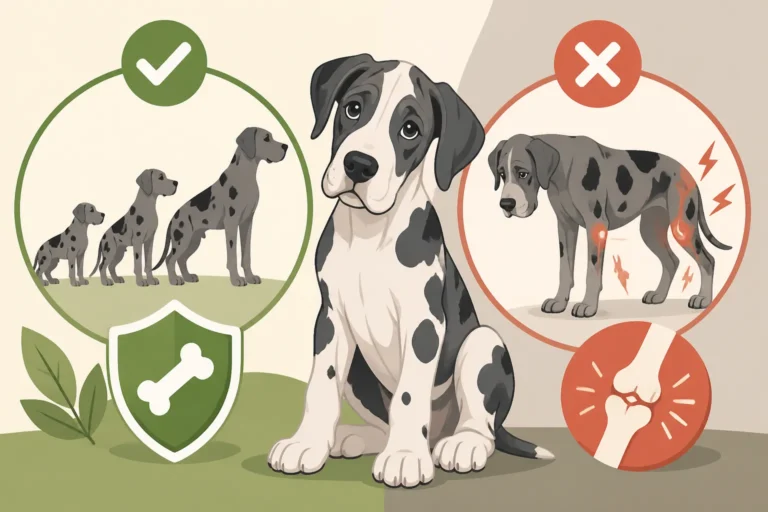
It's tempting to avoid the ordeal, but ignoring your Great Dane's nail growth comes with serious consequences that impact their long-term health and comfort. When a Great Dane's nails get too long, they push back against the floor, forcing the toes upwards. This seemingly small change actually alters the natural alignment of their paw, causing their toes to splay out. Over time, this unnatural posture puts immense strain on their joints, ligaments, and tendons, not just in their feet, but all the way up their legs to their shoulders and hips. It can lead to pain, lameness, and exacerbate conditions like arthritis, especially in a breed already prone to joint issues.
Imagine trying to walk in shoes that are too small, constantly stubbing your toes – that’s a bit like what a long-nailed Dane experiences. They might develop a reluctance to walk, a change in gait, or even suffer from painful, torn nails when a long nail catches on something. The longer the nails are, the further the quick grows out with them, making it even harder to trim them back without causing discomfort. It’s a vicious cycle that contributes to unnecessary pain and can significantly impact their quality of life. Understanding Nail Length and How a Great Dane Stands can highlight just how crucial regular trimming is for their structural health.
Types of Nail Clippers and Grinders for Giant Breeds
When you're dealing with nails as robust as a Great Dane's, standard clippers simply won't cut it. You need tools designed for the job, but even within that category, there are distinctions to consider.
Scissor-Style Clippers: Power and Precision (or Peril)
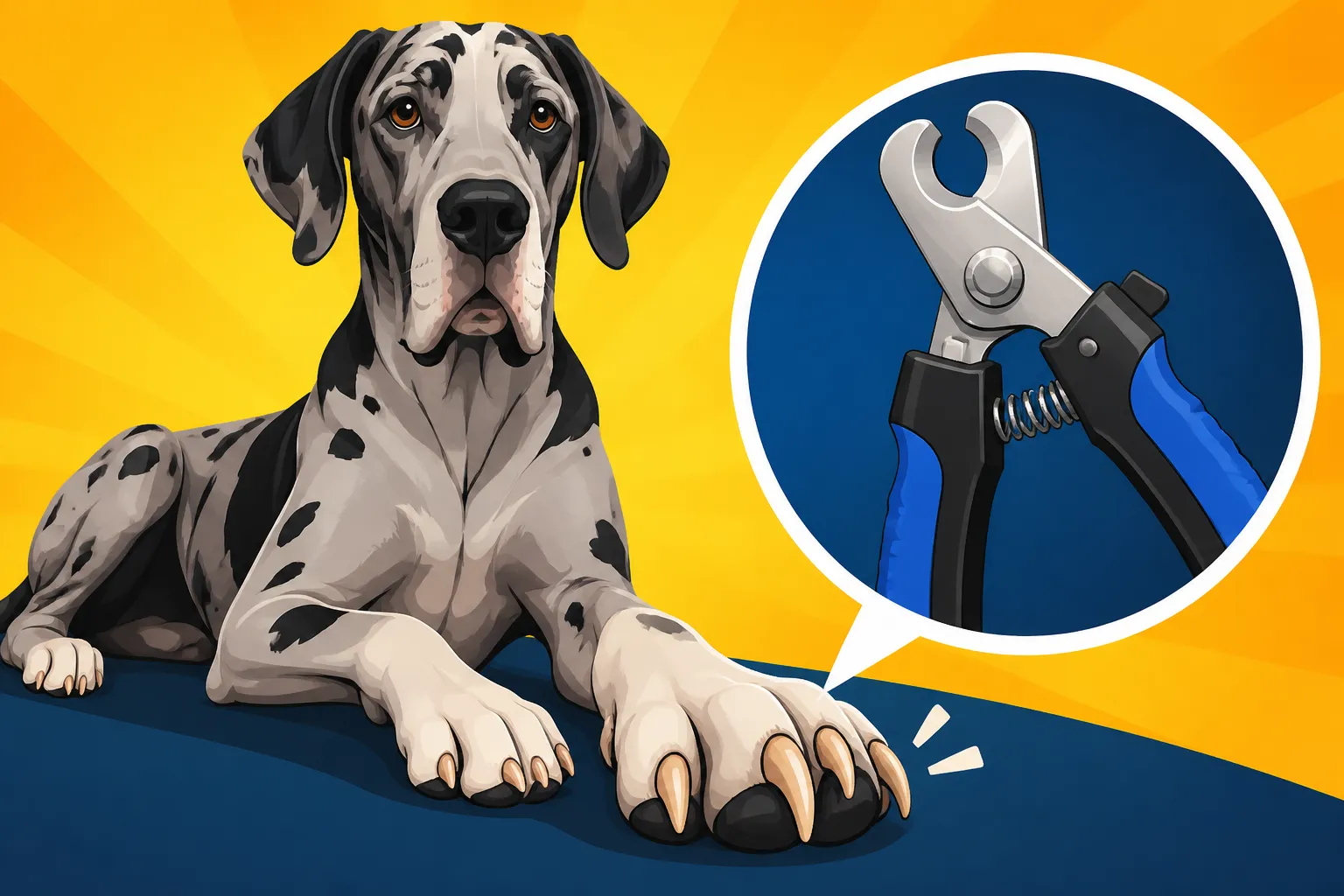
Scissor-style clippers are often the go-to for many dog owners, and for a Great Dane, you'll need a heavy-duty, large-sized version. These clippers work much like a pair of scissors, with two blades that meet to snip the nail. Their main advantage is the ability to make a quick, clean cut, which can be less stressful for some dogs than the prolonged sensation of grinding. For a thick Great Dane nail, a sharp, high-quality scissor-style clipper can get through the tough keratin with minimal effort, reducing the chance of splintering or crushing the nail, which is uncomfortable for your dog. Look for models with sturdy, comfortable handles that fit well in your hand, as you’ll need good leverage. Many owners find brands that specifically cater to large breeds or livestock often have the durability required. You can find a wide range of highly-rated, robust scissor-style clippers on platforms like Amazon or Chewy, where you can compare features and read reviews from other large dog parents.
However, the "peril" comes from the speed and the challenge of seeing the quick, especially if your Dane has dark nails. One wrong move, and you can cut into the quick, causing pain and bleeding. This negative experience can quickly teach your Great Dane to fear nail trims, making future sessions even harder. It requires a steady hand, good lighting, and often, a second person to help hold your dog still and offer treats. The sound of the "snip" itself can also be startling for some sensitive Danes, even if the cut is pain-free.
Guillotine-Style Clippers: Best Avoided for Danes
While guillotine-style clippers are popular for smaller to medium-sized dogs, they are generally not recommended for Great Danes. These clippers have a small hole you insert the nail into, and a blade then slides across to cut it. The design, while effective for thinner nails, simply isn't robust enough for the sheer thickness and density of a Great Dane's claws. Trying to use a guillotine clipper on a Dane's nail often results in crushing the nail rather than cleanly cutting it. This crushing sensation is incredibly uncomfortable and can cause pain, splintering, and even long-term damage to the nail bed.
Furthermore, the opening on most guillotine clippers is too small to accommodate a full-grown Great Dane's nail comfortably and safely. You'd be forcing the nail in, which isn't fair to your dog and could lead to injury. For such a large breed, the lack of adequate leverage and the high risk of a poor cut make these clippers an impractical and potentially harmful choice. Stick to tools specifically designed for powerful, thick nails.
Dremel-Style Grinders: The Gentle Giant's Best Friend?
Nail grinders, often referred to as Dremel-style tools (after the popular brand), use a rotating abrasive head to file down the nail. For many Great Dane owners, this is truly a game-changer. The biggest advantage is significantly reducing the risk of cutting the quick. Instead of a sudden snip, you remove small layers of nail at a time, allowing you to see the quick as you approach it (it appears as a small dark dot in the center of the nail). This method also results in a much smoother, rounded nail edge, which is kinder to your floors, furniture, and your own skin when your Dane leans on you.
Grinders are excellent for desensitizing a fearful dog, as you can introduce the sound and vibration gradually without the "snip" surprise. Many Great Danes who are terrified of clippers tolerate grinding much better once accustomed to the noise and feel. When choosing a grinder, look for a powerful motor that can handle thick nails without bogging down, variable speed settings for more control, and a cordless design for ease of use. Quieter models are a huge plus for anxious dogs. You’ll find a great selection of robust grinders, often with positive reviews from other large breed owners, on retailer websites like Chewy or Amazon.
The downsides? Grinding takes more time per nail than clipping. The friction can generate heat, so you need to work in short bursts on each nail to avoid burning the quick. There's also fine nail dust, which can be messy, and the noise and vibration can still be a hurdle for some dogs. However, with patience and positive reinforcement, many Great Danes come to accept, or even enjoy, their grinding sessions.
Choosing the Right Tool: Features to Prioritize
Selecting the right nail care tool for your Great Dane is paramount. It’s not just about getting the job done, but about doing it safely, effectively, and with minimal stress for both of you.
Blade Quality and Sharpness for Clippers
If you opt for scissor-style clippers, the quality and sharpness of the blades are non-negotiable. A Great Dane's nails are incredibly dense, and a dull blade will not cut cleanly. Instead, it will crush, splinter, or tear the nail, which is incredibly painful for your dog and can lead to immediate aversion to future trims. Imagine getting your own nails trimmed with dull scissors – it’s uncomfortable, right? For a dog, it’s even worse, as their nails are far more sensitive due to the quick.
Look for clippers made from high-grade stainless steel that explicitly state they are designed for large or giant breeds. The blades should meet perfectly without any gap, indicating a precise cutting action. Many good quality clippers will also feature a safety lock mechanism to keep the blades closed when not in use, protecting both the blades from damage and curious fingers from accidental cuts. Investing in a top-tier clipper, even if it costs a bit more, will save you frustration and your Great Dane discomfort in the long run.
Motor Power and RPM for Grinders
For grinders, the motor power and revolutions per minute (RPM) are absolutely critical. A weak motor will struggle with the sheer thickness of a Great Dane's nails, bogging down, slowing the process, and potentially frustrating both you and your dog. You need a grinder with enough torque to efficiently remove material from those tough nails. Look for models marketed for large breeds or with strong, industrial-grade motors.
Variable speed settings are also incredibly beneficial. You can start on a lower speed to gently introduce the sensation and sound, especially during desensitization. As your dog becomes more comfortable, you can increase the RPM for faster, more efficient trimming. This control helps manage heat build-up on the nail (less friction at lower speeds) and allows you to be more precise. Battery life is another practical consideration; you don't want the grinder dying halfway through a session, especially with multiple thick nails to tackle. A grinder that can hold a charge for multiple sessions or has a quick charging feature is ideal.
Ergonomics and Grip for the Human Hand
Let's face it, a Great Dane's paw is a handful, and maintaining control while also handling a trimming tool requires good grip and comfortable ergonomics. You might be holding a hundred pounds or more of dog with one hand while manipulating a clipper or grinder with the other. If the tool is uncomfortable, slippery, or awkward to hold, your hands will fatigue quickly, increasing the risk of an unsteady hand or an accidental slip.
Look for clippers and grinders with non-slip handles, often made from rubberized materials, that are generously sized for an adult hand. A spring mechanism on scissor-style clippers can also reduce hand strain by automatically opening the blades after each cut. For grinders, ensure the body of the tool is easy to grip securely, even if your hands are a little sweaty from the effort. An ergonomic design isn’t just about comfort; it's a vital safety feature that allows for better control and precision, which is especially important when dealing with powerful nails and a potentially wiggly giant breed.
Safety Features and Accessories
Beyond the core functionality, various safety features and accessories can make the Great Dane nail trimming experience smoother and safer. For clippers, a quick guard is a common feature, designed to help prevent cutting too far back on the nail. While not foolproof (especially with dark nails), it can offer an extra layer of reassurance for nervous trimmers.
For grinders, look for models that advertise quiet motors. The less startling the noise, the easier it is to desensitize your dog. Some grinders come with LED lights that illuminate the nail, which can be incredibly helpful for spotting the quick on lighter nails, though less effective on very dark ones. Dust covers or collection attachments can also help manage the fine nail dust that grinding produces, keeping your trimming area cleaner. Don't forget the importance of styptic powder, like Kwik Stop, as a crucial accessory for both clippers and grinders. Keep it immediately on hand to stop bleeding quickly if you accidentally cut or grind too far. It's truly a must-have for any Great Dane nail care kit. The Kit a Great Dane Puppy Needs First should definitely include this!
Mastering the Art of Great Dane Nail Trimming
Trimming a Great Dane's nails isn't just about the tools; it's a learned skill that involves patience, positive reinforcement, and a deep understanding of your dog's temperament.
Desensitization: Making Nail Time Less Terrifying
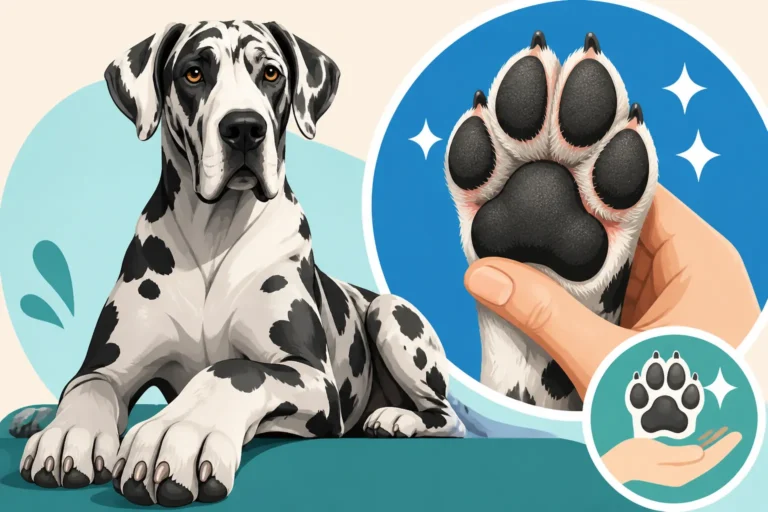
For a Great Dane, their paws are often sensitive, and the idea of someone messing with them, especially with a strange, noisy tool, can be unsettling. Desensitization is key to turning nail time from a battle into a tolerable, or even pleasant, experience. Start early, even with a young puppy, by simply handling their paws frequently, gently squeezing their toes, and touching their nails. Pair this with high-value treats and praise. The goal is to create positive associations with paw handling.
Once they're comfortable with touch, introduce the trimming tool itself. For clippers, just let them see and sniff it, then put it away and give a treat. Gradually, you can introduce the sound of the clippers (snip them in the air, away from the dog, then treat). For grinders, the noise is usually the biggest hurdle. Start by turning the grinder on in another room, very briefly, and treating your dog. Over several days or weeks, slowly bring the running grinder closer, always treating as you go, until they are comfortable with it being near their paws, but not touching. Short, positive sessions are far more effective than long, stressful ones. Remember, Building Confidence in a Nervous Great Dane applies directly to situations like nail trims!
Step-by-Step with Clippers
If you're using clippers, precision and a calm demeanor are your best friends. First, ensure you have excellent lighting. Position your Great Dane comfortably, either lying down (if they're agreeable) or standing with you supporting their weight. Having a second person to distract with treats or gently hold can be invaluable.
Gently pick up a paw, ensuring your Dane is relaxed. Identify the quick. On clear or light-colored nails, it’s visible as a pinkish area. On dark nails, it’s much harder. You'll need to trim off just the very tip, a tiny sliver at a time. The goal is to cut the hooked end of the nail, just before it starts to curve significantly. If you're unsure, it's always better to cut too little than too much. After each tiny cut, check the cross-section of the nail. If you see a small grey or pink dot appearing in the center of the white, that’s the quick, and you need to stop. Always have styptic powder within arm's reach. Reward liberally with praise and treats after each nail, or even after a few nails if your dog is doing well. Consistency is key; frequent small trims are less stressful and help the quick recede over time.
Step-by-Step with a Grinder
Grinders require a slightly different technique but offer more forgiveness. After successful desensitization, get your Great Dane into a comfortable position. Hold the paw firmly but gently, tucking in any long fur around the nail to prevent it from getting caught in the spinning head.
Turn on the grinder (preferably on a low speed initially). Touch the spinning head to the very tip of the nail for only a second or two, then pull away. This prevents heat build-up. Work on the bottom edge and sides of the nail, shaping it to a rounded finish. Think of it like a gentle scoop, grinding from the bottom up to the top, then moving to the sides. This technique helps to push the quick back gradually. On dark nails, as you get closer to the quick, you'll start to see a tiny black or dark grey dot appear in the center of the nail. This is your cue to stop or become extremely cautious. Again, short bursts, frequent breaks, and generous rewards are essential. If your Dane seems agitated, take a break and try again later. It's better to do a few nails at a time over several days than to have one traumatic session.
Post-Trim Care and Inspection
Once you've finished the trimming session, whether with clippers or a grinder, take a moment for post-trim care and inspection. Run your fingers over each nail to ensure there are no sharp edges or rough spots that could catch on things or scratch you or your Dane. If you used clippers, a quick pass with a nail file (even a human one) can smooth out any jagged bits.
Examine the paw pads for any cuts, abrasions, or irritation. Ensure there's no lingering nail dust, especially between the toes. Finish the session with a final big reward – a favorite chew, a short game, or an extra special treat. This reinforces the positive experience and helps your Great Dane look forward to the next session, or at least tolerate it with grace. Regularly checking Foot and Pad Care for a Great Dane can help you catch issues early.
| Feature | Scissor-Style Clippers | Dremel-Style Grinders |
|---|---|---|
| Speed | Faster per nail, quick snip | Slower per nail, gradual filing |
| Precision | High, but requires skill for quick | High, easier to avoid quick |
| Nail Thickness | Requires very sharp, heavy-duty blades | Powerful motor needed for efficiency |
| Quick Risk | Higher, especially with dark nails | Lower, allows for gradual removal |
| Finish | Can leave sharp edges | Smooth, rounded finish |
| Noise/Vibration | Sudden "snip" sound | Consistent hum and vibration |
| Heat | None | Can generate heat if used too long in one spot |
| Mess | Minimal, occasional nail shards | Fine nail dust |
| Dog Acclimation | Can be startling, harder for fearful dogs | Requires desensitization to sound/vibration |
| Cost | Generally lower initial cost for quality clippers | Higher initial cost for quality grinder |
Common Mistakes and Troubleshooting
Even with the right tools and techniques, mistakes happen. The key is to address them calmly and learn from the experience to prevent future issues.
Cutting Too Much, Too Soon (or the Dreaded Quick)
It's the fear of every Great Dane owner: accidentally cutting into the quick. Despite your best efforts, sometimes it happens, especially with those notoriously dark nails. The immediate result is usually a yelp from your Dane, a visible spot of blood, and often, guilt from you. The most important thing is to stay calm. Panicking will only stress your dog more. Immediately apply styptic powder to the bleeding nail and hold gentle pressure until the bleeding stops. This usually happens very quickly.
After the physical incident, the real work begins: rebuilding trust. Your Great Dane might become wary of nail trims for a while, and that's perfectly understandable. Don't force the issue immediately. Go back to desensitization basics – gentle paw handling, positive reinforcement, and just showing them the tools without using them. Short, super-positive sessions (even just touching the clippers to one nail tip, then stopping and treating) will gradually show them that it won't always be painful. The goal is to prevent this one bad experience from creating a lifelong phobia. Consistent, small trims are key to keeping the quick from growing too long, making future mishaps less likely. If you've been putting off trimming, you might find yourself saying Whether a Great Dane Can Bloat Twice because the stress of overdue nail trims can feel like an emergency in itself!
Battling Resistance: When Your Dane Says No
Some Great Danes, despite all your desensitization efforts, simply draw a hard line in the sand when it comes to nail trims. They might pull away, sit down, throw their weight around, or even show signs of anxiety like panting, shaking, or lip licking. If your Great Dane is making it impossible to safely trim their nails, don't force it. Trying to overpower a resistant Dane can be dangerous for both of you and will only solidify their negative association.
This is when it's perfectly acceptable, and often advisable, to seek professional help. Your veterinarian or a professional groomer who specializes in large breeds will have the experience, tools, and often the extra hands needed to safely manage a resistant dog. They may be able to do the trim quickly and efficiently. For truly fearful or aggressive Great Danes, your vet might suggest mild sedation for nail trims, which can make the experience stress-free for your dog and safer for everyone involved. Sometimes, a session with a certified professional dog trainer can also help you develop specific strategies for Trimming Nails a Great Dane Will Not Give You or Getting a Great Dane to Lie Down for Nail Trims.
The Myth of the Quick Receding
There's a common misconception that if you just leave nails alone, the quick will somehow magically shrink back. Unfortunately, the opposite is true. The quick, the living part of the nail with blood vessels and nerves, actually grows with the nail. So, the longer your Great Dane's nails are allowed to get, the longer the quick becomes. This is a crucial point for understanding why consistent, even minimal, trimming is so important.
If your Dane has very long nails, you won't be able to cut them back to an ideal length in one go without hitting the quick. The trick is to consistently trim small amounts off the tip every week or even every few days. By doing so, you're encouraging the quick to recede, effectively shortening it over time. This process allows you to gradually achieve shorter, healthier nails without causing pain. It takes patience, but the quick will eventually recede, making future trims much easier and allowing your Great Dane to stand and walk more comfortably.
Beyond the Tools: A Holistic Approach to Paw Health
While having the right clippers or grinder is essential, maintaining your Great Dane's paw health is about more than just trimming nails. It's part of their overall well-being.
Importance of Regular Walks on Varied Surfaces
Believe it or not, one of the best "natural" nail trimmers for your Great Dane is simply regular exercise on varied, abrasive surfaces. Walking on concrete, asphalt, or even rough trails can help to naturally wear down the tips of your Dane's nails. This is not a substitute for manual trimming, especially for the dewclaws (which don't touch the ground), but it certainly helps keep the other nails from growing out too quickly.
Think about the difference between walking barefoot on a carpet versus a sidewalk – the sidewalk provides natural exfoliation. For your Great Dane, those long, consistent walks are beneficial not only for their physical fitness and mental stimulation but also for their paw maintenance. However, don't rely solely on walks to keep nails short; the inner nails and dewclaws often require direct attention. Furthermore, it's essential to consider Whether a Great Dane Should Climb Stairs or engage in other high-impact activities, as this can affect their paw and joint health.
Diet and Joint Support for Overall Mobility
A healthy body supports healthy paws, and that includes your Great Dane's nails. A balanced, high-quality diet provides the necessary nutrients for strong nails, healthy skin, and robust joints. Nails are made of keratin, a protein, and just like hair, their quality can reflect overall nutritional status. A diet rich in essential fatty acids, vitamins, and minerals can contribute to nails that are less prone to splitting, cracking, or becoming brittle, making them easier to trim.
For a giant breed like a Great Dane, joint health is a paramount concern. While not directly related to nail clippers, the comfort of their paws impacts their mobility, and their mobility impacts their joints. Many high-quality dog foods formulated for large breeds include joint-supporting ingredients like glucosamine and chondroitin. You can also discuss with your vet whether specific supplements would benefit your Great Dane. Brands offering fresh, tailored meal plans, even if they aren't directly related to nail care, emphasize overall wellness. Ultimately, a healthy, well-nourished Great Dane is a more comfortable and compliant Great Dane, which can make nail trimming sessions less stressful for everyone. Look into Joint Support Built Into Great Dane Food for more details.
Professional Grooming and Vet Assistance
There's absolutely no shame in admitting that some tasks are better left to the professionals, and for some Great Dane owners, nail trimming falls into that category. Professional groomers, especially those experienced with giant breeds, have specialized equipment, techniques, and often, a calm authority that can make all the difference. They can quickly and efficiently trim nails, often offering package deals that include bathing and other services.
Your veterinarian and their veterinary technicians are also excellent resources. They are trained to handle all types of dogs, including those with anxiety or resistance. If your Great Dane is particularly fearful, or if you're struggling to keep the quick from bleeding, a vet visit is a smart choice. As mentioned earlier, they can also discuss medical options like mild sedation if trimming becomes too traumatic or unsafe for your dog. Establishing a regular schedule with a professional can take the stress out of nail care for you and ensure your Great Dane's paws remain healthy and well-maintained. Don't let pride get in the way of providing your gentle giant with the best care possible.
Disclaimer
This article is for general informational purposes only and does not constitute professional advice. Laws, prices and regulations vary by location and change over time. Consult a qualified professional for guidance on your specific situation.