Foot and Pad Care for a Great Dane
It’s a tough truth that our magnificent Great Danes, with their impressive stature and gentle souls, often face unique challenges when it comes to their physical well-being. Their paws, in particular, bear the brunt of their massive weight and active lives, making proper foot and pad care not just a luxury, but an absolute necessity to prevent discomfort, pain, and serious health complications. This comprehensive guide is here to walk you through everything you need to know to keep your Great Dane's formidable feet healthy, happy, and ready for all of life's adventures.
The Foundation: Why Great Dane Foot Health is Paramount
When you have a dog the size of a small pony, every single part of their body is under immense stress, and their feet are no exception. These aren't just cute little paws; they're complex structures that support hundreds of pounds of muscle and bone. Neglecting them is like trying to build a skyscraper on a weak foundation – it’s only a matter of time before problems arise.
The Role of Paws in a Giant Breed
Think about your Great Dane's everyday life. Every step they take, every joyous gallop across the yard, every graceful lean into your side, all begins and ends with their paws. These four points of contact are their shock absorbers, their traction control, and their primary interface with the world. A Great Dane's foot structure is designed to distribute their considerable weight, provide stability, and enable powerful movement. When one part of that system—be it a pad, a nail, or a joint—is compromised, the ripple effect can be significant, impacting their gait, their comfort, and their overall mobility. It's not just about one sore paw; it can lead to compensatory movements that strain other joints, contributing to problems like Arthritis in a Six-Year-Old Great Dane or even issues further up the leg.
Why Neglect Can Be Catastrophic
Ignoring foot and pad health in a Great Dane isn't just a minor oversight; it can quickly escalate into a serious welfare concern. A small crack in a paw pad can become a deep, painful fissure. Overgrown nails can twist toes, alter gait, and even break, leading to excruciating pain and potential infection. Left untreated, minor issues can open the door to bacterial or fungal infections that are incredibly difficult to clear up. Imagine trying to walk all day on blistered, cut, or severely painful feet – that's the reality for a Great Dane whose paw care has been overlooked. Their sheer size means these problems are often more pronounced and harder to manage than in smaller breeds, and recovery can be a long, drawn-out process.
Common Great Dane Foot and Pad Issues
Our Great Danes are prone to a variety of foot and pad issues, often exacerbated by their size, their tendency to be less aware of their own bulk, and the surfaces they walk on. Knowing what to look for is the first step in prevention and timely treatment.
Cracked or Dry Pads
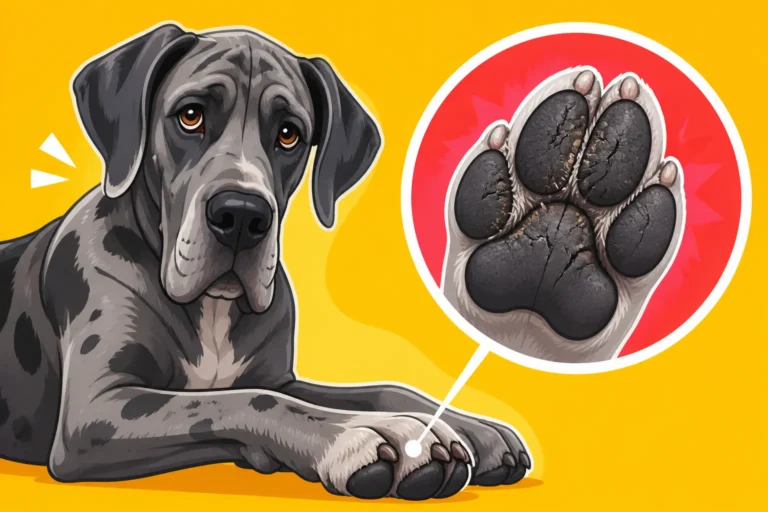
Dry, cracked paw pads are a frustratingly common ailment for many Great Danes. These aren't just cosmetic issues; deep cracks can be incredibly painful, making walking unbearable, and they also create entry points for bacteria, leading to infection. Factors like extreme weather (hot pavement, icy sidewalks), harsh cleaning chemicals, or even simply a lack of natural oils can contribute to dryness. You might notice your Dane licking their paws excessively, leaving behind little bloody prints, or showing reluctance to walk on certain surfaces. It's heartbreaking to see their big, gentle paws in such discomfort.
Sometimes, genetics or underlying health conditions can play a role in chronically dry pads. For instance, some Danes might have a predisposition to thicker, harder pads that are more prone to cracking. Regular moisturizing with a high-quality paw balm or wax, easily found on sites like Chewy or Amazon, can make a huge difference in keeping those pads supple and resilient. Just ensure whatever you apply is dog-safe, as they will inevitably lick it.
Hyperkeratosis
Hyperkeratosis is a condition where excessive keratin builds up on the paw pads (and sometimes the nose), leading to thick, hard, crusty, and often fissured tissue. It can look like rough, horn-like growths, and while sometimes benign, it can become incredibly uncomfortable and painful for your Great Dane. These hardened areas can snag, crack, and bleed, making normal movement difficult. It's often associated with older dogs or certain genetic predispositions, and in some cases, it can be a symptom of a more serious underlying health issue, such as an autoimmune disease or zinc deficiency.
Management usually involves regularly trimming or filing the excess keratin (which often requires a vet's help) and keeping the pads moisturized to prevent cracking. While you can use topical softening agents, if you suspect hyperkeratosis, a vet visit is essential to rule out systemic causes and get a proper diagnosis and treatment plan. It’s not something you want to try to tackle with home remedies alone, especially considering the potential for pain and infection.
Cuts, Abrasions, and Punctures
Due to their size and sometimes clumsy nature, Great Danes are prone to stepping on things that can cut, abrade, or puncture their paw pads. A stray piece of glass in the park, a sharp stick in the woods, or even rough gravel can cause significant damage. These injuries can be deceptively deep and can become infected quickly, especially if debris remains embedded. Signs of such injuries include sudden lameness, limping, excessive licking of a paw, or visible blood.
It’s crucial to inspect your Dane’s paws meticulously after walks, particularly if you’ve been in an area with potential hazards. If you find a cut, gently clean it with an antiseptic solution (like dilute povidone-iodine or chlorhexidine, as recommended by your vet), and assess its depth. For anything more than a superficial scrape, or if you suspect something is lodged deep, it’s always best to seek veterinary attention. A deep puncture wound can easily lead to a serious Bone Infections After a Great Dane Fracture or other complications if not properly cleaned and treated.
Interdigital Cysts and Infections
The spaces between a Great Dane's toes, known as the interdigital spaces, can be prime breeding grounds for cysts and infections. These areas are often moist, warm, and can trap dirt, allergens, or foreign bodies, leading to irritation. An interdigital cyst (or pododermatitis) is a painful inflamed lump or lesion that forms between the toes, often appearing as red, swollen bumps or sores. They can rupture, weep, and bleed, causing intense discomfort and lameness.
Infections in these areas can be bacterial, fungal, or a combination, and are often characterized by redness, swelling, pus, a foul odor, and persistent licking or chewing by your dog. If you notice your Great Dane constantly bothering their paws, limping, or if the interdigital skin looks inflamed, it’s time for a vet visit. Treatment usually involves antibiotics or antifungals, topical treatments, and sometimes even a special cleansing routine.
Corns and Calluses
While less common than in some other breeds, Great Danes can develop corns (small, hard, painful lesions that grow into the pad) or calluses (thickened, hardened skin, often over bony prominences like the elbows, but sometimes on the pads). Corns are often found on a single toe pad and can be extremely painful, making it feel like they're walking on a pebble. Calluses, on the other hand, are usually a protective response to repeated pressure or friction.
If your Dane develops a corn, veterinary intervention is almost always necessary, as they can be difficult to remove and often recur. Calluses on the pads are generally less problematic but should still be monitored for cracking or infection. Ensuring your Great Dane has soft, supportive Bedding That Prevents Great Dane Hygromas can help prevent excessive pressure that might contribute to these issues.
Routine Care and Maintenance for Great Dane Paws
Preventative care is truly your best friend when it comes to your Great Dane's paws. Establishing a regular routine will not only keep their feet healthy but also help you catch any issues early before they become severe.
Regular Inspection
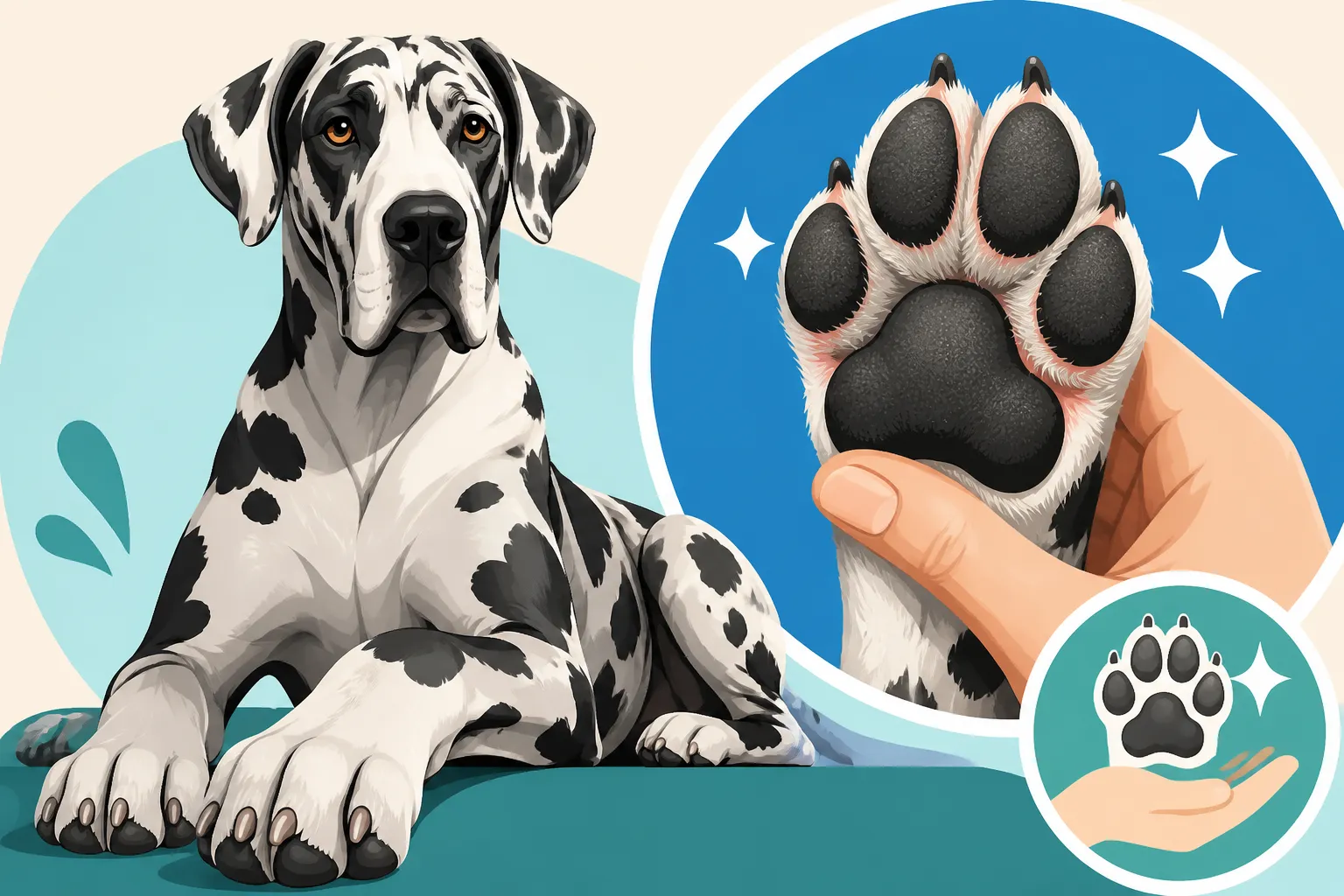
Make it a habit to check your Great Dane's paws daily or at least several times a week, especially after walks or outdoor play. This isn't just a quick glance; it's a thorough, hands-on examination. Gently separate each toe, feeling between the pads for any lumps, bumps, foreign objects, or signs of irritation. Look for redness, swelling, cuts, splinters, or excessive dryness. Check the nails for cracks or overgrowth, and make sure their dewclaws (if present) aren't curling into the skin.
Making this a positive experience with treats and praise will help your Great Dane tolerate, and even enjoy, their paw checks. Remember, they're big dogs, and getting them used to handling their feet from a young age is crucial. This proactive approach allows you to address minor issues—like a small splinter or a touch of dryness—before they turn into major problems requiring a trip to the emergency vet.
Proper Nail Trimming
This is often one of the most dreaded tasks for Great Dane owners, and for good reason! Their nails are thick, their quicks can be long, and many Danes are simply not keen on having their feet handled. However, proper nail length is absolutely critical for a giant breed. Overgrown nails force the toes upwards, putting unnatural pressure on the paw joints and altering their gait, which can lead to lameness and discomfort. It's a huge contributor to joint problems later in life. You can read more about Nail Length and How a Great Dane Stands to understand its importance.
The goal is to trim the nails so they just about touch the ground when your Dane is standing, or ideally, don't touch at all. For a Great Dane, you'll need heavy-duty clippers designed for large breeds, or a powerful Dremel-style grinder. If your Dane is resistant, you might find tips in Trimming Nails a Great Dane Will Not Give You. Take small bits off at a time to avoid hitting the quick, which is extremely painful and can cause bleeding. If you're unsure or struggling, don't hesitate to ask your vet or a professional groomer for assistance. They often have specialized tools and techniques, and it's worth the cost to ensure your dog's comfort and proper nail care.
Moisturizing Pads
Just like our hands, paw pads can get dry, especially with exposure to different terrains and weather. Dry pads are prone to cracking, which can be very painful and invite infection. Regular moisturizing helps keep them supple and resilient. After cleaning their paws, apply a dog-specific paw balm or wax. These products are formulated to be safe if ingested and often contain ingredients like shea butter, coconut oil, or beeswax.
Apply a small amount and gently massage it into each pad, paying extra attention to any dry or rough areas. Doing this before bedtime can be helpful, as your Dane is less likely to walk it off immediately. You can find excellent paw balms from various brands available on Chewy or Amazon, often with natural ingredients. If your Great Dane suffers from Cracked Pads on a Great Dane frequently, a consistent moisturizing routine is non-negotiable.
Keeping Paws Clean
Clean paws are healthy paws. After every walk, especially if you've been on dirty or potentially contaminated surfaces, take a moment to wipe down your Great Dane's feet. Use a damp cloth or pet-safe paw wipes to remove dirt, debris, allergens, and any potentially irritating substances like road salt or chemicals. Pay close attention to the spaces between their toes, as this is where foreign objects and grime love to hide.
For dogs prone to allergies or interdigital issues, a quick paw soak in a dilute antiseptic solution (vet-approved, of course) can be beneficial. This simple habit prevents skin irritation, reduces the risk of infection, and keeps your home cleaner too! Remember that their large size means they track in a lot more than a smaller dog, so regular cleaning is even more important.
Protecting Your Great Dane's Paws
Beyond routine care, there are proactive steps you can take to shield your Great Dane's paws from harm, especially considering the harsh environments they sometimes encounter.
Environmental Hazards
The world outside can be tough on paws. Hot asphalt in summer can cause severe burns, while icy sidewalks and de-icing salts in winter can lead to cracks, dryness, and chemical burns. Sharp objects like broken glass, thorns, or jagged rocks pose a constant threat of cuts and punctures. Even prolonged exposure to wet, muddy conditions can soften pads and make them more susceptible to injury or infection.
Always be mindful of the surfaces your Great Dane is walking on. During extreme weather, adjust your walk times to cooler parts of the day or avoid heavily salted areas. Consider investing in protective footwear or a good paw wax before walks in challenging conditions. A little vigilance goes a long way in preventing painful injuries.
Appropriate Footwear
Yes, even Great Danes can wear boots! While some dogs tolerate them better than others, dog boots can be an invaluable tool for protecting your Dane's paws in specific situations. They are particularly useful for:
- Hot Pavement: Creating a barrier against scorching surfaces.
- Icy Conditions/De-icing Salts: Preventing frostbite and chemical burns.
- Rough Terrain: Offering protection against sharp rocks, thorns, or broken glass during hikes or walks in debris-strewn areas.
- Injured Paws: Keeping a bandaged paw clean and dry while it heals.
It can take some time and patience to introduce boots to a Great Dane, as their size makes them feel a bit clunky at first. Start with short periods indoors, lots of praise, and high-value treats. Make sure you get boots that fit well – too loose and they'll fall off, too tight and they'll chafe. You'll find a wide range of sizes and styles suitable for a Great Dane on platforms like Amazon.
Choosing the Right Bedding
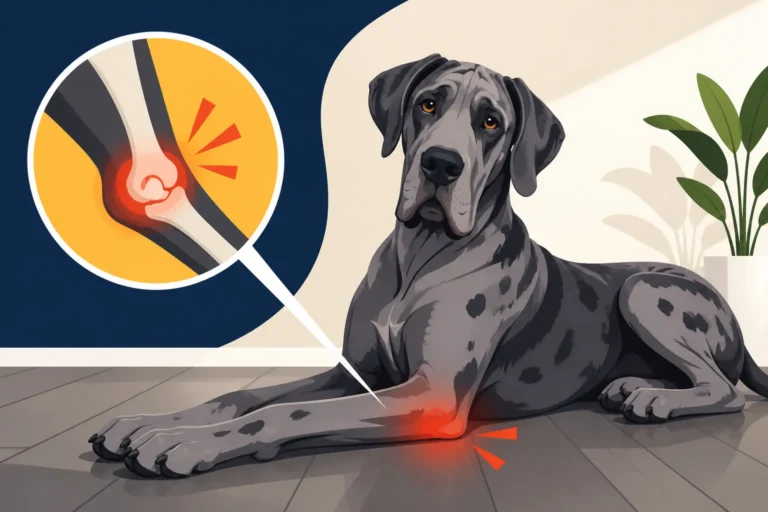
Your Great Dane spends a significant portion of their day resting, and where they rest matters immensely for their paw (and joint) health. Hard floors, even with rugs, can put continuous pressure on their pads and joints, potentially leading to calluses, discomfort, and exacerbating conditions like Great Dane Hips, Elbows and Growing Joints.
Investing in a high-quality, orthopedic bed with dense, supportive foam is crucial for a giant breed. Look for beds that distribute weight evenly and provide ample cushioning. This not only protects their paw pads but also supports their elbows and hips, reducing the risk of conditions like hygromas on their elbows or accelerating arthritis. While they might enjoy sprawling on a cool tile floor occasionally, their primary resting spots should offer substantial support and comfort. Consider placing Rugs and Runners for a Great Dane's Joints in high-traffic areas to provide extra cushioning and traction.
Addressing Specific Problems
Despite our best efforts, sometimes problems arise. Knowing how to handle minor issues at home and when to call in the professionals is key.
Treating Minor Injuries at Home
For minor cuts, scrapes, or superficial abrasions, you can often provide initial care at home. Start by thoroughly cleaning the wound with a mild antiseptic solution (e.g., dilute chlorhexidine or povidone-iodine solution, never hydrogen peroxide as it can damage tissue). Gently remove any visible debris with clean tweezers. Once clean, you can apply a thin layer of a pet-safe antibiotic ointment (like Neosporin, but consult your vet first) and cover it with a sterile gauze pad and self-adhesive veterinary wrap. Ensure the wrap isn't too tight, as this can cut off circulation, and change it daily.
Keep your Great Dane from licking the wound by using an Elizabethan collar if necessary. If the wound is deep, bleeding heavily, doesn't stop bleeding after a few minutes of direct pressure, or shows signs of infection (pus, foul odor, excessive swelling, fever), it's time for professional help. Remember, a "minor" injury can quickly become a "major" one in a Great Dane due to their size and the challenges of keeping a wound clean and protected.
Managing Chronic Conditions
Some Great Danes may develop chronic paw conditions, such as recurring interdigital cysts, persistent hyperkeratosis, or chronic dryness that leads to Cracked Pads on a Great Dane. Managing these often requires a multi-faceted approach and ongoing communication with your veterinarian. This might involve:
- Specialized Topical Treatments: Prescription creams, ointments, or medicated soaks.
- Dietary Adjustments: Sometimes, conditions are linked to nutritional deficiencies or allergies. Your vet might recommend a therapeutic diet, which you can often order through services like Ollie or Chewy.
- Immunosuppressants: For autoimmune-related paw issues.
- Regular Trimming/Filing: For conditions like hyperkeratosis.
- Environmental Control: Identifying and minimizing exposure to irritants or allergens.
Chronic conditions can be frustrating for both you and your Great Dane, often requiring patience and consistency. It's about finding a long-term strategy that keeps your dog comfortable and prevents flare-ups.
Diet and Supplements for Pad Health
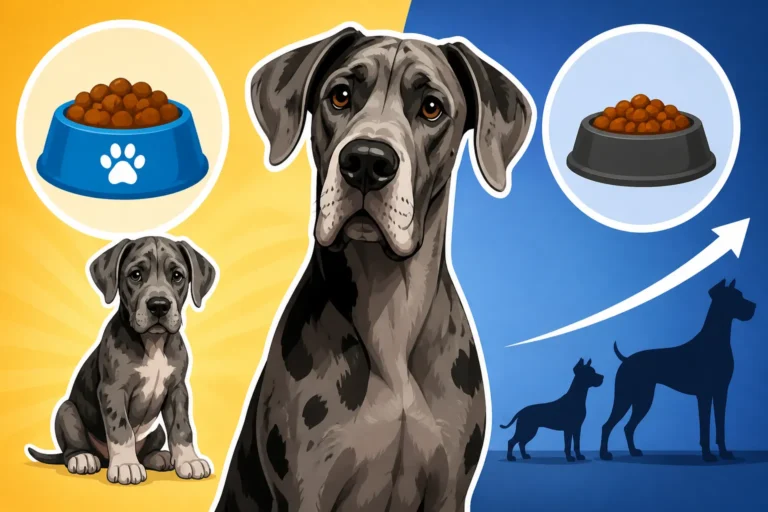
What goes into your Great Dane's bowl can absolutely impact their paw health. A balanced, high-quality diet provides the necessary nutrients for healthy skin, coat, and paw pads. Look for foods rich in Omega-3 and Omega-6 fatty acids, which are vital for skin barrier function and reducing inflammation. Ingredients like fish oil, flaxseed, and certain vegetable oils are great sources.
In some cases, your vet might recommend specific supplements to support paw health, especially if your Dane has chronically dry, cracked, or inflamed pads. Biotin, zinc, and additional fatty acid supplements can be beneficial. However, always consult with your veterinarian before adding any supplements to your Great Dane's diet. Over-supplementation, particularly with minerals like calcium, can be detrimental to giant breeds, especially during their crucial growth phases. They will advise on the correct dosage and ensure it doesn't interact negatively with other medications or existing health conditions.
When to Seek Veterinary Help for Paw Problems
It can be hard to know when a paw problem warrants a vet visit versus when it's something you can manage at home. With a Great Dane, it's often better to err on the side of caution due to their size and potential for rapid escalation of issues.
Signs of Serious Injury or Infection
Don't delay contacting your vet if you observe any of the following signs:
- Severe or Persistent Lameness: If your Great Dane is refusing to put weight on a paw, hopping, or limping significantly for more than a day. A mild limp might resolve, but a persistent one or a sudden inability to bear weight could indicate a fracture, deep puncture, or severe sprain. A Great Dane That Limps Without an Injury often needs a professional diagnosis.
- Excessive Bleeding: If a wound is bleeding profusely and doesn't stop after 5-10 minutes of direct pressure, or if the bleeding recurs.
- Obvious Deformity or Swelling: Any visible change in the shape of the paw or toes, or significant, rapid swelling, could indicate a fracture, dislocation, or severe inflammation.
- Signs of Infection: Pus, a foul odor, extreme redness spreading beyond the initial injury, warmth to the touch, or fever.
- Deep Puncture Wounds: Even if they don't look large on the surface, these can be deep and carry bacteria into the tissues, leading to serious infection.
- Extreme Pain: If your Great Dane cries out when the paw is touched, tries to bite, or shows unusual aggression or withdrawal when you examine their foot.
- Failure to Improve: If a minor issue you've been treating at home isn't showing signs of improvement within 24-48 hours, or if it worsens.
Your vet is the best resource for diagnosing and treating these more serious issues. The Vet Spending a Great Dane Needs Anyway includes unexpected visits like these, so it's wise to always be prepared.
Persistent Lameness
Lameness is one of the most common reasons giant breed owners seek veterinary care. If your Great Dane is consistently limping, even subtly, it's a clear signal that something is wrong. Don't assume they're just being dramatic or that it will "get better on its own." Persistent lameness, especially in a growing Great Dane, could be a sign of anything from a minor sprain to a serious orthopedic issue like osteosarcoma (bone cancer) or a growth plate injury. In older Danes, it might point to arthritis or other degenerative joint diseases.
A vet can perform a thorough physical examination, palpate the paw and leg, and often recommend imaging like X-rays to pinpoint the cause. Early diagnosis can be crucial for many conditions, leading to more effective treatment and better outcomes. For instance, addressing issues early can sometimes prevent the need for more invasive procedures or slow the progression of chronic conditions. As your Great Dane ages, it's even more important to be vigilant for Caring for a Great Dane Past Six and any changes in their mobility.
Professional Diagnosis and Treatment
When in doubt, a trip to the vet is always the wisest choice. They have the expertise, diagnostic tools, and treatments necessary to address a wide range of paw problems that are beyond the scope of home care. This might include:
- X-rays: To check for fractures, foreign bodies, or joint issues.
- Blood Tests: To look for underlying systemic diseases contributing to skin or paw problems.
- Cultures: To identify the specific bacteria or fungi causing an infection.
- Pain Management: Prescribing appropriate pain relief for your large Great Dane, which often requires specific dosages and types of medication due to their size. Pain Relief for a Great Dane With Bone Cancer often involves careful prescription.
- Surgery: For removing foreign bodies, repairing deep wounds, or addressing severe orthopedic issues.
- Specialized Care: Referral to a veterinary dermatologist or orthopedic specialist for complex or chronic conditions.
Remember, your Great Dane relies on you to be their advocate. Their paws are essential for their quality of life, and proactive, informed care is the best gift you can give them.
| Paw Problem | Common Signs | Initial At-Home Care | When to See Vet |
|---|---|---|---|
| Dry/Cracked Pads | Roughness, visible cracks, excessive licking | Paw balm/wax, regular moisturizing, soft bedding | Deep fissures, bleeding, limping, infection signs |
| Overgrown Nails | Clicking on floor, splayed toes, reluctant walking | Regular trimming/grinding, professional help | Ingrown nails, bleeding, limping, severe discomfort |
| Minor Cuts/Abrasions | Small visible wound, slight limp, licking | Clean gently, antiseptic wash, light bandage | Deep cuts, heavy bleeding, embedded debris, infection |
| Interdigital Issues | Redness, swelling between toes, odor, licking | Keep clean & dry, paw wipes, gentle washing | Lumps/cysts, pus, strong odor, severe lameness, pain |
| Sudden Limping (no visible injury) | Favoring a paw, refusing to walk, pain on touch | Rest, gentle massage (if tolerated), observation | Persistent lameness, swelling, pain, inability to bear weight |
Disclaimer
This article is for general informational purposes only and does not constitute professional advice. Laws, prices and regulations vary by location and change over time. Consult a qualified professional for guidance on your specific situation.