Rugs and Runners for a Great Dane’s Joints
If you share your home with a majestic Great Dane, you know the heart-stopping fear that accompanies those unexpected skids and splayed-out moments on your smooth floors. That sudden scramble for purchase, the way their giant legs splay out from under them – it’s not just alarming, it's genuinely dangerous. This guide isn't just about decor; it's about understanding why rugs and runners are absolutely critical for protecting your gentle giant's precious joints and preventing painful, expensive injuries.
The Hidden Danger of Hard Floors for Giant Breeds
It’s easy to admire the sleek look of hardwood or tile, but for a Great Dane, these surfaces can be a silent threat. Their immense size and unique gait make them particularly vulnerable to slips and falls, which can lead to both immediate trauma and long-term degenerative conditions.
Why Hardwood and Tile Are a Slip Hazard
Imagine a 150-pound creature, all long legs and powerful momentum, trying to stop quickly or change direction on a surface with virtually no traction. That's your Great Dane on a smooth floor. Their paw pads are designed for grip on natural, uneven terrain, not polished surfaces. When they try to accelerate for a zoomie, or simply stand up from a nap, their paws can lose purchase instantly, sending their body hurtling in an uncontrolled slide.
This isn't just a minor inconvenience; it's terrifying. I’ve seen my own Dane, Titan, splay out like a frog on our kitchen tile when he got a burst of energy. His back legs shot out so far to the side, and it took him a frantic moment to gather himself. Each time, my heart leaps into my throat, imagining a torn ligament or a dislocated hip. Puppies, with their boundless energy and less developed coordination, are especially prone to these terrifying slips. Their bodies are still growing, and any sudden, uncontrolled movement puts immense strain on their developing bones and soft tissues. Even senior Danes, who might move more slowly, often have weakened muscles and less balance, making them equally susceptible to dangerous tumbles.
The Long-Term Impact on Great Dane Joints
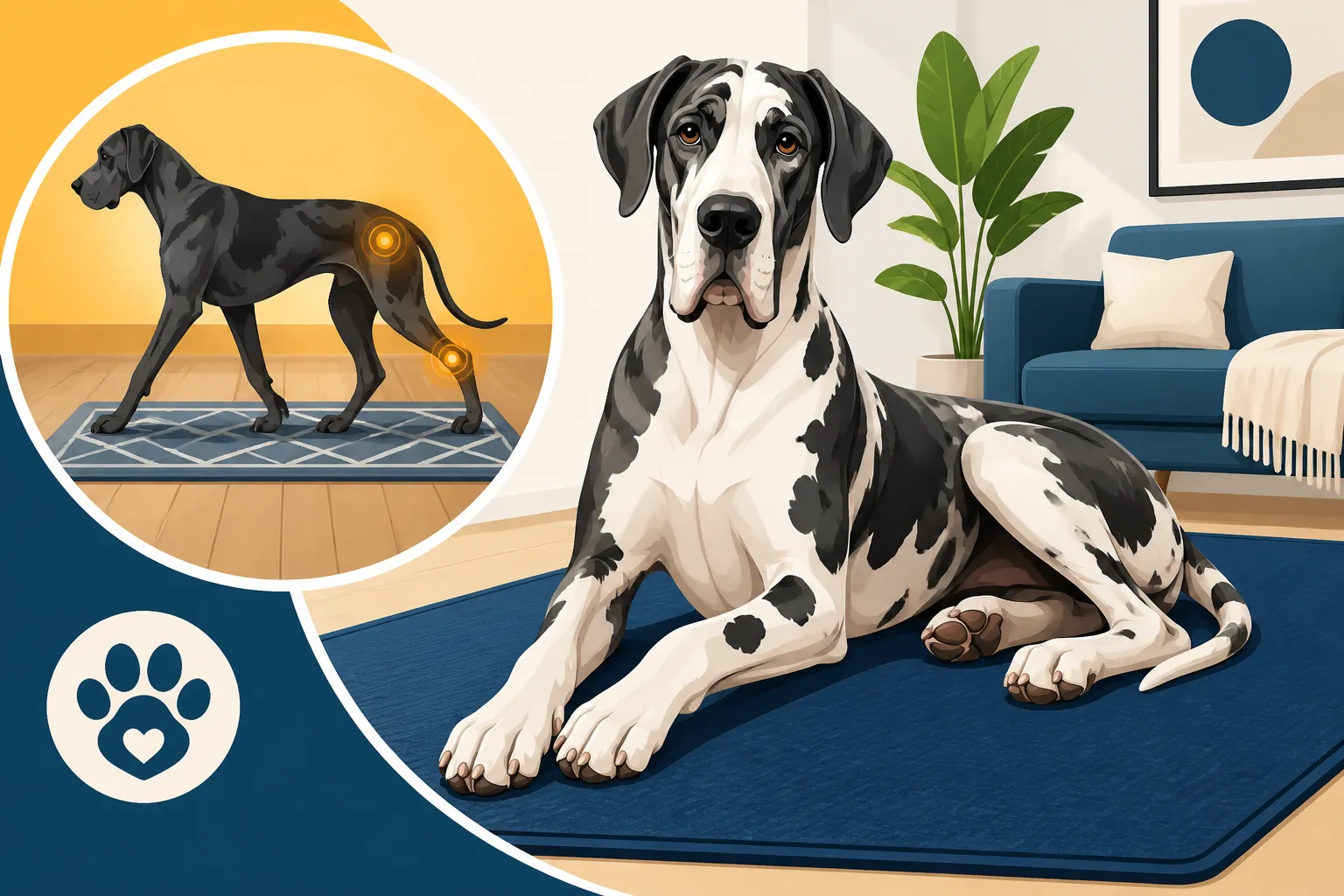
Beyond the immediate risk of injury, the cumulative effect of constant slipping and straining on hard floors can be devastating for a Great Dane's joints. Every time their paws slide, their ligaments and tendons are stretched and stressed, and their joints absorb impact unevenly. This repetitive micro-trauma contributes significantly to the development and worsening of conditions like hip and elbow dysplasia, which Great Danes are already genetically predisposed to. You might think, "Oh, it's just a little slip," but those "little slips" add up over years, accelerating the wear and tear on cartilage and leading to chronic inflammation and pain.
Consider a dog that spends its entire life trying to find traction. Their muscles are constantly tensed, trying to compensate, which can lead to muscle fatigue and even more instability. This chronic strain can exacerbate existing issues or trigger new ones, making their golden years far less comfortable. It's a sad reality that conditions like Great Dane Hips, Elbows and Growing Joints and Arthritis in a Six-Year-Old Great Dane are common, and while genetics play a role, their living environment plays a significant part in managing or worsening these conditions. Investing in proper floor coverings is an investment in their long-term comfort and mobility.
Accident Prevention Beyond Just Slips
It's not just about preventing slips; it's about providing a safe, stable environment for a breed that experiences unique health challenges. A hard fall, even if it doesn't involve splaying out, can cause significant trauma. A Dane tripping over their own feet on a hard surface can jar their spine or neck, potentially aggravating conditions like Wobbler's Syndrome, a neurological issue affecting the neck that is seen in Great Danes. For a detailed look at this, you might read about The Neck Condition That Trips a Great Dane Up. Imagine the impact of a 150-pound dog collapsing onto a hard floor; it's far more severe than a smaller dog's fall.
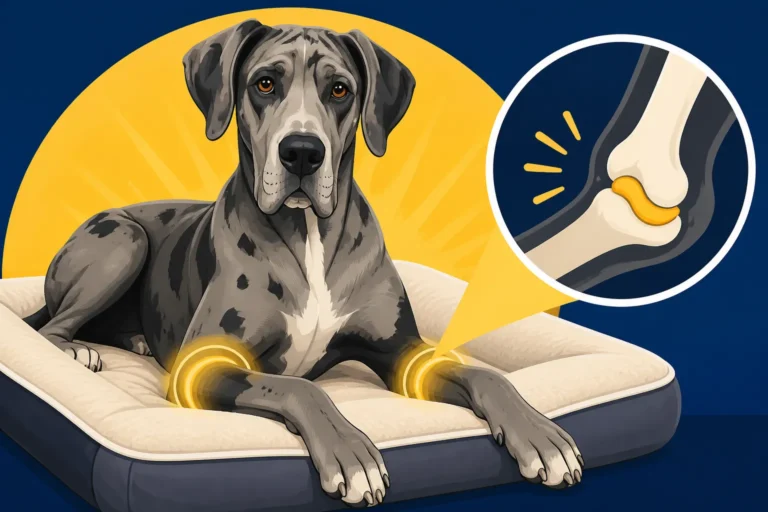
Furthermore, a dog that fears slipping might become hesitant to move, leading to a more sedentary lifestyle. This lack of appropriate exercise can contribute to weight gain, which then puts even more strain on their already vulnerable joints. It's a vicious cycle that can be mitigated by providing surfaces where they feel confident and secure. Ensuring soft, stable landings around common resting areas can also help prevent pressure sores and hygromas, especially on their prominent elbows, a topic well worth exploring in Hard Floors and a Great Dane's Elbows.
Choosing the Right Rugs and Runners for Your Great Dane
Once you've accepted that rugs are a necessity, the next step is choosing the right ones. It's not just about aesthetics; it's about functionality, durability, and most importantly, safety for your giant companion.
Material Matters: Grip, Durability, and Comfort
When picking out rugs and runners, you're looking for a few key characteristics. First and foremost: grip. The rug itself needs to offer traction for your Dane's paws, but just as crucially, it must not slide on the underlying hard floor. Look for rugs with integrated non-slip backings, or plan to purchase high-quality rug pads separately. A thin rubber waffle-style pad often works wonders, providing both cushioning and crucial stability. I’ve made the mistake of buying a beautiful rug only to have it bunch up and become a new tripping hazard for my clumsy Dane, creating more problems than it solved. Sites like Amazon offer a vast selection of non-slip rug pads that can be cut to size, so you can custom-fit them to your chosen rugs.
Durability is another huge factor. Your Dane isn't just walking on these; they're probably napping on them, perhaps occasionally digging at them, and definitely bringing in outside elements. Synthetic materials like nylon or polypropylene are often excellent choices because they’re incredibly tough, resistant to stains, and typically easy to clean. Low-pile rugs are generally preferred, as they offer sufficient traction without creating a tripping hazard or becoming matted with shedding fur. Avoid thick, shaggy rugs which can be difficult for a Great Dane to walk on and nearly impossible to keep clean.
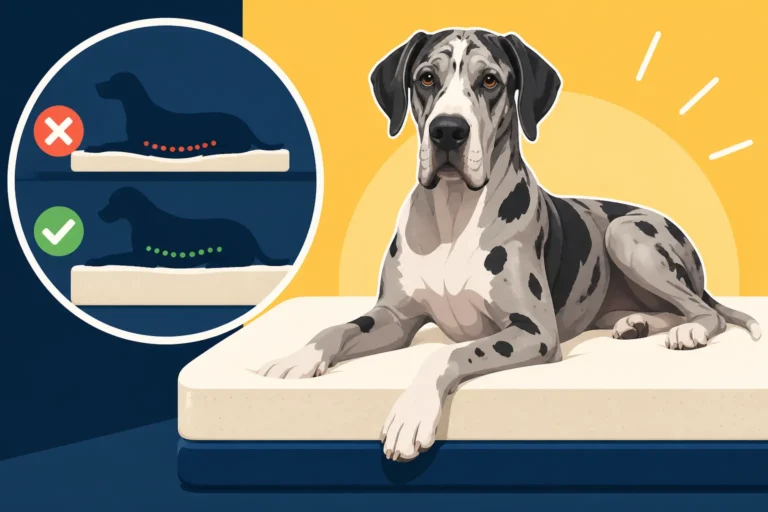
Comfort is also a consideration, particularly for areas where your Dane might lounge. A little cushioning can go a long way in supporting their heavy bodies and reducing pressure on their joints, especially if they’re prone to elbow hygromas, which you can learn more about in Bedding That Prevents Great Dane Hygromas.
Sizing Up Your Space: Where Do Danes Need Coverage Most?
You don't necessarily need to carpet your entire home, but strategic placement is key. Think about your Dane's common pathways. Where do they walk most often? The path from their bed to the water bowl, from the living room to the kitchen, or through a long hallway – these are prime candidates for runners. Entryways are also crucial, as Danes often come in with muddy paws or burst in with excited energy.
Consider creating "safe zones" in your main living areas. If your Dane loves to sprawl out in front of the sofa, a large area rug here provides a comfortable, non-slip spot for them to relax. The goal is to provide continuous, unbroken pathways of traction so they don't have to navigate slippery stretches to get to their favorite spots. For instance, if their bed is on a carpeted area, but their water bowl is across a slick tile floor, extend a runner to connect these two points. Think about how they navigate stairs too; sometimes, full stair runners are necessary if your Great Dane is allowed to use them, although many owners opt to restrict stair access due to joint concerns, especially with older dogs. We discuss stair climbing further in Whether a Great Dane Should Climb Stairs.
| Rug/Runner Material | Grip for Paws | Durability | Ease of Cleaning | Cushioning | Best Use for Danes |
|---|---|---|---|---|---|
| Low-Pile Synthetic (Nylon/Polypropylene) | Excellent | Excellent | Very easy (stain-resistant) | Low to Medium | High-traffic areas, main pathways |
| Natural Fiber (Jute/Sisal) | Good | High | Moderate (can be harder to spot clean) | Low | Low-to-medium traffic, entryways |
| Rubber-Backed Mats | Excellent | Medium | Easy (often hoseable/machine washable) | Low | Entryways, kitchen, specific slip zones |
| Memory Foam/Thick Foam Mats | Medium (needs non-slip backing) | Medium | Moderate (spot clean, can absorb odors) | Excellent | Bedside, lounging areas, older Danes |
Cleaning and Maintenance for Dane-Sized Messes
Let’s be real, owning a Great Dane means living with a certain amount of… stuff. Shedding hair, drool, muddy paw prints, and the occasional accident are just part of the package. So, your rugs need to stand up to regular cleaning. Look for materials that are easy to vacuum and spot clean. Machine washable runners can be a godsend for entryways or kitchen areas where messes are frequent. If you’re considering an area rug, check for stain-resistant treatments.
For those inevitable drool puddles (especially after a good drink!), having a rug that can be wiped clean quickly prevents it from soaking in and becoming a lingering odor. Brands available on Chewy often carry specific pet-friendly mats that are designed with durability and easy cleaning in mind, sometimes even featuring antimicrobial properties. Regular vacuuming, at least a few times a week, will help manage the constant shedding and keep the fibers from becoming matted. If a rug is too difficult to clean, it quickly becomes an eyesore and a potential hygiene issue, no matter how much joint protection it offers.
Practical Application: Integrating Rugs into Your Dane's Life
It's one thing to buy rugs; it's another to make them truly effective and safe for your Great Dane. Thoughtful placement and securing methods are just as important as the type of rug you choose.
Securing Your Rugs: Preventing Them From Becoming a Hazard
A rug that slides is worse than no rug at all. Imagine your Great Dane launching into a playful gallop, hitting a rug, and having it slide out from under them. This can result in an even more awkward and dangerous fall than simply slipping on the bare floor, as the rug can bunch up and trip them. This is a battle I know well – the constant re-adjustment of rugs that have migrated across the room after a particularly enthusiastic game of fetch.
The solution lies in reliable non-slip methods. High-quality rubber rug pads are the gold standard. They provide a tacky surface that grips both the floor and the rug, keeping it firmly in place. For runners, especially in high-traffic areas or hallways, double-sided rug tape can be incredibly effective. Make sure the tape is strong enough to withstand the sheer force of a Great Dane running over it. You'll want to choose products that are floor-safe and won't damage your hardwood or tile finishes over time. Some thicker, heavier area rugs might stay put with just a good rug pad, but lighter runners absolutely need extra anchoring. You can find a range of options for these vital accessories easily online, making securing your home safer for your giant dog.
Creating Safe Paths and Zones
Think of your home as a giant obstacle course from your Dane's perspective. Your job is to create clear, continuous, and safe pathways. This means connecting carpeted rooms with runners across the hard floor spaces in between. If your Dane has a specific route they take from the bedroom to the living room every morning, ensure that entire path is covered. For older Danes, who might already be showing signs of joint stiffness or reduced mobility, these clear, non-slip paths become even more critical. They prevent hesitant movements and encourage a sense of confidence in their environment.
Observe your Dane's daily routines. Where do they get up and lie down? Where do they eat and drink? Where do they enter and exit the house? These are prime locations for focused rug placement. For example, a large, well-cushioned mat under their food and water bowls not only catches drool and spills but also provides a secure footing while they eat. It's about proactive planning, anticipating their movements, and mitigating risks. This approach ties into holistic care for a Great Dane, especially as they age. Learning to anticipate their needs, as explored in Caring for a Great Dane Past Six or understanding The Great Dane Years That Count as Senior, means adapting their environment to support their changing bodies.
Considering the Aesthetics vs. Functionality Trade-off
Let's face it, we all want our homes to look nice. But when you own a Great Dane, their safety and well-being often have to take precedence over interior design trends. This isn't to say you have to sacrifice all style! Many companies now offer attractive, durable, and pet-friendly rugs in a variety of colors and patterns. You might have to compromise on that delicate, hand-knotted antique rug in favor of something more practical, but practical doesn't have to mean ugly.
Look for patterns or darker colors that can help camouflage inevitable pet hair and minor stains between cleanings. Consider modular rug tiles, which allow you to replace individual sections if one gets severely stained or damaged, rather than having to buy an entirely new rug. While you might dream of minimalist, pristine floors, the peace of mind knowing your Great Dane isn't risking a serious injury every time they move is truly invaluable. It’s a worthwhile trade-off for the unconditional love and giant cuddles they bring into your life. Embrace the practicality; your Dane will thank you for it in every confident stride they take across your newly Dane-friendly floors.
Disclaimer
This article is for general informational purposes only and does not constitute professional advice. Laws, prices and regulations vary by location and change over time. Consult a qualified professional for guidance on your specific situation.