Teaching a Great Dane to Sit Before It Weighs Eighty Pounds
Bringing a Great Dane puppy home is an exciting time, but it quickly becomes clear that these adorable, clumsy giants don't stay small for long. Many new owners find themselves struggling with a rapidly growing pup who, at just a few months old, already outweighs a full-grown Labrador. This guide will walk you through the crucial steps of teaching your Great Dane to sit reliably and politely before they develop the muscle and momentum to knock you over, emphasizing why early and consistent training is absolutely essential for a harmonious life together.
Why Early "Sit" Training Is Non-Negotiable for Great Danes
It's a common tale: a sweet, playful Great Dane puppy, all gangly legs and floppy ears, tries to jump up for attention. It's cute when they're 30 pounds, but it's a completely different story when they're 130 pounds and still growing. This isn't just about good manners; it's about safety, control, and establishing a clear line of communication with a dog that will soon be larger than many adult humans. Delaying fundamental training like "sit" can lead to serious behavioral challenges that are exponentially harder to correct once your Dane is fully grown.
The Sheer Physics of a Growing Giant
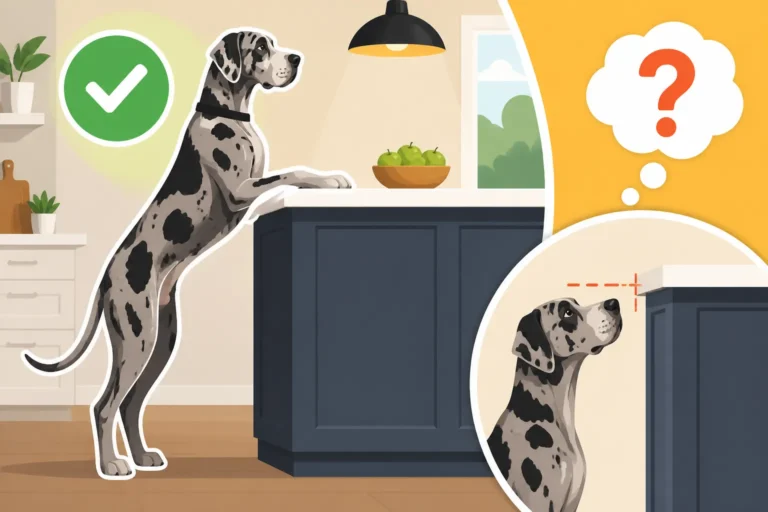
Let's be real, a Great Dane puppy grows at an astonishing rate. They can put on several pounds a week, sometimes feeling like they've grown an inch overnight! What might start as a gentle nudge or an enthusiastic paw on your thigh can quickly become a full-body slam that sends you, or a guest, sprawling. Imagine trying to stop a freight train once it's already in motion – that's often what it feels like to try and teach a mature Great Dane a basic command they missed as a puppy. Their sheer size and power mean that any unmanaged behavior, even something seemingly minor like jumping, becomes a significant issue. Starting with simple commands like "sit" early on helps instill a habit of thoughtful interaction and respect for personal space, a habit that is invaluable when they reach their adult stature. You really don't want to be battling a wiggly 80-pounder who doesn't understand "sit" when you're just trying to tie your shoes or open the front door.
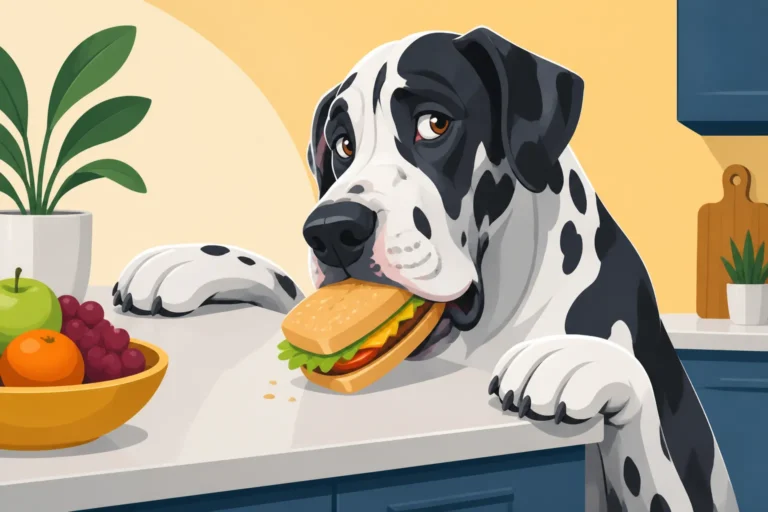
Consider a busy scenario, like when a friend or family member comes to the door. Your little Great Dane puppy might still be small enough to scoop up, but by four or five months, they're already a force to be reckoned with. If they haven't learned to sit calmly when someone arrives, they'll inevitably try to jump up, possibly startling or even injuring a visitor, especially children or elderly individuals. This isn't because they're malicious; it's simply because they're a large, excited dog who hasn't been given the proper tools to manage their enthusiasm. It's about setting them up for success, and that means training them when they're small and manageable, making the learning curve much smoother for both of you.
Building a Foundation for Future Manners
The "sit" command isn't just an isolated trick; it's a cornerstone of good canine manners and a crucial foundation for nearly every other behavior you'll want your Great Dane to learn. Think about it: if your dog can reliably sit on command, you can ask them to sit before getting their food bowl, before going out the door, before greeting people, or before getting on the leash. It’s a polite way to ask for attention and a critical tool for impulse control. This command teaches them to pause, to think, and to offer a desired behavior, rather than simply reacting to every stimulus.
This foundational command becomes particularly important when you consider all the scenarios where a well-behaved Great Dane needs to be calm and collected. Imagine taking your Dane to the vet – a common stressor for many dogs. Being able to ask them to sit patiently in the waiting room, rather than pacing or trying to greet every person and pet, makes the experience less stressful for everyone involved. Similarly, if you're out on a walk and encounter another dog or person, a quick "sit" can prevent pulling, jumping, or unwanted interactions. It's a universal "please" and "thank you" in the dog world, a way for them to communicate polite requests and responses. Starting this early, when your pup is still soaking up information like a sponge, makes the entire training process more efficient and effective, giving them a vocabulary to navigate the world appropriately. You'll find that once they master "sit," other commands like "stay," "down," or even Teaching a Great Dane a Place to Settle become significantly easier to teach and reinforce.
Mastering the "Sit" Command: Step-by-Step for Your Great Dane Puppy
Teaching your Great Dane puppy to sit isn't rocket science, but it does require consistency, patience, and the right approach. The goal is to make it a positive and rewarding experience, so your puppy associates sitting with good things happening. Remember, you're competing with a puppy's natural desire to explore and play, so keeping sessions short, fun, and highly rewarding is key.
Lure-and-Reward Method for Little Pups
This is often the easiest and most effective way to start teaching the "sit" command to a young Great Dane puppy. Your puppy is naturally motivated by food, and we're going to use that to our advantage. Start in a quiet area with minimal distractions. Hold a high-value treat (something your puppy absolutely loves, like small pieces of cooked chicken, cheese, or specialized training treats) close to their nose. Let them sniff it, but don't let them grab it yet.
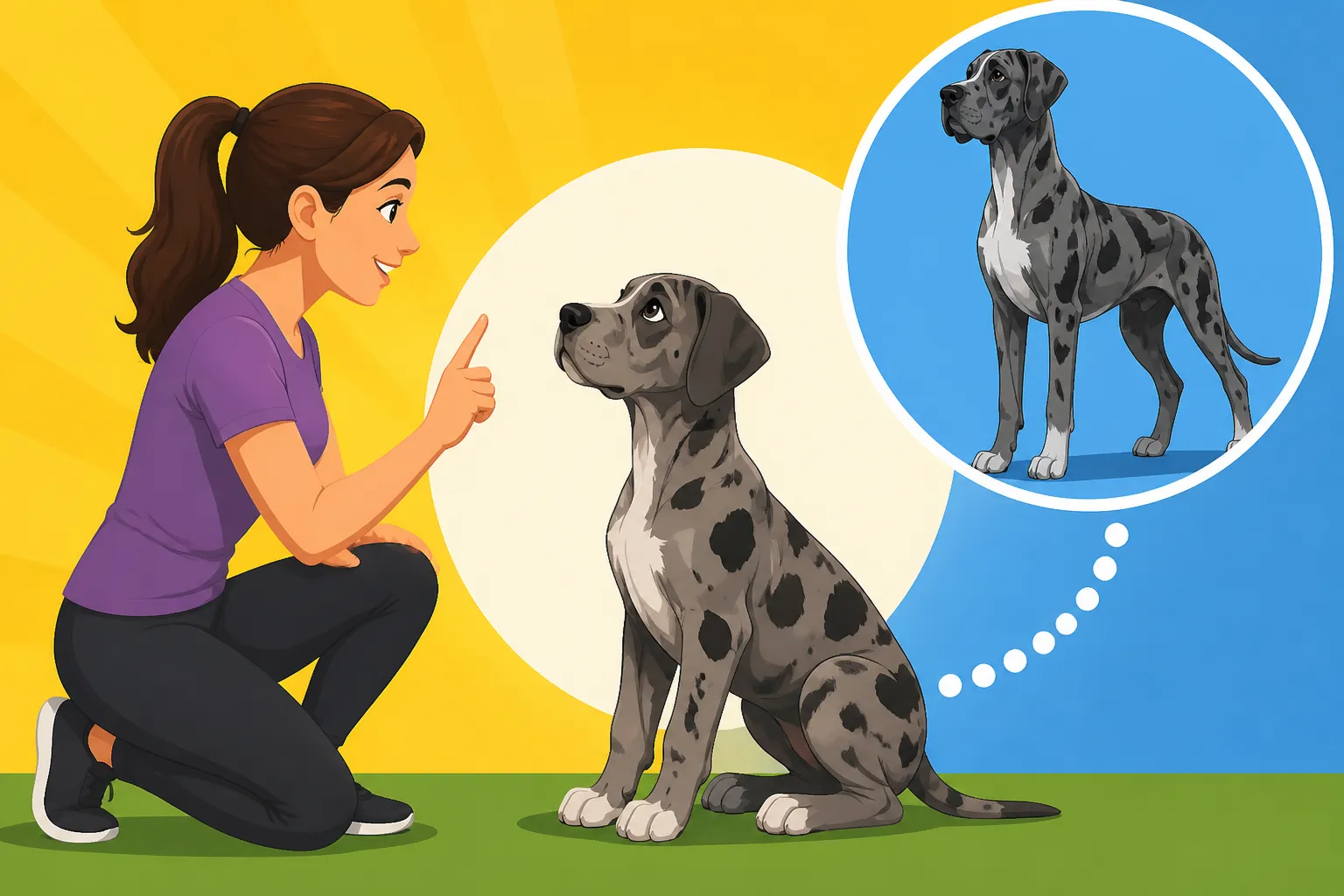
Now, slowly move the treat up and back over their head, towards their tail. As their nose follows the treat, their head will naturally tilt upwards, and their rear end will usually lower to the ground into a sit position. The instant their bottom touches the ground, say "Yes!" or "Good sit!" in a happy voice, and immediately give them the treat. Repeat this several times. The key is to be quick with your reward the very second they sit, so they clearly understand what action earned them the yummy treat. Don't worry if it's not a perfect sit at first; any lowering of the rear is a step in the right direction. The more you practice, the faster and more reliably they'll perform the action.
Adding the Verbal Cue and Hand Signal
Once your Great Dane puppy is reliably following the lure into a sit, it's time to introduce the verbal cue and a hand signal. As you bring the treat over their head, just before their bottom touches the ground, say "Sit." Then, follow through with the lure and reward as before. The timing here is important: you want to pair the word "sit" with the action of sitting, not after they've already sat. Your hand signal can be a simple gesture, like holding your open palm upwards and then bringing it down as if pressing their bottom. This visual cue will be incredibly helpful later, especially if your dog is in a noisy environment or far away.
After several repetitions, try to fade the lure. Instead of holding the treat right at their nose, make the hand motion as if you still have the treat, but keep it a little further away, or even hidden in your other hand. If they sit, reward them generously. If they don't, go back to using the lure more obviously, and try again. The goal is for them to associate the verbal cue and hand signal with the action, even without seeing the treat immediately. Remember, repetition is your friend here. Short, frequent sessions (2-5 minutes, several times a day) are far more effective than one long, tedious session for a puppy. This early foundation is critical, as you don't want to be trying to control a rambunctious 80-pound Great Dane who hasn't grasped these basic concepts. For more insights on what foundational cues your puppy needs, check out The Cues a Great Dane Needs Before Six Months.
Practice, Persistence, and Patience
Training a Great Dane, especially as a puppy, truly demands these three P's. They are intelligent dogs, but like all puppies, they have short attention spans and can be easily distracted. You'll need to practice the "sit" command in various environments, starting with quiet, low-distraction areas and gradually introducing more stimulating surroundings. Once they reliably sit in your living room, try it in the kitchen, then the backyard, and eventually on a walk. Each new environment is like learning the command all over again for them, so be patient and go back to basics if needed.
Persistence means not giving up. There will be days when your puppy seems to have forgotten everything, or they might be too excited to focus. Don't get discouraged! Just take a break and try again later. Consistency across all family members is also vital. Everyone in the household should use the same command ("Sit," not "Sit down" or "Butt down") and the same hand signal. This eliminates confusion for your puppy. Remember that Great Danes mature slower than smaller breeds, so while they may reach adult size quickly, their brains are still very much in puppy mode. Celebrate every small success, and always end training sessions on a positive note. This positive association will make them eager for future learning, which is critical for a dog that will reach such an imposing size.
Here's a quick overview of the "Sit" training stages:
| Stage | Goal | Method | Reward Strategy | Common Challenge & Tip |
|---|---|---|---|---|
| 1. Lure | Puppy follows treat into a sit. | Treat held at nose, moved back over head. | Instant treat & verbal praise (e.g., "Yes!"). | Puppy jumps instead: lower treat, move slower. |
| 2. Add Cue | Puppy associates "Sit" word/signal with action. | Say "Sit" just before luring. Introduce hand signal. | Instant treat & verbal praise. | Puppy doesn't respond to cue: go back to more obvious lure with cue. |
| 3. Fade Lure | Puppy sits with just cue/signal. | Gradually reduce reliance on visible treat. | Treat & enthusiastic verbal praise, eventually less frequent. | Puppy stops sitting: briefly reintroduce partial lure. |
| 4. Generalize | Puppy sits in new places, with distractions. | Practice in different rooms, then outdoors. | Highly valued treats for success in new environments. | Puppy distracted: return to easier environment, slowly increase difficulty. |
| 5. Proof | Puppy sits reliably under all conditions. | Practice with increasing distractions, duration. | Varied rewards (treats, toys, praise). | Puppy breaks sit: shorten duration, reduce distractions, reward before they move. |
Essential Tools and Techniques for Great Dane Training Success
Training a Great Dane, even for a simple command like "sit," benefits immensely from having the right tools and employing effective techniques. Because of their eventual size, prevention and proper management are far more impactful than trying to correct ingrained behaviors later. Investing in quality training aids and understanding positive reinforcement will pay dividends for years to come.
High-Value Treats and Training Aids
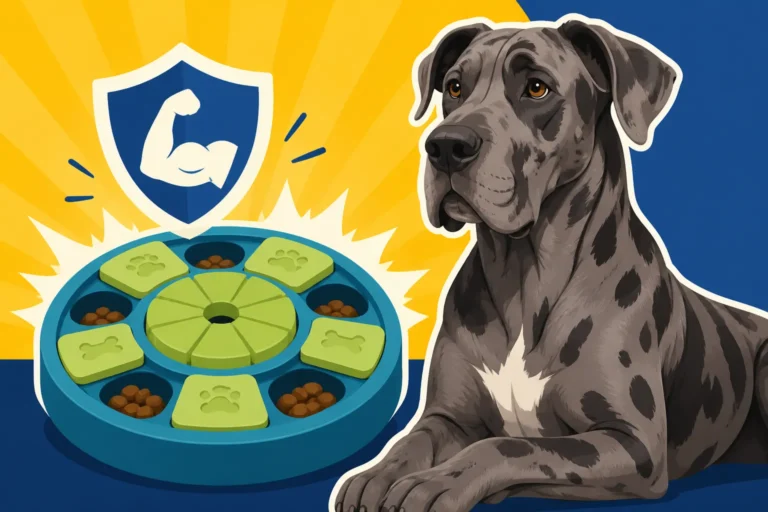
For a Great Dane puppy, especially when learning something new, motivation is everything. This is where high-value treats come in. These aren't just your everyday kibble; these are the irresistible morsels that your puppy will do backflips for. Think small pieces of cooked hot dog, cheese, boiled chicken, or specialized soft, smelly training treats. The smellier and tastier, the better! Cut them into pea-sized pieces so you can give many rewards without overfeeding. You'll go through a lot of treats in the early stages, so consider buying in bulk from places like Amazon to ensure you always have a supply on hand.
Beyond treats, other training aids can be incredibly helpful. A clicker, for example, can be an excellent tool for marking the exact moment your puppy performs the desired behavior. It's a precise sound that tells them, "That's it! That's what I wanted!" followed immediately by a treat. For managing a large puppy, a comfortable, well-fitting harness can also be invaluable, giving you better control during walks and preventing neck strain, which is important for their developing joints. Remember that what works for a Chihuahua might not hold up to the strength of a growing Dane, so ensure any equipment is sturdy and designed for larger breeds.
The Role of Positive Reinforcement
Positive reinforcement is the cornerstone of effective and humane Great Dane training. It means rewarding desired behaviors, making it more likely your dog will repeat them. For Great Danes, who are often sensitive and intelligent, harsh corrections or punishment can be counterproductive, leading to fear, anxiety, or a breakdown in trust. Instead, focus on catching your puppy doing something right and rewarding them for it. Did they sit without being asked? Reward them! Did they stay in a "down" for a few seconds? Reward!
This approach builds confidence and a strong bond between you and your dog. When your Great Dane associates training with positive experiences, they become eager participants, viewing learning as a fun game rather than a chore. This is especially vital for a breed that can be physically imposing; you want them to be willing partners, not forced into compliance. Praise, petting (if they enjoy it), and enthusiastic verbal cues are also forms of positive reinforcement. Combining these with high-value treats creates a powerful learning environment. It’s about teaching them what to do, rather than constantly correcting what not to do, fostering a happy, well-adjusted companion.
When to Seek Professional Guidance
While many basic commands can be taught at home, there are times when professional guidance becomes incredibly beneficial, especially with a breed as large and powerful as a Great Dane. If you find yourself struggling with consistency, facing unexpected behavioral challenges, or simply feeling overwhelmed, a professional dog trainer can provide invaluable support. They can offer personalized advice, troubleshoot specific issues, and help you refine your techniques.
Look for trainers who specialize in positive reinforcement methods and have experience with giant breeds. A good trainer won't just train your dog; they'll teach you how to effectively communicate with and train your Great Dane. Online training programs can also be a fantastic resource. For example, platforms like BAXTER & Bella offer comprehensive online courses and live support, allowing you to learn at your own pace from the comfort of your home. This can be particularly useful for Great Dane owners, as getting a large, sometimes nervous, puppy to an in-person class can be a logistical challenge. Early intervention with a professional can prevent small issues from escalating into major problems as your Great Dane matures, helping to ensure they grow into a well-mannered and cherished family member. Consider enrolling your puppy in a class, even a virtual one, to get a head start. What a Great Dane Puppy Course Runs can give you an idea of what to expect.
Common Challenges and Troubleshooting in Great Dane Training
Even with the best intentions and the right methods, training a Great Dane puppy isn't always smooth sailing. Their size, intelligence, and often goofy nature can present unique challenges. Understanding these common hurdles and having strategies to overcome them will make your training journey much more successful and less frustrating.
Distractions and the Great Outdoors
One of the biggest challenges in training any dog, let alone a Great Dane puppy, is proofing commands in distracting environments. Your puppy might be a perfect "sitter" in your quiet living room, but the moment you step outside where there are squirrels, other dogs, interesting smells, and children playing, it's like their brain turns to mush. They simply can't focus. This is completely normal! Puppies are still learning to filter information and prioritize what's important.
The key to overcoming this is gradual exposure and consistency. Start by practicing "sit" in a slightly more stimulating environment, like your backyard, then a quiet street, and slowly build up to busier areas. Each time you introduce a new level of distraction, lower your expectations and go back to basics. Use your highest-value treats and reward even the smallest effort. Keep sessions short and positive. If your puppy is too distracted to respond, you've likely introduced too much too soon. Move back to a less distracting environment, build up their confidence there, and then try again. Remember, the goal is success, not perfection. This methodical approach will help your Great Dane generalize the "sit" command, understanding that "sit" means "sit" regardless of what exciting things are happening around them.
The "Great Dane Lean" and How to Counter It
Ah, the infamous "Great Dane Lean." If you've spent any time around these majestic dogs, you've likely experienced it: they come up to you, gently press their massive body against your legs, and just lean into you. It's often seen as an affectionate gesture, a sign of their "gentle giant" nature, and it often is. However, when you're trying to train a specific behavior like "sit," or simply want them to respect your personal space, that lean can be an unhelpful distraction or even a way for them to avoid complying with a command.
While it's adorable, you need to teach them appropriate ways to seek attention. When your Great Dane leans, gently step into them, breaking their balance, or pivot away. Don't reward the lean with petting or attention. Instead, ask for a "sit," and then reward them lavishly for sitting politely. If they lean and don't sit, you can use a leash and collar to gently guide them into a sit, preventing the lean, and then reward the correct position. The goal is to teach them that sitting (or another polite behavior) is the way to get your attention and affection, not leaning or pushing. This helps reinforce the sit command and teaches them better manners around people. Living With a Great Dane That Leans on You provides more insight into this classic Great Dane behavior.
Keeping Training Fun and Engaging
Let's face it, repetitive training can get boring for both you and your Great Dane. While consistency is crucial, making training sessions enjoyable and dynamic will keep your puppy motivated and eager to learn. Great Danes, despite their imposing size, are often quite playful and enjoy engaging with their people. If training feels like a chore, they'll disengage, and you'll both get frustrated.
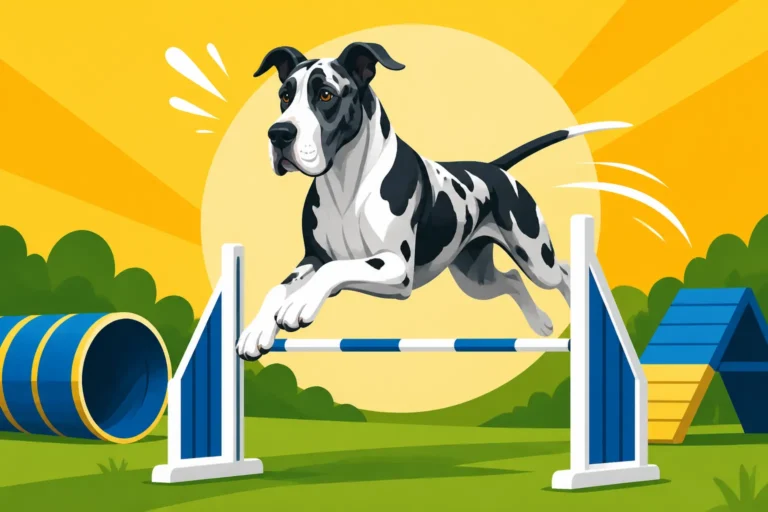
To keep things fun, incorporate short bursts of play into your training sessions. A quick game of fetch or tug-of-war can re-energize your puppy between "sits." Vary your rewards – sometimes a treat, sometimes a favorite toy, sometimes enthusiastic praise and a belly rub. Don't be afraid to be silly and use an excited voice! Keep sessions brief, typically 5-10 minutes for a puppy, and always end on a high note with a successful command and a big reward. If your puppy seems tired or distracted, end the session before frustration sets in, and try again later. Remember, you're building a relationship with your dog, and training should be a positive part of that bond. By making "sit" and other commands a fun, interactive game, you'll be laying the groundwork for a lifetime of good behavior and a wonderful relationship with your gentle giant. For ideas on keeping training dynamic, you might consider Whether a Great Dane Can Do Agility even if it's just for fun.
Disclaimer
This article is for general informational purposes only and does not constitute professional advice. Laws, prices and regulations vary by location and change over time. Consult a qualified professional for guidance on your specific situation.