What a Correct Harlequin Great Dane Looks Like
Trying to understand the intricate details of what makes a Harlequin Great Dane truly "correct" can feel a bit like decoding a secret language, especially when their striking appearance often overshadows the nuances of the breed standard. Many people are simply captivated by the beautiful black and white coat, but there's a world of difference between a lovely Harlequin and one that perfectly embodies the specific criteria set forth by breed enthusiasts and show judges. This guide will walk you through the precise characteristics that define a correct Harlequin Great Dane, helping you appreciate the artistry and genetic complexity behind this magnificent coloration.
Understanding the Harlequin Ideal in Great Danes
The Harlequin Great Dane is undeniably one of the most visually stunning varieties of this already majestic breed. Its unique pattern of torn black patches on a pure white background makes it stand out in a crowd, often drawing gasps of admiration. However, what many casual admirers don't realize is that achieving a truly "correct" Harlequin pattern is incredibly challenging from a breeding perspective, and there's a very specific set of criteria that goes beyond simply being black and white. It's not just about the colors, but the precise distribution, shape, and quality of those markings.
This isn't merely an aesthetic preference for those involved in conformation showing; it's a reflection of the dedication to maintaining the breed's integrity and a deep understanding of its genetics. A "correct" Harlequin isn't just born; it's the result of thoughtful, responsible breeding programs aiming for excellence. When you see a Harlequin Dane, the initial beauty might grab you, but understanding the nuances of its pattern opens up a new layer of appreciation for the breeders who strive for this difficult ideal. It's a testament to the challenge that many beautiful Harlequins you see might not quite meet the strict definitions of the standard.
For long-time Great Dane owners and enthusiasts, the Harlequin isn't just a color pattern; it's a hallmark of the breed's historical development and a symbol of its distinctive elegance. The specific look of a correct Harlequin has been refined over generations, with breeders carefully selecting for the desired traits. This meticulous process ensures that the Great Dane maintains its iconic appearance while also striving for overall health and temperament, making the pursuit of the correct Harlequin a labor of love and scientific understanding.
The Great Dane Standard for Harlequin Markings
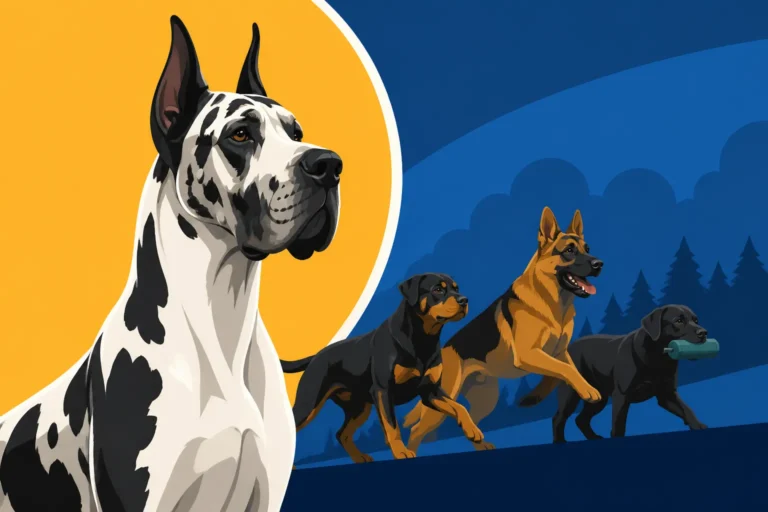
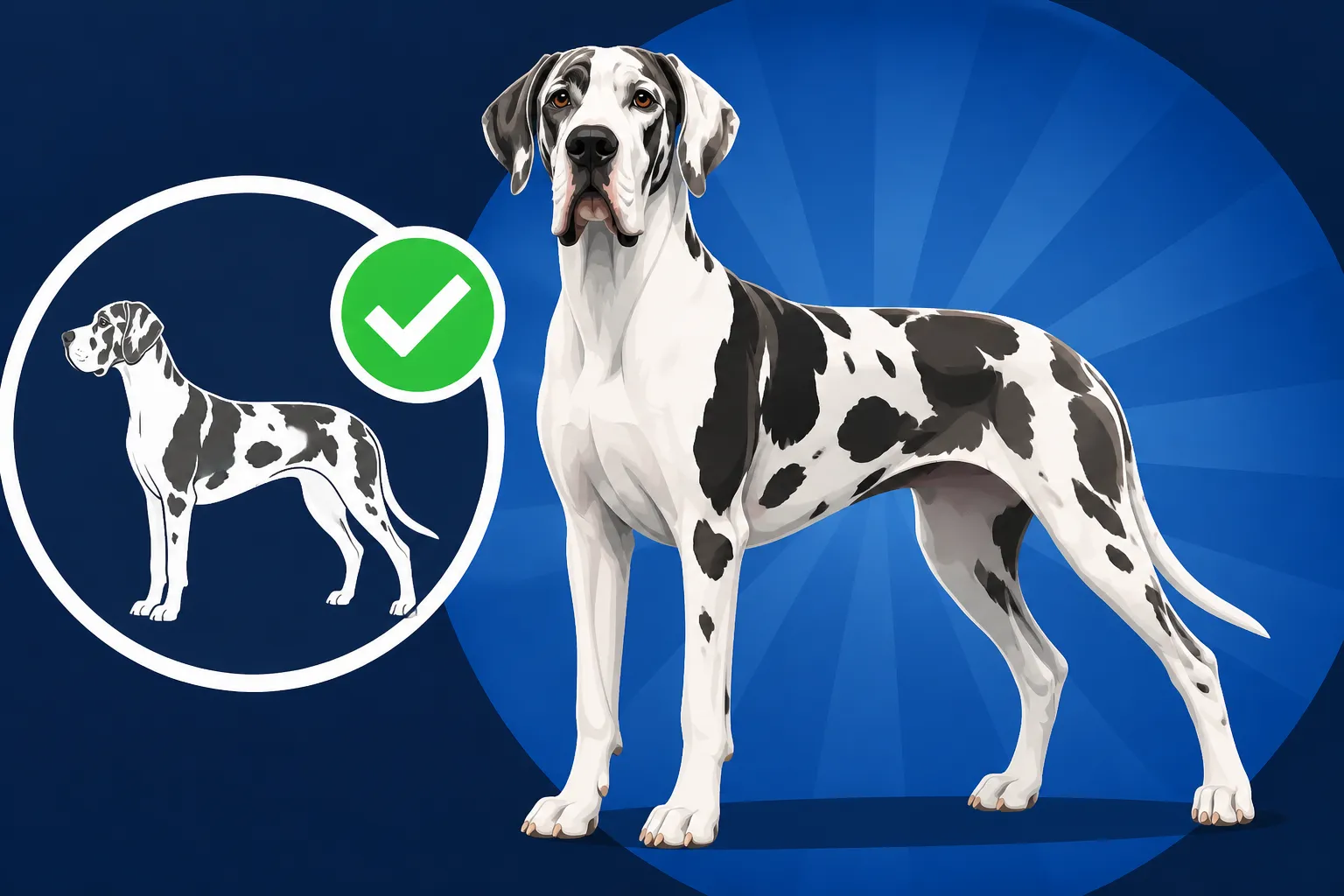
When we talk about a "correct" Harlequin Great Dane, we're really talking about a dog that adheres closely to the breed standard established by organizations like the Great Dane Club of America and recognized by the AKC. This standard is incredibly specific, leaving little room for interpretation regarding what is considered ideal. The primary goal is a dog with a pure white base coat, adorned with distinct black patches that are distributed in a particular way.
First and foremost, the base color must be pure white. This isn't off-white, cream, or speckled; it needs to be a pristine, bright white. Imagine fresh snow – that's the kind of canvas the standard calls for. This pure white background allows the black patches to stand out in sharp, clean contrast, which is a key characteristic of the Harlequin. Any hint of yellowing or dinginess in the white coat would be considered a deviation from the ideal.
Over this crisp white, you'll find torn, irregularly shaped black patches. The word "torn" is crucial here. These aren't solid, perfectly round, or symmetrical spots like you might see on a dairy cow. Instead, they should have jagged, uneven edges, giving the appearance of being ripped or torn across the white background. The patches should be genuinely black, not faded, gray, or brownish, which would indicate a different genetic influence or a fault in color. The distribution of these patches should ideally be relatively even across the body, though perfection in this regard is often elusive. While some patches on the head are acceptable, ideally, the neck should be clean and white, creating a striking division between the head and body markings.
One of the most critical aspects, and often the most misunderstood, is the absence of merle in the patches themselves. Merle refers to a mottled, diluted pattern, typically gray or liver-colored, often with darker spots within the lighter areas. While the Harlequin gene is genetically linked to merle, a correct Harlequin should only have pure black patches on a pure white background. Any merle (gray, mottled, or "dirty" patches) within the black areas is considered a serious fault, often leading to disqualification in the show ring. The nose and eye rims should also be black, indicating good pigmentation, though some pink on the nose is sometimes seen but not preferred. You can learn more about this by reading What Makes a Harlequin Great Dane Correct.
Common Variations and Faults in Harlequin Danes
It's a fact of Great Dane breeding, especially with Harlequins, that perfection is rare. Due to the complex genetics involved, it's very common to see variations that, while still making for beautiful dogs, don't quite align with the strict breed standard for a "correct" Harlequin. These variations are often called "faults" in the show ring, but for a loving pet owner, they simply make their dog unique. Understanding these differences helps to appreciate the challenge faced by breeders striving for the ideal.
Perhaps the most common and significant fault in Harlequin Great Danes is the presence of merling within the patches or on the white areas. Instead of solid black patches, a merle Harlequin will have patches that appear mottled, gray, or diluted, sometimes with darker black splotches within the lighter gray. Sometimes, even the white areas can have a "dirty" or grayish cast, which is also a sign of undesirable merling. This happens because the Harlequin gene is an allele of the merle gene, and when two merle carriers are bred, or a Harlequin is bred to a merle, the results can be unpredictable, often leading to patterns that are not considered correct. The article Why Merle Great Danes Were Once Disqualified delves deeper into the history and implications of merle markings.
Another common variation is the lack of proper patch distribution or size. Sometimes a Harlequin might have too few black patches, leaving vast expanses of white, or the patches might be too small and sparse. Conversely, you might see a "blanket" Harlequin, where there's an overwhelming amount of black, almost making the dog look like a black Dane with white trim, rather than a white dog with torn black patches. These dogs are often stunning, but they don't fit the specified pattern. Likewise, symmetrical patches, or patches that form distinct, predictable shapes, are generally not desired in a Harlequin, whose markings should appear more random and "torn."
Beyond merling and patch distribution, other faults include ticking, which refers to small, distinct dots or speckles of color (usually black) in the white areas of the coat. While not as severe as merle, ticking also detracts from the desired clean, pure white background. Pigmentation issues, such as a pink nose (butterfly nose) or unpigmented eye rims, can also be considered faults, though they don't alter the coat pattern itself. It's truly a complex genetic lottery when What Comes Out of a Harlequin Great Dane Litter can range from perfectly patterned pups to those with significant deviations, even from the same parents.
Here's a quick comparison of correct vs. common variations:
| Feature | Correct Harlequin | Common Variations/Faults |
|---|---|---|
| Base Color | Pure, brilliant white | Creamy, off-white, or "dirty" grayish white |
| Patches | Solid, torn, irregularly shaped black | Mottled, gray, diluted, or indistinct merle patches; too few or too many patches; symmetrical patches |
| Patch Color | Pure black | Blue, fawn, or liver-colored patches within the black; merle patterns (dark spots on lighter background) |
| Distribution | Evenly distributed, preferably clean white neck | Large "blanket" areas of black; sparse, tiny patches; distinct "mantle" type markings |
| Ticking | Absent | Small black or gray speckles in white areas |
| Pigmentation | Black nose and eye rims | Pink nose (butterfly nose); unpigmented eye rims |
Beyond the Show Ring: Why "Correctness" Matters
While the pursuit of a "correct" Harlequin might seem solely focused on the aesthetics of the show ring, the deeper implications for breeders and owners are far more profound, especially concerning health and responsible breeding practices. Understanding the genetics behind the Harlequin pattern is crucial, not just for achieving the ideal look, but for safeguarding the well-being of the dogs.
One of the most critical reasons why understanding the genetics of Harlequin and merle patterns is so vital is the risk of producing "double merle" offspring. When two merle-carrying dogs (including Harlequins, as they are a modified merle) are bred together without careful consideration, there's a significant chance that puppies will inherit two copies of the merle gene. These "double merles" often have excessive white, sometimes appearing all white, and are unfortunately prone to severe health issues, including deafness and various ocular defects, ranging from small or missing eyes to complete blindness. This is why you'll often hear experienced breeders emphasize Why Two Merle Great Danes Should Not Be Bred. Responsible breeders go to great lengths to avoid this, prioritizing the health of their puppies over specific color outcomes.
For a potential owner, knowing what a correct Harlequin looks like, and understanding its common faults, allows for more informed decision-making when looking for a puppy. It helps you distinguish between a reputable breeder who understands Harlequin and Merle Great Dane Genetics and breeds responsibly, and someone who might be breeding for "rare" or unusual color patterns without regard for the associated health risks. A good breeder will be transparent about their breeding pairs and the potential outcomes, showing you the parents and their health clearances, as outlined in What a Great Dane Breeder Should Be Screening For. They prioritize the overall health and temperament of the puppies, alongside their physical appearance.
Even if you have no intention of showing your Great Dane, appreciating the nuances of the breed standard connects you to the rich history and dedicated community surrounding these magnificent dogs. The standard isn't just arbitrary rules; it's a blueprint for the breed's future, guiding breeders in their efforts to produce healthy, well-tempered dogs that embody the unique characteristics of the Great Dane. Whether your Harlequin is "correct" by show standards or simply a cherished family member with charming variations, understanding the ideal helps to deepen your appreciation for your individual dog and the breed as a whole. Knowing what a correct Harlequin looks like also informs why certain colors are not recognized, or why specific pairings are avoided, reinforcing the commitment to breed health and type over fleeting trends.
Disclaimer
This article is for general informational purposes only and does not constitute professional advice. Laws, prices and regulations vary by location and change over time. Consult a qualified professional for guidance on your specific situation.