The Great Dane Head the Standard Wants
When you welcome a Great Dane into your life, you quickly discover that their immense size is just one facet of their majestic presence. However, for those interested in the finer points of the breed, understanding the nuances of the Great Dane head, as defined by the breed standard, can feel like trying to decipher an ancient text. This guide aims to demystify those precise descriptions, helping you appreciate the specific features that breeders and judges look for, and what they mean for the overall health and character of these magnificent dogs.
Why the Head is So Important in a Great Dane
The Great Dane's head is often described as noble and imposing, a true reflection of the breed's "Apollo of Dogs" moniker. It's not just about aesthetics; the specific proportions and features outlined in the breed standard serve practical purposes that have been refined over centuries. Ignoring these details can lead to dogs that not only look "off" but might also face certain health or functional challenges. For anyone hoping to understand the breed deeply, the head is where you truly start to grasp the essence of what makes a Great Dane, well, a Great Dane.
Beyond Beauty: Functionality in a Giant Breed
Think about the original purpose of the Great Dane: a boar hound, agile and powerful enough to confront formidable wild game. While today's Danes are cherished companions, their physical structure, including their head, still harks back to those working roots. A well-proportioned head isn't merely attractive; it indicates proper jaw strength for holding, correct eye placement for vision, and well-developed nasal passages for scenting. Deviations from the standard, such as a too-short muzzle, could compromise breathing, while improper eye set might affect peripheral vision. These aren't just cosmetic details; they are deeply tied to the dog's ability to function as a powerful, capable animal.
For instance, a broad, deep muzzle provides ample space for powerful jaw muscles, essential for a dog bred to hold large game. The skull itself needs to be robust enough to house a brain capable of intelligent decision-making and temperament stability. When a judge assesses a Great Dane in the ring, they are looking beyond the surface, seeking the hallmarks of a dog that, even if it never hunts a boar, could theoretically perform the tasks its ancestors were bred for. This historical context is vital for appreciating the modern breed standard.
The First Impression: Breed Type and Identity
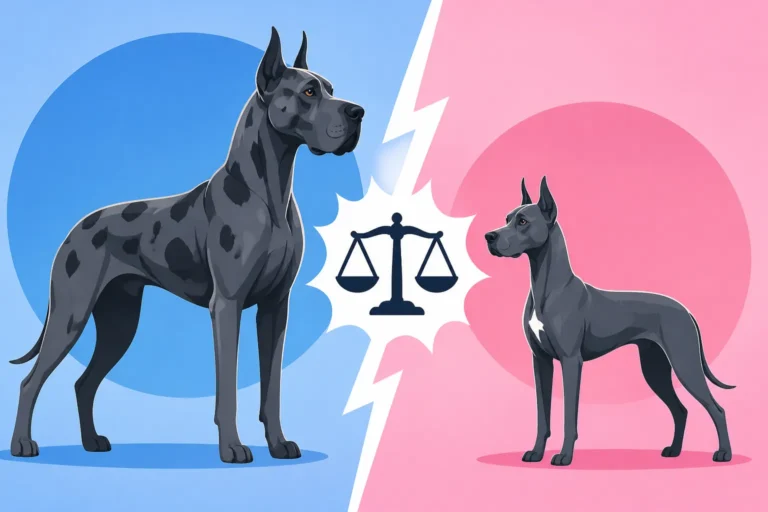
The head is arguably the most defining characteristic of any dog breed, and for the Great Dane, it’s certainly the first thing many people notice. It immediately communicates "Great Dane" to anyone familiar with the breed. The standard describes a head that is long, narrow, and distinctly chiseled, with parallel planes between the top of the skull and the bridge of the muzzle. This combination creates a unique, regal profile that distinguishes the Great Dane from other giant breeds. Without this specific head type, a dog, no matter how large or well-built otherwise, might not be immediately recognized as a Great Dane.
Consider the visual impact: the clean lines, the pronounced stop, the powerful yet elegant jaws. These elements work in concert to create that iconic Great Dane look. Breeders strive to produce puppies that embody this ideal from a young age, knowing that the head will mature into the classic shape. It’s why you'll often hear discussions among enthusiasts about "type," and the head is always at the forefront of that conversation. It's the visual blueprint that sets the breed apart and ensures its distinctive identity continues through generations. The Great Dane the Show Ring Is Looking For details how all these features come together.
Indicator of Overall Health and Temperament
While not a direct medical diagnostic, a Great Dane's head can often provide clues about its overall health and even its temperament. For example, overly loose skin around the eyes (ectropion) or eyelids that roll inward (entropion) are deviations from the standard that can cause irritation, infection, and vision problems. Similarly, poor dental alignment, while specifically a mouth fault, is part of the overall head structure. A strong, healthy head implies careful breeding and genetic soundness.
Beyond physical health, the Great Dane's expression, largely formed by its head features, is also tied to its renowned "gentle giant" temperament. Bright, intelligent eyes, a dignified brow, and a calm, alert expression are all part of the desired picture. A worried, anxious, or aggressive expression, even if a result of poor breeding or lack of socialization, can detract from the ideal. Reputable breeders meticulously screen for these traits, understanding that the head is not an isolated feature but an integral part of a healthy, well-adjusted dog. You’ll also find that many Great Danes have a tendency to lean, a behavior that often reveals their gentle and affectionate nature, further emphasizing the connection between their physical presentation and their loving spirit. Living With a Great Dane That Leans on You is a great resource for understanding this unique trait.
Understanding the Great Dane Skull and Muzzle
The skull and muzzle are the foundational elements of the Great Dane's head, defining its shape, proportion, and overall elegance. The breed standard is incredibly specific about their relationship, demanding a certain balance that contributes to both function and the breed's unique aesthetic. It’s not just about size, but about the harmonious interplay of these large features.
The Parallel Planes: Skull and Muzzle Alignment
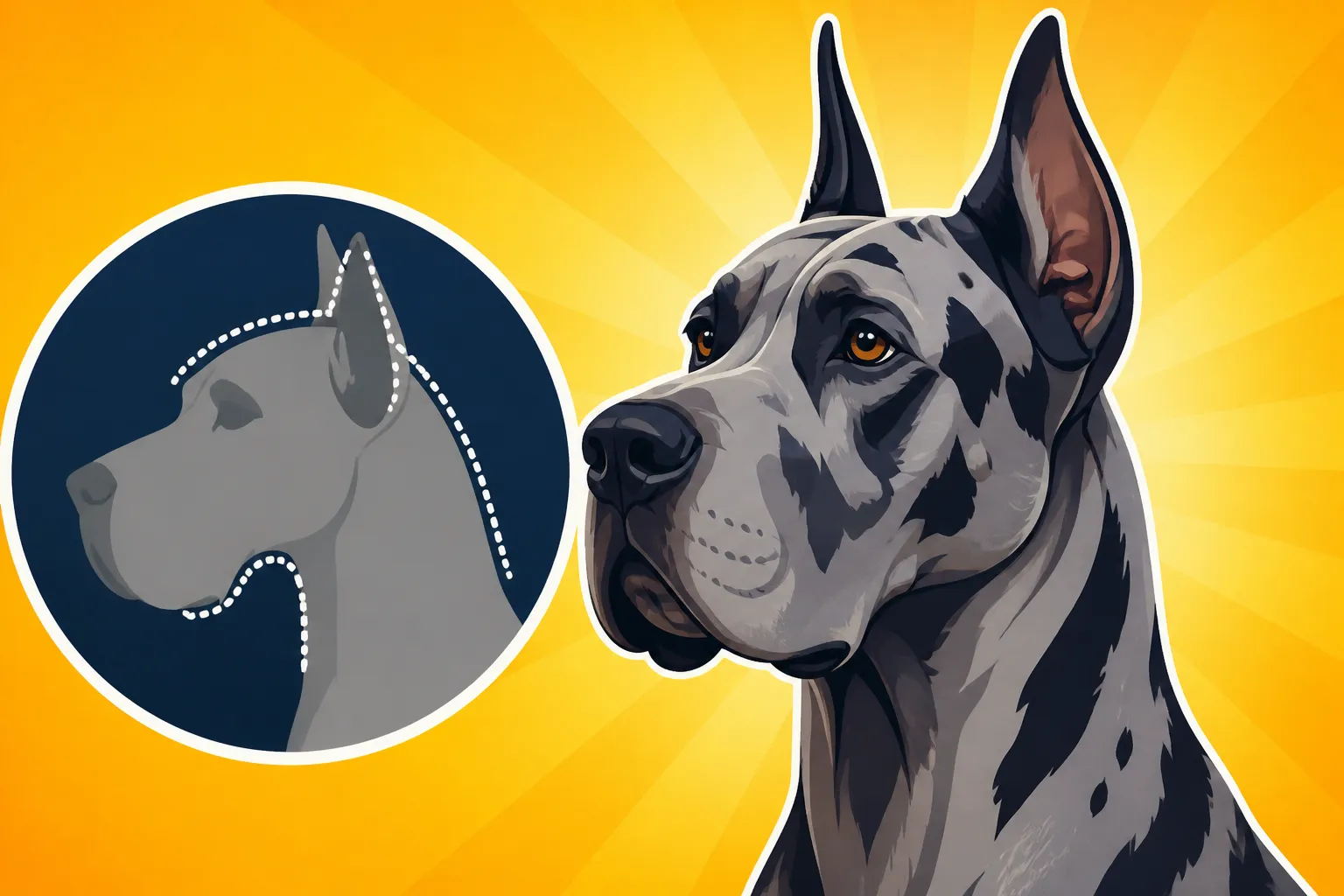
One of the most defining characteristics of the Great Dane head is the concept of "parallel planes." This refers to the top of the skull and the bridge of the muzzle. When viewed from the side, a line drawn across the top of the skull from the occiput (the bump at the back of the head) to the stop (the indentation between the eyes) should be roughly parallel to a line drawn along the top of the muzzle. This parallel alignment creates a distinct, chiseled look that is highly prized. If these planes converge or diverge significantly, it's considered a fault.
This alignment isn't just a fancy phrase; it speaks to the structural integrity of the head. A head where the planes are not parallel might indicate a less refined or powerful jaw, or an incorrect skull shape. Breeders spend years studying pedigrees and dog anatomy to consistently produce this specific parallel alignment, as it's a cornerstone of the Great Dane's noble profile. It's a hallmark that immediately tells you you're looking at a well-bred Dane. The First German Great Dane Standard provides historical context for these detailed expectations.
Depth and Width: The "Brick" Analogy
Beyond parallel planes, the standard also emphasizes the importance of depth and width in both the skull and the muzzle. The skull should be moderately wide, not too broad like some Mastiff breeds, but certainly not narrow. It should have a good depth, giving ample room for the brain. The muzzle, in turn, needs to be deep and broad throughout its length, often described as having the appearance of a well-formed brick. It should not be snipey (narrow and pointed) or shallow.
This "brick" analogy for the muzzle is crucial. It conveys the idea of substance and power. A deep, broad muzzle allows for large, strong teeth and powerful chewing muscles. It’s part of the Great Dane’s overall impressive physique, contributing to its commanding presence. A narrow or weak muzzle would compromise its historical function and detract from its imposing appearance. When you look at a Great Dane’s head, you should see strength and refinement, not a delicate structure.
The Stop: Not Too Deep, Not Too Shallow
The "stop" is the indentation between the eyes, where the forehead meets the bridge of the muzzle. For a Great Dane, the standard calls for a distinct, but not abrupt or overly deep, stop. It should be clearly defined, creating a subtle angle rather than a sharp plunge or a smooth, unbroken line. A stop that is too deep can give the dog a "dish-faced" appearance, while one that is too shallow can make the head look flat and lacking in character.
The stop plays a vital role in balancing the parallel planes of the skull and muzzle. It marks the point where the lines diverge just enough to create the desired profile. Think of it as the artistic transition point in the head's sculpture. It needs to be precise—distinct enough to define the different planes but gentle enough to maintain the elegant flow of the head. Getting this balance right is another challenge for breeders, as it significantly impacts the overall impression of the Great Dane's noble head. The Great Dane Head Shape Judges Want further elaborates on this delicate balance.
The Eyes and Expression: More Than Just Sight
A Great Dane’s eyes are often described as reflecting its gentle and intelligent soul. They contribute immensely to the breed’s characteristic expression, which is typically one of dignity, alertness, and kindness. Far from being mere organs of sight, the eyes, their shape, color, and how they are set, are crucial indicators of both breed type and temperament.
Eye Shape, Color, and Placement
The standard describes the Great Dane’s eyes as medium-sized, deep-set, and dark in color, preferably black. They should have an intelligent and lively expression. The shape should be almond-like, not round, and they should be set neither too far apart nor too close together, maintaining good frontal vision without compromising peripheral awareness. The rims of the eyelids should be tight, showing no haw (the red inner lining of the lid).
Eye color is especially important and varies slightly with coat color, though darker is always preferred. For instance, a blue Great Dane might have slightly lighter eyes, but still as dark as possible. Light eyes, often referred to as "bird of prey" eyes, are considered a fault as they can give a harsh or startled expression. The proper shape and placement contribute to that regal, thoughtful gaze Great Dane owners adore. These precise details ensure the eyes not only function optimally but also enhance the breed’s signature look.
The Soulful Gaze: Temperament Reflected
The Great Dane's expression, largely conveyed through its eyes, is paramount to understanding its temperament. The ideal Great Dane is described as courageous but never timid or aggressive. This balance is often evident in its gaze—a soulful, calm, and self-assured look that speaks volumes. You can almost feel the "gentle giant" spirit emanating from those deep-set, intelligent eyes. A hard or anxious expression, or eyes that appear shifty or fearful, would be contrary to the breed's intended character.
It's this expression that makes a Great Dane such an engaging companion. They watch you, they listen, and their eyes seem to absorb every nuance of your mood. This deep connection, often facilitated by their expressive eyes, is a huge part of the bond owners form with their Danes. When you look into a Great Dane's eyes, you should see loyalty, intelligence, and an unwavering gentleness, the very traits that define the breed’s cherished personality.
Eyelids: Tight and Healthy
The condition of the Great Dane’s eyelids is not merely an aesthetic concern but a significant health indicator. The breed standard dictates that the eyelids should be tight and close-fitting, ensuring proper protection for the eye itself. Loose eyelids, whether they roll inward (entropion) or sag outward (ectropion), are considered serious faults. Entropion and Ectropion in a Great Dane can cause chronic irritation, leading to weeping eyes, infections, and even corneal damage, which can be both painful and costly to treat.
These conditions often require surgical correction, making them a point of concern for responsible breeders and owners. Healthy, tight eyelids help keep the eyes clean and moist, preventing debris from entering and reducing the risk of dryness or infection. When you evaluate a Great Dane, take a moment to observe its eyelids. They should hug the eyeball neatly, showing no redness or excessive exposure of the inner membrane. This small detail is a big part of maintaining your Dane's comfort and long-term eye health.
Ears: Cropped vs. Natural
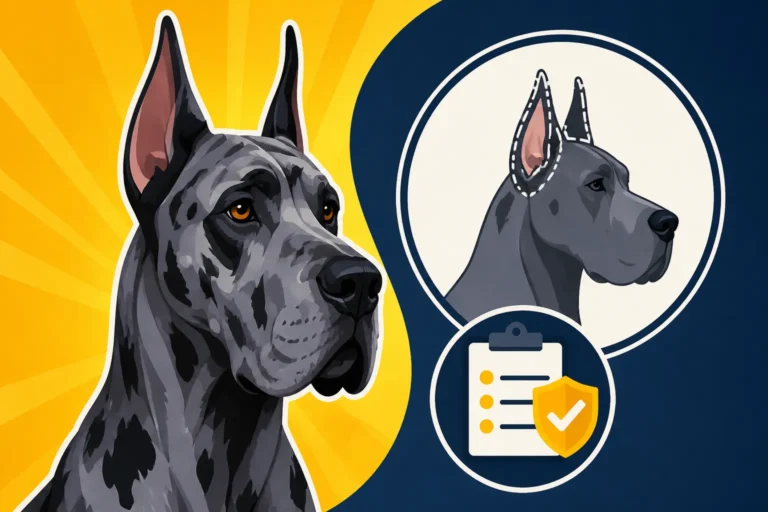
The appearance of a Great Dane's ears can drastically change its overall head profile and expression. Historically, Great Danes' ears were almost universally cropped to prevent injury during boar hunting and to give a more alert, imposing appearance. Today, however, ear cropping is a controversial practice, and many Great Danes proudly wear their natural ears. The breed standard acknowledges both possibilities, though the visual impact is quite different.
The Cropped Ear: A Traditional Look
For those who choose to crop their Great Dane's ears, the standard dictates a particular shape and set. The cropped ear should be long, tapering to a point, and carried erect. When correctly done and taped (or "posted") during the critical developmental stage, they stand tall and parallel, giving the head a very striking, alert, and often imposing appearance. This look is what many people traditionally associate with the Great Dane image.
The decision to crop ears is a personal one, often influenced by tradition, regional preferences, or show ring aspirations where it might be preferred, though not always mandatory. It's a significant undertaking, involving surgery and a commitment to meticulous aftercare, including weeks or even months of posting to ensure the ears stand correctly. The Great Dane Standard Describes Cropped Ears and Ear Cropping Costs on a Great Dane are important considerations for those contemplating this route. It’s not a decision to be taken lightly, and finding a skilled veterinarian and understanding the commitment involved is paramount.
The Natural Ear: Rose or Folded
A Great Dane with natural, uncropped ears presents a softer, more gentle profile. The standard describes the natural ear as medium-sized, high-set, and carried with a fold. This typically means they fall close to the cheek, forming a distinctive "rose" shape when slightly raised, or hanging flat against the head. They should not be excessively large or heavy, nor should they be set too low. The natural ear contributes to the "gentle giant" image, often giving the dog a more approachable look.
Many owners today opt for natural ears, choosing to avoid the surgical procedure and the sometimes lengthy posting process. The natural ear is increasingly accepted in show rings and is certainly embraced by the general public. There's a growing appreciation for the natural beauty of the Great Dane, and the soft lines of an uncropped ear certainly contribute to that. How a Natural Great Dane Ear Falls can give you a better idea of what to expect if you choose to keep your Dane's ears uncropped.
Care Considerations for Both Styles
Regardless of whether a Great Dane's ears are cropped or natural, proper care is essential. Cropped ears, especially during the posting phase, require diligent cleaning and monitoring for infection. Once they stand, they generally need less intervention, but occasional checks for debris or dryness are still wise.
Natural ears, by virtue of their fold, can be more prone to trapping moisture and debris, potentially leading to ear infections. Regular cleaning with a vet-approved ear cleaner, especially after swimming or bathing, is crucial. It’s also important to routinely check natural ears for any signs of redness, odor, or discharge, which could indicate an underlying issue. No matter the style, a Great Dane’s ears deserve consistent attention to keep them healthy and comfortable. Remember, a happy ear is a clean ear, and you can find many great ear cleaning solutions at retailers like Chewy. Whether Cropped Great Dane Ears Need Different Care and Whether a Great Dane's Ears Trap Infection are good reads for more specific advice.
Teeth and Bite: Function and Form
The Great Dane's powerful jaws demand a correct bite and a full set of healthy teeth. These features are not only important for the dog's ability to eat and chew but also reflect the overall structural integrity of the head and jaw. The standard is quite specific about what constitutes an ideal Great Dane mouth.
The Scissor Bite: Ideal Alignment
The most desirable bite for a Great Dane, as with many dog breeds, is the "scissor bite." In a scissor bite, the upper incisors (front teeth) just slightly overlap the lower incisors, making contact like a pair of scissors. This alignment allows for efficient grasping and tearing of food. Any deviation from this, such as an undershot bite (where the lower jaw protrudes beyond the upper) or an overshot bite (where the upper jaw extends too far over the lower), is considered a fault.
A correct scissor bite ensures that all teeth align properly, distributing pressure evenly across the jaw. This is vital for a breed with such powerful jaws, preventing uneven wear on teeth and potential jaw joint issues down the line. It's a hallmark of a healthy, functional mouth, reflecting good bone structure in both the upper and lower jaw.
Full Dentition: No Missing Teeth
The Great Dane standard also calls for "full dentition," meaning a complete set of 42 permanent teeth. Missing teeth (other than perhaps a stray premolar that might not have developed, which can be acceptable if documented) can be considered a fault. Each tooth has a specific function, and a full set ensures optimal chewing ability. More importantly, missing teeth can sometimes be an indicator of broader genetic issues affecting bone and tooth development.
Maintaining healthy teeth is also paramount. Regular brushing, dental chews, and professional cleanings are essential for preventing plaque buildup, tartar, and gum disease. You can find robust dental chews and toothbrushes specifically designed for large breeds like the Great Dane at pet supply stores or online through Chewy. Starting dental care early, even with puppy-friendly brushes and toothpaste, sets a good foundation for a lifetime of healthy smiles. Keeping a Great Dane's Very Large Mouth Clean and Dental Chews Big Enough for a Great Dane offer great advice on this topic.
Jaw Strength and Structure
The entire jaw assembly contributes to the Great Dane's formidable head structure. The lower jaw must be well-developed and strong, meeting the upper jaw in that precise scissor bite. A weak or receding lower jaw would undermine the dog's ability to bite and hold effectively, and it would also throw off the overall balance and power of the head. The jaw muscles themselves should be well-defined, giving the head a chiseled appearance without being overly bulky.
This strength isn't just about looks; it's about the very foundation of how a dog interacts with its world, from eating to playing. A strong, correctly structured jaw is crucial for overall well-being and is a testament to the breed's historical purpose and its enduring power as a modern companion.
Common Head Faults to Watch For
Understanding the ideal Great Dane head also means recognizing what falls short of that ideal. While no dog is perfect, certain deviations from the standard can impact a dog's health, temperament, or its ability to conform to the breed's distinct type. Being aware of these common faults can help prospective owners make informed decisions and better appreciate the challenges breeders face.
Deviations from Parallel Planes
As we discussed, the parallel planes of the skull and muzzle are a critical feature. Any significant deviation from this—where the planes converge or diverge dramatically—is a notable fault. For example, a "down-faced" head, where the muzzle slopes downwards from the stop, or a "dish-faced" appearance, where the muzzle is upturned, are both considered incorrect. Similarly, a skull that is too domed or too flat, or a muzzle that is too short or too long relative to the skull, disrupts the desired balance.
These structural imbalances aren't just aesthetic concerns; they can sometimes indicate underlying bone structure issues. A head that lacks the correct proportions might not function as optimally as one that adheres to the standard. It speaks to the overall refinement and correctness of the Great Dane's head, which breeders strive tirelessly to achieve.
Misaligned Bites and Missing Teeth
Bite problems are common head faults that can range from minor to severe. While a perfect scissor bite is the ideal, slight overbites or underbites might be seen. However, a severely undershot or overshot jaw, or a "wry mouth" where the jaw is twisted, are serious faults. These can make it difficult for the dog to pick up food, chew properly, and can lead to abnormal wear patterns on the teeth, potentially causing pain or dental disease over time.
Similarly, a significant number of missing teeth, particularly if they are not common minor omissions, is also a fault. It suggests either poor genetic predisposition or an injury. When evaluating a puppy or an adult Great Dane, a thorough dental check, ideally by a veterinarian or an experienced breeder, is always a good idea. Dental health is a core part of a dog's overall well-being, and issues here can impact their quality of life.
Light Eyes or Loose Eyelids
As mentioned previously, light-colored eyes—often described as yellow or "bird of prey" eyes—are a common fault that can detract significantly from the Great Dane’s noble expression. While some variation exists with coat color, eyes should generally be as dark as possible. Light eyes can give the dog a harsh, unsettled, or even aggressive appearance, which is contrary to the Great Dane's gentle disposition.
Likewise, loose eyelids, specifically entropion (inward rolling) or ectropion (outward sagging), are significant concerns. Not only do they mar the desired dignified expression, but they also pose serious health risks to the dog's eyes. They can lead to chronic irritation, infections, and even vision impairment if left unaddressed. Responsible breeders screen for these conditions, and any Great Dane exhibiting them should be seen by a veterinarian. What Puts a Great Dane Out of the Ring often touches on these visual faults.
Head Features: Ideal vs. Faults at a Glance
To summarize, here's a quick comparison of the ideal Great Dane head features according to the breed standard, contrasted with common faults. This isn't exhaustive, but it highlights some key points to consider.
| Feature | Ideal | Common Faults |
|---|---|---|
| Skull | Long, narrow, flat on top, parallel to muzzle | Too broad/narrow, domed, dish-faced, apple-headed |
| Muzzle | Deep, broad, well-filled, equal length to skull | Snipey (pointed), shallow, too short/long |
| Stop | Distinct but not abrupt, creating subtle angle | Too deep (abrupt), too shallow (flat) |
| Eyes | Medium-sized, deep-set, dark, almond-shaped | Light (yellow), round, bulging, set too wide/close |
| Eyelids | Tight, close-fitting, no visible haw | Loose (ectropion), inverted (entropion) |
| Ears | High-set, either cropped erect or natural folded | Low-set, heavy, incorrect fold for natural ears |
| Bite | Scissor bite (upper incisors just overlap lower) | Undershot, overshot, wry mouth, level bite (minor) |
| Dentition | Full complement of 42 teeth | Missing teeth (other than minor acceptable omissions) |
| Expression | Intelligent, alert, dignified, gentle | Anxious, fearful, aggressive, dull, startled |
This table provides a quick reference, but remember that the overall harmony and balance of the head are just as important as individual features.
The Great Dane Head in Context
Ultimately, the Great Dane's head, as described by the breed standard, is a testament to centuries of selective breeding aimed at creating a dog of noble stature, impressive power, and gentle disposition. Each feature, from the parallel planes of the skull and muzzle to the dark, intelligent eyes, contributes to the overall picture of the "Apollo of Dogs." It’s a combination of beauty, functionality, and historical legacy.
When you bring a Great Dane into your home, whether they are destined for the show ring or simply your sofa, appreciating these details deepens your understanding and connection to the breed. It helps you recognize the dedication of responsible breeders who strive to produce dogs that not only look magnificent but are also healthy and true to their heritage. The head is truly the crowning glory of this incredible breed, deserving of all the attention and appreciation we can give it.
Disclaimer
This article is for general informational purposes only and does not constitute professional advice. Laws, prices and regulations vary by location and change over time. Consult a qualified professional for guidance on your specific situation.