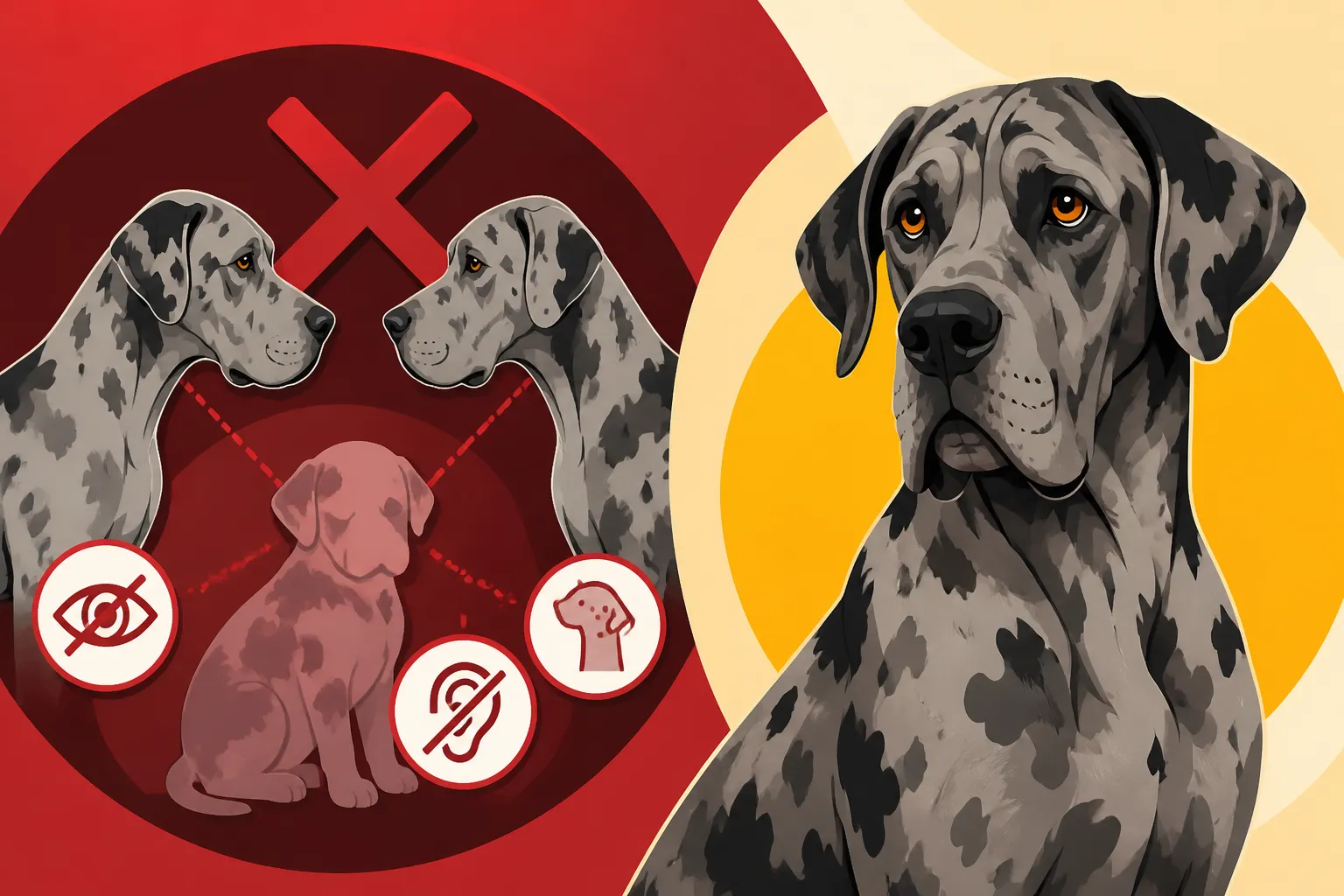
Why Breeders Avoid Merle to Merle Great Danes
It’s a heartbreaking situation for any dog lover: learning that some beautiful, unique coat patterns come with significant, lifelong health risks. When it comes to Great Danes, the striking merle pattern, especially the double merle, is a perfect example of genetic beauty tinged with potential tragedy. This guide will walk you through exactly what a merle Great Dane is, why the breeding of two merle Danes together is widely considered unethical and highly risky, and what you, as a responsible owner or prospective owner, need to know to make informed choices.
Understanding the Merle Gene in Great Danes
The merle gene is a fascinating bit of canine genetics, responsible for some of the most eye-catching coat patterns in the dog world, including in our beloved Great Danes. However, it's also a gene that demands careful understanding and responsible breeding practices due to its potential downsides.
The Genetic Blueprint of Merle
At its core, the merle gene (often denoted as 'M' on the M/m locus) is a dilution gene. What it does is dilute random areas of the base coat color, creating irregular patches of lighter color against a darker, undiluted background. Think of it like a paint splatter effect. If a Great Dane has a black base coat and carries one copy of the merle gene (Mm), you’ll see those distinctive grey, black, and sometimes white patches, often with blue or marbled eyes, and sometimes even a pink nose or eye rims. It's a striking look that has captivated many.
This gene isn't just about the coat, though. It impacts pigment everywhere, including in the eyes and nose. This is why merle dogs often have those captivating blue eyes, or even heterochromia (one blue eye, one brown). The dilution process, however, is a bit of a double-edged sword, as we'll delve into shortly. While beautiful, this dilution is what can lead to significant health complications when two merles are bred together.
The Merle Look in Great Danes
In the Great Dane world, the merle gene is famously associated with the Harlequin pattern. A true Harlequin Great Dane has a white base coat with irregular black patches, but genetically, these dogs are merle. They carry a merle gene (Mm) along with another gene that essentially removes most of the dilute merle coloring, leaving only the black patches on a white background. It's a complex interaction, but without the merle gene, you wouldn't get a Harlequin. You can learn more about What a Correct Harlequin Great Dane Looks Like in a dedicated piece. Beyond Harlequin, you also find Great Danes with a more straightforward merle pattern, where the black coat is diluted to grey, creating a beautiful marbled effect with black patches, known simply as a merle Great Dane.
It’s important to remember that a single merle gene (Mm) in a Great Dane generally results in a healthy, typically patterned dog. These are the beautiful Danes we see in shows and loving homes. The issue arises not from the presence of one merle gene, but from the unfortunate combination of two merle genes. The striking nature of these patterns has led to a lot of interest, and sometimes, less ethical breeders might be tempted to prioritize "unique" colors over health. You can find out how these colors were eventually recognized in Merle Great Danes Since 2019.
The Risky Business of Merle-to-Merle Breeding
This is where the conversation turns serious. While a single merle gene can produce a stunning and healthy Great Dane, breeding two dogs who each carry a merle gene (Mm x Mm) carries a very high risk of producing puppies with two copies of the merle gene (MM), known as "double merle" or "homozygous merle" Great Danes. This is a gamble with devastating odds.
The Double Merle Gene and Its Inheritance
When you breed two merle Great Danes (each carrying Mm), the genetics work out like this: approximately 25% of the puppies will inherit two copies of the merle gene (MM), 50% will inherit one copy (Mm), and 25% will inherit no copies (mm). The MM puppies are the double merles, and they are the reason responsible breeders universally avoid merle-to-merle pairings.
The double merle gene doesn't just dilute color; it can severely disrupt the development of pigment-related structures throughout the body, most critically in the eyes and ears. These are not merely cosmetic issues; they are profound health problems that impact a dog's quality of life from birth. The statistical likelihood of these severe issues is so high that it’s simply not worth the risk, no matter how much someone might desire a certain "rare" color.
The Health Consequences: Deafness and Blindness
The most common and severe consequences of inheriting two merle genes are profound sensory deficits, specifically deafness and blindness.
-
Deafness: Double merle Great Danes are at a significantly elevated risk of being deaf, either partially or completely, in one or both ears. The merle gene disrupts the development of the tiny hair cells in the inner ear that are responsible for hearing. Without sufficient pigment in these cells, they don't develop correctly or they degenerate early. Imagine a world of complete silence for a dog, unable to hear its name, a treat bag crinkle, or an approaching car. It profoundly impacts their ability to communicate, train, and navigate their environment safely. Even a partially deaf dog can struggle, easily startled or unable to respond to cues from their family. How Common Deafness Is in a White Great Dane is a somber read that highlights this specific issue.
-
Blindness and Eye Abnormalities: Similarly, the merle gene affects the development of the eyes. Double merle Great Danes can suffer from a range of severe eye abnormalities, from microphthalmia (abnormally small eyes), colobomas (missing pieces of eye tissue), and misplaced pupils, to complete blindness. The lack of pigment in the retina can prevent it from functioning properly, leading to impaired vision or total sightlessness. A dog born blind faces immense challenges, requiring a home environment specifically adapted to their needs, constant supervision, and a family dedicated to helping them navigate a world they cannot see. Missing Eyes and Small Eyes in White Great Danes illustrates just how severe these ocular issues can be.
These are not minor inconveniences; they are life-altering disabilities that require immense dedication and financial resources from their owners. A Great Dane puppy with these conditions will require specialized care for its entire (potentially shorter) life.
Other Potential Health Concerns
While deafness and blindness are the most prevalent and severe issues, double merle Great Danes can sometimes face other health challenges due to the widespread impact of pigment disruption. These are less common but still serious:
- Skin Issues: Some double merles may have extremely sensitive skin due to the lack of pigment, making them more prone to sunburn, skin cancers, and general dermatological problems. Their skin can be thin and fragile, requiring extra care and protection from the elements. This is another layer of expense and commitment for their owners, adding to the already significant cost of Great Dane care.
- Reproductive Problems: There's some evidence to suggest that double merle dogs may also have a higher incidence of reproductive anomalies or lower fertility rates. While not as immediately life-altering as sensory deficits, it further complicates their well-being and highlights the pervasive impact of the gene.
- Heart Defects: Although less directly linked and less common than sensory issues, some studies and anecdotal reports suggest a possible correlation between the double merle gene and an increased risk of certain cardiac abnormalities. This is an area that continues to be researched, but it underscores the potential for systemic issues beyond the obvious sensory ones.
The sheer range of potential problems emphasizes why simply aiming for a specific, "unique" coat color through risky breeding practices is a deeply irresponsible choice.
Identifying a "Double Merle" Great Dane
A double merle Great Dane often has a distinctly different appearance from a single merle, mostly due to an exaggerated amount of white in their coat. This isn't just about aesthetics; it's a visual cue that often correlates with their increased health risks.
The Striking White Appearance
The most tell-tale sign of a double merle Great Dane is an excessive amount of white in their coat, often appearing mostly white with minimal patches of color. A regular merle Great Dane will have clear patches of dilute color and solid color, but a double merle will often have a vast expanse of white, sometimes with small, muted, or faded patches of color. This extreme dilution comes from having two copies of the merle gene, which essentially amplifies the gene's effect on pigment.
It's important to clarify that these dogs are not albinos. Albinism is a separate genetic condition that results in a complete absence of pigment, leading to pink eyes and skin. Double merles still produce some pigment, which is why they might have blue eyes, or scattered colored patches, and black nose pigment (though often diluted). Their white appearance is a consequence of the merle gene's overexpression, not a different genetic pathway. Unfortunately, some unethical breeders might market these puppies as "rare white Great Danes" to unsuspecting buyers, capitalizing on their unusual appearance without disclosing the associated health problems.
Recognizing Sensory Impairments
Beyond the coat, recognizing the sensory impairments is crucial. This can be challenging in a very young puppy but becomes more apparent as they grow.
-
Detecting Deafness: A deaf puppy might not react to loud noises like clapping, calling their name, or a squeaky toy behind them. They might be easily startled when approached from behind. Some puppies may have unilateral deafness (deaf in one ear) which is harder to spot, as they'll still respond to sounds coming from their good side. For definitive diagnosis, a BAER (Brainstem Auditory Evoked Response) test is the gold standard, often performed by veterinary specialists. This test measures electrical activity in the brain in response to auditory stimuli. Responsible breeders will often have their puppies BAER tested before placement, especially if there's any merle lineage. You can learn more about Testing a Great Dane Puppy's Hearing and why it's so important.
-
Identifying Blindness and Eye Anomalies: Puppies that are blind or severely vision-impaired might bump into objects, be hesitant to explore new environments, or struggle to track moving objects. Their eyes might appear unusually small (microphthalmia), cloudy, or have pupils that don't respond normally to light. An ophthalmic exam by a veterinary ophthalmologist can diagnose specific eye conditions and determine the degree of vision. It's not uncommon for double merles to have stunningly blue eyes that, ironically, can conceal severe underlying issues.
It's critical for anyone considering a Great Dane, especially one with significant white markings or from a merle lineage, to be aware of these potential issues and to ask breeders about health screenings and genetic testing for both parents and puppies. A responsible breeder will be transparent and proactive about these concerns.
Ethical Breeding Practices and Responsible Choices
Given the severe health risks associated with double merle Great Danes, ethical breeding is not just a preference; it's a moral imperative. Responsible breeders prioritize the health and well-being of their dogs above all else, including unique coat patterns.
Why Responsible Breeders Avoid Merle x Merle
The simple truth is that responsible Great Dane breeders understand the genetics involved and conscientiously choose not to breed two merle dogs together. They adhere to the ethical guideline of "never breed merle to merle." This isn't just about avoiding a poor outcome; it's about preventing suffering. Knowing that there's a 25% chance of producing puppies with severe, lifelong disabilities such as deafness and blindness makes such a pairing utterly unacceptable in the eyes of a truly ethical breeder.
Even if some puppies from a merle x merle litter appear outwardly healthy, they still carry the genetic risk. Furthermore, the existence of visually normal but genetically merle dogs (often called "cryptic merles" or "phantom merles") adds another layer of complexity. These dogs don't express the merle pattern but still carry the gene. Genetic testing is essential to identify these individuals and ensure they are not inadvertently bred to a visible merle. This proactive approach ensures the long-term health and integrity of the breed. For a deeper dive into this specific topic, check out Why Two Merle Great Danes Should Not Be Bred.
Safe Breeding Combinations
So, if merle x merle is out, what are the safe and acceptable breeding combinations for producing merle Great Danes? It's quite straightforward:
-
Merle x Non-Merle: The safest and most common way to produce merle puppies is to breed a merle Great Dane (Mm) with a non-merle Great Dane (mm). This pairing results in approximately 50% merle (Mm) puppies and 50% non-merle (mm) puppies, with virtually no risk of producing double merle (MM) offspring or their associated health issues. This allows breeders to produce beautiful, healthy merle Great Danes without compromising the well-being of the litter. The non-merle parent would typically be a solid color such as black, fawn, or blue.
-
Non-Merle x Non-Merle: This pairing will, of course, only produce non-merle puppies (mm), which carry no merle gene.
Reputable breeders will use genetic testing panels to confirm the merle status of their breeding stock, ensuring they never accidentally pair two merles, even if one is a cryptic merle. This commitment to genetic health is a hallmark of a breeder who truly cares for their dogs.
What Prospective Owners Should Ask
For anyone looking to bring a Great Dane into their home, especially one with merle or Harlequin markings, asking the right questions is paramount. This isn't about being nosy; it's about being a responsible, informed future owner.
- Ask about the parents: Always inquire about the parents' coat colors and genetic lineage. A transparent breeder will happily tell you that one parent was merle and the other was a solid, non-merle color (e.g., black, fawn). If a breeder claims both parents were merle, or is evasive about parentage, consider it a significant red flag. You should always insist on seeing the parents, or at least the dam, and observe their temperament and health.
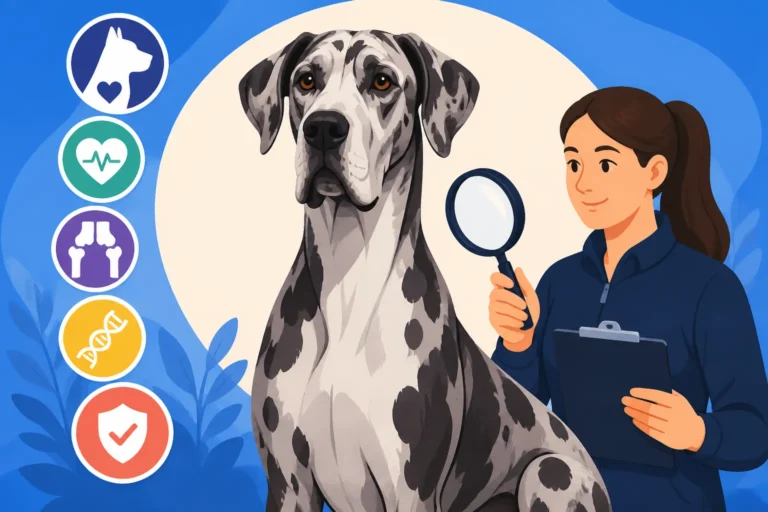
- Request health clearances: Beyond just the merle gene, responsible Great Dane breeders will conduct extensive health testing on their breeding stock for common breed-specific issues like cardiac health (DCM), hips, and elbows. Ask to see certificates for these clearances. This information is crucial for understanding the overall health legacy of your potential puppy. Reading a Great Dane Puppy's Health Papers provides an excellent guide on what to look for. If a breeder avoids sharing this, or has Great Dane Ads With No Cardiac Paperwork, proceed with extreme caution.
- Inquire about BAER and eye exams for puppies: Especially for merle or Harlequin puppies, ask if they have undergone BAER testing for hearing and a veterinary ophthalmologist's eye exam. Many responsible breeders will perform these tests before puppies go to their new homes.
- Beware of "rare" claims: Be highly suspicious of any breeder advertising "rare white merle" or "double merle" puppies. These terms are often used to justify higher prices for dogs that are at high risk for serious health problems. The only "rare" thing about them is the rarity of a responsible breeder producing them.
- Research the breeder: Look for breeders who are involved in breed clubs, show their dogs, and have a reputation for health and temperament. They won't be found selling puppies on generic online marketplaces without proper screening.
Becoming an owner of a Great Dane is a significant commitment of time, love, and resources. Ensuring you're starting with a healthy puppy from a responsible breeder is the best first step. Even when buying essential supplies for your giant companion, like a giant dog bed or food, knowing reputable brands like Chewy offer a wide range of products for special needs dogs can be a comfort. Chewy, for instance, provides a variety of supplements, special diet foods, and comfortable orthopedic bedding that can be vital for the long-term well-being of any Great Dane, let alone one with potential health challenges. They also have a good selection of enrichment toys suitable for larger breeds that can help stimulate a dog with sensory impairments. Furthermore, for those seeking specialized food or comfort items, online retailers like Chewy often have product reviews that can guide decisions for a discerning Great Dane owner.
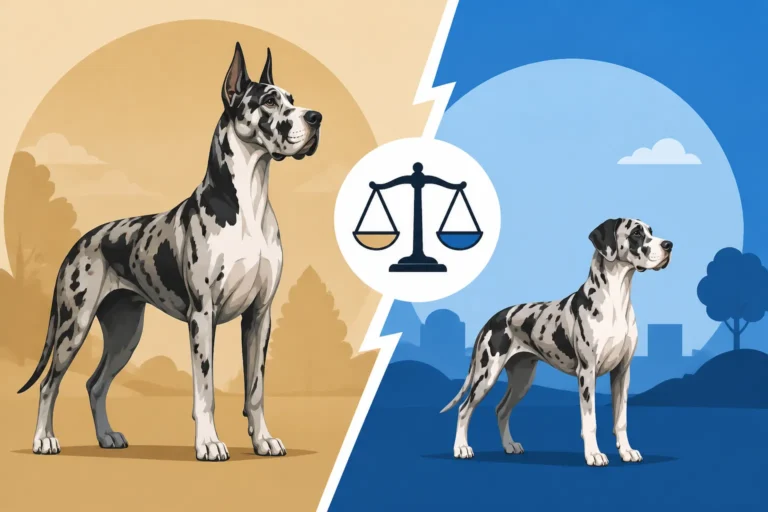
Merle vs. Double Merle Great Danes: A Comparison
To help clarify the distinctions and risks, here's a quick comparison:
| Feature | Single Merle (Mm) Great Dane | Double Merle (MM) Great Dane |
|---|---|---|
| Coat Pattern | Distinct patches of diluted color on a solid background (e.g., black merle, Harlequin). | Predominantly white coat with minimal, faded, or dilute patches of color. Often appears very "washed out." |
| Eye Color | Often blue eyes, marbled eyes, or heterochromia. Generally healthy vision. | High likelihood of blue eyes, but with severe abnormalities (e.g., microphthalmia, colobomas) or complete blindness. |
| Nose Pigment | Typically black, or liver/blue depending on base coat. | Can be pink or mottled, often a very pale or diluted black/blue. |
| Hearing | Typically normal hearing. | High likelihood of unilateral or bilateral deafness, from partial to complete. |
| Breeding Risk | Safe to breed with a non-merle (mm) dog. | Should never be bred. High risk of producing more double merles with health issues. |
| Ethical Status | Produced ethically through responsible breeding practices. | Produced unethically; offspring carry severe welfare risks. |
Ultimately, the choice of a Great Dane is a commitment to a magnificent but often fragile breed. By understanding the genetics behind merle patterns and committing to supporting only responsible breeders, we can help ensure that these gentle giants live the healthiest, happiest lives possible.
Disclaimer
This article is for general informational purposes only and does not constitute professional advice. Laws, prices and regulations vary by location and change over time. Consult a qualified professional for guidance on your specific situation.