What Makes a Great Dane Fawn
One of the most common questions new Great Dane owners or admirers have is about their striking coats, especially the beautiful fawn color. It’s easy to think of fawn as just "tan," but there's so much more to it, and understanding its nuances, from the genetics that create it to its distinctive black mask, truly enriches your appreciation for these magnificent dogs. This guide will delve into what makes a Great Dane fawn, exploring the precise characteristics and the fascinating science behind this iconic coloration.
The Golden Hue of a Fawn Great Dane: More Than Just "Tan"
When you picture a Great Dane, chances are a majestic fawn-colored dog with a dark muzzle comes to mind. This isn't just a coincidence; fawn is arguably one of the most recognizable and classic colorations for the breed. But to truly appreciate it, we need to look beyond simply calling it "tan" and understand the specific visual elements that define it.
Describing the Classic Fawn Coloration
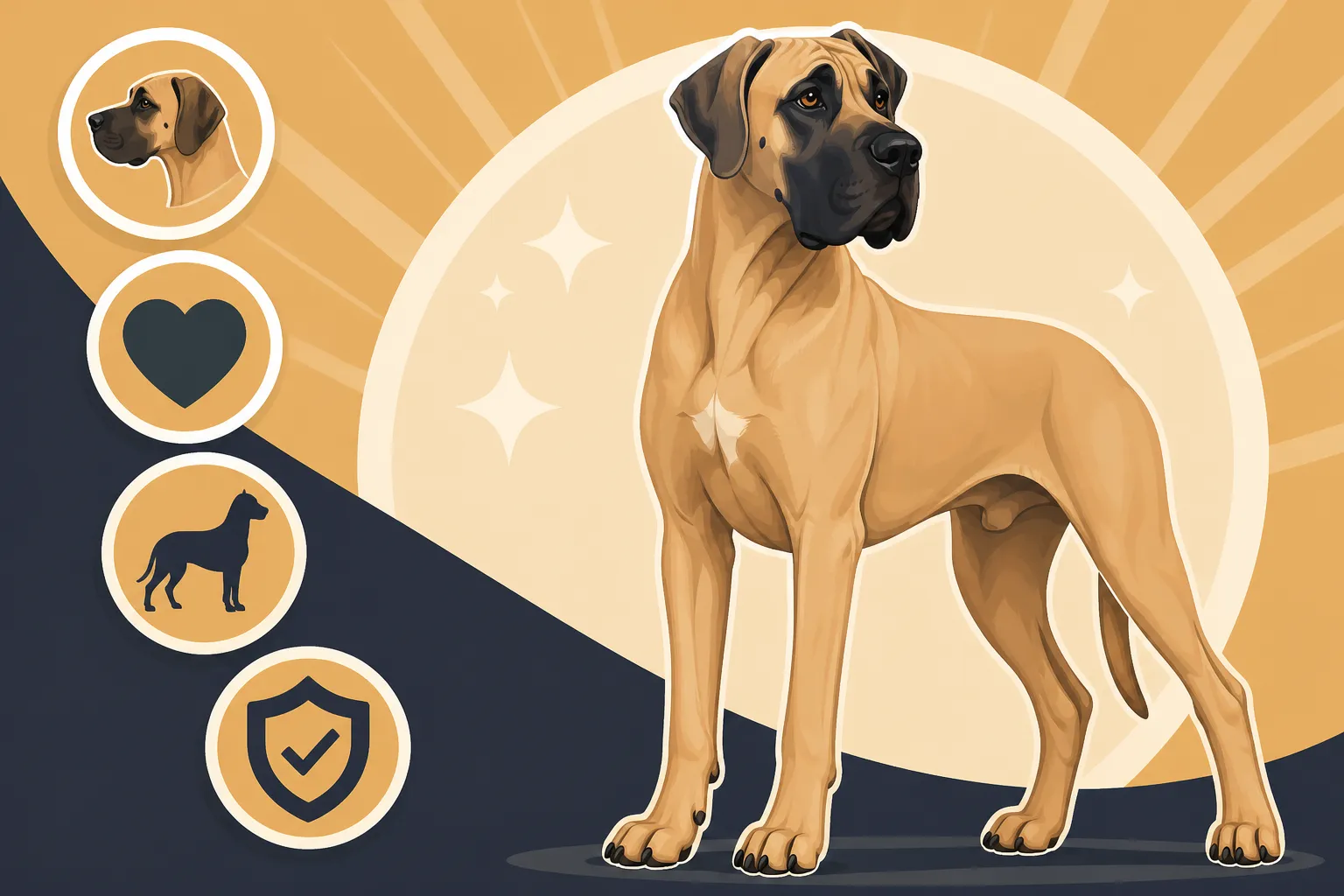
A classic fawn Great Dane possesses a coat that ranges from a rich, golden yellow to a deeper, reddish-gold hue. Think of the color of freshly harvested wheat fields or a perfectly toasted marshmallow—it's warm, inviting, and distinct. It's not a pale cream, nor is it a dark brown; it sits squarely in that sunny, golden spectrum. The hair itself should be uniformly colored, with no patches or streaks of other colors, except for the expected black mask and sometimes minimal white markings on the chest and toes. This uniformity is key to its classic appearance and is something breeders strive for.
This golden base coat is remarkably striking, especially when a Great Dane moves with its characteristic powerful, flowing gait. The way the sunlight catches the smooth, short coat can make it appear almost iridescent, highlighting the strong musculature beneath. It's a color that exudes elegance and strength, perfectly complementing the Great Dane's noble stature. Many owners find themselves drawn to the timeless beauty of this specific shade, which has been a hallmark of the breed for generations.
The Range of Fawn Shades You Might See
While the ideal fawn is often described as golden, there's a natural spectrum within this category. You might encounter Danes that are a lighter, almost buff fawn, or those that lean towards a deeper, richer red-gold. Both are considered fawn, as long as they retain that characteristic warm, clear hue and avoid any muddiness or grey undertones. These variations can be subtle, influenced by individual genetics and even lighting conditions. A Dane that appears a light gold indoors might show a deeper richness when standing in bright sunlight.
It's also worth noting that a puppy's fawn coat can sometimes darken slightly as they mature, or lighten with sun exposure. This natural progression is part of the charm, and it means that while your young Great Dane might start with one shade, it could evolve slightly over its first year or two. Reputable breeders are usually excellent at predicting what shade a puppy will mature into based on its parents' coloration and the lineage. Observing the slight differences in shade among siblings in a litter can be fascinating, showcasing the subtle genetic variations at play.
Why Fawn is So Beloved by Great Dane Enthusiasts
Fawn holds a special place in the hearts of many Great Dane aficionados, and it's easy to see why. Beyond its aesthetic appeal, it’s a color steeped in history and tradition for the breed. When you look at historical depictions of Great Danes, fawn is frequently represented, solidifying its status as a quintessential Great Dane color. It projects an image of classic grandeur and strength, embodying the breed's nickname, the "Apollo of Dogs." There's a certain familiarity and comfort associated with the fawn Great Dane, making it a popular choice for families and show enthusiasts alike.
Furthermore, the fawn coat often provides a beautiful contrast to the deep, intelligent eyes of a Great Dane, which can range from dark brown to amber. This combination creates a striking and memorable impression. It's a color that, while common, never feels ordinary. It truly highlights the breed's magnificent physique and gentle temperament, making it easy to understand why it continues to be one of the most sought-after and cherished colors among The Seven Great Dane Colors.
Unpacking the Genetics: How a Fawn Coat Comes to Be
Understanding the genetics behind a fawn coat might sound complicated, but at its core, it boils down to a few key genes working together. It’s not just a random occurrence; specific genetic combinations are necessary to produce that distinctive golden color and its accompanying mask. This knowledge is crucial for breeders and fascinating for any Great Dane owner who wants to appreciate their dog's unique traits.
The Recessive Red Gene at Play
The base color for a fawn Great Dane comes from what geneticists call the "A locus" and "E locus" genes. Specifically, fawn is a form of "recessive red." This means that the dog inherits two copies of a particular recessive gene (often denoted as 'ay' or 'e') from both parents. This gene essentially tells the dog's hair follicles to produce only phaeomelanin, which is the pigment responsible for red and yellow tones, and to suppress eumelanin, which creates black and brown. Without this genetic instruction, you wouldn't get that clear, golden base.
It’s an interesting genetic dance because while the dog is genetically capable of producing black pigment (eumelanin), the recessive red gene effectively "turns off" its expression across the body, leaving only the phaeomelanin to show through. This is why a fawn Dane has a black nose and dark eye rims—these are areas where the eumelanin is expressed, because the recessive red gene typically doesn't affect pigment production in these non-hair areas. This genetic foundation is what truly makes a fawn coat different from other colors like black or blue, which have different pigment expressions entirely.
How the Masking Gene Interacts
Now, here's where the iconic black mask comes in. The fawn color, as described by the breed standard, almost always includes a distinct black mask. This mask is governed by a separate gene, known as the "E locus" or "melanistic mask" gene (Em). For a Great Dane to have a fawn coat with a black mask, it needs to carry at least one dominant Em allele. This gene allows for the expression of black pigment (eumelanin) specifically on the muzzle, around the eyes, and sometimes on the ears.
So, you have the recessive red gene giving you the golden body, and then the masking gene layering black pigment over specific facial areas. Without the masking gene, you would have a Great Dane that is entirely fawn, with no black on its face at all, often referred to as a "clear fawn" or "red." While beautiful, this clear fawn isn't typically what the Great Dane breed standard describes for a true fawn, which requires the mask. This interplay of genes is a perfect example of how complex and fascinating canine coat color genetics can be.
Understanding Fawn in Breeding Programs
For Great Dane breeders, understanding the genetics of fawn is paramount. It ensures they can consistently produce puppies that meet the breed standard and avoid unexpected color variations. When two fawn Danes are bred together, they typically produce fawn puppies, as both parents carry the necessary recessive red genes. However, if one parent carries genes for other colors, or if the masking gene isn't present in both, you can get a wider variety in the litter. What a Great Dane Breeder Should Be Screening For includes careful consideration of genetics beyond just health.
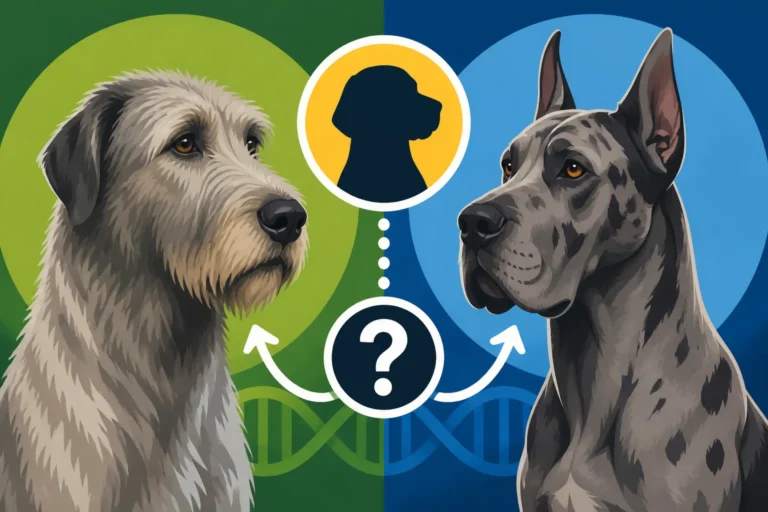
Breeders carefully study pedigrees and genetic possibilities to predict litter outcomes. For example, a fawn Dane might carry a recessive gene for blue or brindle, even if it doesn't express it visually. This is why a fawn Great Dane might occasionally produce a blue or brindle puppy if bred to a partner carrying similar hidden genes. Knowledge of these genetic principles helps ensure that breeders can aim for healthy, well-tempered dogs with desirable coats like The Fawn Great Dane and Its Black Mask. If you're looking at Great Dane Puppy Prices in 2026, a reputable breeder will be transparent about the genetic background and expected colors.
| Great Dane Color | Base Pigment | Mask Present | Common Description |
|---|---|---|---|
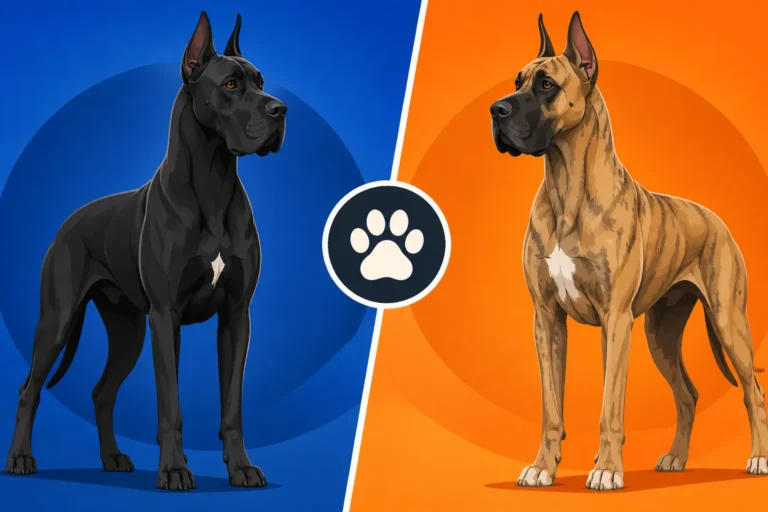
| Fawn | Phaeomelanin | Yes | Golden-yellow to red-gold body with a black mask, nose, and eye rims. |
| Brindle | Phaeomelanin | Yes | Fawn body with black stripes. Black mask present. |
| Black | Eumelanin | No | Solid black body, nose, and eye rims. |
| Blue | Diluted Eumelanin | No | Steel-gray body, nose, and eye rims. |
| Harlequin | Eumelanin (Black) | Yes/No | White body with irregular torn black patches. Mask may be present depending on underlying fawn/brindle genes. |
| Mantle | Eumelanin (Black) | No | Solid black blanket over the body, with white on neck, chest, legs, and tail tip. |
| Merle | Diluted Eumelanin | No | Gray or silver body with darker gray/black patches. Can have blue eyes. |
The Signature Black Mask: A Fawn Dane's Defining Feature
While the golden body color is certainly eye-catching, it's the black mask that truly completes the classic fawn Great Dane look. This distinctive facial marking isn't just an accessory; it's an integral part of what makes a fawn Dane, a fawn Dane, according to breed standards and historical recognition.
The Distinctive Appearance of the Mask
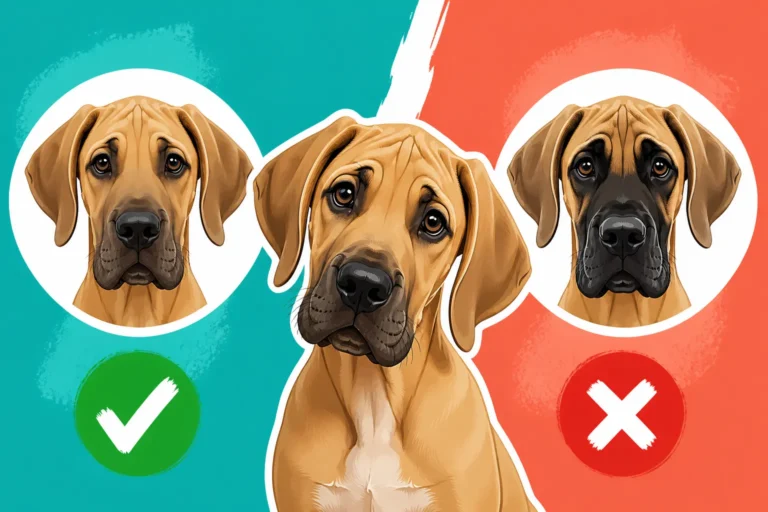
The black mask typically covers the muzzle, extending over the bridge of the nose and often encircling the eyes. It can also include the rims of the eyes, giving them a very striking, almost kohl-rimmed appearance, and may extend up into the ears. This sharp contrast between the light fawn body and the dark black face creates a powerful and elegant visual. It adds depth and expression to the Dane's face, enhancing their noble and intelligent gaze.
Imagine a Great Dane without this mask—the face might appear softer, perhaps a little less defined. The mask provides a strong frame for the facial features, emphasizing the broad skull, deep-set eyes, and strong jaws that are characteristic of the breed. It’s a detail that, while seemingly small, contributes significantly to The Great Dane the Show Ring Is Looking For and the overall impression of a well-balanced and aristocratic dog.
Variations in Mask Coverage
While a strong, well-defined black mask is preferred, there can be some natural variations in its extent. Some fawn Danes might have a mask that is very dense and covers a significant portion of their muzzle and forehead, almost like they've dipped their face in ink. Others might have a lighter mask, where the black is more concentrated around the lips and nose, perhaps fading slightly on the cheeks or only minimally extending around the eyes.
These variations are normal and can be influenced by the dog's individual genetics. Some masks might even appear "smudged" or less sharply defined. While judges in the show ring might prefer a more pronounced and symmetrical mask, a Great Dane with a slightly less extensive mask is still a beautiful and true fawn. The key is that the black pigment is clearly present and gives that characteristic dark muzzle.
The Role of the Mask in the Breed Standard
For the fawn Great Dane, the black mask is not just an attractive feature; it's explicitly mentioned and required by most breed standards, including the AKC. The standard for fawn Danes states that the body color should be "yellow gold with a black mask." This means that a Great Dane puppy without a mask, even if its body is perfectly fawn, would not meet the standard for this color class. Whether a Fawn Great Dane Needs a Black Mask is a question with a clear answer in the world of dog shows.
This emphasis on the mask highlights its importance in defining the fawn coloration for the breed. It’s a historical trait, one that has been carefully preserved through selective breeding. When you see a fawn Great Dane with its striking black mask, you’re not just seeing a beautiful dog, but one that perfectly embodies a long-standing tradition of breed excellence and genetic precision.
Living with a Fawn Great Dane: Beyond the Coat Color
Beyond their stunning coloration, fawn Great Danes are, first and foremost, Great Danes. This means they come with all the wonderful qualities and unique challenges inherent to the breed. Understanding these aspects is just as important as appreciating their beautiful coats. Owning one of these "Apollo of Dogs" is a commitment, regardless of their color.
Common Misconceptions About Fawn Danes
Sometimes, people can develop misconceptions about Great Danes based on their coat color. For instance, some might believe that fawn Danes are inherently calmer or more prone to certain health issues than other colors. The truth is, a Great Dane's temperament, health, and personality are not determined by its coat color. A fawn Dane will be as gentle, playful, and loyal as any other color of Great Dane. The Great Dane's Reputation as the Apollo of Dogs stems from their general breed traits, not specific colorations.
What does influence temperament and health far more significantly is responsible breeding. A well-bred fawn Great Dane from health-tested parents is far more likely to have a sound temperament and robust health than a Dane of any color from a backyard breeder without proper screening. So, while you might be drawn to the beauty of a fawn coat, remember to prioritize the overall health and lineage of the dog when searching for a puppy. Reading a Great Dane Puppy's Health Papers is far more important than the exact shade of fawn.
Care Considerations for Any Great Dane, Fawn or Otherwise
The care requirements for a fawn Great Dane are the same as for any other Great Dane. They need a high-quality, large-breed puppy food formulated for slow growth when young to protect their developing joints. As adults, they require a diet appropriate for their immense size, often eating Feeding an Adult Great Dane Six to Ten Cups a day. Regular exercise is important, but it needs to be managed carefully, especially during their rapid growth phases, to avoid stressing their large frames.
Grooming is relatively straightforward for their short coats, but regular brushing helps manage shedding and keeps their coat looking its best. Bathing a giant dog can be a challenge, but fortunately, their short hair doesn't demand frequent washes. And, of course, every Great Dane needs consistent training and socialization from a young age due to their potential size and strength. The Manners a Great Dane Needs Before It Grows are critical, whether they're fawn, black, or blue. For food and grooming supplies, many owners find brands like Chewy offer a wide selection of products suited for giant breeds.
Finding a Reputable Breeder for a Fawn Great Dane
If you're set on welcoming a fawn Great Dane into your home, the most crucial step is finding a reputable breeder. A good breeder will prioritize health, temperament, and adherence to the breed standard, not just color. They will be transparent about the health screenings performed on their breeding dogs for conditions common in Great Danes, such as heart issues and hip and elbow dysplasia. They will also be knowledgeable about the specific genetics of their lines, including coat colors.
Don't be afraid to ask questions about the parents' health clearances, temperament, and living conditions. A responsible breeder will welcome your inquiries and be happy to share information and introduce you to the dam (and sometimes the sire). Expect a thorough interview process yourself, as they want to ensure their puppies go to loving, prepared homes. While you might have a preference for a beautiful fawn, remember that the health and well-being of your future companion should always be the top priority. Many essential supplies, from giant dog beds to extra-large food bowls, can be found readily available through online retailers like Chewy, helping you prepare for your new family member.
Disclaimer
This article is for general informational purposes only and does not constitute professional advice. Laws, prices and regulations vary by location and change over time. Consult a qualified professional for guidance on your specific situation.