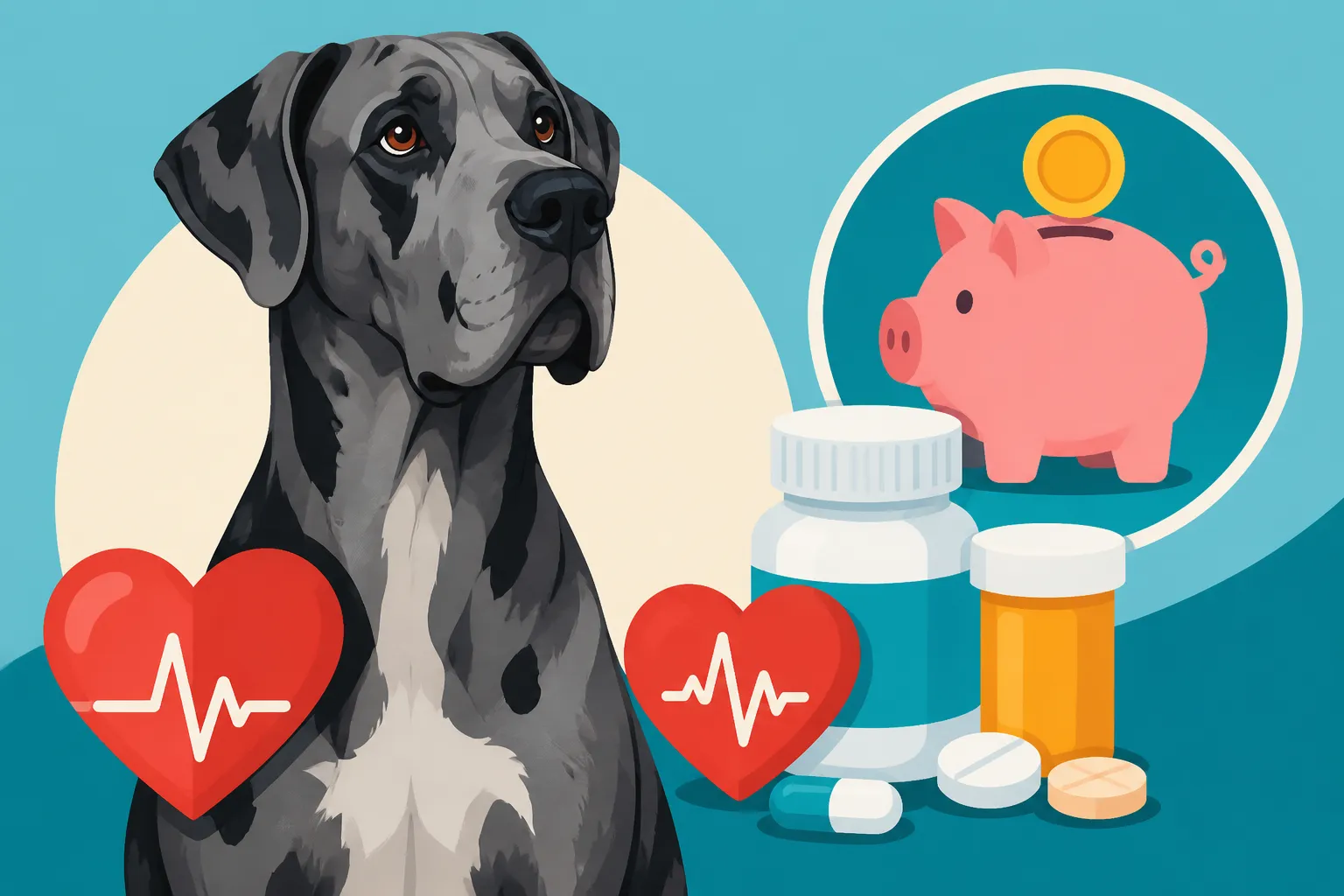
Heart Medication Costs at Great Dane Doses
The news that your beloved Great Dane needs heart medication can feel like a punch to the gut. Beyond the immediate worry for their health, many owners are instantly hit with a wave of anxiety about the financial implications. Let's be honest, everything for a Great Dane costs more — from their giant beds to their massive food bowls – and heart medications, dosed for a dog that might weigh 150 pounds or more, are no exception. This guide is here to help you understand the realities of heart medication costs for your Great Dane, explaining why they're often substantial and how you can best prepare for this lifelong financial commitment.
The Great Dane's Heart: Why Medication Becomes a Lifelong Commitment
One of the most challenging realities of sharing your life with a Great Dane is facing their predisposition to certain serious health conditions, and heart disease, particularly Dilated Cardiomyopathy (DCM), sits high on that list. When a vet diagnoses DCM, it means the heart muscle has become weakened and enlarged, losing its ability to pump blood efficiently. This isn't a condition that gets better on its own; it's a progressive disease that requires careful, often lifelong, management with medication.
The sheer size of a Great Dane means that their heart has to work incredibly hard under normal circumstances. When that heart starts to fail, the body's compensatory mechanisms kick in, but they can only do so much for so long. Medications are introduced to help the heart function better, reduce fluid buildup, improve blood flow, and alleviate symptoms, giving your Dane a better quality of life and, hopefully, more time with you. It's a fight against a relentless opponent, and the medications are your crucial allies.
Many owners feel a deep sense of frustration and helplessness when they learn about the chronic nature of these conditions. It's not like treating a temporary infection; it's a long haul, and that means consistent, ongoing medication expenses. Understanding that this isn't a one-time fix but a marathon can help prepare you mentally and financially for what lies ahead. The goal is always to keep your gentle giant comfortable and thriving for as long as possible, and that often hinges on consistent medication. For more on this, you might find our article on The Heart Muscle Disease Great Danes Are Prone To particularly helpful.
The Scale of the Problem: Great Dane Doses
It might seem obvious, but the biggest factor driving up medication costs for a Great Dane is, well, their size. Medications are typically dosed by weight. A small chihuahua might get a tiny pill, but a 150-pound Great Dane needs a much larger quantity of the active ingredient. This isn't just about giving them more pills; it often means needing stronger concentrations or multiple tablets per dose, sometimes several times a day.
Consider a common heart medication like Pimobendan, often prescribed for DCM. For a small dog, a single tablet might last them a day or even longer. For a Great Dane, you could be looking at multiple large tablets, two or three times a day. This rapidly escalates the number of pills needed per month, directly translating to higher refill costs. It’s like buying groceries for one person versus a family of ten; the sheer volume dictates the price.
This isn't just about the quantity of pills; it also impacts how frequently you'll need to refill prescriptions. Instead of refilling a small bottle every few months, you might be calling the pharmacy every two to three weeks for your Great Dane's supply. This constant need for medication means the expenses are not just high, but also frequent, creating a continuous financial drain that can be hard to keep up with without proper planning. This is definitely one of The Great Dane Bills Nobody Mentions when you first bring them home.
Progression and Increasing Medication Needs
Heart conditions in Great Danes, especially DCM, tend to be progressive. What starts as a mild condition requiring one or two medications can, over time, escalate to needing a cocktail of four, five, or even more different drugs to manage the symptoms effectively. Each new medication added to the regimen means an additional ongoing cost.
Imagine your Dane initially starts on Pimobendan and a diuretic. As their condition progresses, they might need an ACE inhibitor, then perhaps an anti-arrhythmic, and sometimes other supplementary medications to support kidney function or manage other side effects. Each new addition, while vital for their comfort and health, adds another layer to your monthly veterinary pharmacy bill.
This progression also means that the cost isn't static. What you pay in the first year of diagnosis might significantly increase in subsequent years as more medications become necessary. This can be a huge source of stress for owners, as it feels like an ever-moving target. It's a cruel reality of managing chronic illness in giant breeds, where the love we have for them often compels us to do whatever it takes, regardless of the escalating financial burden.
Breaking Down the Bill: Common Heart Medications and Their Impact
Understanding the specific medications commonly used for Great Dane heart conditions can give you a clearer picture of where your money is going. While I can't give specific prices (these fluctuate wildly based on location, supplier, and even current market demand), I can describe the types of drugs and their general cost implications, especially at the high doses required for a giant breed.
Many of these medications are human-grade pharmaceuticals, which means they undergo rigorous testing and manufacturing standards. This quality comes at a cost, but it's essential for your dog's safety and efficacy. When you combine this with the sheer volume needed for a Great Dane, it’s easy to see how the numbers quickly add up.
The good news is that advancements in veterinary cardiology mean there are effective treatments available. The tough part is balancing that with the financial commitment. Our article on Medication for a Great Dane With DCM delves deeper into specific drug types.
Key Medications and Their General Cost Profiles
Let's look at some of the common players in the Great Dane heart medication game:
- Pimobendan (Vetmedin is a common brand name): This is often a cornerstone medication for DCM, helping the heart pump more effectively. It's typically given twice daily. Because it's a specific veterinary drug, it can be quite costly, and given a Great Dane's weight, you'll need a significant supply. It's one of the meds that can really drive up the monthly bill, often being among the most expensive.
- Diuretics (e.g., Furosemide/Lasix): These medications help remove excess fluid from the body, which is critical in managing congestive heart failure. They are generally less expensive than Pimobendan, often available as generics. However, again, the large doses needed for a Great Dane mean you're still buying a lot of pills.
- ACE Inhibitors (e.g., Enalapril, Benazepril): These drugs help relax blood vessels and reduce the workload on the heart. They are commonly prescribed and, like diuretics, often available in generic forms, which can make them slightly more affordable than proprietary drugs. Still, the dose for a Great Dane ensures a substantial monthly expense.
- Anti-arrhythmics (e.g., Sotalol, Mexiletine, Diltiazem): If your Great Dane develops arrhythmias (irregular heartbeats), these medications become necessary. Some are more expensive than others, and they can sometimes be quite specialized. The cost here can vary widely depending on the specific drug needed to control the arrhythmia.
- Nutritional Supplements (e.g., Taurine, L-Carnitine, CoQ10): While not strictly "medications" in the pharmaceutical sense, these are often recommended to support heart health, especially if a nutritional deficiency is suspected or to complement the primary drugs. They generally come in larger quantities and can add a fair amount to the monthly budget, particularly when purchased at Great Dane appropriate doses.
It's clear that the combination of these medications, all dosed for a giant breed, means that the monthly cost is going to be significant. This isn't just a few dollars here and there; it's a substantial line item in your monthly budget.
Compounding Pharmacies and Generic Options
One area where some owners find a little relief is through compounding pharmacies or by opting for generic versions of medications when available. Not every medication has a generic equivalent, and not all can be compounded, but it's always worth discussing with your veterinarian.
- Generic Medications: For drugs like Furosemide or Enalapril, generic options exist. These are chemically identical to their brand-name counterparts but are often significantly cheaper. Always ask your vet if a generic is a suitable option for your Great Dane. This small change can sometimes save you a notable amount over the course of a year.
- Compounding Pharmacies: A compounding pharmacy can custom-prepare medications in specific dosages or forms (like a liquid or flavored chew) that might be easier to administer or more cost-effective. For example, if a specific pill only comes in a very small dose and your Great Dane needs many of them, a compounding pharmacy might be able to create a higher-dose capsule or a liquid formulation that reduces the overall cost and hassle of administration. They can also often flavor medications, which can be a godsend for picky eaters. You can often get these prescriptions filled through online pharmacies like Chewy or even your local human pharmacy, provided they handle veterinary compounding.
Remember, never try to split human pills or alter your dog's medication without explicit instructions from your vet. Dosing for animals is precise, and getting it wrong can be dangerous.
Strategies for Managing the High Cost of Great Dane Heart Care
Facing continuous, high medication costs can feel overwhelming, but there are strategies you can employ to make it more manageable. It requires planning, diligence, and sometimes a bit of negotiation, but it's worth it for your Dane's well-being.
One of the most important things you can do is to be proactive. Don't wait until you're staring at a huge bill to start thinking about how you'll pay for it. The earlier you put these strategies into place, the better prepared you'll be. This is especially true for a breed like the Great Dane, where health issues like heart disease and Bloat in a Great Dane and the One in Three Odds are unfortunately common.
Let's look at some practical steps you can take to alleviate some of the financial pressure associated with heart medication.
Pet Insurance: A Lifeline for Chronic Conditions
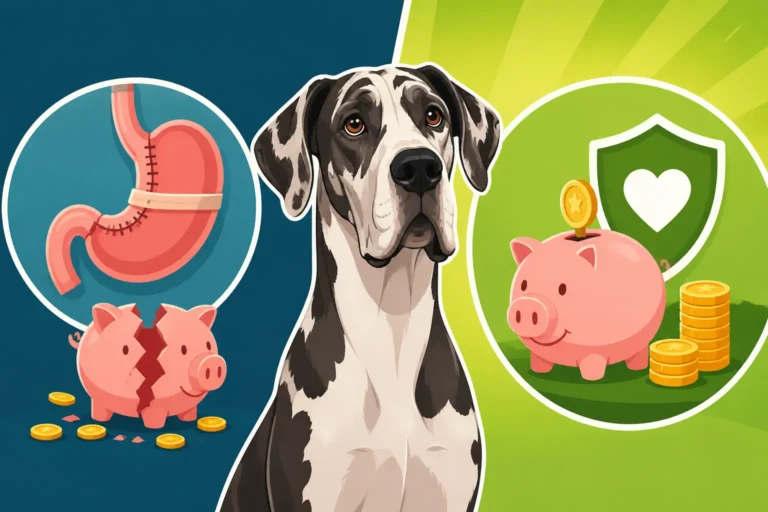
Pet insurance can be an absolute lifeline, especially for chronic conditions like DCM that require lifelong medication. While the monthly premiums for a Great Dane might seem steep initially (and they are, given the breed's predispositions), the benefits can far outweigh the costs when a major illness strikes. It's certainly a conversation worth having, as our article Insuring a Great Dane Against Bloat and Heart Bills points out.
Companies like Healthy Paws offer comprehensive plans that often cover a significant percentage of illness costs, including prescription medications. The key is to enroll your Great Dane before they develop any symptoms of heart disease, as pre-existing conditions are typically not covered. If your Dane is already diagnosed, unfortunately, that specific condition likely won't be covered, but other future illnesses or accidents still might be.
When researching pet insurance, pay close attention to the reimbursement percentage (e.g., 70%, 80%, 90%), the deductible, and the annual payout limits. For a Great Dane with a chronic condition, a higher reimbursement percentage and a higher annual limit can make a huge difference. Imagine getting 90% back on thousands of dollars in medication costs each year – that's substantial savings.
Online Pharmacies and Bulk Buying
Purchasing medications from reputable online pet pharmacies can often lead to significant savings compared to buying directly from your vet's office. Many vets mark up medications, and while that's part of their business model, it can add up quickly for large breeds.
Websites like Chewy's online pharmacy often offer competitive pricing, and some even have auto-ship options that can provide a small discount. Ordering in bulk, if your vet allows larger prescription quantities, can also reduce the overall cost per pill. Always check the expiration dates to ensure you'll use all the medication before it expires.
However, always exercise caution when using online pharmacies. Ensure they are legitimate and require a prescription from your veterinarian. Your vet will need to approve and send the prescription directly to the online pharmacy, or you might need to facilitate the transfer. Never purchase medication from sites that don't require a vet's authorization, as these sources can be unsafe or supply counterfeit products.
Discussing Options with Your Vet
Your veterinarian is your best partner in managing these costs. Don't be afraid to have an open and honest conversation with them about your financial concerns. They understand that pet care can be expensive and often have strategies or alternative solutions.
They might suggest:
- Generic Alternatives: As mentioned, asking if a generic version of a drug is available and appropriate for your Great Dane.
- Compounding: Exploring if a compounding pharmacy can offer a more cost-effective formulation or dosage.
- Prescription Sizing: In some cases, if a pill comes in multiple strengths, it might be cheaper to buy a higher strength and split it (if it's safe to do so and the pill is scored). Your vet can advise on this.
- Payment Plans: While not directly reducing medication costs, some veterinary practices or emergency clinics offer payment plans or work with third-party financing like CareCredit to help spread out large bills. This can be crucial during an emergency or initial diagnosis.
It's a conversation that can feel uncomfortable, but it's essential for your long-term ability to care for your Great Dane. Your vet wants what's best for your pet and will often try to find solutions that work for both your Dane and your wallet.
Beyond the Pills: The Hidden Costs of Canine Cardiology
While the medications are a major line item, they are far from the only expense associated with managing a Great Dane with a heart condition. There are a host of diagnostic, monitoring, and supportive care costs that silently add up, making the overall financial burden even heavier.
Many owners focus so much on the daily pill count that they sometimes overlook these other critical expenses until they arrive. Preparing for these ancillary costs is just as important as budgeting for the medication itself. Our discussion on Yearly Cardiology Costs for a Great Dane offers a broader view of these expenses.
Let's break down some of these often-overlooked but essential costs.
Diagnostic Tests and Regular Monitoring
Diagnosing and monitoring a Great Dane's heart condition involves several specialized tests. These aren't one-time expenses; they are typically repeated regularly to assess the progression of the disease and the effectiveness of the medication regimen.
- Echocardiograms (Echos): This ultrasound of the heart is the gold standard for diagnosing DCM and assessing heart function. Your Dane will likely need an initial echo for diagnosis, and then follow-up echos every 6-12 months, or as recommended by the cardiologist, to monitor changes. These are specialized tests performed by a veterinary cardiologist and are not inexpensive. Our article on What a Cardiologist Measures in a Great Dane Heart explains what's involved.
- Electrocardiograms (ECGs/EKGs): These monitor the electrical activity of the heart to detect arrhythmias. They might be done during routine vet visits or as part of a specialized cardiac workup.
- Holter Monitors: For more detailed assessment of arrhythmias, a Holter monitor might be prescribed. This is a portable ECG device that your Dane wears for 24-48 hours, providing a comprehensive recording of their heart rhythm during their normal activities. The device rental and interpretation add to the cost. If you're wondering about this, check out Holter Monitoring for a Great Dane Heart.
- X-rays (Radiographs): Chest X-rays are crucial for assessing lung fluid accumulation (a sign of congestive heart failure) and the size and shape of the heart. These are often repeated frequently, especially if your Dane is having respiratory symptoms.
- Bloodwork: Regular blood tests are essential to monitor kidney function, especially since many heart medications can impact the kidneys. Blood pressure monitoring is also crucial. These tests ensure that the medications aren't causing other problems and that dosages can be adjusted as needed.
These diagnostic and monitoring costs can easily add up to hundreds or even thousands of dollars annually, on top of the medication expenses. It’s part of the necessary vigilance required for effective heart management.
Specialized Veterinary Care and Referrals
While your general practice veterinarian can handle much of the day-to-day care, a Great Dane with a serious heart condition will often require the expertise of a board-certified veterinary cardiologist. These specialists have advanced training and equipment to diagnose and manage complex cardiac diseases.
Referral to a cardiologist means additional consultation fees, which are typically higher than those of a general practitioner. Travel to a specialized clinic, which might be further away, also adds to the overall cost in terms of fuel and time. These visits are essential for accurate diagnosis, treatment planning, and fine-tuning medication regimens, but they are a distinct expense beyond the pills themselves.
The expertise of a cardiologist is invaluable, but it's another financial layer that needs to be factored into the overall budget for your Great Dane's heart care. It's a testament to how seriously these conditions are taken in giant breeds like ours, and the lengths we go to give them the best chance.
Quality of Life and End-of-Life Planning
Beyond the immediate medical costs, there are also considerations for maintaining your Great Dane's quality of life as their heart condition progresses. This might involve:
- Comfort items: Orthopedic beds that support their large frame, especially as they age or if their mobility is affected by heart weakness.
- Mobility aids: Harnesses or slings if they become weak or have difficulty standing or walking.
- Special diets: Sometimes a low-sodium diet is recommended, which can mean purchasing specialized food or preparing home-cooked meals, adding to food expenses. For those who consider fresh food options, even brands like Ollie, which provides human-grade fresh food, would require careful consideration regarding sodium content and veterinary approval.
- Emergency care: Despite the best management, there can be acute crises like sudden worsening of congestive heart failure that require emergency veterinary visits, oxygen therapy, and intensive care. These situations can quickly rack up substantial bills, sometimes thousands of dollars overnight. This is where pet insurance, or a dedicated emergency fund, becomes absolutely critical.
And finally, facing the inevitable, there are end-of-life costs. While heartbreaking to consider, planning for compassionate euthanasia, cremation, or burial services is a part of responsible pet ownership, and these services also come with associated fees. These are decisions that nobody wants to make, but having a financial plan in place can ease some of the burden during an incredibly difficult time. Our article Knowing When a Great Dane Is Done can help prepare you emotionally.
| Cost Category | Description | Typical Frequency | Impact on Budget (Great Dane Doses) |
|---|---|---|---|
| Heart Medications | Pimobendan, Furosemide, Enalapril, Anti-arrhythmics, Supplements | Daily/Weekly Refills | High (Voluminous & Chronic) |
| Echocardiograms (Echo) | Heart ultrasound to diagnose & monitor DCM | Annually, or more often as needed | Moderate-High (Specialist Cost) |
| Chest X-rays | To check for fluid in lungs & heart size | Every few months, or as needed | Moderate (Frequent) |
| Bloodwork/BP | Monitor kidney function, electrolytes, blood pressure | Every 3-6 months, or as needed | Moderate (Routine but Important) |
| Cardiology Consults | Specialist vet visits for diagnosis, treatment plans, adjustments | Annually, or more often as needed | High (Specialist Fees) |
| Emergency Visits | Acute crises (e.g., severe CHF, fainting) requiring immediate intervention | Unpredictable | Very High (Potentially Thousands) |
| Supportive Care | Orthopedic beds, special diets, mobility aids | Ongoing | Variable |
Caring for a Great Dane with a heart condition is a journey filled with love, worry, and significant financial commitment. By understanding the types of medications involved, the impact of their size on dosing, and the various strategies available to manage costs, you can better prepare yourself for the road ahead. It's never easy, but arming yourself with knowledge and a plan can help ensure your gentle giant receives the best possible care for their precious heart.
Disclaimer
This article is for general informational purposes only and does not constitute professional advice. Laws, prices and regulations vary by location and change over time. Consult a qualified professional for guidance on your specific situation.