Transport Runs That Move Great Danes
Moving a colossal dog like a Great Dane from one place to another, especially over long distances, can feel like an impossible logistical puzzle. You’re not just packing a small carrier; you’re orchestrating the safe passage of a beloved, very large family member. This guide is here to walk you through the ins and outs of transport runs for Great Danes, ensuring you have all the information you need to make the best, safest choices for your gentle giant.
The Unique Challenges of Transporting a Great Dane
Transporting a Great Dane isn't like moving a terrier or a beagle. Their sheer size and specific needs present a whole different set of considerations that often catch owners by surprise. You can't just tuck them under an airline seat or even always fit them comfortably in a standard SUV.
Size and Space Requirements
First and foremost, the most obvious hurdle is their size. A fully grown male Great Dane can easily stand 32 inches at the shoulder and weigh upwards of 150-180 pounds, sometimes even more. This means they require exceptionally large, sturdy crates, and significant space in any vehicle or cargo hold. We're talking about crates that measure well over 40 inches high and deep. Imagine trying to fit something like that into the trunk of a regular car or even the back of many SUVs. It's simply not feasible.
Even if you manage to find a crate large enough, the space it occupies dictates the type of transport. For air travel, this often means specialized cargo planes or private charters, as regular passenger planes have limitations on the size of crates they can accommodate. For ground transport, it requires a vehicle specifically designed or modified to safely and comfortably house such a large crate, often meaning dedicated pet transport vans or larger trucks. This isn't just about physical dimensions; it's about providing enough room for them to stand up, turn around, and lie down naturally, which is a requirement for humane animal transport. Many standard "large" crates just aren't big enough for a true Dane, so finding Crates That Hold a Full-Grown Great Dane is a critical first step.
Health and Temperament Considerations
Beyond size, Great Danes have specific health and temperament considerations that make transport planning crucial. They are prone to certain conditions, most notably bloat (Gastric Dilatation-Volvulus or GDV), which can be acutely life-threatening and can be exacerbated by stress or changes in routine. The risk of Bloat in a Great Dane and the One in Three Odds is a constant concern for any owner, especially when contemplating travel. A long journey, strange environments, and disrupted feeding schedules can all contribute to anxiety, which is a known factor in bloat.
Their temperament, while generally described as "gentle giants," can also be a factor. While many Danes are calm and adaptable, some can be anxious in new situations, especially when separated from their owners or confined to a crate for extended periods. This anxiety can manifest as excessive drooling, panting, or even destructive behavior, which is not only distressing for the dog but can also pose safety concerns during transit. Ensuring they are well-socialized and desensitized to their travel crate beforehand is vital. Furthermore, ensuring your Dane has had recent health checks, including any necessary bloodwork and physical exams, is essential to confirm they are fit for travel, especially given potential Anesthesia Risk in a Great Dane if any sedation were ever considered (though generally avoided for long travel).
Regulatory and Airline Restrictions
Navigating the labyrinth of regulations is another significant challenge. Different airlines, and even different countries, have varying rules for transporting large breed dogs. Many commercial airlines have outright bans or severe restrictions on brachycephalic (short-nosed) breeds due to respiratory issues, but even giant breeds like Great Danes can face restrictions, especially during extreme weather conditions (hot or cold), which can exacerbate their susceptibility to heatstroke or hypothermia. You might find that Whether Any Airline Takes a Great Dane becomes a very complicated question, often leading to only a few, very specific cargo options or ground transport.
Beyond airline policies, there are health certificate requirements, vaccination records, microchip mandates, and sometimes even import permits for international travel. These documents need to be current and meticulously prepared, often requiring specific timelines (e.g., health certificates issued within 10 days of travel). Failing to comply can result in your Dane being denied transport or even quarantined. This paperwork can be complex and time-consuming, highlighting the need for early planning and professional guidance. Understanding what is required is vital, including necessities like What a Great Dane Microchip and License Run.
Types of Great Dane Transport Services
When you're faced with moving a Great Dane, it quickly becomes clear that a standard solution rarely fits. Thankfully, there are several specialized services designed to cater to the unique needs of giant breeds.
Professional Pet Transport Companies
These companies specialize in moving pets, often focusing on larger breeds or complex logistics. They handle everything from route planning and vehicle selection to ensuring all necessary paperwork is in order. Many offer door-to-door service, picking up your Great Dane from your home and delivering them to their new destination. This can be a huge relief for owners, as it offloads much of the stress and heavy lifting. They are typically experienced in managing the unique requirements of giant breeds, including crate sizing, comfort, and regular checks during transit.
When considering a professional pet transport company, it's crucial to look for those with a strong track record, positive reviews, and proper licensing and insurance. You want a company that understands the specific needs of a Great Dane, not just any dog. This often means they have vehicles with climate control, secure crating systems, and trained handlers familiar with giant breeds. Some companies, like those endorsed by the International Pet and Animal Transportation Association (IPATA), adhere to strict professional and ethical guidelines, giving you an extra layer of confidence.
Air Cargo vs. In-Cabin vs. Charter
For most Great Danes, "in-cabin" travel on a commercial flight is a non-starter. That's reserved for much smaller pets that can fit under a seat. Therefore, air travel for a Great Dane almost exclusively means air cargo. This involves your dog traveling in a temperature-controlled, pressurized compartment below the passenger cabin. It's generally faster than ground transport for long distances, but it comes with its own set of risks and regulations. As mentioned, many airlines have breed and temperature restrictions, and the stress of being in cargo can be significant for some dogs.
A more premium, albeit much more expensive, option is private pet charter. This involves hiring a small private plane specifically for your pet (and possibly you). This allows for much more flexibility, often includes a pet attendant, and can significantly reduce the stress of travel as your dog can often travel in the cabin with you. However, the cost is prohibitive for most owners, easily running into tens of thousands of dollars for cross-country or international flights. It’s important to weigh these options carefully against your budget and your Great Dane's specific needs and temperament, remembering that stress during travel is a major concern for their well-being.
Ground Transport Options (Private vs. Group)
Ground transport offers a popular alternative to air travel, especially for distances within the same country or continent. It allows for more direct oversight, more frequent potty breaks, and avoids the often-turbulent environment of an airport cargo hold.
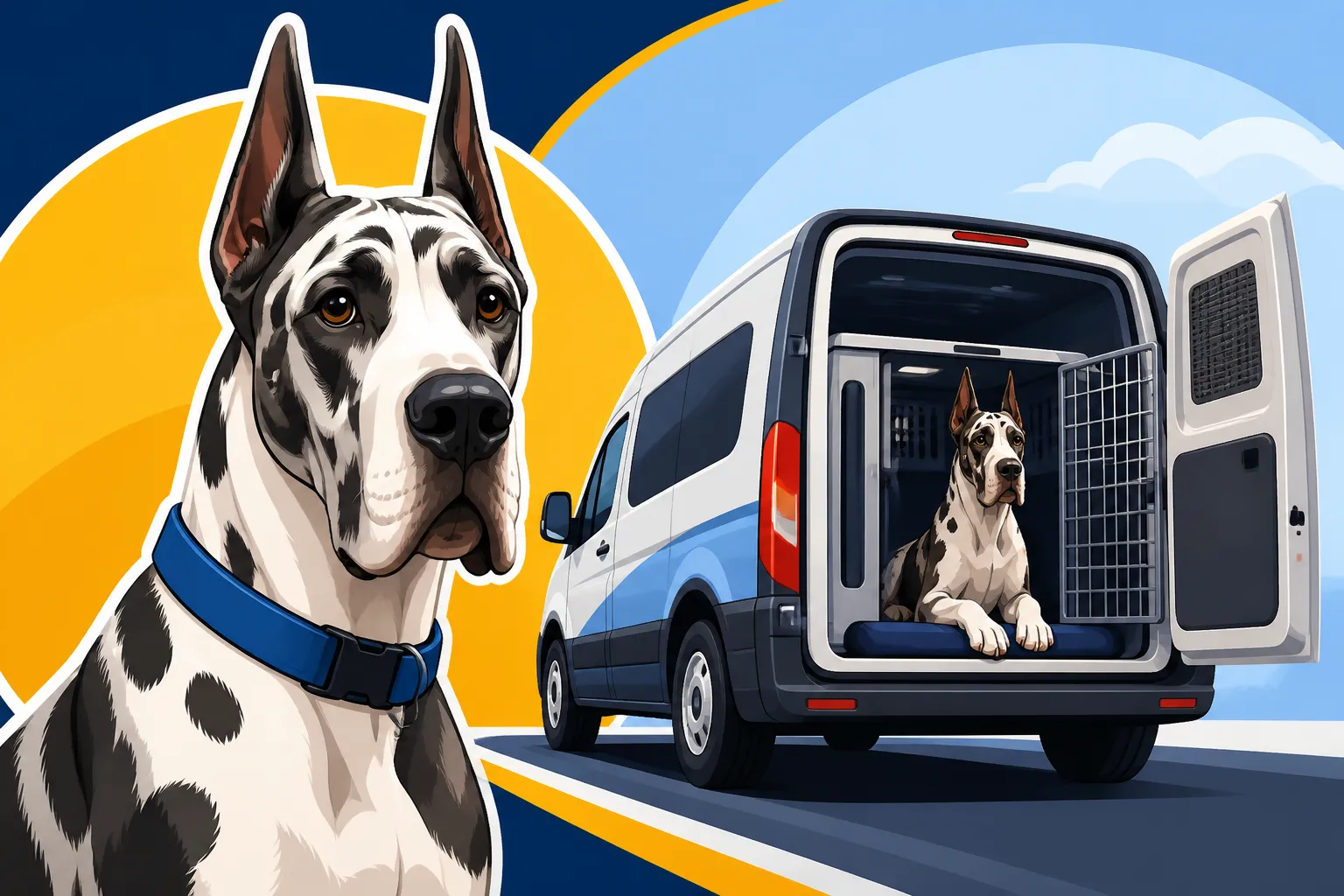
Private ground transport means your Great Dane is the only pet in the vehicle, receiving one-on-one attention from the driver. This is the most personalized option, allowing for flexible scheduling, custom routes, and individualized care. The vehicle will typically be a dedicated, climate-controlled van, and the driver will focus solely on your dog's welfare. This can be ideal for anxious Danes or those with specific health needs. The downside, naturally, is the higher cost due to the exclusive nature of the service.
Group ground transport involves your Great Dane sharing a vehicle with other pets. While still offering door-to-door service, the route will be optimized to pick up and drop off multiple animals, meaning longer travel times and less individualized attention during transit stops. However, it's significantly more affordable than private transport. Reputable group transporters will still prioritize comfort and safety, with spacious, climate-controlled crates and scheduled stops for food, water, and potty breaks. Companies like Happy Tails Travel or CitizenShipper are popular options that often facilitate both private and group ground transport services across the country, connecting pet owners with vetted drivers.
Preparing Your Great Dane for a Transport Run
Once you've decided on a transport method, proper preparation is key to a smooth and safe journey for your Great Dane. Neglecting these steps can lead to unnecessary stress, health issues, or even delays in their travel.
Health Checks and Documentation
Before any long-distance transport, your Great Dane needs a thorough health examination by your veterinarian. This isn't just a formality; it's a vital step to ensure your dog is fit enough for the journey. Your vet will check for any underlying health issues, ensure all vaccinations are up to date, and issue a health certificate. This certificate is a legal requirement for most interstate and international travel and typically has a strict expiration date, often valid for only 10 days. Don't procrastinate on this; schedule the vet visit close to the travel date.
During this check-up, discuss any concerns about your Dane's stress levels or specific health predispositions, such as the risk of bloat. Your vet might recommend prophylactic measures or advice on managing anxiety during transit. Ensure your dog's microchip is registered and up-to-date with your current contact information, as this is crucial for identification if they were ever to get lost. It’s also wise to have a copy of all vet records and emergency contacts readily accessible, both with the transporter and yourself. Thinking about the future, having a good pet insurance plan from a provider like Healthy Paws can also offer peace of mind for unexpected emergencies, even during routine travel. This proactive approach mirrors the importance of comprehensive screening, like The Health Testing a Great Dane Breeder Owes You before you even bring a puppy home.
Crate Training and Comfort Items
A comfortable and secure crate is non-negotiable for Great Dane transport. Your Dane should view their crate as a safe den, not a punishment. Start crate training well in advance, gradually increasing the time they spend inside it. Make it a positive experience by providing treats, favorite toys, and comfortable Bedding That Prevents Great Dane Hygromas. The crate itself must be airline-approved if flying, sturdy enough for a giant breed, and large enough for your Dane to stand, turn around, and lie down comfortably without crouching. Attach "Live Animal" labels, "This Side Up" arrows, and clear contact information to the outside.
Inside the crate, include a familiar blanket or an old t-shirt with your scent to provide comfort. A spill-proof water bowl or dispenser is essential, and some transporters might advise freezing water in the bowl before travel so it melts slowly, ensuring hydration without immediate spillage. Avoid putting too many toys inside, as they can become choking hazards or simply get in the way. For feeding, consider a slow feeder bowl from Chewy, even if just for their pre-travel meal, to ensure they don't eat too quickly.
Food, Water, and Potty Routines During Travel
Disrupting a Great Dane's routine can be unsettling, so try to keep feeding and potty schedules as consistent as possible before and during travel. For ground transport, the driver will typically coordinate scheduled stops for potty breaks and water. Pack enough of your Dane's regular food for the entire journey, plus a little extra, to avoid any sudden dietary changes that could cause stomach upset or stress. Measure out portions into individual bags for convenience. If your Dane eats a specialized diet, like fresh food from Ollie, discuss storage and feeding instructions with your transporter well in advance.
For air travel, feeding guidelines are stricter. Airlines often recommend a light meal several hours before the flight and no food for at least 4-6 hours prior to departure to minimize the risk of nausea or accidents. Water should be offered right up until departure and immediately upon arrival. While it’s hard to predict exactly how much a Great Dane will drink in a day, ensuring access to water through a securely attached bowl is key. Provide specific instructions to your transporter regarding your Dane's eating and drinking habits.
Choosing the Right Transport Service for Your Giant
Selecting the right transport service for your Great Dane is a critical decision. It’s not just about cost; it’s about safety, reliability, and your dog's well-being. Don't rush this process.
Vetting Potential Transport Providers
The pet transport industry is vast, and quality can vary significantly. Start by asking for recommendations from your veterinarian, Great Dane breeders, or local Great Dane rescue groups. These sources often have firsthand experience with reliable transporters. Once you have a list, thoroughly research each company. Check their credentials, licensing (e.g., USDA license for interstate transport in the US), and insurance coverage. A reputable company should be transparent about their policies and eager to answer your questions.
Look for online reviews and testimonials, paying close attention to comments specifically related to large breed transport. What do other Great Dane owners say about their experience? Were their dogs comfortable and well-cared for? Request references from previous clients and follow up on them. A good transporter will be happy to provide them. Finally, observe their communication. Do they respond promptly and clearly? Do they seem knowledgeable about Great Danes and their unique needs? You want a team that instills confidence and peace of mind.
Understanding Costs and Insurance Options
Transporting a Great Dane is a significant investment. Prices vary widely based on distance, mode of transport (air vs. ground, private vs. group), time of year, and the specific services included. Air cargo can range from several hundred to a few thousand dollars for domestic flights, while private ground transport can easily run into the thousands, especially for cross-country journeys. Group ground transport will be more economical but still a substantial cost. Get detailed quotes from multiple providers, outlining exactly what is included (e.g., crate, health certificate assistance, comfort stops, tracking).
Beyond the base cost, inquire about insurance. Many transporters offer their own insurance or require you to purchase it. This is separate from your personal pet insurance. This transport-specific insurance covers potential loss, injury, or death during transit. Understand the coverage limits, deductibles, and what exactly is excluded. While regular pet insurance like Healthy Paws is crucial for overall health, it typically won't cover incidents during commercial transport unless specifically added or excluded. Always read the fine print!
Questions to Ask Before Booking
Don't be shy about asking every single question that comes to mind. This is your beloved Great Dane, and you deserve complete transparency. Here's a checklist of crucial questions:
- Experience with Giant Breeds: Have they transported Great Danes or similar giant breeds before? What are their specific protocols for these dogs?
- Vehicle Specifications (for ground transport): What kind of vehicle will be used? Is it climate-controlled, well-ventilated, and equipped with secure, spacious crates for a Great Dane?
- Driver/Handler Qualifications: What training do their drivers or pet handlers have? Are they certified in pet first aid?
- Route and Schedule: What is the exact route? How many stops will there be, and for how long? What is the estimated travel time?
- Communication During Transit: How often will you receive updates on your Great Dane's progress? How will they contact you in case of an emergency?
- Emergency Protocols: What is their plan if your dog becomes ill or injured during transit? Where are their emergency vet contacts along the route? This is especially crucial given the potential for urgent issues like bloat, where What to Do the Minute a Great Dane Bloats is critical.
- Crate Requirements: Do they provide the crate, or do you need to supply one? What are the exact dimensions required?
- Food and Water: How will food and water be managed? What are their policies on feeding your specific brand of food (e.g., if you use something from Chewy or Ollie)?
- Cancellation Policy: What happens if you need to cancel or reschedule?
- References: Can they provide recent references from clients who transported large dogs?
Taking the time to ask these detailed questions will help you select a responsible and caring transporter who understands the unique needs of your Great Dane.
Comparison of Great Dane Transport Methods
| Feature | Private Ground Transport | Group Ground Transport | Air Cargo Transport |
|---|---|---|---|
| Cost | High (often several thousand dollars) | Moderate (typically $800 – $3,000) | Moderate to High (typically $500 – $2,500+) |
| Speed | Slower (dependent on distance, direct route possible) | Slowest (optimized route for multiple pets) | Fastest for long distances |
| Stress Level | Lowest (one-on-one attention, frequent breaks) | Moderate (shared vehicle, more stops, less direct route) | Highest (loud environment, separation, temperature risk) |
| Suitability for Danes | Excellent (customizable, direct, constant supervision) | Good (cost-effective, scheduled breaks, professional) | Fair (requires specific airline, weather restrictions, short-nosed breed concerns, high stress for sensitive Danes) |
| Flexibility | Very High (custom routes, schedules) | Moderate (fixed routes, less flexible) | Low (strict airline schedules, regulations) |
| Oversight | Constant communication with driver, direct updates | Scheduled updates from coordinator | Limited updates, only at major waypoints |
| Emergency Preparedness | Driver trained, direct vet access, customized plan | Protocol-driven, access to vets along route | Airline protocols, vet services at major hubs |
No matter which transport method you choose, remember that the goal is to make the experience as seamless and stress-free as possible for your Great Dane. Their comfort and safety should always be the top priority.
Disclaimer
This article provides general information and recommendations regarding Great Dane transport. It is not a substitute for professional veterinary advice or the specific policies of individual transport companies. Always consult with your veterinarian before making any travel plans for your pet and thoroughly vet any transport provider you consider.