When to Book a Great Dane Gastropexy
The sudden, terrifying onset of bloat in a Great Dane is a nightmare scenario for any owner, often leaving mere minutes to act before a life-threatening stomach twist occurs. Understanding the critical role of a preventive gastropexy can literally be a lifesaver, and knowing when to schedule this crucial procedure can provide immense peace of mind. This comprehensive guide will walk you through everything you need to know about the optimal timing for booking a Great Dane gastropexy, helping you make an informed decision for your beloved giant.
Understanding the Great Dane Bloat Risk
If you live with a Great Dane, you already know they're not just big dogs; they're magnificent, sensitive creatures with a few unique health vulnerabilities. Among these, gastric dilatation-volvulus (GDV), commonly known as bloat, stands out as a particularly frightening and deadly condition. It's not a matter of if it might happen, but often when, for many Danes.
Why Great Danes Are Susceptible to Bloat
Great Danes, alongside other large, deep-chested breeds like standard poodles and German shepherds, possess an unfortunate anatomical predisposition to bloat. Their chest cavity is simply built in a way that allows their stomach more room to swing and twist, much like a hammock. This isn't just a random occurrence; there's a strong genetic component, meaning if your Dane's parents or grandparents bloated, your pup has an increased risk. Beyond genetics and body type, certain lifestyle factors can contribute. Eating too quickly, consuming one large meal a day, excessive exercise or stress around mealtimes, and even a generally anxious temperament can all be potential triggers. It feels like you're constantly walking on eggshells, trying to balance their normal routine with the ever-present threat of this silent killer.
It's a frustrating reality that despite our best efforts to manage their diet and activity, the risk remains. We strive to feed them good quality food, often splitting their meals into two or three smaller portions throughout the day, using slow feeder bowls, and making sure they don't engage in strenuous play immediately before or after eating. Yet, the deep chest remains. The genetic predisposition is still there. This constant underlying worry about the one in three odds of bloat can be incredibly stressful for Great Dane owners.
The Devastating Impact of Gastric Dilatation-Volvulus
Gastric dilatation-volvulus is a two-part crisis. First, the stomach rapidly fills with gas, food, or fluid, causing it to distend, or "dilate." This alone is painful and dangerous, putting immense pressure on other organs and restricting blood flow. But the second part, the "volvulus," is the truly catastrophic twist. The distended stomach rotates on its axis, pinching off both the entry and exit points. This traps the gas and fluid, cutting off blood supply to the stomach wall and often the spleen. The pain is excruciating, and the dog goes into shock very quickly.
The signs can be subtle at first: restlessness, pacing, trying to vomit but producing nothing, excessive drooling, and a distended, hard abdomen. These symptoms escalate with terrifying speed. Without immediate emergency veterinary intervention, often within minutes to an hour, GDV is almost always fatal. It's a race against time that no one wants to run, and the thought of losing your beloved companion to such a rapid, agonizing condition is truly heartbreaking. Many owners who have experienced this describe it as the most terrifying event of their lives, highlighting just how crucial prevention can be.
What is a Gastropexy and How Does it Work?
Given the dire threat of GDV, a prophylactic (preventive) gastropexy has become a beacon of hope for Great Dane owners. It's a surgical procedure that, while not preventing bloat itself, dramatically reduces the chance of the deadly stomach twist.
The Surgical Procedure Explained
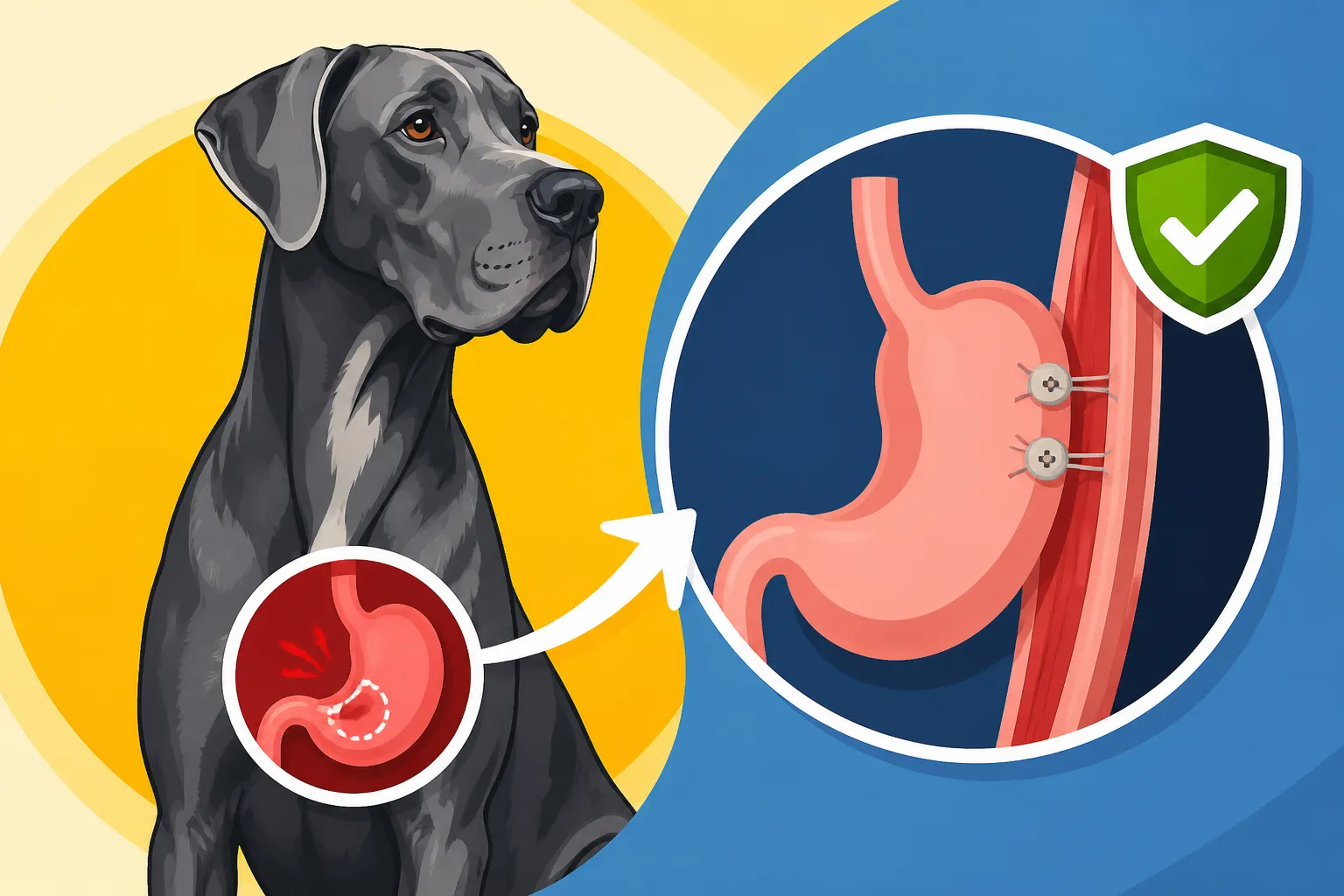
A gastropexy, at its heart, is a surgical procedure where a section of the stomach wall is permanently attached to the inside of the abdominal wall. Think of it as tacking the stomach in place so it can’t rotate freely. There are a few ways this can be done. Historically, it was performed as an "open" surgery, meaning a larger incision was made to allow the vet direct access to the stomach. However, advancements in veterinary medicine have made laparoscopic gastropexy a much more common and preferred option.
Laparoscopic surgery involves much smaller incisions – typically two or three tiny holes – through which a camera and specialized instruments are inserted. This minimally invasive approach generally leads to less pain, faster recovery times, and reduced risk of complications compared to traditional open surgery. During the procedure, the veterinarian identifies a specific part of the stomach, usually the pylorus (the exit part), and sutures it to the right side of the abdominal wall. The goal is to create a strong, permanent adhesion that physically prevents the stomach from twisting in the future.
How Gastropexy Prevents Stomach Twisting
It's crucial to understand that a gastropexy does not prevent your Great Dane from bloating. Gas can still build up in the stomach, causing discomfort and distension. However, by permanently attaching the stomach to the abdominal wall, the procedure prevents the stomach from twisting. This is the critical difference between a scary, painful bloat episode and a life-threatening GDV emergency. If your tacked Dane experiences bloat, the gas can usually be relieved through less invasive methods, often without the need for emergency surgery that would be required if the stomach had twisted.
This means that while you still need to be vigilant for signs of bloat and seek veterinary attention if they appear, you won't be facing the immediate, terrifying prospect of a twisted stomach and the incredibly high mortality rate associated with it. For many Great Dane families, this distinction provides an immeasurable amount of relief. It transforms a potential death sentence into a manageable health concern, allowing you to breathe a little easier knowing you've significantly mitigated the gravest risk your gentle giant faces.
Optimal Timing for a Great Dane Gastropexy
Deciding when to schedule your Great Dane's gastropexy is one of the most significant decisions you'll make for their long-term health and well-being. There are a few common scenarios, each with its own considerations.
Gastropexy During Spay or Neuter
For many Great Dane owners, the most practical and popular time to perform a prophylactic gastropexy is concurrently with their dog's spay (ovariohysterectomy) or neuter (orchiectomy) surgery. This approach offers several advantages. Your dog will already be under general anesthesia for the reproductive surgery, eliminating the need for a separate anesthetic event later. This not only reduces overall risk but also saves on costs, as you're only paying for one anesthesia session and one recovery period.
Typically, spaying and neutering are performed when a Great Dane is between 12 and 18 months of age, though recommendations can vary. This age range aligns well with when a gastropexy can safely be performed, as the dog is still young enough to recover well, but old enough that their abdominal organs are more mature. Combining the procedures means only one recovery period from surgery, which simplifies post-operative care for you and reduces stress for your dog. It's a common recommendation from veterinarians precisely because it's efficient, cost-effective, and provides maximum preventive benefits early in the dog's life. Discussing the option of adding a gastropexy when you plan for your Great Dane spay or neuter is a conversation you absolutely should have with your veterinarian.
Performing a Standalone Prophylactic Gastropexy
While combining with a spay or neuter is often ideal, it's certainly not the only option. Many Great Danes are kept intact for breeding purposes or simply because their owners prefer not to alter them. In these cases, a standalone prophylactic gastropexy can and should still be considered. For intact males and females, the procedure can be performed anytime after they've reached sufficient physical maturity, typically after one year of age.
The considerations for a standalone procedure are similar to any other elective surgery. Your dog will need pre-surgical bloodwork and a thorough physical exam to ensure they are healthy enough for anesthesia. The recovery will be focused solely on the gastropexy incision and associated discomfort. While it means an additional anesthetic event compared to combining with a spay/neuter, the benefits of preventing GDV far outweigh this risk. It's also an option for older Danes who might be rescues or whose owners simply weren't aware of the procedure's importance earlier in life. Even in a mature adult Dane, the benefits of preventing a fatal twist are profound. If your intact Great Dane is still young, it's worth exploring The Age to Tack a Great Dane's Stomach with your vet to find the perfect window.
Age and Growth Considerations
When it comes to Great Danes, their rapid growth rate in their first year is a huge factor in all health decisions, and gastropexy timing is no exception. Vets generally advise against performing a gastropexy on very young puppies, typically before 6-8 months of age. While some procedures might be technically feasible, the tissues are still developing and may not form as strong an adhesion as required. More importantly, growth plates are still open, and anesthesia at a very young age, while generally safe, might have minor considerations.
The sweet spot for most vets is between 12 and 24 months. At this point, your Great Dane is largely grown, and their abdominal wall and stomach tissues are mature enough to form a lasting bond. Waiting until they are fully grown, typically around 18-24 months for Great Danes, ensures their adult anatomy is established. However, you also don't want to wait too long, as the risk of a spontaneous bloat episode increases with age. Every month that passes without the procedure is another month where your Dane is fully susceptible to a life-threatening twist. Consulting with your veterinarian, who knows your specific dog's growth trajectory and overall health, is paramount to finding the optimal window. They can advise you based on their expertise and your Dane's individual development.
Deciding if Gastropexy is Right for Your Dane
Making the decision to put your beloved Great Dane through surgery, even a preventive one, is never easy. It requires careful thought, weighing potential benefits against the inherent risks, and considering your own capacity for post-operative care.
Weighing the Benefits Against the Risks
The primary benefit of a prophylactic gastropexy is undeniably significant: it drastically reduces the risk of death from gastric dilatation-volvulus (GDV). While it doesn't prevent bloat itself, it almost entirely eliminates the stomach twisting, which is the truly fatal component. This peace of mind, knowing you've taken a major step to protect your dog from one of the breed's leading killers, is invaluable. For many, this benefit alone outweighs the risks.
However, like any surgery, a gastropexy comes with inherent risks. These include the general risks of anesthesia (though these are typically low for healthy dogs), post-operative pain, potential for infection at the incision site, and, in rare cases, complications from the surgery itself. There's also the financial consideration; while often less expensive than emergency bloat surgery, it's still an investment. This is where a robust pet insurance plan like Healthy Paws can truly come into its own, helping to offset the costs of both preventive procedures and any potential complications. You might also want to look into Insuring a Great Dane Against Bloat and Heart Bills to understand how different plans handle such procedures. The recovery period requires restricted activity and careful monitoring, which demands commitment from the owner. You need to be honest with yourself about whether you can provide the necessary care during this time.
Factors Beyond Age and Procedure Timing
While age and whether you combine it with a spay/neuter are crucial, other factors should influence your decision. Your Great Dane's overall health is paramount. A full pre-surgical workup, including blood tests and a cardiac check, is essential to ensure they are a good candidate for anesthesia. If your Dane has any underlying health conditions, especially heart issues common in the breed, your vet might recommend additional diagnostics or adjustments to the anesthetic protocol.
Your Dane's temperament also plays a role. A dog that is naturally anxious or reactive might find the recovery period more challenging, requiring extra effort from you to keep them calm and adhere to activity restrictions. Furthermore, your lifestyle and commitment are important. Can you commit to the post-operative care, which includes pain management, monitoring the incision, and restricting strenuous exercise for several weeks? For those with busy schedules, arranging for a trusted pet sitter or family member to help might be necessary. This isn't just a decision for your dog; it's a decision for your entire household, ensuring you can provide the best possible support through recovery.
Preparing for Your Dane's Gastropexy
Once you've made the decision to move forward with a gastropexy, proper preparation is key to a smooth procedure and a successful recovery. This involves working closely with your veterinarian and setting up your home for post-operative care.
Pre-Surgical Consultations and Diagnostics
The journey to gastropexy starts with a thorough pre-surgical consultation with your veterinarian. This is your opportunity to ask every question you have, no matter how small, about the procedure itself, the anesthesia, potential risks, and recovery expectations. Your vet will discuss the specific type of gastropexy (open vs. laparoscopic) they recommend and why, as well as the expected timeline for the surgery and recovery.
Crucially, your Great Dane will undergo a series of pre-surgical diagnostics. This typically includes a complete blood count (CBC) and a biochemistry panel, which assess organ function and ensure there are no underlying infections or metabolic issues that could complicate anesthesia or recovery. For a large breed like a Great Dane, especially as they get older, your vet might also recommend a pre-operative cardiac screening, such as an echocardiogram, to check for any heart abnormalities, which are unfortunately common in the breed. These tests are vital for ensuring your dog is as healthy as possible before undergoing anesthesia. Knowing what to expect from Pre-Surgery Bloodwork on a Great Dane can help ease your mind about this initial step.
Post-Operative Care and Recovery
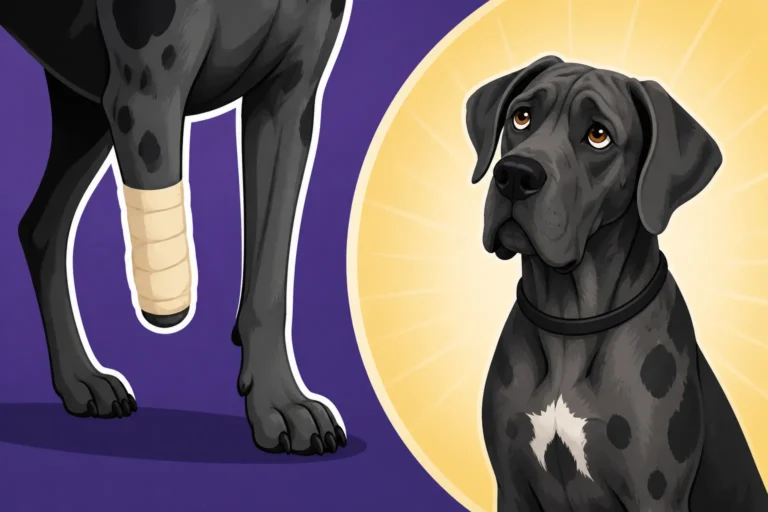
The recovery phase is just as important as the surgery itself. Your veterinarian will provide detailed instructions for post-operative care, which you must follow diligently. Pain management is a top priority; your Dane will likely go home with anti-inflammatory medications and pain relievers to keep them comfortable. Strict activity restriction is essential to allow the surgical site to heal properly. This means no running, jumping, stairs, or strenuous play for several weeks. Leash walks for potty breaks will be the extent of their exercise.
You'll need to monitor the incision site daily for any signs of infection, excessive swelling, or discharge. An Elizabethan collar (e-collar) or "cone of shame" will likely be necessary to prevent your Dane from licking or chewing at the incision, which could lead to complications. Your vet will also advise on diet changes, if any, and when to resume normal feeding. Keeping your Dane in a quiet, confined space where they can't get into trouble is important. This might mean crating them or confining them to a single, easily managed room. Understanding Recovery After Great Dane Bloat Surgery (even though this is preventive, the recovery is similar) can give you a good idea of what to expect.
Life After Gastropexy: What to Expect
Having a gastropexy doesn't mean you can completely forget about bloat, but it certainly changes the landscape of risk. Life after the procedure involves continued vigilance, coupled with the profound relief of having mitigated the most lethal aspect of the condition.
Continued Vigilance for Bloat Signs
It's a common misconception that a gastropexy completely eliminates the risk of bloat. This isn't true. As we've discussed, the procedure prevents the twist (volvulus), but your Great Dane can still experience gastric dilatation, where the stomach fills with gas and distends. This is still a painful and serious condition that requires veterinary attention, but without the twist, it's far less immediately life-threatening. You should still be acutely aware of the signs of bloat: restlessness, pacing, dry heaving, excessive drooling, and a distended abdomen.
If you observe these symptoms in your tacked Dane, contact your veterinarian immediately. They will likely want to see your dog to assess the situation and relieve the gas, often through passing a stomach tube or, in some cases, medication. The good news is that because the stomach cannot twist, the emergency is usually less frantic, and the prognosis is far better. However, ignoring bloat signs in a tacked dog can still lead to severe discomfort and other health issues, so vigilance remains key. For more on this, check out Whether a Tacked Great Dane Can Still Bloat.
Long-Term Management and Lifestyle Adjustments
Even after a successful gastropexy, continuing with smart management practices can further reduce the overall risk of bloat and promote your Great Dane's general digestive health. This includes feeding smaller, more frequent meals rather than one large one, which can help prevent rapid gas accumulation. Using a slow-feeder bowl or putting obstacles in their regular bowl can slow down enthusiastic eaters.
It's also wise to avoid strenuous exercise or excitement immediately before or after meals. Give your Dane at least an hour of calm before and after eating to allow their stomach to settle. While the debate around raised food bowls is ongoing, some owners find them helpful for comfort, though scientific evidence on their impact on bloat risk is mixed. Ensuring your Dane has constant access to fresh water is also important. Beyond feeding, maintaining a generally calm household and minimizing stress can contribute to their overall well-being. These Meal Habits That Cut a Great Dane's Twist Risk are excellent practices for any Great Dane, tacked or not.
By understanding the procedure, timing it wisely, and continuing smart care, you're not just hoping for the best; you're actively setting your Great Dane up for a longer, healthier, and happier life, free from the immediate, terrifying threat of a twisted stomach.
| Timing Scenario | Ideal Age Range | Benefits | Considerations |
|---|---|---|---|
| With Spay/Neuter | 12-18 months | One anesthesia event, lower overall cost, combined recovery, early protection | Requires timing with reproductive surgery, not for intact dogs |
| Standalone Prophylactic | 12-24 months | Flexibility for intact dogs, can be done if spay/neuter already occurred | Separate anesthesia event, separate recovery, additional cost |
| For Older Dogs (non-emergency) | 2+ years | Mitigates risk for adult Danes, provides peace of mind | Higher anesthetic risk (though still low), longer recovery for older dogs |
| Emergency Gastropexy | Any age | Life-saving during actual GDV episode | Performed under urgent, high-stress conditions, higher cost, higher risk |
Disclaimer
The information provided in this guide is for informational purposes only and does not constitute veterinary medical advice. Always consult with a qualified veterinarian regarding any health concerns or before making any decisions about your pet's medical care. Individual outcomes may vary based on your pet's specific health condition and other factors.