How a Great Dane Gastropexy Is Done
The terrifying reality of Gastric Dilatation-Volvulus, or "bloat," looms large for every Great Dane owner. It’s a sudden, life-threatening emergency that can strike without warning, leaving you feeling helpless and frantic as you race against the clock. This guide is here to walk you through one of the most proactive steps you can take to protect your gentle giant: the gastropexy procedure, explaining exactly how this vital surgery is performed to give you peace of mind.
Understanding Gastric Dilatation-Volvulus GDV in Great Danes
For those of us who share our lives with Great Danes, the term "bloat" carries an enormous weight of fear. It’s not just a belly ache; it's a medical catastrophe known as Gastric Dilatation-Volvulus (GDV), and it’s disproportionately common and deadly in our beloved breed. Understanding why it happens and what the procedure aims to prevent is the first step in making informed decisions for your Dane's health.
Why GDV is a Great Dane Emergency
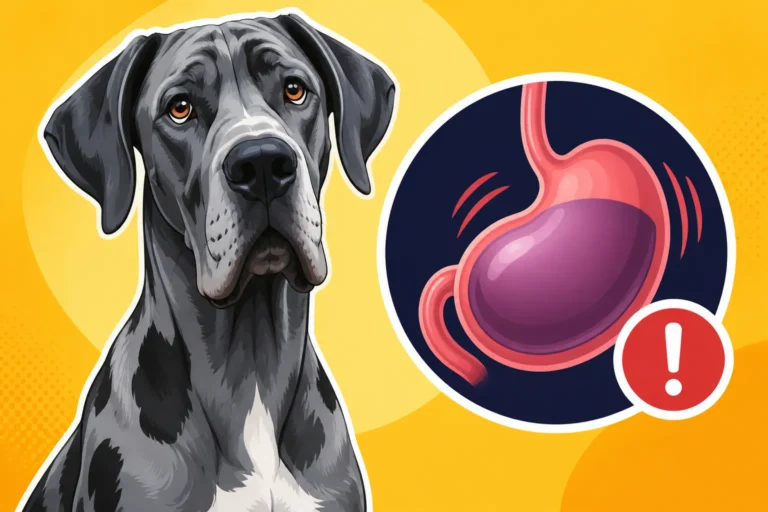
Imagine your dog's stomach, full of food, gas, and liquid, suddenly twisting on itself like a knot. This isn't just uncomfortable; it's a critical, rapidly progressing condition where the stomach's rotation pinches off both its entrance and exit. Gas and fluids become trapped, causing the stomach to inflate like a balloon, pressing on major blood vessels and impairing breathing and blood flow back to the heart. The internal pressure can rupture the stomach wall, lead to shock, and quickly cause death if not treated immediately. This is why GDV is always an emergency, demanding immediate veterinary intervention. The statistics are chilling; studies show that Bloat in a Great Dane and the One in Three Odds are a very real concern for this breed.
The Mechanics of a Stomach Twist
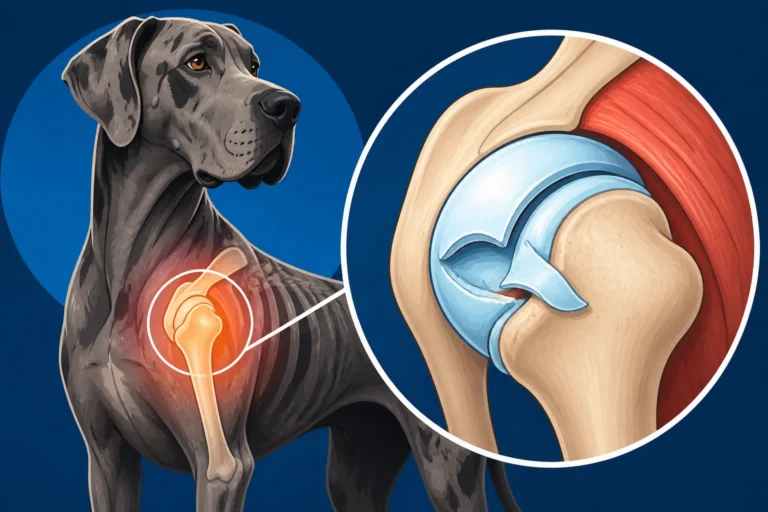
The unique anatomy of a Great Dane plays a significant role in their susceptibility to GDV. Their deep, narrow chests, while majestic, provide ample space for the stomach to swing and rotate. Unlike other breeds where the stomach might be more constrained, a Great Dane's stomach has more freedom of movement within the abdominal cavity. Factors like eating too quickly, vigorous exercise after meals, or even stress can contribute to the stomach dilating with gas. Once distended, it's easier for the stomach to flip over, typically in a clockwise direction, effectively sealing itself off. This twist cuts off blood supply to the stomach and often the spleen, leading to tissue death and releasing toxins into the bloodstream, triggering widespread organ damage and shock.
Identifying the Urgent Signs of Bloat
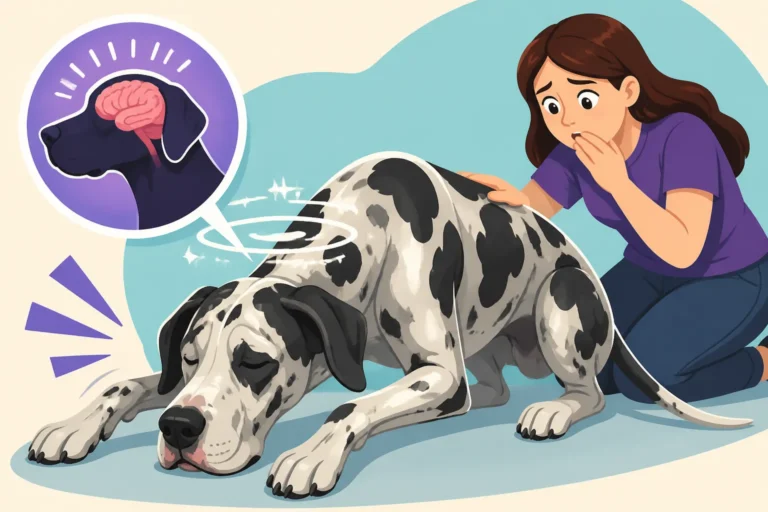
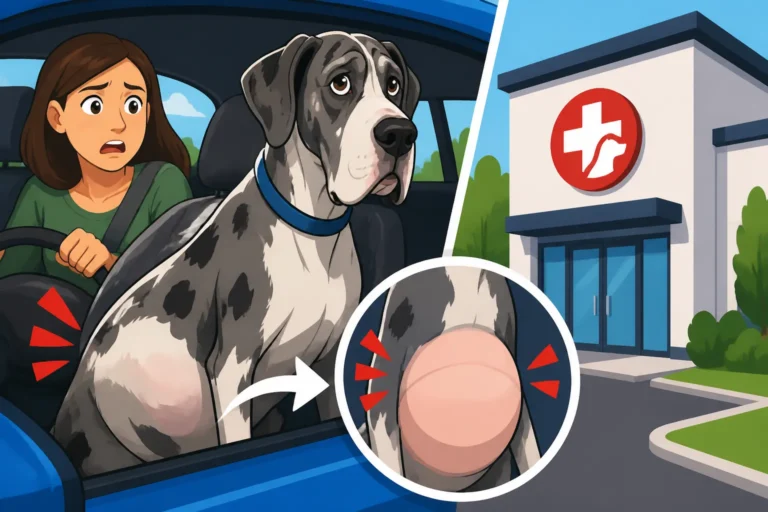
Recognizing the signs of GDV is literally a matter of life or death. Early symptoms can be subtle but rapidly escalate. You might notice your Great Dane pacing restlessly, attempting to vomit but producing nothing (known as a "non-productive retch"), drooling excessively, or showing signs of discomfort when you touch their abdomen. As the condition progresses, their belly will become noticeably distended and hard to the touch, and they may pant heavily, have pale gums, or collapse. Any suspicion of bloat should send you straight to the emergency vet, without delay. Knowing The Signs of a Great Dane Stomach Twisting can buy precious minutes, and understanding What to Do the Minute a Great Dane Bloats is critical for a positive outcome.
What a Gastropexy Aims to Achieve
A gastropexy isn't a magical shield against all digestive woes, but it is the single most effective preventative measure against the fatal stomach twist of GDV. It’s a surgery that aims to anchor the stomach, specifically the pylorus (the exit part), to the abdominal wall, preventing it from rotating.
The Preventative Power of Tacking the Stomach
The core principle behind a gastropexy, often called "stomach tacking," is simple yet incredibly effective: prevent the stomach from twisting. By creating a permanent adhesion between the stomach and the internal body wall, the gastropexy prevents the critical rotation that defines GDV. While the stomach can still dilate with gas, it cannot physically turn over, thus eliminating the life-threatening volvulus component. This distinction is crucial; a dog with a gastropexy can still "bloat" (dilate) but cannot "twist." The goal is to transform a potentially fatal emergency into a serious but manageable discomfort that can be relieved by a vet, often through gastric decompression. For many Great Dane owners, having their dog undergo Stomach Tacking Surgery for a Great Dane offers immense relief, significantly reducing the chances of a deadly outcome.
Not a Cure-All: What a Gastropexy Doesn't Prevent
It's important to have realistic expectations. A gastropexy is a preventative measure against stomach twisting (volvulus), but it does not prevent the stomach from dilating (bloating). Your Dane could still experience a build-up of gas or fluid, leading to an uncomfortable, distended belly. While less dangerous than a twist, this still warrants veterinary attention to ensure there are no other underlying issues and to help relieve the pressure. Furthermore, a gastropexy doesn't prevent other gastrointestinal problems, such as pancreatitis, inflammatory bowel disease, or foreign body obstructions. It specifically targets the mechanical rotation of the stomach, offering peace of mind regarding GDV, but not a blanket immunity to all digestive ailments. This is why it’s important to understand Whether Tacking Ends Great Dane Bloat Risk fully.
The Ideal Timing for the Procedure
Deciding when to perform a gastropexy is a common discussion among Great Dane owners and veterinarians. Generally, the procedure is recommended as a prophylactic (preventative) measure in young Great Danes, typically between 6 months and 2 years of age. Often, it's combined with other routine surgeries like spaying or neutering, as the dog is already under anesthesia. This reduces the overall cost and stress of multiple surgical events. Performing it early, before the dog has had any bloat episodes, is ideal, as an emergency gastropexy during a GDV crisis is far more complex and carries higher risks. Some vets may even recommend it for Danes under a year old, given the breed's rapid growth and predisposition. If you're wondering When to Book a Great Dane Gastropexy, discussing your dog's specific age, health, and your vet's recommendations is always best.
The Different Approaches to Performing a Gastropexy
There isn't just one way to perform a gastropexy. Advances in veterinary medicine have provided several options, each with its own benefits and considerations. The choice often depends on your veterinarian's expertise, the dog's individual health, and sometimes, your budget.
Open Abdominal Gastropexy: The Traditional Method
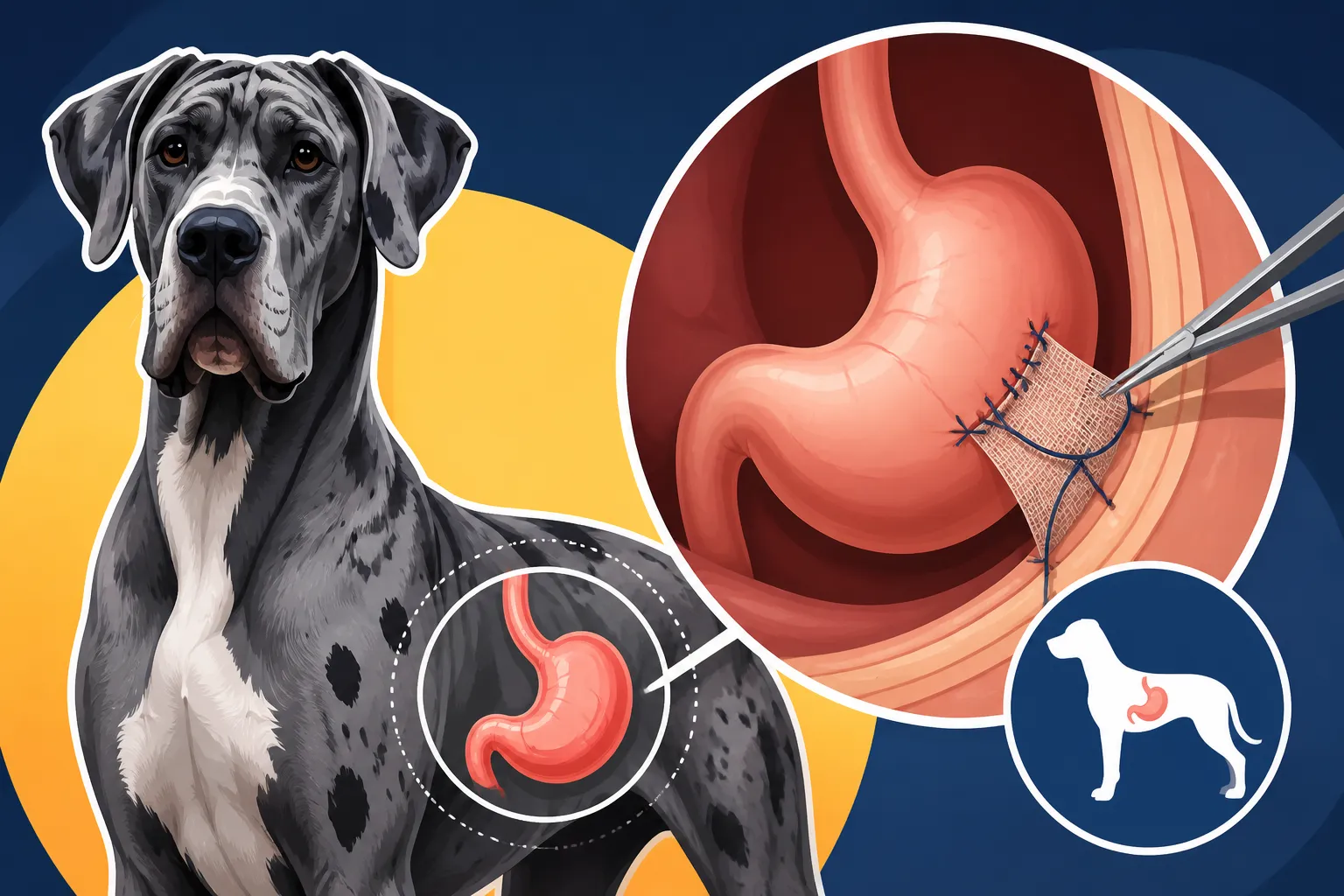
The traditional method involves a full incision down the midline of the abdomen, allowing the surgeon direct visualization and access to the stomach. Once the stomach is located and any gas or fluid removed, a small incision is made in the outer layer of the stomach wall (the seromuscular layer) and a corresponding incision is made in the abdominal wall. These two raw surfaces are then sutured together, creating a permanent bond as they heal. This method is highly effective and allows the surgeon to thoroughly inspect other abdominal organs for any abnormalities. It is often the preferred method during an emergency GDV surgery, as it provides the quickest and most direct access to correct the twisted stomach.
While highly successful, the open method involves a larger incision, which typically means a longer recovery time and potentially more discomfort post-operatively compared to less invasive options. However, for a surgeon who is well-practiced, it's a very straightforward and reliable procedure, making it a common choice, particularly in general veterinary practices that may not have specialized laparoscopic equipment.
Laparoscopic Gastropexy: Minimally Invasive Option
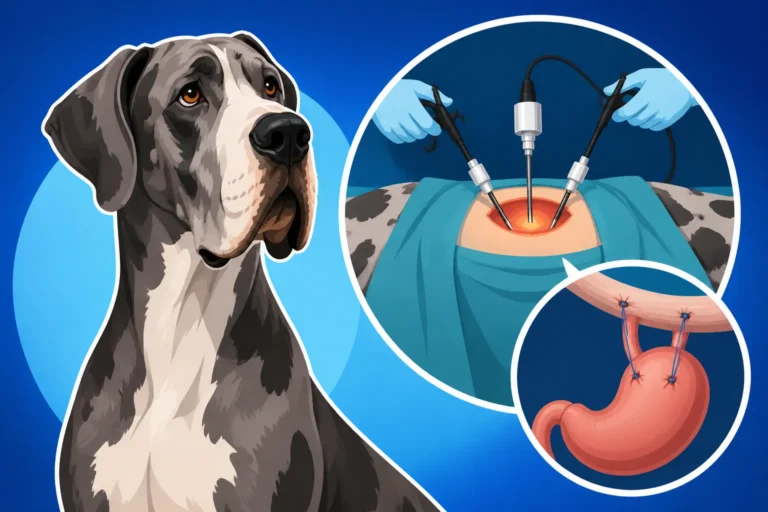
Laparoscopic gastropexy, also known as "keyhole" surgery, is a minimally invasive technique that uses a camera and specialized instruments inserted through small incisions in the abdominal wall. This approach is gaining popularity due to its reduced pain, smaller incisions, and faster recovery times. The surgeon watches a magnified view on a monitor as they perform the procedure. There are a few variations of laparoscopic techniques, but they all involve creating a permanent attachment between the stomach and the abdominal wall, similar to the open method, but with less trauma to the surrounding tissues.
A significant benefit of this approach is the reduced surgical stress on the dog, translating to less post-operative pain and a quicker return to normal activity. However, it requires specialized equipment and training, meaning it might only be available at larger veterinary hospitals or specialty referral centers. While it generally costs more up front due to the equipment and expertise, the faster recovery can sometimes offset costs associated with extended post-operative care or complications. This option is frequently sought out by owners, and Laparoscopic Gastropexy on a Great Dane offers a less invasive solution.
Incorporating Gastropexy with Other Surgeries
One of the most practical and cost-effective ways to get a gastropexy done is to combine it with another planned abdominal surgery, most commonly spaying (ovariohysterectomy) or neutering (orchiectomy). Since the dog is already under general anesthesia and the abdomen is open (or being accessed laparoscopically), adding the gastropexy makes logistical sense. This reduces the total number of times your Great Dane needs to undergo anesthesia in their lifetime, which is a significant consideration given the potential Anesthesia Risk in a Great Dane.
Many veterinarians offer this as a routine add-on for large breeds like Great Danes, understanding the critical importance of preventing GDV. Discussing this option with your vet when scheduling your dog's spay or neuter is highly recommended. It’s an efficient way to provide lifelong protection against GDV without the need for a separate procedure down the line. It's often referred to as Adding a Gastropexy to a Great Dane Spay or neuter.
Here's a quick comparison of the open and laparoscopic approaches:
| Feature | Open Abdominal Gastropexy | Laparoscopic Gastropexy |
|---|---|---|
| Incision Size | Larger (several inches) | Small (1-3 small punctures) |
| Visualization | Direct, hands-on | Indirect, via camera on monitor |
| Recovery Time | Longer (typically 2-4 weeks) | Shorter (typically 1-2 weeks) |
| Pain Level | Potentially higher post-op | Generally lower post-op |
| Equipment | Standard surgical tools | Specialized camera & instruments |
| Cost | Often less expensive | Often more expensive |
| Availability | Widely available | Limited to specialty clinics/vets |
| Versatility | Good for emergency GDV, organ exam | Primarily for preventative use |
Step-by-Step Breakdown of the Surgical Process
Understanding the surgical steps can help alleviate some of the anxiety associated with your Great Dane undergoing a gastropexy. While the details may vary slightly between clinics and surgical methods, the general sequence of events remains consistent.
Pre-Operative Preparation and Assessment
Before any Great Dane goes under the knife for a gastropexy, a thorough pre-operative assessment is paramount. This typically begins with a comprehensive physical exam to ensure your dog is in good overall health. Blood work, including a complete blood count (CBC) and a chemistry panel, will be performed to check organ function, blood clotting ability, and to rule out any underlying conditions that could complicate anesthesia or surgery. For older Danes, or those with suspected heart issues, an electrocardiogram (ECG) or even an echocardiogram might be recommended. The veterinary team will carefully calculate anesthesia dosages based on your Dane's weight and health profile, considering the unique needs of giant breeds.
You'll be given instructions regarding fasting before surgery, usually withholding food for 8-12 hours and water for a few hours prior to admission. This helps prevent aspiration during anesthesia. On the day of the surgery, your Great Dane will be admitted, and you’ll likely meet with the surgeon to discuss the plan and sign consent forms. This is a great opportunity to ask any last-minute questions and ensure you're comfortable with everything. Often, an IV catheter will be placed to administer fluids and medications efficiently throughout the procedure, helping to maintain hydration and blood pressure. Pet insurance plans, such as those offered by Healthy Paws, can be invaluable here, often covering a significant portion of these pre-operative diagnostics, which can really add up for a large breed.
The Surgical Steps of an Open Gastropexy
Once your Great Dane is safely anesthetized and prepped, the surgery can begin. For an open gastropexy, the area of the abdomen will be shaved and thoroughly cleaned with antiseptic solution. A long incision is made along the midline of the abdomen, giving the surgeon full access to the abdominal cavity. The surgeon then carefully locates the stomach. If the procedure is preventative, the stomach will be in its normal position. If it's an emergency GDV surgery, the surgeon will first untwist the stomach and decompress it to relieve pressure, often by passing a tube down the esophagus or using a needle to release gas.
Next, the focus shifts to creating the adhesion. The pyloric antrum (the lower, exit part of the stomach) is identified. A small incision is made through the outer layers of the stomach wall, creating a raw surface. A corresponding incision is made in the right abdominal wall muscle (transversus abdominis muscle), also creating a raw surface. These two raw surfaces are then meticulously sutured together, ensuring a strong, permanent bond. Multiple layers of sutures are typically placed for added security. Once the gastropexy is complete, the surgeon will often perform a final inspection of the abdominal organs before closing the abdominal incision layer by layer. This careful closure is vital for proper healing and to prevent complications.
The Surgical Steps of a Laparoscopic Gastropexy
For a laparoscopic gastropexy, the steps differ in how access is gained and how the surgeon operates. After anesthesia and prep, the abdomen is inflated with carbon dioxide gas, creating a working space. Then, small incisions (ports) are made through the abdominal wall. A laparoscope (a thin tube with a camera) is inserted through one port, providing a magnified view of the internal organs on a monitor. Surgical instruments are inserted through other small ports. The surgeon manipulates these instruments while watching the screen.
Similar to the open technique, the pyloric antrum of the stomach is identified. A section of the stomach wall is then anchored to the right abdominal wall. There are different laparoscopic techniques, such as the incisional gastropexy (where a small portion of the stomach lining is "tucked" into a small incision in the abdominal wall and sutured) or circumcostal gastropexy (where part of the stomach wall is wrapped around a rib). The goal is always the same: create a strong, permanent adhesion to prevent rotation. Once the tacking is complete, the gas is released from the abdomen, and the small incisions are closed with sutures. This minimally invasive approach means less tissue disruption and generally leads to quicker Recovery After Great Dane Bloat Surgery compared to the traditional open method.
Post-Operative Care and Recovery for Your Dane
The surgery itself is only half the battle; proper post-operative care is crucial for a smooth recovery and successful outcome after a gastropexy. Your Great Dane will need careful monitoring and a structured recovery plan to ensure the surgical site heals correctly and they return to their majestic self.
Immediate Aftercare and Hospital Stay
Immediately after the gastropexy, your Great Dane will be carefully monitored in the recovery area. They will be kept warm, their vital signs (heart rate, respiration, temperature, blood pressure) will be continuously checked, and pain management protocols will be initiated. Pain relief is a top priority, often involving a combination of injectable medications and continuous infusions to keep them comfortable. Intravenous fluids will be continued to maintain hydration and support organ function. The veterinary staff will also monitor the incision site for any signs of swelling or discharge.
Most Great Danes will stay in the hospital for at least 24-48 hours post-gastropexy, sometimes longer if it was an emergency GDV repair or if there were complications. This allows the veterinary team to manage initial pain effectively, monitor for any post-anesthetic or surgical complications, and ensure they are recovering well before returning home. They'll gradually be offered small amounts of water and then a bland diet as tolerated. During this time, the staff will be assessing their appetite, thirst, and urination, ensuring all systems are beginning to function normally. Having robust pet insurance from providers like Healthy Paws can truly alleviate the financial burden of these critical overnight stays, which can quickly accumulate.
At-Home Recovery and Activity Restrictions
Once your Great Dane is cleared to go home, your role in their recovery becomes paramount. You'll be sent home with detailed instructions, which typically include:
- Medication: This will almost certainly include pain relievers, and possibly antibiotics, to be administered on a strict schedule. Make sure you understand the dosage and frequency.
- Wound Care: The incision site needs to be kept clean and dry. You’ll need to inspect it daily for redness, swelling, heat, or discharge. A surgical cone (Elizabethan collar) is essential to prevent your Dane from licking or chewing at the incision, which can lead to infection or reopening the wound. No matter how much they protest, the cone must stay on.
- Activity Restrictions: This is perhaps the hardest part for an active Great Dane. Strict rest is vital for the surgical site to heal properly. This means no running, jumping, stairs, roughhousing, or off-leash play for at least 2-4 weeks (longer for open surgery). Short, controlled leash walks for potty breaks are usually allowed. Confining your Dane to a smaller, easily managed area of the house can help enforce rest.
- Feeding: You'll likely be advised to continue a bland diet for a few days, gradually transitioning back to their regular food. Small, frequent meals are often recommended to reduce stomach distension.
- Follow-up Appointments: A recheck appointment will be scheduled, typically 10-14 days post-op, for suture removal (if external sutures were used) and to assess healing.
Adhering to these restrictions, especially limiting activity, is non-negotiable for a successful recovery. Pushing too much too soon can lead to serious complications like dehiscence (wound breakdown) or seroma formation.
Potential Complications and What to Watch For
While a gastropexy is generally a safe and effective procedure, like any surgery, it carries potential risks and complications. Being aware of these can help you spot issues early:
- Anesthetic Complications: Although rare, all anesthesia carries a risk, especially for giant breeds. This is why thorough pre-operative screening is so important.
- Infection: Bacterial infection at the surgical site or internally is a risk. Watch for excessive redness, swelling, pus, or a foul odor from the incision.
- Seroma/Hematoma: A seroma is a collection of fluid under the skin, and a hematoma is a collection of blood. Both can appear as a soft swelling near the incision. Small ones often resolve on their own, but larger ones might need draining.
- Suture Dehiscence: This is when the surgical incision opens up. This is a serious complication, often due to excessive activity or licking. Seek veterinary attention immediately if you notice this.
- Adhesion Breakdown: In rare cases, the stomach-to-body-wall adhesion created by the gastropexy can fail, meaning the stomach is no longer anchored. This is why proper post-operative rest is so critical for scar tissue to form strongly. While very uncommon, if this happens, the dog would again be at risk for GDV.
- Arrhythmias: Some Great Danes may experience irregular heartbeats post-operatively, especially after an emergency GDV surgery.
Always contact your veterinarian immediately if you notice any concerning signs during recovery, such as lethargy, loss of appetite, persistent vomiting, diarrhea, difficulty breathing, excessive pain, or any changes at the incision site. Having a pet insurance plan like Healthy Paws can provide critical financial support if complications arise, ensuring you can afford the best care for your Great Dane. Understanding The Lifetime Bloat Risk in a Great Dane and taking preventative action with a gastropexy is one of the most loving things you can do for your beloved companion.
Disclaimer
The information provided in this article is for general informational purposes only and is not a substitute for professional veterinary advice. Always consult with a qualified veterinarian for any health concerns or before making any decisions about your pet's medical care.