The Age a Great Dane Is Considered Old
It's a heartbreaking truth that our beloved Great Danes, those gentle giants who fill our homes and hearts, simply don't have the same long lifespan as many smaller breeds. The question of "when is my Great Dane considered old?" often comes much sooner than we'd ever want, leaving many owners feeling unprepared for the rapid onset of senior years. This guide is here to shed light on exactly when a Great Dane typically transitions into its senior phase and what changes you can expect, helping you better understand and support your aging companion.
The Accelerated Clock of Great Dane Aging
One of the toughest realities of sharing your life with a Great Dane is facing their accelerated aging process head-on. It's not just a feeling; it's a physiological fact that larger dog breeds mature and decline more quickly than their smaller counterparts. This means that while a tiny Chihuahua might still be romping around like a youngster at age seven, a Great Dane at the same age is firmly entrenched in its senior years, often displaying clear signs of slowing down.
Why Great Danes Age Faster Than Smaller Dogs
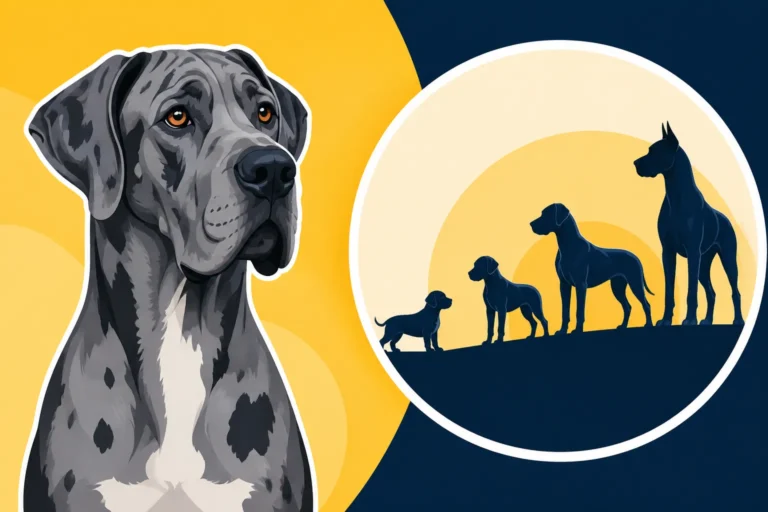
The scientific community points to a fascinating, yet heartbreaking, paradox: the larger the dog breed, the shorter its lifespan. Great Danes, being one of the largest breeds, exemplify this perfectly. Researchers believe that rapid growth, which is necessary to reach their monumental size, puts immense stress on their bodies. This accelerated cellular growth can lead to an increased risk of abnormal cell development, contributing to conditions like cancer, and also seems to tax their organ systems more intensely over time. Essentially, their bodies are working overtime from puppyhood, leading to quicker wear and tear. It’s like their internal clock ticks faster, burning through their years at an alarming rate compared to a dog that takes longer to reach maturity and maintains a smaller frame throughout its life.
The Great Dane Years That Count as Senior
So, when does that senior clock officially start for a Great Dane? While it can vary slightly from individual to individual, the general consensus among veterinarians and Great Dane enthusiasts is that these majestic dogs enter their senior years around five to six years old. This might sound incredibly young to someone accustomed to smaller dogs living well into their teens, but for a breed like the Great Dane, reaching seven or eight years old is often considered quite an achievement. It's crucial for owners to recalibrate their expectations and understand that a five-year-old Dane isn't just "middle-aged"; they are often already showing early signs of aging that require different considerations in their care, diet, and daily routine.
Pinpointing the Senior Threshold for Your Gentle Giant
While five to six years old is a general guideline for when a Great Dane is considered old, it's not a hard and fast rule that applies universally. Each dog is an individual, and factors like genetics, overall health, and lifestyle choices can influence exactly when they start to show their age. However, understanding the typical markers helps us recognize and respond to their changing needs sooner rather than later.
General Age Guidelines
Most vets categorize large and giant breeds as senior once they hit around 70-75% of their expected lifespan. For a Great Dane, whose average lifespan is often cited as Why a Great Dane Only Lives Seven to Ten Years, this puts them firmly in the senior bracket somewhere between five and seven years of age. Some might start showing subtle signs even earlier, while a lucky few might seem relatively spry a bit longer.
Let's look at a general comparison to help put this into perspective:
| Breed Size | Average Lifespan | Senior Age Begins | Great Dane Equivalent at Senior Age |
|---|---|---|---|
| Small | 12-15+ years | 10-12 years | N/A |
| Medium | 10-13 years | 8-10 years | N/A |
| Large | 8-10 years | 6-8 years | N/A |
| Giant | 7-10 years | 5-7 years | 10-12 human years old |
This table clearly illustrates how much earlier Great Danes reach their senior phase. It's a stark reminder that we need to adjust our perception of "old" when it comes to these magnificent dogs. This early onset means that from the age of five, you should already be thinking about how to adapt their exercise, diet, and veterinary care to support their aging body.
Individual Variation and Contributing Factors
Not every Great Dane will follow this timeline precisely. Just like people, some dogs age more gracefully, while others seem to decline more rapidly. Several factors play a significant role in this individual variation:
- Genetics: A strong genetic lineage with a history of long-lived Danes can certainly offer an advantage. Conversely, a background prone to certain conditions, like The Heart Muscle Disease Great Danes Are Prone To or Bone Cancer in a Great Dane, might see a Dane showing signs of aging earlier as these health challenges emerge.
- Nutrition: A high-quality diet tailored to giant breeds throughout their life, especially during their crucial growth phases and into adulthood, can contribute to better overall health and potentially a more comfortable senior period. Proper nutrition helps maintain muscle mass, supports organ function, and can even delay the onset of some age-related issues.
- Exercise and Weight Management: Keeping a Great Dane at a healthy weight is paramount. Excess weight puts immense strain on their joints, backs, and cardiovascular system, accelerating the onset of conditions like Arthritis in a Six-Year-Old Great Dane. Regular, appropriate exercise, without overdoing it, helps maintain muscle tone and joint flexibility.
- Preventative Care: Consistent veterinary check-ups throughout their life, including early screenings for common Great Dane ailments, can catch issues before they become severe. Addressing problems like early signs of joint disease or heart conditions can significantly improve their quality of life as they age.
It's a combination of these factors that ultimately shapes an individual Great Dane's aging journey. Being proactive in their younger years can certainly pay dividends as they enter their golden years, potentially making those senior years more comfortable and active.
Recognizing the Subtle and Obvious Signs of Seniority
As your Great Dane enters its senior years, you'll start to notice changes, some subtle at first, others more pronounced. Being attuned to these shifts is vital for providing them with the best possible care. It’s not about wishing away their age, but about recognizing their needs and making adjustments to ensure their comfort and happiness.
Physical Changes to Look For
The physical signs of aging are often the most apparent. You might notice your once-boisterous Dane starting to slow down, making what used to be effortless movements seem more challenging.
- Joint Stiffness and Mobility Issues: This is probably the most common and noticeable change. A senior Great Dane might struggle to get up after lying down, take longer to navigate stairs, or show a reluctance to jump into the car. You might observe a slight limp, especially after activity, or a general stiffness in their gait. This is often due to Great Dane Hips, Elbows and Growing Joints experiencing wear and tear, leading to conditions like arthritis. Their once fluid, powerful stride might become shorter, more deliberate, and less energetic.
- Decreased Energy Levels: The zoomies might become a distant memory, replaced by longer naps and less enthusiasm for extended walks or vigorous play. They might still enjoy a short stroll, but will tire much more quickly. This isn't laziness; it's a natural consequence of their body needing more rest and having less stamina.
- Coat and Skin Changes: Their coat might become duller, coarser, or start to thin in places. You might also notice more graying around their muzzle and eyes, which is a classic sign of aging in most dogs. Skin elasticity can decrease, and they might develop benign lumps and bumps, which should always be checked by a vet.
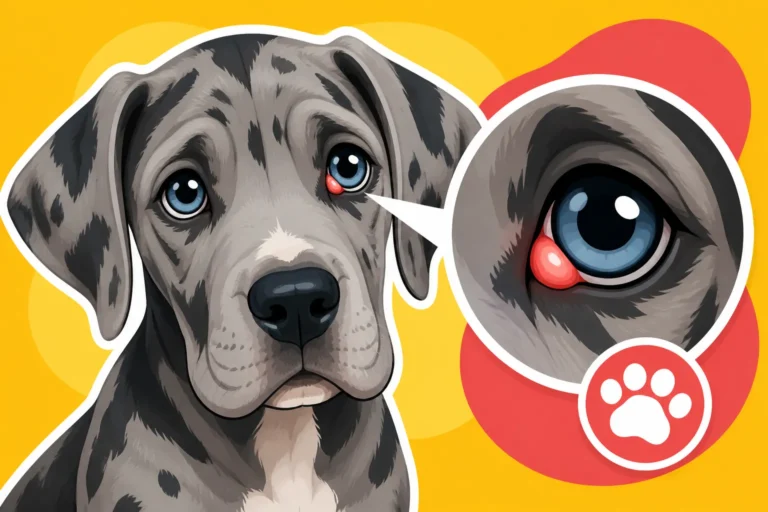
- Vision and Hearing Impairment: Just like humans, senior Great Danes can experience a decline in their senses. They might not respond as readily to their name, especially if you're not in their direct line of sight, suggesting hearing loss. Cloudiness in their eyes (lenticular sclerosis) is common and usually doesn't affect vision much, but cataracts can develop and impact their sight, causing them to bump into things or become disoriented in unfamiliar surroundings.
Behavioral Shifts That Signal Aging
Beyond the physical, you might also observe changes in your Great Dane's personality and habits. These behavioral shifts are equally important indicators that your dog is entering a new phase of life.
- Increased Sleep and Rest: Your senior Dane will likely spend a lot more time sleeping and resting throughout the day. They might seek out quieter, more comfortable spots to nap, preferring soft orthopedic beds over hard floors. This isn't a sign of boredom but a clear indication that their body needs more recovery time.
- Changes in Appetite or Thirst: Some senior Danes might have a decreased appetite, while others might become more prone to weight gain due to lower activity levels. Increased thirst could be a sign of underlying health issues like kidney disease or diabetes and warrants a vet visit.
- Cognitive Decline: Sometimes referred to as Canine Cognitive Dysfunction (CCD), this is similar to Alzheimer's in humans. Signs can include disorientation, changes in sleep-wake cycles (e.g., waking up and pacing at night), house-soiling accidents in a previously house-trained dog, decreased interaction with family members, or staring blankly at walls. It can be distressing to witness, but understanding it allows you to adapt their environment and routine to minimize confusion.
- Reduced Tolerance for Change or Stress: An older Dane might become less adaptable to new situations, people, or changes in routine. They might show more anxiety in unfamiliar environments or become more sensitive to loud noises. Their patience for boisterous young children or playful puppies might also wane, preferring peace and quiet.
Observing these changes, both physical and behavioral, is the first step in providing thoughtful and appropriate care for your aging Great Dane. Early recognition allows for early intervention, which can significantly improve their quality of life.
Tailoring Care for an Aging Great Dane
Once your Great Dane hits that five to seven-year mark, it’s time to shift gears in how you care for them. Their needs are different, and a proactive approach can make all the difference in keeping them comfortable, happy, and healthy for as long as possible. Caring for a Great Dane Past Six requires dedication and an understanding of their unique senior challenges.
Dietary Adjustments and Nutritional Needs
As a Great Dane ages, their metabolism tends to slow down, and their activity levels decrease. This means their caloric needs will likely change, and their diet should be adjusted accordingly to prevent weight gain, which can exacerbate joint problems.
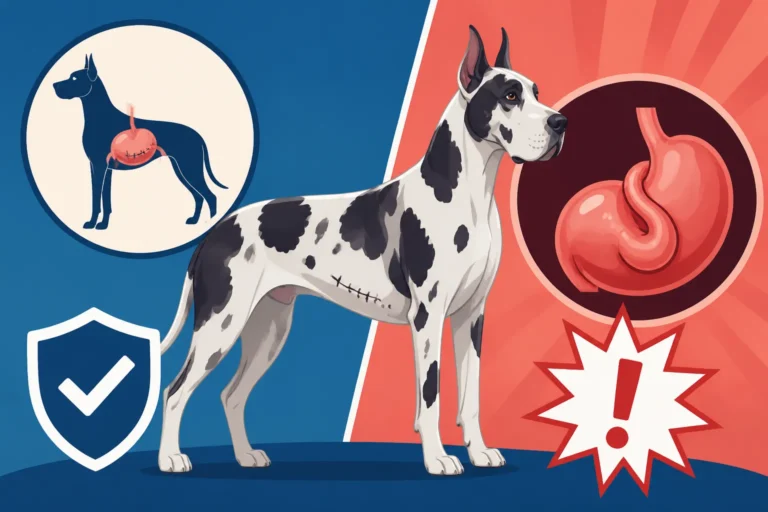
- Lower Calorie, High-Quality Food: Transitioning to a senior-specific dog food designed for large breeds is often recommended. These foods typically have fewer calories but still provide high-quality protein to maintain muscle mass. Look for ingredients that support joint health, like glucosamine and chondroitin. You might also find that splitting their meals into two or three smaller portions helps with digestion and reduces the risk of serious issues like Bloat in a Great Dane and the One in Three Odds.
- Joint Supplements: Even if their senior food contains joint support, your vet might recommend additional supplements. Fish oil (omega-3 fatty acids) is excellent for reducing inflammation and supporting joint and brain health. Brands like Nutramax's Dasuquin or Cosequin are often vet-recommended for their proven effectiveness. Always discuss any supplements with your vet to ensure appropriate dosing for a dog of Great Dane size.
- Dental Health: Dental issues become more common with age. Tartar buildup and gum disease can lead to pain, infection, and even impact systemic health. Regular dental care, including brushing at home and professional cleanings under anesthesia when necessary, is crucial. If your senior Dane has trouble chewing hard kibble due to dental pain, consider softening their food with warm water or switching to a wet food option.
Veterinary Care and Health Screenings
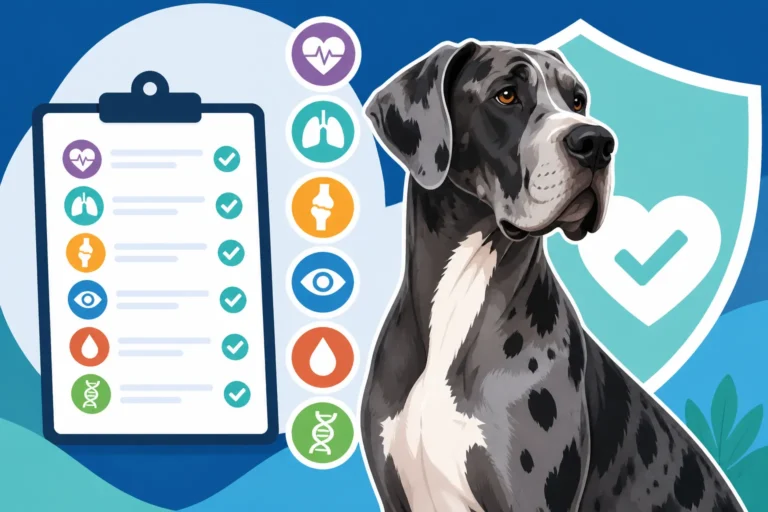
Routine vet visits become even more critical as your Great Dane ages. These visits aren't just for vaccinations; they're comprehensive health screenings designed to catch age-related conditions early, when they are often most treatable.
- More Frequent Check-ups: Most vets recommend twice-yearly check-ups for senior dogs. This allows for closer monitoring of their overall health, weight, and any new lumps or bumps. During these visits, your vet will pay close attention to signs of common senior Great Dane ailments.
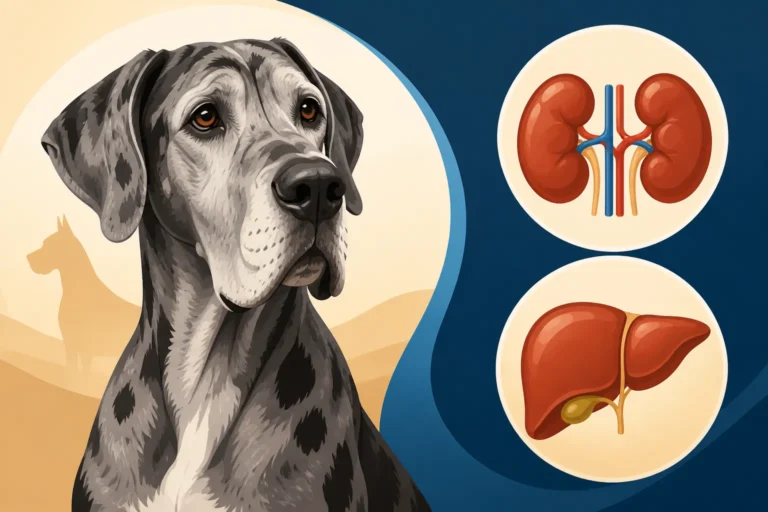
- Comprehensive Bloodwork: Routine blood panels, including a complete blood count (CBC) and chemistry profile, are vital. These can detect early signs of kidney disease, liver issues, diabetes, and thyroid problems. For Great Danes, thyroid screening is particularly important.
- Heart Screenings: Heart conditions, especially Dilated Cardiomyopathy (DCM), are prevalent in Great Danes. As they age, regular heart screenings, including Screening a Great Dane's Heart Each Year (echocardiograms) and Holter monitoring, become essential. Early detection of heart issues like How a Great Dane Heart Enlarges can allow for proactive management with medications like Medication for a Great Dane With DCM, significantly improving their quality of life.
- Pain Management: If your Great Dane is showing signs of arthritis or other chronic pain, your vet can recommend appropriate pain management strategies. This might include non-steroidal anti-inflammatory drugs (NSAIDs), other pain medications, or even alternative therapies like acupuncture or physical therapy. Managing pain is crucial for maintaining their mobility and overall well-being. This is also where having good pet insurance, like a plan from Healthy Paws, can really make a difference, as the costs for ongoing diagnostics and medication can add up quickly.
Comfort and Mobility Support
An aging Great Dane needs a comfortable and supportive environment that caters to their changing physical capabilities. Small adjustments can make a huge difference in their daily comfort.
- Orthopedic Bedding: A high-quality, supportive orthopedic bed is not a luxury; it’s a necessity for a senior Great Dane. These beds cushion their joints, relieve pressure points, and help them get comfortable more easily. Look for beds with dense, supportive foam that won't flatten under their weight. You might even consider having multiple beds in different areas of the house where they like to rest.
- Ramps and Steps: If your Dane struggles with stairs or getting into a car, ramps can be incredibly helpful. Using a ramp or sturdy steps can prevent injuries and make it easier for them to access their favorite spots or join you on outings. Even something simple like a step-stool for getting onto the couch can make a big difference in their daily comfort.
- Non-Slip Flooring: Hardwood or tile floors can be challenging for senior dogs, whose grip might be compromised by weakening muscles or arthritis. Placing rugs, runners, or carpet tiles in high-traffic areas can provide better traction, preventing slips and falls that could lead to serious injury.
- Mobility Aids: For Danes with significant mobility challenges, Mobility Aids for a Failing Great Dane such as harnesses with handles (like a Help 'Em Up Harness), or even custom wheelchairs, can provide incredible support, allowing them to remain active and engaged. These tools can help you assist them in standing, walking, or going to the bathroom.
- Regular, Gentle Exercise: While intense exercise is out, maintaining some level of gentle activity is still important for muscle tone and joint health. Short, slow walks, swimming (if they enjoy it and it's safe), or light play sessions can keep them stimulated without over-exertion. Always listen to your dog and stop if they show signs of fatigue or discomfort.
As your Great Dane transitions into its senior years, your role shifts to one of even greater advocacy and compassion. By understanding the signs of aging and proactively adjusting their care, you can ensure their golden years are filled with comfort, dignity, and continued companionship. And remember, having comprehensive pet insurance from a provider like Healthy Paws can alleviate some financial stress when managing long-term senior care needs.
Disclaimer
The information provided in this article is for general informational purposes only and is not a substitute for professional veterinary advice. Always consult with a qualified veterinarian for any health concerns or before making any decisions related to your Great Dane's health and care.