Adjusting Food After a Great Dane Is Neutered
Many Great Dane owners find themselves scratching their heads after their beloved giant has been neutered or spayed, wondering why their once lean, lanky companion suddenly seems to be packing on the pounds. It's a common, often frustrating, experience to watch your dog's metabolism shift and their waistline expand, especially when you're trying your best to keep them healthy. This guide will walk you through exactly why your Great Dane's nutritional needs change after this significant procedure and, more importantly, provide practical, empathetic advice on how to adjust their food intake to prevent unwanted weight gain and support their long-term health.
Why Neutering Changes a Great Dane's Metabolism
It's not just your imagination; neutering or spaying really does change a dog's body chemistry, and Great Danes, with their already unique growth and metabolic profiles, are no exception. Understanding why this happens is the first step toward effectively managing their diet afterward. It's a biological reality, not a reflection of your care, and knowing the underlying mechanisms helps you approach the solution with a clear mind.
Hormonal Impact on Energy Levels
When a male Great Dane is neutered, his body stops producing a significant amount of testosterone. Similarly, a spayed female no longer produces estrogen in the same way. These hormones play a crucial role in regulating metabolism, muscle mass, and even appetite. Testosterone, for instance, is known to have anabolic effects, meaning it helps build and maintain muscle mass. Muscle tissue is metabolically active, burning more calories even at rest compared to fat tissue. When testosterone levels drop, this muscle-maintaining and calorie-burning effect diminishes.
Think of it like this: before neutering, your Great Dane's body was operating on a slightly higher metabolic burner. That "burner" required a certain amount of fuel (calories) to keep running efficiently, maintaining muscle and supporting hormone production. After the procedure, it's as if that burner has been turned down to a lower, more fuel-efficient setting. If you continue to provide the same amount of fuel, those excess calories have nowhere to go but to be stored as fat. This hormonal shift can also subtly impact overall energy levels. While your Dane won't suddenly become a couch potato, they might experience a slight, almost imperceptible decrease in their natural drive or inclination to burn calories through vigorous play or exploration. It's a biological slowdown, and it means their body simply doesn't need as much food to sustain itself.
Reduced Calorie Needs
Beyond the direct hormonal impact, there's a more straightforward reason for reduced calorie needs: a change in activity level. While some Great Danes remain just as energetic and playful after neutering, many become a bit more settled. The primal drives associated with reproduction—like a male's strong urge to roam and mark territory, or a female's restless energy around her heat cycles—are significantly reduced or disappear entirely. This can lead to a subtle but consistent decrease in their daily energy expenditure.
Consider a scenario where your intact male Great Dane used to spend an hour each morning meticulously scent-marking every bush in the yard, or your intact female would pace excitedly, looking out the window for potential mates. After neutering, these behaviors often diminish or cease. That sustained, low-level energy expenditure, even if it wasn't a full-blown run, added up throughout the day. Now, that energy isn't being used. It might seem like a small change, but for a giant breed like a Great Dane, who already has specific needs concerning Exercise Limits While a Great Dane Is Still Growing, those small differences can accumulate over weeks and months. Those unused calories contribute directly to weight gain. It's not about them becoming lazy; it’s a natural physiological response. Their body is telling them they don't need quite as much fuel to maintain their equilibrium because some of their prior "work" has stopped.
Recognizing the Signs Your Neutered Great Dane Needs a Diet Adjustment
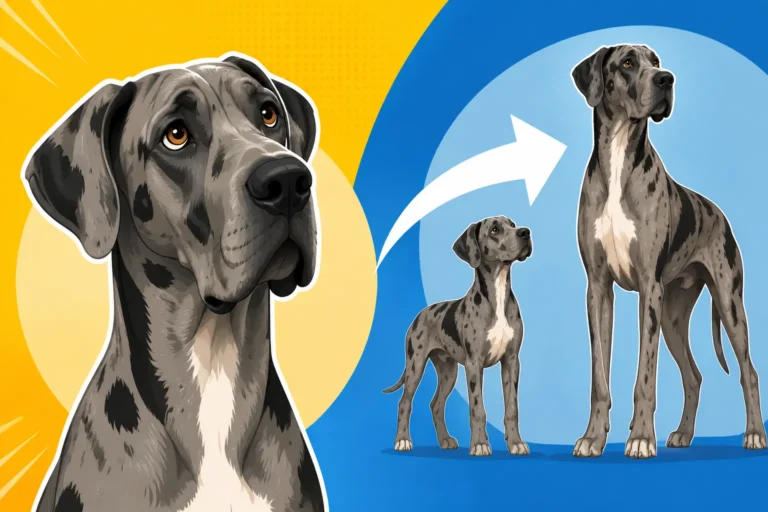
It can be tough to notice subtle weight gain in a giant breed, especially one as magnificent and often naturally broad-chested as a Great Dane. They carry their weight differently than smaller dogs, and what initially looks like "filling out" or gaining a bit more substance might actually be the beginning of an unhealthy weight trend. Early detection is absolutely crucial to preventing more serious health issues down the line, such as increased strain on their joints or heart.
Body Condition Scoring for Giant Breeds
The most reliable way to tell if your Great Dane is gaining too much weight isn't by relying solely on the number on the scale (though that's a useful tool!), but by consistently using a body condition score (BCS). This involves a simple, hands-on assessment of their physique. You should be able to feel your Great Dane's ribs easily with minimal fat covering them, without having to press hard. When you look down at them from above, they should have a discernible waist—a slight indentation behind the rib cage. From the side, you should see a clear abdominal tuck, where their belly slopes upwards from their chest to their hind legs, not hanging low or looking straight across. If you're struggling to properly assess this, you can always ask your vet to demonstrate Reading Ribs on a Great Dane at your next check-up.
Here’s a simplified guide to help you assess your Great Dane's body condition:
| Feature | Ideal Body Condition | Early Overweight / Obese Great Dane Signs |
|---|---|---|
| Ribs | Easily felt with light pressure, distinct under skin. | Palpable, but requires moderate pressure; ribs feel cushioned. |
| Waistline | Clearly visible indentation behind the rib cage from above. | Less discernible, or almost straight from ribs to hips. |
| Abdominal Tuck | Definite upward slope from chest to hind legs when viewed from side. | Slight to no tuck; abdomen may appear flatter or slightly rounded. |
| Spine & Hips | Palpable with light pressure, not protruding but easily felt. | Difficult to feel due to a thick layer of fat. |
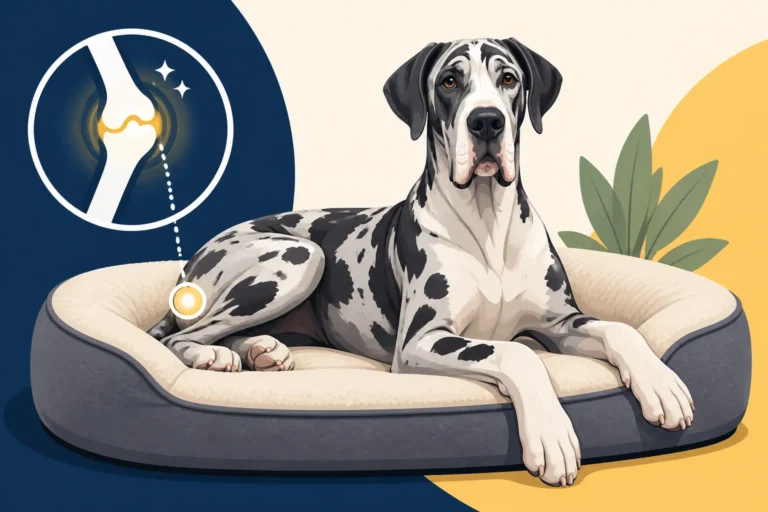
If you find yourself having to press harder to feel those ribs, or if their waistline is starting to vanish, it’s a strong signal that it’s time to re-evaluate their food intake. A few extra pounds on a smaller dog might not seem like much, but on a Great Dane, that translates to significant added stress on their Great Dane Hips, Elbows and Growing Joints and other vital systems. These changes often creep up so slowly you might not even notice them from day to day until they become quite pronounced.
Changes in Activity and Appetite
Beyond the physical appearance, subtle changes in your Great Dane's behavior and energy levels can be early indicators of weight gain or altered metabolic needs. Have you noticed that your usually enthusiastic Dane is a little slower to get up after a long nap, or perhaps hesitates more before joining you for a walk? Do they seem to tire more quickly than before, panting more heavily after what used to be a routine romp? These could be signs that extra weight is making movement more strenuous and less enjoyable for them.
Conversely, you might observe their appetite seemingly becoming insatiable. This can be incredibly frustrating for many owners: their dog is gaining weight, yet acts perpetually hungry, constantly searching for food! This heightened hunger can be a direct result of the hormonal shifts post-neutering, which can affect their satiety signals, making them feel less full even after a proper meal. They might start begging more frequently, showing increased interest in human food, or even become more adept at trying to steal food off counters with renewed vigor—a scenario where A Great Dane That Takes Dinner Off the Table becomes a regular occurrence. It's easy to fall prey to those giant, soulful eyes, but it's vital to remember that their internal hunger cues might be skewed, and it's our responsibility to manage their intake. Pay close attention to these behavioral shifts; they are often the earliest and most subtle warning signs that a dietary adjustment is needed.
Practical Steps for Adjusting Your Great Dane's Food
Once you've identified that your neutered Great Dane needs a dietary adjustment, the next step is to implement changes thoughtfully and gradually. Drastic or sudden alterations to their diet can upset their sensitive digestive systems and are rarely sustainable long-term. This isn't about deprivation; it's about finding a new, healthy balance for their altered metabolism.
Calculating New Caloric Needs
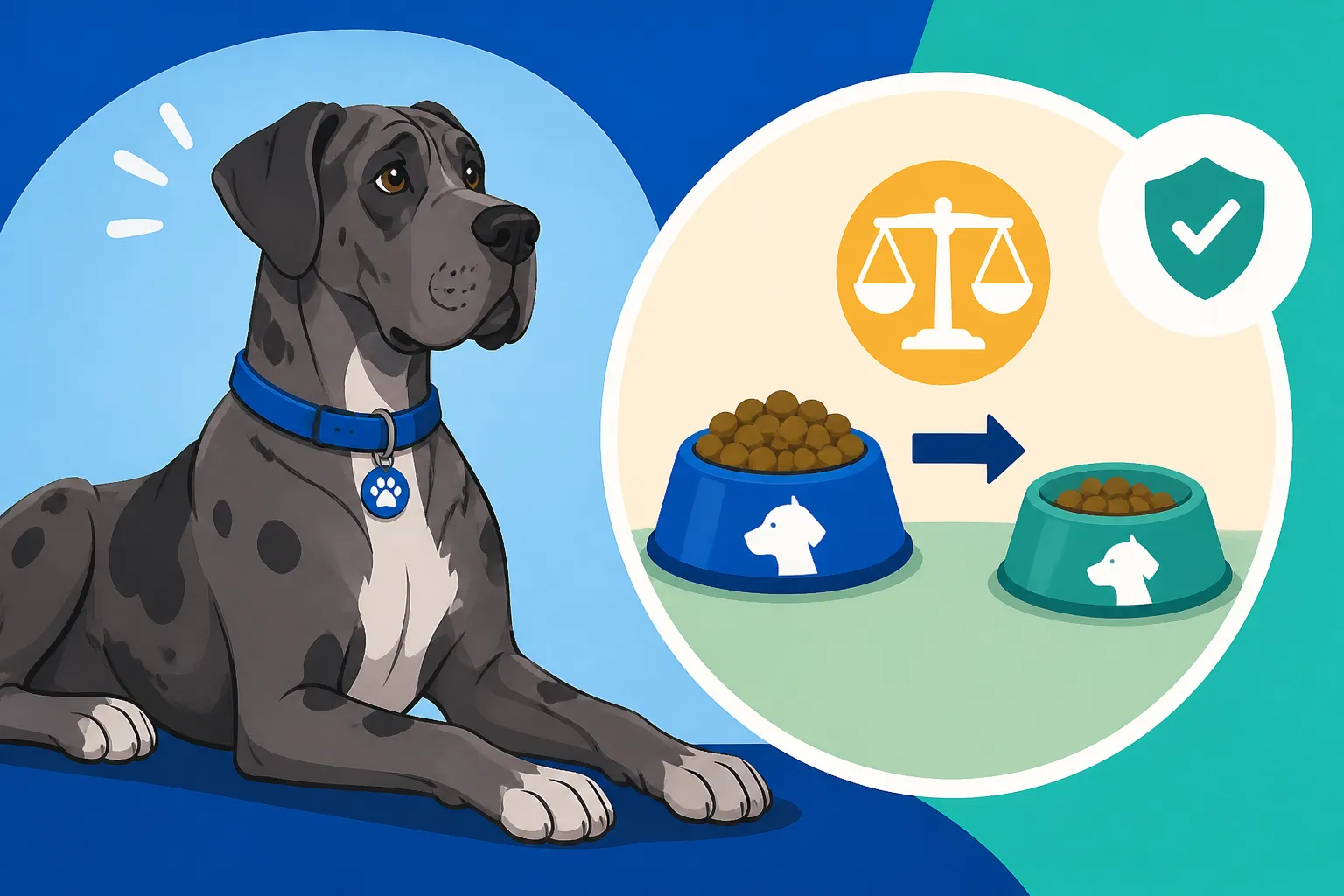
The first, and arguably most crucial, step is to accurately determine how many calories your Great Dane actually needs now. This is where many owners get stumped, as the feeding guides on most kibble bags are generalized and don't specifically account for individual metabolism, activity level, or neutered status. A good starting point is to aim for a reduction of about 10-20% from their pre-neutering food intake. For a Great Dane, who might be accustomed to Feeding an Adult Great Dane Six to Ten Cups of food a day, this is not a minor tweak; it's a significant adjustment.
To do this accurately, you'll need to know the caloric density of your dog's current food, which is usually listed on the bag in kilocalories (kcals) per cup or per gram. For example, if your Great Dane was consuming 8 cups a day of a food with 375 kcals/cup (totaling 3000 kcals/day), a 15% reduction would bring their new target down to 2550 kcals/day. This means they would now need approximately 6.8 cups of the same food. Using a dedicated kitchen scale to weigh their food portions, rather than relying on measuring cups, offers far greater accuracy. Measuring cups can vary wildly in how much they hold depending on how tightly packed the kibble is. Don't hesitate to consult your veterinarian for specific guidance; they can help you calculate a precise starting point based on your dog's current weight, their ideal healthy weight, and their observed activity level. This precision prevents unintentional over or underfeeding over time.
Choosing the Right Food Type
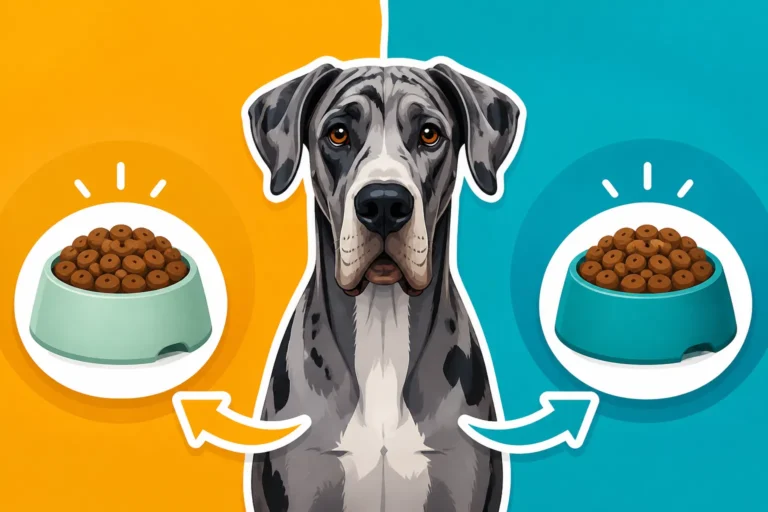
While reducing portion sizes is paramount, the type of food also plays a significant role in successful weight management. Sometimes, simply feeding less of a high-calorie food isn't enough, especially if your Great Dane feels perpetually hungry. This is where switching to a "light" or "weight management" formula specifically designed for large breeds can be highly beneficial. These specialized foods typically feature a lower caloric density, meaning your dog can eat a more satisfying volume of food for fewer calories. They often also have higher fiber content, which helps promote a feeling of fullness and supports healthy digestion, combating that insatiable post-neutering appetite. Look for formulas that also include Joint Support Built Into Great Dane Food, as maintaining healthy joints is critical for this breed, especially when managing weight.
When comparing food labels, pay close attention to the guaranteed analysis for protein and fat content. Good quality weight management foods will generally maintain a decent protein level to help preserve lean muscle mass, while significantly reducing the fat content. Many reputable brands like Royal Canin, Hill's Science Diet, or Purina Pro Plan offer excellent large breed weight management formulas, readily available through major pet retailers such as Chewy or at your local specialty pet store. If you're exploring fresh food options, companies like Ollie can provide pre-portioned meals, but you must work closely with their nutritionists to ensure the calorie count is meticulously adjusted for a neutered, potentially less active Great Dane. The overarching goal is to provide all the necessary nutrients for their health without packing in excessive calories that will only contribute to fat storage.
Monitoring and Fine-Tuning
Making an initial dietary adjustment for your Great Dane is just the first step; the real work lies in continuous monitoring and fine-tuning. You should aim for a gradual and healthy weight loss, typically around 1-2% of their total body weight per week. For a Great Dane, even half a pound to a pound a week can be considered excellent progress. Rapid weight loss is generally unhealthy and can signal that you're cutting too many calories too quickly, potentially leading to nutrient deficiencies or muscle loss.
Continue with weekly or bi-weekly body condition scoring and weigh-ins to track their progress accurately. Keep a journal to note food intake, exercise levels, and weight changes. If, after a few weeks, your Dane is still gaining weight or not losing effectively, you might need to implement another small reduction of 5-10% in their daily calories. Conversely, if they start to look too thin, appear lethargic, or are losing weight too rapidly, a slight increase in food is warranted. This is an ongoing, dynamic process of dialogue with your dog's unique body and metabolism. Don't forget to meticulously account for all treats! Those seemingly innocent handfuls of training treats can add hundreds of calories to a Great Dane’s daily intake. If you're giving treats, either subtract those calories from their main meal or switch to very low-calorie, healthy options like plain green beans, carrot sticks, small pieces of cooked lean chicken, or even specialized Puzzle Feeders a Great Dane Cannot Crush filled with a portion of their kibble. This consistent, meticulous approach to both meals and snacks is often the critical difference between successful weight management and a slowly creeping waistline that can impact their health.
Maintaining a Healthy Weight Long-Term
Getting your neutered Great Dane to their ideal weight is a significant achievement, but keeping them there is an ongoing commitment. It requires a holistic approach that seamlessly integrates sensible feeding practices with a consistent, appropriate lifestyle, always keeping their unique giant breed needs in mind.
Consistent Exercise Regimen
Even if your neutered Great Dane is a bit less rambunctious than they were as an intact adolescent, regular, consistent, and appropriate exercise is absolutely non-negotiable for both weight management and their overall physical and mental health. Aim for at least two good, brisk walks a day, each lasting 20-30 minutes, or one longer session. The key here is consistency and moderate intensity. While Great Danes are not built for endurance running or high-impact agility, a strong, purposeful walk, a good romp in a secure, large yard, or even some low-impact play with a large, durable toy can make a profound difference.
It's crucial to remember that the goal is Wearing Out a Great Dane Without Wrecking Its Joints. Avoid repetitive, high-impact activities, especially on hard surfaces like asphalt or concrete, as these can put undue stress on their large, heavy joints. Gentle swimming can be an excellent, low-impact exercise option if your Great Dane enjoys the water and you have access to a safe, dog-friendly pool or natural body of water. Think creatively about incorporating mental stimulation into their exercise routine as well; activities like scent work, hide-and-seek with their toys, or even trick training can burn calories and engage their intelligent minds, contributing to a more satisfied dog. A physically and mentally stimulated Great Dane is generally a healthier and happier one. Consider investing in a durable, appropriately sized ball from retailers like Amazon that encourages healthy play without posing a choking hazard.
Smart Snacking and Treats
Treats are one of the most common, yet often overlooked, silent saboteurs of a healthy diet, particularly for Great Danes who can consume a significant amount of them quickly. This doesn't mean you have to eliminate treats entirely; rather, you need to be exceptionally smart and strategic about them. When using treats for training or as rewards, always opt for very small, low-calorie options. As mentioned earlier, plain vegetables like small pieces of carrot, green beans, cucumber, or even tiny morsels of cooked lean meat are far superior choices to processed biscuits. Many commercially available dog treats, even the small ones, are surprisingly high in calories, and when you're dealing with a Great Dane, those calories add up at an alarming rate.
Furthermore, consider incorporating non-food rewards. For many Great Danes, sincere praise, a brief session with a favorite squeaky toy, a quick game of tug, or a good long ear scratch can be just as motivating and rewarding as a food treat, without adding unnecessary calories. If you do choose chew treats, select long-lasting, low-calorie options that take considerable time to consume, rather than high-calorie chews that disappear in a gulp. Crucially, always factor any treats you give into their total daily caloric allowance to avoid unintentionally overfeeding. This meticulous and thoughtful approach to snacking is often the difference between successfully maintaining your Great Dane's ideal weight and observing a slow, incremental creep of pounds that can negatively impact their health.
Regular Vet Check-ups and Professional Guidance
Maintaining a healthy weight for your Great Dane is not a one-time fix after neutering; it's a continuous journey, and your veterinarian is your most invaluable partner in this endeavor. Regular check-ups are absolutely essential, extending far beyond just vaccinations. These visits provide crucial opportunities for your vet to objectively monitor your Great Dane's weight, assess their body condition score, and screen for any underlying health concerns that might be exacerbated by or contributing to weight issues.
Your vet can provide unbiased, expert feedback on their body condition, catch subtle signs of joint stress, or identify other health conditions that might require attention. They can also help you fine-tune their diet and exercise plan as your Great Dane ages or as their specific needs change over time. Critically, these check-ups are also the opportune time to rule out any potential underlying medical conditions, such as The Thyroid Test a Slow Great Dane Needs, that might be contributing to unexpected weight gain despite your diligent efforts. Sometimes, a slow metabolism isn't solely due to neutering; it can be a symptom of a treatable hormonal imbalance. Don't hesitate to have open and honest discussions with your vet about your Great Dane’s diet, their exercise routine, and any challenges you're encountering with weight management. Their professional expertise and guidance are invaluable in ensuring your majestic Great Dane enjoys a long, healthy, and comfortable life at their ideal weight. To help ensure Keeping a Great Dane Lean for Its Joints, their input is indispensable.
Disclaimer
This article is for general informational purposes only and does not constitute professional advice. Laws, prices and regulations vary by location and change over time. Consult a qualified professional for guidance on your specific situation.