What a Double Merle Great Dane Is
The term "Double Merle Great Dane" often conjures images of unique, strikingly patterned dogs, but for those who understand the genetics, it brings to mind a much more serious reality: the significant and often debilitating health issues associated with this specific genetic combination. This guide will meticulously unpack what a Double Merle Great Dane is, why it occurs, and the profound impact it has on the health and well-being of these beautiful, yet fragile, animals.
Understanding Merle Genetics in Great Danes
The merle gene is responsible for some of the most eye-catching and distinctive coat patterns in the Great Dane breed. However, like many things in genetics, its beauty can hide a complex and sometimes tragic truth when misunderstood or irresponsibly managed.
The Single Merle Gene: Beyond the Beautiful Coat
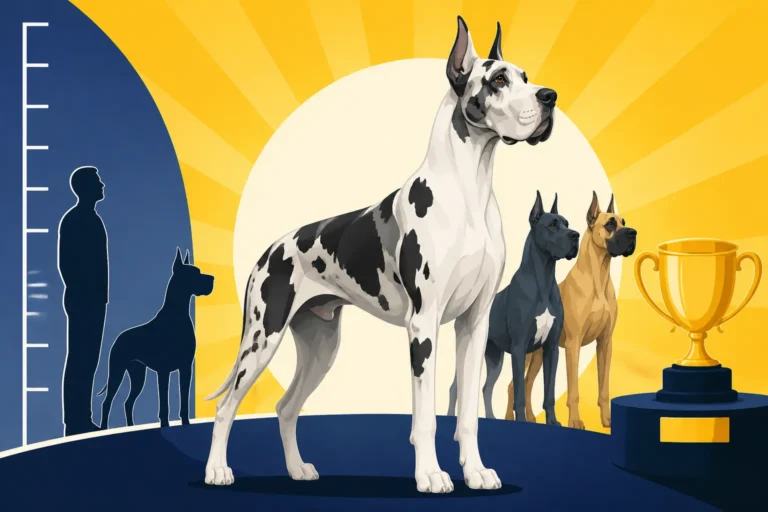
When you see a Great Dane with a merle coat, what you're seeing is the result of a single merle gene (often represented as 'Mm'). This gene acts as a diluting agent, randomly lightening sections of the dog's base coat color and creating darker, irregular patches. This is what gives merle Danes their unique, mottled appearance, often featuring shades of grey, blue, or red with contrasting darker spots. Think of the stunning Harlequin Great Danes, which are essentially merle Danes with the additional harlequin modifier gene that turns the merle patches white, leaving only black or colored patches.
A Great Dane carrying just one copy of the merle gene (Mm) is typically a healthy dog, provided it comes from responsible breeding where health screening is paramount. These dogs are beautiful, and many families adore their striking patterns. The merle trait itself is what breeders call "dominant," meaning only one copy of the gene is needed for the pattern to express. A dog with one merle gene (Mm) and one non-merle gene (mm) will display the merle pattern. It's a popular color variation, and for good reason—it truly stands out. When carefully bred, these dogs can live full, happy lives.
How a Double Merle Happens
The problems arise when two merle-patterned Great Danes are bred together. If both parents carry one copy of the merle gene (Mm x Mm), there's a significant chance that some of their puppies will inherit two copies of the merle gene—one from each parent. This genetic combination, resulting in a dog with two merle genes (MM), is what we refer to as a "Double Merle."
The genetics are straightforward: when two Mm dogs breed, each puppy has a 25% chance of being MM (double merle), a 50% chance of being Mm (single merle), and a 25% chance of being mm (non-merle). It's a roll of the dice with potentially severe consequences. Breeders who knowingly engage in merle-to-merle breedings are often doing so to try and produce more merle puppies, hoping to capitalize on the aesthetic appeal of the pattern, without fully grasping or caring about the risk of producing Double Merles. Sadly, many Double Merles are the result of accidental breedings by owners who didn't understand the genetic implications of their merle-patterned dogs. This is why understanding Why Two Merle Great Danes Should Not Be Bred is so crucial for preventing unnecessary suffering.
The Devastating Health Consequences of Being a Double Merle
The gene that creates the beautiful merle pattern, when duplicated in a Double Merle, has a much more profound and often damaging effect on the dog's development, particularly concerning sensory organs. The "diluting" effect goes too far, impacting crucial cells in the eyes and ears.
Vision Impairments and Blindness
One of the most common and heartbreaking consequences for a Double Merle Great Dane is the range of severe vision impairments they can experience. The merle gene, in a double dose, disrupts the normal development of the eyes. This can manifest in several ways:
- Microphthalmia: This means abnormally small eyes. In severe cases, the eyes can be so underdeveloped they are barely visible, sometimes appearing sunken or shrunken. These eyes often have limited or no functional vision.
- Colobomas: These are gaps or holes in parts of the eye structure, such as the iris, retina, or optic nerve. Imagine a keyhole pupil or a missing section of the light-sensitive retina—these can severely compromise sight, creating blind spots or rendering the eye completely non-functional.
- Detached Retinas: The retina, which is responsible for converting light into electrical signals sent to the brain, can become detached, leading to permanent blindness.
- Cataracts: While cataracts can occur in any dog, Double Merles may be predisposed to developing them earlier or more severely.
A Double Merle Great Dane may be born completely blind, have partial vision, or lose their sight progressively. Imagine a majestic Great Dane navigating the world without the benefit of sight. It's a profound challenge, requiring a dedicated owner to baby-proof their home, establish consistent routines, and use verbal cues to guide their enormous companion. Finding sturdy, safe toys that engage other senses, like those readily available from online pet retailers like Chewy, becomes essential.
Hearing Loss and Deafness
Beyond vision problems, hearing loss is another prevalent and devastating condition in Double Merle Great Danes. The same genetic dilution that affects eye development can also impact the delicate structures of the inner ear, specifically the cells responsible for transmitting sound.
- Unilateral Deafness: This means deafness in one ear. A dog with unilateral deafness might appear to hear normally most of the time, only struggling to locate sounds or respond if the sound comes from their deaf side. Owners might not even realize their dog has this condition until a specialized test is performed.
- Bilateral Deafness: This is complete deafness in both ears. A bilaterally deaf Great Dane lives in a silent world. This poses significant challenges for training, recall, and alerting the dog to danger. Teaching hand signals becomes paramount, and the dog requires a safe, secure environment where sudden approaches won't startle them. For instance, a deaf Great Dane needs a completely fenced yard, as they won't hear a car approaching if they were to wander. Understanding the importance of Testing a Great Dane Puppy's Hearing early can make a huge difference in managing their care from day one.
The combination of vision and hearing impairments is particularly devastating, creating what is sometimes referred to as a "double-handicapped" dog. These dogs require immense patience, understanding, and specialized care to lead fulfilling lives. They rely heavily on their sense of smell and touch, and their owners become their eyes and ears in the world.
Other Potential Health Issues
While vision and hearing problems are the most common and severe outcomes of being a Double Merle, these dogs can sometimes experience other, less frequently observed health issues, though the direct causal link to the double merle gene for these conditions is not always as clear-cut as for ocular and auditory problems. These might include:
- Skin Sensitivities: Some anecdotes suggest that Double Merles, particularly those with very light or unpigmented skin, might be more prone to sunburn or certain skin irritations. The lack of pigmentation can leave them more vulnerable to environmental factors.
- Immune System Deficiencies: There's some ongoing research and anecdotal evidence suggesting a possible link between the double merle gene and certain immune system weaknesses, though this is not as firmly established as the sensory deficits.
- Reproductive Issues: In some cases, reproductive anomalies have been reported, but again, these are less common and less directly attributable solely to the double merle gene compared to the sensory issues.
It's vital to remember that the primary and most consistently observed health issues in Double Merles are related to their eyes and ears. These conditions are not just minor inconveniences; they profoundly impact a dog's ability to perceive and interact with its environment, necessitating lifelong commitment to specialized care.
Recognizing a Double Merle Great Dane
Identifying a Double Merle Great Dane often involves a combination of visual cues and, crucially, veterinary assessment. It's not always as simple as seeing a completely white dog, though that's a strong indicator.
The Distinctive "White" Appearance
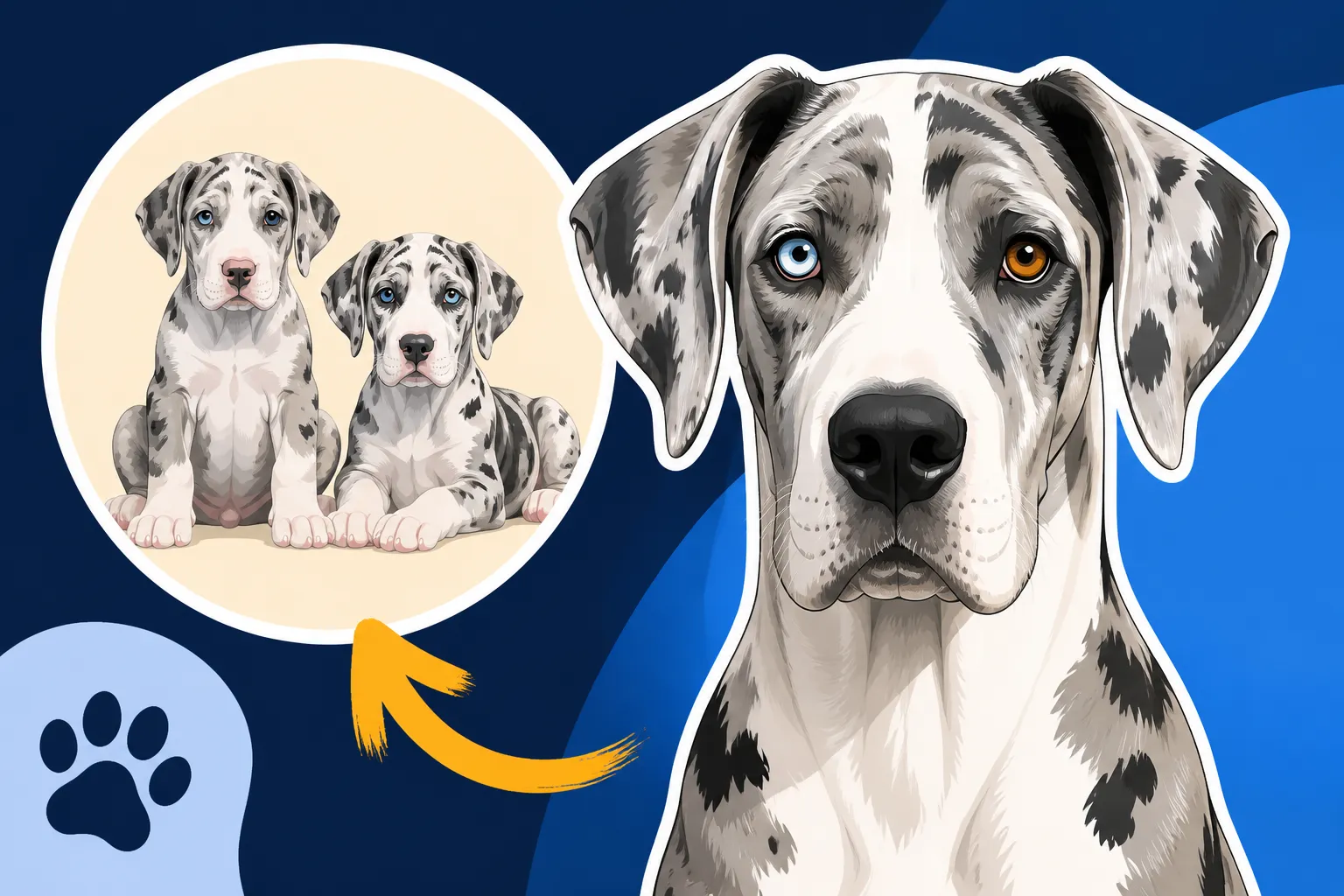
One of the most striking visual characteristics of a Double Merle Great Dane is their coat color, which is often predominantly white, or at least features very large areas of unpigmented white. This isn't the true white of some other breeds, which have a different genetic basis for their color. Instead, it's an extreme dilution caused by the double merle gene, which essentially "washes out" much of the color.
Imagine a canvas that was supposed to have bold, rich colors, but instead, it's mostly blank, with only faint, ghostly hints of pigment here and there. That's often what a Double Merle looks like. They might have small, scattered patches of color – grey, black, or fawn – but these are usually sparse and irregular. Their noses can be pink or partially pigmented, and their paw pads might also lack full black pigmentation. This lack of pigment is directly linked to the health issues, as the same cells responsible for color production are involved in the development of the eyes and inner ears. A general understanding of Why a White Great Dane Is Often Deaf stems from this genetic link, though not all white Danes are double merle.
Identifying Eye and Ear Abnormalities
Beyond coat color, direct observation of the eyes and ears is critical, especially in puppies.
- Eye Examination: Look closely at the size and formation of the eyes. Are they unusually small (microphthalmia)? Do they appear misshapen, perhaps with a notch in the iris (coloboma)? The eyes might also have an unusual glassy or cloudy appearance. While a vet will provide a definitive diagnosis, these visual cues are red flags. A comprehensive eye exam by a veterinary ophthalmologist can confirm the presence and severity of any abnormalities.
- Hearing Assessment: Testing a puppy's hearing can be challenging without specialized equipment, but there are some early indicators. Does the puppy startle at loud noises? Does it respond to your voice when you enter the room, especially if you're out of its line of sight? A puppy that sleeps through loud noises or doesn't orient its ears toward sounds could be deaf. For a conclusive diagnosis, a Brainstem Auditory Evoked Response (BAER) test is the gold standard. This non-invasive test measures electrical activity in the brain in response to clicks delivered to the ears and can accurately determine if a dog has normal hearing, is deaf in one ear, or is deaf in both. Any breeder serious about the health of their Great Danes, especially merles, should be familiar with this test.
It's not uncommon for Double Merles to be advertised as "rare white Great Danes" or "special light merles" by unscrupulous breeders. Be incredibly wary of any breeder promoting predominantly white or light-colored merle puppies without clear health certifications and a thorough explanation of their breeding practices. When acquiring any puppy, especially one with merle lineage, inspecting the parents and their health records, alongside consulting online resources like Chewy for breed-specific information, is a wise step.
Responsible Breeding and Prevention
The existence of Double Merle Great Danes is entirely preventable. It comes down to understanding genetics and adhering to ethical breeding practices.
Why Merle-to-Merle Breeding is Unethical
Breeding two merle dogs together (Mm x Mm) is widely considered unethical by responsible Great Dane breeders and canine health organizations worldwide. The reason is simple: the high probability of producing Double Merles with severe health defects. While some argue that they only want to produce more merle puppies, the 25% chance of creating a deaf, blind, or deaf-and-blind puppy is an unacceptable risk when the outcome is so devastating for the dog.
The ethical responsibility of a breeder extends beyond producing pretty puppies; it's about ensuring the health, temperament, and welfare of every life they bring into the world. Knowing that a specific pairing has a high likelihood of resulting in suffering for a significant portion of the litter should be a complete deterrent. Imagine the daily struggles of a dog that cannot see or hear, constantly bumping into objects, unable to respond to verbal commands, and potentially living in a state of confusion or anxiety. This isn't just an inconvenience; it's a compromised quality of life that could have been avoided. Preventing this suffering is why Why Breeders Avoid Merle to Merle Great Danes is a topic of constant discussion within the responsible dog community.
Health Testing and Genetic Screening
Responsible breeders prioritize health above all else. For Great Danes with merle patterns, this means proactive genetic screening.
- Genetic Testing for Merle: DNA tests are available that can determine if a dog carries one merle gene (Mm), two non-merle genes (mm), or two merle genes (MM). Any dog intended for breeding that carries the merle gene (Mm) should only be bred to a dog that is non-merle (mm). This pairing will still produce some merle puppies (a 50% chance of Mm), but crucially, it completely eliminates the possibility of producing Double Merles (MM).
- Comprehensive Health Panels: Beyond merle testing, reputable Great Dane breeders conduct a battery of health screenings for common breed-specific issues. This includes cardiac evaluations for conditions like The Heart Muscle Disease Great Danes Are Prone To, hip and elbow evaluations to assess for Great Dane Hips, Elbows and Growing Joints, and thyroid testing. While these tests aren't directly related to the double merle gene, they are part of a holistic approach to ensuring the health of the breeding stock and their offspring. A breeder who is transparent about these health clearances is one you can trust.
If you are considering bringing a Great Dane into your family, especially one with a merle pattern, always ask about the genetic testing results of both parents, particularly concerning the merle gene. A responsible breeder will be eager to share this information and explain their breeding philosophy. They will also provide documentation for all health clearances. Don't be afraid to ask questions; a good breeder welcomes them. They are your best resource for understanding Reading a Great Dane Puppy's Health Papers and ensuring you're bringing home a healthy, well-bred companion.
| Genetic Combination (Parents) | Offspring Possibilities (Probability) | Health Implications for Offspring | Ethical Considerations |
|---|---|---|---|
| mm x mm (Non-Merle x Non-Merle) | 100% mm (Non-Merle) | No merle-related health issues | Fully ethical |
| Mm x mm (Merle x Non-Merle) | 50% Mm (Merle), 50% mm (Non-Merle) | No Double Merle issues | Fully ethical |
| MM x mm (Double Merle x Non-Merle) | 100% Mm (Merle) | No Double Merle issues, but MM parent has health issues | Questionable, as MM dog should not be bred due to its own health challenges |
| Mm x Mm (Merle x Merle) | 25% MM (Double Merle), 50% Mm (Merle), 25% mm (Non-Merle) | High risk of severe vision/hearing problems in 25% of litter | Unethical, highly discouraged |
| MM x Mm (Double Merle x Merle) | 50% MM (Double Merle), 50% Mm (Merle) | Extremely high risk of severe vision/hearing problems | Highly unethical |
| MM x MM (Double Merle x Double Merle) | 100% MM (Double Merle) | Certainty of severe vision/hearing problems | Highly unethical, irresponsible |
Bringing a Great Dane into your life is a huge commitment, and ensuring their health from the outset is paramount. Understanding what a Double Merle Great Dane is, and why responsible breeding practices are so vital, empowers you to make informed decisions that protect the well-being of these magnificent dogs. Organizations like the Great Dane Club of America offer resources and lists of reputable breeders who adhere to the highest standards of health and ethical breeding.
Disclaimer
This article is for general informational purposes only and does not constitute professional advice. Laws, prices and regulations vary by location and change over time. Consult a qualified professional for guidance on your specific situation.