Why the Great Dane Standard Describes Cropped Ears
It’s a common sight to see Great Danes with those regal, upright ears, and if you’ve been looking into the breed, you’ve probably noticed that the official breed standard often describes them. This can be a bit confusing, especially with changing views on cosmetic surgeries in pets. Many new and prospective Great Dane owners wonder why this is the case and what it means for their own gentle giants. This guide will walk you through the historical reasons, what the breed standard truly communicates, and what your options are today regarding your Dane's ears.
The Historical Context of Great Dane Ear Cropping
To truly understand why the Great Dane breed standard describes cropped ears, we need to take a little trip back in time and consider the breed's origins. These magnificent dogs weren't always the family companions we know today; they had a much more demanding, and often dangerous, job.
The Boar Hunting Legacy
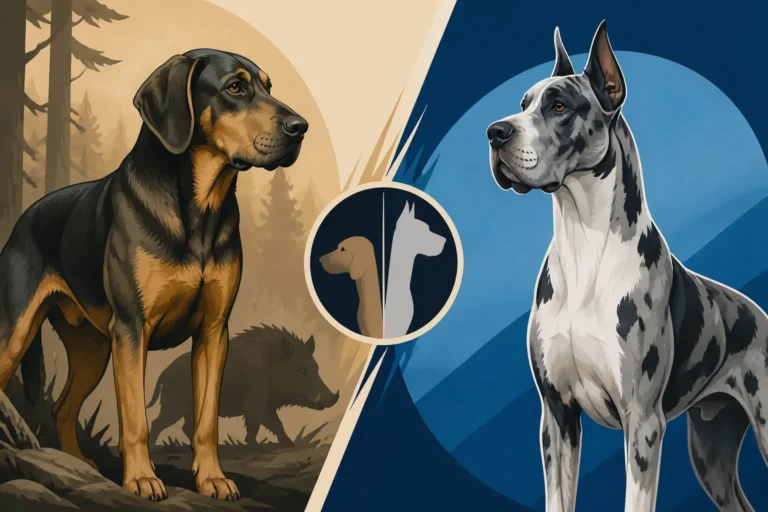
The ancestors of the Great Dane were formidable dogs, originally bred to hunt wild boar in Europe. Imagine facing down a powerful, aggressive wild boar – it's no small feat. During these hunts, dogs were at high risk of injury, and their ears, being thin and floppy, were particularly vulnerable. A torn or badly injured ear could become infected, debilitate the dog, or even take them out of action permanently.
This isn't just about superficial damage; it was a matter of survival and utility. Cropping the ears, essentially removing the floppy part, created a smaller, upright target that was much less likely to be grabbed, torn, or otherwise injured by a charging boar. It was a practical, protective measure for a working dog. This tradition of ear cropping as a utilitarian practice is deeply ingrained in the history of many working breeds, and the Great Dane is no exception. The Boar Hound the Great Dane Descends From sheds more light on their historical role.
Evolving Aesthetics and Kennel Club Influence
As the Great Dane transitioned from a primary hunting dog to a more refined companion and show animal, the practice of ear cropping persisted, but its rationale began to shift. What started as a functional necessity gradually evolved into an aesthetic preference. The upright, alert ear became synonymous with the breed's noble and majestic appearance.
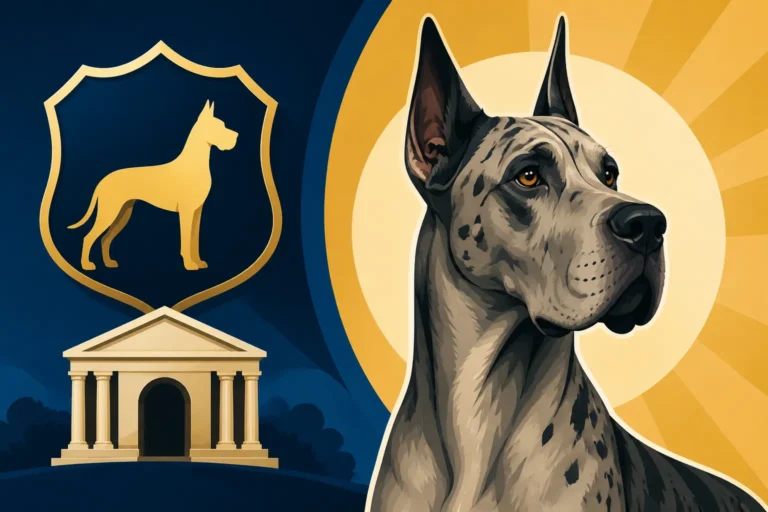
When breed standards began to be formalized by kennel clubs in the late 19th and early 20th centuries, these aesthetic preferences were codified. The breeders and fanciers of the time, often those from aristocratic circles, favored the cropped look. It contributed to the "Apollo of Dogs" image – powerful, elegant, and commanding. The standards were written to describe the ideal specimen, which, for many years, included meticulously cropped and posted ears. This meant that dogs shown with natural ears were often at a disadvantage in the show ring, as judges were looking for the specific, alert profile that cropped ears provided. This historical preference is a key reason why the standards still mention it.
What the Great Dane Breed Standard Actually Says
Understanding the historical context helps, but what do those official documents, like the American Kennel Club (AKC) breed standard, actually state about ears today? It's often more nuanced than simply saying "ears must be cropped."
The AKC Standard's Description
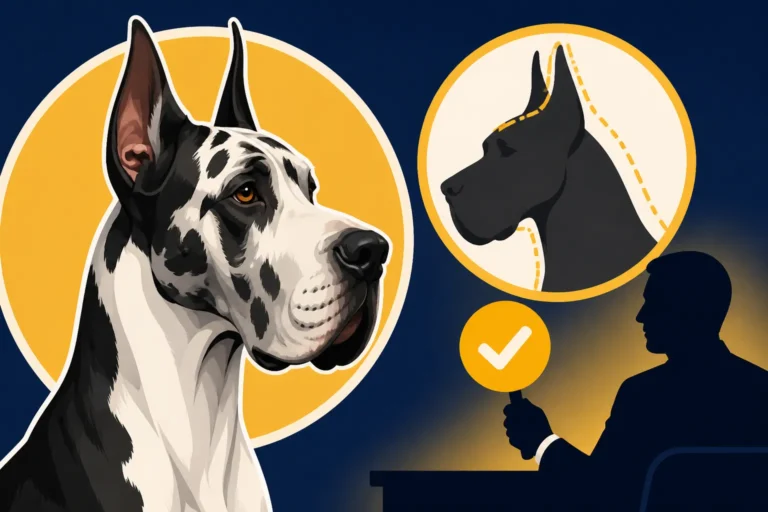
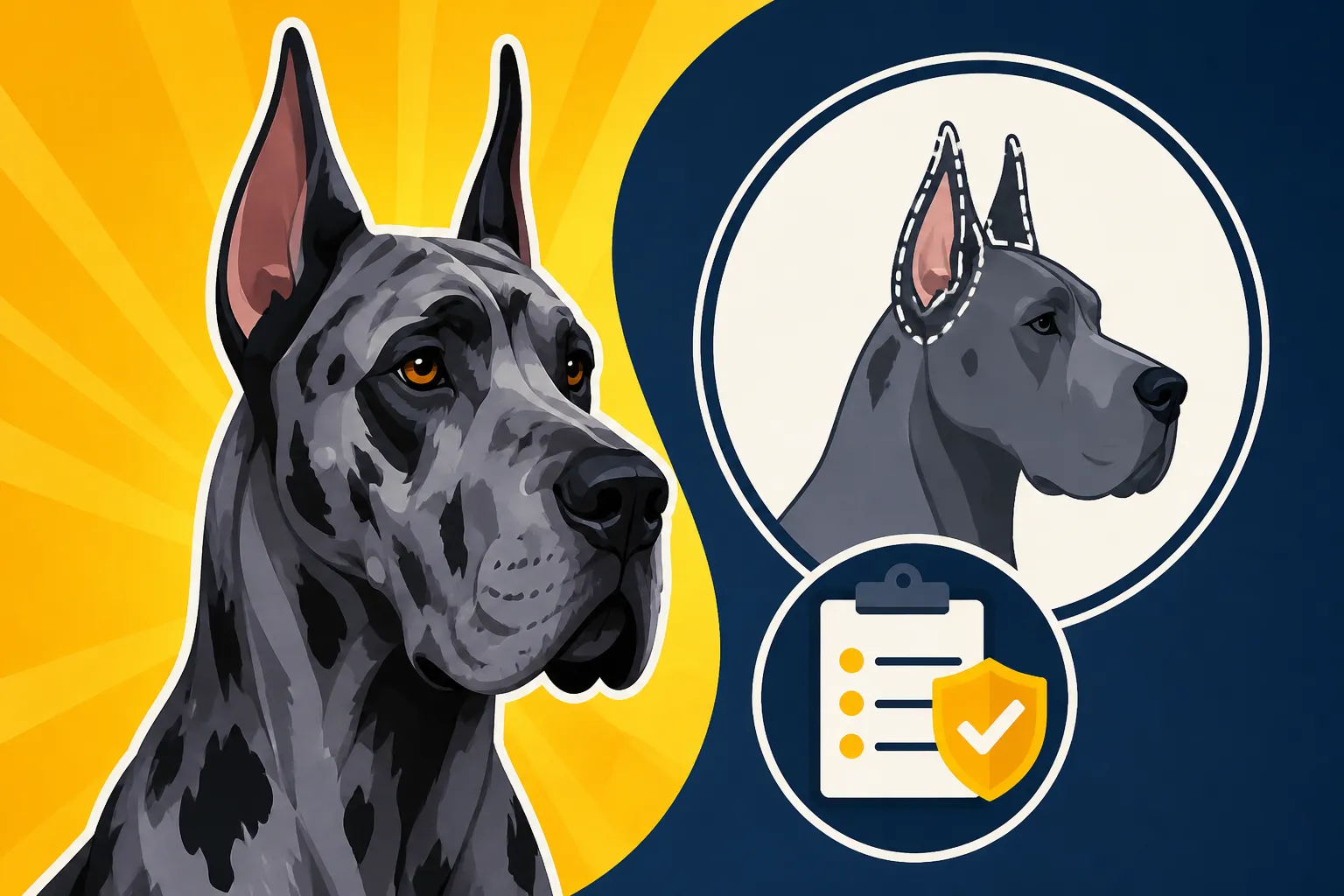
If you read the Great Dane breed standard from organizations like the AKC, you'll find a detailed description of both cropped and natural ears. For cropped ears, the standard typically emphasizes that they should be "high set, of moderate size, and in proportion to the head," and that "when cropped, the length and shape of the ear should be in harmony with the head and general appearance of the dog, neither too long nor too short." The goal is an alert, balanced expression. A well-executed crop allows the ears to stand erect, pointing upwards, which contributes to the powerful, elegant profile that The Great Dane the Show Ring Is Looking For outlines.
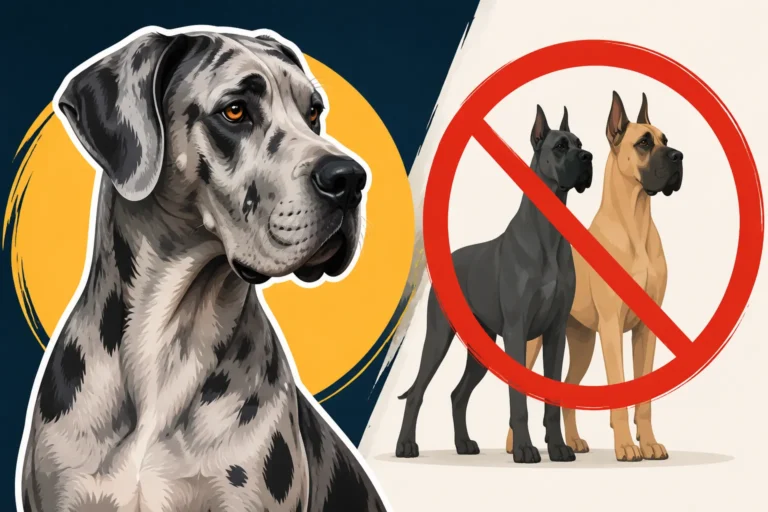
However, many standards also acknowledge natural ears, describing them as "medium size, rather thick, lying close to the cheeks." They'll often specify how the ear should fall and whether any folds or creases are acceptable. While natural ears are increasingly common, especially in the pet world, the detailed description of cropped ears in many historical standards means they remain a part of the official text, even if the preference or legality of cropping is changing. This dual description can sometimes lead to confusion for those new to the breed, wondering if natural ears are "correct" or simply "tolerated." The truth is, both are typically accepted, but the cropped ear descriptions often reflect the historical ideal. You can learn more about the desired head shape in The Great Dane Head the Standard Wants.
The Debate: Cropped vs. Natural Ears
The discussion around ear cropping is a passionate one, with strong opinions on both sides. On one hand, proponents of cropping often cite tradition, the "classic" Great Dane look, and the belief that it contributes to the breed's distinct aesthetic. For those involved in conformation showing, a perfectly cropped ear can be seen as essential to achieving the ideal silhouette described in the standard. They might argue that if done by an experienced veterinarian at the appropriate age, with proper aftercare, the dog experiences minimal discomfort.
On the other hand, there's a growing movement against ear cropping, labeling it an unnecessary cosmetic surgery that inflicts pain and discomfort on the dog for purely human aesthetic preferences. Veterinary associations in many countries have banned or strongly discourage the practice, and some Great Dane clubs have even begun to advocate for natural ears in their standards. Many pet owners simply prefer the soft, natural look of a floppy-eared Dane, believing it to be more comfortable and natural for the dog. Whether Great Dane Ears Are Still Cropped explores this ongoing debate in more detail. This ethical discussion often pits tradition against modern animal welfare sensibilities, making it a complex issue for breed enthusiasts and new owners alike.
Living with a Great Dane with Natural Ears
If you're bringing a Great Dane into your home, whether from a breeder or a rescue, there's a good chance they'll have natural, uncropped ears. And that's perfectly wonderful! Many Danes today rock their natural look, and it's important to understand what that entails for care and health.
Accepting the Natural Look
The trend is definitely shifting towards natural ears, and for good reason. Many people, myself included, find the natural, soft floppy ears incredibly endearing. It allows their full range of expressions to shine through without the sternness sometimes associated with cropped ears. Plus, you avoid the entire process of the surgery, the recovery, and the often lengthy and sometimes frustrating ear "posting" phase. This is a huge relief for many new owners who might feel overwhelmed by the thought of additional medical procedures for their new puppy.
Choosing a Dane with natural ears means embracing their inherent beauty and comfort. They might not always have that "show ring" look of an erect ear, but they certainly have their own charm and a gentler appearance that many families prefer. It’s about celebrating the dog for who they are, floppy ears and all! If you’re getting a puppy, discussing your preference for natural ears with the breeder is a must. Some breeders may offer both options, while others may only place puppies with natural ears, depending on their philosophy and local regulations.
Ear Care for the Naturally Floppy Dane
While you skip the post-surgical care, natural ears aren't entirely maintenance-free. Their floppy nature means they cover the ear canal, creating a warm, moist environment that can sometimes be a breeding ground for bacteria and yeast if not kept clean. This isn't unique to Great Danes; many breeds with pendulous ears face similar challenges. Whether a Great Dane's Ears Trap Infection is a very real concern for any floppy-eared dog.
Regular cleaning is key. I usually recommend a gentle ear cleaner (ask your vet for recommendations, but many good brands are available on sites like Chewy) and a soft cotton ball. You gently wipe the visible parts of the ear, including the underside of the flap, once a week or as needed. Never stick anything down into the ear canal itself; just clean what you can see. It's also vital to check their ears regularly for any signs of redness, swelling, unusual odor, or excessive scratching. These can all be indicators of an ear infection developing. Catching these issues early can save you a trip to the vet and a much more complicated treatment plan. Ear Cleaning on a Cropped or Natural Great Dane gives a full run-down.
The Future of Ear Cropping in the Breed Standard
The world of dog breeding and showing is constantly evolving, influenced by changes in societal values, veterinary science, and legal frameworks. The topic of ear cropping is at the forefront of many of these discussions.
Changing Perceptions and Regulations
Globally, there's a significant shift away from cosmetic surgeries in pets, including ear cropping and tail docking. Many European countries and other parts of the world have already banned these procedures, deeming them unnecessary and unethical. This has, naturally, influenced what is considered acceptable in show rings and by breeders in those regions. Even in countries where it's still legal, public perception is increasingly leaning against it, with more people viewing it as an outdated practice.
This evolving viewpoint could eventually lead to changes in breed standards themselves. While many standards still describe cropped ears, some kennel clubs are beginning to either explicitly allow natural ears without penalty or are subtly shifting their language to de-emphasize the cropped look. It's a slow process, as breed standards are rooted in tradition, but the pressure for change is undeniable. Future revisions may eventually remove the description of cropped ears entirely or reframe it to explicitly favor the natural ear, reflecting a more modern approach to animal welfare.
Finding a Breeder Who Respects Your Choice
For prospective Great Dane owners, this shifting landscape means you have more choices than ever before. It's crucial to find a responsible breeder who aligns with your values. Don't be afraid to ask direct questions about their practices regarding ear cropping. Some breeders may have traditionally cropped their puppies' ears but are now open to leaving them natural if a buyer requests it well in advance. Others may have already transitioned to breeding only natural-eared Danes.
A good breeder will prioritize the health and temperament of their puppies above all else. They should also be transparent about their practices and open to discussing your preferences. If you're looking for a natural-eared Dane, make sure to communicate that clearly from the outset. Be wary of any breeder who tries to pressure you into cropping if you're uncomfortable with it. A reputable breeder will also be performing health screenings, which is always a good sign. What a Great Dane Breeder Should Be Screening For is an excellent resource for understanding what to look for in a responsible breeder. You should also ask what their contract says about health guarantees and responsibilities, as discussed in What a Great Dane Contract Usually Says. Remember, your relationship with a breeder should be built on trust and mutual respect for the well-being of the dog.
Ear Comparison Table: Cropped vs. Natural
| Feature | Cropped Ears | Natural Ears |
|---|---|---|
| Appearance | Upright, alert, often considered regal or traditional | Floppy, soft, expressive, often considered gentle |
| Initial Procedure | Surgical procedure, usually at 8-12 weeks | No surgery required |
| Aftercare | Requires extensive "posting" for weeks/months, cleaning, monitoring for infection | Regular cleaning, checking for moisture/irritation |
| Risk of Injury | Historically lower risk from bites/tears in hunting situations | Historically higher risk from tears in hunting situations (less relevant for pets) |
| Show Ring Status | Often preferred in some AKC conformation rings | Increasingly accepted, but historical preference for cropped may still exist in some judging |
| Ethical Concerns | Subject to debate as a cosmetic, non-medical surgery | Generally no ethical concerns related to modification |
| Maintenance Needs | Intensive post-op care, then minimal | Regular cleaning to prevent infections in enclosed canal |
| Common Problems | Infection during healing, poor standing if not posted correctly | Yeast or bacterial infections due to moisture, ear mites |
This table provides a quick overview, but remember that individual dogs and their needs can vary.
Disclaimer
This article is for general informational purposes only and does not constitute professional advice. Laws, prices and regulations vary by location and change over time. Consult a qualified professional for guidance on your specific situation.