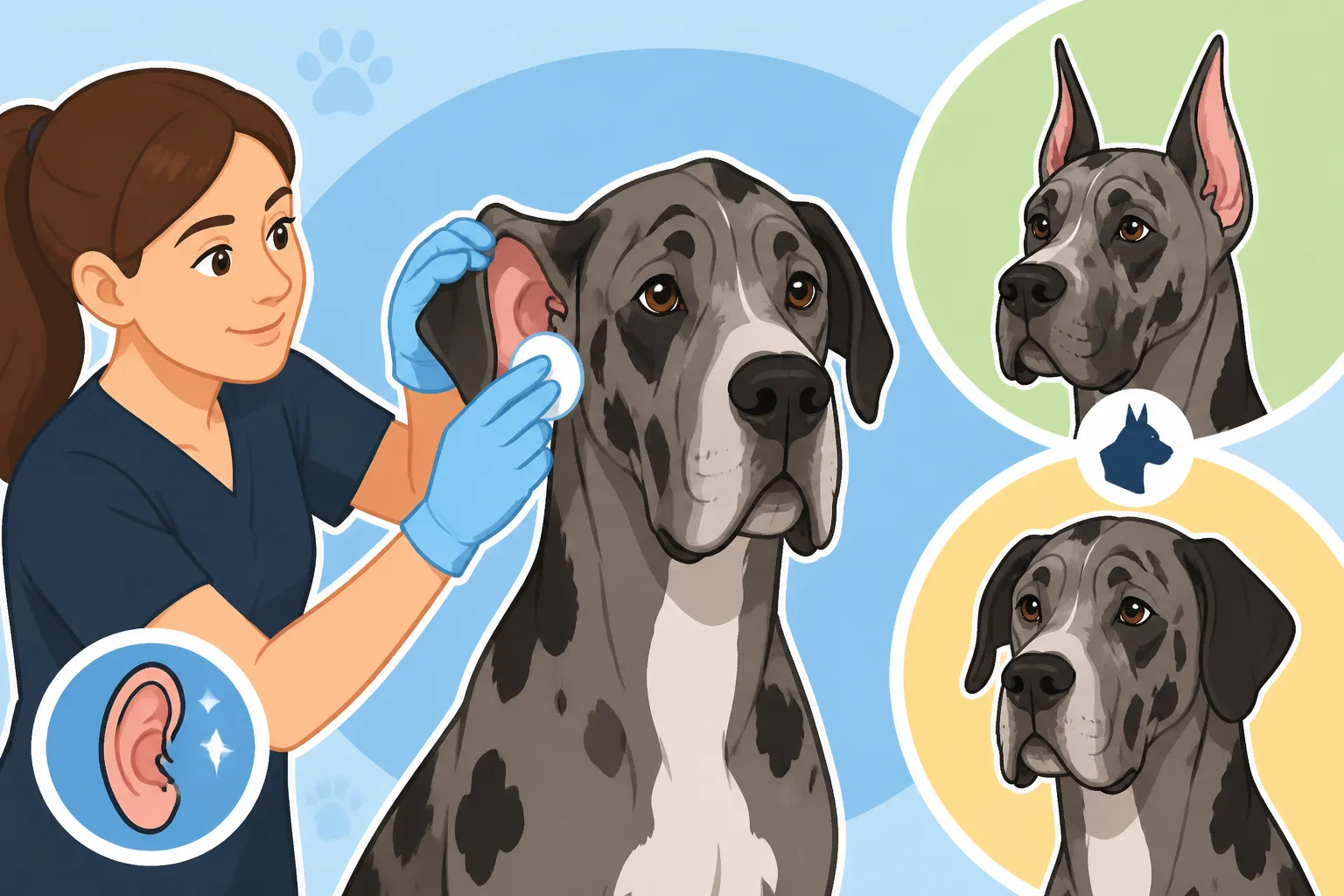
Ear Cleaning on a Cropped or Natural Great Dane
One of the many unique challenges of living with a Great Dane is tackling their grooming needs, and ear cleaning often feels like a giant hurdle, especially if you're dealing with a squirming, hundred-plus-pound dog! Whether your majestic Dane sports those elegant cropped ears or embraces their natural, floppy charm, keeping their ears clean is vital to preventing painful infections and maintaining their overall health. This guide is here to demystify the process, offering practical, step-by-step advice for both ear types.
Understanding Great Dane Ear Anatomy and Why Cleaning Matters
Great Danes are truly magnificent creatures, and their ears, whether natural or cropped, are a defining feature. But beyond aesthetics, their ear structure plays a significant role in their susceptibility to certain health issues. It's not just about looking good; it's about preventing discomfort and serious medical problems.
The Differences Between Cropped and Natural Ears
Let's talk about the two main ear types you'll encounter on a Great Dane.
Natural, Floppy Ears: These are the ears as nature intended – long, pendulous, and typically thick. They hang down, covering the ear canal opening. This natural curtain, while soft and lovely, creates a warm, moist, and poorly ventilated environment within the ear canal. Think of it like a tiny, enclosed greenhouse in there. This lack of airflow can be a breeding ground for yeast and bacteria, which thrive in such conditions. Owners of Danes with natural ears often find themselves more vigilant about checking for redness, odor, or discharge, simply because the environment inside the ear is inherently less forgiving. It's not that these ears are "dirtier," but their design means they can become problematic more easily if not regularly maintained.
Cropped, Upright Ears: Historically, Great Danes had their ears cropped for various reasons, from protection during boar hunting to conforming to breed standards for a more alert appearance. When done correctly by a skilled veterinary surgeon and properly taped during the healing process, cropped ears stand erect. This upright position allows for significantly better air circulation into the ear canal. Many people believe that cropped ears are inherently "cleaner" or less prone to infection because of this improved ventilation, and to some extent, that's true. The drier environment makes it harder for moisture-loving microbes to take hold. However, this doesn't mean cropped ears are maintenance-free. They still accumulate wax, dirt, and debris, and infections can still occur. The skin around the edges of a cropped ear also needs care, especially if your Dane is prone to bumping them.
Common Ear Issues Great Danes Face
Regardless of ear type, Great Danes are not immune to ear problems. Their sheer size and activity levels can even contribute to some unique challenges.
Ear Infections (Otitis Externa): This is by far the most common ear ailment. It can be caused by bacteria, yeast (often a secondary infection), or a combination of both. You'll notice your Dane shaking their head excessively, scratching at their ears, a strong unpleasant odor, redness, swelling, or a brownish/yellowish discharge. Natural-eared Danes might be more susceptible due to poor ventilation, but even cropped ears can get infected, especially if water gets trapped after swimming or bathing. Allergies, whether environmental or food-related, are also huge culprits, leading to inflammation and creating the perfect storm for secondary infections.
Ear Mites: These tiny parasites are incredibly irritating. While more common in puppies or dogs with exposure to other affected animals, even an adult Great Dane can pick them up. Signs include intense itching, head shaking, and a distinctive dark, crusty discharge that looks a bit like coffee grounds. You might even see your Dane rubbing their ears against furniture or frantically trying to scratch with their huge paws.
Foreign Bodies: Imagine your giant Dane running through tall grass or sniffing around in the woods. It's not uncommon for grass seeds, burrs, or small pieces of debris to make their way into the ear canal. This can cause sudden, intense irritation, head shaking, pawing at the ear, and sometimes even a yelp if the object is sharp. Because Great Danes have deep ear canals, these foreign bodies can migrate down, becoming very difficult to remove without veterinary intervention.
Allergies: This is a big one for many Great Danes. Just like humans, dogs can suffer from environmental allergies (pollen, dust mites, mold) or food allergies. Often, one of the first places these allergies manifest is in the skin, and the ear canal is essentially an extension of the skin. Allergic reactions can cause the lining of the ear canal to become inflamed, itchy, and swollen, making it easier for bacteria and yeast to overgrow. If your Dane has recurrent ear infections, especially with no obvious external cause, exploring underlying allergies with your vet is crucial. The Thyroid Test a Slow Great Dane Needs is an example of another health check that can sometimes reveal underlying issues affecting overall skin and coat health, which can indirectly impact ears.
Gathering Your Great Dane Ear Cleaning Arsenal
Before you even think about tackling those big ears, you need to be prepared. A little planning goes a long way, not just in terms of supplies, but in making the experience as positive as possible for your gentle giant. Remember, a stressed Great Dane is a very large, strong, and potentially uncooperative force, so patience and preparation are key.
Essential Supplies for Safe and Effective Cleaning
Don't just grab any old cotton swab! Great Danes require specific tools and methods.
- Veterinary-Approved Ear Cleaning Solution: This is non-negotiable. Do not use rubbing alcohol, hydrogen peroxide, or home remedies unless explicitly instructed by your veterinarian. These can be irritating, damaging, or ineffective. Look for solutions specifically formulated for dogs, often containing mild astringents and drying agents. Many excellent options are available from pet supply retailers like Chewy or Amazon. Ask your vet for their recommendation; some solutions are better for routine cleaning, while others target specific issues like yeast.
- Large Cotton Balls or Gauze Pads: You'll need plenty! Avoid cotton swabs (Q-tips) for cleaning deep inside the ear canal, as they can push debris further in and potentially damage delicate structures. Cotton balls or gauze pads are perfect for wiping the outer ear and the accessible parts of the canal.
- Soft, Clean Towels: Have a few on hand. Ear cleaning can get a little messy, especially if your Dane decides to shake their head mid-cleanse (and trust me, they will!).
- High-Value Treats: Absolutely crucial! Positive reinforcement makes this a much more pleasant experience for everyone involved. Think small, delicious, and easy-to-swallow treats like bits of cooked chicken, cheese, or specialized training treats.
- A Calm Environment: Choose a time when you and your Dane are relaxed. Avoid rushing or trying to clean their ears when they're overstimulated.
Creating a Positive Experience for Your Giant
Given their size, a Great Dane's cooperation is paramount. Forcing the issue will only make future cleanings harder and potentially create a negative association with ear handling.
Start Young and Go Slow: If you have a Great Dane puppy, start handling their ears gently from day one. Touch them, lift them, look inside, and immediately follow with praise and a treat. This desensitization is critical. Even for adult rescue Danes who might have had unpleasant past experiences, a slow, patient approach can work wonders. The Cues a Great Dane Needs Before Six Months should definitely include cues related to handling and grooming.
Positive Reinforcement is Your Best Friend: Every step of the way, reward your Dane. Touch an ear? Treat. Lift an ear flap? Treat. Get a little cleaner in? Treat and praise lavishly. You want them to associate ear cleaning with good things. Remember, Why Physical Corrections Fail on a Great Dane applies to grooming too – gentle handling and rewards are far more effective than force. If your Great Dane is A Great Dane That Is Anxious Rather Than Gentle, this positive reinforcement approach becomes even more vital to build trust and reduce fear around handling.
Short, Frequent Sessions: Don't try to tackle everything at once if your Dane is resistant. Break it down. One day, just touch their ears and give a treat. The next, lift the flap. Gradually introduce the cleaner. Building up tolerance takes time, but it's an investment in a lifetime of easier ear care.
A Step-by-Step Guide to Cleaning Your Great Dane's Ears
Now that you have your supplies and a game plan for positive reinforcement, let's get down to the actual cleaning. The technique varies slightly depending on whether your Dane has natural or cropped ears.
For Natural, Floppy Ears
These ears require a bit more attention to ensure proper cleaning and drying due to their lack of airflow.
- Position Your Dane: Have your Great Dane sit or lie down comfortably. If they're a pro, they might even lie their head in your lap. For less cooperative Danes, you might need someone to gently steady their head and offer continuous treats, or try doing it when they're sleepy and relaxed.
- Lift the Ear Flap: Gently lift the long ear flap (pinna) to expose the ear canal opening. You'll likely see some wax and possibly a little dirt. Take a moment to inspect for any signs of redness, swelling, or unusual odor before you start cleaning.
- Apply the Cleaner: Hold the ear flap up and carefully squirt the ear cleaning solution directly into the ear canal. Follow the specific instructions on your chosen product, but typically you'll fill the canal until you see the liquid pool at the opening. Don't worry, it's designed to be safe!
- Massage the Base of the Ear: This is the fun part! Gently but firmly massage the base of your Dane's ear (the area where the ear attaches to the head) for 20-30 seconds. You should hear a squishy, liquid sound as the cleaner breaks up wax and debris inside the horizontal and vertical ear canals. Your Dane might even enjoy this part.
- Let Them Shake (Carefully!): Stand back and allow your Great Dane to shake their head. This is instinctual and helps dislodge loosened debris and excess cleaner. Be prepared for some spray – this is where those towels come in handy!
- Wipe the Outer Ear: After the head shake, take a fresh cotton ball or gauze pad and gently wipe away any visible solution, wax, and debris from the outer ear flap and the folds of the inner ear. Wipe what you can see and reach. Never insert anything into the ear canal beyond your fingertip. The ear canal takes a sharp turn, and you could cause damage. Repeat with new cotton balls until they come away clean.
- Reward Generously: Praise and treat your Great Dane for their cooperation! You've done great work together.
For Cropped, Upright Ears
While cropped ears offer better ventilation, they still need regular cleaning. The technique is largely similar, but with less emphasis on lifting a heavy ear flap.
- Position Your Dane: Just like with natural ears, aim for a relaxed and comfortable position. Their cooperation will make everything smoother.
- Inspect the Ear: Gently hold the erect ear. Inspect the visible part of the ear canal and the skin around the crop for any redness, discharge, or signs of irritation. Even cropped ears can sometimes develop calluses or irritation along the edges if they rub against something.
- Apply the Cleaner: Carefully squirt the ear cleaning solution into the upright ear canal until it pools at the opening. Since the ear is open, you might notice it drains slightly faster than a floppy ear, but the goal is still to get the solution down into the canal.
- Massage the Base of the Ear: Again, gently but firmly massage the base of the ear for 20-30 seconds. You should still hear that squishy sound as the solution works its magic on internal debris.
- Allow for Head Shakes: Step back and let your Dane shake their head. Less solution might fly around compared to floppy ears, but it still helps clear out loosened debris.
- Wipe the Outer Ear: Use a fresh cotton ball or gauze pad to wipe away any visible cleaner, wax, and debris from the folds and visible parts of the ear. Again, stick to what you can see and never push anything deep into the canal. Keep wiping until the cotton comes out clean.
- Celebrate Success: Lavish your Great Dane with praise and treats! Making this a positive routine is crucial for their well-being and your sanity.
When to Seek Veterinary Help
Regular cleaning is preventative care, but it's not a cure-all. There are definite signs that indicate it's time to put down the ear cleaner and pick up the phone to call your veterinarian. Attempting to treat a severe infection at home can make things worse, delay proper treatment, and cause your Great Dane unnecessary pain.
- Excessive Pain or Sensitivity: If your Great Dane cries out, flinches aggressively, or even tries to bite when you touch their ear, stop immediately. This level of pain suggests a significant problem, potentially a deep infection, a ruptured eardrum, or a severe foreign body.
- Persistent Odor or Discharge: While a mild, yeasty smell might be present with routine cleaning, a strong, foul, or fishy odor that doesn't resolve after cleaning is a red flag. Similarly, heavy yellow, green, or bloody discharge needs immediate veterinary attention.
- Severe Redness and Swelling: If the ear flap or inside of the ear is significantly red, hot to the touch, or swollen, an infection is likely raging.
- Constant Head Shaking or Tilting: While some head shaking is normal during cleaning, continuous or violent head shaking, or holding their head tilted to one side, suggests deep discomfort or a balance issue related to the inner ear.
- Changes in Behavior: Any sudden changes like lethargy, loss of appetite, or general unwellness accompanying ear symptoms could indicate a systemic infection or a very painful ear.
- Lack of Improvement: If you've been cleaning regularly and still notice issues, or if an ear infection seems to return quickly after clearing, it's time for professional diagnosis and treatment.
A vet can properly examine the ear canal with an otoscope, identify the type of infection (bacterial, yeast, mites), and prescribe appropriate medication, which might include specific ear drops or oral antibiotics. In some cases, sedating your Great Dane for a thorough deep clean might even be necessary if the canal is severely swollen or packed with debris, especially considering Anesthesia Risk in a Great Dane which your vet will assess. Don't hesitate to seek professional help – your Great Dane's comfort and hearing depend on it.
Preventing Future Ear Problems and Maintaining Health
Regular cleaning is a fantastic start, but a holistic approach to ear health for your Great Dane involves more than just scheduled wipedowns. It’s about understanding their lifestyle, environment, and overall well-being.
Establishing a Regular Ear Care Routine
Consistency is key, but the frequency of cleaning will vary based on your Dane’s individual needs and ear type.
For Natural, Floppy Ears: Due to the reduced airflow, these ears typically benefit from more frequent cleaning. For many Danes, a thorough cleaning once a week or every two weeks is ideal. If your Dane loves to swim, or if it's a particularly humid time of year, you might need to increase this to twice a week. Always dry their ears thoroughly after swimming or bathing – you can gently wipe the outer canal with a cotton ball, being careful not to push water further in. This prevents that warm, moist environment from becoming a haven for infection.
For Cropped, Upright Ears: While they get better ventilation, cropped ears still accumulate wax and dirt. A cleaning schedule of every two to four weeks is usually sufficient for most Danes with cropped ears. Again, if your Dane is prone to getting dirty or swims frequently, adjust accordingly. The key is to be proactive; don't wait until you see dirt or smell an odor. Building ear cleaning into their routine alongside other grooming like Brushing a Short-Coated Great Dane makes it less of a chore.
Listen to Your Dane: Ultimately, your Great Dane will tell you what they need. If you notice them scratching or shaking their head more between scheduled cleanings, it might be time to increase frequency or consult your vet about underlying issues.
Environmental Factors and Dietary Considerations
Sometimes, ear problems stem from more than just dirt and wax. Looking at the bigger picture of your Dane's health and environment can make a huge difference.
Allergies and Environment: As mentioned, allergies are a major cause of recurrent ear infections. If your Dane suffers from environmental allergies, keeping their living space clean, using air purifiers, and avoiding known triggers can help. During peak pollen seasons, a more frequent ear cleaning schedule might be beneficial to wash away irritants before they cause a flare-up. Discussing allergy management with your vet, which could include antihistamines or specialized allergy medications, is often necessary for long-term relief.
Diet and Overall Health: What goes into your Great Dane's bowl can sometimes reflect in their ears. Food sensitivities or allergies can manifest as chronic ear inflammation. While there's no magic food that guarantees ear health, a high-quality, balanced diet supports a robust immune system and healthy skin barrier, which can indirectly contribute to healthier ears. Some owners explore specialized diets or premium fresh food services like Ollie if they suspect food sensitivities play a role. However, any major dietary change should always be discussed with your vet. Ensuring your Dane gets the right nutrition is crucial for overall well-being. What to Look For on a Great Dane Puppy Food Bag highlights the importance of choosing appropriate food from a young age, as good nutrition supports health throughout their life. Whether Grain-Free Kibble Belongs in a Dane Bowl is a relevant topic, as some discussions about diet and heart health have indirect implications for overall health and inflammation.
Regular Vet Check-ups: Don't underestimate the power of routine veterinary visits. Your vet can perform a professional ear exam, catch subtle issues before they become major problems, and offer tailored advice. They can also discuss whether your Great Dane needs The Health Testing a Great Dane Breeder Owes You beyond ear care, as many health conditions can manifest in various ways.
By combining regular, careful cleaning with attention to their environment and diet, you can significantly reduce the chances of your Great Dane experiencing uncomfortable and painful ear problems, keeping those magnificent ears healthy and happy.
| Ear Type | Key Characteristics | Cleaning Frequency (General) | Primary Considerations |
|---|---|---|---|
| Natural/Floppy | Long, pendulous; covers ear canal opening | Weekly to Bi-weekly | Poor ventilation, moisture retention, prone to yeast/bacterial growth |
| Cropped/Upright | Stands erect; open ear canal | Bi-weekly to Monthly | Better ventilation, less moisture, still accumulates wax/dirt |
| Both | Deep ear canal; susceptible to allergies/irritation | As needed (after swimming) | Pain, discharge, odor = vet visit; positive reinforcement is key |
Disclaimer
This article is for general informational purposes only and does not constitute professional advice. Laws, prices and regulations vary by location and change over time. Consult a qualified professional for guidance on your specific situation.