Whether a Great Dane’s Ears Trap Infection
It's a familiar sight for many Great Dane owners: that tell-tale head shake, the incessant scratching, or even a sudden shift in their normally sweet demeanor hinting at discomfort. When your gentle giant starts showing signs of ear trouble, it's natural to wonder if those magnificent, floppy ears are somehow designed to trap trouble. While their ears aren't inherently "bad," their anatomy certainly plays a significant role in making them more prone to certain issues. This guide will walk you through why Great Dane ears can be a magnet for infections, how to spot the signs, and most importantly, what you can do to keep your Dane's ears healthy and happy.
The Influence of Great Dane Ear Anatomy on Infection Risk
Great Danes are known for their distinctive look, and a big part of that is their ears. Whether they're in their natural, soft drop or traditionally cropped, the structure of a Great Dane's ear can create specific challenges when it comes to preventing infections. It's not just about what you see on the outside, but the hidden architecture of the ear canal itself.
The Naturally Pendulous Ear and Its Environment
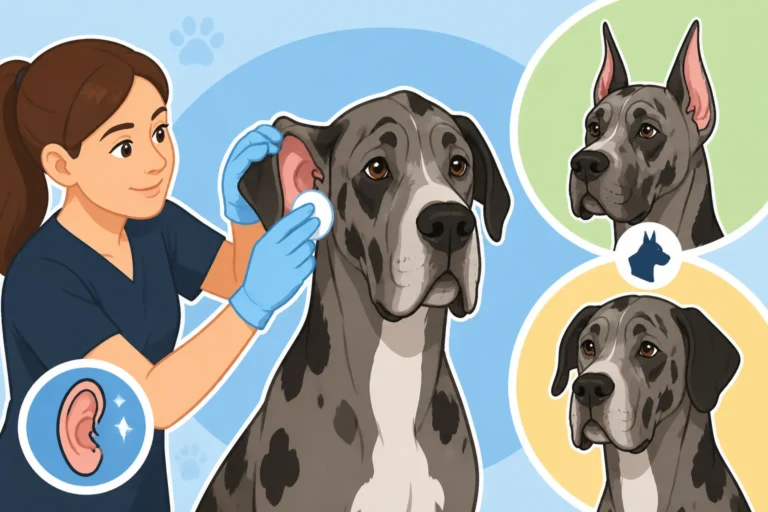
Most Great Danes today sport their natural, uncropped ears, which are quite large and pendulous. This means they hang down, covering the ear canal opening. Think about what happens when you close off an area: it becomes warmer, and moisture can get trapped easily. This creates a miniature hothouse inside your Dane's ear.
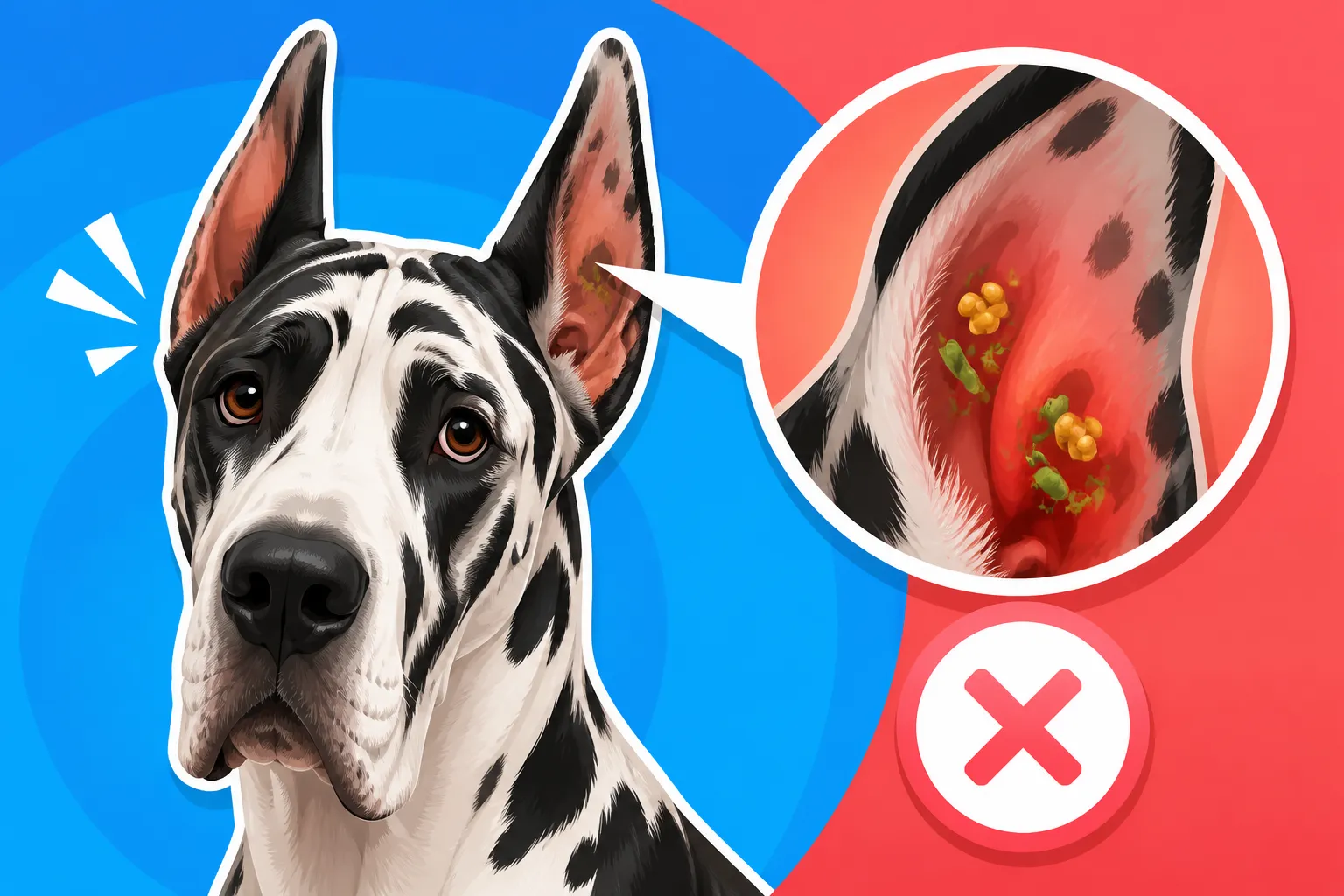
This warm, moist, and dark environment is a dream come true for opportunistic bacteria and yeast. These microorganisms are naturally present on a dog's skin, but in a damp, low-airflow environment, they can multiply rapidly, leading to an overgrowth that causes inflammation and infection. It's a stark contrast to breeds with erect ears, like German Shepherds or Chihuahuas, where the ear canal is open to the air, allowing moisture to evaporate more readily and reducing the chance for these pathogens to take hold and cause problems. This is why you might hear about Great Dane owners frequently needing to check for a funky smell or discharge, much more so than someone with an upright-eared breed.
Ear Cropping: Aesthetic Choice vs. Perceived Health Benefit
Historically, and still in some regions, Great Danes have their ears cropped. This is a surgical procedure where a portion of the ear flap is removed, and the remaining ear is then posted to stand erect. The original rationale for cropping, beyond aesthetics, often included the belief that it would reduce the incidence of ear infections by promoting better airflow to the ear canal.
The theory goes that an upright ear allows for more ventilation, preventing the accumulation of moisture and heat that contribute to infection. While improved airflow can be beneficial, it's crucial to understand that ear cropping is a deeply controversial practice. Many veterinary professionals and animal welfare organizations argue that any potential health benefit is minimal and does not outweigh the pain and ethical concerns associated with a cosmetic surgery. Furthermore, even with cropped ears, Great Danes can still develop infections, especially if other underlying factors like allergies are present. The trend is definitely shifting towards natural ears, and many owners are choosing to keep their Dane's ears intact, prioritizing comfort and ethical considerations. The important thing is that, regardless of ear type, proactive Ear Care for a Great Dane remains paramount.
Common Culprits Behind Great Dane Ear Infections
It's easy to blame the ear shape, but often, ear infections are symptoms of bigger issues at play. Understanding the underlying causes is the first step in effectively managing and preventing these frustrating episodes for your Great Dane.
Allergies: The Systemic Link to Ear Troubles
One of the biggest, and often overlooked, drivers of chronic ear infections in Great Danes is allergies. Just like humans, dogs can suffer from environmental allergies (atopy) or food allergies. When a Dane has an allergic reaction, their immune system overreacts, leading to inflammation throughout their body. And guess what? The ears are a prime target for this inflammation.
When the skin lining the ear canal becomes inflamed due to allergies, it becomes irritated, itchy, and produces more wax and oils. This creates the perfect environment for secondary invaders like yeast (often Malassezia) and bacteria (like Staphylococcus or Pseudomonas) to multiply unchecked. It becomes a vicious cycle: allergies cause inflammation, which allows microbes to flourish, leading to an infection, which further irritates the ear. Owners often notice their Dane scratching or shaking their head constantly, even when the ear looks relatively clean on the surface. Identifying and managing these allergies, perhaps by exploring specialized diets or working with a vet on environmental triggers, is absolutely critical. Knowing What to Look For on a Great Dane Puppy Food Bag can be an early step in preventing food-related issues, and considering questions like Whether Grain-Free Kibble Belongs in a Dane Bowl can be part of a broader dietary discussion with your vet. Sometimes, general skin issues like Dandruff on a Great Dane's Back can also be an indicator of underlying allergies manifesting elsewhere.
Moisture, Wax, and Foreign Invaders
Beyond allergies, more straightforward factors can contribute to ear infections. Moisture, in particular, is a major enemy of a healthy ear canal, especially in dogs with floppy ears. Whether it's from a bath where water accidentally gets in, a swim in the lake, or just playing outside in the rain, trapped water creates a humid environment where bacteria and yeast thrive. It's why thoroughly drying your Dane's ears after any water exposure is non-negotiable. If you're wondering How Long a Great Dane Goes Between Washes, remember that frequency of bathing directly impacts how often you need to be vigilant about drying those ears.
Excessive wax buildup is another common issue. While some wax is normal and protective, too much can trap moisture, dirt, and debris, effectively forming a plug that blocks airflow and provides a rich food source for microorganisms. If your Great Dane is producing a lot of dark, crumbly, or smelly wax, it's a sign something isn't right.
Finally, foreign bodies can also sneak into the ear canal, causing irritation and paving the way for infection. Common culprits include grass seeds (especially foxtails, which can migrate deep into the ear), dirt, sand, or even tiny insects. Your Great Dane might suddenly start shaking their head violently, rubbing their ear, or pawing at it if a foreign object has entered the canal. This irritation alone can trigger an inflammatory response, making it easier for bacteria or yeast to take hold. Regular checks, especially after outdoor adventures, are key to catching these issues early.
| Factor Contributing to Ear Infections | Description | Preventive Measure |
|---|---|---|
| Pendulous Ear Flaps | Cover the ear canal, trapping heat and moisture, limiting airflow. | Regular checks and cleaning, ensuring thorough drying after water exposure. |
| Allergies | Inflame the ear canal lining, leading to increased wax production and creating an ideal environment for microbial overgrowth. | Identify and manage underlying allergies (dietary changes, medication, environmental control). |
| Moisture Trapping | Water from baths, swimming, or humidity gets stuck in the ear canal, promoting bacterial and yeast growth. | Thoroughly dry ears after bathing or swimming; use cotton balls to protect ears during baths. |
| Excessive Wax/Debris | Accumulation of wax, dirt, and dead skin cells creates a food source and breeding ground for pathogens. | Establish a consistent ear cleaning routine with vet-approved solutions. |
| Foreign Bodies | Objects like grass seeds, dirt, or insects can enter the ear canal, causing irritation and introducing pathogens. | Regular inspection, especially after outdoor activity; careful cleaning. |
| Immune System Compromise | Underlying health issues or stress can weaken the immune response, making the dog more susceptible to infections. | Maintain a healthy diet, ensure adequate exercise, and regular The Yearly Checkup a Great Dane Needs with your vet. |
Proactive Care: Preventing and Managing Ear Infections
Dealing with an ear infection in a Great Dane isn't just uncomfortable for them; it's a pain for you, too. The vet visits, the medications, the struggle to get those drops in—it's enough to make anyone dread the next head shake. The good news is that with a proactive approach, you can significantly reduce the frequency and severity of these issues, keeping your Dane happier and saving yourself some hassle.
Recognizing the Red Flags and Seeking Timely Care
One of the most crucial things you can do as a Great Dane owner is to become intimately familiar with the normal appearance and smell of your dog's ears. This way, you'll instantly spot when something is amiss. Common signs of an ear infection include:
- Frequent Head Shaking: This is often one of the first and most obvious indicators.
- Scratching or Pawing at the Ears: Your Dane might rub their head against furniture or the floor to relieve the itch.
- Redness or Swelling: Peeking inside, you might see the ear canal looking inflamed.
- Odor: A distinctive, often yeasty or foul smell emanating from the ear is a major red flag.
- Discharge: This can vary from dark, waxy debris (often yeast) to yellowish-green pus (bacterial).
- Pain or Sensitivity: Your Dane might yelp or pull away when you try to touch their ear.
- Lethargy or Behavioral Changes: In severe cases, they might just not feel well. A Great Dane That Is Anxious Rather Than Gentle might become even more wary of touch, particularly around their head.
The moment you notice any of these signs, it's time to call your veterinarian. Self-treating with over-the-counter remedies is often ineffective and can even make the problem worse by masking symptoms or selecting the wrong medication. A vet can properly diagnose the type of infection (bacterial, yeast, or both) and prescribe the correct medication. They might perform an otoscopic exam to look deep into the ear canal, take a swab for cytology (examining cells under a microscope), and even test for underlying allergies. Prompt and accurate treatment is key to preventing chronic issues and potential long-term damage to the ear.
Establishing a Regular Ear Cleaning Routine
A consistent and gentle ear cleaning routine is your best friend in the fight against Great Dane ear infections. This isn't just about cleaning out visible gunk; it's about maintaining a healthy environment within the ear canal.
Here's a simple routine you can adopt:
- Gather Your Supplies: You'll need a vet-approved ear cleaning solution (your vet can recommend one that's gentle and effective for your Dane's specific needs), cotton balls or gauze pads, and plenty of treats for positive reinforcement. Avoid cotton swabs, as they can push debris deeper into the ear and potentially damage the eardrum. You can find quality ear cleaners and cotton balls on platforms like Chewy or Amazon, ensuring you always have them on hand.
- Position Your Dane: It's often easiest to have your Dane lie down or stand comfortably with their head steadied. This is where early training to get Getting a Great Dane Puppy Used to Handling really pays off.
- Apply Solution: Gently lift the ear flap and squeeze the recommended amount of cleaning solution directly into the ear canal. Don't be shy – you want to fill the canal.
- Massage the Base: Gently massage the base of the ear for 20-30 seconds. You should hear a squishing sound, indicating the solution is breaking up wax and debris.
- Let Them Shake: Allow your Great Dane to shake their head. This helps to dislodge and bring up the loosened gunk. Be ready to duck!
- Wipe Clean: Use a cotton ball or gauze wrapped around your finger to gently wipe out any visible solution, wax, and debris from the outer ear and the accessible part of the ear canal. Don't go deeper than you can see.
- Reward: Always end with praise and a tasty treat! Make it a positive experience so your Dane associates ear cleaning with good things.
The frequency of cleaning depends on your individual Dane. Some dogs might need their ears cleaned once a week, especially those prone to infections or with very waxy ears. Others might only need it once or twice a month. Your vet can provide specific guidance based on your dog's history and ear health. This proactive approach, detailed further in articles like Ear Cleaning on a Cropped or Natural Great Dane, makes a huge difference.
Disclaimer
This article is for general informational purposes only and does not constitute professional advice. Laws, prices and regulations vary by location and change over time. Consult a qualified professional for guidance on your specific situation.