Whether Grain-Free Kibble Belongs in a Dane Bowl
It's completely understandable to feel overwhelmed and even a little anxious when trying to figure out the best diet for your Great Dane. With so much information, and often conflicting advice floating around, especially concerning grain-free diets, it's tough to know if you're truly making the right choice for your gentle giant's long-term health. This comprehensive guide will cut through the noise, explaining the science behind grain-free kibble, its potential implications for Great Danes, and how to make an informed, confident decision about what goes into your dog's bowl.
The Grain-Free Trend and Its Appeal
For years, "grain-free" was a buzzword in the pet food industry, championed by many as the ultimate choice for canine health. It promised a return to a more "natural" diet, free from what some considered unnecessary fillers. It's easy to see why so many of us, myself included, were drawn into this narrative, wanting nothing more than to give our beloved Danes the very best.
Why Owners Were Drawn to Grain-Free
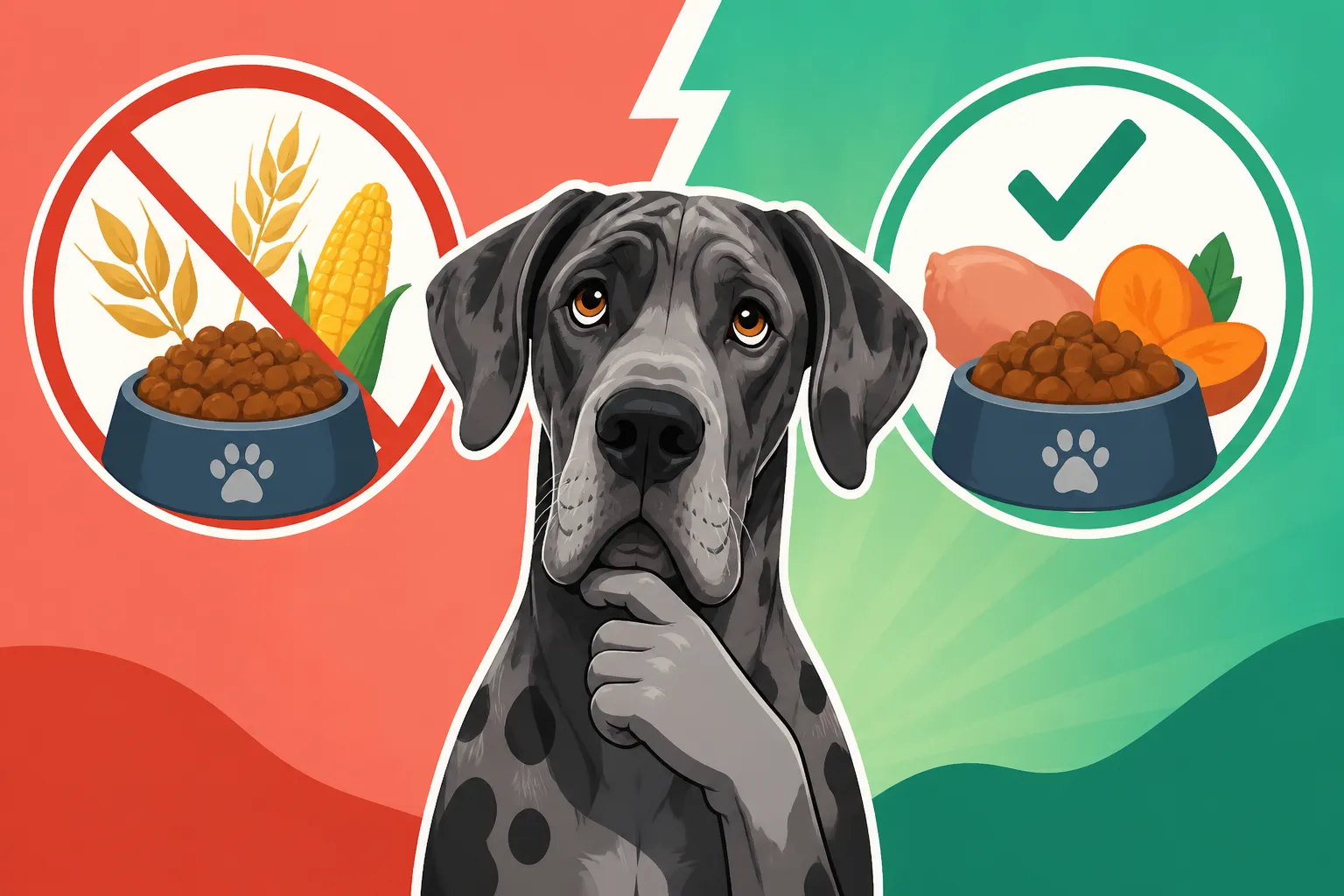
The marketing around grain-free dog food was incredibly compelling. It often played on the idea that dogs, as descendants of wolves, didn't evolve to eat grains. The implication was that grains were unnatural, difficult to digest, and a common source of allergies or sensitivities. Many well-meaning owners, eager to prevent potential problems like skin issues, digestive upset, or allergies, enthusiastically switched their dogs to grain-free formulas. We all want what's best for our furry family members, and if removing grains seemed like a simple way to improve their health, who wouldn't jump at the chance? There was a strong belief that this approach was a healthier, more "ancestral" way to feed our dogs, making them feel better and potentially live longer, happier lives.
Grains: A Nutritional Overview for Dogs
Despite the anti-grain sentiment that permeated the market for a while, grains actually play a significant role in a balanced canine diet. Ingredients like corn, wheat, rice, barley, and oats are excellent sources of complex carbohydrates, which provide a steady release of energy, much like whole grains do for humans. They also contribute essential fiber, which is crucial for a healthy digestive system, aiding in proper bowel function and promoting beneficial gut bacteria. Beyond that, many grains are packed with vitamins (like B vitamins), minerals, and even some protein, all of which are vital for a dog's overall well-being. Far from being empty fillers, when properly processed and included in a well-formulated diet, grains offer readily digestible nutrients that contribute significantly to a dog's health and vitality.
The Link Between Grain-Free Diets and Canine Dilated Cardiomyopathy DCM
The conversation around grain-free dog food shifted dramatically when veterinary cardiologists began noticing an alarming trend: a rise in a specific type of heart disease in breeds not typically predisposed to it, and often, these dogs were eating grain-free diets. This connection raised serious questions and prompted a deep investigation into the nutritional choices we make for our dogs.
What is DCM and Why Does it Affect Great Danes?
Dilated Cardiomyopathy, or DCM, is a serious disease of the heart muscle. Essentially, the heart muscle becomes thin and weak, losing its ability to pump blood efficiently throughout the body. This leads to an enlarged heart and, eventually, heart failure. Symptoms can be subtle at first: a cough, reduced exercise tolerance, or a general lack of energy. As it progresses, you might see fluid retention, difficulty breathing, or even fainting spells. For Great Danes, DCM is a particular concern because they are genetically predisposed to it. It's one of the most devastating health issues our breed faces, and it's something every Great Dane owner worries about. You can read more about The Heart Muscle Disease Great Danes Are Prone To to understand the hereditary aspect.
The FDA Investigation and Nutritional DCM
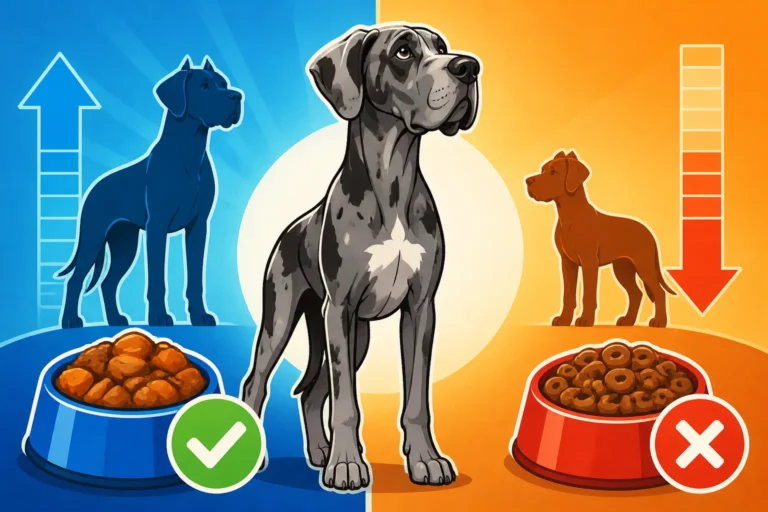
The alarm bells truly started ringing when the U.S. Food and Drug Administration (FDA) began investigating a potential link between certain "boutique," "exotic-ingredient," or "grain-free" (BEG) pet foods and cases of DCM in dogs that did not have a known genetic predisposition to the disease. What they found was a troubling pattern: dogs on these specific diets were developing DCM, and in many cases, their heart health improved dramatically when their diet was changed to a more traditional, grain-inclusive formula, sometimes along with taurine supplementation.
The hypothesis is complex, but it often centers on ingredients commonly used as grain substitutes in these BEG diets, such as peas, lentils, chickpeas, and potatoes. It's thought that these ingredients, particularly when present in large amounts, might interfere with the production or absorption of crucial nutrients like taurine, an amino acid vital for heart health. It's not necessarily that these ingredients are inherently bad, but rather their high concentration in certain formulas, potentially creating nutritional imbalances that manifest as DCM in susceptible dogs, or even in dogs not typically at risk. This is why paying close attention to your Great Dane's diet is so critical, especially considering their predisposition to heart issues like How a Great Dane Heart Enlarges.
Key Ingredients Under Scrutiny
When we talk about the ingredients under scrutiny in the context of nutritional DCM, the focus often lands squarely on legumes and potatoes. Peas, lentils, chickpeas, and potatoes are frequently used in grain-free kibbles to provide carbohydrates and protein, replacing traditional grains like corn or rice. While these ingredients have nutritional value, the concern arises when they become primary components, making up a significant portion of the dog's daily intake.
It's hypothesized that the high levels of these ingredients might either directly interfere with taurine metabolism or bind to other essential nutrients, preventing their proper absorption. For instance, some legumes contain compounds called phytates, which can reduce the bioavailability of minerals like zinc and iron, or even other amino acids. While the exact mechanism is still being researched, the strong epidemiological link between these diets and DCM has led many veterinary cardiologists and nutritionists to advise caution and generally recommend against feeding diets that rely heavily on these ingredients as primary carbohydrate sources, especially for breeds like Great Danes. It's a complex puzzle, and until more definitive answers emerge, many experts suggest erring on the side of caution.
Navigating Diet Choices for Your Great Dane
Choosing the right food for your Great Dane feels like a monumental task, and honestly, it is! Their rapid growth, immense size, and specific health predispositions mean their nutritional needs are far from generic. Making an informed decision goes beyond just reading the front of a bag; it requires digging deeper and, most importantly, involving your trusted veterinary team.
Consulting Your Veterinarian and Board-Certified Veterinary Nutritionist
Before making any major changes to your Great Dane's diet, or if you have any concerns at all, your first and most crucial step should always be to consult with your veterinarian. They know your dog's individual health history, any pre-existing conditions, and can offer personalized advice. Even better, consider asking for a referral to a board-certified veterinary nutritionist. These specialists have advanced training in animal nutrition and can formulate or recommend diets tailored to your dog's exact needs, taking into account their breed, age, activity level, and any health issues.
Don't hesitate to ask them pointed questions about specific ingredients, potential taurine deficiencies, or if routine heart screenings are advisable, like Screening a Great Dane's Heart Each Year. They might suggest blood tests to check taurine levels or other cardiac diagnostics if your Dane has been on a diet of concern. Their expertise is invaluable in navigating the sometimes murky waters of pet food science, especially when the stakes are as high as heart health.
Understanding Dog Food Labels
Deciphering a dog food label can feel like reading a foreign language, but it's a critical skill for any Great Dane owner. Start by looking at the first five to ten ingredients. In general, quality foods will list identifiable meat sources (like "chicken meal" or "deboned salmon") within the first few spots. Be wary of generic terms like "meat by-products" without further specification.
Next, pay close attention to the AAFCO (Association of American Feed Control Officials) statement. This small statement, usually found on the back of the bag, tells you whether the food is "complete and balanced" for a specific life stage (e.g., "for growth," "for maintenance," or "for all life stages"). This is your assurance that the food meets recognized nutritional standards. For Great Dane puppies, look for formulas specifically labelled for "large breed puppies" or "all life stages," as these typically have carefully controlled calcium and phosphorus levels to support healthy, slow growth. Avoid formulas designed for "all breeds" or small breeds if they don't explicitly mention large breed puppy guidelines, as their mineral content might be too high for a growing Dane.
| Feature | Grain-Free (BEG Diets) | Grain-Inclusive (Traditional Diets) |
|---|---|---|
| Carbohydrate Source | Often high in peas, lentils, chickpeas, potatoes | Often includes corn, rice, barley, oats, wheat |
| Primary Concern | Potential link to Dilated Cardiomyopathy (DCM) | Older concerns about allergies (largely disproven as common) |
| Taurine Impact | Hypothesized to interfere with taurine metabolism/absorption | Generally supports healthy taurine levels in most dogs |
| Fiber Content | Can be high in soluble fiber from legumes | Good source of soluble and insoluble fiber from whole grains |
| Nutrient Profile | Can have complex interactions impacting nutrient bioavailability | Generally well-researched, balanced nutrient profiles |
| Veterinary Stance | Caution advised, especially for at-risk breeds | Generally recommended by veterinary nutritionists |
Balanced Nutrition: What a Great Dane Really Needs
A Great Dane's nutritional needs are immense and particular, shifting significantly from puppyhood through their senior years. At every stage, the goal is balanced nutrition, not just filling their enormous stomachs. Protein is paramount for muscle development and maintenance, but it needs to come from high-quality, digestible sources. Fats provide concentrated energy and support healthy skin and coat. Carbohydrates, whether from grains or carefully selected alternatives, are essential for sustained energy.
For puppies, the balance of calcium and phosphorus is especially critical. Too much calcium, or an improper ratio, can lead to serious skeletal problems in rapidly growing giant breeds. This is why specialized large breed puppy formulas are so important, as discussed in Calcium and Phosphorus in a Great Dane Puppy Bowl. The goal for a Great Dane puppy is slow, steady growth, not rapid weight gain, as explained further in Why a Great Dane Puppy Should Grow Slowly. Overfeeding, or feeding a diet too high in calories and certain minerals, can put undue stress on their developing joints and bones. As adults, maintaining a lean body condition is vital for joint health and overall longevity. Regularly feeling your Dane's ribs and spine is a good way to monitor their weight.
Grain-Inclusive Alternatives and Their Benefits
Given the concerns surrounding grain-free diets, many owners are now looking back at grain-inclusive options, often with a newfound appreciation for their time-tested efficacy. These foods, formulated with robust scientific backing, are often the safest and most nutritionally sound choice for Great Danes.
Reputable Brands and Their Formulations
When choosing a grain-inclusive diet, it's not just about the ingredients; it's about the company behind the bag. Look for brands that employ a team of board-certified veterinary nutritionists, conduct extensive feeding trials, and invest heavily in scientific research. These companies often have decades of experience formulating complete and balanced diets and are transparent about their ingredient sourcing and manufacturing processes. They understand the specific needs of different breeds and life stages, ensuring that their formulas meet or exceed AAFCO standards.
While I can't endorse specific brands, I can tell you that online retailers like Chewy offer a vast array of reputable grain-inclusive dog foods, making it easier to compare options and find one that fits your Dane's needs and your budget. Choosing a brand that prioritizes rigorous scientific testing over trendy marketing claims is a smart move for your giant companion.
Whole Grains: More Than Just Fillers
The idea that grains are merely "fillers" or "empty calories" in dog food is a common misconception that was perpetuated by the grain-free movement. In reality, whole grains like brown rice, oats, barley, and even corn (yes, corn!) offer a wealth of benefits for dogs, including Great Danes. They are highly digestible sources of energy, providing the carbohydrates needed to fuel a large, active dog. Furthermore, whole grains are rich in dietary fiber, which is crucial for maintaining a healthy digestive system, regulating blood sugar, and promoting satiety. They also contribute essential nutrients such as B vitamins, magnesium, and selenium.
Think of it this way: just as whole-grain bread is a healthier choice for humans than white bread, whole grains in dog food provide a more complex and nutritious energy source compared to highly processed alternatives or excessive amounts of legumes. A balanced grain-inclusive diet can support your Great Dane's energy levels, digestive health, and overall vitality without the potential risks associated with some grain-free formulations.
When Grain-Free Might Be Appropriate Under Vetted Guidance
It's important to acknowledge that there are rare instances where a grain-free diet might be genuinely necessary for a dog. These situations almost exclusively involve a diagnosed, bona fide grain allergy, which is far less common than many people assume. True food allergies are typically diagnosed through strict elimination diets prescribed and supervised by a veterinary professional, not by simply assuming a grain sensitivity based on anecdotal evidence or mild symptoms.
If your Great Dane is diagnosed with a specific grain allergy, a grain-free diet formulated with the guidance of a board-certified veterinary nutritionist would be appropriate. However, this is a very specific scenario, and even then, careful attention must be paid to the alternative carbohydrate and protein sources to avoid the nutritional pitfalls linked to DCM. The key here is "vetted guidance"—never embark on a restrictive or specialized diet for your Great Dane without a clear diagnosis and ongoing supervision from your vet or a veterinary nutritionist. For most Great Danes, a high-quality, grain-inclusive diet is the safer and more appropriate choice.
Practical Feeding Advice for Great Dane Owners
Feeding a Great Dane isn't just about what's in the bowl; it's about how you manage their meals and monitor their health. With their unique physiology and propensity for certain health issues, a thoughtful, consistent feeding routine is paramount.
Gradual Diet Transitions
Sudden changes in your Great Dane's diet can wreak havoc on their digestive system, leading to upset stomachs, diarrhea, or refusal to eat. If you're switching foods, whether from a puppy formula to adult, or from one brand to another, a gradual transition is absolutely essential. I recommend a slow, step-by-step approach over at least 7-10 days, sometimes even longer for particularly sensitive Danes.
Start by mixing about 25% new food with 75% old food for a couple of days. If your Dane handles this well, move to a 50/50 mix for another few days. Then, go to 75% new food and 25% old food. Finally, you can feed 100% new food. Throughout this process, keep a close eye on their stool consistency, appetite, and energy levels. Any signs of digestive upset mean you should slow down the transition or even revert to an earlier stage for a few more days. Patience here pays off, ensuring a smooth adjustment for your big pal.
Monitoring Your Dane's Health
Your Great Dane's bowl is just one piece of their overall health puzzle. Beyond their diet, regular, attentive monitoring of their physical condition and behavior is crucial. Look for a healthy, shiny coat, bright eyes, and appropriate energy levels for their age. Their stool should be well-formed and consistent. Any changes—like a dull coat, lethargy, persistent coughing, difficulty breathing, or changes in appetite and thirst—warrant immediate veterinary attention. These could be subtle indicators of underlying health issues, including DCM. You should know what Early Heart Signs in a Great Dane look like, and if your Dane starts to struggle and A Great Dane That Cannot Finish a Walk, it's time to see the vet.
Regular veterinary check-ups are non-negotiable for Great Danes. These visits allow your vet to perform a thorough physical exam, listen to their heart, and catch potential problems early. Discussing your Dane's diet, any concerns you have, and scheduling routine screenings like annual bloodwork or heart evaluations (especially for a breed prone to DCM) should be part of your The Yearly Checkup a Great Dane Needs. Proactive care is the best way to ensure your Great Dane lives their healthiest life.
Beyond Kibble: Supplements and Treats
While a complete and balanced kibble should form the foundation of your Great Dane's diet, many owners consider supplements and treats. When it comes to treats, choose wisely. Opt for single-ingredient treats or those with minimal, identifiable ingredients. Ensure they are appropriately sized for a Great Dane to prevent choking or gulping too quickly, which can contribute to bloat risk. You can find a wide variety of large, durable treats on platforms like Amazon, but always check ingredients carefully. Remember, treats should make up no more than 10% of their daily caloric intake to prevent nutritional imbalances or excessive weight gain.
Regarding supplements, always, always consult your veterinarian before adding anything to your Dane's diet. While some owners might be tempted by joint supplements, fish oil, or even extra calcium, indiscriminate supplementation can actually do more harm than good, especially for a giant breed. For example, Why Calcium Supplements Damage a Great Dane is a serious concern for growing puppies and can lead to irreversible skeletal issues. Similarly, avoid adding large quantities of human food, especially fresh food companies like Ollie, unless the specific formulation has been professionally balanced by a veterinary nutritionist for the unique needs of a Great Dane. Even small amounts of certain foods can cause digestive upset or, in larger quantities, lead to nutritional deficiencies or toxicities. Stick to the expert-formulated food and only introduce supplements under strict veterinary guidance.
Disclaimer
This article is for general informational purposes only and does not constitute professional advice. Laws, prices and regulations vary by location and change over time. Consult a qualified professional for guidance on your specific situation.