Whether a Great Dane Can Live in a Kennel
It’s a question many new Great Dane owners, or even those just dreaming of one, ponder: can such a large dog thrive living in a kennel? The straightforward answer, rooted in the breed's very nature and specific needs, is a resounding no when we're talking about a primary, isolated, or outdoor living situation. This guide will delve into why kennel living, in its traditional sense, is not suitable for these gentle giants and what kind of environment they truly need to flourish.
Why a Great Dane and Traditional Kennel Living Don't Mix
When most people picture a "kennel," they often envision an outdoor enclosure, perhaps with a small shelter, where a dog spends the majority of its time. For many breeds, this might be a perfectly acceptable arrangement, especially if they are working dogs or those with thick coats and a more independent temperament. But Great Danes are fundamentally different. Their physical build and deep-seated emotional needs make this type of environment not just unsuitable, but potentially harmful to their health and well-being.
Great Danes Thrive on Companionship, Not Isolation
Great Danes are often called "Velcro dogs" for a reason – they absolutely crave human companionship. They were bred to be close confidantes and protectors, not solitary creatures relegated to the fringes of family life. If a Great Dane is left alone in an outdoor kennel for extended periods, day after day, they don't simply adapt; they often suffer. This isolation can lead to immense emotional distress, manifesting as destructive behaviors, excessive barking, or even deep depression. They want to be where their people are, leaning against legs, supervising kitchen activities, and sprawling across the living room rug. Depriving them of this fundamental need goes against everything a Great Dane is. You'll often see them Living With a Great Dane That Leans on You because it's their way of connecting and feeling secure.
Physical Vulnerabilities to Outdoor Elements
Beyond their emotional needs, Great Danes are physically ill-suited for prolonged outdoor living, especially in an exposed kennel. They possess a short, single coat that offers very little protection against the cold in winter or extreme heat in summer. Their large, lean bodies burn through calories quickly, making them susceptible to rapid heat loss. Conversely, they can overheat easily without proper shade and ventilation. Imagine a Great Dane shivering in a cold snap or panting uncontrollably in the scorching sun – it’s a recipe for serious health complications. Their sheer size also means they need ample space to move comfortably, and a typical kennel run, while perhaps large for a smaller dog, can feel incredibly restrictive for a Dane.
Understanding the Great Dane's Core Needs
To truly grasp why traditional kennel living is detrimental, we need to understand the unique requirements of this magnificent breed. Their needs extend far beyond just food and water; they encompass emotional security, physical comfort, and appropriate mental stimulation.
The Gentle Giant's Need for Emotional Security and Routine
Great Danes are incredibly sensitive souls. While their size might suggest a robust, stoic demeanor, they are surprisingly prone to anxiety, especially separation anxiety. Being constantly removed from their human family can trigger significant stress. They thrive on routine and predictability, knowing when meals are coming, when walks will happen, and most importantly, when they can cuddle up next to you on the couch. A chaotic or isolated existence in a kennel undermines this need for security, potentially turning a calm, loving companion into a stressed, anxious animal. You'll find that a Great Dane that is allowed to integrate fully into family life is much happier and better behaved. An indoor environment allows for the consistent interaction and supervision that fosters their calm and stable temperament.
Health and Comfort: More Than Just Shelter
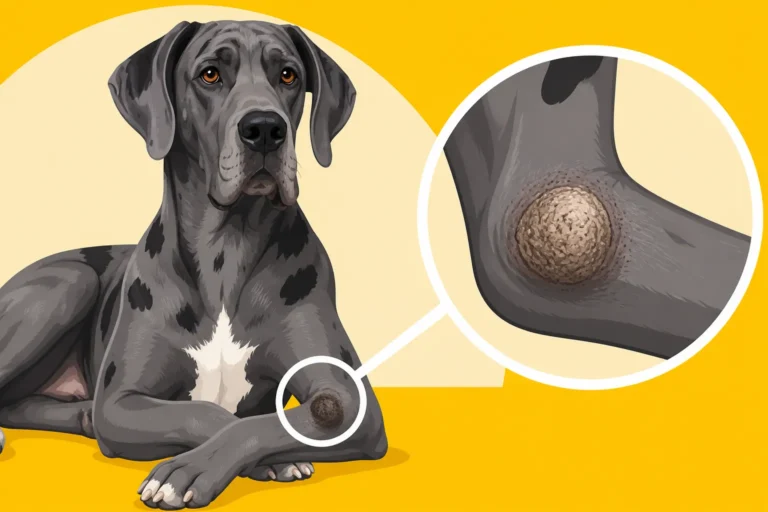
Their physical health is another huge factor. Great Danes are prone to a host of orthopedic issues, including hip and elbow dysplasia, and other joint problems that can be exacerbated by lying on hard, unyielding surfaces. Great Dane Hips, Elbows and Growing Joints are delicate, especially during their rapid growth phase as puppies and even into adulthood. An outdoor kennel rarely provides the kind of orthopedic support found in a quality indoor dog bed. Furthermore, exposure to extreme temperatures can worsen conditions like arthritis in older Danes or contribute to respiratory issues. The thought of a senior Dane, perhaps struggling with Arthritis in a Six-Year-Old Great Dane, trying to get comfortable on a cold concrete slab is truly heartbreaking.
Moreover, cleanliness becomes a major challenge in an outdoor kennel. Great Danes are known for their slobber, and their short coats shed. Keeping an outdoor space sanitary and free of parasites is a constant battle, and one that directly impacts their skin health and overall hygiene. Indoor living allows for easier management of their environment, ensuring a clean, temperature-controlled space that is vital for their well-being.
The Danger of Boredom and Lack of Mental Stimulation
A Great Dane, despite its calm indoor demeanor, is an intelligent dog that requires mental engagement. Left in an isolated kennel, without toys, puzzles, or human interaction, they will quickly become bored. This boredom often leads to destructive behaviors – chewing, digging, barking – not out of malice, but out of a desperate attempt to relieve monotony and frustration. This isn't just an inconvenience; it's a sign of a deeply unhappy dog. They need opportunities to observe family life, participate in gentle play, and receive training that stimulates their minds. A well-placed puzzle toy from Chewy or a new KONG from Amazon can only do so much if they are fundamentally lacking social interaction.
Here's a quick comparison of why indoor living is vastly superior for a Great Dane:
| Aspect | Primary Outdoor Kennel Living (Traditional) | Indoor Living with Family |
|---|---|---|
| Social Needs | Severe isolation, anxiety, behavioral issues | Constant companionship, emotional security |
| Physical Comfort | Hard surfaces, extreme temperatures, lack of orthopedic support | Soft bedding, climate control, joint protection |
| Health Risks | Hypothermia, heatstroke, exacerbates joint problems, skin issues | Reduced environmental stressors, easier health monitoring |
| Mental Stimulation | Boredom, destructive behaviors, frustration | Varied environment, toys, puzzles, family interaction |
| Cleanliness | Difficult to maintain hygiene, parasite exposure | Easier to clean, less exposure to outdoor elements |
| Safety | Vulnerable to theft, wild animals, environmental hazards | Secure, protected environment |
Acceptable "Kennel" Scenarios and What a Great Dane Actually Needs
While a traditional outdoor kennel is out, the word "kennel" can sometimes be used more broadly. It's important to distinguish between unacceptable living conditions and tools that can be part of a healthy Great Dane household.
Large Indoor Crates as Safe Spaces
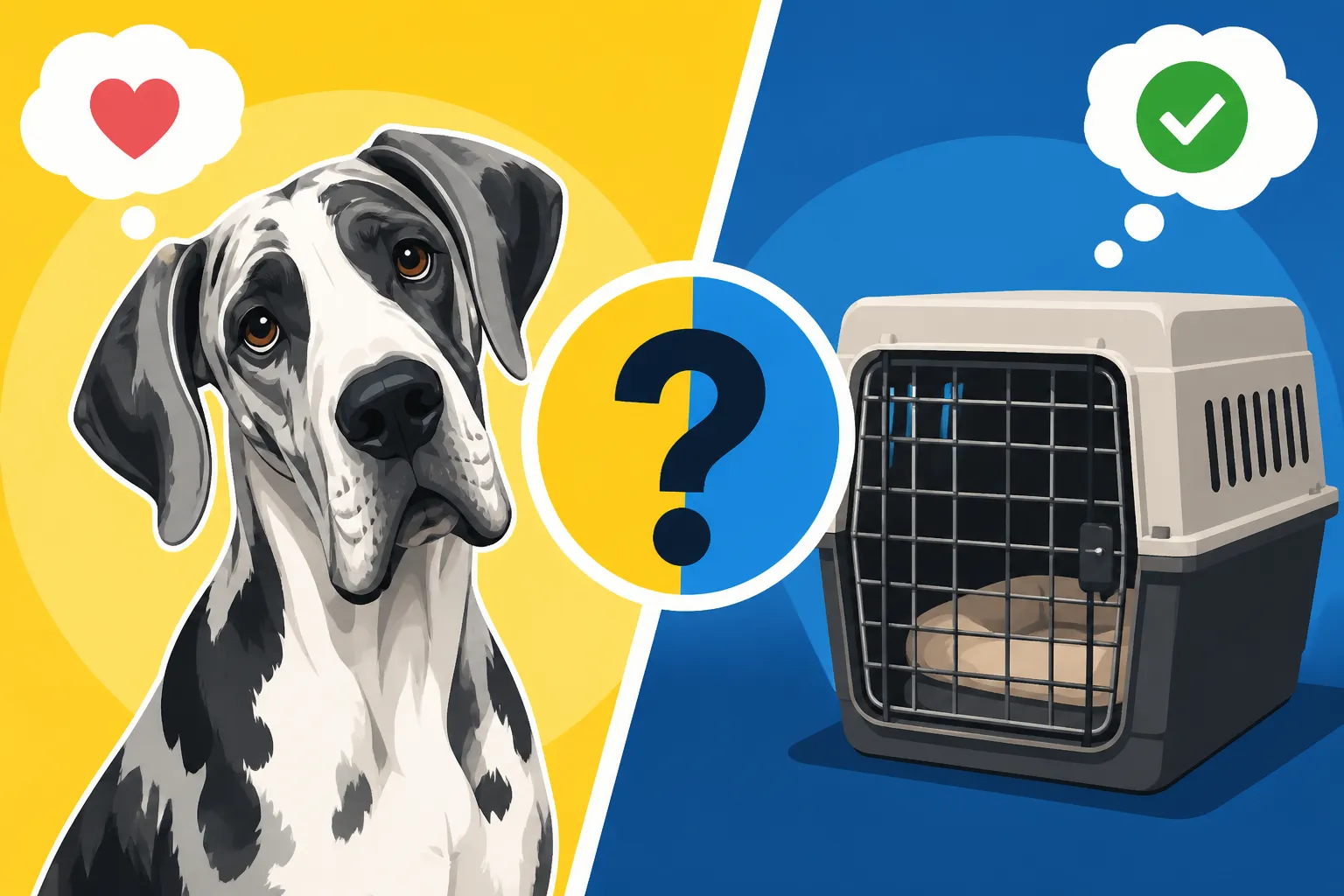
Many Great Dane owners successfully use large indoor crates as a temporary tool, not a permanent home. A properly sized crate, placed within the family's living area, can serve as a secure den for a Great Dane. It offers a safe place for them to retreat, helps with house training, and can be crucial for managing puppies or during times when you cannot supervise them directly. This is miles away from an outdoor kennel. The key is that it's temporary and connected to the family. They should be able to comfortably stand, turn around, and lie down in it. Look for options on Amazon or Chewy that are truly Crates That Hold a Full-Grown Great Dane. It’s a den, not a dungeon.
It’s about creating a positive association with their crate. Filling it with comfortable bedding, like an orthopedic mattress, and offering high-value chews or toys can make it a beloved sanctuary. This is especially useful for teaching them Building Up a Great Dane's Alone Time gradually, so they don't develop A Great Dane That Panics When Left when you have to leave the house for a few hours.
Secure Outdoor Runs (with Supervision and Caveats)
A well-constructed, fully shaded, and secure outdoor run can be a useful adjunct to indoor living, not a replacement. If you have a large yard, a run might offer a safe place for your Dane to stretch their legs and get some fresh air for short periods, especially if you have a yard that isn't fully fenced or you need to keep them contained while you garden. However, this is only acceptable if:
- It's temporary: No Great Dane should spend hours on end in a run. It's for supervised breaks, not for living.
- It offers complete protection: Shade from the sun, shelter from rain and wind, and a comfortable, elevated resting surface are non-negotiable. Think dog houses designed for extreme weather, not just a lean-to.
- It's escape-proof: Great Danes are large, but don't underestimate their ability to figure things out if bored or anxious. The fencing must be robust and tall.
- Fresh water is always available: Especially in warm weather.
Even with all these precautions, a run still doesn't provide the mental and emotional stimulation of being part of the family. It's a tool, not a lifestyle.
Quality Boarding Facilities for Temporary Stays
If you need to travel, a reputable boarding kennel can be an option, but again, this is a temporary solution. When choosing a boarding facility for your Great Dane, look for places that:
- Offer large, individual runs/rooms: Ensure your Dane has ample space.
- Provide climate control: This is crucial for their comfort and health.
- Prioritize human interaction: Staff should be spending time with the dogs, offering play, walks, and cuddles.
- Have solid experience with giant breeds: They should understand the specific needs, health concerns, and temperaments of dogs like Great Danes.
- Require vaccinations and health checks: This protects all the animals.
Asking for references and taking a tour of the facility are excellent steps. You want peace of mind knowing your Great Dane is safe, comfortable, and well-cared for while you're away.
Creating the Ideal Home Environment for Your Great Dane
So, if kennel living isn't the answer, what does a Great Dane need? They need to be an integral part of your home and family.
Comfort and Space Indoors
Despite their size, Great Danes are surprisingly adaptable to various home sizes, as long as they are inside with their people. They aren't hyperactive dogs that constantly need to run laps around the house. They are often quite content to lounge around, following you from room to room, or finding a comfy spot for one of their many naps. How Much Sleep a Great Dane Actually Needs is quite a lot! What they do need, however, is:
- Plenty of soft, orthopedic bedding: To protect their joints from hard floors. This is vital, especially as they age and their joints start to feel the years. Brands available through Chewy or Amazon often have excellent giant-sized options.
- Unrestricted access to family areas: They want to be where the action is, even if they're just observing.
- A consistent temperature: A warm spot in winter and a cool spot in summer.
- Non-slip flooring in key areas: Especially for puppies and senior Danes, slippery floors can lead to injury. Consider runners or rugs in high-traffic zones.
Daily Exercise and Mental Engagement
While they don't need to live outdoors, Great Danes certainly need regular exercise. This typically involves daily walks, supervised playtime in a securely fenced yard (if you have one), or trips to dog-friendly parks. The amount and intensity of exercise need to be carefully managed, especially for growing puppies, to protect their developing joints. Exercise Limits While a Great Dane Is Still Growing are crucial to prevent future orthopedic problems. These activities are essential for their physical health and to burn off any excess energy, contributing to their calm indoor demeanor.
Mental stimulation is just as important. Training sessions, puzzle toys (make sure they are Toys Big Enough Not to Choke a Great Dane), and even car rides to new places can keep their minds sharp and prevent boredom. This engagement solidifies their bond with you and reinforces good manners.
Proper Nutrition Tailored to Their Size
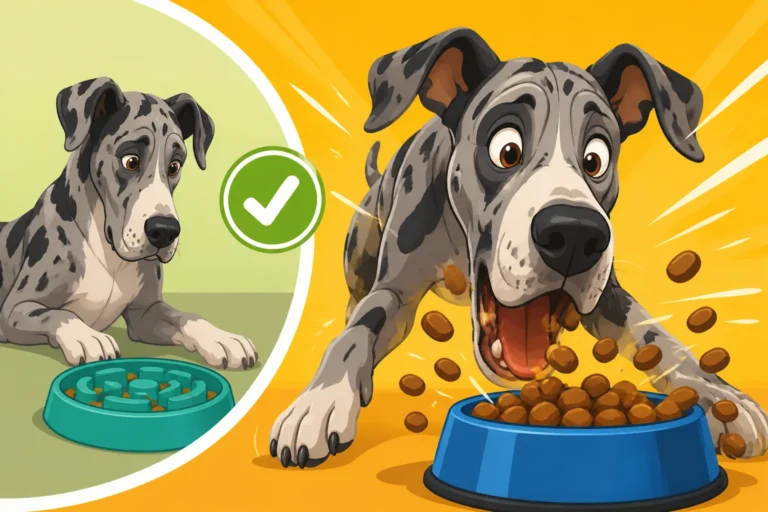
A huge part of Great Dane care, particularly in relation to their environment, is their diet. They have specific nutritional needs, especially as puppies, to support their rapid growth without causing bone and joint issues. Feeding a Great Dane Puppy Slowly on Purpose is paramount. As adults, they consume a significant amount of food – Feeding an Adult Great Dane Six to Ten Cups a day is not uncommon – and that food needs to be high-quality and appropriate for their age and activity level. You might consider fresh food options like Ollie, but always consult with your vet about the best diet for your individual Dane, especially since their needs can change as they enter The Great Dane Years That Count as Senior.
Conclusion: Your Great Dane Belongs Inside
Ultimately, a Great Dane is not a dog meant for traditional kennel living. Their very essence is tied to companionship, comfort, and being an integral part of a human family. To deny them this is to deny them their fundamental nature and risk both their physical health and emotional well-being. Providing them with a loving, climate-controlled indoor home, ample soft resting places, appropriate exercise, and consistent human interaction is not just ideal – it's essential for these magnificent, sensitive giants to live a full, happy, and healthy life.
Disclaimer
This article is for general informational purposes only and does not constitute professional advice. Laws, prices and regulations vary by location and change over time. Consult a qualified professional for guidance on your specific situation.