The Yearly Checkup a Great Dane Needs
It’s a truth universally acknowledged among Great Dane owners: our gentle giants are prone to some rather large and heartbreaking health issues, and their lifespan, while cherished, can feel all too fleeting. The sheer size of these magnificent dogs means that even routine care can feel like a monumental task, and the thought of a yearly vet visit can bring a mix of anticipation and dread, wondering what new concern might arise. This guide will walk you through everything you need to know about your Great Dane's yearly check-up, ensuring you're prepared to advocate for their health and well-being every step of the way.
Why Annual Check-ups are Non-Negotiable for Great Danes
Let's be real: Great Danes aren't just big dogs; they're a breed with specific vulnerabilities that demand consistent, proactive veterinary care. Their incredible growth rate and genetic predispositions mean that regular check-ups aren't just a good idea, they're absolutely vital for spotting potential problems before they become crises. Ignoring these appointments is like playing Russian roulette with your best friend's health, and nobody wants that.
The Rapid Aging of Giant Breeds
It's a tough pill to swallow, but our Great Danes age faster than their smaller canine counterparts. While a Chihuahua might be considered senior at ten or twelve, a Great Dane is often entering their golden years around six or seven. This accelerated aging means that health conditions can develop and progress at a much quicker pace. A change that might be insignificant in a smaller, slower-aging breed could be a rapidly developing problem in a Dane. We're talking about conditions like heart disease or cancer that can sneak up with alarming speed. Understanding this rapid aging curve really drives home Why a Great Dane Ages Faster Than Smaller Dogs and makes those annual visits feel less like an inconvenience and more like a crucial defense against time.
Addressing Breed-Specific Health Concerns Proactively
Great Danes, unfortunately, come with a laundry list of potential health issues that require vigilance. You've heard the stories, perhaps even lived some of them. Bloat, or Gastric Dilatation-Volvulus (GDV), is a terrifying reality for many Dane owners, and while a gastropexy can mitigate the risk, early discussions with your vet about prevention are key. Then there's Dilated Cardiomyopathy (DCM), a devastating heart condition that can be silent until it's quite advanced. Wobbler Syndrome, hip and elbow dysplasia, and certain types of cancer also lurk as potential threats.
Your annual check-up isn't just about vaccinations; it's a dedicated opportunity to screen for these specific issues. Your vet knows what to look for, what questions to ask, and what tests might be appropriate for your Dane's age and clinical signs. It's about being on the offense, not waiting for symptoms to manifest before taking action.
The Foundation of a Longer, Healthier Lifespan
We all want our Great Danes to live as long and happy a life as possible, even if The Seven to Ten Year Great Dane Lifespan feels tragically short. Regular veterinary care, starting from puppyhood and continuing through their senior years, is the absolute best way to lay that foundation. By establishing a baseline of health and catching any deviations early, you give your Dane the best possible chance to thrive. Think of it as investing in their future, even if that future feels compressed by their giant stature. Each yearly visit builds on the last, giving your vet a comprehensive picture of your dog's health trajectory.
What to Expect at Your Great Dane's Yearly Vet Visit
Okay, so you've booked the appointment – maybe you even had to borrow a larger vehicle to get your Dane there, if they’re anything like mine who considers the car a giant, moving crate. Now what? The yearly check-up for a Great Dane is usually more involved than for a tiny terrier, simply because there's so much more dog to examine!
The Comprehensive Physical Examination
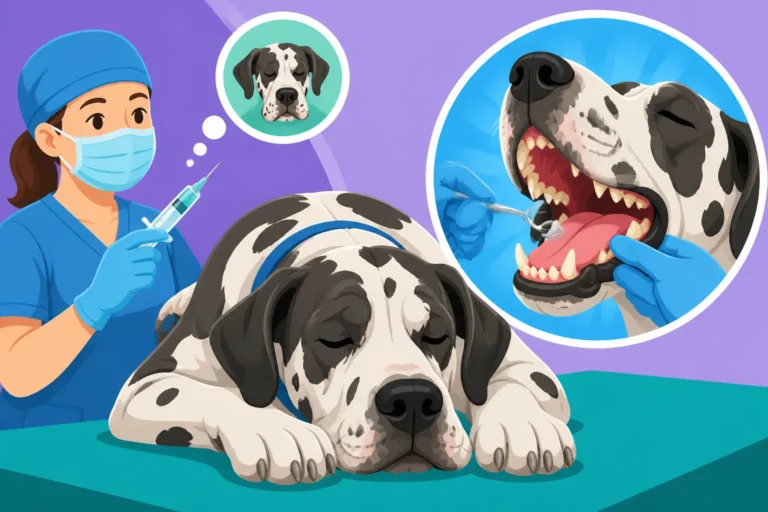
This is the cornerstone of any vet visit. Your vet will start with a thorough head-to-tail examination. They'll check your Dane's eyes, ears, and mouth, looking for any signs of infection, inflammation, or dental disease. Believe me, trying to brush the teeth of a fully-grown Great Dane can be an Olympic sport, so a vet's professional assessment of their oral hygiene is crucial. You might be surprised to learn that Keeping a Great Dane's Very Large Mouth Clean is a continuous battle.
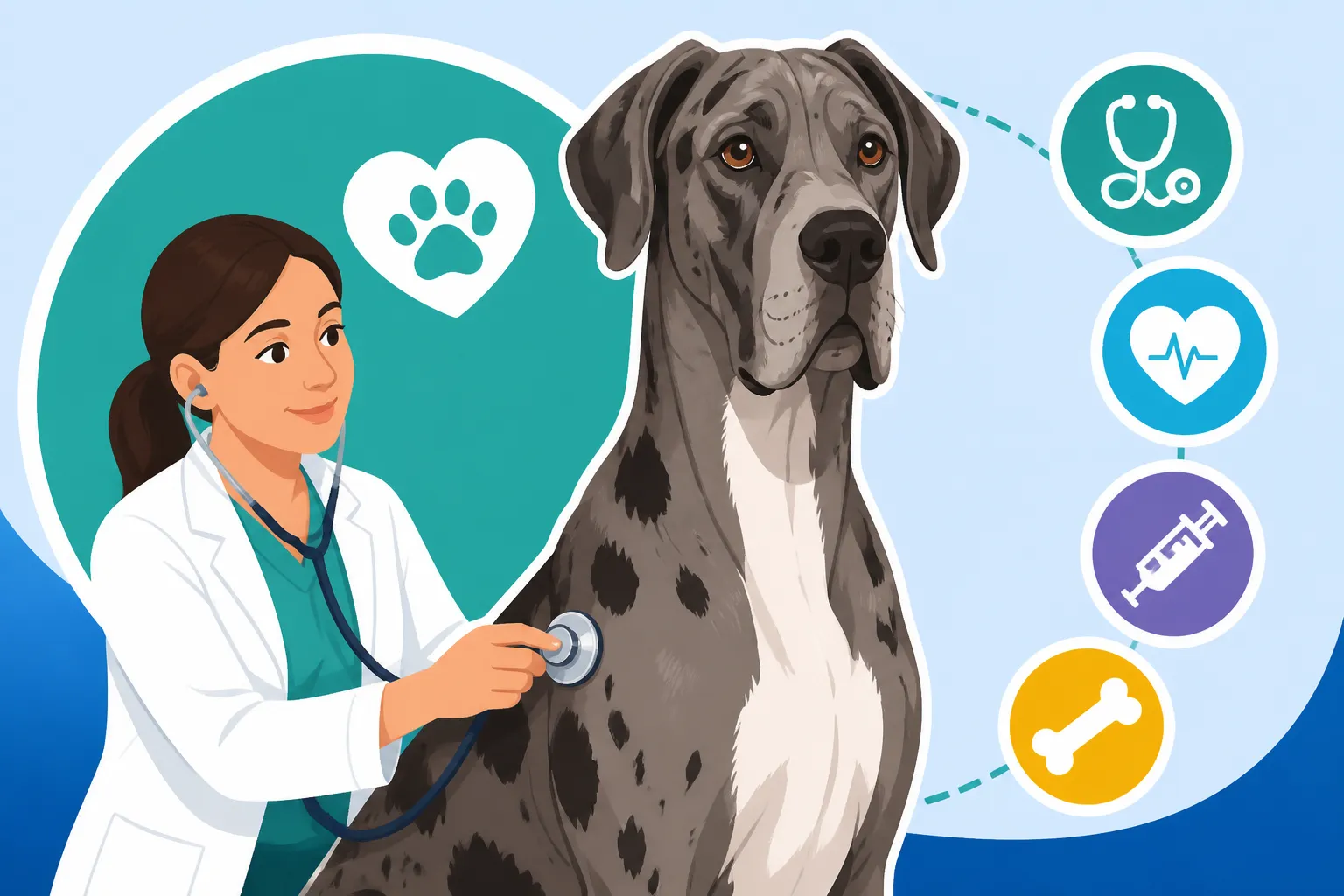
They’ll listen to your Great Dane's heart and lungs, palpate their abdomen, and check their joints and gait. This is especially important for a breed prone to orthopedic issues and heart conditions. The vet will be feeling for any lumps, bumps, or areas of tenderness. They’ll also assess your dog's weight and body condition score – which, for a Great Dane, is a constant balance between keeping them lean for their joints and ensuring they're getting enough nutrition. Don't be shy about pointing out anything you've noticed, no matter how small; you live with your Dane every day and are their best advocate.
Vaccinations, Parasite Prevention, and Bloodwork
Just like us, dogs need their routine immunizations. Your vet will discuss which vaccines are appropriate for your Great Dane based on their lifestyle, local regulations, and risk factors. Often, these include core vaccines like rabies and distemper/parvo, and potentially others like kennel cough or leptospirosis.
Parasite prevention is another big one. Heartworm, fleas, and ticks are year-round threats in many areas. Your vet will recommend the best preventative products and might perform a fecal test to check for intestinal parasites. For giant breeds like Danes, getting the correct dosage for these monthly preventatives can be a significant cost, but it's absolutely essential.
Finally, and this is where it gets really interesting for Great Danes, annual bloodwork is highly recommended, especially as they approach their middle and senior years. This might include:
- Complete Blood Count (CBC): Checks red and white blood cells, indicating infection, inflammation, or anemia.
- Chemistry Panel: Assesses organ function, including kidney and liver values, blood sugar, and electrolytes. These can give early warnings of issues before clinical signs appear.
- Thyroid Testing: Hypothyroidism is not uncommon in Great Danes, and a yearly thyroid panel can catch this condition early, preventing a host of symptoms like lethargy, weight gain, and skin problems.
This comprehensive panel gives your vet a deeper look into your Great Dane's internal health, helping them catch issues that aren't visible during a physical exam.
Specialized Screenings for Great Danes
Given their specific breed challenges, certain additional screenings are often discussed or recommended during a Great Dane's annual check-up:
- Cardiac Screening: Dilated Cardiomyopathy (DCM) is a major concern. Many vets will recommend a yearly echocardiogram (ultrasound of the heart) and/or a Holter monitor (24-hour ECG) to catch early signs of DCM. This is particularly important for breeding Danes but is increasingly recommended for all Great Danes, especially as they get older. Screening a Great Dane's Heart Each Year can literally add years to their life by allowing for early intervention.
- Orthopedic Assessment: While hip and elbow evaluations are often done in puppies for breeding, your vet will continue to monitor your Great Dane’s joint health throughout their life. They’ll check for signs of arthritis or discomfort, especially in their large, weight-bearing joints. This can inform decisions about joint supplements or pain management as they age.
- Bloat Awareness Discussion: Even if your Great Dane has had a gastropexy, your vet will likely discuss the signs of bloat and ensure you know what to do if you ever suspect it. If your Dane hasn't had the procedure, this is a prime opportunity to discuss When to Book a Great Dane Gastropexy or if it's the right choice for them.
This table summarizes key components of a Great Dane's annual check-up:
| Component | Purpose | Why it's Critical for Great Danes |
|---|---|---|
| Physical Exam | Overall health assessment, identify abnormalities | Early detection of lumps, lameness, oral issues common in large breeds. |
| Vaccinations | Prevent infectious diseases | Tailored protocol based on exposure risk, crucial for public safety. |
| Parasite Prevention | Protect against heartworm, fleas, ticks, intestinal worms | High-dose medication costs, severe consequences if left untreated. |
| Bloodwork (CBC, Chemistry) | Assess organ function, detect systemic issues | Early identification of kidney, liver, thyroid problems, crucial for rapid aging. |
| Cardiac Screening | Detect early signs of DCM | DCM is a leading cause of death; early detection improves prognosis. |
| Orthopedic Assessment | Monitor joint health, identify arthritis or dysplasia | Preventative care for hips, elbows, and other large joints under heavy stress. |
| Dental Exam | Check for plaque, tartar, gum disease | Large mouths accumulate plaque; dental disease impacts overall health. |
| Weight & Nutrition Review | Ensure appropriate body condition and diet | Prevent obesity for joint health; ensure proper nutrition for growth/age. |
Proactive Care Beyond the Exam Room
The yearly vet visit is a snapshot, a vital one, but what you do the other 364 days of the year makes all the difference for your Great Dane. Proactive care is truly a partnership between you and your vet, and it's essential for the well-being of a giant breed.
Nutrition and Diet Management
Feeding a Great Dane isn't just about filling a bowl; it's a science. During their rapid growth phase, the wrong diet can actually contribute to orthopedic problems. For adult Danes, maintaining a lean body condition is paramount for joint health. Your vet will discuss appropriate food choices, calorie intake, and whether supplements like glucosamine or fish oil might benefit your specific dog. If you've been grappling with Feeding a Great Dane That Eats Ten Cups a Day, you know how significant diet choices are, both for health and your wallet.
Some owners explore specialized diets or fresh food options, and brands like Ollie offer customized meal plans that can be tailored to your Great Dane's specific needs, though always discuss any major dietary changes with your vet first to ensure it's balanced and appropriate for a giant breed. High-quality nutrition is a critical component of preventative care.
Exercise and Activity Levels
Finding the right balance of exercise for a Great Dane can be tricky. Too much, especially during their growth plates are still fusing, can cause damage. Too little, and they can gain weight, which stresses their joints. Your vet can provide guidelines tailored to your Dane’s age, health, and energy level. Remember, just because they’re big doesn’t mean they need endless miles of running. Often, consistent, moderate activity is best. This also includes avoiding high-impact activities while they are still growing, as discussed in Exercise Limits While a Great Dane Is Still Growing.
Home Monitoring and Environmental Adjustments
You are your Great Dane's primary observer. Paying close attention to changes in their eating habits, water intake, energy levels, gait, and even bathroom routines can alert you to potential issues. Keep an eye out for any limping, coughing, changes in their breathing, or signs of discomfort. Providing appropriate environmental support, such as orthopedic beds, can also significantly impact their long-term joint health. Bedding That Prevents Great Dane Hygromas is a prime example of how small changes at home can make a big difference.
Managing the Costs of Great Dane Preventative Care
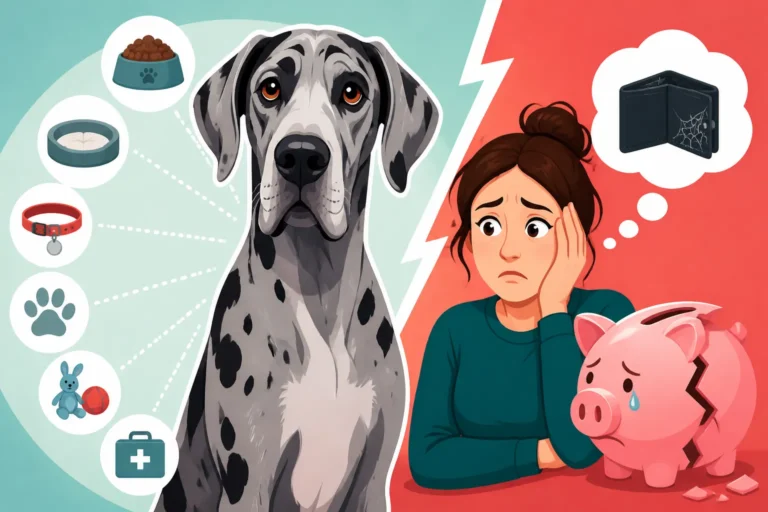
Let's not skirt around the issue: Great Danes are expensive dogs. Everything, from a bag of kibble to a course of antibiotics, costs more simply because of their size. This reality often hits hardest when it comes to veterinary care, and preventative measures are no exception. But skimping on these costs can lead to far greater expenses down the line.
Understanding the Investment in Preventative Care
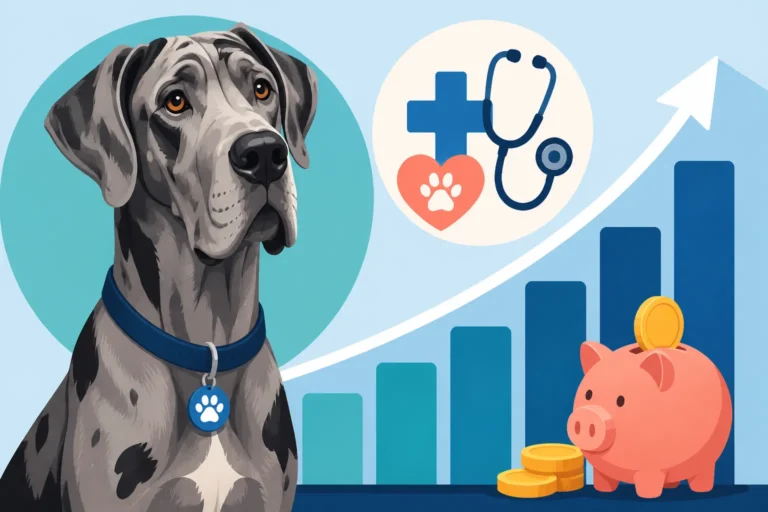
Think of preventative care as an investment rather than an expense. A yearly check-up, vaccinations, and parasite control might seem like a lot of money upfront, but they are dramatically less costly than treating a full-blown illness that could have been prevented or caught early. For instance, the cost of a routine gastropexy is a fraction of the bill for an emergency bloat surgery, which can quickly run into thousands of dollars. The Price of a Preventive Great Dane Gastropexy makes a strong case for this kind of forward-thinking care.
Your vet might recommend annual dental cleanings under anesthesia, which can be expensive for a large dog due to higher medication dosages and monitoring. However, a clean mouth can prevent painful dental disease, gum infections, and even systemic health problems linked to oral bacteria.
The Role of Pet Insurance
For Great Danes, pet insurance isn't just a nice-to-have; for many, it's an absolute necessity. Given their propensity for serious, costly conditions like bloat, DCM, and cancer, having a safety net can mean the difference between life-saving treatment and heartbreaking decisions. Pet insurance plans like those offered by Healthy Paws can help cover a significant portion of unexpected vet bills, alleviating the financial burden during emergencies or long-term illnesses. It's wise to enroll your Great Dane when they are young, before any pre-existing conditions develop. Understanding Insuring a Great Dane Against Bloat and Heart Bills is crucial for financial peace of mind.
While pet insurance typically covers accidents and illnesses, some plans offer wellness add-ons that can help with routine preventative care costs, effectively spreading out your annual expenses. Always read the fine print to understand what's covered and what isn't, especially concerning breed-specific conditions.
Smart Budgeting for Great Dane Health
Even with insurance, you'll have deductibles and co-pays, and many routine preventative items might not be fully covered. Smart budgeting is key. Consider setting aside a dedicated "Great Dane Health Fund" each month. This ensures you have funds available for unexpected minor issues or your share of a larger bill. Look for ways to save on routine items like food and parasite preventatives – often, online retailers like Chewy offer competitive pricing and convenient delivery for those heavy bags of kibble or large-dog doses of medication. However, always ensure you're getting medications from reputable sources.
Your vet clinic might offer payment plans for larger procedures, or consider a dedicated pet credit card for emergencies. Discussing potential costs openly with your vet can help you make informed decisions about your Great Dane's care without feeling overwhelmed. Being prepared financially allows you to focus on what truly matters: your beloved Dane’s health.
Disclaimer
This article is for general informational purposes only and does not constitute professional advice. Laws, prices and regulations vary by location and change over time. Consult a qualified professional for guidance on your specific situation.