Why Germany Calls the Great Dane Deutsche Dogge
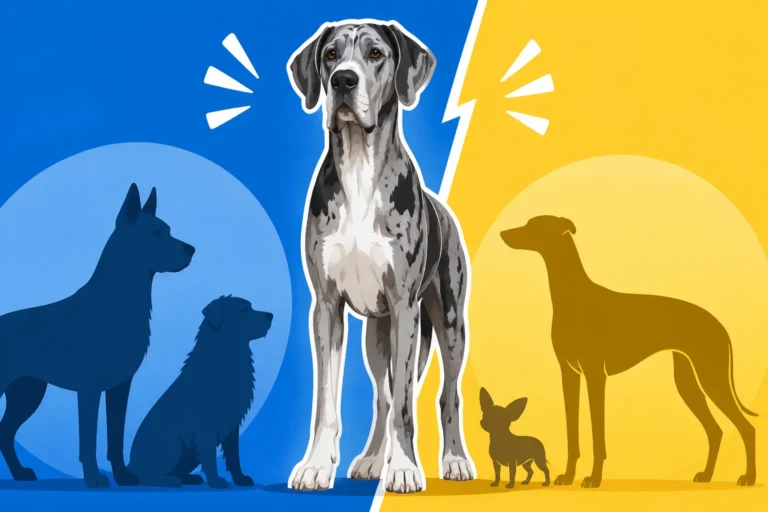
It’s a funny thing, isn't it? We call them Great Danes, and yet, they're not really from Denmark at all. If you've ever found yourself scratching your head, wondering why this magnificent breed carries such a geographically misleading name, or perhaps you've stumbled upon the term "Deutsche Dogge" and felt utterly confused, you're not alone. This guide is here to untangle that linguistic knot, diving deep into the fascinating history behind why Germany proudly claims this majestic dog as its own, and what "Deutsche Dogge" truly means for the breed we've come to love.
The Curious Case of the "Great Dane" Name
The name "Great Dane" has a way of sticking, doesn't it? It rolls off the tongue, conjuring images of majestic hounds. But for those of us who dive a little deeper into the breed's history, it quickly becomes clear that this name is perhaps one of the biggest misnomers in the dog world. It's a common source of confusion, leaving many new owners wondering if they've missed a crucial piece of the puzzle about their beloved giant.
Tracing the Origins: Not Danish at All
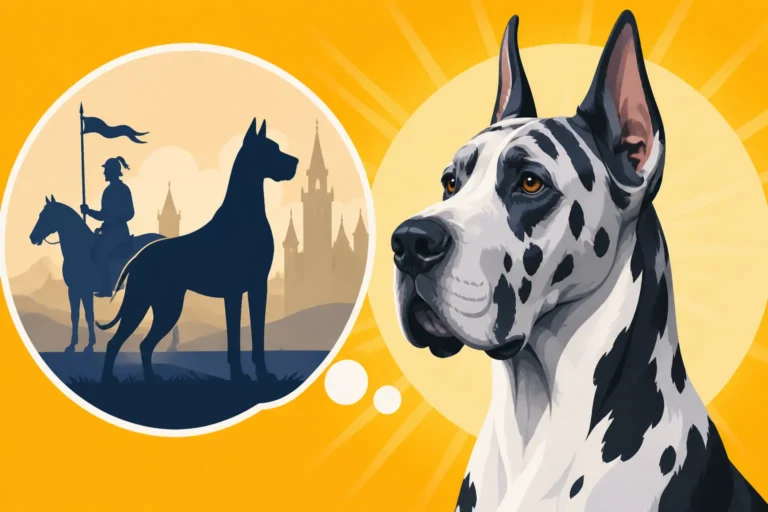
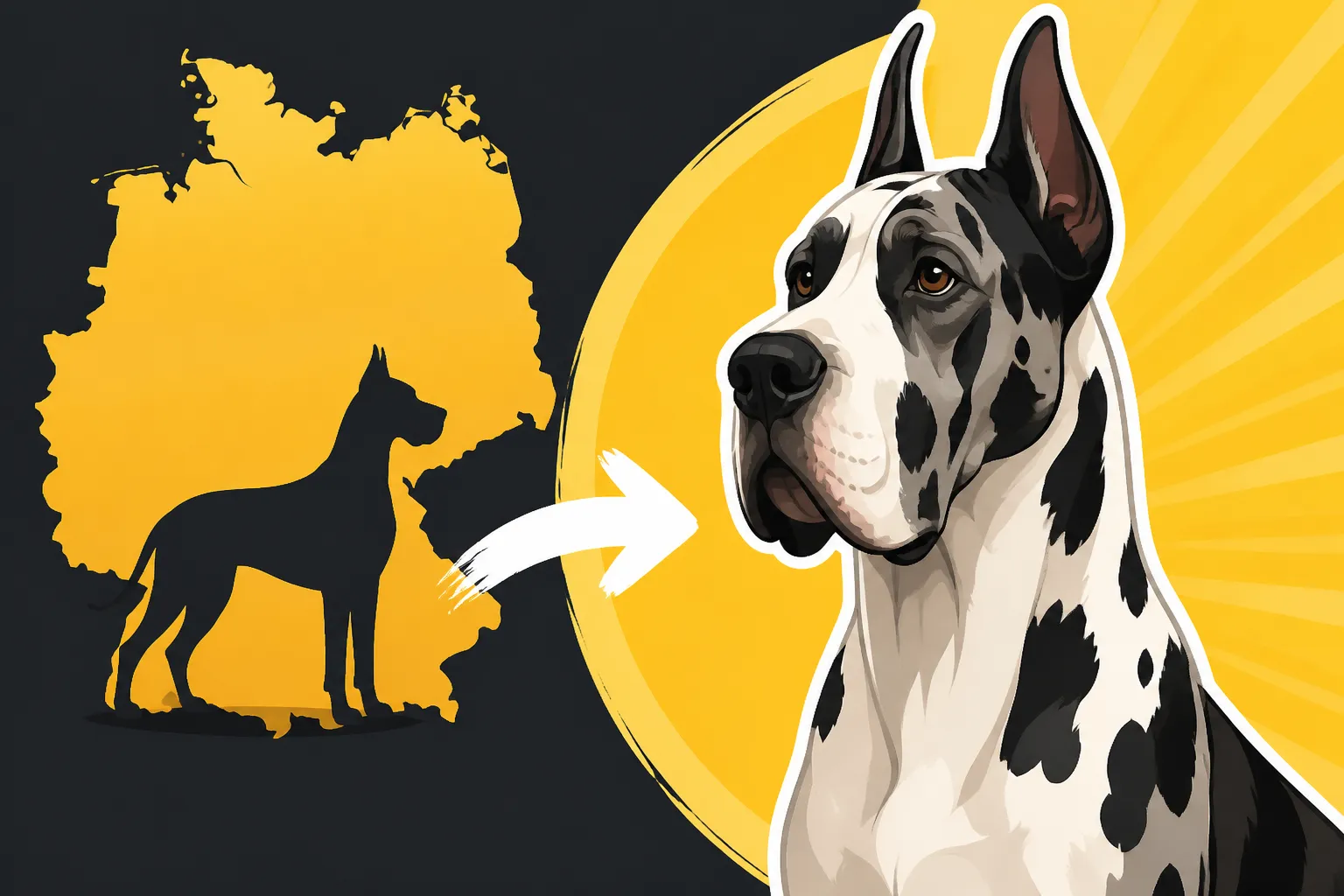
The reality is, the roots of the Great Dane are firmly planted not in Denmark, but primarily in Germany, with contributions from other European countries. Imagine tracing a sprawling family tree, not of people, but of powerful dogs bred for a very specific, and dangerous, purpose. These ancestors were massive, swift, and incredibly brave, developed over centuries to hunt formidable wild boars in the dense forests. They needed incredible strength to tackle such a powerful animal, but also agility and speed to keep up. Denmark certainly had large dogs, and perhaps even some influential breeders or early enthusiasts, but the true foundational work, the careful selection and refinement that shaped the breed, happened elsewhere.
It’s a bit like calling a perfectly crafted Swiss watch "The Grand French Timepiece" – it just doesn't quite fit the origin story. The term "Great Dane" itself seems to have gained traction through a rather circuitous route, often attributed to French naturalists in the 18th century who encountered large, mastiff-type dogs in Denmark and mistakenly associated them exclusively with that region. These dogs, while impressive, were likely descendants of the same lines that were being cultivated in Germany. For a deeper dive into this historical mix-up, you might find our article Why the Great Dane Is Not Danish quite illuminating. It helps to understand that what we call them today isn't necessarily a reflection of their true heritage, but more of a historical quirk that stuck.
The French Connection and Other Misnomers
So, if not Denmark, then why the "Dane" part? As mentioned, early French naturalists played a role. They labeled these powerful hounds "Grand Danois," which translates directly to "Great Danish." This term then found its way into English, becoming "Great Dane." It’s a classic example of how a popular, catchy name can overshadow the actual history. Think about how many local colloquialisms or misinterpretations end up becoming common parlance. These dogs were magnificent, and the name "Great Dane" certainly conveys that sense of grandeur.
However, beyond the French influence, there were other names floating around Europe that hint at the breed's true purpose and origin. In England, they might have been referred to as "German Mastiffs" or "German Boarhounds." In Germany itself, they were known by various names like "German Dogge" or "Ulmer Dogge" (after Ulm, a city known for its breeding efforts) or simply "Dogge," which is a generic term for a large, powerful mastiff-type dog. This multitude of names underscores the fact that the breed was evolving across different regions, with various groups recognizing their distinct qualities. The "Great Dane" moniker, while popular, truly fails to capture the intricate tapestry of European breeding efforts, particularly those centered in Germany, which refined these dogs into the recognizable breed we adore today.
Embracing the "Deutsche Dogge": Germany's National Pride
While the rest of the English-speaking world might call them Great Danes, Germany has always proudly referred to its national breed as the "Deutsche Dogge." This isn't just a matter of semantics; it's a deeply ingrained part of their cultural and historical identity, a deliberate choice that reflects the breed's true heritage and the efforts put into its development within Germany.
The Historical Roots of the German Name
The term "Deutsche Dogge" literally translates to "German Mastiff" or "German Dog." This nomenclature reflects the powerful, mastiff-like build of these dogs and firmly anchors their origin within Germany. For centuries, these dogs were carefully bred by German nobility and hunters to serve as formidable companions in the dangerous pursuit of wild boars and even bears. These weren't just any dogs; they were highly specialized athletes, requiring immense strength, courage, and a calm demeanor despite their power. The earliest records and artistic depictions of these large dogs in Germany date back hundreds of years, long before the "Great Dane" name gained traction elsewhere.
The German people, particularly the breeders and fanciers, recognized the unique qualities of these animals. They saw them as a testament to German breeding prowess and a symbol of their nation's history. The term "Dogge" itself has a long lineage in German language, referring to a large, strong dog, often of the molosser type. It’s a descriptor that evokes power and presence, much like the dogs themselves. This deep historical connection meant that when the time came to formally standardize the breed, there was no question in Germany about what it should be called. Our article The Boar Hound the Great Dane Descends From offers more insight into this impressive lineage and purpose.
A Deliberate Choice: Nationalism and Identity
The official adoption of "Deutsche Dogge" as the breed's name wasn't just about historical accuracy; it was a conscious decision driven by national pride. In the late 19th century, with a growing sense of German nationalism, there was a concerted effort to formally recognize and define indigenous German breeds. The Great Dane, or rather, the Deutsche Dogge, stood out as a prime candidate. In 1878, a committee in Berlin declared the "Deutsche Dogge" as the national dog of Germany, and efforts began to establish a unified standard for the breed. This was a direct statement, a reclaiming of identity for a breed that was being increasingly mislabeled internationally.
This declaration was championed by prominent figures, including Otto von Bismarck, the first Chancellor of Germany, who famously owned several Deutsche Doggen and was a passionate advocate for the breed. His affection for these dogs further cemented their status as a national symbol. The German Great Dane Club (Deutscher Doggen Club), founded in 1891, reinforced this commitment, diligently working to protect and promote the breed under its German name. This wasn't just about naming a dog; it was about defining a piece of national heritage. The resolute choice to call it "Deutsche Dogge" showcased Germany's dedication to its origins and its refusal to let external naming conventions overshadow its true identity. For more on this, check out The Great Dane as Germany's National Breed and Bismarck and His Great Danes. It's a powerful statement about where these magnificent creatures truly belong, in terms of both their past and their ongoing legacy.
The Purpose-Bred Giant: What the Names Actually Signify
Beyond the historical and nationalistic implications, the different names—"Great Dane" and "Deutsche Dogge"—actually hint at the very essence of the breed's development and purpose. When you consider what these dogs were bred for, the "Dogge" name often feels more apt, speaking directly to their formidable capabilities.
The Boar Hound Legacy in the "Dogge"
The term "Dogge" in German traditionally referred to large, powerful hunting dogs, particularly those used for big game like wild boar. These were not mere retrievers or pointers; they were "catch dogs" or "holding dogs." Their job was incredibly dangerous: to track down and confront a wild boar, hold it at bay, or even pin it down, allowing hunters to close in for the kill. This required an extraordinary combination of traits: immense physical strength to control a thrashing boar, incredible courage to face such a formidable opponent, speed and agility to pursue it through dense terrain, and above all, an unshakeable temperament. A dog that panicked or was easily distracted would be useless, or worse, gravely injured.
So, when Germany calls its breed "Deutsche Dogge," it's a direct nod to this powerful, historic role. It evokes the image of a majestic, fearless hunter, capable of tackling beasts much larger and more dangerous than itself. This isn't just a pretty name; it's a descriptor of function. The early breeders meticulously selected for these traits, valuing substance, bone, and a balanced, athletic build that could withstand the rigors of the hunt. This legacy is still present in the modern Great Dane, even if most today are cherished family pets. You can see it in their powerful stride, their deep chest, and their surprising bursts of speed. Understanding this history helps us appreciate the physical and mental fortitude that define the breed today. Explore The Boar Hound the Great Dane Descends From for a deeper appreciation of this ancestral role.
Modern Great Danes and Their Ancestral Traits
While the days of boar hunting are largely in the past for most Great Danes, their ancestral traits remain a defining characteristic of the breed. The "gentle giant" reputation they now hold isn't a contradiction of their past, but rather a testament to the careful breeding that instilled a calm and stable temperament, even amidst their immense power. A dog designed to face down a wild boar couldn't be prone to aggression or nervousness; it needed to be controllable and discerning. This is why modern Great Danes, despite their imposing size, are typically known for their sweet, affectionate, and patient nature, especially with their families.
However, the physical attributes linked to their "Dogge" past are undeniably present. Their impressive size, powerful musculature, and deep, broad chest are all remnants of a life requiring strength and endurance. Even their gait, a long, reaching stride, speaks to their need for covering ground efficiently during a hunt. When you see a Great Dane in full stride, it's a beautiful, powerful display. It's a reminder that beneath the loving house pet lies the heart of a true working dog. It also means that even as pets, they require specific care to support this large, athletic build, from appropriate exercise during growth to proper nutrition. The Great Dane's Reputation as the Apollo of Dogs really speaks to this blend of power and grace that comes from their purposeful breeding.
Understanding the Breed Standard: "Deutsche Dogge" in Practice
The breed standard is essentially the blueprint for what a perfect example of a breed should look like and act like. For the Great Dane, this standard is largely informed by its German heritage, and the name "Deutsche Dogge" itself plays a subtle but significant role in shaping how the breed is understood and preserved.
The German Standard's Influence on the Breed
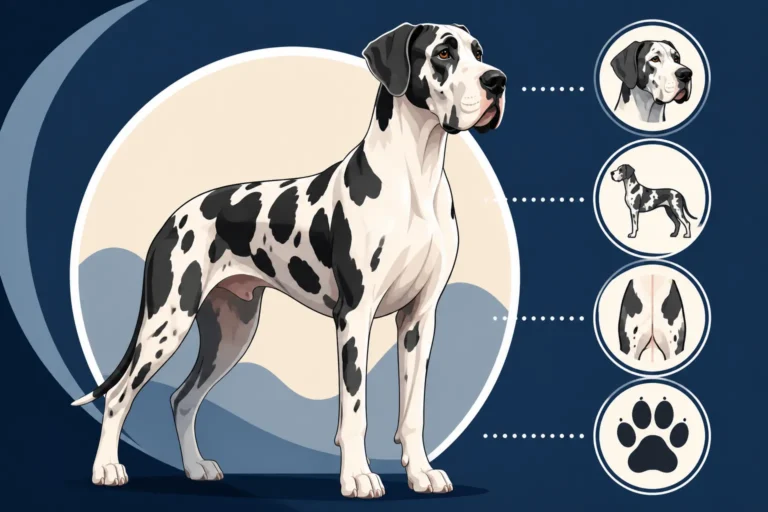
The very first official breed standard for the "Deutsche Dogge" was established in Germany in 1880, and it has served as the foundational document for the breed worldwide ever since, including the standard adopted by the American Kennel Club (AKC) for the Great Dane. This means that regardless of what we call them in English, the core characteristics of the breed—from their head shape and body proportions to their gait and temperament—are all defined by German principles. The German standard emphasizes a powerful, elegant, well-balanced dog, with a noble and majestic appearance. It calls for a dog that is fearless yet friendly, courageous yet not aggressive.
Consider the detailed descriptions within the standard: the desired "noble head," the "strong, muscular neck," the "deep chest," and the "long, powerful stride." These aren't just aesthetic preferences; they are direct reflections of the functional requirements of the original boar hounds. The structure needed to endure a confrontation with a wild boar translates into the robust yet agile build described in the standard. This enduring influence means that breeders globally, whether they call their dogs Great Danes or Deutsche Doggen, are ultimately striving to produce an animal that aligns with the vision meticulously laid out by those early German fanciers. Our article The First German Great Dane Standard delves into the specifics of this foundational document.
How the Name Reflects Breed Ideals
The continued use of "Deutsche Dogge" in Germany is more than just a name; it's a constant reminder of the breed's origins and its inherent ideals. The word "Dogge" carries with it an expectation of specific physical attributes and a certain type of temperament—a powerful, dignified, yet gentle nature. It encourages a focus on health, substance, and functional correctness, rather than purely aesthetic trends that might deviate from the breed's original purpose. It implicitly guides breeders to prioritize characteristics that lead to a sound, healthy, and long-lived dog, rather than chasing fads.
For example, the standard describes the ideal head as "long, narrow, distinctive, expressive." This isn't just about looking regal; it's about the correct muzzle length and jaw strength for a dog meant to engage powerful game. The focus on a "courageous, self-assured, obedient, and docile" temperament directly echoes the need for a stable and trustworthy partner in a dangerous hunt, and later, a reliable family companion. By clinging to "Deutsche Dogge," Germany ensures that the essence of what makes this breed truly special—its blend of immense power with unwavering gentleness—is never lost. It helps maintain the integrity of the breed against trends that might prioritize extreme size or novel color patterns over fundamental health and temperament. For a thorough understanding of what defines the breed, read The Great Dane Head the Standard Wants.
Living with the Deutsche Dogge: Practical Considerations for Owners
Whether you call them Great Danes or Deutsche Doggen, the reality of living with these magnificent animals is the same: they are large, powerful, and require dedicated care and attention. Understanding their heritage can actually help us better meet their needs in a modern home.
Resources for the Modern German Mastiff Owner
Having a "Deutsche Dogge" in your home means you're living with a dog bred for strength and size, and that comes with some unique considerations. Everything from their food bowls to their beds needs to be scaled up. Finding extra-large collars, harnesses, and leashes that are durable enough for a strong puller is a constant quest. And let's not even start on finding toys that last more than five minutes! When you're dealing with a dog that can easily outweigh an adult human, standard pet supplies just won't cut it. Online retailers like Chewy are often a lifesaver for Great Dane owners, stocking a wider range of giant-breed specific items, from massive dog beds to high-quality, large-breed kibble. They understand that a "Deutsche Dogge" isn't just a big dog; it's a different category altogether.
Beyond physical items, mental stimulation and training are paramount. These intelligent dogs benefit immensely from consistent, positive reinforcement training from an early age. Their size means that even playful jumping or leaning can accidentally knock over a person, so teaching manners is non-negotiable. Knowing their history as a "Dogge" helps us appreciate their need for purpose and mental engagement, even if it's just through puzzle toys or advanced obedience. Many owners invest in sturdy crates and gates designed for giant breeds to manage their space safely, particularly when they are young and still learning boundaries. Remember, a dog of this size demands respect and consistent guidance, and the more prepared you are with the right resources, the smoother your journey together will be.
Dispelling Common Misconceptions
The conflicting names and the sheer size of the Great Dane (or Deutsche Dogge) can lead to quite a few misconceptions. One of the most prevalent is that because they are so large, they must require acres of land to thrive. While they certainly appreciate a good romp, Great Danes are surprisingly adaptable to smaller living spaces, provided they receive adequate daily exercise and mental stimulation. They are often described as "Velcro dogs" who much prefer to be inside with their families rather than left alone in a vast yard. Their exercise needs are moderate as adults, often satisfied with a few brisk walks a day, rather than endless running, especially while their joints are developing. You might be surprised by How Much Space a Great Dane Really Needs or Whether a Great Dane Fits in a Small Home.
Another misconception tied to their "Dogge" heritage and impressive stature is that they are inherently aggressive or difficult to manage. Nothing could be further from the truth for a well-bred and properly socialized Great Dane. Their historical role as boar hounds required immense courage, yes, but also a stable, even-tempered nature that allowed them to be controlled by their handlers. A truly aggressive boar hound would have been a liability. This inherent gentleness is one of the breed's most cherished traits, making them wonderful family pets. However, their size alone means that early socialization and consistent training are crucial to ensure they are polite and well-behaved around people and other animals. It’s not about curbing aggression, but rather about channeling their natural exuberance and strength appropriately. We delve deeper into their true nature in The Great Dane's Reputation as the Apollo of Dogs.
A Shared Heritage, Regardless of Name
Ultimately, whether you refer to this magnificent creature as a Great Dane or a Deutsche Dogge, you're talking about the same incredible dog: a giant with a rich history, noble presence, and a heart full of love. The debate over the name is a fascinating glimpse into history, national pride, and linguistic quirks, but it doesn't change the essence of the breed. The qualities that make them unique – their impressive size, their gentle disposition, their loyalty, and their occasional bouts of goofy behavior – transcend any single name.
What does this mean for us, the proud owners and admirers of these colossal canines? It means recognizing and respecting their German roots, appreciating the meticulous breeding that went into creating such a powerful yet affectionate companion. It means understanding that the "Dogge" in Deutsche Dogge speaks to a lineage of courage and capability, while the "Great Dane" name, for all its inaccuracies, has captured the imagination of millions around the world. Every time we encounter someone new to the breed and they ask about its origins, we have a wonderful opportunity to share this rich story. It's a reminder that beneath the widely recognized name, lies a deeper, more accurate identifier that honors the true heritage of these "Apollo of Dogs." For those looking to support a Great Dane, even browsing places like Chewy for their massive beds and toys becomes a small act of acknowledging their unique needs rooted in their history.
Disclaimer
This article is for general informational purposes only and does not constitute professional advice. Laws, prices and regulations vary by location and change over time. Consult a qualified professional for guidance on your specific situation.