The Wild Boar the Great Dane Was Bred to Hold
When you look at a majestic Great Dane today, stretched out on your sofa or gracefully trotting through a park, it's easy to picture them as the ultimate gentle giants. But their immense size, powerful build, and even their characteristic lean on your leg are not just charming quirks; they are echoes of a dangerous, ancient past. This guide will take you deep into the historical purpose for which the Great Dane was originally bred: to confront, pursue, and hold wild boar, a formidable and often lethal prey that shaped every aspect of this incredible breed.
The Ancient Hunt: A Glimpse into the Great Dane's Ancestry
Before they became the beloved family companions we know today, Great Danes were formidable hunting dogs, designed for a specific, perilous task. Imagine a time when wild boar roamed vast forests, a beast capable of inflicting serious injury or even death with its tusks. These hunts were not for sport in the modern sense, but often a matter of protection and providing sustenance. Without effective dogs, a boar hunt was incredibly risky for the hunters themselves.
Hunting in the European Forests
Centuries ago, across Europe, especially in Germany where the breed truly developed as the "Deutsche Dogge," wild boar were a significant threat to livestock and crops, and a challenging quarry for hunters. These animals are notoriously fierce, intelligent, and possess impressive strength and sharp tusks. To tackle such an animal, hunters needed a dog that was not only powerful but also brave, agile, and able to withstand immense pressure. This was not a job for just any dog; it required a specialized breed with a very particular set of skills and a robust physique.
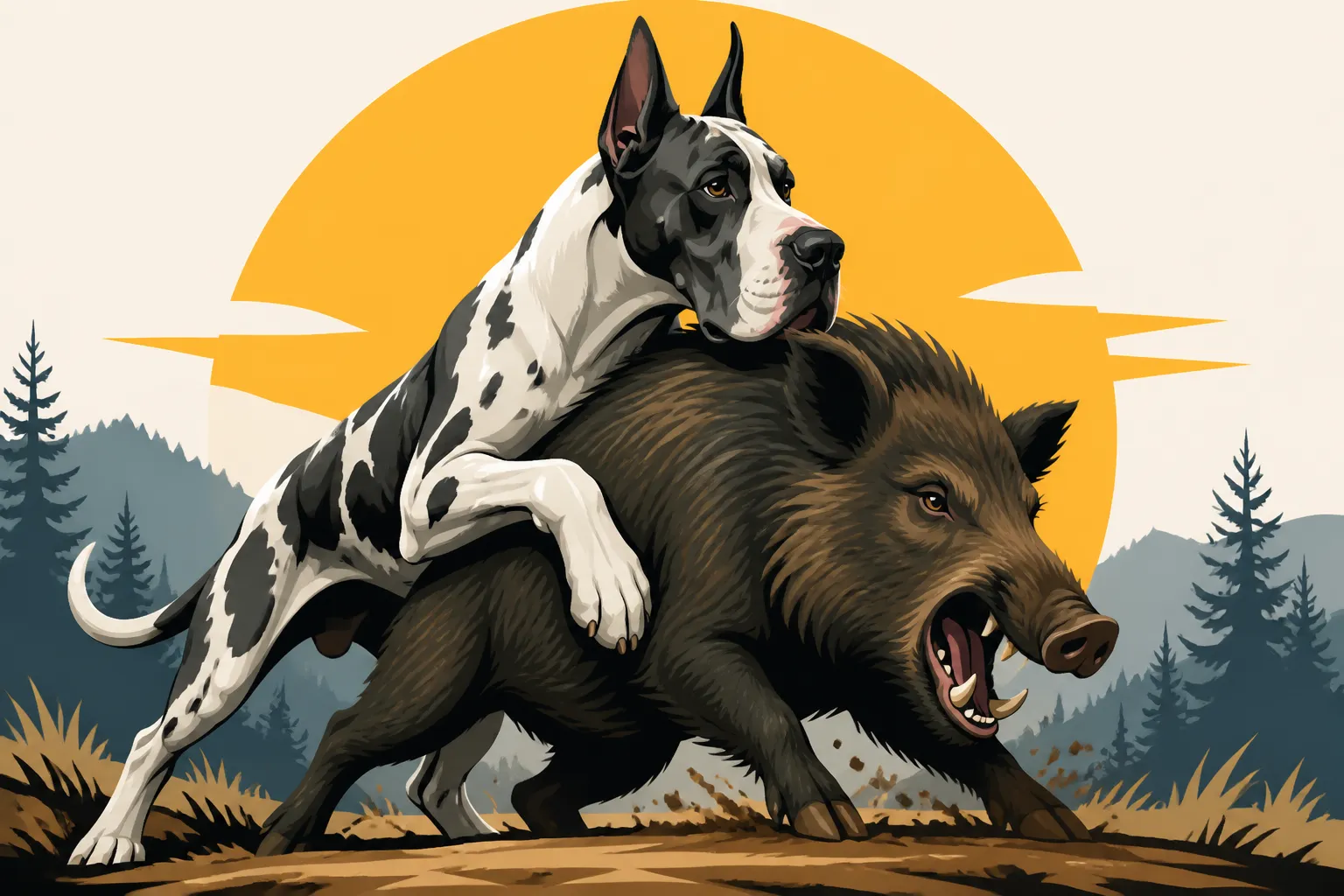
The early ancestors of the Great Dane were a far cry from the delicate show dogs of today. They were rugged, relentless, and bred for pure function. Their role was critical: track the boar, corner it, and then, most importantly, hold it in place until the hunters could arrive to deliver the killing blow. This 'holding' aspect is what truly defines the breed's historical purpose and differentiates it from other hunting dogs that might merely track or flush game. It demanded immense courage and an unwavering grip.
The Boar Hound Legacy
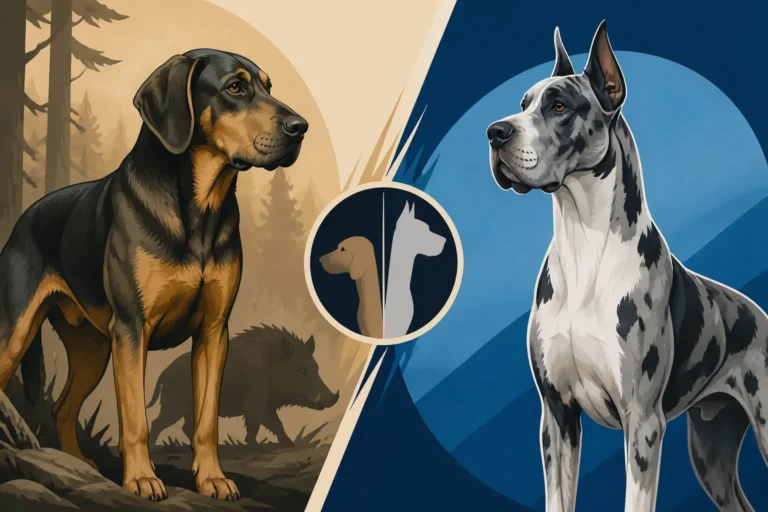
The term "boar hound" isn't just a historical curiosity; it’s fundamental to understanding the Great Dane. These dogs weren't just running alongside; they were actively engaging in a brutal dance with a wild animal. The hunt often took place in dense, unforgiving terrain, requiring the dogs to navigate through underbrush with speed and determination. The Boar Hound the Great Dane Descends From tells us more about these impressive ancestors. It was a role that left no room for hesitation or weakness, and every physical and mental trait of the breed was honed for this intense interaction.
The genetics of these working dogs were carefully selected to enhance their ability to perform under extreme conditions. Breeders weren't looking for pretty markings or a calm demeanor for a fireside nap; they sought raw power, unwavering determination, and a physical structure that could endure significant trauma. This selective breeding over generations ingrained a deep-seated courage and resilience that, even softened by centuries of domestication, still flows through the veins of every Great Dane today.
Built for Battle: Physical Traits of the Boar Hound
When you consider the task of holding a thrashing, furious wild boar, it becomes clear why the Great Dane developed into such a massive and powerful animal. Their physical attributes were not accidental; they were carefully cultivated tools for survival in a dangerous environment.
Immense Size and Powerful Build
A Great Dane's sheer size isn't just for looking impressive. It was a primary asset in combating a wild boar. An adult boar can weigh hundreds of pounds and move with surprising speed and force. To physically stop such an animal, a dog needed to be equally substantial. The height and weight of the Great Dane provided leverage and mass, enabling them to anchor the boar and prevent its escape or further charge. Why a Great Dane Needed Speed and Weight highlights the balance between agility and sheer power that was crucial.
Their muscular build, particularly in the shoulders and neck, was essential for grappling with powerful prey. A boar hound needed to absorb impact, pivot quickly, and exert tremendous pressure. This explains the deep chest and well-sprung ribs that are characteristic of the breed, allowing for efficient lung capacity needed for bursts of speed and sustained exertion. Even today, feeding an adult Great Dane six to ten cups of specialized food is necessary to maintain this impressive musculature, often found on platforms like Chewy, which cater to their substantial dietary needs.
Jaws, Grip, and Stamina
The boar hound's powerful jaws and strong bite were critical for its role. Once a boar was cornered, the dog had to latch on and hold firm, often to an ear or leg, preventing the animal from running or goring the hunters. This required not just strength, but incredible tenacity. Think about the strength it takes for a modern Great Dane to demolish a chew toy; that same innate drive and power comes from generations of ancestors whose lives depended on their ability to grip and hold.
Beyond just the initial engagement, the hunt could be protracted. Chasing a boar through forests and then holding it for minutes, possibly longer, demanded exceptional stamina. These dogs couldn't tire easily. They needed the endurance to sustain their effort until the hunters arrived. While modern Great Danes are not expected to run for miles at a full sprint, their capacity for steady, long walks and their playful bursts of energy hint at this historical endurance. However, it's vital to remember Exercise Limits While a Great Dane Is Still Growing to protect their developing joints.
Beyond Brawn: The Temperament of a Hunter
Physical prowess alone wasn't enough. The mental fortitude required to face down a wild boar is perhaps the most defining characteristic bred into the Great Dane. This wasn't a dog that could be easily intimidated or spooked.
Courage and Fearlessness
Facing a snarling, tusked boar is a terrifying prospect. The dogs bred for this task had to possess an almost unimaginable level of courage and fearlessness. They couldn't hesitate; a moment of doubt could be fatal for both dog and handler. This isn't aggression in the modern sense of a dog looking for a fight, but rather an unshakeable resolve and bravery in the face of danger. It's this deep-seated courage that allows a Great Dane to be so self-assured and confident in its own size today, rarely feeling the need to be overtly aggressive unless truly provoked.
This innate bravery also meant a degree of independent thinking. While they were part of a hunting team, boar hounds needed to make split-second decisions in high-stakes situations. They couldn't wait for a handler's command if a boar charged. This capacity for independent action and decision-making contributes to the intelligent, sometimes stubborn, nature we see in Great Danes today. It also underscores why Why Waiting Until a Great Dane Is Grown Is Too Late for training is such a critical mistake; you need to channel that independent spirit early.
Focus and Control
Despite their incredible courage, these dogs couldn't be reckless. A wild charge into the fray without thought could lead to injury. They needed to be focused on their task, maintaining control while operating at the peak of their physical and mental abilities. This involved a fine balance: the drive to engage combined with the intelligence to assess and react effectively. This trait translates today into a dog that, when properly trained, can be incredibly attentive and responsive, even amidst distractions.
The role of the handler in these hunts was also paramount. They had to be able to command and direct these powerful animals, and the dogs needed to be receptive to direction, despite their intense focus on the quarry. This is why Great Danes are generally quite biddable and eager to please their human companions, a trait that makes training a Great Dane that pulls you off your feet possible, even if challenging. This historical need for a cooperative spirit within a dangerous context led to the development of a dog that, while strong-willed, ultimately thrives on partnership.
Echoes of the Wild: How History Shapes Today's Great Dane
The incredible history of the Great Dane as a boar hound continues to influence the breed in profound ways, from their physical needs to their unique personality traits. Understanding this past helps us better appreciate and care for our modern companions.
Instincts and Energy
While thankfully our Great Danes aren't wrestling wild boar in our living rooms, some of those ancient instincts remain. Their love for a good chase, their powerful scenting ability, and their sheer physical presence are all remnants of their working past. Even a simple game of fetch, where they chase down a toy purchased from Chewy, can tap into that deep-seated drive. This is why sufficient exercise and mental stimulation are crucial. A bored Great Dane, even a gentle one, can find ways to entertain itself that aren't always ideal for household furniture!
Their impressive stamina, though not always evident in their preference for naps, means they still benefit from regular, moderate exercise. They need space to stretch those long legs and opportunities for mental engagement to keep their intelligent minds sharp. A structured routine of walks and playtime helps satisfy these inherited needs and prevents frustration.
Temperament and Living With a "Gentle Giant"
The "gentle giant" moniker for the Great Dane is well-earned, but it's important to understand the kind of gentle it is. It's not a meek or timid gentleness, but rather a confident, often benevolent, demeanor born from a history of fearlessness. This profound self-assurance means they rarely feel the need to prove themselves, making them generally calm and composed companions. However, The Gentle Great Dane Temperament and Its Limits reminds us that proper socialization and training are still paramount to ensure this temperament flourishes.
Their protective instincts, a legacy of guarding hunters against a dangerous foe, also remain. While they are not typically aggressive, they are keenly aware of their surroundings and will often place themselves between their family and perceived threats. This natural protective instinct, combined with their imposing size, makes them excellent deterrents, even if their true nature is to be a loving family member. Sometimes, a Great Dane might lean on you – a common trait – which can be a subtle form of checking in or even a gentle, protective gesture, an echo of their ancestors standing firm.
Here's a look at how those ancient boar hound traits translate to modern life:
| Trait for Boar Hunting | Modern Great Dane Manifestation | Benefit/Challenge for Owners |
|---|---|---|
| Immense Size & Strength | Impressive Stature, Powerful Build | Natural deterrent, requires strong leash handling and a stable home environment. |
| Courage & Fearlessness | Confident, sometimes stubborn, self-assured | Excellent guardian, needs early and consistent training to channel bravery positively. |
| Speed & Agility | Graceful despite size, enjoys bursts of running | Requires space for exercise; careful management of Great Dane Hips, Elbows and Growing Joints in youth is crucial. |
| Tenacious Grip & Strong Jaws | Enjoys chewing, powerful bite strength | Needs durable, size-appropriate toys (many available on Chewy), chew-proofing of home items. |
| High Pain Tolerance (historical) | Can hide discomfort or illness | Owners must be vigilant for subtle signs of pain, especially with conditions like Bone Cancer in a Great Dane or joint issues. |
| Strong Prey Drive | Interest in small animals, chasing | Essential for consistent recall training and secure fencing to prevent escape. |
Modern Care Reflecting Ancient Needs
Even without hunting boar, our Great Danes still require specialized care that acknowledges their heritage. Their large size means everything from their food bowls to their beds needs to be appropriately scaled. Large, supportive orthopedic beds, readily found at pet supply stores or online through retailers like Chewy, are not a luxury but a necessity to protect their joints, a legacy of their historically strenuous lives. Orthopedic Beds a Great Dane Needs explains this further.
Understanding their history helps us be better, more empathetic owners. When your Great Dane is being a goofball, remember the fierce, brave ancestors who stared down danger so humanity could be a little safer. Their gentle nature today is a testament not to a lack of power, but to generations of careful breeding that paired immense strength with an equally immense capacity for loyalty and companionship. It’s a truly magnificent transformation.
Disclaimer
This article is for general informational purposes only and does not constitute professional advice. Laws, prices and regulations vary by location and change over time. Consult a qualified professional for guidance on your specific situation.