Whether Germany Banned the Name Great Dane
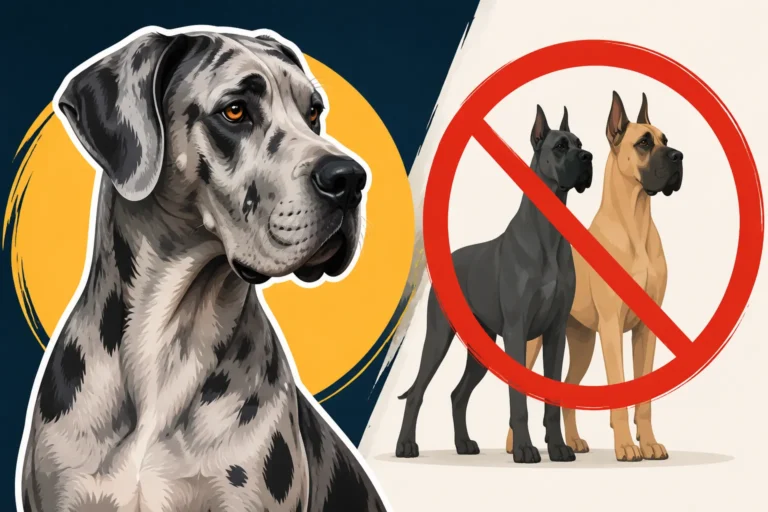
The question of whether Germany "banned" the name Great Dane is one that often sparks curiosity and a fair bit of head-scratching among dog enthusiasts, particularly those of us who adore these magnificent giants. It's not a straightforward "yes" or "no" answer, but rather a fascinating dive into national pride, historical context, and the sometimes-confusing world of breed nomenclature. This guide will clarify the truth behind this long-standing rumor and shed light on why Germany prefers to call its majestic national dog by a different, and arguably more fitting, name.
Unraveling the Great Dane's True German Roots
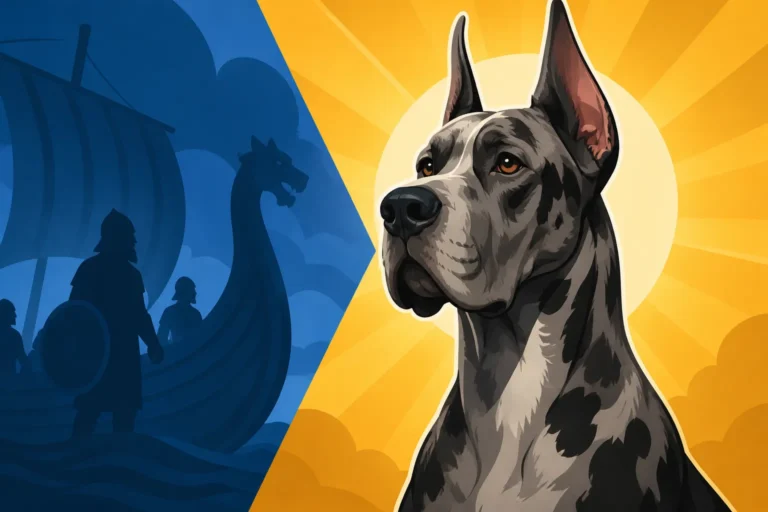
It’s easy to look at a dog named "Great Dane" and assume its origins lie in Denmark. Many people do! They envision Viking ships and Scandinavian landscapes, but that mental image couldn't be further from the truth. The magnificent breed we know and love today as the Great Dane is, in fact, unequivocally German. Their history is deeply woven into the fabric of German nobility and hunting traditions, not Danish ones.
The Boar Hound Legacy: Not Danish at All
Long before the name "Great Dane" ever stuck, these impressive dogs were being selectively bred in Germany for a very specific, and rather dangerous, purpose: hunting wild boar. Imagine the formidable task of tracking, cornering, and holding at bay a powerful, tusked boar—it required a dog of immense strength, courage, and agility. The ancestors of today's Great Danes were known as "Boar Hounds" (German: Hatzrüden), powerful mastiff-type dogs that were indispensable companions to the European aristocracy during hunts. They weren't bred for their gentle demeanor at that point, but for their prowess in the field.
These early German dogs weren't uniform in appearance as we think of a breed today. They were a diverse collection of large, formidable hunting dogs, with varying sizes and coats. Over generations, breeders focused on refining these traits, emphasizing size, speed, and a certain elegance that began to emerge from their raw power. It was a methodical process, driven by the practical needs of the hunt and the desire for a dog that was both effective and impressive to behold. This rigorous development over centuries in Germany firmly established the breed's foundational lineage, proving that their roots are as Teutonic as can be. If you're curious about their lineage, you can delve deeper into The Boar Hound the Great Dane Descends From.
A National Treasure: The Deutsche Dogge
As the breed continued to evolve and hunting practices shifted, the Germans recognized the unique qualities of these dogs beyond just the hunt. They possessed a regal bearing, a striking presence, and an emerging noble temperament. By the late 19th century, efforts were made to standardize the breed and officially recognize its German heritage. In 1878, a committee in Berlin declared the "Deutsche Dogge" (German Mastiff) as the official name for the breed, consolidating various regional names like "Ulmer Dogge" and "Dänische Dogge" (Danish Dog) under one banner. This move was a clear statement of national pride.
The establishment of the "Deutsche Dogge" as the national breed was a significant moment. It solidified their identity and distinguished them as a proud German creation. This decision reflected a burgeoning sense of national identity in Germany at the time, and what better way to express it than through a magnificent, home-grown dog breed? From that point on, Germany formally recognized and promoted the breed under this name. It was a declaration to the world: this dog, with its majestic presence and noble character, is intrinsically German. The journey to becoming Germany's national dog is quite a story; learn more in The Great Dane as Germany's National Breed.
The Curious Case of the "Great Dane" Name
So, if these dogs are definitively German, how in the world did they end up being called "Great Danes" in much of the English-speaking world? It's one of those historical quirks that, once you understand it, makes a lot more sense, even if it remains a bit confusing. The name didn't come from Germany, nor does it truly reflect the breed's primary origins.
How a Misnomer Traveled the World
The most widely accepted theory attributes the "Great Dane" name to an 18th-century French naturalist, Georges-Louis Leclerc, Comte de Buffon. During his travels, Buffon encountered a variant of the German boar hound in Denmark and mistakenly believed it originated there. He referred to it as "Grand Danois," which translates to "Great Danish." This name, perhaps due to France's cultural influence at the time, then spread to other European countries, including England, where it was directly translated into "Great Dane." It was a simple case of mistaken identity and an influential individual's error propagating through language.
It's a prime example of how a name, once established, can become incredibly sticky, regardless of its accuracy. Think about it: if a respected figure like Buffon labels something, that label often sticks, even if later information proves it wrong. By the time the Germans unified their breed standard and officially named them "Deutsche Dogge," the name "Great Dane" had already gained significant traction in other parts of the world, especially in English-speaking nations. It was a linguistic cat out of the bag, and getting it back in proved to be quite the challenge. This fascinating linguistic journey really highlights Why the Name Great Dane Stuck Anyway.
Germany's Push for "Deutsche Dogge"
Given the historical misnomer, it's completely understandable why Germany has consistently pushed for the international recognition of "Deutsche Dogge" as the breed's proper name. For them, it's not just about a name; it's about national heritage, accuracy, and pride. The term "Deutsche Dogge" literally translates to "German Mastiff" or "German Dog," which accurately reflects the breed's origin and type. Why would they want their national treasure to be misidentified with another country?
The German efforts haven't been about "banning" the name Great Dane in other countries, but rather about asserting the correct historical and national identity of the breed. They've championed their name through international kennel clubs and breed organizations, advocating for its use and explaining the true origins. It's a matter of cultural integrity, ensuring that the breed's true birthplace and development are acknowledged. This dedication to their heritage is a testament to the breed's importance in Germany. For a deeper understanding of this commitment, look into Why Germany Calls the Great Dane Deutsche Dogge.
Did Germany Really Ban the Name "Great Dane"?
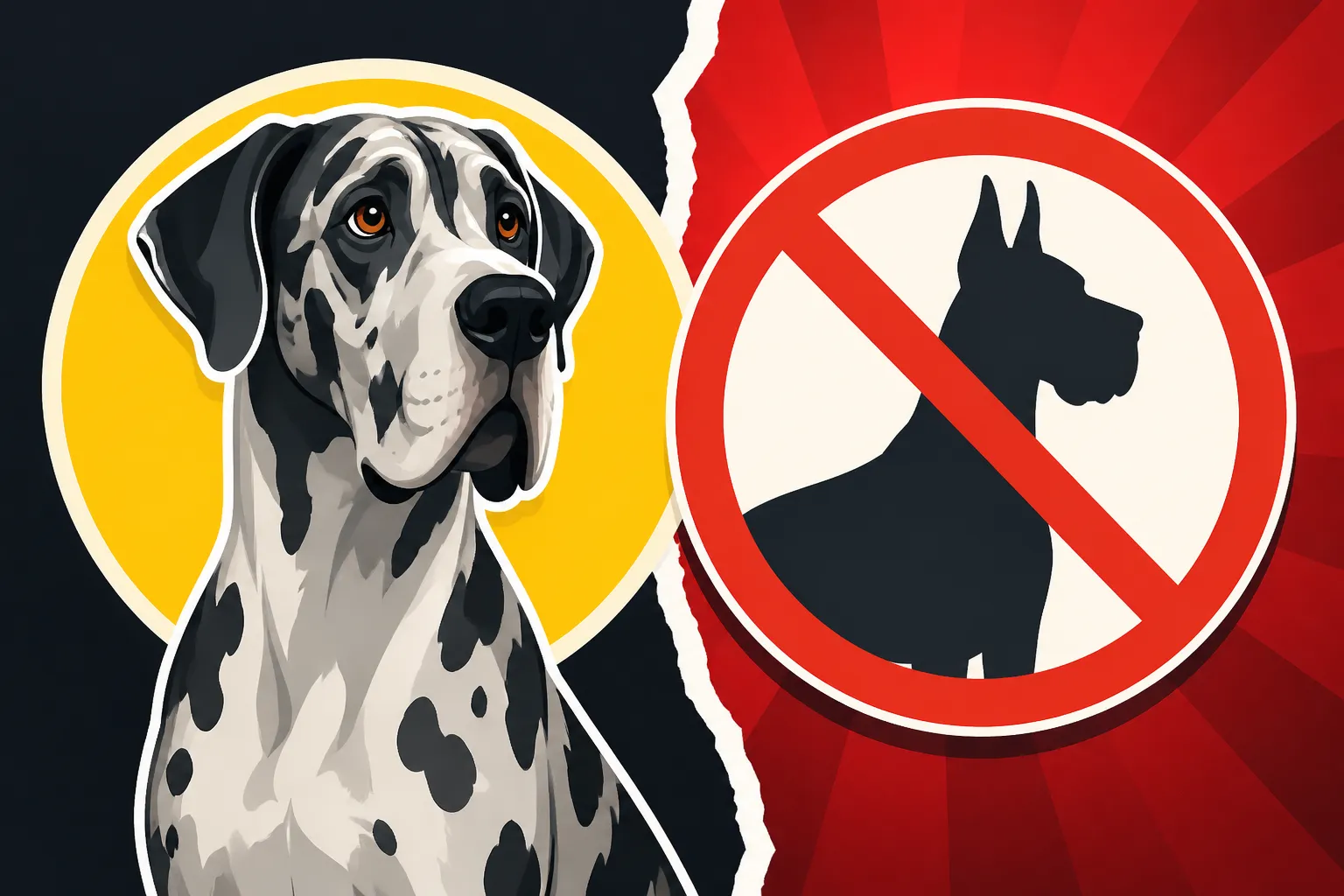
This is the million-dollar question, and the answer, thankfully, is far less dramatic than a full-fledged ban. No, Germany did not issue a governmental decree "banning" the use of the name Great Dane internationally. The reality is much more nuanced and has to do with official recognition and national identity rather than outright prohibition.
Clarifying the "Ban" Myth
The idea of Germany "banning" the name Great Dane is largely a misunderstanding, a rumor that has been distorted over time. What Germany did, and continues to do, is officially recognize and promote the breed under its correct German name: Deutsche Dogge. From Germany's perspective, this is the name for their national breed, and they have worked to ensure that international federations and other countries acknowledge this. It's akin to saying a country has "banned" people from calling the Eiffel Tower "that big metal pointy thing" – it's not a ban, it's simply insisting on the correct and respectful name.
The German kennel club, and the German people, quite rightly feel a deep connection to this magnificent animal. For them, it represents a part of their cultural history, bred from their own lands, for their own purposes. Therefore, to have it universally known by a name that falsely attributes its origin to another country is naturally a point of contention. They simply advocate for the adoption of "Deutsche Dogge" by international bodies and in breed literature, rather than enforcing a legal ban. The emphasis is on correct representation and respect for their heritage.
The Global Naming Landscape
Despite Germany's efforts, the name "Great Dane" persists widely, particularly in English-speaking countries. The American Kennel Club (AKC) and the Kennel Club (KC) in the UK, for example, both officially use "Great Dane." However, the Fédération Cynologique Internationale (FCI), which is the world canine organization and includes Germany as a member, officially lists the breed as "Deutsche Dogge" (Great Dane) with Germany as the country of origin. This compromise reflects the ongoing international dialogue and the persistence of both names.
This duality in naming conventions highlights how deeply entrenched historical names can become, even when they are geographically inaccurate. For an individual Great Dane owner in, say, Texas or Toronto, their dog is a "Great Dane" through and through, and that's perfectly acceptable within their cultural context. What's important is understanding the history behind the names and appreciating Germany's connection to the breed. It's not a ban, but rather a passionate plea for recognition of the breed's true national identity.
| Entity/Region | Primary Name Used | Country of Origin Acknowledged | Notes |
|---|---|---|---|
| Germany | Deutsche Dogge | Germany | Official national name. |
| United States (AKC) | Great Dane | Germany | Adopted English translation. |
| United Kingdom (KC) | Great Dane | Germany | Adopted English translation. |
| FCI (International) | Deutsche Dogge (Great Dane) | Germany | Uses German name with English in parentheses. |
| France | Dogue Allemand | Germany | Translates to "German Mastiff." |
| Italy | Alano | Germany | Derived from an ancient dog type. |
This table shows the diverse linguistic landscape surrounding the breed, underscoring that while "Great Dane" is popular, many other names, often directly referencing Germany, are also in use.
The Impact of Naming on Breed Identity and Perception
While a name might seem like a small detail, it significantly impacts how a breed is perceived and understood. For a breed as iconic as the Great Dane/Deutsche Dogge, the name carries a weight of history, identity, and sometimes, even misconception. It’s more than just a label; it’s a narrative.
Beyond the Name: What Truly Defines the Breed
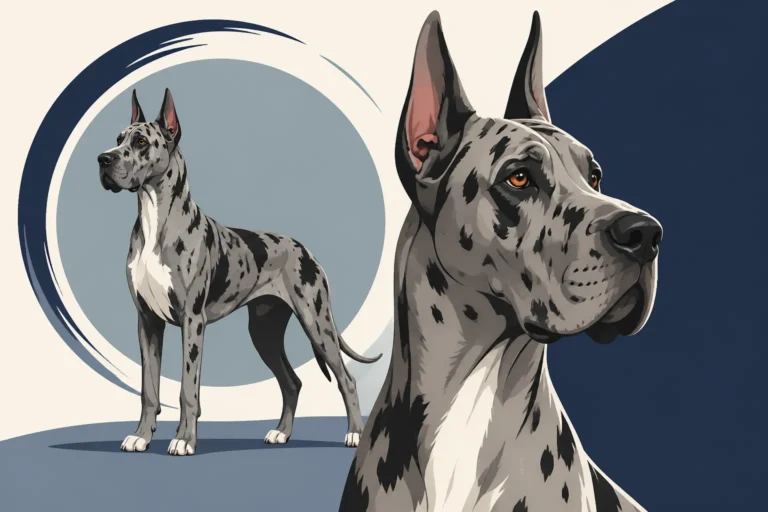
Ultimately, whether you call them a Great Dane or a Deutsche Dogge, the inherent qualities of the breed remain unchanged. These are dogs renowned for their imposing size, their striking elegance, and their incredibly gentle and affectionate nature. They are often dubbed the "Apollo of Dogs" for their majestic bearing, a testament to their regal appearance and noble temperament. Their physical attributes, such as their powerful build, deep chest, and expressive head, are consistent regardless of the linguistic tag.
Beyond their looks, it’s their personality that truly captures hearts. Great Danes are typically devoted, friendly, and surprisingly sensitive dogs. They bond deeply with their families and often display a protective, yet rarely aggressive, instinct. This blend of immense size and tender spirit is what truly defines them, far more than any debate over their name. When we talk about their temperament, we often refer to The Great Dane's Reputation as the Apollo of Dogs because it captures their essence so perfectly.
Responsible Ownership: More Than Just a Label
For prospective Great Dane owners, the debate over the breed's name is interesting historical trivia, but the real focus should always be on understanding the responsibilities that come with owning such a magnificent animal. These are not "starter" dogs; they come with specific needs that are amplified by their sheer size. From the sheer volume of food they consume – an adult Great Dane can easily eat Feeding an Adult Great Dane Six to Ten Cups of food daily – to the cost of their vet care and specialized training, the commitment is significant.
Responsible ownership means preparing for the financial investment, understanding their unique health challenges (such as their predisposition to conditions like bloat, which is covered in articles like Bloat in a Great Dane and the One in Three Odds), and providing consistent training and socialization from a young age. Their gentle nature needs to be fostered, and their size managed through good manners. Finding appropriate large-breed supplies, from giant dog beds to extra-large collars, can sometimes be a fun challenge, but online retailers like Chewy offer a fantastic selection that makes it easier to find everything your gentle giant needs. Whether you're calling them a Great Dane or a Deutsche Dogge, the care they require is universal and demanding, but incredibly rewarding.
Disclaimer
This article is for general informational purposes only and does not constitute professional advice. Laws, prices and regulations vary by location and change over time. Consult a qualified professional for guidance on your specific situation.