Whether Color Mixing Is Faulted in a Great Dane
It can be incredibly confusing and even disheartening when you’re looking into Great Danes, trying to understand all the nuances of the breed, and then you stumble upon discussions about "color mixing" and "faults." You just want a healthy, happy companion, but suddenly you're hearing terms that make it sound like certain dogs are somehow lesser because of their coat. This guide is here to demystify what "color mixing" means in the Great Dane world, particularly in the context of breed standards and the show ring, and to help you understand why some combinations are discouraged.
Understanding the Great Dane Breed Standard and Color Categories
When we talk about Great Danes and their colors, we're almost always referring to the breed standard established by organizations like the American Kennel Club (AKC) or the Fédération Cynologique Internationale (FCI). These standards are essentially blueprints for what an ideal Great Dane should look like, act like, and even move like. They cover everything from head shape and ear set to tail carriage and, yes, coat color and pattern. The reason these standards exist is to preserve the unique characteristics of the breed and to provide a consistent benchmark for breeders and judges.
For someone simply looking for a beloved family pet, the breed standard might seem overly strict or even irrelevant. And to a certain extent, that's true – a Great Dane with a non-standard color can be just as loving and wonderful as one that perfectly meets every criteria. However, understanding the standard helps illuminate why certain color combinations are "faulted" or even "disqualified" in the show ring, and sometimes, more importantly, why some are considered detrimental to the dog's health.
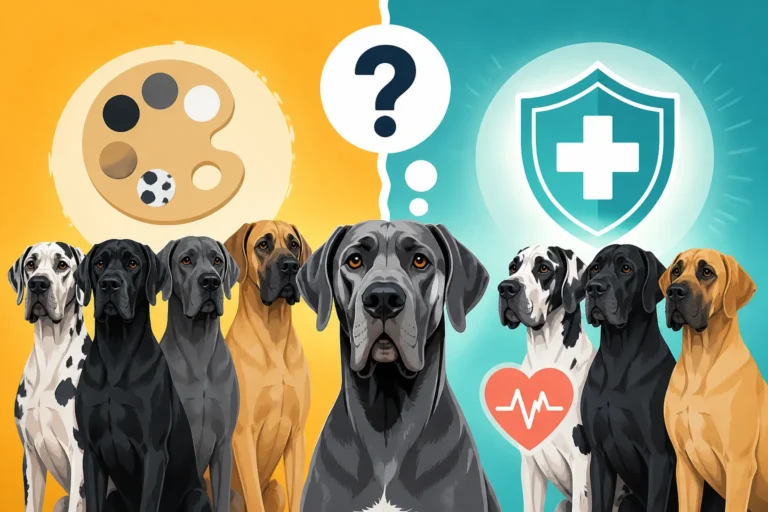
The Seven Recognized Great Dane Colors
The Great Dane breed standard formally recognizes a specific set of colors and patterns. These are the colors you'll see competing in conformation shows, and they are what reputable breeders typically strive to produce. Anything outside of these specific parameters is generally considered a fault or a disqualification, depending on the severity and type of deviation.
Let's quickly run through the accepted colors:
- Fawn: A golden yellow with a black mask, extending to the eyebrows and ear rims. The deeper the golden yellow, the more desirable it is.
- Brindle: A fawn base color with strong, black cross stripes. These stripes should be distinct and evenly distributed, following the direction of the ribs. The mask should also be black.
- Blue: A pure steel blue color, free of any yellow, black, or tan tints. The nose and eye rims should also be blue.
- Black: A glossy black color, with white markings on the chest and toes sometimes allowed, but pure black is preferred.
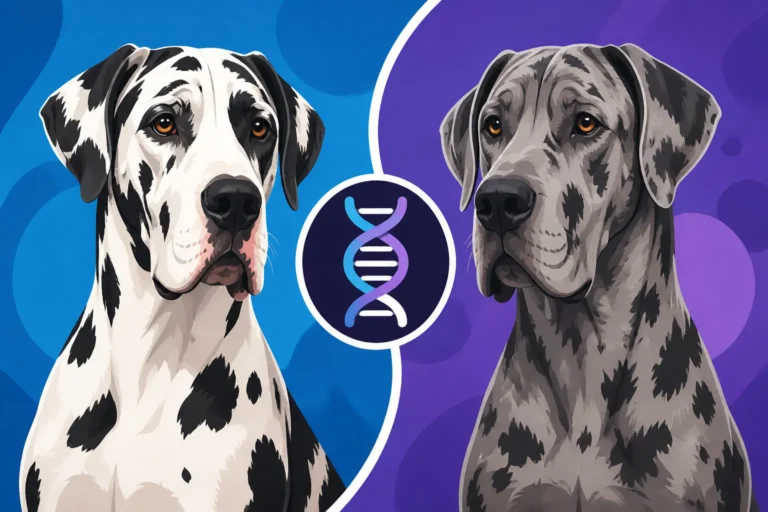
- Harlequin: This is a striking pattern of pure white with torn black patches distributed over the entire body. The patches should not be so large as to appear blanket-like, nor so small as to look dappled. A pure white neck is preferred.
- Mantle: Black and white, with a solid black blanket extending over the body. The head should be black with a white muzzle, and a white blaze is desirable. There should be a white collar, white chest, white on the legs, and a white-tipped tail.
- Merle: This color was a bit of a newcomer to official recognition, particularly in the AKC. Merle Great Danes have a base color of gray with darker gray to black patches, giving them a mottled or dappled appearance. It's important to note that the Merle color itself is often a diluted black or blue, and it carries significant genetic implications when bred irresponsibly. Merle Great Danes Since 2019 are now recognized for showing, but that wasn't always the case.
These are the only colors that can participate and win in the show ring. Any "mixing" that produces a color not on this list will automatically put the dog outside of the breed standard for competition.
What "Color Mixing" Actually Means in Great Danes
When people talk about "color mixing" being faulted in Great Danes, they aren't usually referring to simply breeding, say, a fawn to a brindle, which can produce perfectly acceptable fawn or brindle offspring. Instead, the term typically points to two main issues:
- Producing Off-Standard Colors: This is the most straightforward interpretation. If you breed two Great Danes and their genetic combination results in a puppy with a coat color or pattern that is not one of the seven recognized colors, that puppy would be considered "off-standard" and therefore faulted or disqualified in the show ring. Examples include piebald (large, irregular patches of white and another color, but not in the specific mantle or harlequin pattern), or excessive white markings on a solid-colored dog where they are not permitted.
- Breeding Combinations with Health Risks: This is where the term takes on a much more serious ethical dimension. Certain color genes, when combined in specific ways, can lead to severe health problems. The most notorious example involves the Merle gene. While Merle Great Danes are now recognized, the breeding of two Merle Great Danes together (known as a "double merle" breeding) is strongly condemned by ethical breeders and can lead to puppies with profound health defects. This isn't just a "fault" in appearance; it's a critical welfare issue.
So, "color mixing" isn't just about aesthetics; it's often about breeding practices that either deviate from the established look of the breed or, critically, endanger the health of future generations. Why Two Merle Great Danes Should Not Be Bred delves into these serious concerns much more deeply.
The Genetic Realities of Great Dane Colors and Breeding
Understanding Great Dane colors isn't just about memorizing a list; it delves into the fascinating and sometimes frustrating world of genetics. Responsible breeders invest a great deal of time and effort into learning about canine genetics to ensure they are producing healthy, well-tempered puppies that also adhere to the breed standard. It's a complex puzzle, and sometimes, even with the best intentions, genetics can throw a curveball.
The colors we see in Great Danes are determined by a combination of different genes, each influencing pigment production, distribution, and pattern. Some genes are dominant, some are recessive, and some interact in complex ways. This is why you can't just breed any two colored Danes and expect predictable results, especially if you're trying to achieve a specific outcome for the show ring or avoid certain problematic combinations.
Why Certain Color Pairings Are Strongly Discouraged or Forbidden
Some color pairings are not just "faulted" for show purposes; they are actively considered unethical due to the high risk of producing puppies with serious health conditions. This is the most critical aspect of "color mixing" that any potential Great Dane owner or breeder needs to understand.
The prime example is the double merle breeding. When a Great Dane inherits two copies of the Merle gene (one from each parent who is also Merle), the resulting puppy is often severely affected. These "double merle" puppies frequently suffer from ocular defects, ranging from microphthalmia (abnormally small eyes) and colobomas (holes in parts of the eye) to complete blindness. Even more commonly, they experience severe hearing impairment, often leading to complete deafness. These dogs may also have other congenital defects, are often predominantly white, and tend to have thinner coats, making them more susceptible to sunburn. For this reason, breeding two Merle Great Danes is a significant ethical red flag, and truly responsible breeders would never intentionally make such a pairing. This is precisely why awareness campaigns highlight the dangers, and why you should be very wary of anyone promoting "white" Great Danes without clear health documentation. Why a White Great Dane Is Often Deaf is a crucial read if you're curious about this specific issue.
Similarly, while Harlequin is a recognized and beautiful color, achieving the ideal Harlequin pattern is challenging. Harlequin is a modified Merle. Breeding certain Harlequin combinations can sometimes result in less desirable patterns or more predominantly white dogs, though not typically with the same severe health risks as double merle. However, the genetic intricacies mean that simply "mixing" colors without a deep understanding can lead to unexpected and often undesirable outcomes from a show standard perspective. It's not just about what colors they are, but what genes they carry.
The Impact of Color on Health and Temperament
It's vital to distinguish between appearance and actual health. A Great Dane's coat color itself, for the most part, does not determine its health or temperament. A fawn Dane is not inherently healthier or calmer than a blue Dane. However, as we've discussed, the genetics behind certain colors or color combinations can have a direct and severe impact on a dog's health.
For instance, the genetic components that lead to double merle dogs are directly linked to profound sensory deficits. These are not merely cosmetic issues. A deaf or blind Great Dane requires a tremendous amount of specialized care, training, and a very specific home environment. While many such dogs can lead fulfilling lives, it is an immense responsibility for an owner, and producing them knowingly is a serious ethical lapse for a breeder.
Temperament is another area often mistakenly linked to color. You might hear anecdotal claims that blue Danes are calmer, or brindles are more fiery. The reality is that temperament is far more influenced by genetics (lineage), early socialization, and consistent training than by coat color. A responsible breeder prioritizes stable temperament above all else. They assess their breeding dogs not just for color and conformation, but for their overall disposition, health, and suitability as family companions. If you're looking for things like toys or training aids for any Great Dane, regardless of color, you can find a huge selection on sites like Chewy.
Show Ring Implications: Faults, Disqualifications, and the "Perfect" Color
For breeders who aim to show their Great Danes, color is a critical component of the breed standard. Judges are trained to evaluate every aspect of a dog against this standard, and deviations in color can significantly impact a dog's performance in the ring. It’s a nuanced game of recognizing what’s a minor flaw versus what completely disqualifies a dog.
A fault in the show ring is a deviation from the ideal that reduces the dog's overall score. It's a flaw, but not one that immediately removes the dog from competition. For example, a fawn Great Dane with a weak black mask might be faulted, or a Harlequin with patches that are too large and blotchy rather than torn. These are aesthetic considerations that don't prevent the dog from being placed, but they will likely keep it from winning against a dog with a more ideal coat.
A disqualification, on the other hand, means the dog cannot be awarded any points and is immediately removed from consideration. These are serious deviations from the standard, often considered fundamental flaws that challenge the integrity of the breed type or suggest potentially problematic genetics. For Great Danes, many color-related issues fall into the disqualification category.
"Unacceptable" Great Dane Colors and Patterns
There are specific colors and patterns that are explicitly listed as disqualifications in the Great Dane breed standard. These are the "color mixes" that are definitely faulted and cannot compete.
Here are some common examples of colors or patterns that would lead to disqualification:
- White Great Danes: Often, these are the double merles we discussed earlier. A predominantly white dog, or one showing extreme white markings, particularly if it hints at the double merle gene, is disqualified due to the associated health risks (deafness, blindness) and the deviation from established breed type.
- Fawn with excessive white markings: While some white on the chest and toes might be permissible for black Danes, a fawn Great Dane with, say, a large white blaze, white stockings, or a white collar, would be disqualified. The standard for fawn is clear about the golden-yellow body and black mask.
- Piebald: This pattern refers to large, irregular patches of color on a white background, distinct from the specific Harlequin or Mantle patterns. If a Great Dane exhibits a piebald pattern that doesn't fit the strict definitions of Harlequin or Mantle, it's a disqualification.
- Any color or pattern not explicitly listed in the seven recognized colors: This is a catch-all. If it's not fawn, brindle, blue, black, harlequin, mantle, or merle (with the correct patterning), it's out. This includes colors like chocolate, Isabella (lilac), or even very diluted shades of blue that are not a pure steel blue.
These strict rules exist to maintain the distinct visual identity of the Great Dane breed and, in some cases, to discourage breeding practices that produce dogs with serious health issues.
The Breeder's Ethical Responsibility Regarding Color
For anyone considering a Great Dane, it’s crucial to understand the ethical responsibilities of breeders regarding color. A truly responsible breeder will always prioritize the health, temperament, and structural soundness of their dogs above mere color. This means:
- Extensive Health Testing: They will conduct comprehensive health screenings on their breeding stock for common Great Dane ailments like heart disease (DCM), hip and elbow dysplasia, and thyroid issues. The Health Testing a Great Dane Breeder Owes You is a vital resource for understanding what to expect.
- Understanding Genetics: They will have a deep understanding of Great Dane color genetics and will make informed breeding decisions to avoid producing genetically compromised puppies, like double merles. They won't breed solely for a "rare" color if it means sacrificing health.
- Transparency: They will be open and honest about the color genetics of their lines, the potential outcomes of their breedings, and will be able to explain why certain color pairings are avoided.
- Contractual Guarantees: Reputable breeders often provide health guarantees and contracts that outline responsibilities regarding the puppy's health and sometimes even its conformation.
Be very wary of any breeder who emphasizes "rare" or "designer" Great Dane colors above all else, especially if they cannot provide proof of extensive health testing on their breeding dogs or seem evasive about the genetic background of their puppies. They might be capitalizing on a trend without regard for the puppies' welfare.
| Recognized Great Dane Colors | Disqualified/Unacceptable Colors & Patterns |
|---|---|
| Fawn | Predominantly White (Double Merle) |
| Brindle | Piebald (non-standard patches) |
| Blue | Fawn with excessive white markings |
| Black | Brindle with excessive white markings |
| Harlequin | Any color not listed as recognized |
| Mantle | Dogs with missing pigment (e.g., pink noses on non-harlequins) |
| Merle | Any pattern considered "off-type" or impure |
Navigating the World of Great Dane Colors as a Pet Owner
As a prospective Great Dane owner, all this talk of faults and disqualifications can feel overwhelming. You might fall in love with a puppy that has a non-standard color, or simply want to ensure you're making an ethical choice. The good news is that for most pet owners, a dog's show ring status or specific color isn't nearly as important as its health and temperament.
A Great Dane with a non-standard color, or one that results from "color mixing" (as long as it wasn't a dangerous double merle pairing), can make an absolutely fantastic pet. Their ability to cuddle, their goofy charm, and their loving nature aren't determined by whether they could win a blue ribbon. What is important is that they come from healthy parents who were bred responsibly.
The Allure of "Rare" or "Designer" Great Dane Colors
There's a natural human tendency to be drawn to what's unique or "rare." In the dog world, this translates into a market for "rare colored" Great Danes. You might see terms like "silver," "chocolate," "Isabella," or "tan point" Great Danes advertised. While these colors exist in other breeds, they are not recognized in the Great Dane breed standard and are often the result of cross-breeding or genetic mutations that are considered undesirable by the breed club.
The problem with chasing these "rare" colors is twofold:
- Ethical Breeding Concerns: Breeders who focus on producing "rare" colors often do so at the expense of health testing, temperament screening, and adherence to the overall breed standard. Their primary motivation may be profit from the novelty, rather than improving the breed.
- Potential for Health Issues: While not all "rare" colors come with inherent health risks like the double merle, focusing solely on color can lead to neglecting other crucial aspects of health. Sometimes, "rare" colors arise from genes linked to other problems, or the breeding practices to achieve them are unsound.
It's tempting to think you're getting something special, but often, what's "rare" in this context is simply a deviation from what the breed is supposed to be, and it might come from a less-than-reputable source. Always prioritize health and responsible breeding practices, regardless of the flashy coat color.
Finding a Healthy Great Dane, Regardless of Show Ring Status
Your primary goal as a potential Great Dane owner should be to find a healthy, well-socialized puppy or adult dog from a responsible source. Here's how to prioritize that over specific color desires:
- Research Reputable Breeders: Look for breeders who are members of the Great Dane Club of America (or similar national club), participate in health screening programs, and are transparent about their breeding practices. They should be able to provide health clearances for hips, elbows, heart, and thyroid for both parents. Don't be afraid to ask about Great Dane Hip and Elbow Screening or Screening a Great Dane's Heart Each Year.
- Meet the Parents: If possible, visit the breeder and meet the dam (mother) of the puppies. Observe her temperament and overall condition. A good breeder will welcome your questions and visits.
- Prioritize Health Over Color: While you might have a preference for a fawn or a blue, make sure this preference doesn't overshadow the importance of health testing and a stable temperament. A healthy, well-adjusted Great Dane of any recognized color will bring you far more joy than a "rare" colored dog with health or behavioral issues.
- Consider Adoption/Rescue: Many wonderful Great Danes, including those with non-standard colors, end up in rescues through no fault of their own. Great Dane rescues are fantastic resources for finding loving companions and often have a thorough vetting process to match dogs with suitable homes. These dogs are usually spayed/neutered, up-to-date on vet care, and ready for their forever homes. You can even find great supplies for them at a store like Chewy.
Ultimately, whether "color mixing" is faulted in a Great Dane mostly applies to the world of dog shows and ethical breeding. For the vast majority of us who simply want a loving, giant companion, focusing on health, temperament, and responsible sourcing is far more important than a dog's specific coat color or its potential for a show ring career.
Disclaimer
This article is for general informational purposes only and does not constitute professional advice. Laws, prices and regulations vary by location and change over time. Consult a qualified professional for guidance on your specific situation.