Whether the Irish Wolfhound Is in the Great Dane
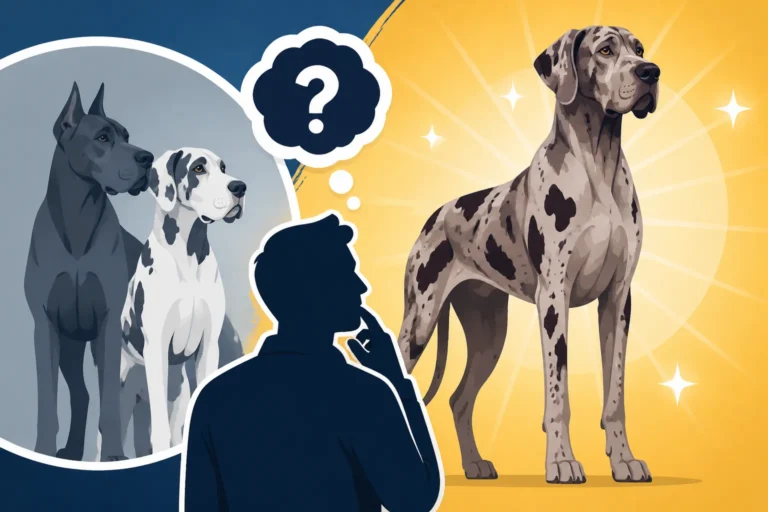
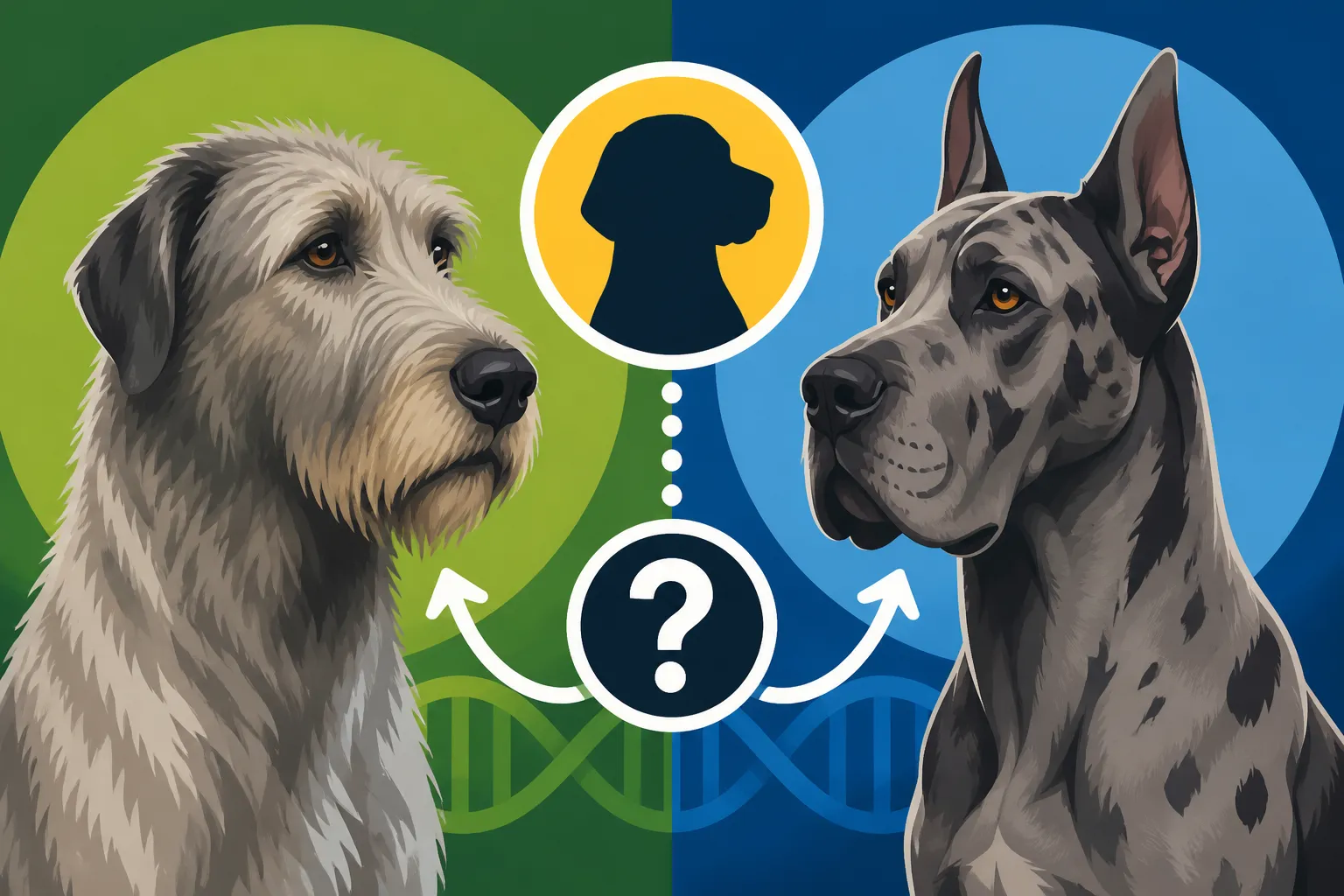
It's a common question, isn't it? You see two magnificent giant breeds, the noble Great Dane and the shaggy, imposing Irish Wolfhound, and you can't help but wonder if there's a family resemblance, a shared ancestor in their ancient bloodlines. Many people assume that because both are incredibly large, they must share a very close historical tie, perhaps even that the Irish Wolfhound directly contributed to the Great Dane's development. This guide will delve into the historical records and breed development to answer once and for all if the majestic Irish Wolfhound played a direct role in creating the Great Dane we know and love today.
Tracing the Great Dane's European Lineage
The Great Dane's history is a fascinating journey through European aristocracy, hunting fields, and the careful cultivation of specific traits. Contrary to popular belief, despite its name, the Great Dane did not originate in Denmark. Its true ancestral home is firmly rooted in Germany, where it was meticulously developed over centuries. This breed was never about a casual crossing of whatever large dogs were around; it was a deliberate effort to create a dog that excelled in specific tasks. You can learn more about its true origins in Why the Great Dane Is Not Danish and The Great Dane as Germany's National Breed.
From Boar Hounds to Noble Companions
The earliest ancestors of the Great Dane were powerful dogs known as "Boar Hounds" or "Bullenbeissers." These weren't your average hunting dogs; they were formidable animals bred for their incredible strength, courage, and speed, necessary to confront dangerous game like wild boar. Imagine a dense, ancient European forest, and a hunter needing a dog that could track, corner, and hold a snarling, tusks-flashing wild boar until the hunter could arrive for the kill. That takes a special kind of dog – one with immense power but also a degree of controlled aggression and stamina. The foundation of the Great Dane was built on these very traits.
These early Boar Hounds were likely a mix of English Mastiff-type dogs, known for their bulk and power, and the lighter, more agile Greyhounds or sight hounds of the time. The goal was to combine the Mastiff's formidable size and protective instincts with the Greyhound's speed and elegance. This fusion was critical to creating a dog capable of both holding formidable prey and moving swiftly through challenging terrain. The specific characteristics that made these dogs effective hunters are detailed in The Boar Hound the Great Dane Descends From and The Boar Hunts the Great Dane Was Built For. Over generations, breeders focused on refining these qualities, eventually leading to the distinct characteristics that would become hallmarks of the modern Great Dane.
The Influence of English and German Bloodlines
As the breed continued to develop, significant input came from both English and German bloodlines. The English Mastiff certainly played a role in contributing bulk and bone structure, providing the sheer physical presence that Great Danes are known for. However, the influence wasn't solely from the Mastiff. There was also a strong presence of what were referred to as Irish Greyhounds or Scottish Deerhounds – not the Irish Wolfhound as we typically picture it today, but rather lean, fast sighthounds used for running down large game. These sighthound influences gave the developing Great Dane its distinctive elegant outline, deep chest, and long, powerful legs – the very attributes that allow for its impressive ground-covering stride.
The refinement of the Great Dane was a particularly German endeavor. German breeders in the late 19th century were pivotal in standardizing the breed and pushing for its recognition as a distinct national dog. They worked tirelessly to breed out undesirable traits and amplify those that defined the breed's ideal form and temperament. This careful, selective breeding established the Great Dane's unique identity, a blend of power and grace that sets it apart from other giant breeds. This dedicated process of selection and refinement is key to understanding the Great Dane's true ancestry and why its lineage, while diverse, is also very specific. Details on this important part of its history can be found in English and German Blood in the Early Great Dane.
The Question of Irish Wolfhound Ancestry
Given their colossal size, it’s easy to see why someone might mistakenly assume a direct link between the Great Dane and the Irish Wolfhound. Both breeds command attention with their sheer scale. However, when we dig into the historical records and the meticulous genetic paths that modern breeds followed, the idea of the Irish Wolfhound being a direct ancestor of the Great Dane largely dissipates.
No Direct Lineage Found
Historically, the development of the Great Dane in Germany and the Irish Wolfhound in Ireland occurred largely in parallel, albeit from broadly similar ancient "hound" types that once roamed Europe. While both might share very ancient, common ancestors from centuries ago – a generic type of large hunting dog that existed before modern breeds were formalized – there is no clear evidence or historical documentation to suggest that the specific, formalized Irish Wolfhound breed, as it was known even in its earlier iterations, was directly cross-bred to create the Great Dane. The Great Dane's refinement was driven by the desire for a specific combination of Mastiff power and Greyhound speed for boar hunting, which led to its unique, elegant, smooth-coated appearance.
The confusion sometimes arises because historical texts might refer to "Irish Greyhounds" in the lineage, which were swift, large sighthound types, not the shaggy, rough-coated Irish Wolfhounds we recognize today. These "Irish Greyhounds" did contribute to the Great Dane's sighthound characteristics, but they were distinct from the ancient Wolfhound that was almost lost before its revival in the 19th century. The Irish Wolfhound has a very distinct history, characterized by its own specialized hunting role (wolves, large deer) and unique physical attributes, particularly its rough coat. The Great Dane, on the other hand, was consistently bred for its smooth coat and powerful, yet sleek, physique.
Independent Paths of Giant Breed Development
It's more accurate to view the Great Dane and the Irish Wolfhound as cousins rather than parent and child. They both hail from an ancient lineage of large European dogs used for hunting and guarding, but their paths diverged significantly over the centuries as different regions and cultures sought to create dogs suited to their unique needs and environments. The German breeders who developed the Great Dane were focused on refining their specific vision of the ultimate boar hound, utilizing the local and accessible Mastiff and sighthound types at hand. They weren't looking across the sea to Ireland for the shaggy, wolf-hunting dogs that had their own distinct purpose and appearance.
Think of it like different branches growing from a very old, strong tree trunk. The trunk is the ancient large dog type, but the branches (individual breeds) grew in different directions, adapting to different climates, prey, and human preferences. The Great Dane's branch took one form, while the Irish Wolfhound's took another, both magnificent in their own right, but genetically distinct in their more recent, formalized history. This independent development is a testament to the rich diversity within the giant breed world.
Distinguishing Traits: Great Dane vs. Irish Wolfhound
While both are impressive giants, a side-by-side comparison quickly reveals the distinct differences between the Great Dane and the Irish Wolfhound. These distinctions are not just superficial; they speak to their historical roles, breeding goals, and overall breed standards. Understanding these differences helps clarify why the Irish Wolfhound is not considered a direct ancestor of the Great Dane. For a deeper dive into how Great Danes stack up against other large breeds, you might find The Great Dane Against the Irish Wolfhound particularly insightful.
Physical Appearance: Built for Different Tasks
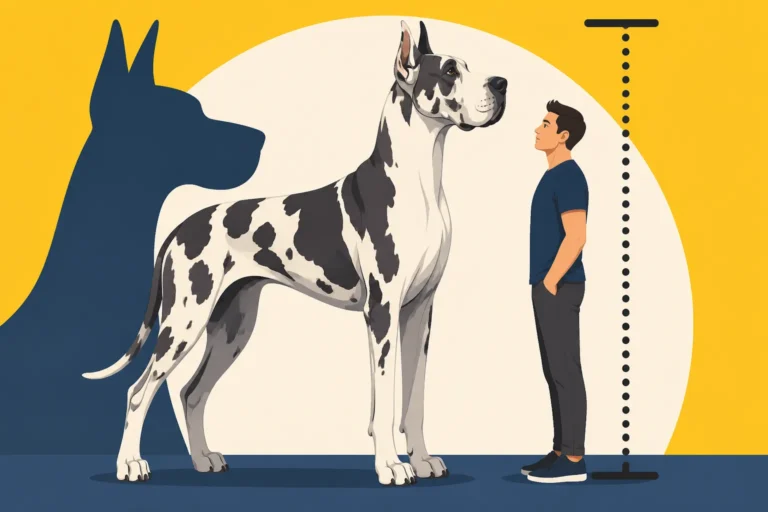
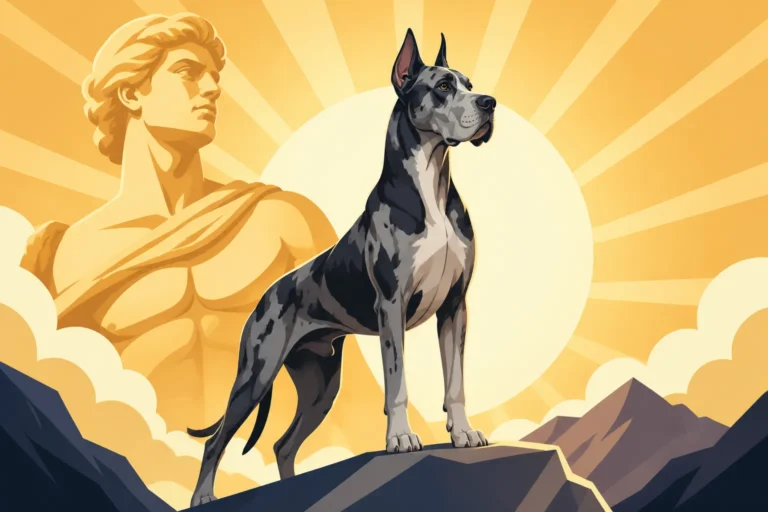
The most obvious difference lies in their physical appearance. The Great Dane is renowned for its sleek, muscular build and short, smooth coat. It embodies elegance and power, often referred to as the "Apollo of Dogs." Its head is refined and rectangular, with a distinct stop, and its expression is typically noble and alert. A Great Dane's movement is fluid and powerful, designed for bursts of speed and agility in close quarters with dangerous game. You can find more about what makes a Great Dane truly impressive in How Big a Great Dane Actually Gets.
The Irish Wolfhound, in stark contrast, is built for endurance and power, with a much rougher, wiry coat and a more rugged, imposing appearance. Its head is longer and less refined than the Dane's, and its overall impression is one of shaggy might. The Wolfhound's build is rangy and muscular, designed for running down wolves over long distances, often across harsh terrain. While both are incredibly tall, the Wolfhound often appears even taller due to its leaner build and shaggier coat, emphasizing its ancient hunting heritage.
Let's break down some key physical differences in a table:
| Feature | Great Dane | Irish Wolfhound |
|---|---|---|
| Coat Type | Short, smooth, dense | Rough, wiry, medium length |
| Build | Muscular, powerful, elegant, "square" | Rangy, rugged, lean, "rectangular" |
| Head Shape | Rectangular, distinct stop, noble expression | Longer, less stop, keen expression |
| Overall Impression | Graceful power, regal | Majestic ruggedness, imposing |
| Primary Historical Role | Boar hunting, guarding | Wolf hunting, large game coursing |
When looking for specific breed information or even just browsing for supplies tailored to giant breeds, whether it's special bedding or large toys, reliable online platforms like Chewy often provide detailed breed profiles that highlight these kinds of distinctions.
Temperament and Role: Companions with Diverse Histories
Beyond physical traits, their historical roles have also sculpted their temperaments. The Great Dane, while capable of guarding, was primarily bred as a hunting companion for nobility, and later transitioned into a revered family companion. They are generally known for their gentle and affectionate nature, often described as "gentle giants" who thrive on human companionship. They are typically calm indoors and form strong bonds with their families. This characteristic temperament is further explored in The Gentle Great Dane Temperament and Its Limits.
The Irish Wolfhound, originally bred to hunt and kill wolves, needed a different kind of independence and tenacity. While they are known to be gentle and loyal with their families, they often possess a more reserved demeanor and a deep-seated courage that speaks to their intense hunting past. Their enormous size and historical purpose meant they were often working dogs, requiring stamina and a certain stoicism. While both breeds are wonderful companions, their ancestral jobs have certainly left an imprint on their personality traits and how they interact with the world around them.
When researching the ideal temperament for your home, especially for a giant breed, it's always a good idea to consult breed-specific resources, or even check comprehensive online pet stores like Chewy that often have breed guides alongside their products, to understand these nuanced differences.
The Importance of Breed Standards and Genetic Integrity
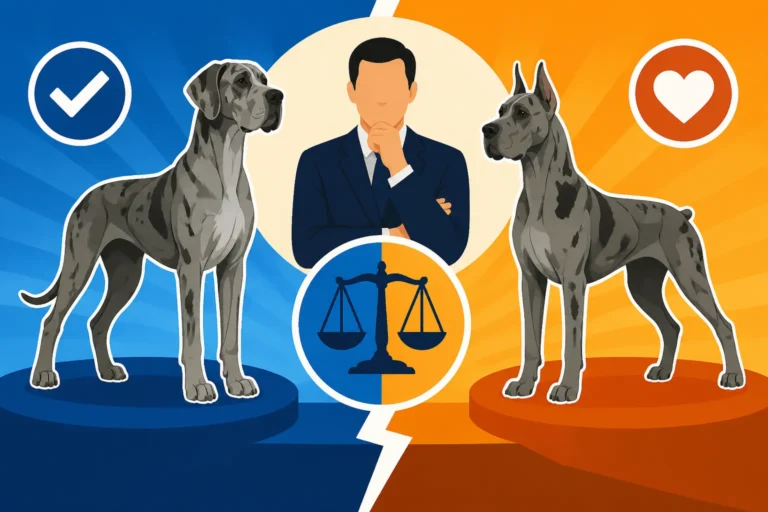
In the world of purebred dogs, maintaining distinct breed standards is paramount. It's how we preserve the unique characteristics, health predispositions, and historical integrity of each breed. Breeders, kennel clubs, and enthusiasts dedicate themselves to ensuring that lineages remain true to their established standards, which inherently excludes the intentional mixing of different breeds once a standard has been set.
Defining and Preserving the Great Dane Standard
The Great Dane breed standard, as recognized by major kennel clubs like the American Kennel Club (AKC), is a detailed blueprint that describes the ideal physical appearance, temperament, and movement of the breed. This standard has been carefully developed over generations to ensure that Great Danes consistently exhibit the traits that define them. It specifies everything from head shape and ear set to coat color and body proportions. Adherence to this standard means that breeders are selecting dogs within the established Great Dane gene pool, not introducing genetics from other distinct breeds like the Irish Wolfhound.
The emphasis is on purity of lineage. Responsible breeders perform extensive health testing and maintain detailed pedigrees to track the ancestry of their dogs. Their goal is to produce Great Danes that conform to the standard, are healthy, and possess the gentle, noble temperament for which the breed is famous. Any deliberate cross-breeding with another recognized breed would result in a hybrid, not a purebred Great Dane, and would immediately disqualify the offspring from being registered as a Great Dane.
The Role of Responsible Breeding
Responsible breeding practices are the cornerstone of preserving the genetic integrity of any breed. For Great Danes, this means focusing on healthy, well-tempered dogs within the existing breed lines. It involves understanding genetics, performing health screenings for conditions common in the breed, and making informed decisions about pairings. The idea is to enhance the breed's strengths and minimize weaknesses, all while remaining true to the established standard.
This commitment to the breed standard is why you can consistently recognize a Great Dane by its distinct appearance and temperament, and why the direct infusion of Irish Wolfhound genetics simply isn't part of the Great Dane's documented history. While both are magnificent, they are distinct products of centuries of selective breeding, each with their own proud and independent heritage. When looking for a puppy or rescue, researching a breeder's adherence to these standards, often available on sites like Chewy or kennel club pages, is a critical step for potential owners.
Disclaimer
This article is for general informational purposes only and does not constitute professional advice. Laws, prices and regulations vary by location and change over time. Consult a qualified professional for guidance on your specific situation.