English and German Blood in the Early Great Dane
It's incredibly common for people to scratch their heads when they first learn about the Great Dane. "Why is it called a Great Dane if it's from Germany?" It’s a valid question that cuts right to the heart of a fascinating historical journey. This breed, despite its name, has a rich tapestry woven from diverse European bloodlines, with significant contributions from both English and German breeding efforts. This guide will unravel the historical threads, exploring the powerful mastiff types and swift sighthounds that ultimately converged to create the noble giant we adore today.
The Misleading Name: Why "Great Dane" Isn't Danish
One of the first things any new Great Dane owner or enthusiast learns is that the breed's name is, well, a bit of a misnomer. Despite "Dane" being right there in the title, these magnificent dogs do not hail from Denmark. This linguistic quirk has confused countless people over the centuries, creating a fun bit of trivia that often masks the true origins of the breed.
Tracing the Linguistic Roots of a Misnomer
The most widely accepted theory for the "Great Dane" name points to an 18th-century French naturalist, Georges-Louis Leclerc, Comte de Buffon. He encountered a tall, slender, powerfully built dog in Denmark during his travels and, impressed by its size and elegance, called it "Grand Danois," or "Great Dane." It’s quite possible that these dogs were merely passing through Denmark or were popular there at the time, not necessarily originating from the country itself. The name stuck, popularized through early English translations of Buffon's work, and eventually became the common English name for the breed. It serves as a vivid reminder of how easily early observations, even if slightly inaccurate, can cement a name into history, regardless of the true geographical lineage. Think about how many local terms for animals or plants spread globally even if they don't perfectly describe the origin point.
This early misidentification highlights how much of dog breed nomenclature was often informal and anecdotal before the establishment of formal kennel clubs and breed standards. Prior to the meticulous record-keeping we see today through organizations like the American Kennel Club, dogs were often named for their perceived origin, their function, or even just a striking feature. For the breed known in English as the Great Dane, the sheer size and elegance, perhaps first observed with some prominence in Denmark by a influential figure, was enough to give it a lasting, albeit geographically incorrect, identity. Why the Name Great Dane Stuck Anyway
Germany's Claim: The Deutsche Dogge
While the English-speaking world adopted "Great Dane," the Germans, who were instrumental in formalizing and refining the breed, proudly call it the "Deutsche Dogge," which translates directly to "German Mastiff" or "German Dog." This name reflects their deeply felt ownership of the breed and its development within their borders. From the late 19th century onwards, German breeders dedicated themselves to creating a national dog that embodied strength, nobility, and grace.
The establishment of the "Deutsche Doggen Club" in Germany in 1888 and the subsequent adoption of a detailed breed standard further cemented its German identity. This wasn't just about naming rights; it was about a national endeavor to breed a dog of exceptional quality and character, one that would stand as a symbol of German canine excellence. The "Deutsche Dogge" is seen as a deliberate, cultivated breed, not just a regional variant of a larger dog type. For German enthusiasts, their nomenclature rightly places the breed's true origins and significant development firmly within Germany, contrasting sharply with the French-influenced "Great Dane" that became popular elsewhere. Why Germany Calls the Great Dane Deutsche Dogge
The Mighty Ancestors: Hunting Hounds and War Dogs
To truly understand the Great Dane, we have to travel back further than the 18th century, into a time when large dogs were essential tools for survival, protection, and hunting. The roots of this majestic breed lie deep in the history of powerful European canines, dogs bred for formidable tasks.
Ancient War Dogs and Mastiff-Type Ancestors
Long before the Great Dane as we know it existed, large, powerful dogs roamed ancient battlefields and guarded homesteads across Europe. These were the ancestors of many modern giant breeds, often referred to as Molossian dogs, named after the ancient Greek tribe of Molossians who were renowned for their large, protective canines. These dogs were massive, fearless, and incredibly strong, making them invaluable in warfare—charging alongside soldiers, protecting camps, and acting as formidable deterrents. Roman legions, for instance, were known to use large mastiff-type dogs in battle.
As civilizations evolved, these war dogs transitioned into guard dogs, protecting castles, farms, and families. Their immense size and intimidating presence were often enough to ward off intruders, both human and animal. This early lineage contributed the foundational elements of the Great Dane's imposing stature, courage, and protective instincts. They weren't yet the graceful dogs we recognize today, but rather robust, heavy-boned creatures built for raw power and intimidation. This ancient genetic blueprint provided the necessary substance and fearlessness that would later be refined into the "Apollo of Dogs."
The Boar Hounds of European Nobility
Moving into medieval and Renaissance Europe, the focus for these large dogs shifted significantly towards hunting. Wild boar were a dangerous and plentiful game, and hunting them required dogs of exceptional strength, speed, and bravery. This is where the true, direct ancestors of the Great Dane begin to take shape: the "boar hounds." These dogs were not merely trackers; they were expected to engage and hold a charging boar, a task requiring incredible courage and physical prowess.
These boar hounds were highly prized by the nobility and aristocracy across Europe, including in Germany. They were carefully bred for specific traits that would make them effective in the hunt: immense size to tackle powerful prey, incredible stamina to run long distances, and a brave, tenacious temperament. While heavy mastiff types contributed brute force, there was also a need for agility and speed to catch the boar and maneuver safely during the hunt. This dual requirement for power and athleticism would become a defining characteristic in the Great Dane's development. The Boar Hound the Great Dane Descends From
The English Influence: Greyhound Speed and Mastiff Substance
The development of the Great Dane wasn't a linear path in one country. It was a fascinating confluence of different canine types, each contributing crucial traits. England, with its own rich history of dog breeding, played a pivotal role in providing two seemingly contradictory, yet equally important, bloodlines to the emerging German mastiff type.
The English Mastiff's Contribution to Bulk and Power
When German breeders sought to enhance the size, bone, and sheer power of their boar hounds, they often looked to England's renowned Mastiff. The English Mastiff was, and remains, one of the largest and heaviest dog breeds, known for its massive head, deep chest, and protective nature. These dogs were historically used for guarding estates, as war dogs, and even in gladiatorial combat against animals. Their genetic contribution to the nascent Great Dane was immense.
By crossing these robust English Mastiffs with their own developing lines, German breeders could introduce greater substance, more powerful musculature, and a formidable presence. This infusion of Mastiff blood helped ensure the Great Dane retained the necessary strength and courage to confront large game or deter intruders. It provided the "mastiff" part of the "German Mastiff" equation, giving the breed its impressive bulk and commanding appearance. Without this English influence, the Great Dane might have remained a lighter, more agile hound, rather than evolving into the powerful "Apollo of Dogs" it is known to be today. The English Mastiff Behind the Great Dane
The Nimble Greyhound: Adding Agility and Refinement
Here's where the story takes an intriguing turn. While the Mastiff brought power, the Great Dane also needed speed and elegance to truly excel as a boar hound that could both catch and hold its prey without being overly cumbersome. This vital component likely came from another English breed (or similar sighthound types popular across Europe): the Greyhound. Known for its incredible speed, sleek physique, and graceful movement, the Greyhound offered a striking contrast to the heavy Mastiff.
The introduction of Greyhound blood helped to lighten the frame of the heavy boar hound, giving it longer, more athletic legs, a deeper chest for lung capacity, and a more refined, elegant head. This crossbreeding created a dog that was not only powerful but also incredibly fast and agile, capable of running down a boar quickly. The blend of Mastiff's power and Greyhound's speed is what truly set the Great Dane apart, giving it that unique combination of strength and grace. It’s this careful balance of seemingly disparate traits that allowed the breed to develop its characteristic long, reaching stride and noble silhouette, making it capable of both immense power and surprising agility. Why a Great Dane Needed Speed and Weight
The German Refinement: Standardizing the Breed
While the raw materials—the powerful mastiff types and the swift sighthounds—came from various sources, it was in Germany that these elements were meticulously woven together and polished into a distinct breed. The late 19th century was a pivotal time for dog breeding, as enthusiasts moved from functional crosses to the deliberate creation of standardized breeds.
German Breeders Taking the Reins
The late 1800s saw a surge of interest in formalizing dog breeds, and Germany was at the forefront of this movement for its national dog. German breeders and fanciers, recognizing the unique potential of their large boar hounds, took it upon themselves to unify the disparate types under a single, coherent standard. They understood that to gain international recognition and preserve the breed's integrity, consistency was key. This wasn't just about creating a pretty dog; it was about honoring the breed's historical function while elevating its aesthetic appeal and ensuring a predictable temperament.
The establishment of the first German Great Dane Club (Deutsche Doggen Club) in Berlin in 1888 marked a monumental step. This club brought together dedicated breeders and enthusiasts who collaboratively developed the first official breed standard. This standard meticulously outlined everything from desirable height and weight to head shape, coat color, and temperament. It provided a blueprint for future breeding efforts, ensuring that all Deutsche Dogges would conform to a consistent ideal. This centralized effort was critical in transforming a diverse collection of large dogs into a unified, recognized breed. The First German Great Dane Standard
Blending Form and Function into the Modern Dane
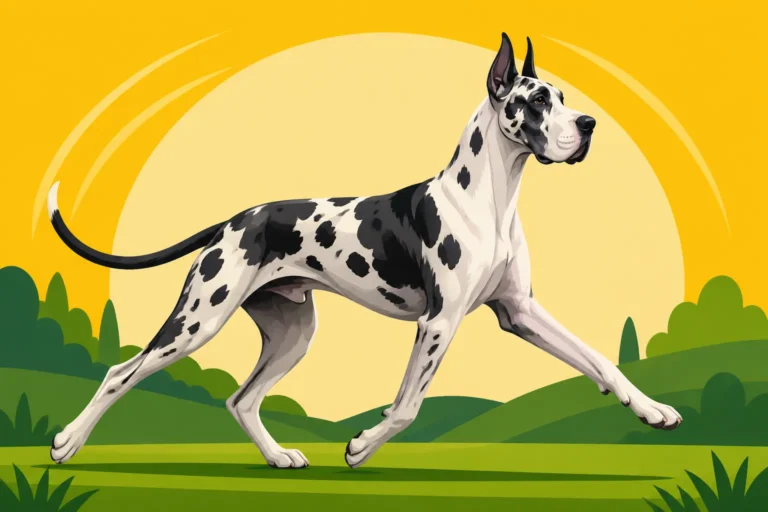
The genius of German breeders lay in their ability to synthesize the best traits from their diverse genetic pool. They didn't just want a big dog; they wanted a balanced dog. This meant maintaining the imposing size and courage inherited from mastiff ancestors while ensuring the elegance, speed, and agility gleaned from sighthound influence. The goal was to create a dog that looked powerful and noble, moved gracefully, and possessed a stable, gentle temperament. This careful blending resulted in the Great Dane's signature physique: a powerful, muscular body that is simultaneously lithe and refined.
Breeders were meticulous in their selection, culling dogs that were too heavy or too fragile, too aggressive or too timid. They aimed for a dog that was truly the "Apollo of Dogs"—a mythical god-like figure embodying both strength and beauty. This meant focusing on correct proportions, a powerful yet fluid gait, and a serene, confident demeanor. The commitment to this ideal is why the Great Dane stands out amongst other giant breeds; it's not just big, it's harmonious. This dedication to a balanced ideal continues to guide breeders today, seeking to produce healthy, well-tempered dogs that exemplify the breed's unique blend of power and grace. The Great Dane the Show Ring Is Looking For
Key Milestones in Great Dane Development
The journey from ancient boar hound to modern Great Dane was punctuated by significant events that propelled the breed into the international spotlight and solidified its identity. These milestones represent not just moments in time, but crucial steps in defining and popularizing the breed.
The 1878 Berlin Exhibition and Beyond
One of the most defining moments in the Great Dane's early history was the 1878 Berlin Exhibition. This wasn't just any dog show; it was a pivotal gathering where a committee of German breeders and judges officially declared "Deutsche Dogge" as the unified name for the diverse range of large mastiff-like dogs from various German regions. Before this, you might hear of "Ulmer Doggen," "Hannoversche Doggen," or "Dänische Doggen" (ironically, "Danish Mastiffs"), depending on the locale. The exhibition served as a powerful declaration of intent: these dogs were now one breed, and they were distinctly German.
This event was more than a name change; it was a rallying cry for standardization. It provided a clear direction for breeders, encouraging them to work towards a common ideal rather than maintaining regional variations. Dog shows and exhibitions continued to play a critical role, offering platforms for breeders to showcase their finest specimens and for the public to become familiar with the emerging breed. These public displays generated enthusiasm, attracted new breeders, and ultimately helped to refine the standard, moving the breed forward with a shared vision. These events were essential in moving the Great Dane from a collection of powerful regional dogs to a recognized, cohesive breed ready for the world stage.
The Establishment of a Global Presence
Once standardized and passionately championed in Germany, it was only a matter of time before the Deutsche Dogge, or Great Dane as it became known in English, captured the attention of dog lovers worldwide. The late 19th and early 20th centuries saw the breed begin its global expansion. German breeders, proud of their creation, exported their finest stock to other European countries, and across the Atlantic to North America. These initial imports formed the foundation of the breed in new lands.
As Great Danes arrived in places like the United States, enthusiasts there established their own breed clubs, such as the Great Dane Club of America, founded in 1889, which worked closely with the American Kennel Club. These clubs adopted the foundational German standard, often with minor adaptations, and continued the work of breeding, showing, and promoting the Great Dane. The consistent quality and majestic presence of the breed ensured its rapid popularity. Whether you bought a puppy from a local breeder or sourced supplies through retailers like Chewy, the underlying passion for these magnificent dogs resonated globally. The establishment of these international clubs and the continued exchange of breeding stock solidified the Great Dane's place as a truly international, yet distinctly German-developed, breed. When Great Danes Reached America
Here's a quick overview of the key influences:
| Aspect | English Influence | German Influence |
|---|---|---|
| Primary Contribution | Substance, power, speed, elegance | Standardization, refinement, national identity |
| Key Ancestors | English Mastiff, Greyhound (or similar sighthounds) | Old German boar hounds (Saupacker) |
| Desired Traits | Immense size, bone, courage, agility, grace | Balance, noble appearance, stable temperament |
| Role | Provided genetic raw material | Formulated the breed standard, unified types |
| Resulting Traits | Massive build, long powerful stride | "Apollo of Dogs" phenotype, consistent type |
The Enduring Legacy of European Bloodlines
The Great Dane stands today as a testament to centuries of selective breeding, an incredible journey from fierce boar hound to gentle giant. Its unique blend of power and grace is not an accident but a carefully cultivated set of traits, painstakingly developed through the strategic integration of various European bloodlines. Understanding this history gives us a deeper appreciation for the complex interplay of genetics and human dedication that shaped this iconic breed.
From Function to Form: Evolving with Society
The shift from a purely functional hunting and guarding dog to a cherished companion animal reflects broader changes in European society. As large game hunting became less common and the need for war dogs diminished, the emphasis in breeding shifted. While the physical attributes necessary for its original roles—size, strength, speed—remained, breeders began to prioritize temperament and companionability. The inherent loyalty and courage of the mastiff-type dogs, combined with the refined elegance of the sighthounds, contributed to the Great Dane's reputation as a noble and affectionate family member.
This evolution didn't happen overnight; it was a gradual process where aesthetic appeal and a gentle disposition became as important as physical prowess. The "gentle giant" moniker isn't just a marketing slogan; it's a reflection of intentional breeding choices made over generations. Breeders recognized the potential for a dog that was impressive in stature but sweet in nature, a powerful presence that could coexist harmoniously within a family home. This adaptation ensured the Great Dane's enduring popularity, allowing it to transition from the wilds of the hunt to the comfort of the living room.
Maintaining the Balance: A Modern Breeding Challenge
Even today, responsible Great Dane breeders are essentially managing the legacy of these foundational European bloodlines. They strive to maintain the delicate balance between the Mastiff's substance and the Greyhound's elegance, all while upholding the German standard for health, temperament, and type. This means constantly considering the genetic contributions of those early English and German dogs, ensuring that desirable traits are preserved and enhanced, while less desirable ones are minimized. When you seek out a responsible breeder, you're looking for someone who understands this history and is committed to breeding Danes that honor it.
The health challenges common in giant breeds, such as Bloat in a Great Dane and the One in Three Odds or The Heart Muscle Disease Great Danes Are Prone To, are also part of this legacy, and modern breeders work diligently to screen for and mitigate these issues. Resources and products available from places like Chewy cater to the specific needs of these large dogs, from specialized diets to orthopedic beds. The Great Dane's history is not just a story of origin, but a continuous narrative of dedicated breeders striving to maintain the integrity and health of a truly magnificent breed. The majestic, powerful, yet inherently gentle Great Dane you might see lounging on a sofa or gracefully trotting in a show ring is a living, breathing piece of European history.
Disclaimer
This article is for general informational purposes only and does not constitute professional advice. Laws, prices and regulations vary by location and change over time. Consult a qualified professional for guidance on your specific situation.