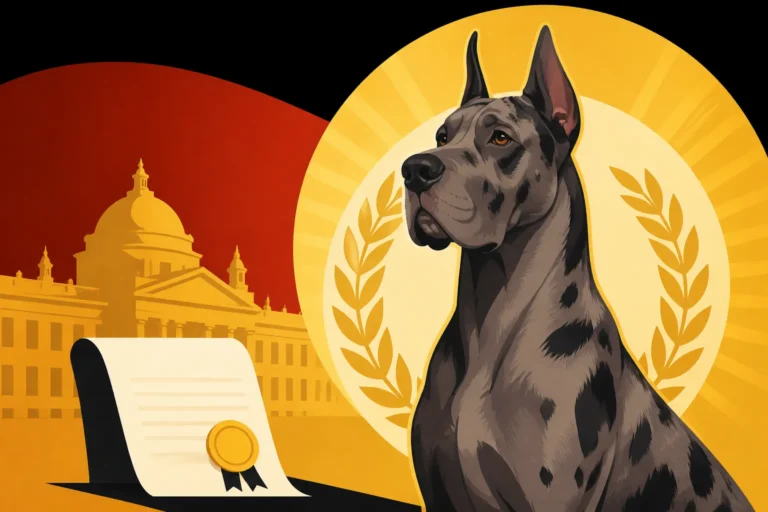
Where Great Danes Rank Among AKC Breeds
Bringing a Great Dane into your life is a huge decision, and part of that often involves understanding their place in the wider dog world. Many prospective owners wonder how popular Great Danes are compared to other breeds, or what that popularity might mean for finding a responsible breeder or even securing pet insurance. This guide will delve into how the American Kennel Club (AKC) ranks breeds and where our beloved "Apollo of Dogs" typically stands, helping you understand the implications for ownership.
Deciphering the AKC Breed Popularity Ranking System
When you hear about dog breed rankings, it's almost always referring to the American Kennel Club's annual list. This isn't just a popularity contest based on subjective cuteness; it's a reflection of how many purebred dogs of a particular breed are registered with the AKC in a given year. Think of it as a snapshot of ownership trends and breeder activity across the United States.
What AKC Registration Numbers Represent
The AKC ranking system primarily uses the number of individual puppies and adult dogs registered within their registry. This means if more people are purchasing or breeding a certain type of dog, that breed's ranking will naturally climb. It’s a direct indicator of demand and supply for purebred dogs through official channels. While it doesn't account for mixed breeds or dogs from non-AKC registered sources, it's the gold standard for tracking purebred dog trends in the country. A higher ranking often suggests a robust and active breeding community, which can be both a blessing and a curse. More breeders could mean easier access, but it also means more vigilance is needed to ensure you're working with someone reputable.
Why Rankings Fluctuate Annually
Breed rankings aren't static; they shift year to year. These fluctuations can be influenced by a myriad of factors. For instance, a breed featured prominently in a popular movie or TV show might see a sudden surge in demand, pushing its numbers up. Changing lifestyle trends also play a role; as more people live in urban environments, smaller, more adaptable breeds might see increased registrations. Conversely, if a breed gains a reputation for significant health issues or behavioral challenges, its popularity might wane. It’s a dynamic system reflecting the evolving preferences and circumstances of dog owners across the nation. Understanding these shifts can give you insight into the current landscape for Great Danes.
The Great Dane's Place in the AKC Hierarchy
So, where do our majestic Great Danes fit into this grand scheme of canine popularity? They consistently hold a respectable, though not always top-tier, position among the more than 200 recognized breeds. This standing tells us a few things about their general acceptance and the current demand for them.
Great Danes: Consistently Within the Top 20-30 Breeds
Historically, Great Danes have enjoyed a solid presence in the AKC's top breeds. They typically hover somewhere in the top 20 to 30, often seeing slight shifts up or down. This places them firmly within the realm of well-recognized and actively bred purebreds, but not quite in the same league as perennial favorites like French Bulldogs, Labrador Retrievers, or Golden Retrievers, which often dominate the very top spots. Their consistent presence indicates a dedicated fan base and a steady stream of new owners drawn to their unique qualities. It’s a comfortable middle ground, suggesting they are popular enough to have many dedicated breeders and resources, but not so overwhelmingly popular that they become a fad.
Let's look at a hypothetical ranking snippet to put this into perspective:
| Rank (Hypothetical) | Breed Name | Typical Temperament | Common Use / Appeal |
|---|---|---|---|
| 1-5 | Labrador Retriever | Friendly, outgoing, high energy | Family pet, hunting, service |
| 6-10 | Golden Retriever | Devoted, intelligent, gentle | Family pet, therapy, service |
| 11-15 | German Shepherd Dog | Loyal, confident, courageous | Police/military, guard, family pet |
| 16-30 | Great Dane | Gentle, friendly, moderately active | Companion, family pet |
| 31-50 | Doberman Pinscher | Alert, fearless, loyal | Protection, companion |
This table illustrates that while Great Danes aren't at the absolute peak of canine celebrity, they're far from obscure. Their ranking signifies a steady demand and a well-established presence in the American dog-owning community.
What Their Ranking Implies for Prospective Owners
A Great Dane's typical ranking in the top 20-30 range has several practical implications for someone considering bringing one home. On the positive side, it means you're not looking for an incredibly rare breed, so finding reputable breeders isn't an impossible task, although patience is always key. You'll likely find breeders specializing in different lines, whether for show, performance, or simply wonderful family companions. You might also find more resources available, from breed-specific rescue organizations to training classes and even products specifically designed for giant breeds, like the enormous beds and robust toys you might find on Chewy.
However, this level of popularity also means you need to be cautious. Any breed that gains traction can attract unscrupulous breeders looking to make a quick profit without prioritizing health or temperament. This is why due diligence in researching breeders and asking for health clearances is absolutely crucial. A good breeder will be transparent about their practices and the health history of their dogs, helping to ensure you're getting a healthy pup. Remember, even if they're popular, Why a Great Dane Only Lives Seven to Ten Years is a stark reality, and selecting a healthy puppy is paramount.
Factors Shaping Great Dane Popularity
So, why do Great Danes consistently hold their particular rank? It's a fascinating mix of their undeniable charm, perceived temperament, and the very real challenges that come with owning such a magnificent creature. Their image as "gentle giants" is certainly a huge draw, but their massive size also presents practical hurdles for many households.
The "Gentle Giant" Allure and Public Perception
The phrase "gentle giant" is almost synonymous with the Great Dane, and it's a huge factor in their enduring appeal. People are captivated by their impressive stature combined with their often sweet, tolerant, and affectionate personalities. This perception often leads people to believe they are the perfect family dog, even with children or other pets, due to their calm demeanor indoors. They have a truly regal bearing that commands attention, making them stand out in a crowd. This image is perpetuated in media, from classic cartoons like Scooby-Doo and Marmaduke, which certainly boost their public profile and endear them to generations. This romanticized view, while often true to the breed's temperament, can sometimes overshadow the practical realities of owning one.
Many people fall in love with the idea of a Great Dane before fully understanding what that means on a daily basis. They imagine a serene dog lounging elegantly, not realizing the sheer volume of drool that can be flung, or the incredible strength behind a playful leap. The Great Dane's Reputation as the Apollo of Dogs truly captures this regal image.
Size, Space, and Cost Considerations
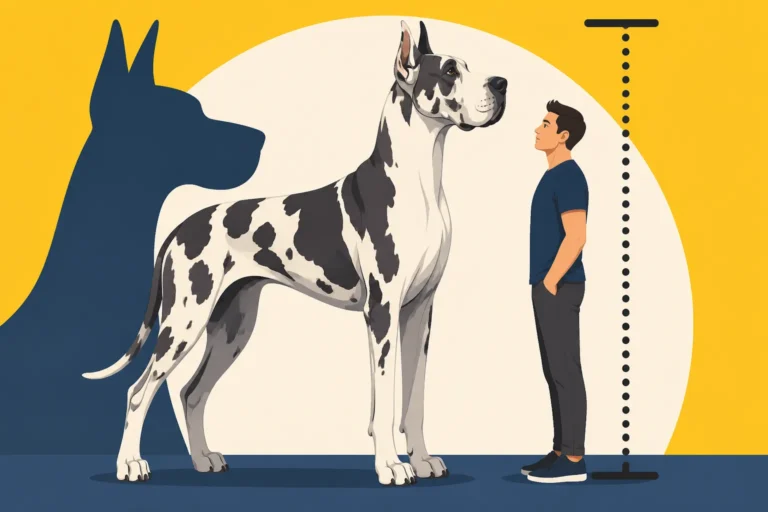
Here's where the Great Dane's popularity often hits a ceiling: their sheer size. While captivating, it's also a significant deterrent for many potential owners. A dog that can easily outweigh an adult human and stand eye-level with a kitchen counter requires a specific living situation and a substantial financial commitment. They need enough space to move comfortably, both indoors and out, and cannot thrive in cramped apartments without considerable effort from their owners for outdoor exercise.
The cost of owning a Great Dane is another major factor. Everything, from food and medication to veterinary bills and even everyday items like beds and crates, costs more simply because of their massive scale. Feeding a Great Dane That Eats Ten Cups a Day isn't a hyperbolic statement; it's a daily reality that adds up significantly. Factor in the higher veterinary costs for anesthesia, medications, and treatments for common giant breed ailments like bloat or heart issues, and the financial picture becomes even clearer. These practical considerations, while not diminishing the breed's appeal, certainly limit the number of households that can realistically provide a suitable home, naturally affecting their overall ranking compared to smaller, less resource-intensive breeds.
The Impact of Ranking on Great Dane Ownership
A breed's popularity ranking, while seemingly just a number, actually carries various implications for both current and prospective Great Dane owners. It influences everything from the availability of puppies to the prevalence of breed-specific health information and even how the public perceives these magnificent dogs.
Finding Reputable Breeders and Responsible Rescues
Because Great Danes consistently rank within the top 30, it means there's a relatively robust network of breeders across the country. This can be a double-edged sword. On one hand, it increases your chances of finding a breeder geographically closer to you or one who specializes in certain aspects you're looking for, such as particular colors or temperaments. On the other hand, popularity can attract breeders who are more interested in profit than puppy welfare. This makes it absolutely critical to do your homework, ask tough questions, and insist on seeing health clearances for the parent dogs. Look for breeders who are deeply involved in the Great Dane community, perhaps showing their dogs or participating in performance events.
The good news is that with this level of popularity also comes a strong presence of breed-specific rescue organizations. These groups often work tirelessly to rehome Great Danes of all ages, providing another excellent avenue for bringing one into your home. Rescues are often a fantastic source for adult Danes who might already be house-trained and past the challenging puppy stage, and many have been spayed or neutered and had initial veterinary checks. They often use resources like Chewy for food and supplies during the fostering process, ensuring the dogs are well-cared for. What Comes Included in a Great Dane Adoption can give you a better idea of what to expect from rescue.
Awareness of Breed-Specific Health Concerns
A breed's consistent presence in the rankings also contributes to greater awareness and research into its specific health challenges. For Great Danes, this is particularly important given their propensity for certain serious conditions. Veterinary professionals are generally more familiar with common Great Dane ailments like Dilated Cardiomyopathy (DCM) and Gastric Dilatation-Volvulus (GDV), commonly known as bloat.
This widespread knowledge is beneficial because it means diagnostics, treatments, and preventative measures are more readily available and understood. For instance, the discussion around Stomach Tacking Surgery for a Great Dane (gastropexy) as a preventative measure for bloat is quite common in Great Dane circles and among vets who treat giant breeds. Owners are better informed about what to watch for, and veterinarians are better equipped to respond. While the health challenges are real and can be daunting, the breed's popularity helps ensure that there's a community and medical expertise to support owners through them.
Public Perception and Breed Stigma
While their "gentle giant" reputation precedes them, a Great Dane's imposing size can still lead to public misconceptions or even discrimination. Despite their general good nature, some people are naturally intimidated by a dog of such stature, or landlords and insurance companies might impose restrictions based purely on size or perceived "bully breed" traits (even though Great Danes are not a bully breed). Their visibility through their AKC ranking helps maintain a general understanding of the breed, but individual interactions are what truly shape opinions.
Owners often find themselves educating others about their dog's temperament and proving that their Great Dane is indeed a loving, well-behaved member of the family. The ranking helps to keep the breed in the public consciousness as a recognized and generally beloved breed, but proactive socialization and training are key to reinforcing positive perceptions. Understanding The Manners a Great Dane Needs Before It Grows is crucial for ensuring your Dane is a wonderful ambassador for the breed.
Responsible Ownership Regardless of Ranking
Ultimately, while the AKC ranking provides interesting data, it's just one piece of the puzzle. For individual Great Dane owners, what truly matters is the commitment to responsible care, training, and health management for their specific dog. Whether a breed is #1 or #100, the responsibilities remain the same.
The Commitment to a Giant Breed
Owning a Great Dane is a profound commitment that extends far beyond their initial purchase price. It involves dedicated time for training and socialization, consistent attention to their unique dietary needs, and a readiness for the significant veterinary expenses that can arise with any giant breed. This commitment isn't for everyone, and it's why careful consideration is essential before bringing one home. Their ranking may reflect a certain level of popularity, but it doesn't quantify the personal dedication required to truly meet the needs of such a magnificent animal.
This includes providing adequate, but appropriate, exercise – remembering that Exercise Limits While a Great Dane Is Still Growing are crucial for joint health. It means investing in quality food, durable toys (perhaps from Chewy!), and beds that can withstand their size and provide adequate support.
Prioritizing Health and Longevity
Regardless of how many Great Danes are registered in a given year, every owner should prioritize the health and longevity of their individual dog. This means choosing a responsible breeder who performs all recommended health screenings, providing a high-quality diet appropriate for a giant breed, ensuring regular veterinary check-ups, and being proactive about potential health issues. Knowledge about The Health Testing a Great Dane Breeder Owes You is incredibly empowering for prospective owners.
While Great Danes do have a shorter lifespan compared to many smaller breeds, with The Seven to Ten Year Great Dane Lifespan being typical, responsible care can help them live those years to the fullest. Focusing on preventive care, early detection of issues like heart disease, and maintaining a healthy weight are all crucial steps. The breed's popularity ensures a community of shared knowledge and resources, but the ultimate responsibility rests with the individual owner to advocate for their Dane's well-being.
Disclaimer
This article is for general informational purposes only and does not constitute professional advice. Laws, prices and regulations vary by location and change over time. Consult a qualified professional for guidance on your specific situation.