The Thirty-Two Inch Male Great Dane
When you hear "Great Dane," you probably picture a big dog. But when we talk about a male Great Dane standing thirty-two inches at the shoulder, we're not just talking about "big" – we're talking about a canine that is truly immense, a towering presence that redefines your living space and daily routines. This isn't merely a measurement; it's a profound statement about the practicalities, joys, and challenges of sharing your life with one of the most magnificent breeds on the planet. This guide will help you understand what it truly means to live with a dog of such impressive stature.
The Sheer Scale of a Thirty-Two Inch Great Dane
It’s one thing to read a number, and quite another to truly grasp the physical presence of a dog that stands thirty-two inches (or more!) at the shoulder. This isn't just about their height when they're standing on all fours; it's about their entire physical envelope, which dictates everything from how they move through your home to how much space they occupy on your sofa.
Visualizing the Height and Reach
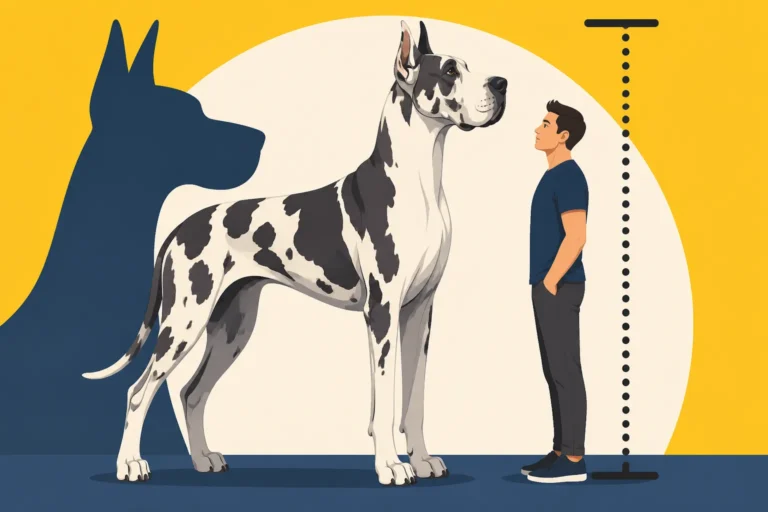
Imagine a dog whose shoulders reach your hip, or even higher, if you're of average height. A thirty-two-inch male Great Dane, when standing, can easily rest his head on most kitchen counters without even trying to "counter surf." If he decides to stand on his hind legs, which they often do to greet you or get a better look at something, he can easily be eye-level with many adults, towering well over six feet. This isn't an exaggeration; it's a simple fact of their physiology.
Their impressive height also means an incredible reach. That tantalizing pastry you left "far back" on the kitchen island? It’s probably within easy tongue-flicking distance for a determined Dane. Bookshelves, tabletops, even items on lower shelves in cabinets might become accessible. It's a constant recalibration of what you consider "out of reach" in your home.
The phrase "Apollo of Dogs" is often used to describe the Great Dane, and when you're face-to-face with a male of this stature, you truly understand why. Their elegance and noble bearing are undeniable, but so is the sheer volume of dog. This impacts everything from doorways – they often have to duck – to navigating tight hallways or bustling rooms. A Dane walking into a coffee table is less a bump and more a seismic event for the furniture.
Consider the reality of simply walking through your home. Imagine trying to carry a tray of drinks from the kitchen to the living room while your affectionate giant decides to follow close behind, his massive head brushing against your back. You'll quickly learn to scan ahead for potential collisions, ensuring there's enough room for both of you to pass without incident. Suddenly, open-concept living isn't just an aesthetic choice; it’s a practical necessity.
Weight and Proportionality
A Great Dane standing thirty-two inches at the shoulder isn't just tall; they're also substantial. Most males of this height will weigh anywhere from 140 to 180 pounds, and some can even push past 200 pounds. This isn't a lean, leggy greyhound; it's a dog with impressive bone structure and musculature designed for power and presence.
This immense weight amplifies every interaction. A playful lean against your legs feels like a gentle push from a small horse. When they settle down on the sofa next to you, it's less like sharing the cushion and more like the cushion has been entirely repossessed. Even their simple act of lying down can create a thud that vibrates through the floor.
Because of their size, everything they need is supersized. Their beds aren't just large; they are often "orthopedic" and "extra-large" or "giant" categories, designed to support their considerable weight and protect their joints. Crates need to be industrial strength and tall enough for them to stand comfortably. Food and water bowls are more like buckets. Thankfully, for sturdy, giant-breed appropriate beds and crates, many owners turn to online retailers like Chewy, which offer a wide selection of durable options built for these magnificent animals.
In a real-life scenario, consider the simple act of them getting on or off furniture. A massive Dane jumping off a couch can send a tremor through the room. If they decide to launch onto your bed for a cuddle, you'll feel the impact. Their weight means that any accidental bump or misstep can easily knock over lamps, clear low tables, or even send smaller humans sprawling. It's not malice; it's simply physics in action with a truly massive animal.
Understanding the Breed Standard's Minimums and Ideals
The Great Dane breed standard isn't just a suggestion; it's a detailed blueprint that guides ethical breeders and provides a framework for what constitutes an ideal specimen of the breed. For male Great Danes, the mention of "thirty-two inches" is particularly significant.
The Official Benchmarks for Male Danes
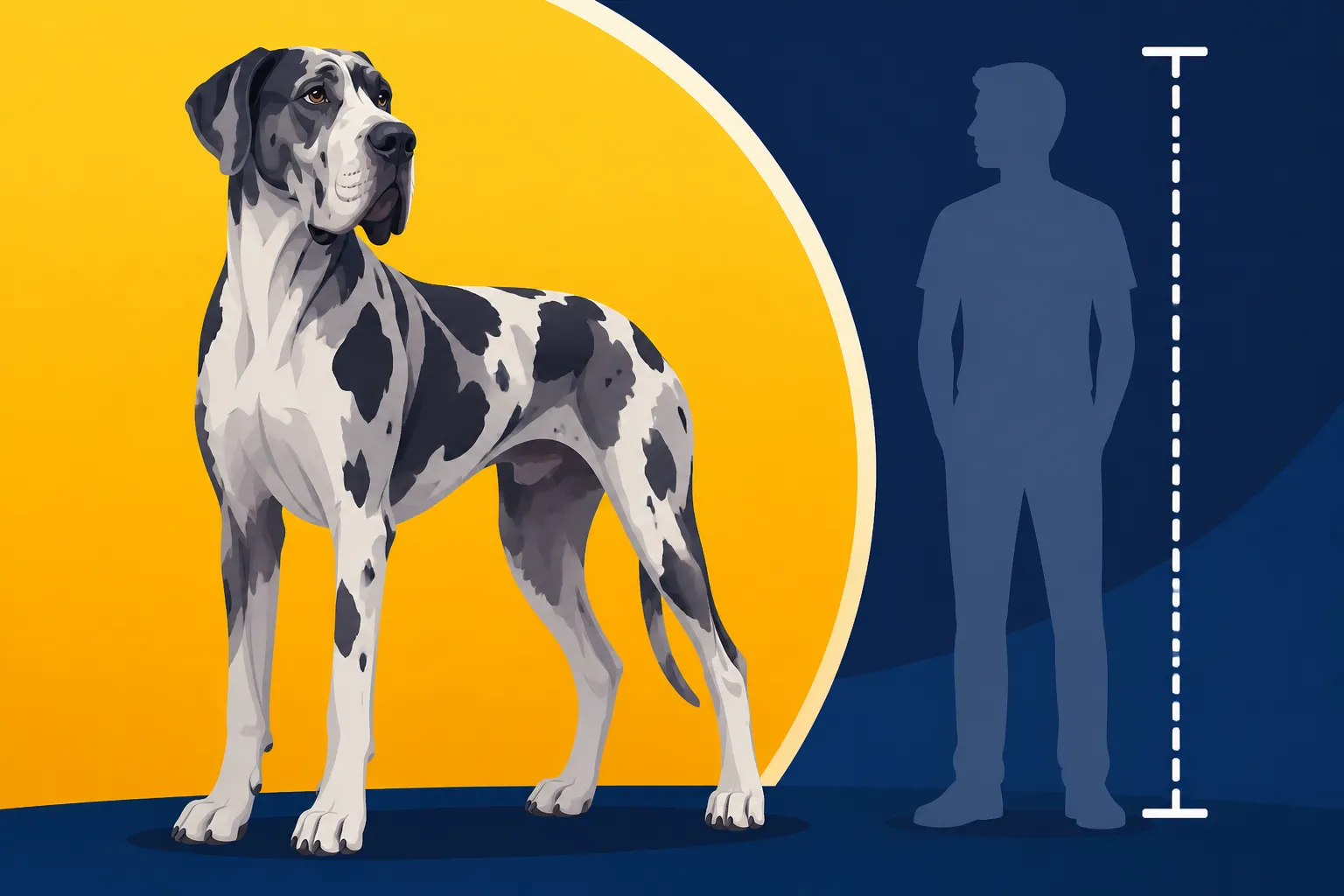
According to major kennel clubs like the AKC, the minimum height for a male Great Dane at the shoulder is typically around thirty inches. However, the standard often prefers males to be thirty-two inches or taller. This means that a well-bred male Great Dane, bred for conformation and adhering to the ideal, will often meet or exceed this thirty-two-inch mark, with some reaching thirty-four, thirty-six inches, or even more. The phrase The Great Dane the Show Ring Is Looking For highlights this pursuit of impressive, but balanced, stature.
It’s crucial to understand that the standard isn't solely about height. It describes an overall picture of balance, substance, and soundness. A Great Dane shouldn't be tall and spindly; it should have substantial bone, powerful musculature, and a noble head, all in proportion to its impressive height. A dog that is thirty-two inches tall but lacks substance or appears gangly wouldn't be considered ideal.
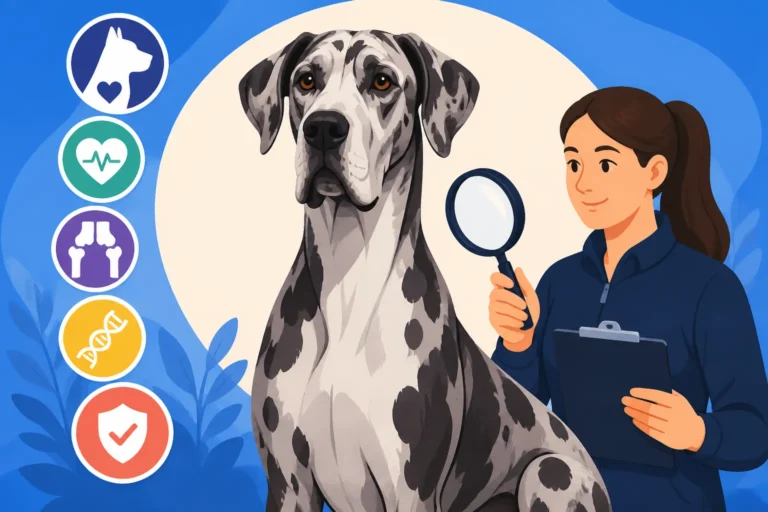
Breeders who are dedicated to the standard work tirelessly to produce Danes that embody these qualities. They're looking for dogs that are not only tall but are also structurally sound, with good movement and excellent temperament. This means carefully selecting breeding stock that has been health-screened, with particular attention paid to joint health and cardiac health, as these are common concerns in giant breeds. Understanding What a Great Dane Breeder Should Be Screening For is vital for any prospective owner.
When you're looking at a litter of puppies, a responsible breeder will be able to discuss the expected adult size of their puppies, often based on the height and lineage of the parents. While there are no guarantees, a thirty-two-inch male often comes from lines where both parents are also substantial in size and correct in their proportions. They might show you photos or even introduce you to relatives to give you a sense of the mature size and build.
Implications of Exceeding the Minimum
While thirty-two inches is often the minimum preferred height, many impressive males happily sail past this mark, reaching truly colossal sizes. These are the dogs that truly earn the "gentle giant" moniker, standing head and shoulders (literally) above many other breeds.
However, extreme size can come with its own set of considerations. While an imposing presence, some studies suggest that excessive growth can sometimes put additional strain on developing joints, potentially increasing the risk of orthopedic issues like hip and elbow dysplasia. This is why discussions about Great Dane Hips, Elbows and Growing Joints are so prevalent in the breed community.
Because of this, experienced breeders and veterinarians advocate for what's known as "slow growth" in Great Dane puppies. This isn't about underfeeding, but rather ensuring puppies don't grow too rapidly or put on too much weight too quickly, which can exacerbate joint problems. Special large-breed puppy foods are formulated with controlled calcium and phosphorus levels to support this slower, healthier development. Learning Why a Great Dane Puppy Should Grow Slowly can make a huge difference in their long-term health.
When considering a very large male Great Dane, it’s important to research the lineage carefully. Look for breeders who prioritize health and longevity over simply size for size's sake. They should be transparent about health testing on their breeding dogs and be able to discuss the temperament and health history of their lines. Asking about the size and health of the grandparents and great-grandparents can provide valuable insight into the genetic potential and potential challenges of your prospective puppy.
Practicalities of Life with a Towering Dane
Bringing a thirty-two-inch male Great Dane into your home is an incredible experience, but it also necessitates some very real practical adjustments. Their immense size isn't just for show; it shapes every aspect of daily living.
Adapting Your Home Environment
The first thing you'll notice is their reach. Kitchen counters become fair game, not out of naughtiness, but simply because their head and nose are naturally at counter height. Forget leaving food cooling on the stove or mail on the table; if it's within reach, it's fair game for investigation. You'll quickly develop new habits of clearing surfaces, ensuring anything valuable or dangerous is safely tucked away in cabinets or on higher shelves.
Then there's the question of space. A dog this size takes up a lot of room. Their beds are massive, needing their own dedicated corner. You'll need an orthopedic bed – thick, supportive, and durable – to protect their joints. Many owners find fantastic options on sites like Chewy that specialize in heavy-duty, large-breed bedding. Similarly, crates, if you choose to use one, must be exceptionally large and robust, like those often discussed when looking for Crates That Hold a Full-Grown Great Dane. These aren't your average wire crates; they're often reinforced and sized for maximum comfort.
Maneuvering a giant dog through your home, especially if you have narrow hallways or small doorways, requires planning. They might need to turn sideways to fit, or you might find yourself constantly moving furniture to create wider paths. And don't even get us started on cars! Fitting a Great Dane into a standard sedan is often impossible. You'll likely need an SUV, a van, or a truck with a cap. Think about Fitting a Great Dane Into a Car long before you bring your puppy home.
Imagine this scenario: you've just come home from the grocery store, arms laden with bags. Your excited Dane greets you at the door, doing a happy dance that involves a lot of tail wagging and clumsy pawing. You quickly learn to brace yourself, to anticipate their movements, and to always have a free hand for a reassuring pet to calm them before you risk dropping everything (or being knocked over yourself!).
Daily Care and Management Challenges
Feeding a thirty-two-inch Great Dane is a commitment. They consume an enormous amount of food – typically six to ten cups of high-quality kibble per day, sometimes more, depending on their activity level and metabolism. This makes understanding Feeding an Adult Great Dane Six to Ten Cups crucial for budgeting and nutritional planning. Buying giant bags of kibble or specialized diets, often from online suppliers like Chewy, becomes the norm. Water intake is also significant, so expect multiple large water bowls scattered throughout the house.
Grooming and vet visits also pose unique challenges. While their short coats are relatively low-maintenance, a thirty-two-inch dog still sheds a surprising amount. Brushing requires a large brush and a good bit of time. And when it comes to vet appointments, a 150-pound dog cannot simply be lifted onto an exam table by one person. Many vets prefer to examine giant breeds on the floor, or with the help of a sturdy lifting table. Even routine tasks like Trimming Nails on a Great Dane That Outweighs You become a significant endeavor, often requiring specialized clippers or a dremel.
Exercise, too, is different. While Great Danes aren't typically high-energy dogs that need to run for miles, they do need regular, moderate exercise to maintain muscle tone and joint health. However, because of their rapid growth and potential for joint issues, forced, high-impact exercise, especially during puppyhood, should be avoided. Instead, focus on controlled walks and gentle play. Understanding Exercise Limits While a Great Dane Is Still Growing is essential to prevent injury.
Picture the logistics of bath time: you can't just lift them into the tub. Many owners invest in walk-in showers or take their Danes to professional groomers with dedicated giant-dog bathing stations. Then there's the management of health issues; a sudden illness or injury means transporting a heavy, potentially uncooperative dog to the vet, and any medications prescribed will be in truly colossal doses.
The Temperament and Training Imperative
The "gentle giant" moniker is well-earned by the Great Dane, but their incredible size makes proper training and socialization not just desirable, but absolutely non-negotiable for safety and harmonious living.
The Gentle Giant Reputation vs. Reality
Great Danes are renowned for their sweet, affectionate, and relatively docile nature. They typically bond deeply with their families and often get along well with children and other pets when properly socialized. They are indeed gentle at heart. However, their sheer size means that even an accidental bump or a clumsy playful leap can have serious consequences. A happy tail wag, for instance, can clear a coffee table in seconds, sending drinks, remotes, and delicate décor flying. A playful body slam from a 150-pound dog can easily knock over an adult, let alone a child.
This is why, despite their gentle disposition, solid training is paramount. You simply cannot allow a dog of this magnitude to develop bad habits like jumping on people or pulling on the leash. It's not just an inconvenience; it can be dangerous. Early and consistent socialization, exposing them positively to various sights, sounds, people, and other animals, is crucial to building a confident, well-adjusted giant. This proactive approach underscores Why Great Dane Training Cannot Wait.
Consider a bustling family gathering: your sweet Dane wants to greet everyone with enthusiasm. Without proper training, he might jump up, put his massive paws on someone's shoulders, or simply lean heavily, causing an unsuspecting guest to lose their balance. With children, even a gentle nudge from a Dane can send a toddler tumbling. Teaching your dog to greet politely with all four paws on the floor is not just good manners; it's a safety measure for everyone involved.
Essential Training for a Large Dane
Training for a male Great Dane needs to start the moment they come home as a puppy, and it needs to be consistently reinforced throughout their lives. Basic obedience commands like "sit," "stay," "down," and "come" are the foundation, but "off" (for jumping) and "leave it" (for counter-surfing prevention) are particularly vital. Positive reinforcement methods work wonderfully with Danes, who are generally eager to please.
Leash manners are probably one of the most critical training elements. A 150-pound Great Dane pulling on the leash can easily drag an adult off their feet, especially if they catch sight of a squirrel or another dog. Investing in a good-quality, well-fitting harness (like a front-clip harness) and consistent training on loose-leash walking are essential. This is precisely why articles on Great Dane Leash Manners at a Hundred and Fifty Pounds exist – because it's a very real challenge.
Professional trainers who have experience with giant breeds can be an invaluable resource, especially if you're a first-time Great Dane owner. They can provide guidance on managing their size and strength, addressing specific behavioral challenges, and ensuring your dog grows into a well-behaved companion. Consistency is key, with everyone in the household using the same commands and expectations.
Imagine walking your powerful Great Dane through a busy park. With excellent leash manners and solid recall, you can navigate crowds and allow for safe, controlled interactions. Without it, every walk becomes a battle, a potential injury risk, and a source of stress for both you and your dog. Their impressive size demands responsible ownership and a dedication to lifelong training and socialization, ensuring they are not just gentle giants, but also well-mannered ambassadors for their magnificent breed.
Summary of Great Dane Male (32+ Inches) Characteristics
Here's a quick look at some key characteristics and considerations for a male Great Dane meeting or exceeding the 32-inch standard:
| Characteristic | Male Great Dane (32+ inches) | Female Great Dane (minimum 28 inches) |
|---|---|---|
| Height (Shoulder) | 32-36+ inches | 28-32 inches |
| Weight | 140-180+ lbs | 100-140 lbs |
| Food Intake (Adult Daily) | 6-10+ cups | 4-8 cups |
| Bed Size | XL to Giant | L to XL |
| Typical Temperament | Affectionate, noble, often goofy, protective | Gentle, watchful, can be more reserved, devoted |
| Training Importance | Absolutely critical for safety and management | Highly important for manners and control |
| Space Requirements | Significant; large indoor & vehicle space needed | Large; comfortable in larger homes & vehicles |
Disclaimer
This article is for general informational purposes only and does not constitute professional advice. Laws, prices and regulations vary by location and change over time. Consult a qualified professional for guidance on your specific situation.