What Comes Out of a Harlequin Great Dane Litter
It's a common assumption that if you breed two stunning Harlequin Great Danes, you'll get a litter full of beautiful Harlequins. The reality, however, is far more complex and involves a fascinating genetic lottery that can produce a range of colors, some highly sought after, and others with significant health implications. This guide will walk you through the genetic possibilities of a Harlequin Great Dane litter, shedding light on the colors you might see and the critical reasons behind responsible breeding practices.
The Genetic Blueprint: Understanding Harlequin
The striking appearance of a Harlequin Great Dane, with its pure white base and distinctive irregular black patches, is the result of a very specific genetic combination. It’s not just about mixing black and white; it’s about how certain genes interact to suppress and express color. Understanding this genetic dance is crucial to predicting what a Harlequin litter might produce, and more importantly, to ensuring the health of the puppies.
The Merle Gene and the Harlequin Modifier
At the heart of Harlequin genetics is the merle gene, denoted as 'M'. This gene creates the characteristic mottled or diluted coat pattern seen in merle Great Danes, where areas of solid color are interspersed with lighter, diluted patches. A dog with one copy of the merle gene (Mm) will display the merle pattern. However, a Harlequin isn't just a merle; it also possesses a special modifier gene, often referred to as the 'H' gene or harlequin modifier. This modifier essentially "cleans up" the merle pattern, turning the diluted areas to white and leaving only the black patches. It’s a fascinating interaction where the merle gene lays the groundwork, and the harlequin modifier refines it into the iconic Harlequin coat.
Think of it like this: the merle gene is the artist's first draft, sketching out light and dark areas. The harlequin modifier then comes in with an eraser and white paint, carefully lightening the diluted sections to brilliant white, while preserving the bold black brushstrokes. This is why a true Harlequin must always carry the merle gene. Without it, the modifier has nothing to act upon, and you wouldn't get the desired pattern. This complex interplay is why simply looking at two Harlequin parents doesn't tell the whole story of their genetic makeup.
Why Harlequins Aren't Just 'White with Patches'
While a Harlequin appears white with black patches, it's vital to understand that the white areas are not just a lack of pigment in the traditional sense, but rather an extreme expression of the merle gene influenced by the harlequin modifier. This is a key distinction. Some white dogs, like Samoyeds or Westies, are white because they lack the genes for any color expression, or they have genes that completely suppress color production. A Harlequin's white, however, is an active genetic process derived from merle.
This genetic distinction has profound implications for breeding. Because the Harlequin pattern is rooted in the merle gene, any breeding involving Harlequins carries the potential for producing merle offspring, or even double merle offspring, which we'll discuss in detail shortly. It's not a simple recessive trait where two white-patched parents always yield the same. Instead, it's a dynamic genetic system that requires careful management to ensure healthy outcomes, highlighting the intricate Harlequin and Merle Great Dane Genetics.
The Spectrum of Colors in a Harlequin Litter
When you breed Great Danes, especially Harlequins, you're opening a genetic Pandora's Box, albeit a beautiful and often unpredictable one. The expectation might be a litter of uniformly patterned Harlequin puppies, but the reality is far more diverse. A single litter can be a vibrant tapestry of various recognized Great Dane colors, making each breeding a unique event.
Expected Color Variations
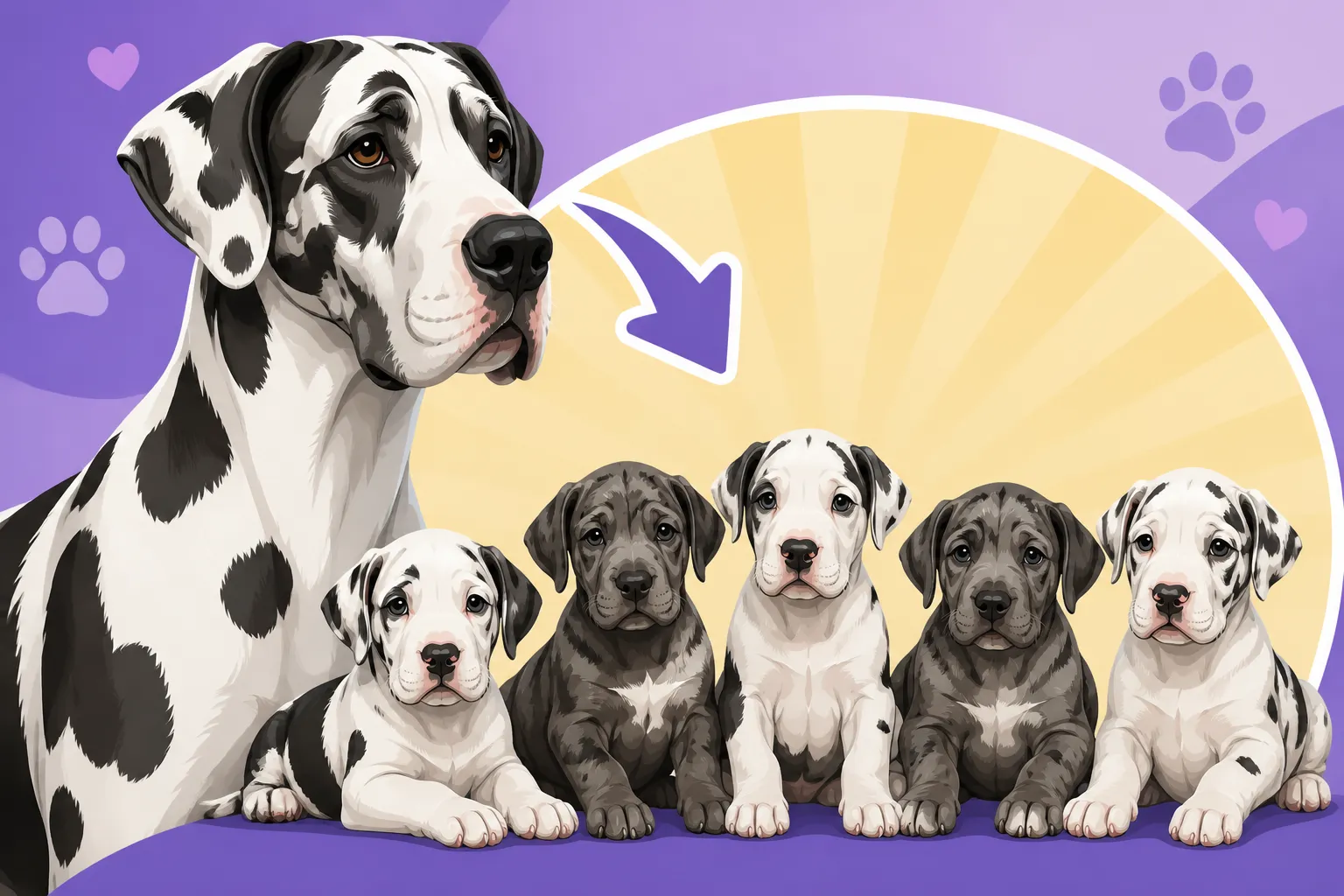
A Harlequin Great Dane is genetically a merle dog with the added harlequin modifier. Therefore, when breeding a Harlequin to another Harlequin, or even to a non-merle dog, you can expect a range of colors. The most commonly seen colors in such a litter, besides Harlequin itself, include Merle, Black, and Mantle. A Merle pup will display the classic mottled gray and black pattern, without the clean white background of a Harlequin. Black puppies will be solid black, and Mantle puppies will have a black body with white markings on the muzzle, chest, neck, and legs, often resembling a tuxedo. These variations arise because the parents are carriers of the merle gene, which can express itself in different ways depending on the other genes inherited by the pup.
For example, if you breed a Harlequin to a Mantle, you might see Harlequin, Merle, Black, and Mantle puppies in the litter. The Mantle parent provides the "solid" genetic foundation, and the Harlequin parent provides the merle and harlequin modifier genes. The combinations are numerous. It's a genetic puzzle where each piece, inherited from either parent, contributes to the final coat pattern. This variability is one of the reasons why ethical Harlequin breeding requires such a deep understanding of genetics and a responsible approach to selecting breeding pairs.
The Elusive 'Pure' Harlequin Ratio
Many hopeful breeders or prospective owners dream of a litter composed entirely of perfectly marked Harlequin puppies. However, achieving a litter of only Harlequins is virtually impossible. Genetically speaking, the Harlequin gene combination is such that even when breeding two Harlequins, you will inevitably produce other colors. A common simplified expectation for a Harlequin x Harlequin breeding might be a distribution that includes Harlequins, Merles, Blacks, and critically, 'Double Merles' or white Danes, which carry significant health risks. This mix of colors is not a sign of a "bad" breeding, but rather an inherent outcome of the complex genetic inheritance pattern of the Harlequin trait.
The phrase "elusive 'pure' Harlequin ratio" highlights that you can't guarantee a specific percentage of Harlequins. A breeder might aim for a higher proportion of Harlequins, but they must also be prepared for the other colors that will emerge. These include beautiful solid black pups, classic merles, and striking mantles. Each puppy, regardless of color, should meet the breed standard for conformation and temperament, emphasizing that color is just one aspect of a quality Great Dane. For more on how they should appear, check out What a Correct Harlequin Great Dane Looks Like.
Unexpected Solid and Merle Pups
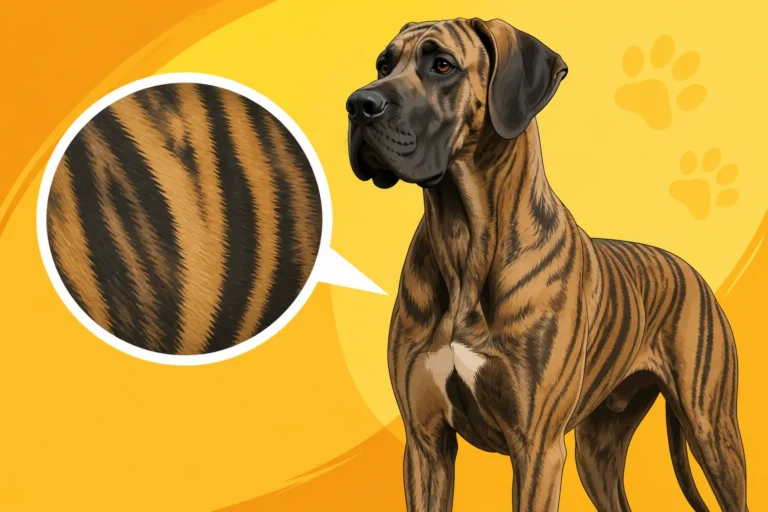
Beyond the Harlequin, Merle, Black, and Mantle, you might also see fawn or brindle variations if those genes are present in the lineage. While not as common in Harlequin-specific pairings unless a fawn or brindle dog is introduced, the underlying genetics can sometimes surprise even experienced breeders. The complexity truly emphasizes that Harlequin is not a stand-alone color gene but rather a modifier of the merle gene. This means a Harlequin Great Dane carries a copy of the merle gene (Mm) and also carries the harlequin modifier.
When these genes combine in different ways with the genes for base color (like black or fawn), you get the diverse palette of a Great Dane litter. A pup that inherits only one copy of the merle gene (Mm) but not the harlequin modifier will be a Merle. A pup that inherits no merle gene (mm) will be a solid color – either black, mantle, or potentially fawn/brindle if those genes are also present in the parents. This genetic reality means that a breeder must be prepared for, and responsibly place, all the colors that come out of a litter. You might even find some unexpected but perfectly healthy solid-colored pups that are just as magnificent as their Harlequin siblings. For a general overview of all possible coat patterns, you can read The Seven Great Dane Colors.
Here's a simplified look at potential outcomes from a Harlequin x Harlequin breeding, keeping in mind that actual ratios can vary and this does not account for all possible base colors:
| Offspring Type | Genetic Combination | General Appearance | Expected Health |
|---|---|---|---|
| Harlequin | MmHh | White with black patches | Generally healthy |
| Merle | Mmhh | Mottled gray and black | Generally healthy |
| Black | mm– | Solid Black | Generally healthy |
| Mantle | mm– | Black with white markings | Generally healthy |
| Double Merle | MMHh or MMhh | Predominantly white, often with small patches | High risk of deafness/blindness |
(Note: 'H' represents the Harlequin modifier, 'h' its recessive counterpart; 'M' represents the Merle gene, 'm' its non-merle counterpart. The exact genetic combination for a Mantle will involve other genes related to white spotting.)
The Critical Health Considerations: Double Merle
While the diversity of a Harlequin litter is fascinating, there's a serious side to the genetics involved, particularly concerning the potential for producing 'double merle' puppies. This outcome is not merely an aesthetic variation; it carries significant health risks that responsible breeders strive to avoid at all costs. Understanding the dangers of double merle is paramount for anyone considering breeding Harlequins or acquiring a puppy from merle-carrying lines.
The Dangers of Double Merle (White Danes)
A double merle Great Dane, often appearing predominantly or entirely white, occurs when a puppy inherits two copies of the merle gene (MM) – one from each parent. Because Harlequins carry the merle gene (Mm), breeding two Harlequins together creates a 25% statistical chance of producing a double merle puppy. This isn't just a concern for Harlequin x Harlequin pairings; any breeding involving two merle-carrying dogs (e.g., Harlequin x Merle, Merle x Merle) can result in double merles. These puppies are genetically distinct from standard white-marked dogs. Their extreme white coloration is directly linked to the excessive dilution caused by two copies of the merle gene, which unfortunately impacts more than just coat pigment.
The extensive depigmentation in double merle dogs often extends to the eyes and ears, leading to severe sensory impairments. These dogs can be partially or completely deaf, partially or completely blind, or suffer from microphthalmia (abnormally small eyes). In some extreme cases, puppies may be born with severely malformed eyes or even missing eyes altogether. The impact on their quality of life can be profound, making these outcomes a serious welfare concern. This is precisely Why Two Merle Great Danes Should Not Be Bred.
Understanding the Health Risks: Deafness and Blindness
The link between the double merle gene and sensory deficits is well-documented. The cells responsible for pigment in the coat, skin, and eyes are closely related to the cells that develop in the inner ear (which are crucial for hearing) and the structures within the eye. When the merle gene's diluting effect is compounded by two copies, it can disrupt the development and function of these critical cells, leading to irreversible damage. A double merle puppy might be born profoundly deaf, meaning it cannot hear at all, or experience varying degrees of hearing loss. Similarly, their vision can range from impaired to complete blindness.
Raising a deaf or blind Great Dane is a significant commitment. While these dogs can lead fulfilling lives with dedicated owners, they require specialized training, a safe and predictable environment, and often more extensive veterinary care. The potential for these severe health issues is why responsible breeders are so vigilant about their breeding practices. To learn more about this specific issue, you can read Why a White Great Dane Is Often Deaf, How Common Deafness Is in a White Great Dane, and Missing Eyes and Small Eyes in White Great Danes. It's a heavy burden for a puppy to carry and a difficult situation for any owner.
Why Avoiding Merle x Merle Breedings is Paramount
Given the severe health risks associated with double merle offspring, it is considered highly unethical to intentionally breed two merle-carrying Great Danes together. This includes Harlequin x Harlequin, Harlequin x Merle, and Merle x Merle pairings. Any reputable breeder will meticulously track the genetic background of their breeding dogs to prevent these combinations. While accidents can happen, intentional merle-to-merle breedings are a clear sign of an irresponsible breeder who prioritizes aesthetics or profit over the health and welfare of their dogs.
The goal is always to produce healthy puppies, and knowingly risking deafness and blindness is contrary to this principle. Instead, responsible Harlequin breeding typically involves pairing a Harlequin (MmHh) with a solid-colored dog (mm), such as a Black or Mantle. This ensures that any offspring will only receive one copy of the merle gene at most (Mm), thus avoiding the creation of double merles and their associated health problems. This conscious decision protects the puppies and supports the long-term health of the breed.
Responsible Breeding Practices for Harlequins
The unique genetics of Harlequin Great Danes demand an exceptionally high standard of care and responsibility from breeders. It’s not simply about producing beautiful puppies, but about ensuring every single one has the best possible start in life, free from preventable genetic health issues. For prospective Great Dane owners, understanding these practices is crucial for choosing a healthy companion.
The Importance of Genetic Testing and Pedigrees
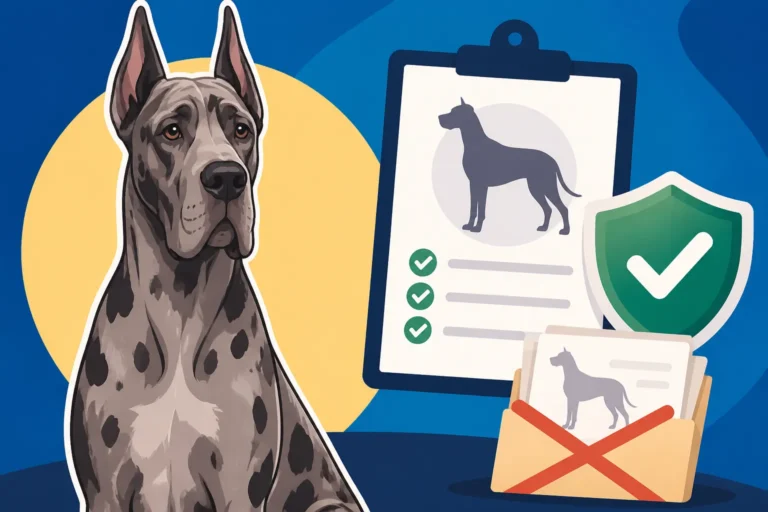
For any Great Dane, but especially for those carrying the merle gene, thorough genetic testing and a deep understanding of pedigrees are non-negotiable. Reputable breeders will not only know the color genetics of their breeding stock but will also perform health screenings for conditions common in the breed, such as cardiac issues (like Dilated Cardiomyopathy, or DCM) and orthopedic problems (like hip and elbow dysplasia). The merle gene's presence makes it even more critical to understand the lineage, as recessive genes can lurk, and the interaction of multiple genes is complex. Genetic tests can confirm a dog's merle status and help predict potential outcomes.
A detailed pedigree, going back several generations, offers insights into the genetic history of the dogs. It allows breeders to see if certain health issues consistently appear in a line, or if undesirable color combinations have been produced in the past. This knowledge empowers breeders to make informed decisions, selecting pairs that complement each other genetically and minimize the risk of known health concerns. When speaking with a potential breeder, always ask to see health clearances and discuss the genetic background of both parent dogs. You can learn more about what to expect with Reading a Great Dane Puppy's Health Papers and The Health Testing a Great Dane Breeder Owes You.
Ethical Breeding Choices for Harlequin Lines
Ethical breeding of Harlequins centers on avoiding the production of double merle puppies, as previously discussed. This means that a Harlequin should never be bred to another merle-patterned dog (Harlequin or Merle). Instead, Harlequins are typically bred to solid black or mantle-patterned Great Danes. These solid-colored dogs do not carry the merle gene (they are mm), ensuring that any puppy produced will only receive one copy of the merle gene from the Harlequin parent, resulting in either Harlequin, Merle, Black, or Mantle offspring, but not the high-risk double merle white Danes.
This mindful approach might mean that a breeder produces fewer Harlequin puppies in a given litter, or that a larger percentage are solid black or mantle. However, an ethical breeder understands that the health and welfare of the puppies far outweigh any desire for a specific color ratio. They will carefully plan each breeding, sometimes waiting longer to find the right partner for their Harlequin, ensuring that every pairing is designed to produce healthy, well-adjusted Great Danes that meet the breed standard in terms of temperament and conformation. It's a commitment to the breed's future, not just a quick sale.
Finding a Reputable Harlequin Breeder
Finding a reputable Harlequin Great Dane breeder requires patience and diligence. You're looking for someone who is transparent about their breeding practices, eager to educate prospective owners, and deeply committed to the health and welfare of their dogs. They should be open about the genetic risks associated with Harlequin breeding and explain how they mitigate these risks. Expect them to ask you a lot of questions, as they want to ensure their puppies go to responsible, loving homes.
A good breeder will show you where their dogs live, allow you to meet the parent dogs (at least the mother), and provide health clearances for both parents. They will offer a health guarantee for their puppies and be a resource for you throughout your dog's life. Be wary of breeders who offer "rare" colors without explanation, those who always seem to have puppies available, or those who cannot provide detailed health and pedigree information. You might find that reputable breeders have waiting lists, which is often a good sign. When preparing for your new puppy, you might be looking for essentials like food and toys; many owners find a wide selection of suitable items on sites like Chewy. A responsible breeder is an invaluable partner in your journey with a Great Dane. Even for everyday items like high-quality kibble or durable chew toys, platforms like Chewy make it easy to find products tailored for a giant breed.
Finally, remember that the cost of a puppy from a reputable breeder might be higher, reflecting the significant investment in health testing, quality care, and ethical breeding practices. But it's an investment in a healthy companion, minimizing potential heartaches and costly vet bills down the line. To ensure your puppy starts on the right foot, considering factors like proper nutrition and preventing rapid growth, which can impact joints, is crucial, and you can learn more about that in Whether a Great Dane Puppy Should Be Kept Lean. You'll want to ensure you have all the necessary supplies, and a place like Chewy can be a great resource for everything from large dog beds to specialized food. Even for ongoing needs, Chewy offers convenient delivery for the considerable bulk required by a Great Dane.
Disclaimer
This article is for general informational purposes only and does not constitute professional advice. Laws, prices and regulations vary by location and change over time. Consult a qualified professional for guidance on your specific situation.