Great Dane Eyelid and Eye Problems
It can be incredibly distressing to notice your magnificent Great Dane squinting, rubbing an eye, or showing any sign of discomfort around their eyes. These gentle giants, for all their impressive stature, are surprisingly prone to a range of eyelid and eye problems that can cause significant pain and potentially lead to vision loss if not addressed. This comprehensive guide will walk you through the most common ocular issues Great Danes face, how to spot them, and what you can do to keep your beloved companion’s eyes healthy and clear.
The Unique Challenges of Great Dane Eyelids and Eyes
When you share your life with a Great Dane, you quickly learn that their sheer size introduces a host of unique considerations, and their eyes are no exception. The structure of their skull, the size of their heads, and even their rapid growth can all play a role in developing eye issues. It’s not just about their striking appearance; understanding these predispositions is key to early detection and effective care.
Why Great Danes Are Prone to Eye Issues
Great Danes possess distinct facial features, including their deep-set eyes and often prominent brows, which can sometimes contribute to structural eyelid problems. Their genetics, unfortunately, also make them susceptible to certain inherited conditions that impact eye health. Unlike some breeds with very loose facial skin that can cause issues, Great Danes often have a more taut, yet still problematic, presentation. For example, the way their eyelids sit can make them more prone to turning inward or outward, which might seem like a minor cosmetic detail, but it’s actually a recipe for chronic irritation and infection. This isn't a reflection of poor care on your part, but rather a breed-specific characteristic we need to be vigilant about.
Recognizing the Subtle Signs of Discomfort
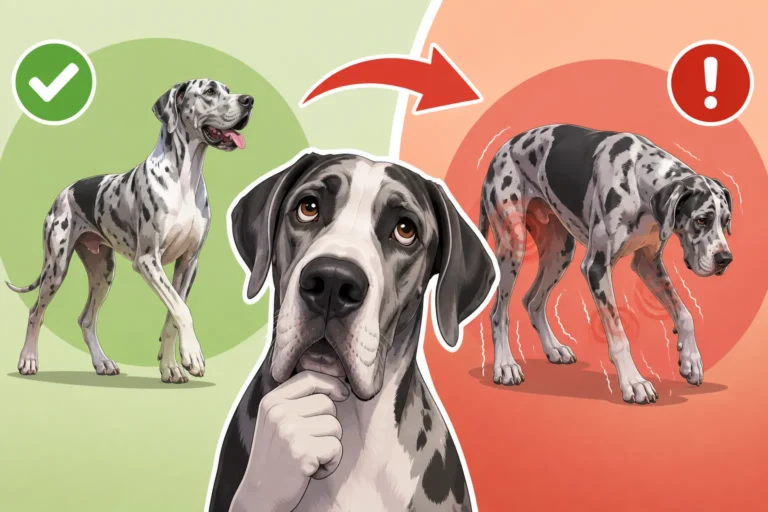
Because our Danes can't tell us directly when something hurts, it's up to us to become incredibly observant. Eye problems often start subtly. You might notice your Dane squinting slightly more than usual, even just for a few moments, or blinking excessively. Perhaps one eye seems to water a little more, leaving a damp streak down their face. They might also rub their face on furniture or with a paw, which is a big red flag. A small amount of discharge, changes in the clarity of their eye, or even a difference in how widely an eye is open are all cues that something isn't quite right. Never dismiss these minor observations as mere quirks; with a Great Dane, a minor eye irritation can quickly escalate into something much more serious due to their larger size and the potential for greater tissue damage from rubbing or infection.
Common Eyelid Conditions in Great Danes
Eyelid problems are among the most frequently diagnosed ocular issues in Great Danes. They are often structural, meaning they relate to the physical conformation of the eyelids themselves. While some conditions are more immediately obvious, others can be subtle yet cause chronic irritation.
Entropion: When Eyelids Roll Inward
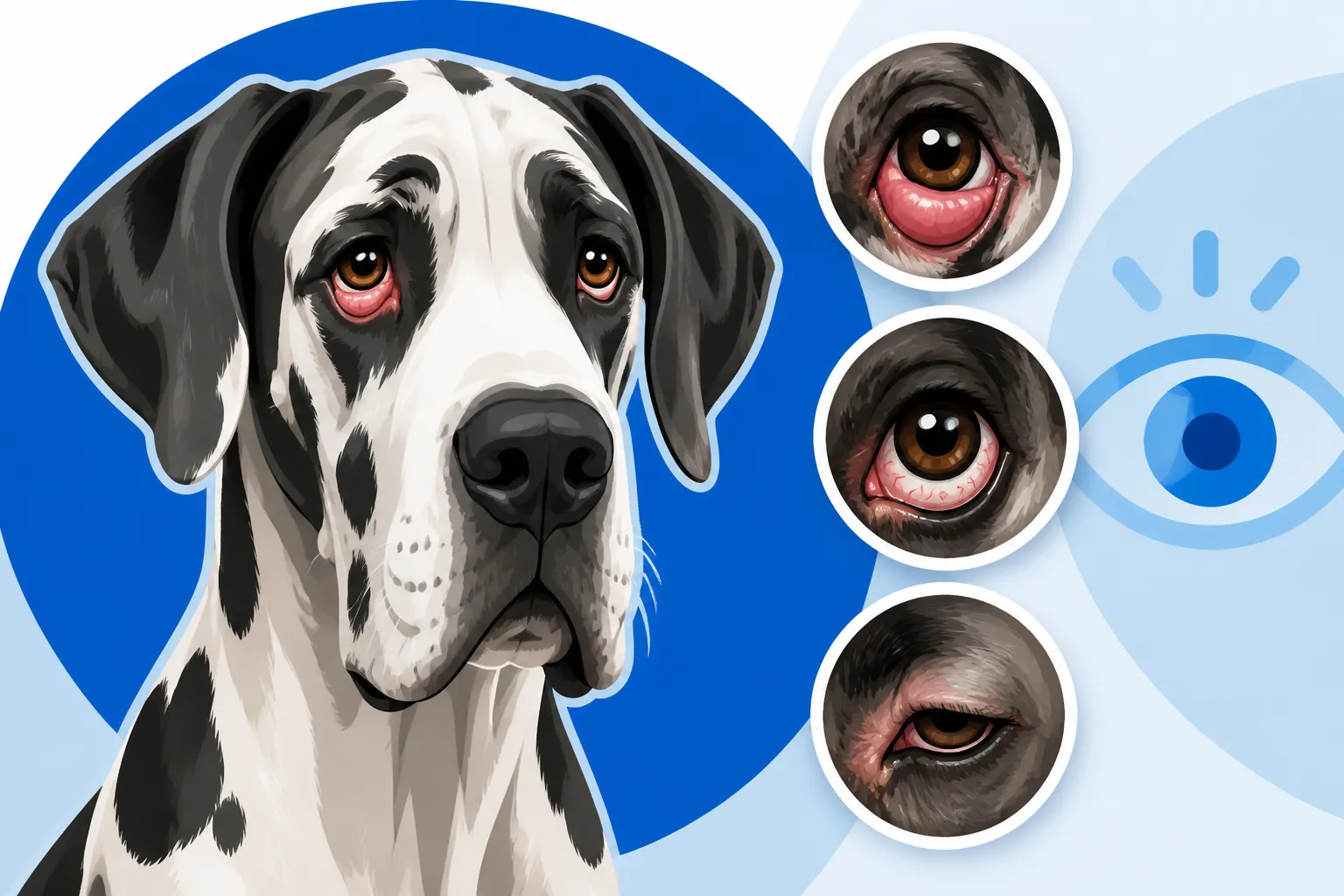
Entropion is one of the more common eyelid abnormalities seen in Great Danes, and it’s truly uncomfortable for them. This condition occurs when a portion of the eyelid, typically the lower one, rolls inward towards the eyeball. Imagine having your eyelashes constantly scratching against your eye; that's what your Dane experiences. The result is chronic irritation, excessive tearing, squinting, and often a thick, mucous discharge. Over time, this constant rubbing can cause corneal ulcers, scarring, and even lead to vision impairment if left untreated. It’s heartbreaking to see your gentle giant in such discomfort, and it’s important to understand that this isn’t just a cosmetic issue.
Breeders committed to improving the Great Dane's health strive to reduce the incidence of entropion through careful breeding, but it can still appear even in well-bred lines. Often, you'll notice signs of entropion when your Great Dane is still a puppy, between six months and a year old, as their head develops. If you suspect your Great Dane puppy has entropion, it’s crucial to get them to the vet quickly to prevent long-term damage. Sometimes, a temporary solution like eyelid tacking sutures can alleviate the irritation in puppies until they finish growing, after which permanent surgical correction might be necessary.
Ectropion: The Droopy Eyelid Look
On the opposite end of the spectrum from entropion is ectropion, where the eyelid, usually the lower one, rolls or sags outward, exposing the delicate conjunctiva lining the inside of the eyelid. This gives the dog a droopy, often sad-eyed appearance. While it might look charming on some breeds, for Great Danes, it exposes the eye to environmental irritants like dust, dirt, and wind, making them prone to dryness, conjunctivitis (inflammation of the conjunctiva), and secondary bacterial infections. You might notice their eyes constantly tearing, looking red, and perhaps developing discharge.
While often less immediately painful than entropion, chronic exposure from ectropion can lead to persistent issues and discomfort. The severity can vary greatly, from a mild sag that requires little more than diligent cleaning to a more pronounced outward roll that necessitates surgical correction. If your Great Dane consistently has red, watery eyes and seems sensitive to bright light or dust, ectropion could be the culprit. A veterinarian can assess the degree of ectropion and recommend the best course of action, which might involve topical medications or, in more severe cases, a minor surgical procedure to tighten the eyelid.
Cherry Eye: The Red Lump in the Corner
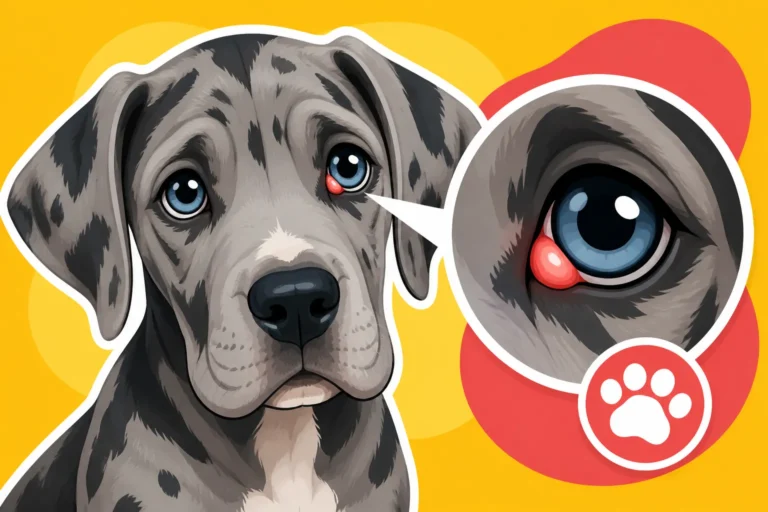
Another common and rather alarming eye condition in Great Danes is what’s colloquially known as "cherry eye." This happens when the nictitating membrane, or third eyelid gland, prolapses, meaning it pops out of its normal position and becomes visible as a red, swollen mass in the inner corner of the eye. It looks exactly like a small cherry, hence the name, and it can be quite shocking to see suddenly appear. This gland is crucial for tear production, and when it prolapses, it can lead to dryness, irritation, and inflammation.
While the exact cause isn't always clear, a weakness in the connective tissue that holds the gland in place is thought to be a factor, and Great Danes, among other large breeds, are predisposed. When you see that red lump in a Great Dane puppy's eye corner, it needs immediate veterinary attention. Timely intervention is important to protect the gland's function. The good news is that cherry eye is typically corrected with a relatively straightforward surgical procedure that repositions the gland, often tucking it back into a pocket created in the eyelid. It's vital to choose a procedure that repositions the gland rather than removing it, as removing it can lead to chronic dry eye later in life.
Beyond the Lids: Other Ocular Concerns
While eyelid issues are prevalent, Great Danes can also suffer from other, more complex eye conditions that affect deeper structures of the eye, impacting vision and overall comfort. These conditions often require specialized diagnostic tools and treatments.
Glaucoma and the Pressure Problem
Glaucoma is a serious and painful eye condition characterized by increased pressure within the eyeball. This elevated pressure damages the optic nerve and can lead to irreversible blindness if not treated promptly. Unfortunately, Great Danes are considered to be at a higher risk for developing primary glaucoma, which is an inherited form not caused by other underlying conditions. The pain associated with glaucoma can be intense, and your dog might show signs like severe squinting, a dilated pupil that doesn't respond to light, a cloudy or blue appearance to the cornea, and a noticeable enlargement of the eyeball itself.
Early detection is paramount with glaucoma. Regular veterinary check-ups, especially as your Great Dane ages, should include an assessment of eye health. If glaucoma is suspected, your vet will use a tonometer to measure the intraocular pressure, similar to how eye pressure is checked in humans. Treatment typically involves a combination of eye drops to lower the pressure and oral medications, but in severe cases, surgery may be considered to relieve pressure or, unfortunately, to remove the eye if pain cannot be managed. This condition is a stark reminder of why it's so important to monitor your dog's eyes daily and seek professional help at the first sign of trouble. For more insights into common Great Dane ailments and associated costs, you might find articles on insuring a Great Dane against bloat and heart bills helpful, as they often touch upon managing expensive health issues.
Cataracts: Cloudy Vision in Your Gentle Giant
Cataracts occur when the lens of the eye becomes cloudy or opaque, obstructing the passage of light and leading to impaired vision or even blindness. While often associated with aging, Great Danes can develop cataracts for various reasons, including inherited predispositions, diabetes, or injury. A senile cataract, developing in an older Great Dane, is a common occurrence, much like in humans, and often progresses slowly. However, juvenile cataracts can also affect younger Great Danes and may progress more rapidly.
You might first notice your Great Dane bumping into objects in dimly lit environments or seeming hesitant to navigate familiar spaces. Visually, the pupil may appear hazy or bluish-white instead of clear and black. While not always painful, cataracts can significantly diminish your dog’s quality of life, especially if they severely impact vision. Diagnosis involves a thorough eye exam by a veterinarian, often with specialized equipment. In many cases, especially if vision is significantly affected, surgical removal of the cataract is an option, offering a chance to restore sight. It's a specialized procedure performed by a veterinary ophthalmologist, but for many Danes, it provides a dramatic improvement in their quality of life.
Progressive Retinal Atrophy PRA and Vision Loss
Progressive Retinal Atrophy (PRA) is a group of inherited degenerative diseases that affect the retina, the light-sensitive tissue at the back of the eye. In Great Danes, certain forms of PRA can lead to the gradual deterioration of the photoreceptor cells (rods and cones), ultimately resulting in complete blindness. This condition is particularly insidious because it’s usually painless, and the signs often start subtly, making early detection challenging without specific genetic testing.
The first noticeable symptom is typically night blindness, where your Great Dane struggles to see in low light or at dusk. As the disease progresses, their daytime vision will also begin to fail. You might notice their pupils becoming increasingly dilated, and sometimes the eyes will have an increased reflective quality (tapetum lucidum) when light shines on them. Currently, there is no cure or effective treatment for PRA, but genetic tests are available for some forms, allowing responsible breeders to screen their breeding stock. While it's heartbreaking to face, many dogs adapt remarkably well to blindness, especially when the process is gradual. Owners can learn to modify their home environment and routine to help their blind Great Dane thrive.
Eye Problems Specific to White and Merle Danes
Great Dane coat colors are beautiful and varied, but specific genetic combinations, particularly those involving the merle gene, can lead to increased risks of certain health problems, including ocular issues. "Double merles" – dogs that inherit two copies of the merle gene – often appear largely white and are unfortunately prone to multiple congenital defects, including severe eye abnormalities.
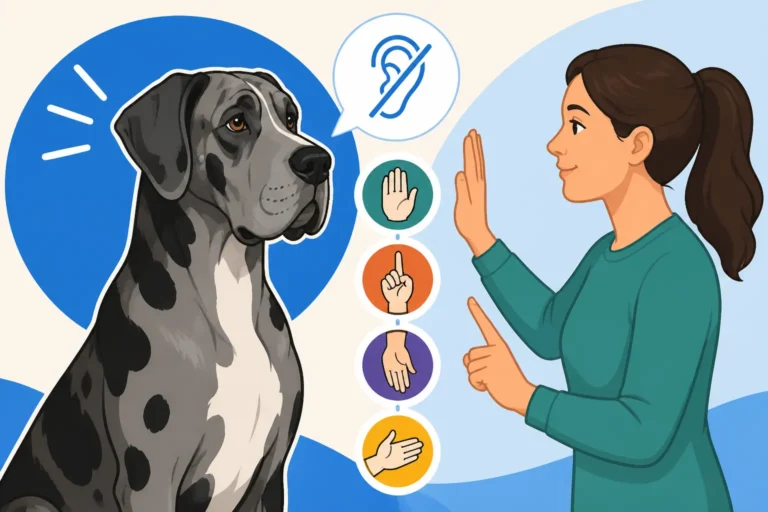
These can range from microphthalmia (abnormally small eyes), colobomas (defects in the iris or other eye structures), to even complete absence of the eyes (anophthalmia). These conditions are often accompanied by deafness, as the genes responsible for coat color also play a role in the development of the auditory system. This is precisely why responsible breeders understand the critical importance of avoiding breeding two merle-patterned Great Danes together. If you’re considering a white Great Dane, or one with extensive merle patterning, it's absolutely crucial to inquire about their parentage and any associated health screenings. It's a sad reality, and these issues highlight why articles like Missing Eyes and Small Eyes in White Great Danes and Why a White Great Dane Is Often Deaf are so important for potential owners to read and understand.
Diagnosing and Treating Great Dane Eye Problems
When your Great Dane shows any sign of eye discomfort or changes in appearance, it’s natural to feel worried. The good news is that many eye conditions are treatable, especially with early and accurate diagnosis. Knowing what to expect at the vet and understanding potential treatment paths can help alleviate some of that anxiety.
What to Expect at the Vet
Your first step should always be a visit to your regular veterinarian. They will start with a thorough general physical exam, but their focus will quickly turn to a detailed ocular examination. This typically involves:
- Visual Inspection: Looking for obvious signs like redness, swelling, discharge, or changes in pupil size.
- Schirmer Tear Test: This measures tear production, which is important for diagnosing dry eye, a condition that can accompany ectropion or other issues affecting tear glands.
- Fluorescein Stain: A special dye is applied to the eye to detect corneal abrasions or ulcers, which glow bright green under a black light. This is critical for painful conditions like entropion.
- Ophthalmoscopy: Using an ophthalmoscope, your vet can examine the internal structures of the eye, like the retina and optic nerve, to look for cataracts, PRA, or other internal damage.
- Tonometry: If glaucoma is suspected, a tonometer will be used to measure the pressure inside the eye.
- Fundic Exam: This looks at the back of the eye (fundus) to check the retina and optic nerve.
In many cases, your general veterinarian can diagnose and treat common eye conditions. However, for more complex or persistent issues, they may recommend a referral to a veterinary ophthalmologist – a specialist in animal eye care. These specialists have advanced training and equipment to provide the most precise diagnosis and treatment plan. Don't be afraid to ask your vet whether a Great Dane needs an eye exam as part of their routine care; for this breed, it’s often a very good idea. And when it comes to covering the costs of specialized care, pet insurance providers like Healthy Paws can be a real lifesaver, helping manage unexpected vet bills for these conditions.
Surgical Solutions for Eyelid and Eye Conditions
For many structural eyelid problems and some internal eye conditions, surgery offers the most definitive and effective treatment.
- Entropion and Ectropion: Surgical correction for these conditions involves carefully removing a small wedge of skin and muscle from the affected eyelid to reposition it correctly. The goal is to ensure the eyelid margin sits flush with the eyeball, preventing eyelashes from rubbing or the conjunctiva from being exposed. These procedures are typically performed under general anesthesia.
- Cherry Eye: As mentioned, surgery for cherry eye aims to reposition the prolapsed gland of the third eyelid back into its normal pocket, rather than removing it. This helps preserve crucial tear production. This is usually a swift and effective procedure.
- Cataracts: Cataract surgery involves phacoemulsification, where an ultrasonic device breaks up the cloudy lens, which is then aspirated out. An artificial intraocular lens can often be implanted to restore clear vision. This is a delicate micro-surgical procedure performed by a veterinary ophthalmologist.
- Glaucoma: Surgical options for glaucoma range from procedures that create new drainage pathways for fluid in the eye to reduce pressure, to more aggressive options like cyclocryosurgery (freezing ciliary body tissue to reduce fluid production) or, in cases of intractable pain and blindness, enucleation (surgical removal of the eye).
It's important to discuss the risks and benefits of any surgical procedure with your vet or a specialist. Anesthesia risk in a Great Dane can be higher due to their size and potential for certain health conditions, so pre-surgical bloodwork and a thorough cardiovascular assessment are always recommended. The recovery period will involve a cone (E-collar) to prevent pawing at the eye, along with various eye drops and medications.
Managing Chronic Eye Conditions
Not all eye conditions are curable with a single surgery or course of medication. Some require ongoing management to maintain comfort and preserve vision as much as possible.
- Chronic Dry Eye (Keratoconjunctivitis Sicca – KCS): If the tear gland function is permanently impaired (sometimes a consequence of cherry eye removal or other factors), daily eye drops that stimulate tear production or provide artificial tears are often necessary for life. This management prevents corneal ulcers and maintains eye health.
- Inoperable Glaucoma: For some cases of glaucoma where surgery isn't an option or is declined, ongoing medical management with various eye drops and oral medications is crucial to control intraocular pressure and pain. However, even with diligent care, vision may still be lost over time.
- Blindness: For dogs with irreversible blindness, the management shifts to adapting their environment. This means keeping furniture in consistent locations, using scent markers, and ensuring their daily routine is predictable. Blind dogs rely heavily on their other senses, and with patient guidance, they can live full, happy lives. Regular vet visits are still important to ensure no new, painful eye conditions arise. Healthy Paws can also assist with the costs of medications and ongoing care for chronic conditions, providing significant peace of mind.
Proactive Care and Prevention for Your Dane's Eyes
While some eye conditions are genetic and unavoidable, there's a great deal you can do as a Great Dane owner to support their ocular health and minimize risks. Proactive care is truly the best defense for your gentle giant's precious eyesight.
Daily Eye Checks and Routine Cleaning
Making a quick eye check part of your daily routine can make a world of difference in catching problems early. It only takes a minute or two, and your Great Dane will quickly get used to it, especially if you pair it with praise and a treat.
Here’s what to look for during your daily check:
- Clarity and Brightness: Do the whites of their eyes look clear and white, not red or yellow? Are their corneas (the clear front surface) transparent and glistening, not cloudy or dull?
- Discharge: Is there any excessive tearing, pus-like discharge, or thick mucus? A small amount of clear discharge in the morning can be normal, but anything more should be noted.
- Eyelid Position: Are the eyelids sitting correctly against the eyeball, not rolled in or out? Are there any visible red lumps (cherry eye) in the inner corner?
- Pupil Size: Are both pupils the same size? Do they constrict in bright light and dilate in dim light?
- Behavioral Cues: Is your Dane squinting, blinking excessively, pawing at their face, or rubbing their eyes on furniture?
For routine cleaning, if your Great Dane has any tear staining or minimal clear discharge, gently wipe the area with a soft, damp cloth or a cotton ball moistened with plain water or a veterinarian-approved eye cleaning solution. Always wipe away from the eye, towards the nose, and use a fresh cloth for each eye to prevent cross-contamination. Avoid using human eye drops or harsh chemicals near your dog's eyes. Teaching a Great Dane puppy where to go during these grooming sessions will also help you out in the long run, making them more tolerant of handling.
The Importance of Responsible Breeding and Health Testing
For Great Danes, just like with many purebred dogs, genetics play a significant role in susceptibility to eye diseases. This is why choosing a puppy from a responsible breeder is perhaps the single most important preventative measure you can take. A reputable breeder will be transparent about the health history of their breeding dogs and their puppies.
When looking for a Great Dane puppy, always ask to see evidence of health testing for the parents. This should include:
- OFA Eye Certification: The Orthopedic Foundation for Animals (OFA) maintains a registry of dogs that have undergone comprehensive eye exams by certified veterinary ophthalmologists. Parents should have clear eye certifications, ideally renewed regularly.
- Genetic Testing: For conditions like PRA, specific DNA tests are available. A responsible breeder will test their dogs to ensure they are not carriers or affected, thereby preventing the transmission of these genes to their offspring.
While these tests don't guarantee a puppy will never develop an eye issue, they significantly reduce the risk of inherited conditions. Reputable breeders are actively working to improve the health of the breed, and part of that commitment involves understanding The Health Testing a Great Dane Breeder Owes You. Don't be shy about asking for reading a Great Dane puppy's health papers; it's your right as a potential owner to ensure you're bringing home the healthiest possible companion.
Nutritional Support for Ocular Health
While a balanced, high-quality diet is fundamental for overall health, specific nutrients can also play a supportive role in ocular health. While nutrition alone can't prevent genetic conditions, it can contribute to the general well-being of the eyes.
Consider discussing with your veterinarian if your Great Dane would benefit from supplements containing:
- Antioxidants: Vitamins C and E, beta-carotene, and lutein can help protect the eye from oxidative stress and free radical damage, which are implicated in age-related eye conditions like cataracts.
- Omega-3 Fatty Acids: EPA and DHA, found in fish oil, have anti-inflammatory properties and are important for retinal health. They can also help with dry eye conditions.
- Taurine: This amino acid is critical for heart health in Great Danes and also plays a role in retinal function.
Always consult your veterinarian before adding any supplements to your Great Dane's diet, as excessive amounts of certain nutrients can be harmful. They can help you determine appropriate dosages based on your dog's individual needs, age, and any existing health conditions. A good diet, combined with regular vet check-ups and proactive observation, creates the best possible foundation for your Great Dane's long-term eye health.
| Eye Condition | Description | Common Signs | Typical Onset | Treatment Options |
|---|---|---|---|---|
| Entropion | Eyelid rolls inward, causing eyelashes to rub cornea. | Squinting, excessive tearing, discharge, corneal ulcers. | Puppyhood (6-12 months) | Surgical correction, temporary tacking in puppies. |
| Ectropion | Eyelid sags outward, exposing conjunctiva. | Redness, dryness, chronic conjunctivitis, discharge. | Any age, often congenital | Topical meds, surgical tightening in severe cases. |
| Cherry Eye | Prolapse of the third eyelid gland (nictitating membrane). | Red, swollen mass in inner eye corner, irritation. | Puppyhood/Young Adult | Surgical repositioning of the gland. |
| Glaucoma | Increased pressure inside the eye, damaging optic nerve. | Pain, squinting, dilated pupil, cloudy cornea, eye enlargement. | Mid-age, can be acute | Eye drops, oral meds, various surgeries, enucleation. |
| Cataracts | Clouding of the eye's lens, obstructing vision. | Hazy/bluish-white pupil, bumping into objects, vision loss. | Any age (juvenile/senile) | Surgical removal (phacoemulsification) with lens implant. |
| PRA (Progressive Retinal Atrophy) | Degeneration of retinal photoreceptor cells, leading to blindness. | Night blindness, progressive daytime vision loss, dilated pupils. | Varies by form, often early adulthood | No cure; environmental adaptation. |
Disclaimer
The information provided in this article is for general informational purposes only and is not a substitute for professional veterinary advice. Always consult with a qualified veterinarian for any health concerns or before making any decisions related to your Great Dane's health and treatment.