Whether Great Dane Wobblers Get Worse
It’s heartbreaking to watch your majestic Great Dane struggle with something as fundamental as walking, and if you’re a Great Dane owner whose beloved companion has been diagnosed with Wobbler Syndrome, or Cervical Spondylomyelopathy (CSM), one of the most pressing questions on your mind is undoubtedly: will it get worse? This guide is here to provide a realistic, empathetic look at the progression of Wobbler Syndrome, helping you understand what to expect, how to manage the condition, and ultimately, how to give your Dane the best possible quality of life.
Understanding Cervical Spondylomyelopathy Wobbler Syndrome in Great Danes
Wobbler Syndrome is a condition that sounds as unsettling as it is in practice. For Great Dane owners, it’s a terrifying prospect because it directly impacts their dog's ability to move, often leading to a characteristic wobbly gait that gave the syndrome its common name.
What is Wobbler Syndrome and Why Great Danes are Prone to it?
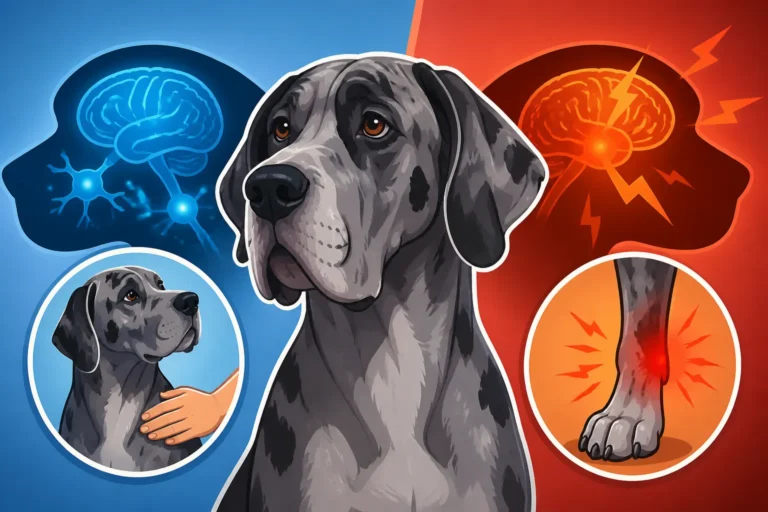
At its heart, Wobbler Syndrome is a neurological condition stemming from compression of the spinal cord and/or nerve roots in the neck (cervical spine). Imagine a garden hose with kinks – that’s essentially what’s happening with your Dane’s spinal cord. This compression can be caused by a variety of factors, but in giant breeds like Great Danes, it often involves malformation of the vertebrae themselves or problems with the intervertebral discs. Great Danes, along with other large and giant breeds like Doberman Pinschers and Basset Hounds, are unfortunately predisposed to this condition due to their rapid growth rate and specific genetics related to neck development. The sheer size and length of their necks can put particular stress on the cervical vertebrae, making them more susceptible to these structural abnormalities. For a deeper dive into Why Great Dane Neck Vertebrae Pinch the Cord, it’s worth understanding the anatomical specifics that contribute to this frustrating disease. Essentially, the bones or discs in their neck don't develop or align perfectly, leading to a narrowing of the spinal canal and pressure on those vital nerves.
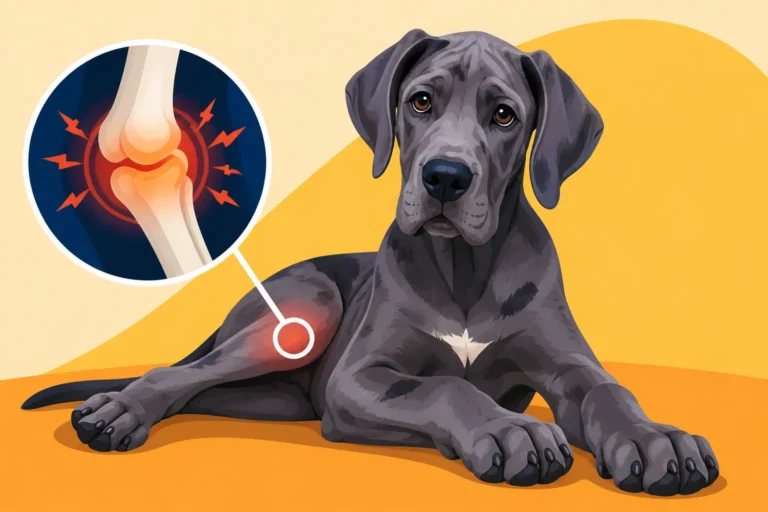
This isn't just a minor ache or stiffness; it's a structural problem that can manifest in many ways. Sometimes it's a dynamic compression, meaning the spinal cord is only pinched when the neck is in certain positions. Other times, it's a static compression, where the pressure is constant. Both types can be debilitating, and identifying the specific cause is crucial for effective management. It’s important not to confuse this with other types of lameness, especially those related to joint issues in the hips or elbows, as the symptoms can sometimes appear similar in their effect on mobility, but the root cause is entirely different.
The Initial Signs and Subtle Changes to Watch For
Recognizing Wobbler Syndrome early can be challenging because the initial signs are often subtle and can mimic other conditions. Owners might initially dismiss a slight stumble or an awkward gait as clumsiness, especially in a large, gangly Great Dane puppy or adolescent. However, these seemingly minor issues can be The First Wobbler Signs in a Great Dane. You might notice your Dane dragging their back paws, leading to characteristic Scuffed Back Nails on a Great Dane. This isn't just about needing a nail trim; it indicates a lack of proprioception – the dog’s awareness of where its body parts are in space.
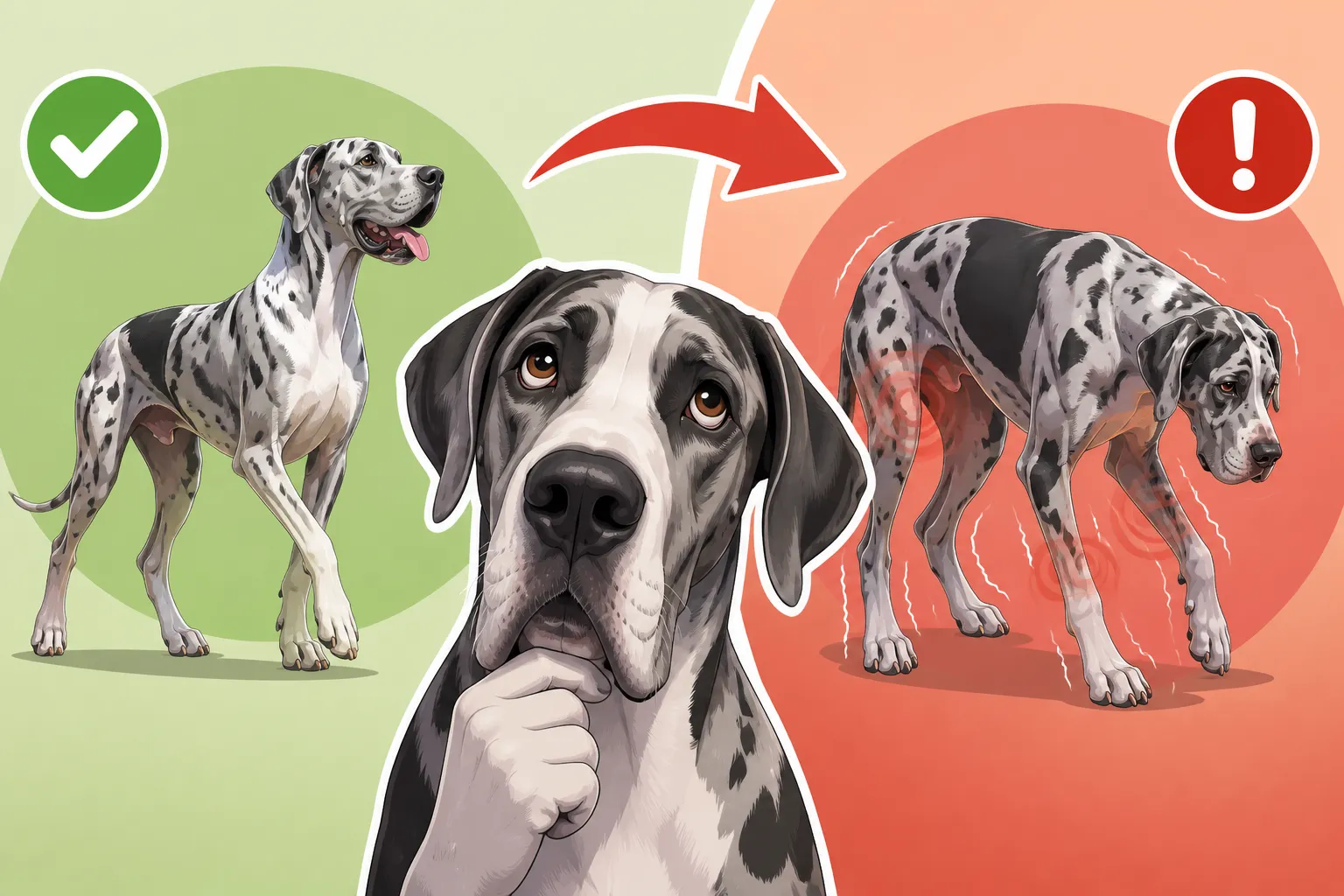
Other early indicators can include a reluctance to jump, climb stairs, or even lower their head to eat or drink. They might hold their head and neck in an unusual, stiff position. Sometimes, the signs are so subtle that you just feel like something is "off" with their movement, perhaps a slight unsteadiness or an unusual swaying. They might seem weaker in their hindquarters, or you might observe a peculiar "two-engine gait," where the front legs seem to move normally but the back legs are uncoordinated and wobbly. The Age Great Dane Wobbler Signs Start can vary, but it often appears in young to middle-aged adult Danes, typically between 3 and 8 years old, although it can manifest earlier in some cases. It's truly heartbreaking to see such a powerful, athletic dog begin to struggle with basic movements, and it leaves owners feeling helpless, wondering if they're imagining things or if it's truly the start of something serious.
The Progressive Nature of Wobbler Syndrome
The question of whether Wobbler Syndrome gets worse is a complex one, and unfortunately, the answer is often yes, without intervention. However, the rate and severity of progression vary greatly among individual dogs. It’s not a straight, predictable line for every Great Dane.
How Symptoms Typically Advance Over Time
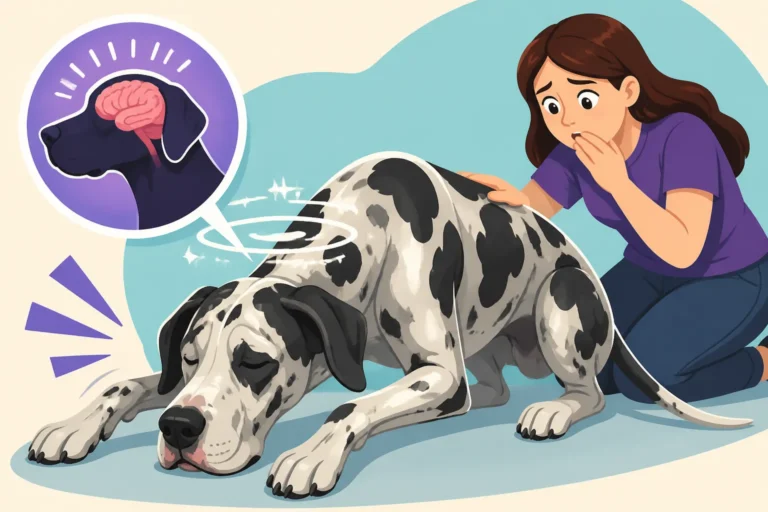
In many cases, Wobbler Syndrome is a progressive condition. This means that if left unmanaged, the initial subtle signs will likely worsen over weeks, months, or even years. What starts as a mild clumsiness can evolve into a significant struggle with coordination, leading to a much more pronounced A Great Dane That Stumbles on Its Back Legs. The characteristic "wobble" often becomes more exaggerated, affecting both the hind limbs and sometimes the front limbs, making the dog look as if they are walking on ice. They might start to lose balance more frequently, stumble, or even fall.
As the spinal cord compression increases, the neurological deficits become more severe. You might notice a further loss of proprioception, meaning your Dane might not know where their feet are, leading to them "knuckling over" on their paws. Muscle wastage (atrophy) can become noticeable, especially in the hind limbs, as the nerves supplying those muscles are increasingly affected. In severe cases, dogs can become partially or completely paralyzed, losing the ability to stand or walk. This progression is terrifying for owners, as they witness their once-active companion slowly losing their mobility and independence. It's a cruel twist, especially for a breed known for its gentle giant demeanor, to be afflicted with a condition that robs them of their physical grace.
Factors Influencing the Rate of Progression
Several factors can influence how quickly Wobbler Syndrome progresses in a Great Dane.
Firstly, the severity and type of spinal cord compression play a huge role. A Dane with severe, static compression is likely to progress faster and experience more debilitating symptoms than one with mild, dynamic compression. The specific location of the compression within the cervical spine also matters.
Age can be a factor; generally, younger dogs experiencing severe signs might have a more aggressive progression, though this isn't always the case.
Genetics are also important, as the predisposition to Wobblers is inherited, and some lines may have more severe forms.
Activity level can also impact progression. While exercise is generally good, uncontrolled, high-impact activities or movements that hyperextend or hyperflex the neck can exacerbate the compression and accelerate neurological decline. For example, rough play, jumping, or pulling on a collar can put undue stress on an already compromised neck.
Finally, and crucially, management strategies significantly impact the progression. Early diagnosis and appropriate treatment, whether conservative or surgical, can slow down or even halt the worsening of symptoms, and in some cases, lead to improvement. Ignoring the signs, on the other hand, almost guarantees a downhill slide. This is why vigilance and prompt veterinary attention are so vital when you first notice those unsettling changes in your Great Dane’s gait or behavior.
Management Strategies and Their Impact on Progression
When faced with a Wobbler Syndrome diagnosis, owners often feel overwhelmed. Thankfully, there are proactive steps and treatment avenues that can significantly influence the course of the disease, hopefully slowing its progression and improving your Dane’s comfort.
Conservative Management and Its Role in Slowing Worsening
For Great Danes with mild to moderate symptoms, especially in the early stages, veterinarians often recommend conservative management. This approach focuses on reducing inflammation, managing pain, and protecting the spine from further injury, without resorting to surgery. It typically involves a multi-faceted plan:
- Medication: Anti-inflammatory drugs, such as NSAIDs (non-steroidal anti-inflammatory drugs) like carprofen or meloxicam, are often prescribed to reduce swelling and pain around the compressed spinal cord. In some cases, corticosteroids like prednisone may be used for a short period to aggressively reduce inflammation, especially during flare-ups. Muscle relaxants can also help alleviate muscle spasms in the neck and shoulders. Your vet might also discuss gabapentin or other neuropathic pain medications for nerve-related discomfort.
- Rest and Activity Restriction: This is paramount. Limiting strenuous activity, avoiding stairs, and preventing jumping can protect the delicate cervical spine. Crate rest or keeping your Dane in a small, confined area for a period might be necessary, particularly during acute phases.
- Harness Use: Swapping a traditional neck collar for a well-fitting chest harness is a critical, simple change. A collar puts direct pressure on the neck, which can worsen spinal compression, especially if your Dane pulls on the leash. A harness distributes pressure across the chest and shoulders, alleviating strain on the neck. It's a small but mighty step in supporting your Dane's recovery and preventing further injury. You might want to consider Swapping a Great Dane's Collar for a Harness as soon as you suspect a neck issue.
- Physical Rehabilitation: This can be incredibly beneficial. A certified canine rehabilitation therapist can develop a tailored program that includes gentle exercises to strengthen core muscles, improve balance, and maintain muscle mass without stressing the neck. Techniques like hydrotherapy (underwater treadmill), therapeutic exercises, massage, and acupuncture can all play a role in improving comfort and mobility.
- Weight Management: Keeping your Great Dane at a healthy, lean weight is crucial. Excess weight puts additional strain on all joints and the spine, potentially accelerating the progression of Wobbler Syndrome.
Conservative management aims to keep your Dane comfortable, functional, and prevent further deterioration. While it may not "cure" the underlying issue, it can significantly slow down the worsening of symptoms, sometimes for years, allowing your dog to maintain a good quality of life. Regular veterinary check-ups are vital to monitor progress and adjust the treatment plan as needed.
Surgical Intervention and Long-Term Outcomes
When conservative management isn't enough, or if the neurological deficits are severe and rapidly progressing, surgical intervention becomes a serious consideration. The decision of Whether Wobbler Surgery Suits a Great Dane is a big one, often made after extensive diagnostic imaging, such as an MRI or CT scan, to pinpoint the exact location and nature of the spinal cord compression. What Shows Up on a Great Dane Spinal Scan helps guide the surgeon.
There are various surgical techniques, but the goal is always the same: to decompress the spinal cord and stabilize the cervical vertebrae. Some common procedures include:
- Ventral Slot Decompression: This involves removing a portion of the vertebral body and/or disc material from the underside of the neck to relieve pressure on the spinal cord.
- Dorsal Laminectomy: This procedure removes part of the vertebral arch from the top of the spine to create more space for the spinal cord.
- Distraction-Stabilization: This technique involves using implants (screws, plates, or bone cement) to distract (separate) the affected vertebrae and fuse them together, creating stability and relieving compression.
The success rate of Wobbler surgery varies depending on the specific cause of compression, the severity of the neurological signs before surgery, and the chosen surgical technique. Generally, outcomes are better for dogs with less severe deficits and those where the compression is clearly identified and amenable to surgical correction. While surgery can offer significant improvement, it's not without risks, including anesthesia complications, infection, implant failure, and the possibility of new compression developing at adjacent sites. Recovery is also a long road, often involving weeks of strict rest, pain management, and extensive physical rehabilitation.
However, for many Great Danes, surgery can dramatically improve their quality of life, restoring significant mobility and reducing pain. It can halt the progression of the disease and, in some cases, reverse some of the neurological deficits. It's a significant financial investment, with costs that can be substantial, often prompting owners to consider pet insurance from providers like Healthy Paws. Understanding the options for Surgery Against Management for a Wobbler Dane with your veterinary neurologist is key to making the best decision for your beloved companion.
Living with a Great Dane with Wobbler Syndrome
Caring for a Great Dane with Wobbler Syndrome is a journey that requires immense patience, dedication, and a willingness to adapt. It’s not just about medical treatments; it's about providing an environment that maximizes their comfort and safety.
Adapting Your Home and Routine for Comfort and Safety
Even with the best medical care, a Great Dane with Wobbler Syndrome will likely have some degree of mobility impairment. Adapting your home is essential to prevent falls, further injury, and to make their daily life as easy as possible:
- Non-Slip Flooring: Great Danes, especially those with an unsteady gait, struggle on slippery surfaces like hardwood or tile. Lay down rugs, runners, or carpet tiles in high-traffic areas to provide traction. This simple step can prevent painful slips and falls.
- Ramps and Steps: If your Dane loves to get on the sofa or bed, consider pet-friendly ramps or wide, sturdy steps. Avoid letting them jump on or off furniture, as the impact and awkward angles can aggravate their neck condition. Ramps for car entry and exit are also highly recommended to minimize strain.
- Elevated Food and Water Bowls: While there's some debate about the impact of raised bowls on bloat risk (which is also a concern for Danes), for a dog with neck pain, not having to bend their head all the way to the floor can be a huge relief. Experiment with different heights to find what’s most comfortable for your dog.
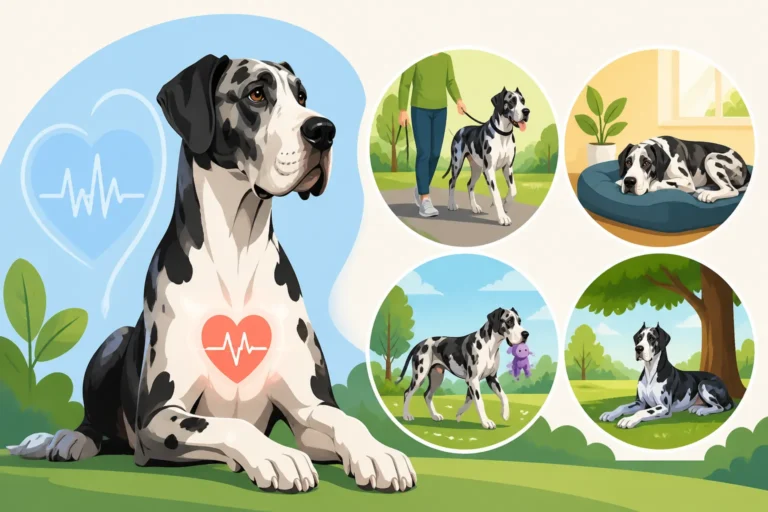
- Supportive Bedding: A high-quality, orthopedic bed is a must. It cushions their joints and spine, reduces pressure points, and provides better support for their body. Look for beds with dense foam that won’t flatten easily under their substantial weight.
- Limiting Stairs: If possible, restrict stair use. Install baby gates at the top and bottom of staircases, or consider carrying smaller Danes (or using a sling for larger ones) up and down.
- Safe Exercise: Short, controlled leash walks are generally better than off-leash running or rough play. Avoid activities that involve sudden stops, turns, or excessive neck movements. A long line in a secure, flat yard can offer some freedom of movement without the risk of uncontrolled running.
Beyond physical adaptations, modifying your routine is also important. Be mindful of how you interact with your Dane. Avoid rough petting around the neck or pulling on their collar. Gentle, supportive handling is key. Incorporate regular, gentle stretching exercises if recommended by your vet or rehab therapist. These small changes can make a world of difference in your Dane's comfort and long-term well-being.
Emotional and Financial Considerations for Owners
Caring for a Great Dane with Wobbler Syndrome can take a significant emotional toll on owners. It's incredibly distressing to watch your majestic companion lose their coordination and independence. The guilt, fear, and frustration are very real. It’s okay to feel these emotions. Connect with other Great Dane owners or support groups online; sharing experiences can be incredibly validating and provide a sense of community. Remember that your Dane still thrives on your love and attention, even if they can't express it in the same vigorous ways they once did.
The financial burden can also be substantial. Diagnostics like X-rays, CT scans, and MRIs, along with consultations with veterinary neurologists, can quickly add up. If surgery is recommended, the cost can be in the thousands, if not tens of thousands, of dollars. Then there are ongoing expenses for medications, physical therapy sessions, specialized equipment (harnesses, slings, orthopedic beds), and potentially home modifications. This is where comprehensive pet insurance can be a literal lifesaver. Many Great Dane owners find policies from companies like Healthy Paws invaluable, as they can help cover a significant portion of these unexpected and costly treatments. When you're facing a diagnosis like Wobbler Syndrome, having the financial support to pursue the best possible care can relieve an enormous amount of stress, allowing you to focus on your Dane’s well-being rather than just the bill. It's truly a testament to a loving owner to make these sacrifices, both emotionally and financially, for their beloved companion.
| Stage of Wobbler Syndrome | Typical Symptoms | Recommended Management Strategies | Prognosis (without intervention) |
|---|---|---|---|
| Mild | Subtle unsteadiness, slight hind limb weakness, occasional scuffing of nails, reluctance to turn head. | Conservative: NSAIDs, strict rest, harness use, leash walks only, weight management. | Likely to worsen slowly |
| Moderate | Noticeable "wobbly" gait in hind limbs, mild ataxia in front limbs, difficulty rising, evident neck pain. | Conservative + Physical therapy (hydrotherapy, strengthening), muscle relaxants, acupuncture. Possible consideration for surgery. | Likely to worsen moderately |
| Severe | Severe incoordination (ataxia) in all four limbs, frequent falling, significant muscle weakness/atrophy, partial or complete paralysis. | Surgical intervention (if suitable), intensive physical rehabilitation, mobility aids (slings, carts), comprehensive pain management. | Likely to worsen rapidly or stabilize at severe deficit |
Disclaimer
The information provided in this article is for educational purposes only and is not a substitute for professional veterinary advice. If your Great Dane is showing signs of Wobbler Syndrome or any other health concerns, please consult with a qualified veterinarian or a veterinary specialist for an accurate diagnosis and treatment plan.