Fainting in a Great Dane
Few things are more terrifying for a Great Dane owner than watching your gentle giant suddenly collapse, go limp, and then, just as quickly, snap back to normal. This sudden loss of consciousness, often referred to as fainting or syncope, is a deeply unsettling experience, leaving you scrambling for answers and fearing the worst. This guide will walk you through what fainting truly means for a Great Dane, explore the most common causes, detail the immediate steps you should take, and discuss long-term management strategies to help keep your beloved companion safe and healthy.
When Your Great Dane Faints: What Syncope Really Means
When a dog as magnificent and seemingly robust as a Great Dane suddenly drops to the ground, it's natural for your heart to pound in your chest. The sheer size of these dogs makes any unexpected event even more dramatic and frightening. But what exactly is happening when a Great Dane "faints"? It's more than just a momentary weakness; it's a signal that something in their body isn't quite right.
The Sudden, Scary Reality of a Fainting Episode
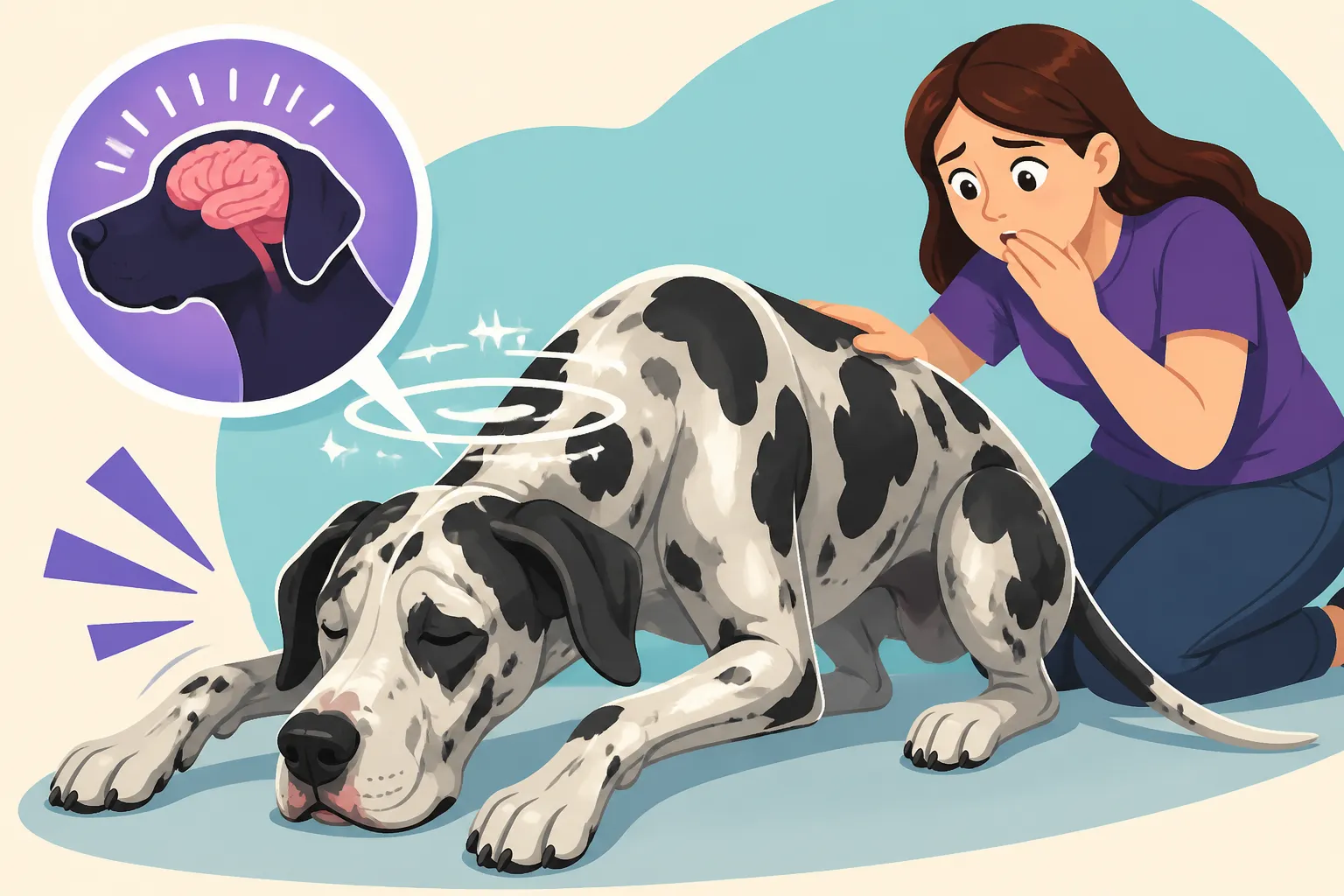
Imagine you're enjoying a peaceful evening with your Great Dane, perhaps they're just getting up from a nap or are in the middle of a playful romp in the yard. Suddenly, without warning, they stumble, their legs give out, and they collapse. Their body might go completely limp, their eyes could roll back, and you might even notice a brief, involuntary muscle twitch. The scariest part? It's often over almost as soon as it begins. They might shake their head, look a little confused, and then act as if nothing happened, trying to stand up and carry on. This quick recovery is a hallmark of syncope. The immediate aftermath can be disorienting, both for your dog and for you. You're left trying to process what just happened, wondering if you imagined it or if it was truly as bad as it seemed. The episode of a Great Dane that collapses and recovers can be startlingly brief, sometimes only lasting a few seconds.
This rapid onset and recovery are crucial observations. Unlike a seizure, where there's often a pre-ictal phase (a period of altered behavior before the seizure), uncontrolled full-body movements during the event, and a prolonged post-ictal phase (confusion, disorientation, pacing) that can last minutes or even hours, a syncopal episode is typically very clean. The dog goes down quickly, is unresponsive for a short period, and then recovers almost immediately, often with just a moment of confusion. The fact that your dog often seems otherwise fine moments before and after can make it even harder to pinpoint the cause, adding to the anxiety.
Distinguishing Syncope from Other Forms of Collapse
It's vital for us as Great Dane owners to be able to differentiate syncope from other conditions that can cause a dog to fall down or lose consciousness. While the immediate sight of your giant dog collapsing is always alarming, recognizing the nuances can help your vet immensely. Syncope, at its core, is a temporary loss of consciousness due to a sudden, transient decrease in blood flow to the brain. Think of it like a momentary power outage to the brain's electrical system, usually caused by a dip in blood pressure or heart function.
Other forms of collapse, while equally serious, have different origins. Seizures, as mentioned, involve abnormal electrical activity in the brain, leading to uncontrolled muscle spasms, paddling, drooling, and often urination or defecation. Vestibular episodes, often related to inner ear problems, can cause severe dizziness, loss of balance, head tilting, and nystagmus (involuntary eye movements), but typically the dog remains conscious. Weakness or lameness, often associated with orthopedic issues common in large breeds like Great Danes, might lead to a collapse or inability to stand, but again, consciousness is usually maintained. Understanding these distinctions is the first step in providing your veterinarian with critical information, allowing them to narrow down the potential culprits quickly.
The Heart of the Matter: Cardiac Causes of Fainting
For Great Danes, when we talk about fainting, our minds almost immediately jump to the heart. And for good reason. These majestic dogs are unfortunately prone to a range of cardiac issues, some of which can manifest as terrifying syncopal episodes. Their sheer size and rapid growth rate put an enormous strain on their cardiovascular system, making them particularly vulnerable.
The Silent Threat of Dilated Cardiomyopathy and Irregular Rhythms
The most notorious heart condition affecting Great Danes, and a primary cause of syncope, is Dilated Cardiomyopathy (DCM). This is the heart muscle disease Great Danes are prone to, a condition where the heart muscle becomes thin and weak, leading to an enlarged heart that struggles to pump blood effectively. As the heart enlarges and weakens, its ability to maintain adequate blood pressure and flow to the brain is compromised. This can lead to a sudden drop in brain oxygenation, resulting in fainting. In more advanced stages, the heart's electrical system can also become unstable, leading to dangerous arrhythmias or irregular heartbeats.
These arrhythmias, which can include abnormally fast, slow, or chaotic heart rhythms, are often the direct trigger for syncope in a Great Dane with DCM. If the heart beats too quickly, it doesn't have enough time to fill properly between beats, reducing the amount of blood pumped out. If it beats too slowly, or if there are long pauses, insufficient blood reaches the brain. Both scenarios can cause a sudden loss of consciousness. It's a truly frightening aspect of owning this breed, as these arrhythmias can often be silent until a serious event like fainting occurs. This is why regular screening and vigilance for early heart signs in a Great Dane are absolutely critical for their long-term well-being.
Other Heart Conditions That Can Lead to Collapse
While DCM and its associated arrhythmias are the primary cardiac concerns for Great Danes and syncope, other heart-related conditions can also play a role. Less commonly, but still important to consider, structural heart defects that impede blood flow can cause fainting. These might include severe valve problems (like subaortic stenosis, though less common in Danes compared to other breeds, it can restrict blood flow out of the heart) or congenital abnormalities that affect the heart's ability to pump efficiently. Any condition that reduces the heart's output of oxygenated blood to the brain can, theoretically, cause a syncopal episode.
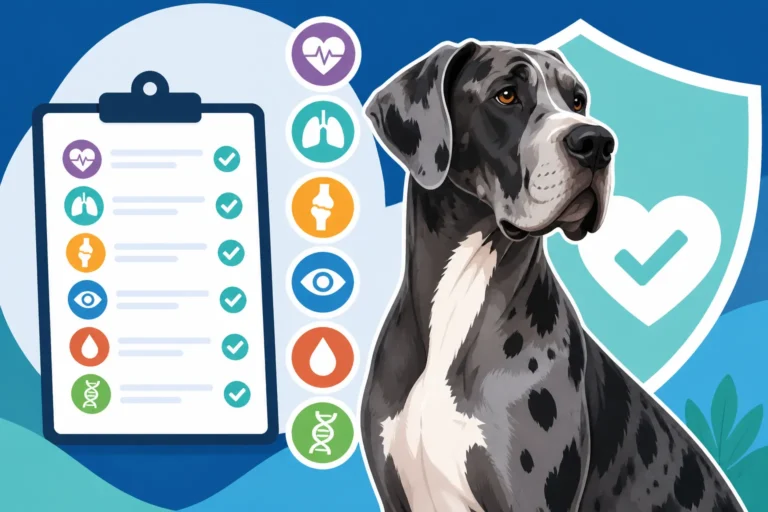
Another factor can be pulmonary hypertension, a condition where blood pressure in the arteries leading to the lungs is too high. This puts a strain on the right side of the heart and can reduce the amount of blood returning to the left side to be pumped to the body, including the brain. Furthermore, certain medications, particularly those used to manage other heart conditions, can sometimes inadvertently cause blood pressure to drop too low, leading to fainting. This highlights the importance of thorough veterinary examination and careful management if your Great Dane is on any cardiac medications. Regular, proactive screening a Great Dane's heart each year can help catch these issues early, potentially preventing these distressing and dangerous episodes.
Beyond the Heart: Other Reasons a Great Dane Might Faint
While cardiac issues often take center stage when discussing fainting in Great Danes, it's important to remember that the heart isn't always the sole culprit. The body is a complex system, and a momentary disruption in other areas can also lead to a loss of consciousness. It's easy to get tunnel vision when you own a breed known for certain health problems, but a holistic approach to diagnosis is always best.
Metabolic and Respiratory Factors at Play
One non-cardiac reason a Great Dane might faint is hypoglycemia, or dangerously low blood sugar. This is more common in very young puppies who haven't yet developed stable blood sugar regulation, or in adult dogs with certain underlying metabolic conditions, such as an insulinoma (a tumor on the pancreas that produces too much insulin) or severe liver disease. Without enough glucose, the brain simply can't function, leading to confusion, weakness, and ultimately, collapse and unconsciousness. A dog experiencing severe hypoglycemia might appear disoriented, weak, shaky, or even have seizures before fainting. The recovery from a hypoglycemic faint can often be as rapid as a cardiac one if sugar levels are quickly restored, but the underlying cause needs to be identified and managed.
Anemia, a condition characterized by a dangerously low red blood cell count, can also lead to syncope. Red blood cells are responsible for carrying oxygen throughout the body, including to the brain. If the red blood cell count is too low due to blood loss, destruction of red blood cells, or insufficient production, the brain won't receive enough oxygen, potentially causing a faint. Similarly, severe respiratory issues, such as extreme asthma, pneumonia, or even a foreign object lodged in the airway, can prevent adequate oxygen from reaching the lungs and thus the bloodstream, leading to a temporary oxygen deprivation in the brain and a subsequent faint. While less common as direct causes of syncope in Great Danes than heart issues, these metabolic and respiratory factors are certainly worth ruling out during a diagnostic workup.
Situational Triggers: Pain, Stress, and the Vasovagal Response
Sometimes, a fainting episode in a Great Dane isn't directly related to a chronic disease but rather an acute, intense physiological response to external stimuli. Extreme pain or severe stress can trigger what's known as a vasovagal syncope. This occurs when the vagus nerve, which plays a major role in regulating heart rate and blood pressure, becomes overstimulated. When this happens, it can cause a sudden, temporary drop in both heart rate and blood pressure, leading to reduced blood flow to the brain and a subsequent faint.
Imagine your Great Dane suffers a sudden, excruciating injury – perhaps a broken bone or a severe impact. The overwhelming pain can trigger this vasovagal response. Similarly, situations of intense fear or anxiety, such as a severe thunderstorm, fireworks, or a traumatic experience, could potentially lead to a syncopal episode in a highly sensitive individual. Even something as seemingly benign as an extremely hard cough or straining during defecation can, in rare cases, trigger a vasovagal response in some dogs. While these episodes are usually short-lived and resolve once the trigger is removed, they are still a clear indication that something significant is happening with your dog's physiological response system and warrant a veterinary investigation to ensure there isn't an underlying predisposition or a more serious issue at play.
Urgent Action and Veterinary Intervention for a Fainting Great Dane
When your Great Dane collapses, every second feels like an eternity. The initial panic is overwhelming, but your ability to react calmly and decisively can make a huge difference in the outcome. It's about gathering crucial information while prioritizing your dog's safety and getting them the professional help they desperately need.
What to Do in the Critical Moments After a Collapse
The very first thing you need to do is stay calm, or at least appear calm for your dog's sake. Panicking will only elevate your stress and potentially theirs. Gently approach your Great Dane and make sure they are in a safe position – away from stairs, busy roads, or anything that could cause further injury. Do not attempt to force them to stand up, shake them, or try to force anything into their mouth. Just observe. Note the exact time the collapse occurred and how long it lasted. Were there any movements? Did they urinate or defecate? What did their breathing look like? These details are incredibly important for your veterinarian.
Once your dog starts to recover, let them take their time. Offer gentle reassurance. If they seem to be recovering well and are conscious, you can try to offer a small amount of water. If the episode was very short and they seem completely normal afterwards, it might still warrant an urgent vet visit, but perhaps not a lights-and-sirens emergency dash unless they seem disoriented or have repeated episodes. However, if they remain unconscious for more than a minute, struggle to breathe, have repeated episodes, or do not recover fully, it's time to act immediately and head to the emergency vet.
The Diagnostic Journey: Finding the Root Cause
Once you're at the veterinary clinic, your veterinarian will start by gathering as much information as possible from you about the episode. They'll perform a thorough physical examination, paying close attention to your Great Dane's heart rate, rhythm, and lung sounds. Given the breed's predisposition, cardiac investigations are almost always the first line of diagnostic inquiry. This will likely involve an electrocardiogram (ECG) to assess the heart's electrical activity, looking for arrhythmias. A cardiac ultrasound, or echocardiogram, will allow the vet to visualize the heart's structure and function, helping to identify conditions like DCM or other structural defects. A cardiologist measures in a Great Dane heart things like chamber size, wall thickness, and blood flow velocity.
Sometimes, a single ECG isn't enough to catch intermittent arrhythmias. In such cases, your vet might recommend a Holter monitor, which is a wearable device that records your Great Dane's heart rhythm continuously for 24 to 48 hours. This can be invaluable for diagnosing those fleeting, hard-to-catch irregularities that cause fainting. Beyond cardiac tests, blood work will also be crucial to check for metabolic causes like low blood sugar (hypoglycemia), anemia, kidney or liver disease, and thyroid issues. If these initial tests don't reveal a cause, further imaging like chest X-rays to assess the lungs and heart size, or even advanced neurological imaging if seizures are suspected, might be considered. The journey to diagnosis can sometimes be extensive, but it's essential to uncover the true reason behind the fainting. Remember, unexpected health issues can be financially stressful, so checking your pet insurance coverage, perhaps with providers like Healthy Paws, for emergency visits and diagnostic testing can provide significant peace of mind.
Managing and Treating the Underlying Condition
Once a diagnosis is made, the focus shifts to managing and treating the underlying condition. For cardiac causes like DCM, treatment often involves a combination of medications aimed at improving heart function, controlling arrhythmias, and managing fluid retention. For instance, medication for a Great Dane with DCM might include pimobendan, ACE inhibitors, and diuretics. These medications can significantly improve their quality of life and potentially extend their lifespan. Regular follow-up appointments and medication adjustments are often necessary.
If the fainting is due to hypoglycemia, dietary changes, more frequent meals, or addressing the underlying cause (like a tumor) will be the cornerstone of treatment. For anemia or respiratory issues, treatment will target the specific cause, such as addressing blood loss, treating infections, or removing obstructions. In cases of vasovagal syncope triggered by pain or stress, managing the pain effectively or implementing stress-reduction techniques and environmental modifications become paramount. It's a collaborative effort between you and your vet to tailor a treatment plan that offers your Great Dane the best possible outcome. Navigating these treatment plans, especially for chronic conditions, can involve ongoing costs, and having pet insurance from a reliable provider like Healthy Paws can truly help lighten the financial burden, allowing you to focus on your Great Dane's health.
Living Proactively: Preventing Episodes and Supporting Your Great Dane
Getting a diagnosis and starting treatment is a huge step, but living with a Great Dane who has experienced fainting episodes requires ongoing vigilance and proactive care. Our goal as owners is not just to react when something goes wrong, but to anticipate and mitigate risks, creating the best possible environment for our beloved companions.
Daily Management and Proactive Health Strategies
Preventing future syncopal episodes often involves a multifaceted approach, tailored to the specific diagnosis. For Great Danes with cardiac conditions, strict adherence to medication schedules is non-negotiable. Beyond medication, controlled exercise is crucial. While we want our Danes to be active, strenuous activity, especially in hot weather, can put undue strain on a compromised heart. Your vet will advise how much a Great Dane with a weak heart can do, typically recommending shorter, more frequent walks rather than intense runs. Maintaining a healthy weight is also vital; excess weight places an even greater burden on the heart and joints.
Dietary consistency and quality are important for overall health, and especially for conditions like hypoglycemia. Avoiding sudden changes in food and ensuring regular meal times can help stabilize blood sugar. For all Great Danes, regardless of a fainting history, maintaining a low-stress environment is beneficial. Great Danes are sensitive souls, and extreme stress can, as we've discussed, sometimes trigger a vasovagal response. This includes ensuring they have a quiet, safe space in the home, managing loud noises, and providing consistent routines. Regular veterinary check-ups are also paramount, even if your dog seems well. These check-ups allow your vet to monitor their condition, adjust medications, and catch any new issues early. Remember the importance of the health testing a Great Dane breeder owes you when you first get a puppy, as a strong foundation can help with early detection of predispositions.
Coping with the Emotional Weight of a Fainting Dane
Beyond the physical care, we can't ignore the immense emotional toll a fainting Great Dane can take on their human family. Witnessing your massive dog collapse is incredibly frightening, and the constant worry about when the next episode might occur can be mentally exhausting. You might find yourself hesitant to leave them alone, anxious during walks, or overanalyzing every little cough or stumble. This is a perfectly normal response to a stressful situation.
It's important to acknowledge these feelings and seek support if you need it. Connect with other Great Dane owners, join breed-specific forums, or talk to a trusted friend or family member. Your veterinarian can also be a great source of emotional support and practical advice. They understand the unique challenges of owning a giant breed with specific health concerns. The peace of mind offered by knowing you have a plan, both medically and financially (thanks to reliable pet insurance like Healthy Paws, which can cover unexpected health crises), can significantly reduce some of this emotional burden. Remember, you are doing everything you can for your beloved companion, and that dedication makes all the difference in their quality of life. Even though a Great Dane only lives seven to ten years, every one of those years, especially when dealing with health challenges, is precious and worth fighting for with informed, compassionate care.
Potential Causes and Immediate Actions for Fainting in Great Danes
| Potential Cause | Key Characteristics | Immediate Action (If Conscious) | When to Seek Emergency Vet Care |
|---|---|---|---|
| Cardiac Issues (DCM, Arrhythmias) | Sudden collapse, brief unconsciousness, quick recovery, no post-ictal confusion | Keep calm, ensure safety, observe duration & details. Limit exertion. | If prolonged unconsciousness, repeated episodes, labored breathing. |
| Low Blood Sugar (Hypoglycemia) | Weakness, disorientation, shaking, collapse. Can recover if sugar given. | Offer small amount of honey/Karo syrup rubbed on gums. Limit exertion. | If remains unconscious, seizures, or doesn't respond to sugar. |
| Anemia / Respiratory Issues | Pale gums (anemia), difficulty breathing, blueish gums (respiratory). | Ensure clear airway (if possible), keep calm. | Immediately if severe breathing distress or prolonged unconsciousness. |
| Pain / Stress (Vasovagal) | Collapse following intense pain, fear, or straining. | Remove stressor/source of pain if safe, keep calm, provide comfort. | If pain is severe/unmanaged, or if collapse is prolonged/repeated. |
| Seizure (for differentiation) | Uncontrolled paddling, drooling, urination/defecation, prolonged confusion (post-ictal). | Keep dog safe from injury, time the seizure. Do NOT restrain. | If seizure lasts >5 mins, multiple seizures, or doesn't recover. |
Disclaimer
This article is intended for informational purposes only and does not constitute veterinary advice. If your Great Dane experiences a fainting episode or any other concerning health issue, please consult with a qualified veterinarian immediately. They can provide an accurate diagnosis and appropriate treatment plan tailored to your dog's specific needs.