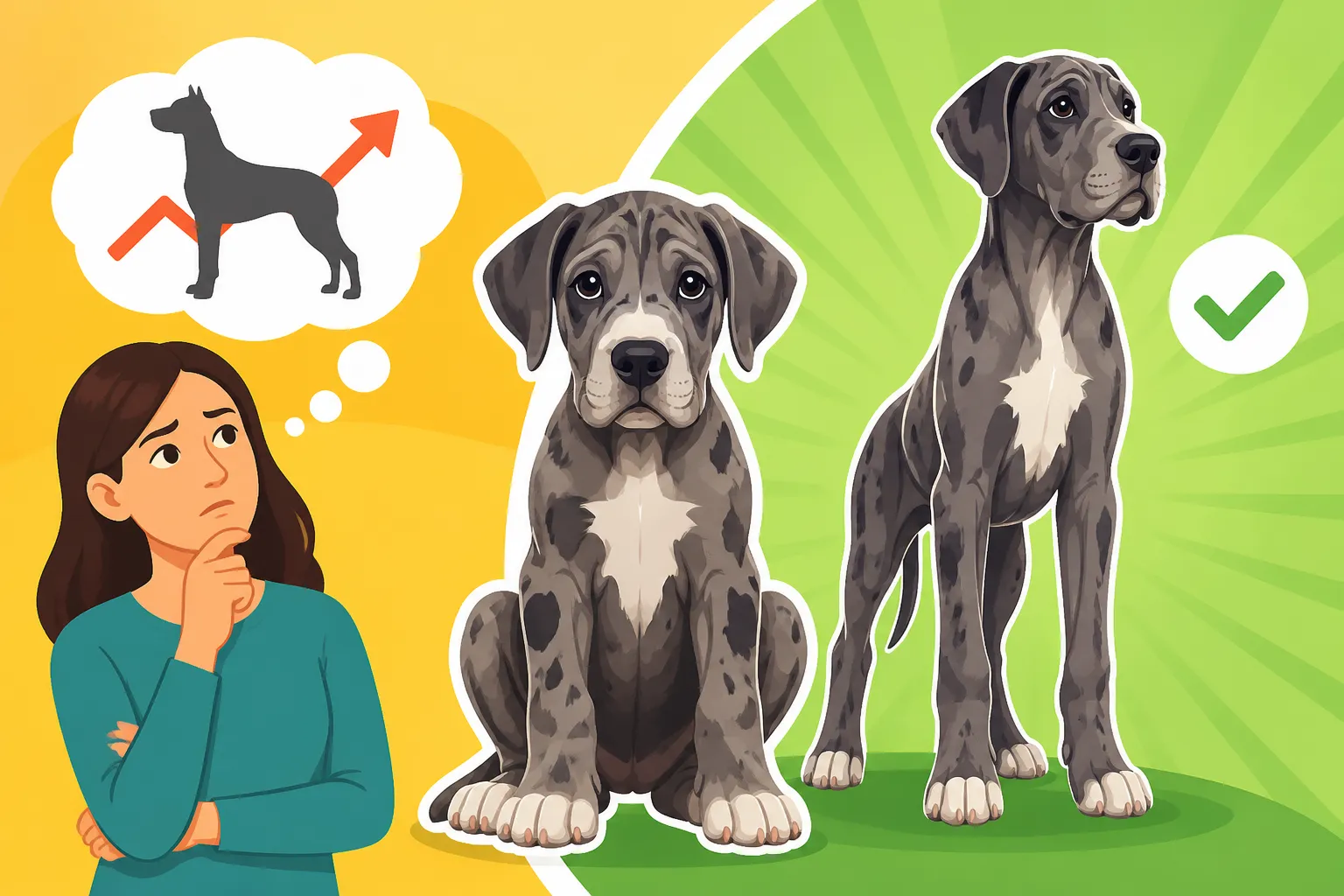
Whether a Great Dane Puppy Is Growing Too Fast
The sheer speed at which a Great Dane puppy transforms from a chunky little furball into a leggy, towering adolescent can be startling, and it often leaves new owners wondering if their furry friend is growing too fast. This incredible growth spurt, while fascinating, can hide potential risks if not managed correctly. It's a valid concern to fret over whether your giant puppy's bones and joints are keeping pace with its rapidly expanding frame. This guide is here to shed light on what constitutes normal Great Dane puppy growth, how to spot signs of unhealthy growth, and most importantly, how to foster robust, healthy development in your gentle giant.
Understanding Normal Great Dane Growth Patterns
Bringing home a Great Dane puppy means signing up for a front-row seat to one of nature's most impressive growth spurts. They are, after all, going from tiny bundles to massive adults in a fraction of the time smaller breeds take. It's truly amazing, but it also means there's a delicate balance to maintain to ensure all those rapidly forming bones, muscles, and ligaments develop correctly. Many owners are surprised by just how much and how quickly these pups change.
The Rapid Early Stages of Growth
From the moment they're born, Great Dane puppies are on an accelerated track. In their first few months, they might gain several pounds a week and seem to grow inches overnight. This initial burst is completely normal and expected for a giant breed. Imagine trying to build a skyscraper in the same time it takes to build a two-story house – that's essentially what your Great Dane puppy's body is doing! Their genetic blueprint dictates this rapid expansion, aiming for them to reach a significant percentage of their adult height and weight by just six months of age. It’s during these crucial early months that their skeletal system is laying its foundation, and any undue stress or improper nutrition can have lasting effects.
Expected Weight and Height Milestones
Keeping an eye on your puppy's development is key, not to obsess over numbers, but to ensure they are generally on track. While every Great Dane is an individual, there are typical ranges you can expect. For instance, a male Great Dane puppy might weigh around 45-60 pounds and stand 20-24 inches tall at four months. By six months, they could be anywhere from 70-100 pounds and 24-28 inches. Females generally fall on the lower end of these ranges. It's not about achieving maximum size as fast as possible; rather, it’s about steady, healthy progression. Checking your puppy's growth curve month by month can be a helpful way to visualize their progress. Remember, genetics play a huge role, so don't compare your puppy too rigidly to others.
Here's a general guideline for Great Dane puppy growth, but always remember individual variations exist:
| Age (Months) | Average Male Weight (lbs) | Average Female Weight (lbs) | Average Male Height (inches) | Average Female Height (inches) |
|---|---|---|---|---|
| 2 | 25-35 | 20-30 | 16-19 | 15-18 |
| 3 | 40-50 | 35-45 | 19-22 | 18-21 |
| 4 | 55-70 | 45-60 | 22-25 | 21-24 |
| 6 | 85-110 | 70-95 | 26-29 | 24-27 |
| 9 | 110-140 | 90-120 | 29-32 | 27-30 |
| 12 | 120-160 | 100-135 | 30-34 | 28-32 |
| 18 | 140-175 | 115-150 | 30-34+ | 28-32+ |
Note: Heights are measured at the shoulder (withers).
When to Expect Growth to Slow Down
While your Great Dane will reach most of its height by 12-18 months, they aren't fully "done" growing then. They'll continue to fill out, broaden in the chest, and gain muscle mass until they're typically two to three years old. This 'filling out' phase is less dramatic than the puppy growth spurt but is just as important for solidifying their skeletal structure and musculature. Many owners are surprised that their giant puppy keeps filling out to two years. It's a long game when you're raising a Great Dane, and patience is definitely a virtue!
The Dangers of Growing Too Fast
While rapid growth is a hallmark of the Great Dane breed, there's a critical difference between normal rapid growth and excessively fast growth. The latter can be detrimental, putting immense strain on a developing body that simply isn't ready for such a fast pace. It’s a common misconception that feeding a puppy more will make it bigger and stronger; with Great Danes, this often leads to the opposite effect – a weaker, more problematic foundation.
Skeletal and Joint Development Issues
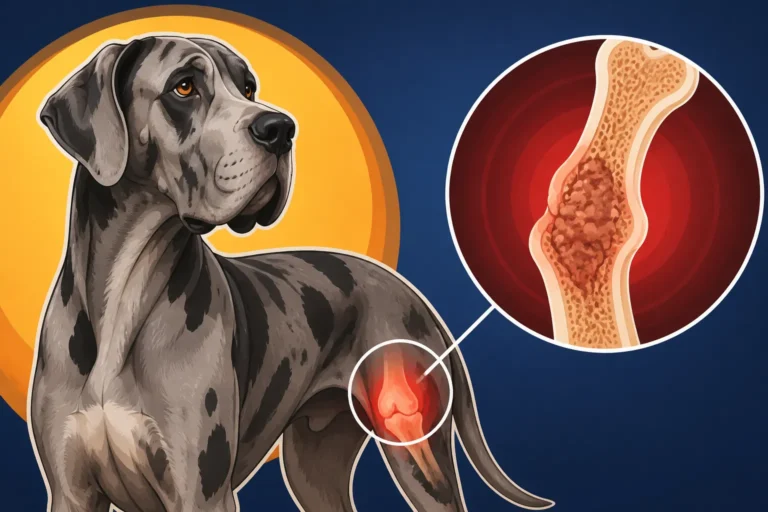
The most significant risk associated with a Great Dane puppy growing too fast is the potential for serious orthopedic problems. When a puppy grows too quickly, their bones can outpace the development of supporting soft tissues like cartilage, ligaments, and tendons. This can lead to a host of painful and debilitating conditions. For instance, Hypertrophic Osteodystrophy (HOD) in a Great Dane is a painful inflammatory condition often seen in fast-growing giant breed puppies, causing swelling and lameness, especially in the long bones of the legs. Another concern is Osteochondritis Dissecans (OCD), where abnormal cartilage development leads to flaps of cartilage detaching, often requiring surgery.
These conditions are not just painful; they can be incredibly expensive to treat, sometimes requiring specialized veterinary care and lengthy rehabilitation. Early intervention and management of growth are far better than trying to fix problems down the line. It's why focused attention on preventing problems by feeding a Great Dane puppy slowly on purpose is so critical.
Impact on Great Dane Lifespan
While directly linking excessively fast growth to a shortened lifespan might be an oversimplification, the chronic orthopedic issues that arise from it can severely impact a Great Dane's quality of life and, by extension, its overall health and longevity. A dog constantly battling pain, inflammation, or mobility limitations due to joint disease will inevitably face more health challenges. This can lead to reduced activity, weight gain, and increased stress on other body systems.
Great Danes already have a notoriously short lifespan, often living only seven to ten years. Adding preventable, painful conditions due to improper growth management can make those years less enjoyable for both dog and owner. The goal is always to maximize their comfort and mobility for as long as possible, and that starts with healthy, controlled growth as a puppy. This is where Why a Great Dane Only Lives Seven to Ten Years becomes a crucial read, providing insights into their unique health challenges.
Recognizing the Signs of Overgrowth
Knowing what to look for can help you identify if your Great Dane puppy might be growing too fast or experiencing related issues. One of the most common early signs is a "knuckling over" in a Great Dane puppy, where their front paws appear to buckle forward at the wrist, sometimes looking like they’re walking on the tops of their feet. This is a sign that their bones are growing faster than their tendons and ligaments can adapt.
Other indicators include:
- Shifting lameness: Your puppy might limp on one leg, then another, or seem generally stiff and uncomfortable. This can be a sign of Growing Pains in a Great Dane at Eight Months or other transient joint issues.
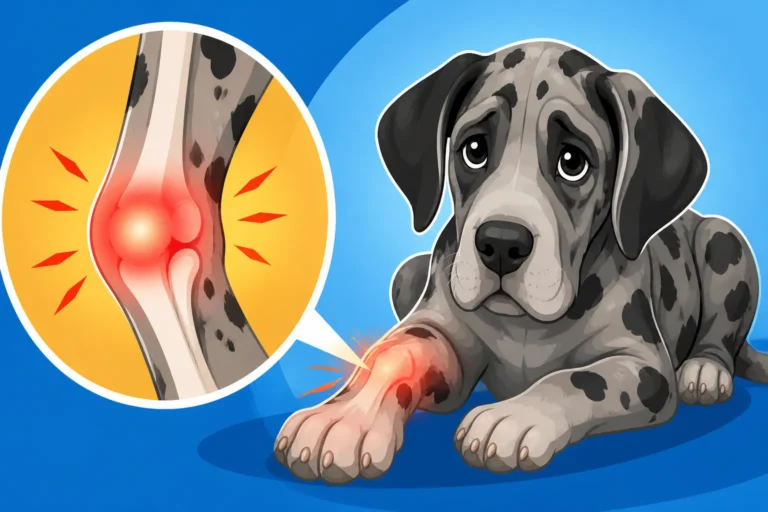
- Swollen painful joints in a Great Dane puppy: Pay close attention to their elbows, wrists, and hocks. Swelling, warmth, or pain when touched are red flags.
- Reluctance to play or exercise: While Great Dane puppies need appropriate exercise, excessive pain will make them hesitant to move.
- A "too bulky" appearance: While Danes are large, they should still appear lithe and athletic, not overly heavy or thick, especially in their early months. You should be able to feel their ribs easily without seeing them sharply. This visual check is part of keeping a Great Dane puppy lean.
If you observe any of these signs, don't delay in consulting your veterinarian. Early diagnosis and intervention are vital for managing these conditions and improving your puppy's long-term prognosis.
How to Manage and Support Healthy Growth
Preventing problems is always easier and less costly than treating them. For Great Dane puppies, fostering healthy, steady growth is paramount. It’s a holistic approach that involves careful nutrition, appropriate exercise, and consistent veterinary oversight.
The Role of Proper Nutrition
This is perhaps the single most critical factor in managing a Great Dane's growth. Forget the advice given for smaller breeds; Great Danes have very specific dietary needs as puppies. They need a large-breed puppy formula designed to promote slow and steady growth, not rapid weight gain. The key here is the controlled calcium and phosphorus levels. Too much calcium, especially, can significantly contribute to skeletal developmental disorders. Always check the labels to ensure the food is formulated for large or giant breed puppies. The protein level is often less of a concern than the calcium-to-phosphorus ratio.
Choosing the right food can feel overwhelming, but look for reputable brands that specifically address the needs of giant breeds. Avoid "all life stages" foods unless they explicitly state suitability for large breed puppy growth, with appropriate calcium percentages (usually below 1.5% and a calcium-to-phosphorus ratio between 1.1:1 and 1.3:1). Overfeeding, even with the right food, can also lead to issues, so always measure portions carefully and keep your puppy lean for its joints. A robust pet insurance plan, such as those offered by Healthy Paws, can be a real lifesaver when dealing with unexpected diagnoses that might arise from improper early nutrition, making it a worthy consideration for Great Dane owners.
Balanced Exercise for Growing Danes
Just as crucial as nutrition, but often misunderstood, is exercise. A Great Dane puppy needs exercise, but it must be appropriate and controlled. Over-exercising a growing Great Dane can put immense stress on developing joints, potentially exacerbating issues like Elbow Problems in a Fast-Growing Great Dane or contributing to early arthritis. Think quality over quantity.
Here's what balanced exercise looks like:
- Short, frequent walks: Instead of one long hike, aim for several shorter, gentle walks throughout the day.
- Free play: Allow your puppy to play freely in a safe, soft area (like a grassy yard), but supervise to prevent overly rough play or prolonged, high-impact activities like jumping or chasing balls extensively.
- Avoid forced exercise: Don't take your puppy jogging with you or make them jump repeatedly. Their growth plates are still open and vulnerable to injury.
- Swimming: If accessible and safe, swimming can be an excellent low-impact exercise for muscle development without stressing joints.
Understanding Exercise Limits While a Great Dane Is Still Growing is paramount for safeguarding their long-term joint health. Until your Great Dane is at least 18 months to two years old, their bones are still maturing. It's a challenging period to navigate, especially with such energetic puppies, but patience now will pay dividends in their adult years.
Regular Vet Check-ups and Monitoring
Consistent veterinary care is your best defense against potential growth-related problems. Regular check-ups allow your vet to monitor your puppy's weight, height, and overall conformation. They can catch subtle signs of orthopedic issues that might be missed by an untrained eye. Don't hesitate to bring up any concerns you have about their gait, appetite, or energy levels.
Your vet can also offer guidance on the best food choices, appropriate exercise routines for your individual puppy, and discuss preventative measures. Sometimes, simple adjustments to diet or activity can make a significant difference. While pet insurance doesn't cover pre-existing conditions, enrolling your Great Dane with a provider like Healthy Paws early in their life can provide peace of mind for unexpected injuries or illnesses that may arise as they grow, and help manage the financial burden of complex medical care if needed. Discussing things like Great Dane Hip and Elbow Screening with your vet at the appropriate age is also part of proactive care, ensuring you're doing everything possible to support their large, growing bodies.
Disclaimer
The information provided in this article is for educational and informational purposes only and does not constitute veterinary advice. Always consult with a qualified veterinarian for any health concerns or before making any decisions related to your pet's health or treatment.