Swollen Painful Joints in a Great Dane Puppy
There’s nothing quite as heart-wrenching as watching your beautiful Great Dane puppy, full of boundless energy just moments ago, suddenly limp or cry out in pain from swollen joints. It’s a common, terrifying reality for many giant breed owners, who often feel completely lost trying to figure out what’s wrong with their rapidly growing companions. This comprehensive guide will walk you through the various reasons your Great Dane puppy might be experiencing painful, swollen joints, what to look for, and how to work with your vet to get them back on all four paws.
Understanding Joint Pain in a Growing Great Dane Puppy
Bringing home a Great Dane puppy is an adventure. You marvel at their lightning-fast growth, watching them transform from a chunky bundle of fur into a gangly, majestic giant in what feels like mere weeks. But this incredible growth spurt, while impressive, also carries unique risks, particularly concerning their developing skeletal system. It’s during these crucial months that many joint issues can arise, sometimes unexpectedly.
The Unique Challenges of Giant Breed Growth
Great Danes don't just grow; they explode in size. A tiny eight-week-old pup might weigh around 15-20 pounds, but by six months, they could easily be 80-100 pounds, and full adult weight can reach well over 100-150 pounds or even more. This isn't just about gaining weight; it's about a massive acceleration of bone, muscle, and cartilage development. Imagine a skyscraper being built in a fraction of the usual time – any small miscalculation or stress during construction can have significant consequences. Their bones grow longer, their joints expand, and their soft tissues struggle to keep up. This rapid developmental period leaves them susceptible to a host of orthopedic issues that smaller breeds rarely face, making their early health and care paramount.
Why Rapid Growth Can Lead to Problems
The sheer speed at which a Great Dane puppy grows places immense stress on their immature joints and growth plates. These growth plates, located at the ends of long bones, are soft cartilage areas that are actively creating new bone. They remain open and vulnerable until the puppy reaches skeletal maturity, usually around 18-24 months for a Great Dane. During this time, any trauma, excessive exercise, or nutritional imbalance can interfere with proper bone formation, leading to painful and sometimes debilitating conditions. It's a delicate balance; you want healthy, robust growth, but not so fast that it outpaces the body's ability to develop strong, stable joints. This is also a primary reason why a Great Dane Only Lives Seven to Ten Years, as their intense growth often impacts long-term health.
Common Causes of Swollen, Painful Joints in Young Danes
When your Great Dane puppy starts limping or you notice a joint swelling, it's natural to jump to conclusions, and often, the worst ones. There are several common culprits behind these symptoms in giant breed puppies, each with its own characteristics and treatment paths. Knowing what they are can help you understand the veterinary diagnostic process and prepare for what might come next.
Hypertrophic Osteodystrophy HOD and Its Impact
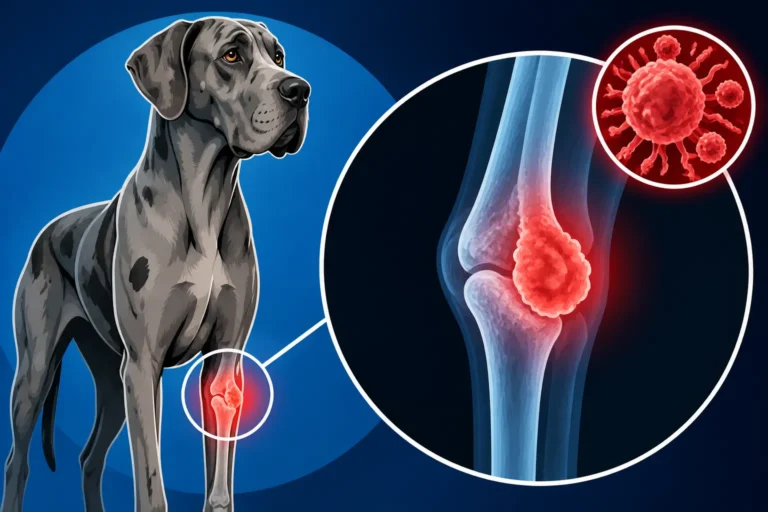
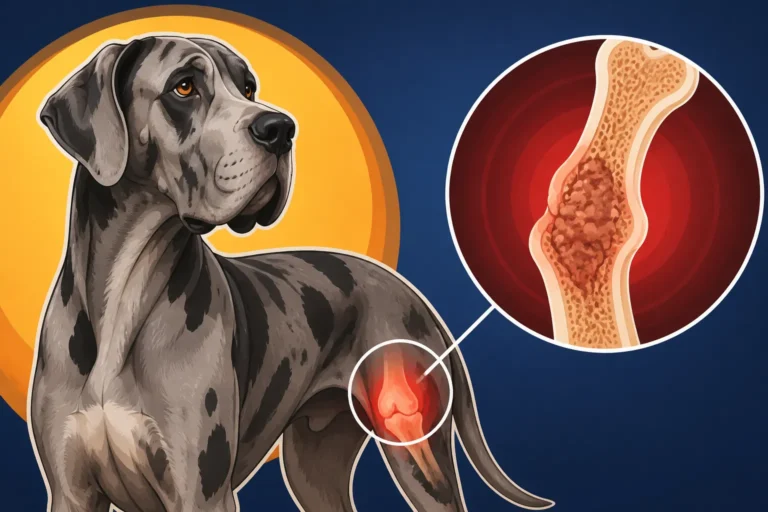
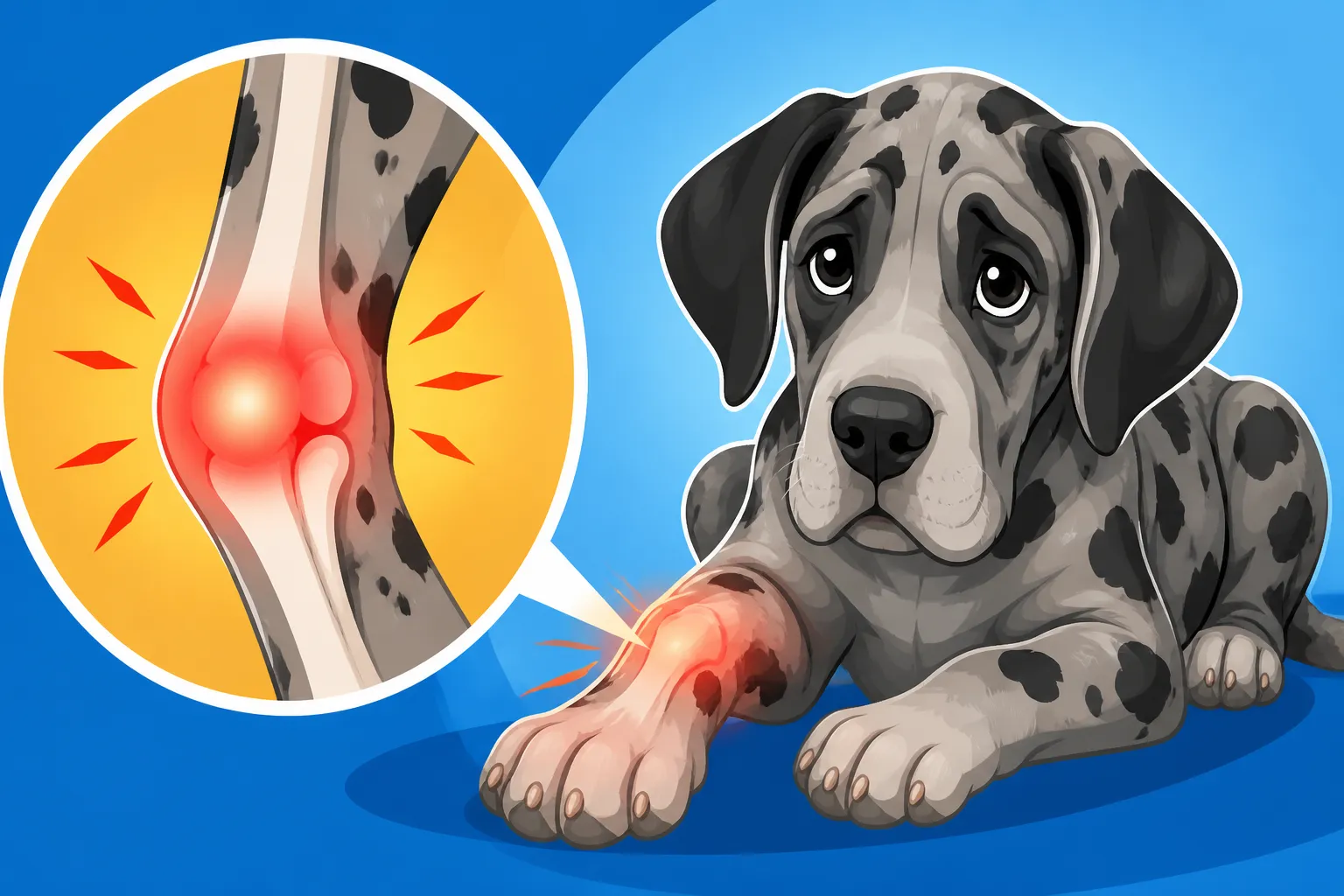
Hypertrophic Osteodystrophy, or HOD, is a nightmare for many Great Dane puppy owners. It’s an inflammatory condition of the growth plates, most commonly affecting the long bones in the legs, like those in the wrist or ankle. The hallmark symptom is sudden onset lameness, often accompanied by noticeable swelling and intense pain in the affected joints. When you touch the area, it might feel hot to the touch, and your puppy may cry out. They might also exhibit systemic signs, such as fever, lethargy, loss of appetite, and even a reluctance to move at all.
HOD often appears in puppies between two and eight months of age, during their most intense growth phases. It can affect one limb, multiple limbs, or even shift from one limb to another, a phenomenon known as "shifting lameness." The exact cause isn't fully understood, but genetics, excessive nutritional intake (especially high protein or calcium), and even certain viral infections are thought to play a role. It’s a truly frightening experience to see your vibrant pup suddenly unable to stand or walk, feeling like their body is failing them.
Osteochondritis Dissecans OCD – A Cartilage Concern
Another significant orthopedic concern for growing Great Danes is Osteochondritis Dissecans, or OCD. This condition involves a disturbance in the cartilage-to-bone conversion process within the joints, primarily the shoulder, elbow, stifle (knee), and hock (ankle). Essentially, a flap of cartilage fails to properly attach to the underlying bone, leading to a painful lesion. This flap can then separate and float freely within the joint, causing inflammation, pain, and degenerative changes.
Unlike the acute, often dramatic onset of HOD, OCD might present as a more chronic, intermittent lameness that worsens after exercise. You might notice your puppy favoring a limb, especially after a long play session or a growth spurt. While the joint may not always appear visibly swollen or hot like with HOD, it will certainly be painful to palpate. OCD is often linked to rapid growth, genetics, and diet, particularly diets high in calories and calcium, which can promote too-rapid growth, as discussed in Why Fast Growth Wrecks Great Dane Joints. A prompt diagnosis and treatment are crucial to prevent long-term joint damage and ensure your puppy's comfort and mobility.
Panosteitis – The Shifting Lameness
Panosteitis is often referred to as "growing pains" in dogs, and it’s an apt description, though it’s far more painful than the benign aches human children experience. It's an inflammation of the outer surface of the long bones, typically affecting puppies between 5 and 18 months of age, with Great Danes being a commonly affected breed. The most characteristic feature of panosteitis is its migratory nature: lameness can suddenly appear in one leg, resolve after a few days or weeks, and then pop up in another leg. This can be incredibly confusing and frustrating for owners, making it feel like a game of whack-a-mole with their puppy's pain.
The pain associated with panosteitis can range from mild limping to severe lameness, where the puppy might refuse to bear weight on the affected limb. When the bone is palpated, your puppy will often react with discomfort. Unlike HOD, there's usually no systemic illness like fever, and while some mild swelling might be present, it's not as pronounced or consistent as with HOD. The good news is that panosteitis is generally self-limiting; it resolves on its own as the puppy matures and their growth plates close. However, managing the pain during these episodes is essential for your puppy's comfort and well-being.
Nutritional Imbalances and Their Role
It’s easy to think that more food, or richer food, equals a bigger, healthier Great Dane. Unfortunately, for a rapidly growing giant breed puppy, this couldn't be further from the truth. Nutritional imbalances, particularly too much or too little of certain minerals and calories, can significantly contribute to painful, swollen joints. A diet that is too high in calories, protein, or calcium and phosphorus can accelerate growth to an unnatural rate, putting undue stress on developing bones and joints. This is why understanding Why Great Dane Puppy Food Is Different is so important.
Specifically, excess calcium is a major culprit. While calcium is vital for bone development, too much can interfere with the normal remodeling process of bone, leading to conditions like HOD and OCD. Many well-meaning owners, or those feeding generic "large breed" puppy foods not specifically formulated for giant breeds, might inadvertently be providing a diet that is too rich. This rapid growth pushes bones to develop faster than their cartilage can mature, creating structural weaknesses. Conversely, inadequate nutrition can also cause problems, but over-nutrition is far more common in giant breed puppies experiencing orthopedic issues. The goal is steady, moderate growth, not breakneck speed, as highlighted in Whether a Great Dane Puppy Should Be Kept Lean.
Recognizing the Signs: What to Look For
Spotting the subtle cues of discomfort in a Great Dane puppy can be challenging. They’re often stoic, and their size can mask early symptoms. However, being observant and knowing what to look for can make all the difference in getting an early diagnosis and beginning treatment.
Visual Cues of Discomfort and Swelling
The most obvious signs are often visual. Keep a close eye on your puppy's gait and how they move. Are they limping, even slightly? Does one leg seem to be held differently than the others? Watch them walk from different angles. Swelling in a joint, especially around the wrist, elbow, or ankle, is a significant red flag. This swelling might also feel warm to the touch compared to other areas of their leg.
Beyond direct joint issues, pay attention to their posture. Are they reluctant to put full weight on a particular limb? Do they sit or lie down unusually? For instance, they might try to keep an affected leg extended or avoid bending a painful joint. Sometimes, their back might be hunched, indicating generalized discomfort. Even subtle changes in their muscular development, where one leg appears less muscled due to disuse, can be a sign of chronic pain. Remember, your puppy can't tell you what hurts, so you have to be their eyes and ears.
Behavioral Changes and Activity Levels
Sometimes, the first signs aren't physical but behavioral. A normally boisterous Great Dane puppy might become withdrawn, less playful, or unusually quiet. They might refuse to go on walks or decline to participate in games they usually love. You might notice them struggling to get up after resting or hesitating before jumping on furniture or climbing stairs. A change in appetite or increased lethargy can also be indicators that something is off.
Conversely, some puppies might become more irritable or even show signs of aggression when touched in a painful area. If your normally sweet pup nips or growls when you try to pet their leg, it’s a clear sign of pain. They might also lick or chew excessively at a particular joint. Any deviation from their usual happy-go-lucky puppy demeanor warrants investigation, especially if combined with any of the physical cues. This is also why understanding How Much a Growing Great Dane Should Walk is crucial to avoid overexertion and exacerbate hidden joint issues.
When to Worry and Seek Veterinary Care
The moment you notice any persistent lameness, swelling, or significant behavioral changes, it's time to call your veterinarian. Don’t wait to see if it "gets better on its own." While some conditions like mild panosteitis can resolve, early intervention is critical for many orthopedic problems to prevent long-term damage. If your puppy is showing signs of systemic illness like fever, severe lethargy, or complete refusal to bear weight, this constitutes an emergency, and you should seek immediate veterinary attention. These signs could point to serious conditions like severe HOD or even an infection in the joint.
It’s also wise to establish a good relationship with a vet who has extensive experience with giant breeds. Their understanding of conditions specific to Great Danes will be invaluable. Don't be afraid to voice your concerns or ask for a second opinion if you feel your puppy isn't improving. You are your Great Dane's strongest advocate, and trusting your gut feeling as an owner is often the first step to getting them the help they need. Planning ahead for potential vet bills with pet insurance, perhaps from a provider like Healthy Paws, can significantly ease the stress of unexpected emergencies.
The Veterinary Diagnostic Process
When you bring a limping Great Dane puppy with swollen joints to the vet, they will embark on a systematic diagnostic journey. This process is designed to pinpoint the exact cause of the pain, differentiate between similar conditions, and ultimately guide the most effective treatment plan. It’s important to be patient and provide as much detail as possible about your puppy’s symptoms and history.
Initial Examination and History Taking
The first step will always be a thorough physical examination. Your vet will carefully palpate each joint, checking for swelling, heat, and pain response. They'll assess your puppy's range of motion, observe their gait, and look for any neurological deficits. But before even laying hands on your pup, they'll want a detailed history from you.
Be prepared to discuss:
- When did you first notice the symptoms? Was it sudden or gradual?
- What exactly are you observing? Is it a limp, swelling, behavioral change, fever?
- Has it improved or worsened?
- What is your puppy's diet? Be specific about the brand, type (puppy vs. adult), and amount of food and any supplements. This information is crucial given the role of nutrition in Bone Development Problems in a Great Dane Puppy.
- What is their exercise routine?
- Any recent injuries or changes in their environment?
- Are they up to date on vaccinations?
- Have they been exposed to any other sick animals?
This detailed history provides critical clues that help narrow down the possibilities and guide further diagnostic steps.
Imaging Techniques: X-rays and Beyond
Once the physical exam and history are complete, your vet will likely recommend imaging. X-rays are the cornerstone for diagnosing most orthopedic conditions. For a Great Dane puppy with suspected HOD, OCD, or panosteitis, radiographs of the affected joints will be taken. For HOD, X-rays might show characteristic flaring or widening of the growth plates, especially in the ulna and radius (forelegs). With OCD, they can reveal a cartilage flap or a defect in the joint surface. Panosteitis often shows up as increased density within the bone marrow.
Sometimes, X-rays might not tell the whole story, especially in the very early stages of a condition or if soft tissue damage is suspected. In such cases, your vet might suggest more advanced imaging techniques like ultrasound, CT scans, or MRI. These can provide a more detailed view of soft tissues, cartilage, and complex joint structures, though they are more expensive and often require referral to a specialist. For conditions like The Neck Condition That Trips a Great Dane Up, more advanced imaging is often necessary.
Blood Tests and Other Diagnostics
In addition to imaging, blood tests might be recommended, especially if your puppy is showing systemic signs like fever, lethargy, or loss of appetite, which are common with HOD. A complete blood count (CBC) can reveal signs of inflammation or infection, such as an elevated white blood cell count. A biochemistry panel can assess organ function and rule out other underlying health issues.
In some rarer cases, if an infection is strongly suspected within the joint, your vet might recommend a joint tap (arthrocentesis). This involves carefully withdrawing a small sample of joint fluid for analysis. The fluid can be examined for cell type, bacteria, and other indicators of infection or severe inflammation. All these diagnostic steps, from initial consultation to advanced imaging, represent significant financial outlays, and having pet insurance from a reputable provider like Healthy Paws can be incredibly helpful in managing these costs.
Treatment and Management Options
Once a diagnosis is made, the focus shifts to alleviating your Great Dane puppy’s pain and promoting healing. Treatment plans for swollen, painful joints in giant breed puppies vary significantly depending on the underlying condition, but they generally involve a combination of medical management, dietary adjustments, and careful activity restriction.
Medical Management and Pain Relief
The primary goal in treating any painful joint condition is to make your puppy comfortable. This almost always involves pain medication. Non-steroidal anti-inflammatory drugs (NSAIDs) are commonly prescribed to reduce pain and inflammation. Medications like carprofen, meloxicam, or deracoxib can provide significant relief, allowing your puppy to move more comfortably and rest. It’s crucial to administer these medications exactly as prescribed by your vet, as improper dosing can lead to serious side effects.
For more severe pain, especially in conditions like HOD, stronger pain medications or even corticosteroids might be used for short periods to reduce intense inflammation. Your vet will carefully weigh the benefits against the potential side effects. Additionally, gastroprotectants might be prescribed alongside NSAIDs to protect your puppy's stomach. The duration of medication will depend on the specific condition and how quickly your puppy responds to treatment. Remember, pain management is not just about comfort; it's about allowing the body to heal without constant stress from pain.
Dietary Adjustments and Supplementation
As we discussed, nutrition plays a crucial role in the development of giant breed puppies. If dietary imbalances are suspected or confirmed to be contributing to the joint issues, significant adjustments will be made. This typically means switching to a high-quality, large or giant breed specific puppy food that is formulated with appropriate calcium-to-phosphorus ratios and controlled calorie levels. This helps promote slow, steady growth rather than rapid, problematic expansion. Your vet will guide you on the best food choices and appropriate feeding amounts, discouraging free-feeding.
In some cases, joint supplements containing glucosamine, chondroitin, and omega-3 fatty acids might be recommended. While these are not a cure, they can help support cartilage health, reduce inflammation, and improve joint lubrication. However, it's vital to discuss any supplements with your vet first, as Whether Extra Calcium Damages a Great Dane is a real concern, and over-supplementation can be detrimental. Always ensure the dose is appropriate for your Great Dane's size and age.
Surgical Interventions for Specific Conditions
While many puppy joint conditions, like panosteitis and even mild HOD, are managed medically, some, particularly severe cases of OCD, may require surgical intervention. If a large cartilage flap is causing persistent pain and lameness due to OCD, surgery can be performed to remove the loose cartilage and smooth the joint surface. This procedure helps to prevent further damage and alleviate pain.
The decision for surgery is not taken lightly and involves careful consideration of the puppy's age, the severity of the lesion, and the potential long-term prognosis. Post-operative care involves strict rest, physical therapy, and pain management to ensure proper healing and recovery. The costs associated with such surgeries can be substantial, reinforcing the value of comprehensive pet insurance plans like those offered by Healthy Paws, which can cover a significant portion of these unexpected expenses.
Lifestyle Modifications and Restricted Activity
A crucial part of managing painful joints in a Great Dane puppy is modifying their activity levels. This often means strict crate rest or confinement to a small, safe area where they cannot run, jump, or play roughly. This might sound heartbreaking for an energetic puppy, but it’s essential to allow the joints to heal without additional stress or injury. Your vet will provide specific guidelines on the duration and intensity of activity restriction.
Gradual return to activity will be carefully managed. Initially, this might mean short, leashed walks for bathroom breaks only. As they improve, controlled exercise on soft surfaces, like grass, might be introduced. Avoid hard impacts, jumping, or intense play sessions. It's also important to manage their environment, ensuring they have soft, supportive bedding to lie on and avoiding stairs if possible. This careful management is paramount, as excessive activity can easily exacerbate existing conditions or lead to new ones, particularly during their critical growth period.
Long-Term Outlook and Prevention
Dealing with a Great Dane puppy's painful joints can feel overwhelming, but understanding the long-term outlook and taking proactive steps for prevention can bring peace of mind and significantly improve your dog's quality of life.
Prognosis for Common Joint Conditions
The good news is that the prognosis for many common giant breed puppy joint conditions is generally favorable with proper management.
- Panosteitis is almost always self-limiting. While it can be painful and frustrating, most puppies fully recover without long-term issues once they reach skeletal maturity.
- HOD can range from mild to severe. Mild cases often resolve with medical management, though some puppies may experience recurring bouts. Severe HOD can be more challenging, potentially leading to permanent joint deformities if not managed aggressively. However, many puppies do recover and go on to live full lives.
- OCD prognosis varies. Smaller lesions often respond well to conservative management, while larger, more severe cases requiring surgery can still have a good outcome, especially with diligent post-operative care. Early diagnosis and intervention are key to preventing chronic arthritis later in life.
Regardless of the specific condition, proactive management, strict adherence to veterinary advice, and a commitment to their long-term care can significantly influence their recovery and overall joint health.
Importance of Responsible Breeding and Early Screening
Prevention truly begins before you even bring a puppy home. Responsible breeding practices are paramount in reducing the incidence of these debilitating joint conditions. Reputable Great Dane breeders will screen their breeding stock for genetic predispositions to orthopedic issues like hip and elbow dysplasia, which can sometimes co-occur or exacerbate other problems. They will provide documentation of these health clearances. Asking a breeder about The Health Testing a Great Dane Breeder Owes You is crucial.
Furthermore, a responsible breeder will feed their puppies an appropriate diet designed for giant breed growth and advise new owners on proper nutrition and exercise protocols. They will also wait until puppies are at least 8-10 weeks old before sending them to new homes, ensuring they get the best start with their mother and littermates. This commitment to genetic health and early proper care lays the foundation for a healthier puppy. You can learn more about this by researching Reading a Great Dane Puppy's Health Papers.
Proactive Care for Healthy Great Dane Joints
Beyond choosing a responsible breeder, your ongoing commitment to proactive care is vital for your Great Dane's joint health.
- Giant Breed Puppy Food: Feed a high-quality, giant breed-specific puppy food designed for slow growth, with controlled calcium and phosphorus levels. Avoid generic large breed foods, and certainly avoid regular puppy food or free-feeding. Read labels carefully, focusing on calcium-to-phosphorus ratios.
- Controlled Exercise: Limit strenuous, high-impact exercise during puppyhood. Avoid forced running, jumping from heights, or excessive stair climbing. Encourage short, frequent, controlled walks and gentle play. Why a Great Dane Puppy Should Not Jog is a concept every owner needs to understand.
- Maintain a Lean Body Condition: Keep your puppy lean. Overweight puppies put additional stress on their developing joints. You should be able to easily feel, but not necessarily see, their ribs. Adjust food intake as needed to maintain this ideal body condition.
- Soft Bedding: Provide ample, supportive, orthopedic bedding to cushion their joints and prevent pressure sores.
- Regular Veterinary Check-ups: Regular vet visits allow your vet to monitor your puppy's growth and address any concerns early. Discuss any limping or changes you notice promptly.
- Consider Pet Insurance: As mentioned, the costs associated with diagnosing and treating joint issues can be astronomical. Investing in pet insurance early, before any pre-existing conditions develop, can be a financial lifeline. Companies like Healthy Paws offer plans that can cover a significant portion of emergency care, diagnostics, and treatments for these conditions, offering immense peace of mind.
By being vigilant, providing appropriate nutrition and exercise, and partnering with your veterinarian, you can give your Great Dane puppy the best possible chance at a long, healthy, and pain-free life.
Disclaimer
The information provided in this article is for general informational purposes only and is not a substitute for professional veterinary advice, diagnosis, or treatment. Always seek the advice of your veterinarian or other qualified animal health provider with any questions you may have regarding a medical condition. Never disregard professional veterinary advice or delay in seeking it because of something you have read in this article.