Whether a Great Dane Hygroma Needs Draining
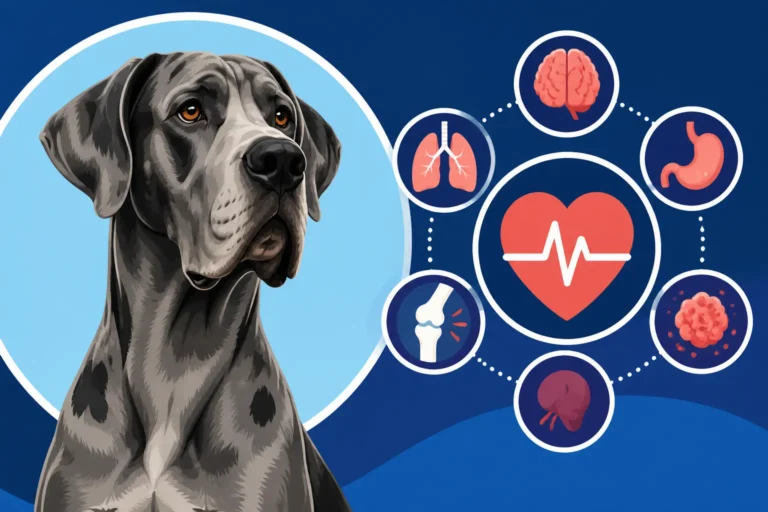
Catching sight of a new, soft lump on your beloved Great Dane's elbow can send a jolt of worry through any owner. Is it serious? Will it go away? And the big question that often pops into mind: does this thing need to be drained? Navigating the world of Great Dane health issues can feel like a minefield, especially with unique conditions like elbow hygromas, and this guide is here to shed light on exactly what an elbow hygroma is, and more importantly, when—and when not—to consider draining it.
What Exactly Is an Elbow Hygroma in a Great Dane?
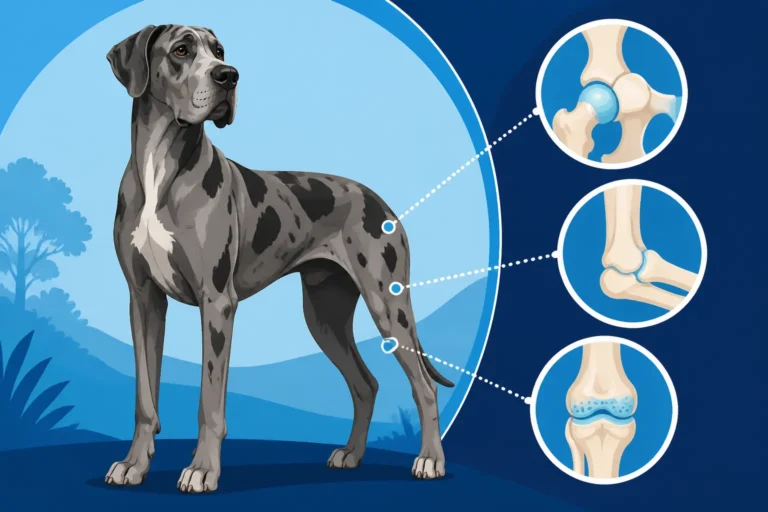
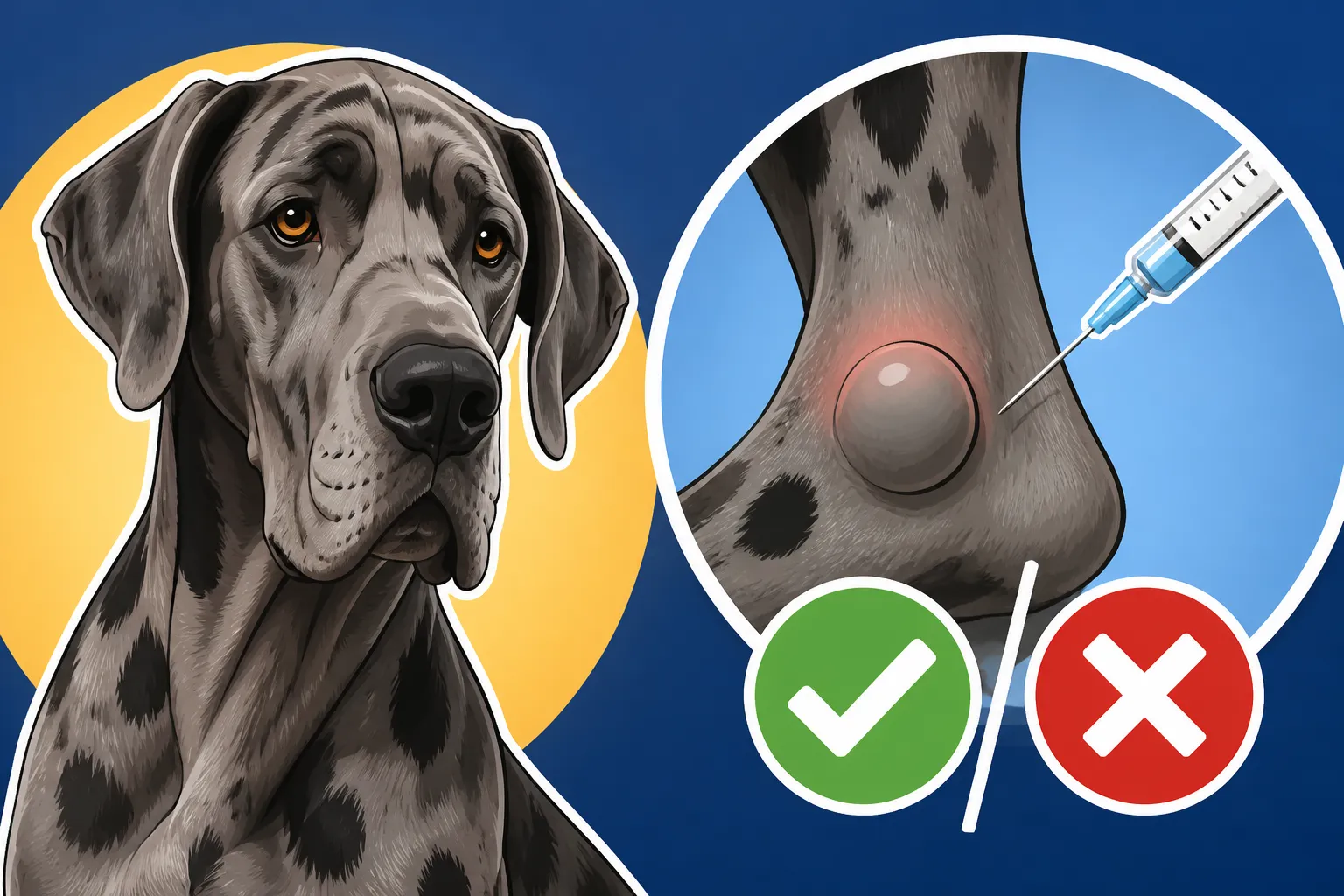
Let's start by demystifying this rather intimidating-sounding condition. An elbow hygroma in a Great Dane, or any large breed, is essentially a fluid-filled sac that forms over a bony prominence, most commonly the elbow. It's not a tumor, nor is it infectious in its initial stages. Think of it as a bursa that's gone a bit rogue. Your dog has bony elbows that, especially with their immense weight, take a beating when they repeatedly lie down on hard surfaces like concrete, tile, or even thin carpet over a hard floor.
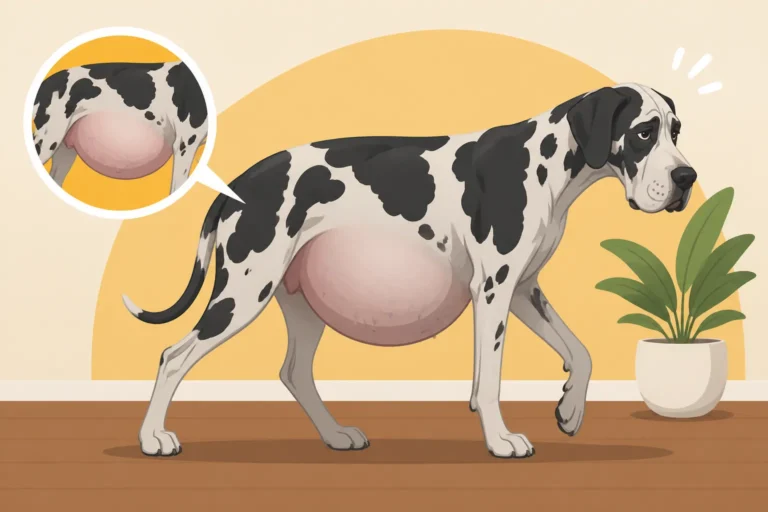
When your big goofball flops down, that elbow bone bangs against the floor. Over time, this repetitive trauma causes inflammation. The body, in its wisdom, tries to protect that area. It starts producing fluid to cushion the impact, forming a soft, usually painless, swelling. It’s a defense mechanism, a natural shock absorber. Initially, you might notice what feels like a squishy water balloon right on the point of their elbow. This is the classic presentation of a Great Dane with a soft swelling on its elbow.
The Mechanism Behind the Swelling
The process begins subtly. Each time your Great Dane drops onto a hard surface, the skin and underlying tissues over the olecranon (the bony tip of the elbow) are compressed and rubbed. This constant friction and pressure lead to irritation. The body responds by trying to create a protective buffer, and this is where the bursa comes in. A bursa is a small, fluid-filled sac that reduces friction between bones, tendons, and muscles. When subjected to chronic trauma, this bursa can become inflamed and start producing excessive fluid, leading to the noticeable swelling we call a hygroma.
It's a sterile inflammation at first, meaning no bacteria are involved. The fluid inside is typically clear to yellowish, resembling serum. Owners often discover it during a routine cuddle or grooming session, feeling a distinct, compressible lump. The size can vary from a small golf ball to something much larger, depending on the severity and duration of the trauma. These can appear quickly, almost overnight, leaving you scratching your head about where it came from. The key thing to remember is that this isn't usually painful to your dog unless it becomes very large or, more commonly, infected.
Common Causes and Contributing Factors
The primary culprit, almost without exception, is repeated trauma to the elbow. This mostly comes from the choices of bedding and flooring in your home. If your Great Dane loves to sprawl out on the kitchen tile because it's cool, or if their favorite sleeping spot is a hard concrete patio, they are prime candidates for developing an elbow hygroma. Their sheer size and weight magnify the impact. A smaller dog might tolerate a hard floor better, but a 150-pound Great Dane hitting that elbow joint repeatedly? It’s a recipe for trouble.
Beyond just hard surfaces, some Danes are just more prone. Dogs who are less active, perhaps older, or those recovering from surgery who spend more time lying down, might develop them more readily. Genetics can play a minor role too, with some dogs having thinner skin or less natural padding over their joints. However, for most Great Danes, it really boils down to environmental factors. Providing proper bedding that prevents Great Dane hygromas is paramount, and it's often the simplest and most effective preventative measure. Without addressing the underlying cause – the hard surfaces – any treatment, including draining, is likely to be a temporary fix at best.
Why Draining a Great Dane Hygroma Isn't Always the Best Idea
It's a natural instinct when you see a fluid-filled lump to want to get rid of the fluid. It seems logical, right? Pop it, drain it, problem solved. However, when it comes to elbow hygromas in Great Danes, draining them, especially without addressing the root cause, can actually introduce a whole host of new, far more serious problems. Vets often advise against routine draining for several compelling reasons.
The Risks of Infection
The biggest, scariest risk with draining a hygroma is infection. When a veterinary professional drains a sterile hygroma, they puncture the skin and the sac, creating a direct pathway for bacteria to enter. Even with the most meticulous sterile technique, the risk isn't entirely eliminated. Great Danes, being the wonderful, curious creatures they are, might lick the puncture site, drag it through dirt, or simply just have environmental bacteria present on their skin. Once bacteria get into that fluid-filled sac, you're no longer dealing with a sterile inflammation; you have a potentially nasty infection on your hands.
An infected hygroma is a whole different beast. It becomes painful, hot to the touch, swollen, and can even start oozing pus. This requires aggressive treatment, often involving antibiotics, repeated flushes, and sometimes even surgical intervention to clean out the infected tissue. What started as a relatively benign, painless lump can quickly escalate into a serious, painful, and expensive problem. And let's be honest, nobody wants to put their giant dog through that when it could have been avoided. This is why many vets strongly prefer a conservative approach, especially for an intact, uninfected hygroma.
Scar Tissue and Recurrence
Even if you manage to avoid infection, draining a hygroma doesn't necessarily solve the problem. In fact, it can make it worse in the long run. When the fluid is removed, the space remains. If the underlying cause – those hard surfaces – isn't addressed, the body will simply start refilling the sac with fluid. You could end up in a cycle of repeated draining, each time increasing the risk of infection and forming more scar tissue.
Scar tissue is tough, fibrous tissue that replaces normal tissue after an injury. While it might sound like it would be protective, it often makes the area less pliable and more prone to future issues. Repeated draining and subsequent re-filling can lead to a more rigid, thickened hygroma that is even harder to resolve. This chronic inflammation and scar tissue can eventually make the area more susceptible to future trauma and irritation, creating a vicious cycle. The goal should always be to prevent the hygroma from forming or enlarging, not just to temporarily remove the fluid.
The Importance of Conservative Management First
For most uncomplicated, uninfected elbow hygromas, the first line of defense is always conservative management. This means focusing on prevention and giving the body a chance to resorb the fluid on its own. The absolute most critical step is to provide soft, orthopedic bedding for your Great Dane. We're talking thick, supportive beds that truly cushion their joints. Think memory foam or dense orthopedic mattresses, not just a thin pad. This directly addresses the root cause of the trauma. You can also explore options like wraps or specialized elbow pads designed to protect the area while the hygroma heals.
Other conservative measures might include warm compresses to encourage fluid resorption and sometimes anti-inflammatory medications if there's discomfort, though this is rare in an uninfected hygroma. The key is patience. These things can take weeks or even months to resolve, but with consistent protection from further trauma, many hygromas will shrink or disappear entirely. This approach avoids the risks of draining and allows the body's natural healing processes to take over. When considering the overall health and lifespan concerns for our Great Danes, avoiding unnecessary invasive procedures is always a win.
When Veterinary Intervention, Including Draining, Becomes Necessary
While draining is generally discouraged for sterile hygromas, there are specific situations where a veterinarian might recommend it, or even deem it absolutely necessary. These typically involve complications that arise from an untreated or poorly managed hygroma. It’s crucial to recognize these signs and seek immediate veterinary attention. Pet insurance, like that offered by Healthy Paws, can be incredibly beneficial in covering unexpected and costly interventions for conditions like these, which can quickly rack up vet bills.
Signs of an Infected Hygroma
This is the big one. As discussed, a sterile hygroma can become infected, and when it does, it changes everything. An infected hygroma will show clear signs that indicate something is seriously wrong and requires immediate medical attention. Keep an eye out for:
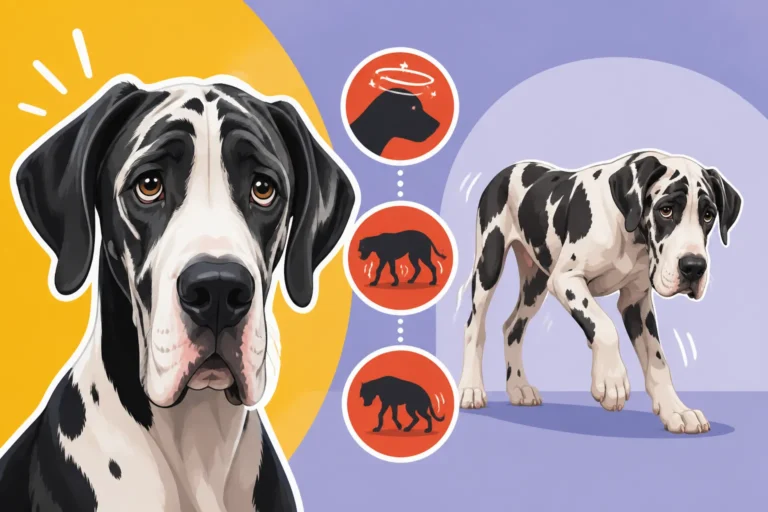
- Pain: Your dog may yelp when the elbow is touched, start limping, or show reluctance to put weight on that leg. They might also become withdrawn or snappy if you try to examine the area.
- Heat: The affected elbow will feel noticeably warm to the touch compared to the other elbow or surrounding skin.
- Redness: The skin over the hygroma will appear red and inflamed.
- Pus or Discharge: You might see pus draining from the hygroma, or it may feel boggy and filled with purulent material. The skin might even break open, leading to an open wound that oozes.
- Swelling: The hygroma itself may become significantly larger and firmer due to increased inflammation and bacterial activity.
- Systemic Signs: In severe cases, your Great Dane might also develop a fever, lethargy, or loss of appetite. These are signs that the infection is widespread and potentially impacting their general health.
If you observe any of these symptoms, it's time to call your vet without delay. An infected hygroma is a serious medical issue that needs prompt treatment, which often includes antibiotics and sometimes surgical debridement (cleaning) and drainage to remove the infected material. This is one instance where draining a Great Dane hygroma becomes a critical part of the treatment plan, not just an aesthetic fix.
Rupture or Open Wounds
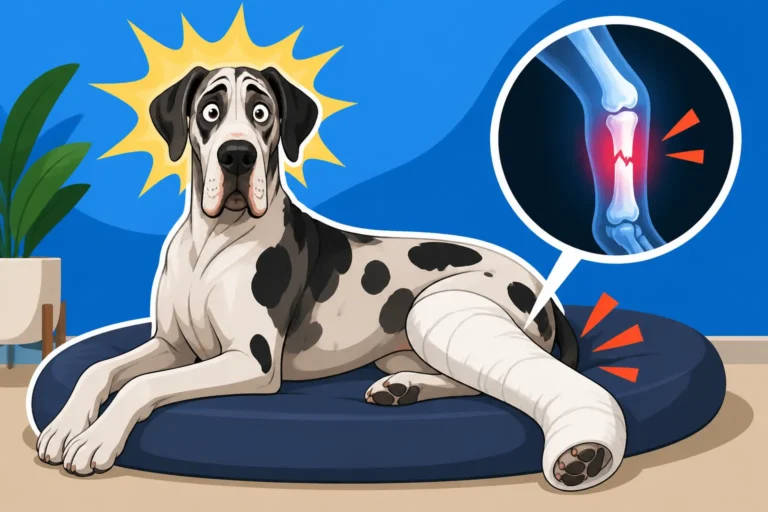
Sometimes, due to continued trauma, excessive size, or infection, a hygroma can rupture or develop an open wound. This means the skin over the hygroma breaks, exposing the internal fluid and tissues to the external environment. This creates a high risk for infection if one isn't already present. An open hygroma can be messy, constantly seeping fluid, and incredibly difficult to keep clean and sterile.
When a hygroma ruptures or develops an open wound, the vet's approach will shift dramatically. They will often need to thoroughly clean the wound, assess for infection, and decide on the best course of action, which might include surgical debridement to remove damaged tissue and promote healing. Sometimes, special dressings or even a surgical flap may be necessary to close the defect. This situation is complex and far beyond simple drainage. Preventing the hygroma from reaching this stage is always preferable, highlighting the importance of early intervention with proper bedding and protection. Remember, Great Dane Hips, Elbows and Growing Joints are always under stress due to their size, making proper care vital.
When Surgical Excision Might Be Considered
In very rare and persistent cases, particularly those with chronic infection, severe scarring, or repeated recurrence despite diligent conservative management, a vet might discuss surgical excision. This involves surgically removing the entire hygroma sac. It's a more invasive procedure and typically reserved as a last resort because of the potential for complications.
The elbow is a high-motion area, and surgically removing the hygroma can leave a significant defect that is difficult to close, especially in large breeds like Great Danes. There's also the risk of seroma formation (another fluid collection) after surgery, or the wound breaking down, especially if the dog continues to lie on hard surfaces. Rehabilitation and strict confinement might be necessary post-surgery to ensure proper healing. This type of surgery is generally more involved and costly, making financial planning through something like Healthy Paws insurance a smart move for Great Dane owners.
Preventative Measures and Management for Great Dane Hygromas
The best approach to elbow hygromas is always prevention. It's far easier, less stressful for your dog, and less expensive for you to prevent them from forming in the first place, or to manage them conservatively, than to treat a complicated or infected one. Given the sheer size and weight of a Great Dane, their joints, especially their elbows, are subjected to significant pressure daily. Proactive care is key.
Investing in Quality Bedding
This cannot be stressed enough: good bedding is your Great Dane's best friend. Forget those flimsy, cheap dog beds that flatten out after a week. Your giant companion needs dense, supportive, orthopedic beds that truly cushion their entire body, especially their elbows and hocks. Look for beds made with high-density memory foam or thick, human-grade foam. The bed should be thick enough so that when your Great Dane lies on it, their elbows don't touch the hard floor underneath.
Place these beds strategically in all your Great Dane's favorite resting spots. If they love to cool off on the tile in the kitchen, put a thick mat or a cool gel orthopedic bed there. If they lounge in the living room, make sure they have a plush, supportive bed. The goal is to eliminate all opportunities for their elbows to make repeated, hard contact with unforgiving surfaces. This simple step is the single most effective way to prevent and manage elbow hygromas. I've seen countless owners tell me how much difference switching to a quality orthopedic bed made for their Great Dane's elbows.
Utilizing Protective Wraps or Pads
For Great Danes who have an existing hygroma, or those particularly prone to developing them despite good bedding, protective wraps or elbow pads can offer an additional layer of defense. These are essentially padded sleeves or bandages that fit over the elbow, providing cushioning and reducing friction. They act as a soft barrier between the elbow and any hard surfaces.
When choosing a protective wrap, ensure it fits snugly but isn't too tight, which could restrict circulation. Look for breathable materials and ensure it can be easily cleaned. These can be particularly useful when your Great Dane is in areas outside your home with unknown flooring, or if they have a favorite (but hard) spot they just won't give up. Remember to remove them periodically to check the skin underneath for irritation or rubbing, and to allow the skin to breathe. This combined with "Bedding That Prevents Great Dane Hygromas" is a powerful duo.
Addressing Environmental Factors
Take a critical look around your home and yard. Are there any areas where your Great Dane regularly lies down that are hard?
- Concrete Patios: If your Dane enjoys sunbathing, lay down some outdoor mats or an old comforter.
- Tile or Hardwood Floors: Cover high-traffic lounging areas with thick rugs or dog beds.
- Cracked Pavement or Gravel: If they spend time outside, ensure their main resting spots are soft or graveled with smooth, small stones, or better yet, grassy.
- Crates: If your Great Dane is crated, make sure the crate bottom is padded with a thick, supportive mat.
Even seemingly minor things can contribute. If your dog slides on slick floors, the sudden impact when they drop can be jarring. Adding runners or carpets can help with traction and reduce impact. Essentially, try to make your Great Dane’s world as soft and forgiving as possible for their heavy joints. While Great Danes are called "gentle giants," their physical needs, especially concerning their joints, are very real and require thoughtful consideration. Making these changes can help avoid issues like "Why a Great Dane's Elbows Swell" and contribute positively to their overall well-being.
| Aspect | Draining a Hygroma (Generally Discouraged for Sterile Cases) | Conservative Management (Preferred for Sterile Cases) |
|---|---|---|
| Risk of Infection | High (direct pathway for bacteria) | Very Low (no skin puncture) |
| Pain Level | Can cause temporary discomfort; infection causes severe pain | Usually painless; fluid reabsorption is comfortable |
| Cost | Vet visit, procedure fee, potential antibiotics, follow-ups | Initial cost of quality bedding/pads; fewer vet visits |
| Recurrence Rate | High, if underlying cause isn't addressed | Low, if underlying cause (hard surfaces) is eliminated |
| Scar Tissue Formation | Can increase with repeated draining | Minimal to none |
| Time to Resolution | Immediate fluid reduction, but often refills quickly | Weeks to months for natural fluid reabsorption |
| Effectiveness | Temporary fix, high risk of complications | High, especially with consistent prevention and patience |
Disclaimer
The information provided in this article is for educational purposes only and is not a substitute for professional veterinary advice. Always consult with a qualified veterinarian regarding any health concerns or before making any decisions about your Great Dane's care.