A Great Dane Pacing With a Swollen Belly
That sickening feeling when you see your beloved Great Dane acting strangely – restless, anxious, perhaps pacing circles, and then your eyes land on their belly, and it just looks… wrong. Swollen, taut, maybe even hard. It’s a moment that strikes terror into the heart of any Great Dane owner because we all know, deep down, what those signs usually point to. This isn't just an upset stomach; it's a critical emergency known as bloat or Gastric Dilatation-Volvulus (GDV), and it demands immediate, decisive action. In this guide, we’re going to walk through what those alarming signs truly mean, why your Great Dane is so susceptible, and, most importantly, what you absolutely must do the second you suspect bloat.
The Alarming Signs of a Swollen Belly in Your Great Dane
When your giant companion, usually so calm and relaxed, starts exhibiting unusual behaviors coupled with a visibly distended abdomen, it’s a terrifying alarm bell. This isn't just about feeling a bit uncomfortable after a big meal; these are specific indicators of a life-threatening condition that needs your urgent attention.
Why Pacing and Restlessness are Red Flags
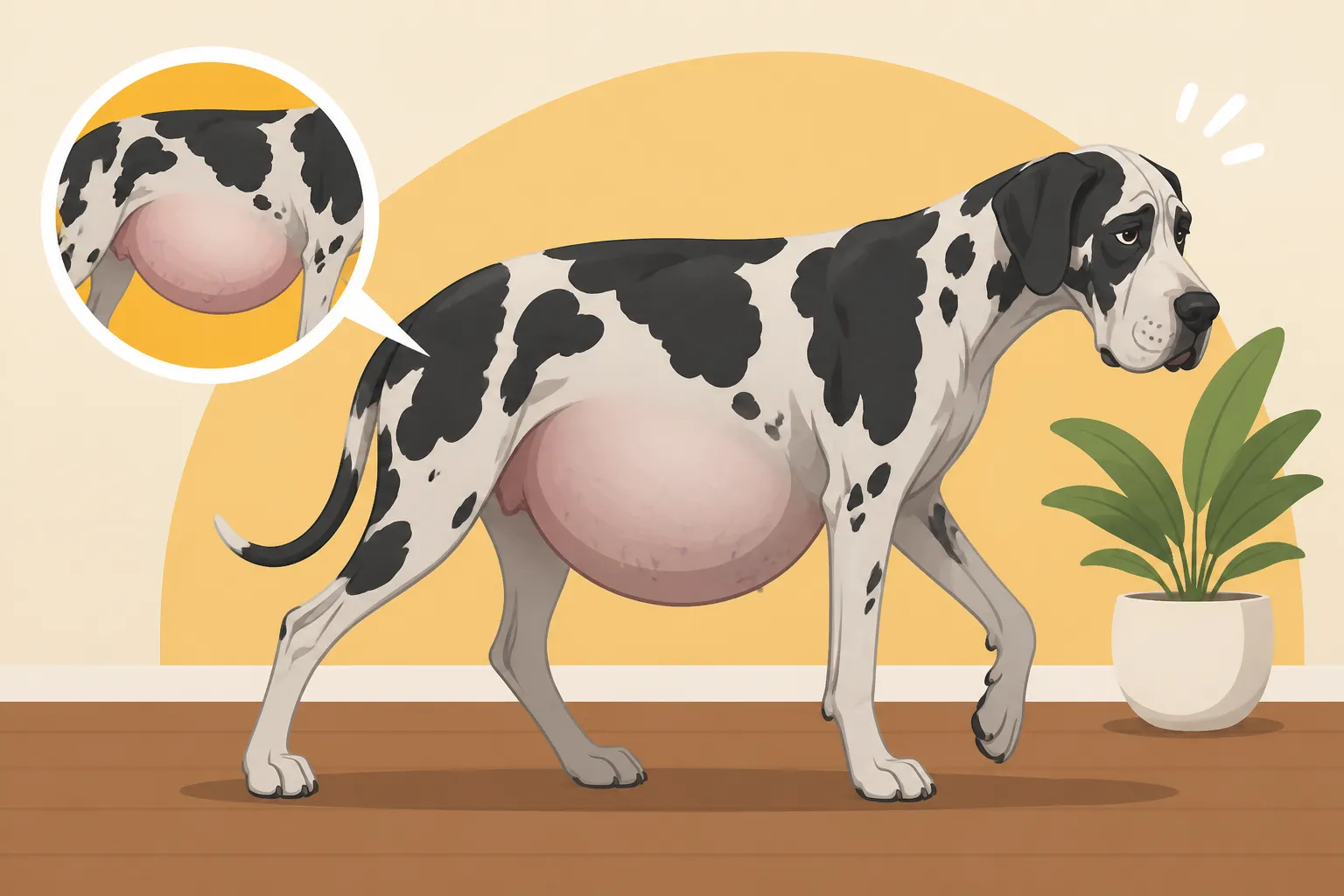
One of the earliest and most heartbreaking signs of bloat is a profound sense of restlessness and anxiety in your Great Dane. They just can't seem to get comfortable. You might see them pacing back and forth, trying to lie down and then immediately getting back up. They might stretch out, only to stand again a moment later, almost as if they're searching for a position that offers relief from an invisible agony. This isn't a playful energy burst; it's a deep, internal discomfort that they can't articulate. They might whine softly, shift their weight constantly, or appear unusually agitated. This restlessness stems from the immense pressure building inside their abdomen as their stomach fills with gas and potentially twists. Imagine a severe, unrelenting cramp that just won't ease up – that's often what your Dane is experiencing, and their inability to settle is a desperate plea for help.
Recognizing the Distended Abdomen
While restlessness can be subtle, a swollen or distended abdomen is often the clearest visual cue. But how do you tell the difference between a dog that’s just had a hearty meal and one that’s bloating? With bloat, the swelling often appears suddenly and can progress rapidly. You might notice your Dane’s flanks, especially on the left side, looking unnaturally full and tight, almost like a drum. Gently tapping on the side might even produce a hollow sound. Their stomach can feel hard to the touch, and they may be very sensitive to you touching that area, sometimes even growling or snapping in pain, which is completely out of character for a normally gentle Great Dane. This isn't just a round belly from eating; it's a taut, often asymmetrical swelling that screams danger. Keeping an eye on The Signs of a Great Dane Stomach Twisting is crucial for early detection.
Other Critical Symptoms to Watch For
Beyond pacing and a swollen belly, there are several other critical symptoms that can accompany bloat. One of the most common and distressing is non-productive retching or dry heaving. Your Dane will look like they're trying desperately to vomit, gagging and straining, but nothing comes up. This happens because the twisted stomach prevents anything from passing through. You might also notice excessive drooling, as if they are nauseous, or gulping motions. As the condition progresses, your Great Dane may start to show signs of shock: pale gums, a rapid and weak pulse, rapid shallow breathing, and general weakness or lethargy. They might become unresponsive, collapse, or appear unsteady on their feet. In severe cases, they may lie down and be unable to get up. Any combination of these symptoms, especially the restlessness, swollen belly, and unproductive retching, should be considered an immediate veterinary emergency.
Understanding Bloat: Gastric Dilatation-Volvulus
Bloat, or Gastric Dilatation-Volvulus (GDV), isn't just an ordinary stomach ache; it's a complex and rapidly progressing medical emergency unique to deep-chested breeds like our beloved Great Danes. Understanding what happens internally and why they are so susceptible can help you appreciate the urgency of the situation.
What Exactly Happens Inside Your Great Dane
At its core, GDV involves two main components:
- Dilatation: This is when the stomach rapidly fills with gas, fluid, or food, expanding dramatically. This expansion puts immense pressure on surrounding organs, the diaphragm, and major blood vessels.
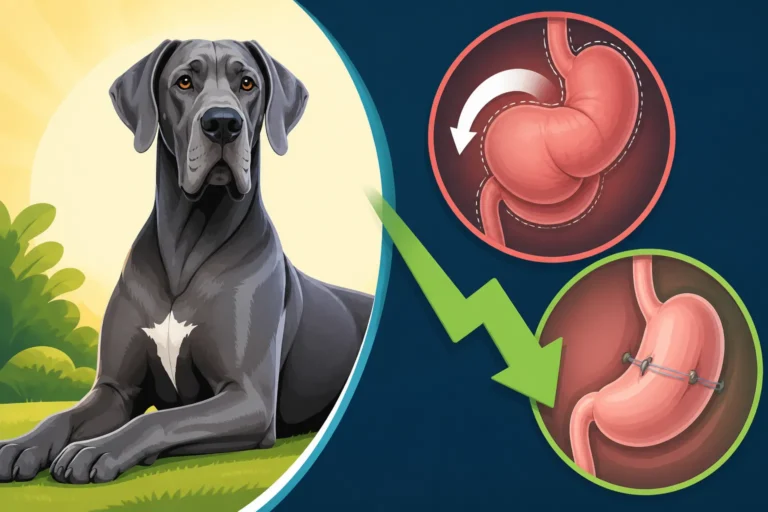
- Volvulus: This is the truly catastrophic part. Under the pressure of dilatation, the stomach then twists on its axis, often 180 to 360 degrees. This twisting seals off both the entrance and exit of the stomach, trapping its contents. It also cuts off blood flow to the stomach wall and spleen, which is attached to the stomach. Without proper blood supply, stomach tissue begins to die, and toxins are released into the bloodstream, leading to shock and organ failure. This is why it's so incredibly painful and dangerous.
Why Great Danes Are So Prone to This Emergency
Great Danes, unfortunately, are at the top of the list for breeds prone to GDV. It's a cruel irony that their magnificent, deep-chested structure, which gives them their regal appearance, also makes them highly vulnerable. The deep, narrow chest cavity allows their stomach more room to swing and twist when full, unlike a broader, shallower chest. While genetics play a significant role, certain lifestyle factors are also implicated. Eating one large meal quickly, especially if followed by vigorous exercise, is often cited as a risk factor. Stress, anxiety, and even underlying gut issues can also contribute. Knowing that Bloat in a Great Dane and the One in Three Odds exists for our Danes means we must always be vigilant and proactive in prevention.
The Race Against Time: Why Every Minute Counts
When a Great Dane experiences GDV, time is not just a factor; it's the factor. The moment the stomach twists, blood flow is compromised. This means every minute that passes, more damage is occurring. The stomach wall can become necrotic (die) from lack of blood, and the spleen, also deprived of blood, can sustain severe injury. The pressure on the diaphragm makes breathing difficult, and the reduced blood return to the heart can send your Dane into shock. The release of toxins from dying tissue further compounds the crisis. Survival rates drop dramatically with each passing hour. Vets often emphasize that How Many Minutes a Bloating Great Dane Has can literally be counted, making immediate recognition and action paramount. This isn't a situation where you can wait to see if things improve; it's an emergency demanding immediate veterinary intervention.
Immediate Action When Your Great Dane Shows Symptoms
When you see your Great Dane exhibiting symptoms of bloat – pacing, a swollen belly, trying to vomit without success – panic is a natural reaction. But this is precisely when you need to act quickly and decisively. Your fast response can mean the difference between life and death for your beloved dog.
The Critical First Steps: Getting to the Vet
The absolute first thing you must do is get your Great Dane to the nearest emergency veterinary clinic. Do not try home remedies, do not wait to see if it gets better, and do not call your regular vet if they are not equipped for immediate emergency surgery. You need a facility with a full surgical suite and staff ready to handle a critical case.
- Locate Your Emergency Vet: If you don't already have one, identify your closest 24/7 emergency veterinary hospital now, before an emergency strikes. Have their number programmed into your phone and know the fastest route.
- Call Ahead: As you're heading out the door, call the emergency vet to let them know you’re coming, what symptoms your Great Dane is showing, and your estimated arrival time. This allows them to prepare for your arrival, having staff, equipment, and potentially a surgeon ready.
- Safe Transport: Carefully help your Great Dane into your vehicle. If they are in severe pain, be cautious, as even the gentlest dog can nip when in agony. Lay towels or a blanket down in your car for comfort and to catch any drool or vomit. Driving a Bloating Great Dane to the Emergency Vet is not a leisurely trip; it's a frantic race against the clock. Stay calm for your dog, but drive directly and quickly.
What to Expect at the Emergency Clinic
Once you arrive at the emergency clinic, things will happen very quickly. The veterinary team will prioritize your Great Dane due to the severity of GDV.
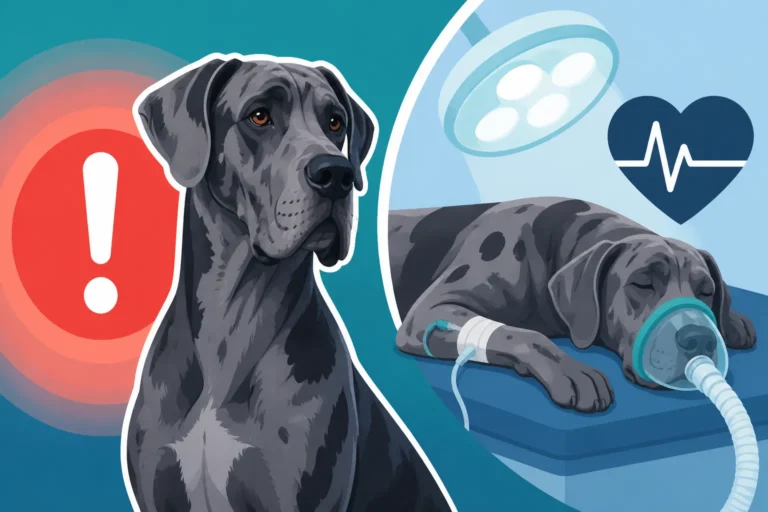
- Initial Assessment and Stabilization: The vet will perform a quick physical exam, checking vital signs, and immediately begin stabilization. This typically involves inserting an IV catheter to administer fluids and medications for pain and shock. They might attempt to decompress the stomach by passing a tube down the esophagus or, if that's not possible, by inserting a large needle (trocar) directly into the abdomen to release gas.
- Diagnosis with X-rays: An X-ray is the definitive diagnostic tool for GDV. It will confirm if the stomach is dilated and, more critically, if it has twisted.
- Surgery: If GDV is confirmed, emergency surgery is almost always required. The procedure, called a gastropexy, involves untwisting the stomach and then tacking it to the abdominal wall to prevent future twisting. What Surgeons Do to a Twisted Great Dane Stomach is a complex and often lengthy operation, but it's essential for survival.
Pet insurance providers like Healthy Paws are often a lifeline in these situations, as the cost of emergency surgery and critical care can easily run into thousands of dollars. Having a plan in place with Healthy Paws or a similar insurer can alleviate the financial stress during an already traumatic time.
Post-Surgery Care and Long-Term Prevention
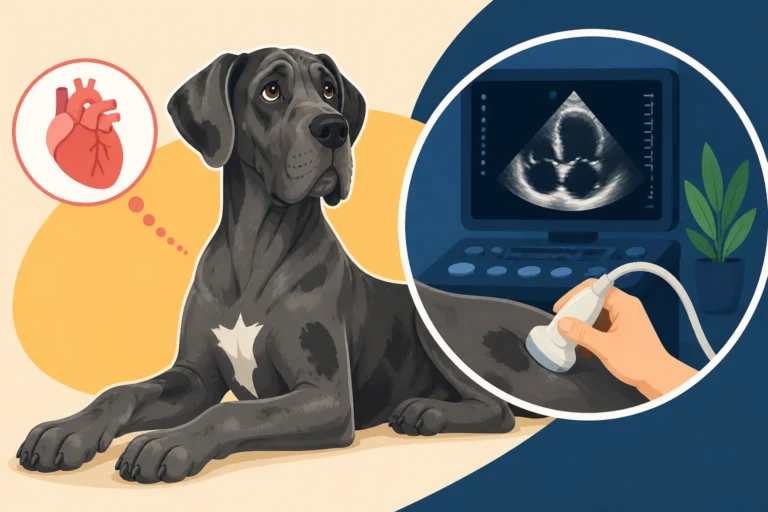
The journey doesn't end after surgery. Your Great Dane will require intensive post-operative care, including pain management, IV fluids, and monitoring for complications like cardiac arrhythmias, peritonitis, or further tissue damage. Recovery After Great Dane Bloat Surgery can be challenging, but with dedicated care, many Danes make a full recovery.
For long-term prevention, a gastropexy performed during the emergency surgery significantly reduces the risk of future volvulus (twisting), although it doesn't prevent the dilatation (gas build-up). This is why many Great Dane owners opt for a prophylactic gastropexy during spay/neuter surgery or as a standalone procedure even before bloat occurs. Discussing When to Book a Great Dane Gastropexy with your vet is a critical conversation for any Great Dane owner. While tacking doesn't eliminate bloat risk entirely, it dramatically improves prognosis for future instances. Thinking about Whether Tacking Ends Great Dane Bloat Risk helps you understand the nuance. You'll also need to adjust feeding habits, which we'll cover next.
Minimizing Risk and Maximizing Preparedness
Living with a Great Dane means living with the ever-present knowledge of bloat risk. While a gastropexy is a huge step in prevention, it's not a silver bullet against dilatation, and other lifestyle factors can still contribute to your Dane's overall digestive health and comfort. Being proactive and prepared is your best defense.
Lifestyle Adjustments for Bloat Prevention
Even with a gastropexy, adopting certain feeding and lifestyle habits can further reduce the risk of your Great Dane experiencing life-threatening bloat symptoms.
- Multiple Small Meals: Instead of one or two large meals, divide your Great Dane's daily food ration into two or three smaller meals throughout the day. This reduces the amount of food and gas in the stomach at any one time, making it less prone to rapid expansion.
- Slow Down Eating: If your Dane scarfs down their food in seconds, consider using a slow-feeder bowl or placing a large, clean rock (too big to swallow) in their bowl to make them eat around it. This prevents them from gulping air along with their food.
- Avoid Exercise Before and After Meals: This is a big one. It's often recommended to avoid vigorous exercise, excitement, or stress for at least an hour before and two hours after your Dane eats. This includes intense play, running, or car rides. Let their stomach settle and digest in peace. If you're wondering Whether Exercise After Meals Bloats a Great Dane, the answer is, it definitely can increase the risk.
- Hydration Control: While fresh water should always be available, some vets recommend monitoring excessive water intake immediately after meals, as gulping large amounts of water can also introduce air and increase stomach volume.
- The Raised Bowl Argument: For years, raised food bowls were recommended to prevent bloat. However, recent studies have suggested that they might actually increase the risk in deep-chested breeds. While the science is still debated, it might be safer to feed your Great Dane at ground level. You can read more about The Raised Bowl Argument for Great Danes to make an informed decision for your dog.
- Reduce Stress: Stress can impact digestive function. Maintaining a calm, consistent routine for your Great Dane can contribute to their overall well-being and potentially reduce bloat risk.
Incorporating these Meal Habits That Cut a Great Dane's Twist Risk can significantly enhance your Dane's digestive health and peace of mind for you.
The Role of Proactive Veterinary Care
Regular check-ups with your veterinarian are important not just for vaccinations, but for ongoing health monitoring. Your vet can assess your Great Dane's overall condition, discuss any changes in behavior or appetite, and help you make informed decisions about preventative measures. If you haven't already, have an in-depth conversation with your vet about a prophylactic gastropexy, especially if your Dane is still young. This procedure can be a crucial investment in their long-term health and your peace of mind. They can walk you through the pros and cons and help you decide if it's the right choice for your dog, often performing it simultaneously with a spay or neuter to minimize anesthetic events.
Financial Preparedness: Pet Insurance and Savings
Let's be realistic: owning a Great Dane, while incredibly rewarding, comes with a higher potential for significant vet bills. Bloat surgery, as we discussed, is incredibly expensive. That's where financial preparedness becomes as important as knowing the symptoms.
- Pet Insurance: This is not a luxury for a Great Dane owner; it's practically a necessity. Comprehensive pet insurance plans, like those offered by Healthy Paws, can cover a significant portion of emergency surgery costs, hospitalization, and follow-up care for conditions like bloat. Enrolling your Great Dane when they are young and healthy ensures that bloat isn't considered a pre-existing condition. Doing your research and choosing a plan that offers robust coverage for emergency care can save you from a heartbreaking financial dilemma during a crisis.
- Emergency Savings Fund: Even with pet insurance, deductibles and co-pays exist. Having a dedicated emergency savings fund for your Great Dane can bridge any gaps and provide immediate access to funds when every second counts. Consider setting aside a certain amount each month specifically for your dog's potential health needs.
Being financially prepared means you can make decisions based on your Dane's health needs, not just your wallet, giving them the best possible chance should an emergency strike.
Quick Guide: Great Dane Tummy Troubles
It's helpful to distinguish between normal digestive upset and the critical signs of bloat. This table can serve as a quick reference, but when in doubt, always contact your emergency vet immediately.
| Symptom | Typical Mild Upset (Less Urgent) | Bloat (URGENT Emergency) |
|---|---|---|
| Pacing/Restlessness | Mild, may settle after a bowel movement or lying down | Intense, frantic, unable to get comfortable for extended periods |
| Belly Appearance | Soft, slightly full after eating, may be gurgling | Visibly swollen, taut, hard, drum-like, often asymmetrical |
| Vomiting/Retching | May vomit food or bile, then feel better; productive vomiting | Non-productive retching/dry heaving; nothing comes up despite effort |
| Pain Level | Mild discomfort, perhaps a bit quiet | Severe, obvious pain; whining, groaning, hypersensitivity to touch |
| Gums | Normal pink | Pale, white, or grayish |
| Breathing | Normal | Rapid, shallow, labored |
| Drooling | Minimal or normal | Excessive, profuse |
| Behavior | A bit off, but still interactive | Increasingly lethargic, weak, unresponsive, may collapse |
| Progression | Develops slowly, symptoms may come and go | Rapid onset, symptoms worsen quickly |
Remember, this table is for general guidance. If you ever suspect bloat, even faintly, do not hesitate. Call your emergency vet immediately.
Disclaimer
The information provided in this article is for educational and informational purposes only and does not constitute veterinary advice. Always consult with a qualified veterinarian for any health concerns or before making any decisions related to your Great Dane's care. In the event of a suspected emergency like bloat, seek immediate veterinary attention.