What Great Danes Most Often Die Of
It’s a heartbreaking reality that our beloved Great Danes, despite their imposing size and gentle nature, often face a much shorter journey with us than smaller breeds. As Great Dane owners, we constantly live with the knowledge that their typical lifespan hovers around seven to ten years, a tough pill to swallow when you've fallen so deeply in love with these magnificent creatures. Understanding what usually takes them from us is crucial, not just to prepare ourselves, but also to equip us with the knowledge to potentially mitigate risks and offer the best care possible. This guide will delve into the primary health challenges and causes of death that Great Danes most commonly succumb to, offering insight into recognizing the signs and understanding the difficult decisions that often come with these conditions.
The Overriding Challenge: A Shorter Lifespan
When you bring home a Great Dane puppy, you're not just welcoming a new dog; you're inviting a colossal, loving personality into your life that will mature at an astonishing rate. This accelerated aging process is a significant factor in their reduced longevity compared to other breeds, and it means the "senior" years arrive much sooner than many new owners anticipate.
The Unfortunate Reality of Great Dane Longevity
It’s often said that Great Danes live lives of quality, not quantity, and unfortunately, there's a lot of truth to that sentiment. The common estimate of a Why a Great Dane Only Lives Seven to Ten Years isn't just a number; it's a stark reminder that their bodies work harder, grow faster, and often wear out sooner. This compressed lifespan means that conditions common in older dogs can appear in Danes who, by chronological standards, are still quite young. For many owners, the idea of "middle age" for a Great Dane might mean four or five years old, and by six or seven, you’re already in the territory of Caring for a Great Dane Past Six. This accelerated timeline can be a profound source of sadness and stress, as you watch your gentle giant approach its twilight years far too quickly.
Why Giant Breeds Age Faster
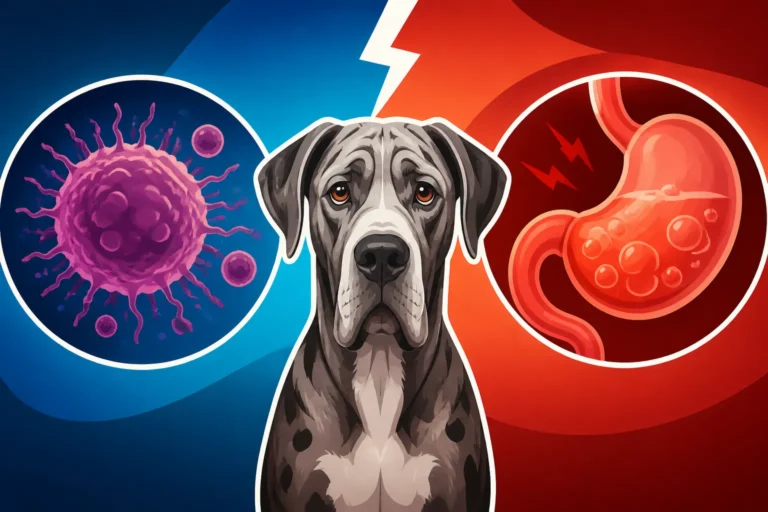
The science behind why giant breeds age faster is complex, but it largely revolves around their rapid growth and immense size. Their cells are under more stress, they have higher rates of cell division, and potentially accumulate more cellular damage over time. This leads to a greater predisposition to certain diseases that affect cell growth and regulation, such as cancer. Moreover, the sheer mechanical stress on their joints, organs, and cardiovascular system from supporting such a large body plays a role. It's an intense metabolic demand to grow from a tiny puppy to a 150-pound adult in less than two years, and this rapid development can have long-term consequences on their overall health and resilience. Understanding Why a Great Dane Ages Faster Than Smaller Dogs helps us appreciate the unique biological pressures these magnificent animals face.
The Silent Killer: Gastric Dilatation-Volvulus (Bloat)
For Great Dane owners, the word "bloat" often evokes a chilling fear. Gastric Dilatation-Volvulus, or GDV, is an acute, life-threatening condition that, tragically, is one of the leading causes of death in Great Danes. It strikes suddenly and progresses with terrifying speed, leaving owners with mere minutes to act.
Understanding the Deadly Twist
Bloat occurs when a dog's stomach fills with gas, food, or fluid (dilatation) and then twists on its axis (volvulus). This twisting cuts off blood supply to the stomach and often the spleen, trapping gas and causing excruciating pain. The pressure from the distended stomach can also compress major blood vessels, leading to shock, rapid organ damage, and ultimately, death if not immediately treated. Great Danes are particularly susceptible due to their deep chests and large size. The statistics are grim: it’s estimated that Bloat in a Great Dane and the One in Three Odds is a reality, meaning a significant portion of the breed will experience this condition in their lifetime. Even with surgery, the mortality rate remains a serious concern, making prevention and immediate action paramount.
The Urgency of Recognition and Intervention
The signs of bloat can initially be subtle but quickly escalate. Owners might first notice their Dane pacing restlessly, attempting to vomit but producing nothing (a "non-productive retch"), drooling excessively, or showing signs of abdominal discomfort. As the condition worsens, the belly often becomes visibly distended and hard, and the dog may collapse, develop rapid, shallow breathing, and show signs of shock. Recognizing The Signs of a Great Dane Stomach Twisting is literally a matter of life or death. If you suspect bloat, there is no time to wait and see; you must get your Great Dane to an emergency veterinary hospital immediately. Every minute counts. The difference between survival and succumbing to bloat can be measured in how quickly you arrive at the clinic.
Mitigating the Risk: Prevention and Preparedness
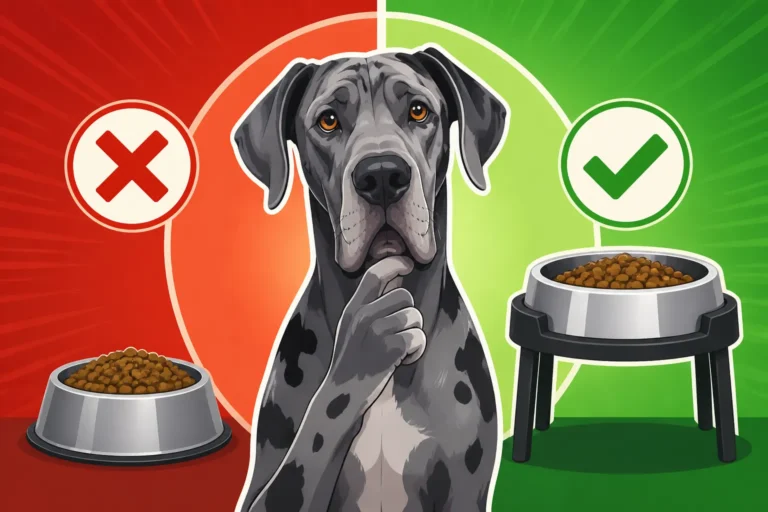
While no measure can guarantee complete prevention of bloat, several strategies can significantly reduce the risk. Feeding multiple smaller meals instead of one large one, using slow-feeder bowls, and restricting vigorous exercise an hour before and after meals are common recommendations. Many Great Dane owners opt for a prophylactic gastropexy, a surgical procedure where the stomach is tacked to the abdominal wall to prevent it from twisting in the future. This doesn't stop the stomach from dilating, but it prevents the deadly volvulus. For owners considering this, knowing When to Book a Great Dane Gastropexy is an important discussion to have with your vet. Beyond prevention, being financially prepared for such an emergency is vital. Pet insurance, like that offered by Healthy Paws, can be a lifesaver, covering a substantial portion of the incredibly high costs associated with emergency bloat surgery and aftercare. Having coverage can alleviate the agonizing choice between your dog's life and your financial limits.
The Burden on the Heart: Dilated Cardiomyopathy (DCM)
Another major health crisis that frequently claims the lives of Great Danes is Dilated Cardiomyopathy (DCM). This debilitating heart condition is particularly prevalent in giant breeds and can progress silently before manifesting with severe symptoms.
How DCM Weakens a Great Dane's Heart
DCM is a disease of the heart muscle where the heart becomes enlarged and weakened, losing its ability to pump blood efficiently throughout the body. As the heart chambers dilate, the walls thin, leading to reduced contractility. This results in fluid buildup in the lungs (pulmonary edema) and abdomen (ascites), as well as an increased risk of abnormal heart rhythms (arrhythmias) and sudden cardiac arrest. Great Danes are unfortunately predisposed to this genetic condition. Understanding The Heart Muscle Disease Great Danes Are Prone To helps explain why this is such a significant concern for the breed. The disease typically affects the left ventricle, the main pumping chamber, leading to a progressive decline in heart function.
Recognizing the Subtle and Overt Signs
The insidious nature of DCM is that its early stages often present with no obvious symptoms. Owners might notice very subtle changes that are easy to dismiss: a slight decrease in exercise tolerance, a tendency to tire more easily on walks, or perhaps a soft cough, especially at night. As the disease progresses, signs become more pronounced: persistent coughing, difficulty breathing, a distended abdomen due to fluid, weakness, and even fainting spells. It's heartbreaking to see your usually energetic Dane become lethargic and struggle with activities they once enjoyed. Regular veterinary check-ups, including listening to the heart, are crucial, and sometimes a vet might recommend Screening a Great Dane's Heart Each Year with an echocardiogram, especially if there's a family history of DCM or if the vet detects a murmur or arrhythmia.
Managing DCM and Prognosis
Once diagnosed, DCM is a progressive disease with no cure, but it can often be managed with medication to improve heart function, control fluid buildup, and regulate heart rhythms. Drugs like pimobendan and diuretics are commonly prescribed. The goal of treatment is to slow the progression of the disease, improve quality of life, and extend the dog's lifespan. However, the prognosis varies greatly depending on the stage of diagnosis and how well the dog responds to treatment. Despite the best medical care, DCM ultimately leads to heart failure. Knowing How Long a Great Dane Lives After Heart Failure can give owners a realistic expectation for the difficult journey ahead. The costs associated with lifelong cardiac medications and regular veterinary check-ups can be substantial. This is another area where a comprehensive pet insurance plan from a provider like Healthy Paws can offer much-needed financial relief, ensuring you can afford the best possible care without undue stress.
The Shadow of Cancer: Osteosarcoma and Other Malignancies
Cancer is another devastating adversary for Great Danes, with certain types appearing with alarming frequency and often aggressive progression, making it a common cause of death.
Bone Cancer: A Great Dane's Achilles Heel
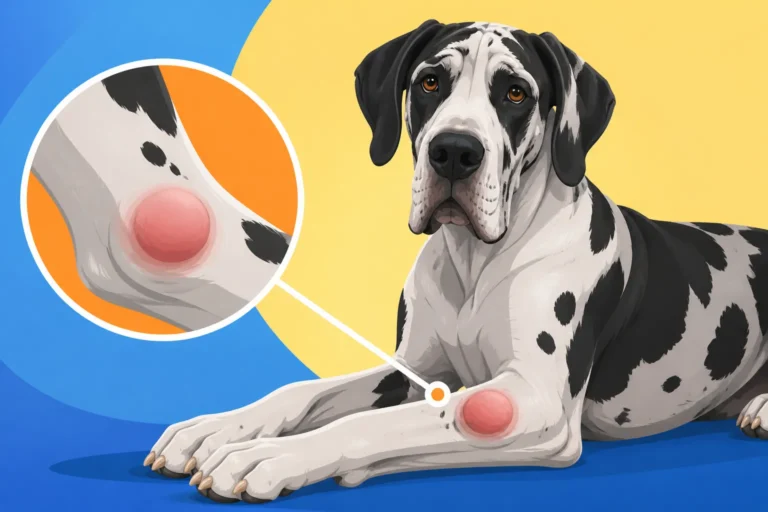
Osteosarcoma, an aggressive form of bone cancer, is particularly prevalent in large and giant breeds like the Great Dane. It typically affects the long bones of the legs (e.g., radius, ulna, tibia, femur) and can cause excruciating pain. The first sign owners often notice is a sudden or progressive lameness that doesn't resolve. Sometimes, a seemingly minor injury can reveal the underlying fragility of a bone weakened by cancer, leading to a pathological fracture. The Age Bone Cancer Hits a Great Dane often correlates with their mid-to-senior years, though it can strike younger Danes too. This cancer is highly metastatic, meaning it spreads rapidly to other parts of the body, most commonly the lungs, even before the primary tumor is diagnosed.
Other Common Cancers in Great Danes
While osteosarcoma is a major concern, Great Danes are also susceptible to other forms of cancer. Lymphoma, a cancer of the lymphatic system, is another malignancy that can affect them. This can manifest as enlarged lymph nodes, lethargy, loss of appetite, and weight loss. Mast cell tumors, which can appear on or under the skin, are also seen in the breed. Like all cancers, early detection is key, though often challenging given the speed with which some of these diseases progress. Regular veterinary exams, palpating for lumps and bumps, and being attuned to any changes in your dog's energy levels or appetite are essential. When facing a cancer diagnosis, the decision to pursue aggressive treatment like Amputation and Chemotherapy for a Great Dane involves not only significant financial cost but also a profound consideration of your dog's quality of life.
Treatment Challenges and Quality of Life
Treating cancer in a Great Dane presents unique challenges due to their size and the aggressive nature of many of these cancers. Chemotherapy and radiation can be options for some cancers, but these treatments often come with side effects and substantial costs. For osteosarcoma, amputation of the affected limb followed by chemotherapy is often recommended, but not all Danes are good candidates, and owners must consider how their massive dog will cope on three legs. The goal is always to balance extending life with maintaining a good quality of life, which often means focusing on pain management. This can be an incredibly tough decision for owners, particularly when considering the financial implications. Again, having pet insurance from a reliable provider like Healthy Paws can make a difficult situation slightly less burdensome by covering a significant portion of these high-cost treatments, allowing you to focus on your dog's comfort.
Neurological and Degenerative Conditions
Beyond the more acute and aggressive diseases, Great Danes can also be prone to chronic neurological and degenerative conditions that significantly impact their quality of life and often lead to end-of-life decisions.
Wobbler Syndrome and Spinal Issues
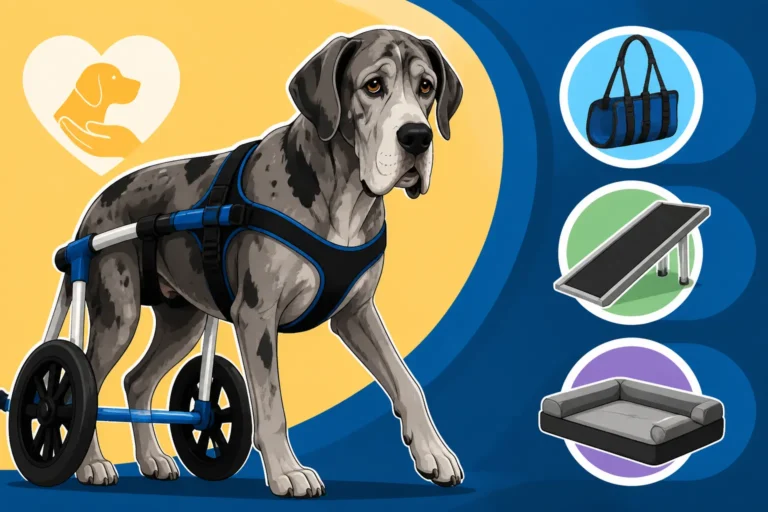
Cervical Spondylomyelopathy, commonly known as Wobbler Syndrome, is another debilitating condition that disproportionately affects Great Danes. It's a neurological disease caused by compression of the spinal cord and/or nerve roots in the neck. The condition leads to an unstable, uncoordinated gait, particularly in the hind limbs, which can make them appear "wobbly" – hence the name. Owners might first notice The First Wobbler Signs in a Great Dane as a subtle clumsiness, scuffing of the back paws, or difficulty getting up. As the condition progresses, the dog's mobility can become severely compromised, leading to weakness, pain, and potentially paralysis. Managing Wobbler Syndrome can involve medication to reduce inflammation and pain, strict rest, or in some cases, complex spinal surgery. This is a condition that requires careful consideration of the long-term impact on the dog's mobility and overall comfort.
Kidney Failure and End-of-Life Considerations
While not as specifically breed-predominant as bloat, DCM, or osteosarcoma, kidney failure is a common age-related degenerative disease that affects Great Danes as they get older, much like other large breeds. As the kidneys lose their ability to filter waste products from the blood, toxins build up, leading to symptoms such as increased thirst and urination, lethargy, loss of appetite, weight loss, and vomiting. Chronic kidney disease is progressive, and while dietary changes, fluid therapy, and medications can help manage the condition and slow its progression, it ultimately leads to organ failure. Making end-of-life decisions when your Great Dane is suffering from chronic, debilitating conditions like advanced kidney failure, severe Wobbler Syndrome, or uncontrolled cancer is one of the hardest parts of dog ownership. Understanding when to say goodbye, or Knowing When a Great Dane Is Done, is a profound act of love and compassion, ensuring they don't endure unnecessary pain or suffering.
Accidents and Unforeseen Circumstances
While specific diseases account for a large percentage of Great Dane deaths, it's also important to acknowledge that, like all dogs, they are susceptible to accidents and other unforeseen circumstances that can lead to untimely demise.
The Risks of Being a Giant
A Great Dane's immense size, while majestic, also comes with its own set of inherent risks. Their powerful bodies can inadvertently cause injury to themselves or others if not properly trained and managed. For instance, a happy "Great Dane tail wag" can sweep objects off tables, or even injure a small child if not cautious. They are prone to injuries like cruciate ligament tears simply due to their weight and the force they exert during play or sudden movements. In their youth, rapid growth can lead to Growth Disorders in a Great Dane Puppy if not carefully managed. Falls, particularly in older Danes with mobility issues, can result in severe fractures that are incredibly difficult to heal given their size. These incidents, while not diseases in themselves, can lead to complications that significantly impact their lifespan or necessitate difficult decisions about their quality of life.
Emergency Situations and Their Impact
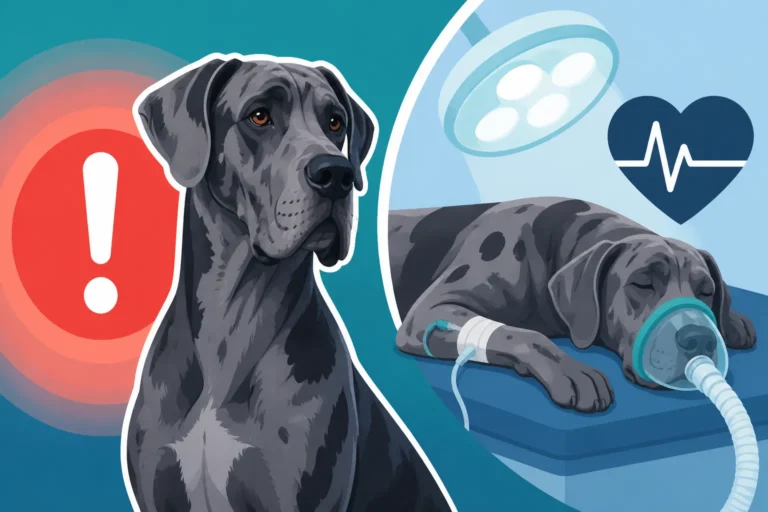
Beyond disease, any major accident or sudden emergency can, unfortunately, be a cause of death for a Great Dane. This could include being hit by a car, severe trauma from a fall, or ingesting a toxic substance. Because of their size, the medical intervention required for a Great Dane in an emergency is often more complex and expensive. Anesthesia risks are higher due to their sheer volume, and specialized equipment or staffing might be needed. The financial burden of such an emergency can be immense, easily running into thousands of dollars. Having an emergency fund or, more reliably, a robust pet insurance plan like Healthy Paws can make all the difference, allowing you to pursue aggressive life-saving treatment without the added stress of crushing veterinary bills. It’s about being prepared for the unpredictable, because even with the best care, life can throw unexpected curveballs.
Summary of Common Causes of Death in Great Danes
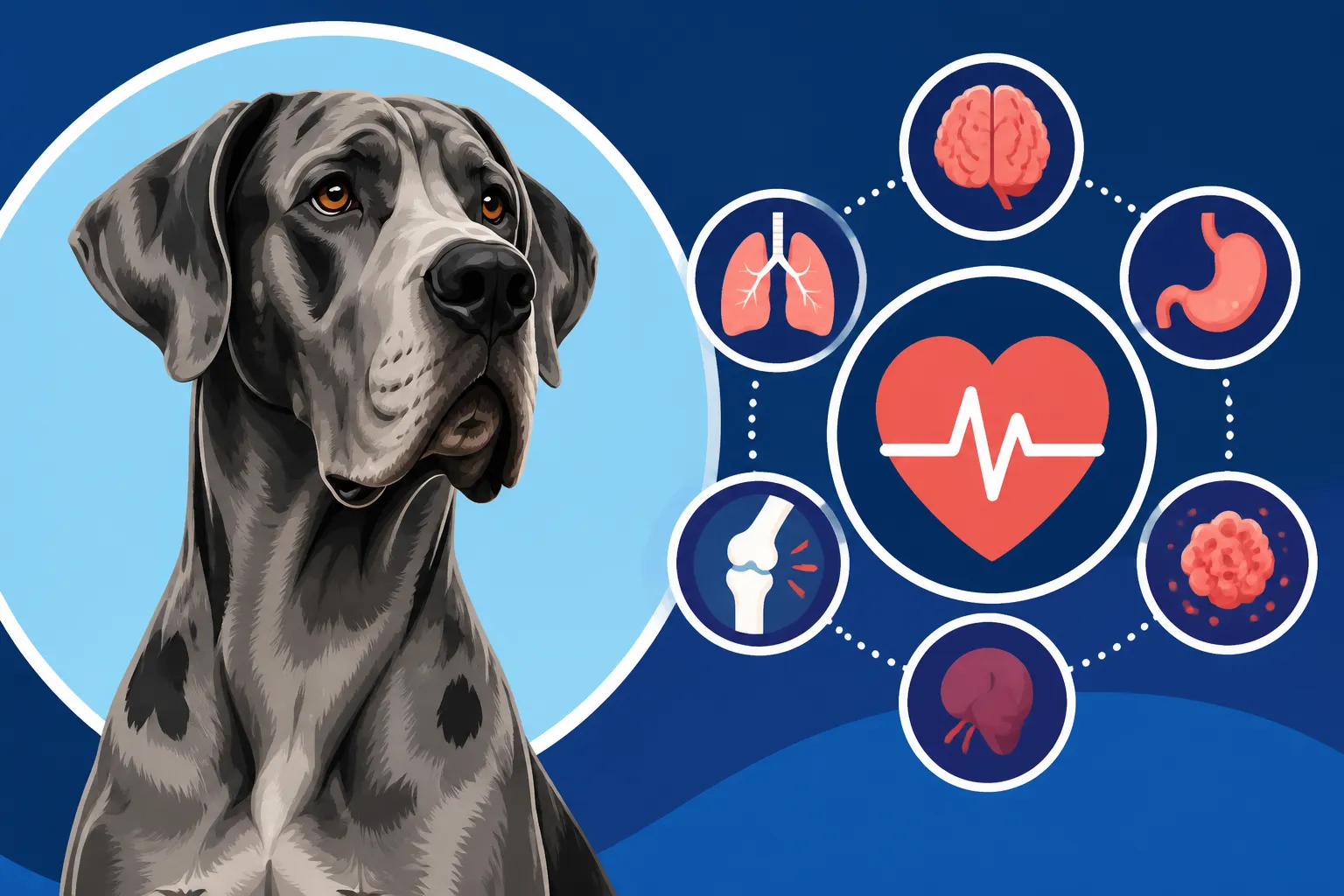
To help you visualize the primary health challenges, here's a table summarizing the most common causes of death in Great Danes:
| Cause of Death | Description | Typical Age Range (onset) | Key Symptoms | Prognosis (if untreated/severe) |
|---|---|---|---|---|
| Gastric Dilatation-Volvulus (GDV) / Bloat | Stomach fills with gas and twists, cutting off blood supply. | Any age (peak 2-7 years) | Retching without vomit, distended abdomen, pacing, drooling, restlessness, collapse. | Fatal within hours |
| Dilated Cardiomyopathy (DCM) | Heart muscle weakens and enlarges, impairing pumping ability. | Mid-life (3-6 years) | Lethargy, exercise intolerance, coughing (especially at night), difficulty breathing, fainting. | Progressive heart failure |
| Cancer (e.g., Osteosarcoma, Lymphoma) | Uncontrolled cell growth leading to malignant tumors. Osteosarcoma affects bones, lymphoma affects lymph nodes. | Senior (6+ years) | Lameness, swelling, pain (osteosarcoma); enlarged lymph nodes, lethargy, weight loss (lymphoma); varies by cancer type. | Often aggressive and metastatic |
| Wobbler Syndrome | Spinal cord compression in the neck, leading to neurological deficits. | Mid-life (3-7 years) | Uncoordinated gait (hind limbs), scuffed paws, weakness, neck pain, difficulty rising. | Progressive mobility loss |
| Kidney Failure | Kidneys lose ability to filter waste, leading to toxin buildup. | Senior (7+ years) | Increased thirst/urination, lethargy, loss of appetite, weight loss, vomiting. | Progressive organ failure |
| Accidents/Trauma | External injuries, falls, ingestion of toxins. | Any age | Varies widely depending on incident (e.g., pain, bleeding, neurological signs). | Varies, can be immediately fatal |
Please note that this table provides general information, and individual cases can vary significantly.
Disclaimer
The information provided in this article is for general educational purposes only and should not be considered a substitute for professional veterinary advice. Always consult with a qualified veterinarian for any health concerns or before making any decisions about your Great Dane's care.