A Great Dane That Fractures a Leg Doing Nothing
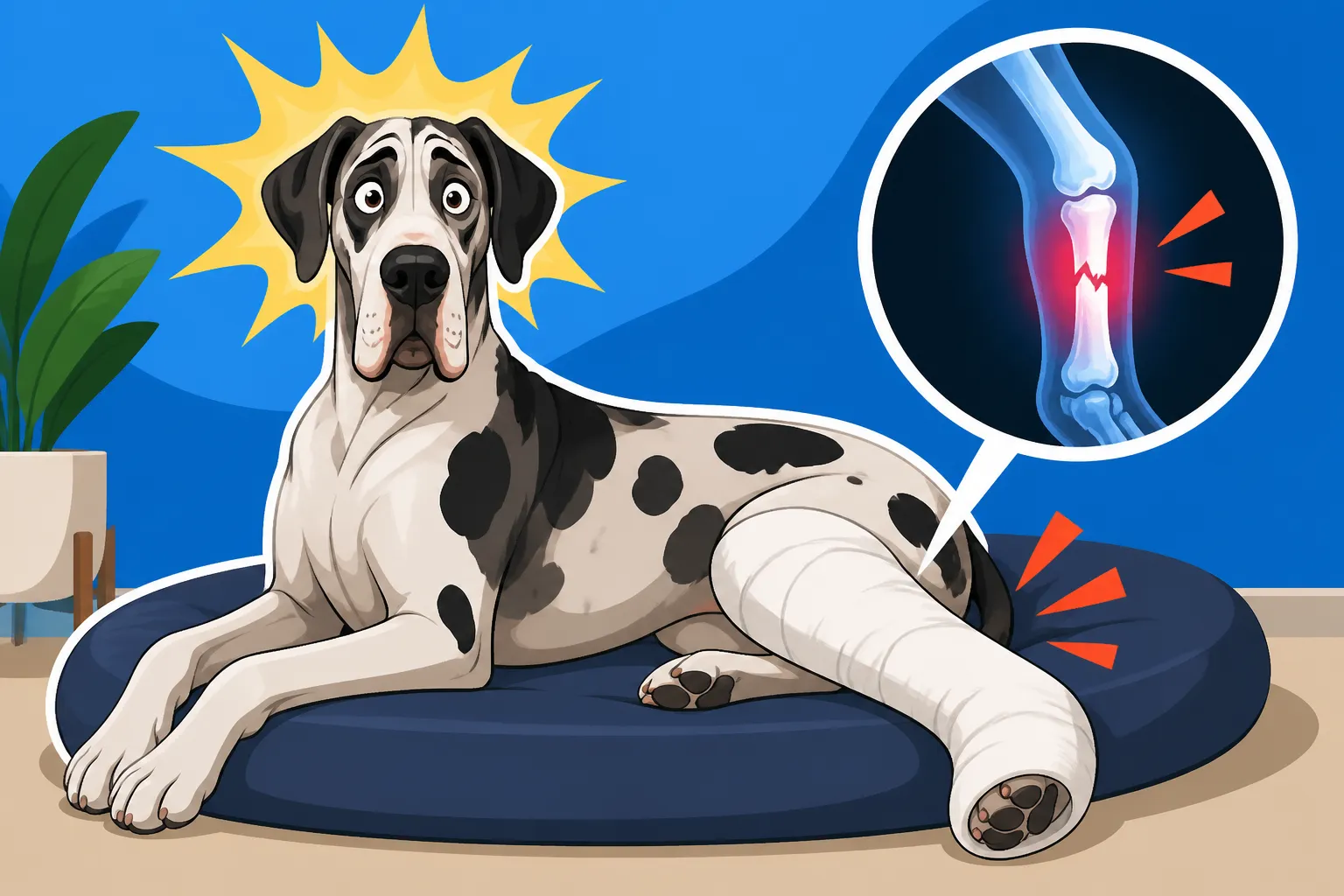
It’s truly one of the most heartbreaking and confusing things a Great Dane owner can experience: your beloved giant, seemingly just walking across the yard or getting up from a nap, suddenly lets out a cry and collapses with a fractured leg. You rack your brain trying to figure out what happened, what trauma could have caused such an injury, only to come up with nothing. This guide is here to shed light on why a Great Dane might fracture a leg "doing nothing," exploring the often hidden underlying causes, how to get a diagnosis, and what steps you can take.
The Frightening Reality of Spontaneous Fractures in Great Danes
The image of a robust, powerful Great Dane suffering a severe injury without any apparent external trauma is deeply unsettling. Many owners feel a wave of guilt, wondering if they missed something or if their dog somehow hurt itself and they weren't paying attention. But the truth is, sometimes, a fracture can occur due to internal weakening of the bone, making even routine movements enough to cause a break.
Understanding Pathological Fractures
A "pathological fracture" is a medical term for a bone break that occurs in bone that has been weakened by an underlying disease process, rather than by significant external force or trauma. Think of it this way: a healthy bone can withstand a lot of stress, a hard fall, or an awkward landing. But a bone compromised by disease might break from something as simple as stepping off a curb, twisting slightly, or even just shifting weight. For a Great Dane, a breed already carrying immense weight and experiencing significant daily stress on its skeletal system, a pathological fracture is particularly devastating.
When you observe your Great Dane fracturing a leg "doing nothing," it's highly likely you're witnessing a pathological fracture. The lack of an obvious impact or accident is the key indicator that the bone was already compromised. This isn't a normal broken bone from a fall; it's a symptom of a deeper, more insidious problem. This realization can be both terrifying and validating, as it helps you understand that the fracture itself is not the primary issue, but rather a catastrophic consequence of an unseen condition.
Why Great Dane Bones Can Be Vulnerable
Great Danes, being giant breeds, grow incredibly fast, reaching their adult size in a fraction of the time it takes smaller dogs. This rapid growth puts immense demands on their skeletal system. While their bones are designed to be strong, this accelerated development can sometimes lead to vulnerabilities. Issues like improper nutrition during growth, which can lead to malformed or less dense bone, or certain genetic predispositions, can compromise bone integrity over time.
Beyond growth-related concerns, the sheer size and weight of a Great Dane mean that every bone in their body is constantly under significant load. Imagine the forces at play as a 150-pound dog runs, jumps, or even just stands up. If any part of that bone structure is weakened, that constant stress can eventually lead to failure. This is why conditions that silently erode bone strength are particularly dangerous for our gentle giants.
The Shadow of Osteosarcoma: A Primary Suspect
When a Great Dane fractures a leg with minimal or no trauma, the first and most serious concern for veterinarians is often osteosarcoma. This aggressive form of bone cancer is tragically common in large and giant breeds, and it has a devastating way of manifesting through these "spontaneous" breaks.
What is Osteosarcoma and How It Affects Great Danes
Osteosarcoma is a malignant bone tumor that primarily affects the long bones of the limbs. For a Great Dane, this cancer is a particularly cruel diagnosis. It's not just a lump; it's a tumor that grows within the bone itself, actively destroying healthy bone tissue and replacing it with cancerous, weakened material. This process can happen quite insidiously, often going unnoticed until the bone is so compromised that it can no longer support the dog's weight.
The tumor growth creates a structurally unsound area within the bone. So, when your Great Dane performs a seemingly innocuous action, like stepping down from a couch or making a slight turn while walking, the weakened bone can simply give way. This sudden, unexpected fracture is often the first definitive sign that osteosarcoma is present, making the diagnosis all the more heartbreaking because it arrives at such a critical, painful point. Common sites for osteosarcoma include the bones around the shoulder, wrist, knee, and ankle – often referred to as "away from the elbow and towards the knee." You can read more about Bone Cancer in a Great Dane to understand the full scope of this disease.
Recognizing the Subtle Signs Before a Fracture
The tragic reality of osteosarcoma is that by the time a pathological fracture occurs, the disease is usually quite advanced. However, there are often subtle signs that appear much earlier, though they can be easy to miss or dismiss as general aches and pains. Owners might notice a slight, intermittent lameness that seems to come and go, or a reluctance to put full weight on a particular limb. Sometimes, there might be a subtle swelling or warmth around a joint that isn't immediately obvious. Your Great Dane might also become a bit more withdrawn, hesitant to play, or less enthusiastic about walks. These are all signs of a possible A Great Dane That Limps Without an Injury, which should always be investigated promptly, especially in a giant breed.
It's tempting to think it's just "growing pains" or a minor strain, especially in an active dog. However, in a breed like the Great Dane, any persistent limping or unexplained pain in a limb warrants immediate veterinary attention. Catching osteosarcoma earlier, before a fracture, significantly broadens treatment options and can improve outcomes, even if the prognosis remains guarded. Early diagnostic tools like X-rays can reveal changes in bone density or structure that indicate a tumor. When faced with such a devastating diagnosis, having pet insurance like Healthy Paws can truly alleviate the financial burden, allowing you to focus on your Great Dane's care without added stress.
Other Underlying Causes of Bone Weakness
While osteosarcoma is a prominent concern, other conditions, though less common as direct causes of spontaneous fractures in adult Great Danes, can contribute to overall bone weakness or mimic similar symptoms, especially during their intense growth phase.
Nutritional Imbalances and Developmental Issues
The rapid growth rate of Great Dane puppies is a double-edged sword. It’s absolutely crucial that their diet is specifically formulated for large and giant breeds. Feeding a regular puppy food, or worse, supplementing excessively with calcium, can actually do more harm than good. These well-intentioned but misguided feeding practices can disrupt the delicate balance of calcium and phosphorus needed for proper bone development, leading to conditions like Hypertrophic Osteodystrophy (HOD) or retained cartilage in growth plates. While these typically present as lameness and swelling rather than outright spontaneous fractures in adult life, they underscore how vulnerable a Great Dane’s bones are during their formative months. Ensuring your Why a Great Dane Puppy Should Grow Slowly on a diet appropriate for their breed is paramount to strong skeletal health long-term. Remember, what a Great Dane puppy should weigh at four months is not just about size, but healthy bone density and structure.
Similarly, ensuring your Whether a Great Dane Puppy Should Be Kept Lean is also important. Excess weight puts undue stress on developing joints and bones, potentially leading to micro-traumas or exacerbating any underlying developmental issues that could compromise bone strength in the future.
Metabolic Bone Diseases and Their Impact
Less commonly, certain metabolic bone diseases can lead to generalized bone demineralization, making bones fragile and prone to fracture. Conditions such as renal osteodystrophy (a complication of kidney failure) or hyperparathyroidism (overactivity of the parathyroid glands affecting calcium regulation) can slowly erode bone density. These diseases are usually accompanied by other systemic symptoms, but their impact on bone strength is significant. While not as frequently linked to spontaneous fractures as osteosarcoma, they highlight the importance of comprehensive veterinary care and blood work, especially as a Great Dane ages, to catch any underlying health issues.
Chronic Infections or Cysts Weakening Bone Structure
Infections within the bone itself, known as osteomyelitis, can also weaken its structure. This can occur from a deep wound, surgery, or even spread from an infection elsewhere in the body. A chronic bone infection can lead to localized destruction of bone tissue, making it susceptible to breaking under normal stress. Similarly, benign bone cysts, while not cancerous, can create hollowed-out areas within the bone, compromising its structural integrity. Both osteomyelitis and bone cysts are rarer causes of spontaneous fractures but are possibilities a veterinarian would consider during the diagnostic process.
Navigating Diagnosis and Treatment After a Spontaneous Fracture
Finding your Great Dane with a fractured leg and no obvious cause is a terrifying moment. Your immediate priority is to get them to an emergency veterinary clinic. The subsequent steps involve a meticulous diagnostic process to identify the root cause, followed by a discussion of treatment options, which can often be complex and emotionally challenging.
Immediate Veterinary Response and Diagnostics
When you arrive at the emergency vet, they will first stabilize your Great Dane and manage pain. This will likely involve powerful pain medications, as a pathological fracture is incredibly painful. The next crucial step is diagnostic imaging. X-rays are usually the first line of defense, and they will not only confirm the fracture but also often reveal abnormalities in the bone structure surrounding the break. These abnormalities, such as bone lysis (destruction) or proliferation (new bone growth), are strong indicators of an underlying disease like osteosarcoma. Getting X-Rays That Confirm Great Dane Bone Cancer is a critical step in understanding what you're up against.
Beyond X-rays, your vet might recommend additional imaging like a CT scan or MRI for a more detailed view of the bone and surrounding soft tissues. Blood work will also be done to check for any systemic issues. Crucially, a biopsy of the bone lesion is often necessary for a definitive diagnosis, especially if cancer is suspected. This involves taking a small tissue sample from the affected bone for histopathological examination. This process is vital because treating a fracture caused by cancer is vastly different from treating one caused by trauma or a metabolic disease.
Treatment Options and Prognosis
The treatment and prognosis following a pathological fracture in a Great Dane depend entirely on the underlying cause. If osteosarcoma is confirmed, the options are often grim but can include a combination of surgery and chemotherapy. Amputation of the affected limb is frequently recommended for local tumor control, provided the dog is otherwise healthy and can cope on three legs. This is often followed by chemotherapy to target potential microscopic spread of the cancer elsewhere in the body. You can learn more about Amputation and Chemotherapy for a Great Dane for a detailed understanding.
For many owners, the thought of amputation is daunting, especially for a giant breed. However, Great Danes often adapt surprisingly well to three legs with the right support and care. The goal is always to provide the best possible quality of life, focusing heavily on pain management. Sadly, even with aggressive treatment, the prognosis for osteosarcoma is guarded, with survival times typically measured in months rather than years. Palliative care, centered on keeping your Great Dane comfortable and pain-free, is also a very compassionate option, particularly when the cancer is advanced or if other health issues preclude surgery. Understanding Pain Relief for a Great Dane With Bone Cancer is essential to ensuring their comfort.
This is where having robust pet insurance coverage, like a comprehensive plan from Healthy Paws, can make a monumental difference. The costs associated with diagnostics, surgery, chemotherapy, and long-term pain management for a Great Dane can quickly run into thousands, or even tens of thousands, of dollars. Being able to say "yes" to necessary treatments without crippling financial stress is an invaluable peace of mind.
Proactive Steps for Great Dane Bone Health
While the thought of a spontaneous fracture is terrifying, there are proactive steps Great Dane owners can take throughout their dog's life to support strong bone health and increase the chances of early detection if issues arise.
The Importance of Breed-Specific Nutrition
Proper nutrition starts from puppyhood and continues throughout your Great Dane's life. Giant breed puppies require specialized large breed puppy food that is carefully formulated to promote slow, steady growth. This means controlled levels of calcium, phosphorus, and calories to prevent the rapid growth spurts that can stress developing bones and joints. Avoid over-supplementation, especially with calcium, unless specifically advised by your veterinarian for a diagnosed condition. Over-supplementing can paradoxically lead to skeletal problems.
As adults, maintaining a lean body condition is critical. An overweight Great Dane puts excessive strain on all its joints and bones, accelerating wear and tear and potentially exacerbating any underlying weaknesses. Regularly assess your dog's body condition – you should be able to easily feel their ribs without seeing them protruding, and they should have a discernible waist. You can read more about Why a Great Dane Burns Through Its Years and how good nutrition plays a critical role in their lifespan.
Regular Veterinary Check-ups and Early Detection
Annual veterinary check-ups are non-negotiable for Great Danes. These appointments are not just for vaccinations; they are an opportunity for your vet to perform a thorough physical examination, including palpating joints and limbs, assessing gait, and discussing any subtle changes you've noticed. Promptly investigating any persistent lameness, swelling, or behavioral changes that might indicate pain is crucial. Don't wait, hoping it will resolve on its own.
Furthermore, being diligent about choosing a reputable breeder who performs appropriate The Health Testing a Great Dane Breeder Owes You is foundational. While it doesn't guarantee a lifetime free of disease, it significantly reduces the risk of inherited conditions that can impact bone health. Thinking ahead, Building a Fund Before a Great Dane Needs It or, even better, enrolling your Great Dane in pet insurance like Healthy Paws, is an act of responsible ownership. Enrolling a Great Dane Before Anything Happens ensures that future, unexpected conditions like osteosarcoma-related fractures are covered, providing a safety net when you need it most. Many owners grapple with Whether Pet Insurance Is Essential for a Great Dane, but for this breed, it truly is.
Managing Exercise and Environmental Factors
Appropriate exercise is vital for muscle development and joint health, but "appropriate" is key for a Great Dane. During puppyhood, avoid high-impact activities like excessive jumping or long-distance running that can put undue stress on their developing growth plates. Controlled, moderate exercise, like walks and supervised play, is best. As adults, continued regular, moderate exercise helps maintain muscle mass and joint flexibility without overtaxing their system.
Beyond exercise, consider your Great Dane's living environment. Providing comfortable, orthopedic bedding helps cushion their joints and reduces pressure points, even if it doesn't directly prevent a pathological fracture, it contributes to overall comfort and joint health. Soft surfaces for resting are always preferable to hard floors.
Here's a quick summary of potential signs of bone weakness to watch out for:
| Symptom | Description | Potential Significance |
|---|---|---|
| Subtle or Intermittent Lameness | A slight limp that comes and goes, or appears after rest. | Early indicator of pain or structural issue. |
| Swelling or Warmth | Noticeable enlargement or heat around a bone or joint. | Inflammation, infection, or tumor growth. |
| Reluctance to Bear Weight | Hesitation to put full weight on a limb, or shifting weight constantly. | Pain, weakness, or instability in the limb. |
| Licking the Affected Area | Persistent licking or chewing at a specific spot on a limb. | Sign of localized pain or irritation. |
| Changes in Gait/Posture | A new awkwardness in movement, stiffness, or changes in how they stand. | Compensation for pain or structural change. |
| Unexplained Pain/Vocalization | Crying out when touched, or yelping during normal movement. | Acute pain, especially after a minor incident. |
| Lethargy/Loss of Appetite | General decrease in energy, interest in food, or withdrawal. | Systemic sign of underlying illness or severe pain. |
| Visible Deformity | A sudden, obvious change in the shape or angle of a limb. | Clear indication of a fracture, possibly pathological. |
Always remember that for a Great Dane, their immense size means even subtle changes can escalate quickly. Being observant and proactive with veterinary care is your best defense against these silent threats.
Disclaimer
The information provided in this article is for educational purposes only and should not be considered a substitute for professional veterinary advice. If your Great Dane is showing any signs of illness, injury, or distress, please consult with a qualified veterinarian immediately.