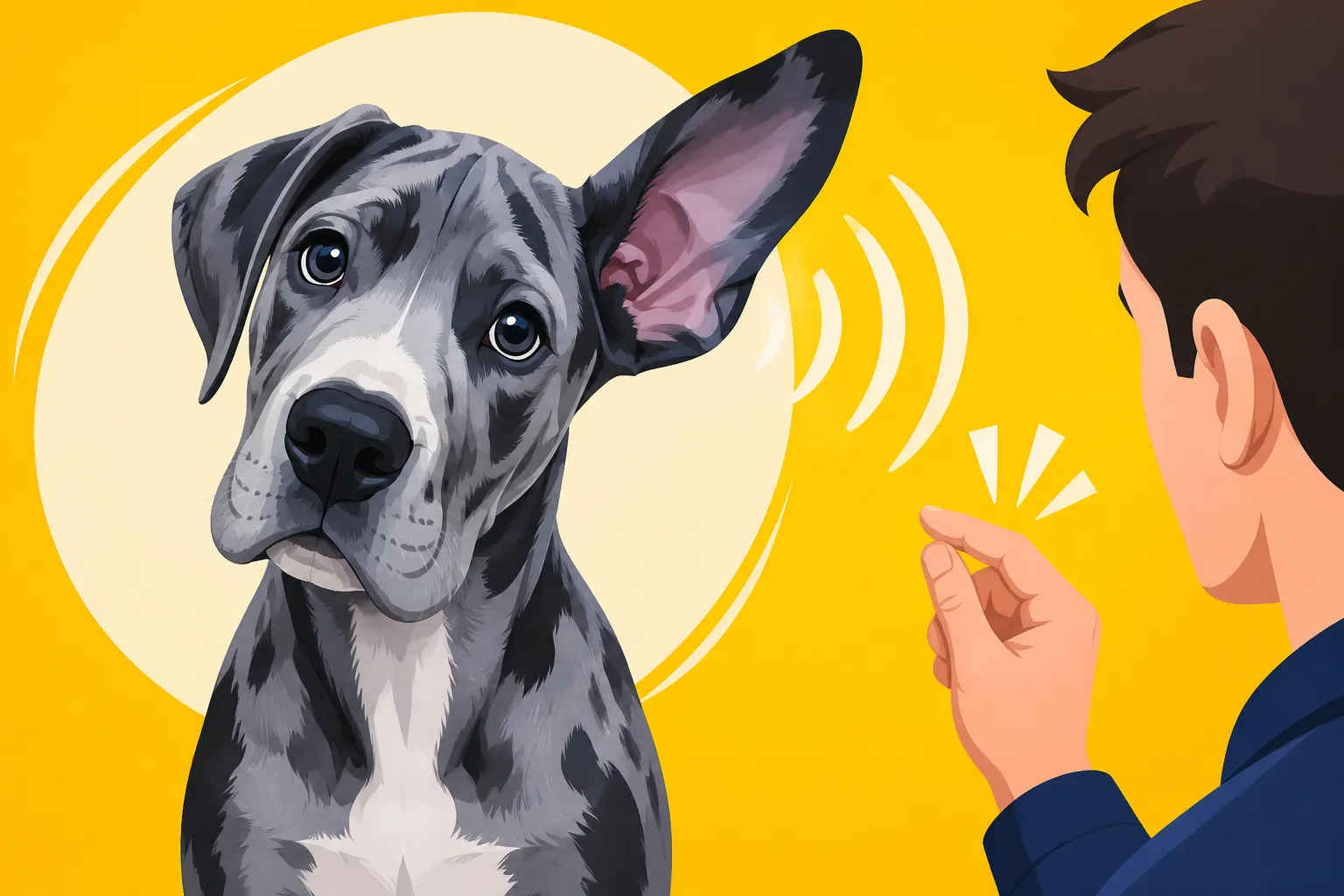
Testing a Great Dane Puppy’s Hearing
It’s a truly heart-stopping moment when you first suspect your Great Dane puppy might not be hearing you. Whether it’s not reacting to a dropped pan, sleeping through the doorbell, or just seeming strangely unresponsive, the worry about a hearing deficit can be overwhelming. This comprehensive guide is here to walk you through understanding why some Great Dane puppies are at a higher risk for deafness, how professional hearing tests work, what the results mean for your future together, and how to embark on life with a hearing-impaired companion.
Understanding Deafness Risk in Great Dane Puppies
Bringing home a Great Dane puppy is such an exciting time, full of dreams of a majestic, gentle giant joining your family. But sometimes, these dreams can be tinged with worry, especially when you start to notice little things that make you wonder about their hearing. It’s not an uncommon concern, as certain genetic factors put some Great Danes at a higher risk for congenital deafness, meaning they are born with it.
The Genetic Link to Congenital Deafness
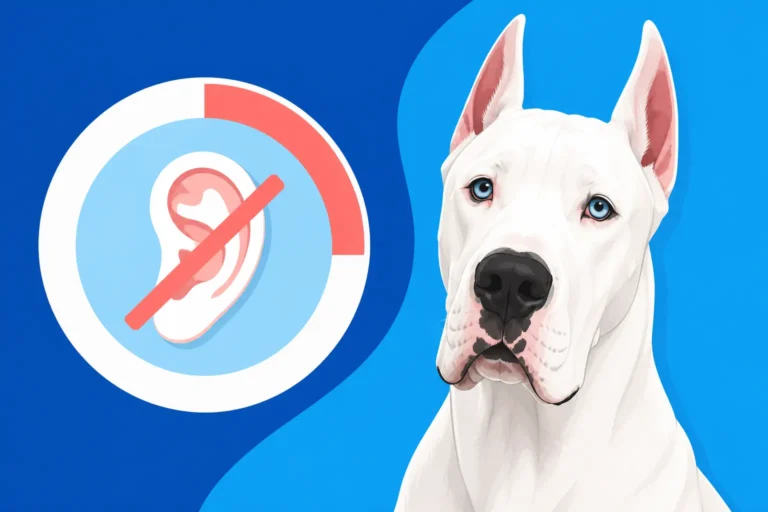
The connection between coat color and deafness in Great Danes is something many new owners aren't aware of, and it can be quite a shock to learn. It primarily revolves around the merle gene, which is responsible for the stunning dappled patterns you see in Harlequin and blue merle Danes. While beautiful, this gene, particularly when a dog inherits two copies (known as "double merle"), can lead to a lack of pigment in certain areas, including the inner ear, which is vital for hearing development. This is why you often hear the discussion about Why a White Great Dane Is Often Deaf – it's typically these "double merle" dogs who have excessive white markings, sometimes appearing almost entirely white, and they carry a much higher risk.
The merle gene's impact isn't just cosmetic; it's a profound genetic factor that can affect neurological development, including the auditory system. Responsible breeders are very careful about merle genetics, understanding that breeding two merles together can result in puppies with significant health issues beyond just deafness. This is precisely Why Two Merle Great Danes Should Not Be Bred. These double merle puppies are not only more prone to deafness but can also have severe eye defects, sometimes being born with microphthalmia (small eyes) or even missing eyes altogether, a condition you might learn more about in resources like Missing Eyes and Small Eyes in White Great Danes.
The risk isn't exclusive to completely white or extremely light-colored dogs. Any Great Dane puppy that carries the merle gene, especially Harlequins, can have varying degrees of deafness. Even seemingly "normal" colored puppies from a merle-to-merle breeding can carry the genetic markers for deafness, making careful breeding practices and early testing absolutely crucial. It’s a complex area of genetics, but understanding it helps you appreciate why testing is so important for certain litters.
Identifying Puppies at Higher Risk
So, how do you know if your Great Dane puppy is among those at higher risk? The most obvious indicator is their coat color and pattern. Harlequin Great Danes, with their distinct white base and black patches, and merle Danes (blue merle, fawn merle, etc.), which have a mottled or dappled pattern, are considered to be at an elevated risk. Puppies that are predominantly white, or those with very little pigment in their skin around the nose and eyes, should definitely be on your radar for hearing evaluation.
Beyond visual cues, a responsible breeder is your first line of defense and should be transparent about their breeding pairs and the health testing they conduct. They should be able to tell you if the parents carried the merle gene and whether the litter is considered at risk. When you're looking at The Health Testing a Great Dane Breeder Owes You, a BAER test for hearing should definitely be on that list, especially for litters with merle parentage. Good breeders understand this responsibility and will often have their entire litter tested before puppies go to new homes.
As an owner, you might start noticing subtle signs if your puppy has a hearing deficit. Perhaps they don't startle at loud noises, don't respond when called from another room, or sleep particularly deeply, oblivious to surrounding sounds. While these can sometimes be explained by deep sleep or a strong puppy focus, if you observe a consistent pattern, especially in a high-risk coat color, it’s a strong signal to talk to your vet about professional testing. For more on the prevalence, you can read about How Common Deafness Is in a White Great Dane.
The BAER Test: The Gold Standard for Hearing Evaluation
When it comes to definitively knowing your Great Dane puppy's hearing status, there's one test that stands above the rest: the Brainstem Auditory Evoked Response, or BAER test. It's the most reliable and objective way to assess hearing in young puppies, giving you concrete answers rather than just suspicions.
What is a BAER Test and How Does It Work?
The BAER test is a non-invasive, painless diagnostic tool that measures the electrical activity in the brainstem in response to auditory clicks. Think of it like an EEG for hearing. It essentially checks if sound signals are reaching the brain. For a Great Dane puppy, this is typically done when they are around 6-8 weeks old, which is the perfect window as their ear canals have opened and their auditory system is mature enough for accurate results.
During the test, small electrodes are placed on your puppy's head – usually one near each ear and one on the top of the head as a ground. These electrodes are harmless and simply pick up electrical signals. Tiny foam insert earphones or probes are then gently placed into each ear, delivering a series of quiet clicks. The clicks stimulate the auditory nerve, and if the sound is heard, electrical signals travel from the ear to the brainstem. The electrodes record these signals, which are then amplified and displayed on a computer screen as a waveform. If no waveform appears for a particular ear, it indicates deafness in that ear.
Because it requires the puppy to be still and quiet, sedation is almost always necessary for a Great Dane puppy to ensure accurate readings and minimize stress. Your veterinarian will typically administer a light, reversible sedative that keeps your puppy comfortable and relaxed throughout the brief procedure. It’s a straightforward test, usually performed by a veterinary neurologist or a specialized audiologist, and it provides invaluable information about your puppy's hearing capabilities.
What to Expect During the Test Day
Preparing for your Great Dane puppy's BAER test day can feel a little nerve-wracking, especially with the sedation involved, but knowing what to expect can help ease your mind. First, your puppy will likely need to fast for a few hours before the appointment, depending on the sedative protocol. When you arrive at the clinic, the veterinary team will conduct a quick physical exam to ensure your puppy is healthy enough for sedation.
Once the sedative is administered, your puppy will become drowsy and relaxed. The technician or specialist will then gently place the electrodes on the skin, often needing to part or clip a small amount of fur for good contact. The tiny earphones are inserted, and the test begins. Each ear is tested independently, so even if one ear is deaf, the other can still be assessed. The entire procedure usually takes only about 15-30 minutes, though preparation and recovery time will extend your visit.
After the test, your puppy will slowly wake up from the sedation. They might be a little wobbly or sleepy for a few hours, much like coming out of any anesthetic. It’s important to keep them warm and comfortable during this recovery period. The good news is that BAER tests are generally very safe. When considering the costs of such specialized diagnostics, it's worth noting that pet insurance providers like Healthy Paws often cover a portion of diagnostic tests for unexpected conditions, though congenital conditions might have specific clauses depending on your policy details and when you enrolled. For new Great Dane owners, it’s always wise to investigate Whether Pet Insurance Is Essential for a Great Dane and understand the Premiums Quoted on a Great Dane before any issues arise.
Interpreting BAER Test Results and Next Steps
Once the BAER test is complete, the results will give you a clear picture of your Great Dane puppy's hearing ability. Understanding these results is the first step in planning for their future, whether they hear perfectly or need some extra support.
Decoding the BAER Test Report
The specialist will provide a report indicating one of three outcomes for each ear: normal hearing, unilateral deafness, or bilateral deafness.
- Normal Hearing: This is the best-case scenario, meaning both ears respond fully to the auditory stimuli. Your puppy hears just fine, and you can breathe a sigh of relief.
- Unilateral Deafness: This means one ear shows a normal response, while the other shows no response. Your puppy is deaf in one ear. This is surprisingly common, and many dogs with unilateral deafness adapt incredibly well. They often learn to compensate with their good ear and can lead full, happy lives without much intervention. The primary challenge might be localizing sounds, as they lack the stereo hearing we rely on.
- Bilateral Deafness: This is when neither ear responds to the auditory stimuli, indicating your puppy is completely deaf. While this can feel devastating to hear, it’s not a life sentence. Deaf Great Danes can thrive with dedicated owners who are willing to learn new communication methods and ensure their safety.
Here’s a quick summary of what the results mean:
| BAER Test Result | Description | Implications |
|---|---|---|
| Normal Hearing | Both ears respond fully to auditory stimuli. | Your puppy has full hearing. |
| Unilateral Deafness | One ear responds normally, the other shows no response. | Your puppy is deaf in one ear. Often adapts well, but may have difficulty localizing sounds. Can still lead a very normal life. |
| Bilateral Deafness | Neither ear responds to auditory stimuli. | Your puppy is completely deaf. Requires specific training methods and heightened safety awareness, but can thrive with dedicated owners. |
Navigating Life with a Deaf Great Dane Puppy
Discovering your Great Dane puppy is deaf can bring a mix of emotions – sadness, worry, but also a fierce determination to give them the best life possible. The good news is that deaf dogs are incredibly adaptable and can be just as happy, well-adjusted, and trainable as their hearing counterparts, they just learn a little differently. The key is to adjust your approach and embrace new ways of communicating.
Training will rely heavily on visual cues and Hand Signals for a Great Dane That Cannot Hear. Start early and be consistent. Teach basic commands like "sit," "stay," "come," and "down" using clear, exaggerated hand motions. Positive reinforcement is paramount – use treats and enthusiastic praise when they respond correctly. Because they can’t hear verbal praise, a quick flash of a thumb or a treat delivered immediately can serve as their "good boy!" This early training also ties into general puppy development, which you can learn more about in resources like Socializing a Great Dane Puppy Early, as deaf puppies still need robust socialization.
Safety becomes an even greater priority. A deaf Great Dane won't hear a car approaching, a person calling their name, or another dog barking. This means off-leash exercise in unfenced areas is generally not recommended. Always keep them on a leash or in a securely fenced yard. When you’re at home, be mindful not to startle them. Approach them from the front or gently tap the floor to create vibrations before touching them. Consider a vibra-collar for recall, which uses vibration (not shock) to get their attention, followed by a hand signal. Insurance providers like Healthy Paws understand that dogs with special needs may require ongoing support, and while they may not cover pre-existing conditions if diagnosed before coverage, it's always worth exploring options for future care.
Responsible Breeding and Health Papers
Beyond individual puppy care, understanding the role of responsible breeding and proper health documentation is vital for the Great Dane community as a whole. It’s about ensuring the health and longevity of this magnificent breed.
The Importance of Breeder Transparency
A truly responsible Great Dane breeder will prioritize health over profit and be completely transparent about their breeding practices, health testing, and any known risks within their lines. They should openly discuss the genetic predispositions of Great Danes, including conditions like deafness, and explain how they mitigate these risks. For instance, reputable breeders will never intentionally breed two merle Great Danes together due to the severe health risks to the offspring.
When you're looking for a Great Dane puppy, don't be shy about asking for proof of health testing for both parents and, if applicable, the puppies themselves. This includes not just BAER tests for high-risk litters, but also screenings for other common Great Dane ailments like cardiac issues, hip and elbow dysplasia, and thyroid problems. The breeder should be able to provide you with certifications and documentation, such as those discussed in Reading a Great Dane Puppy's Health Papers. This level of honesty and thoroughness is a hallmark of a breeder who truly cares for the welfare of their dogs, and it gives you peace of mind that you're bringing home a puppy with the best possible start. If a breeder is reluctant to provide this information, it's a significant red flag.
Financial Considerations and Support
The cost of a BAER test can vary depending on your location and the veterinary specialist performing it, typically ranging from a few hundred dollars. This is often an expense the breeder covers for their high-risk litters, but if you adopt a puppy that hasn't been tested and you have concerns, it might fall to you. When considering Great Dane Puppy Prices in 2026, remember that a higher upfront cost from a reputable breeder often includes comprehensive health screenings, which can save you significant emotional and financial stress down the line.
Regarding pet insurance, it’s a smart investment for any Great Dane, given their propensity for certain health issues. Providers like Healthy Paws may cover diagnostic tests if the condition is not pre-existing. It's crucial to enroll your puppy early, ideally before any health concerns arise, to ensure coverage for unexpected illnesses or injuries. While congenital deafness itself might be excluded if diagnosed before coverage, the policy could still provide invaluable support for other health needs throughout your Great Dane's life.
Finally, remember that you are not alone if you have a deaf Great Dane. There are wonderful communities and online support groups dedicated to owners of deaf dogs. These groups offer invaluable advice, resources, and emotional support, helping you navigate challenges and celebrate the unique joys of living with a hearing-impaired companion. They are a testament to the fact that with a little extra understanding and effort, a deaf Great Dane can lead an incredibly rich and fulfilling life.
Disclaimer
This article is for general informational purposes only and does not constitute professional advice. Laws, prices and regulations vary by location and change over time. Consult a qualified professional for guidance on your specific situation.